Skip to content
en
USD

⚠️ Warehouse closures may affect order processing times. Blaine WA: Jun 30–Jul 2 | Nashville TN: Jul 9–10 | Las Vegas NV: Jul 16–18. Thank you for your patience.

Sublimation Blanks Wholesale

Explore our premium sublimation blanks in the USA, including mugs, tumblers, ornaments, photo panels, and more. Perfect for creators and print shops looking for consistent quality, and reliable results for every custom project.

Create High-Margin, Retail-Ready Products for Resale

Sublimation Blanks

Filter

163 products

  • Sort by

What are sublimation blanks used for?

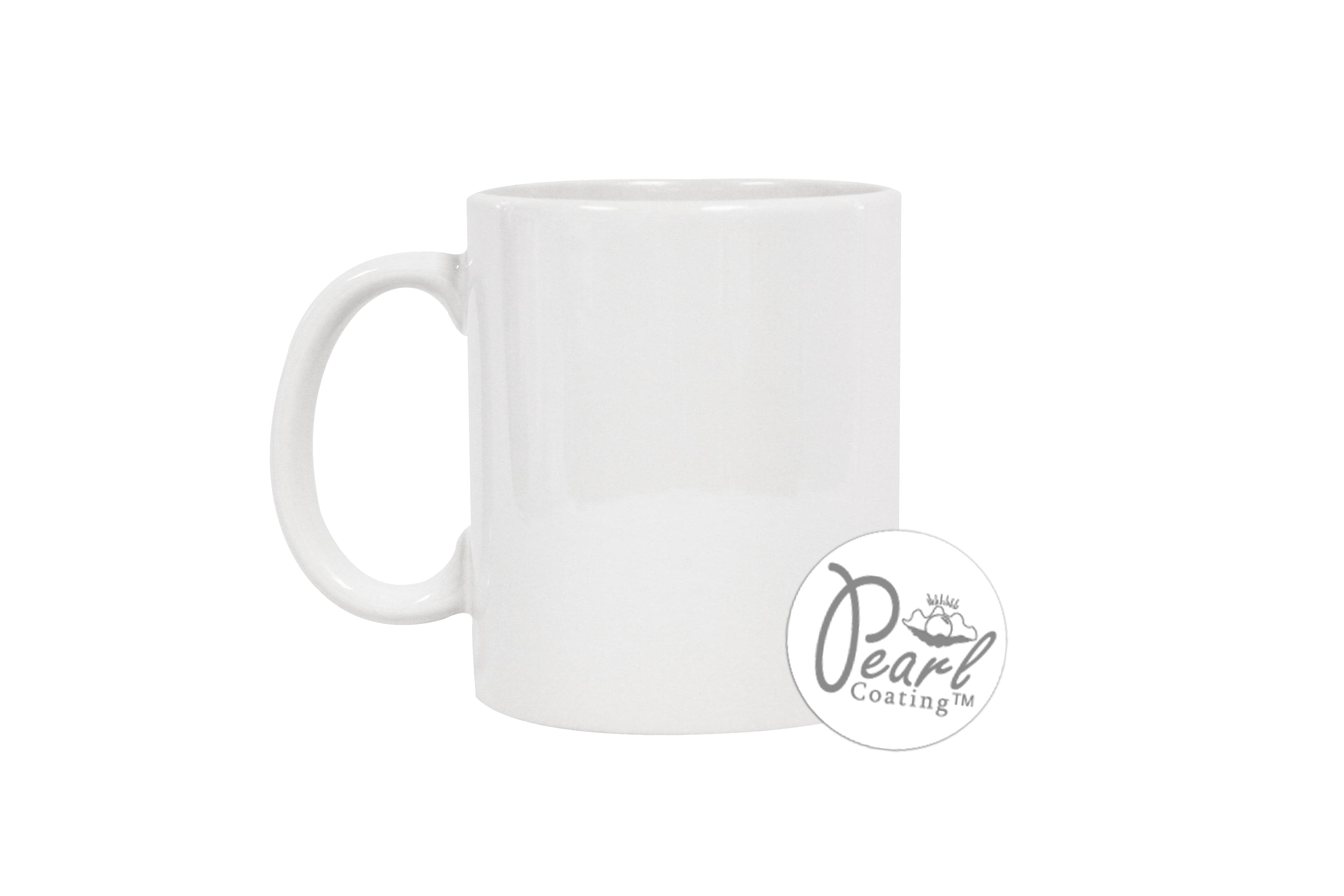
Sublimation blanks are substrates coated to bond permanently with sublimation ink under heat and pressure. Our Pearl Coating™ mugs go through thirteen manufacturing steps and three independent quality checks before they reach our warehouses, and they carry a certified rating of 3,500 or more dishwasher cycles, about ten times what standard coating handles. Across the rest of the range, from apparel to photo panels, the same principle applies. The substrate has to be built to accept dye at the molecular level, not just hold ink on the surface. That is why print shops use these blanks for mugs, apparel, and photo panels they are willing to put their name on.


What materials and coatings are required for compatible sublimation blanks?

A sublimation blank needs either a polymer coating or a substrate that is at least 60 percent polyester. That composition lets the dye convert to a gas under heat and bond into the material instead of sitting on top of it. Our Pearl Coating™ line uses J-S coating technology, tested for print quality with a boiling test, an adhesion test, and a scratch test before it ships. Substrates without that engineering will accept less ink, fade faster, or reject the transfer outright.

How should I care for and maintain sublimated products to ensure long-term durability and color vibrancy?

Wash sublimated apparel inside out in cold water with a mild detergent, and skip the bleach and fabric softener, both of which break down the ink bond over time. For mugs and photo panels, hand washing or a top rack dishwasher cycle is safest. Our Pearl Coating™ mugs are certified for 3,500 or more dishwasher cycles, roughly ten times the 300 to 800 cycle range of standard coating, but avoiding abrasive scrubbers still protects the finish on any substrate.

How do I print and apply a design to sublimation blanks?

Print your artwork onto sublimation paper with dye sublimation ink, then place the transfer face down on the blank and secure it with heat tape so it cannot shift. Press at the temperature and dwell time specified for that substrate, typically in the 380 to 400°F range for hard goods, with firm even pressure. Pull the paper as soon as the press cycle ends. Settings vary by substrate and blank thickness, so always start from the manufacturer's recommended settings rather than a one size fits all number.

Why are my sublimation blank transfers coming out faded, blurry, or ghosted?

Ghosting usually means the transfer shifted during the press cycle, so tape it down on all sides before pressing. Blurring is almost always trapped moisture, either in the blank or the paper, which is why pre-pressing your substrate for a few seconds before applying the design matters. Fading points to insufficient pressure, low temperature, or a coating that was not built to hold ink at the density you are printing, which is one reason we test every batch of Pearl Coating™ blanks before it ships rather than after a customer reports a problem.

How can I achieve the most vibrant and professional color results when using sublimation blanks?

Vibrancy starts with the coating itself. Pearl Coating™'s pearlescent finish is engineered specifically to intensify color transfer compared to a standard matte or semi gloss coating. Beyond the blank, use the ICC profile matched to your printer and paper combination, calibrate your press for temperature and dwell time, and clean the blank before pressing to remove dust or oils that cause spotting. Get those four things right and the blank does the rest.

How can using high-quality sublimation blanks improve the profitability and ROI of my custom printing business?

Cheap blanks cost more in the long run through reprints, returns, and customers who do not come back. A coating that consistently absorbs ink the same way, batch after batch, cuts material waste and lets you quote a price with confidence instead of building in a margin for failure. Our Pearl Coating™ line runs three independent quality checks during manufacturing specifically so shops are not the ones catching the defects after the fact.

How should I store sublimation blanks and what safety precautions are recommended during the heating process?

Store blanks in a cool, dry space away from humidity, which can degrade the coating before you even press it. When pressing, work in a ventilated area since the sublimation process releases gas as the ink converts from solid to vapor, and use heat resistant gloves when handling hot mugs, panels, or metal blanks straight off the press.

How do sublimation blanks compare to other decoration methods like heat transfer vinyl or screen printing?

Sublimation bonds dye into the coating itself, so it will not crack or peel the way HTV can after repeated washing, and it holds fine detail and photographic color that screen printing cannot match on light polyester goods. Screen printing still wins on large cotton runs where sublimation is not an option, and HTV is faster for small one off jobs. After years distributing both, we point shops toward sublimation whenever the order calls for color depth and durability over raw speed.

How can I optimize heat press pressure and dwell time settings to prevent ghosting and ensure edge-to-edge ink saturation on oversized sublimation blanks?

Large format blanks need firm, even pressure across the whole surface, which is where a foam pad under the blank helps distribute heat instead of concentrating it at the platen's contact points. Extend dwell time by roughly 10 to 15 percent over what you would use on a standard size blank in the same material, and let the piece cool fully before peeling the paper so the finish sets before it is disturbed.

aaa

Drawer Title

Similar Products