

















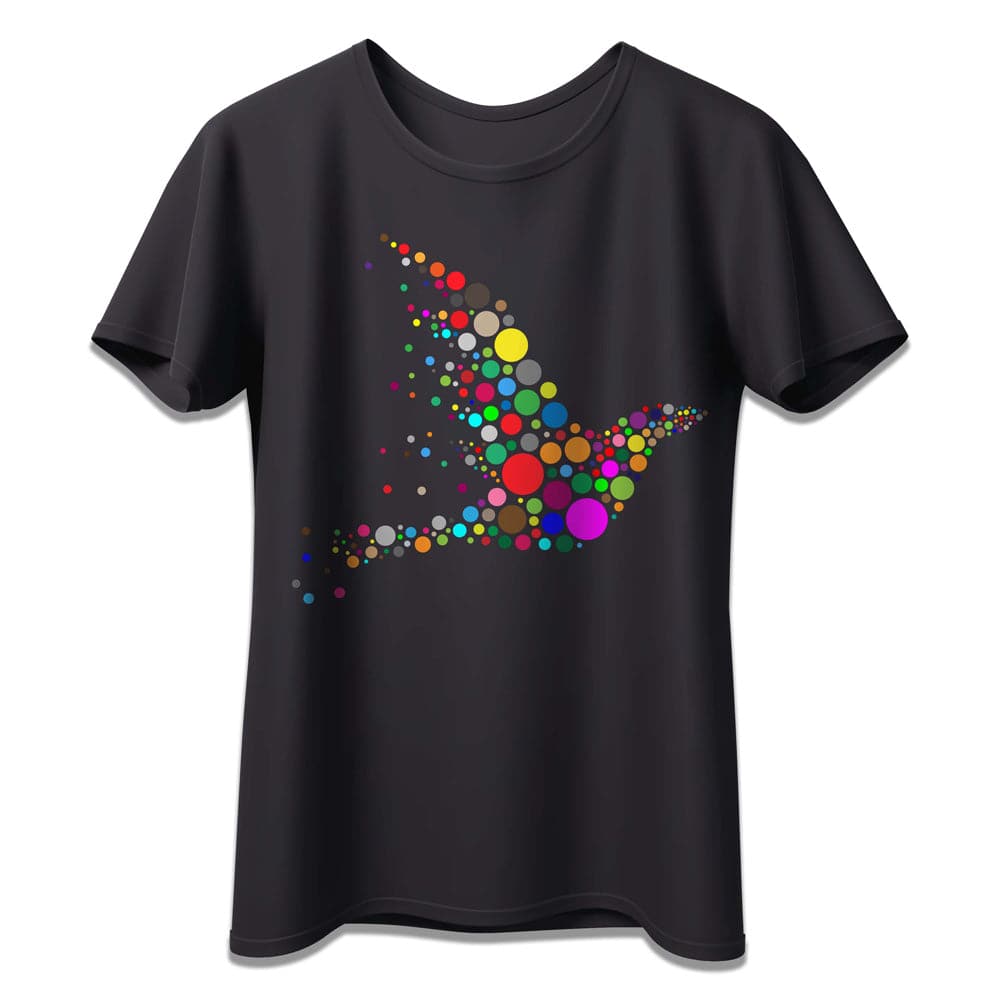
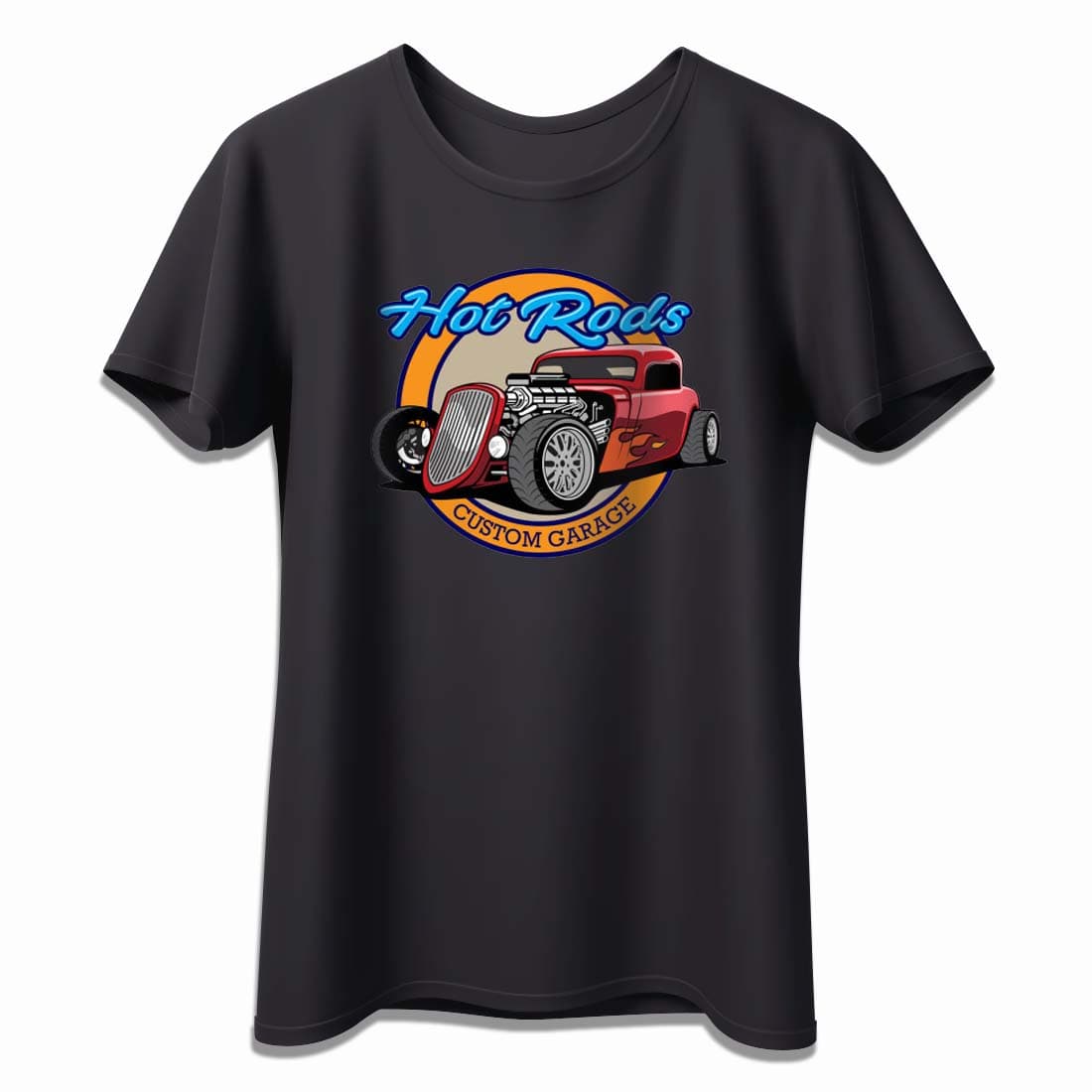
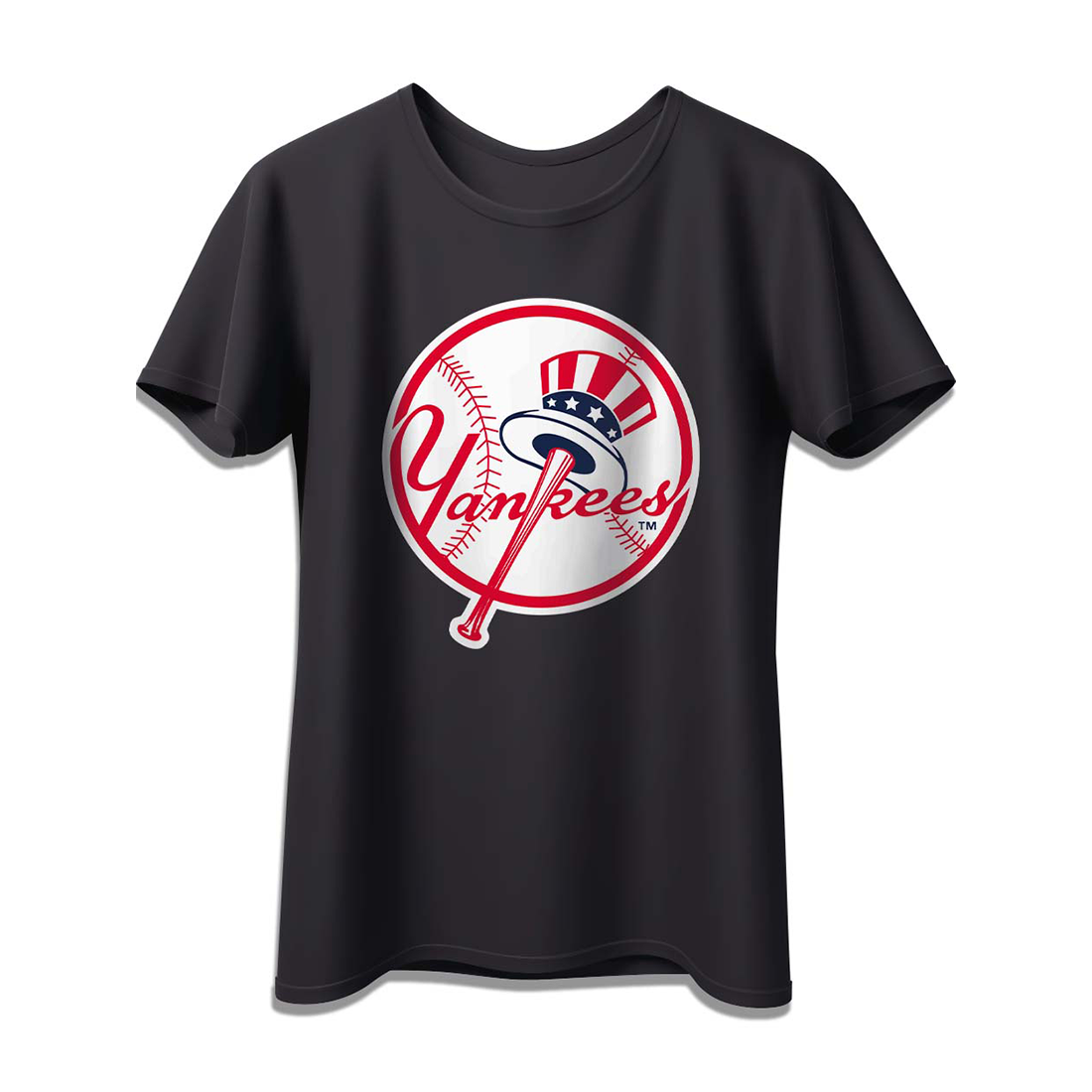

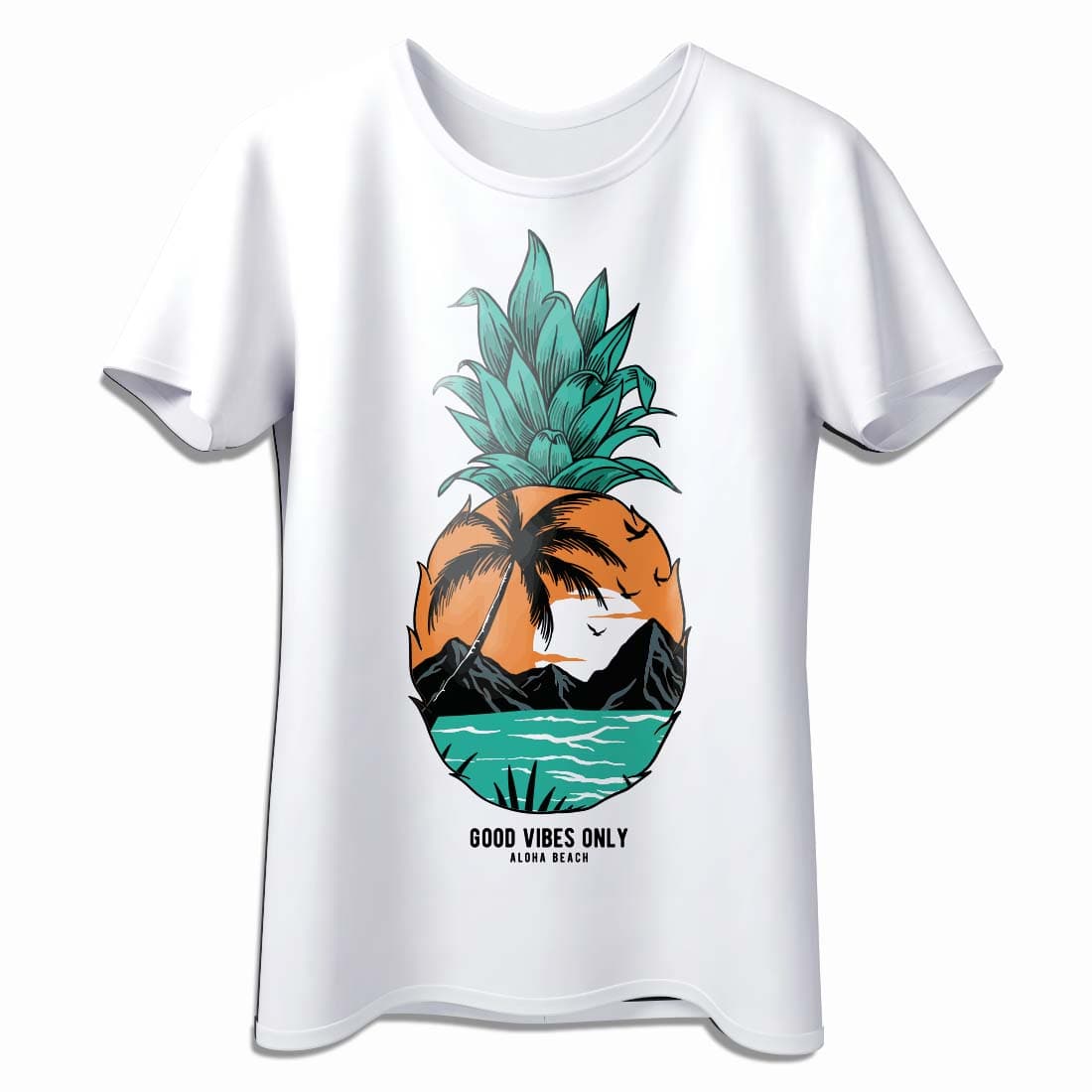
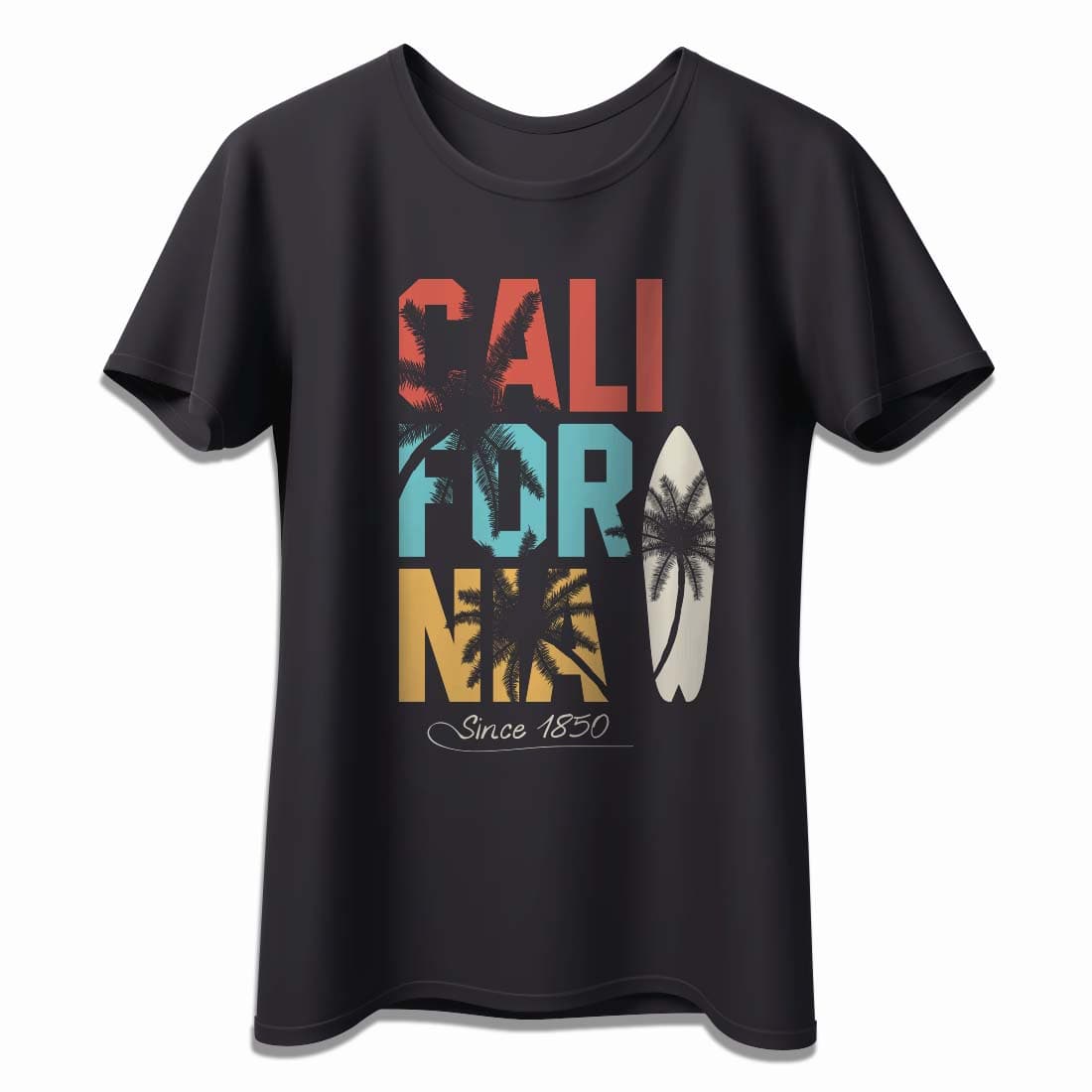
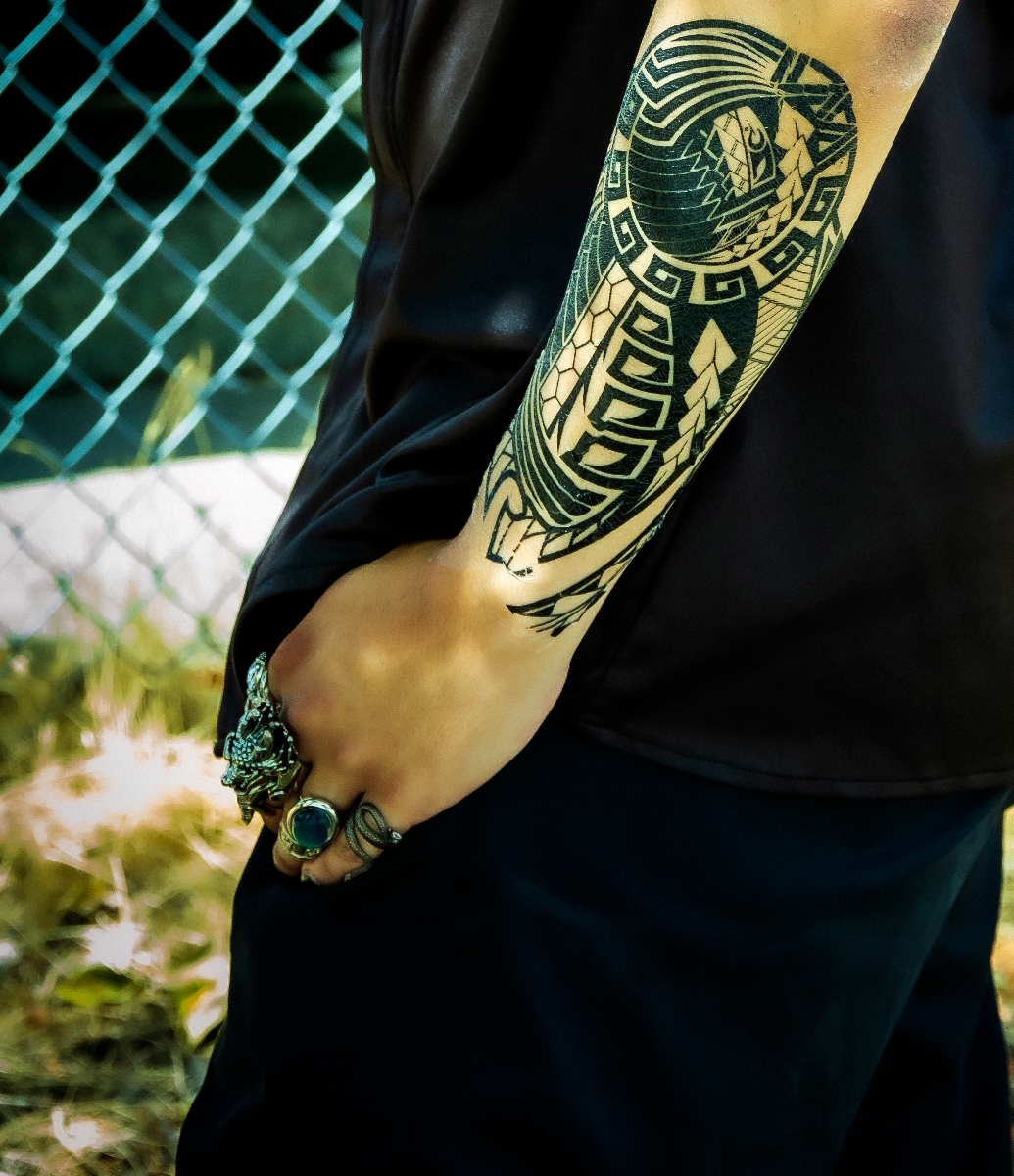
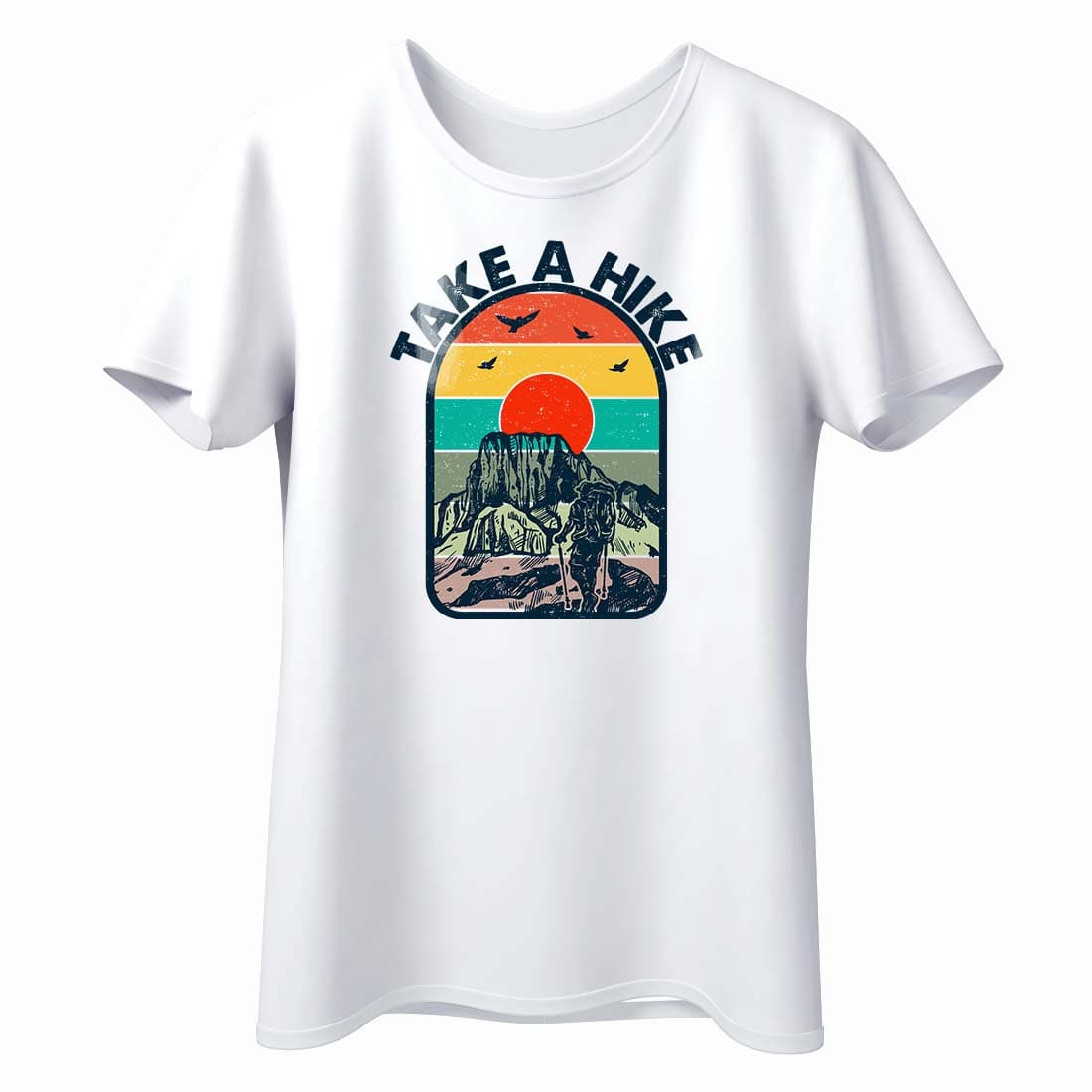
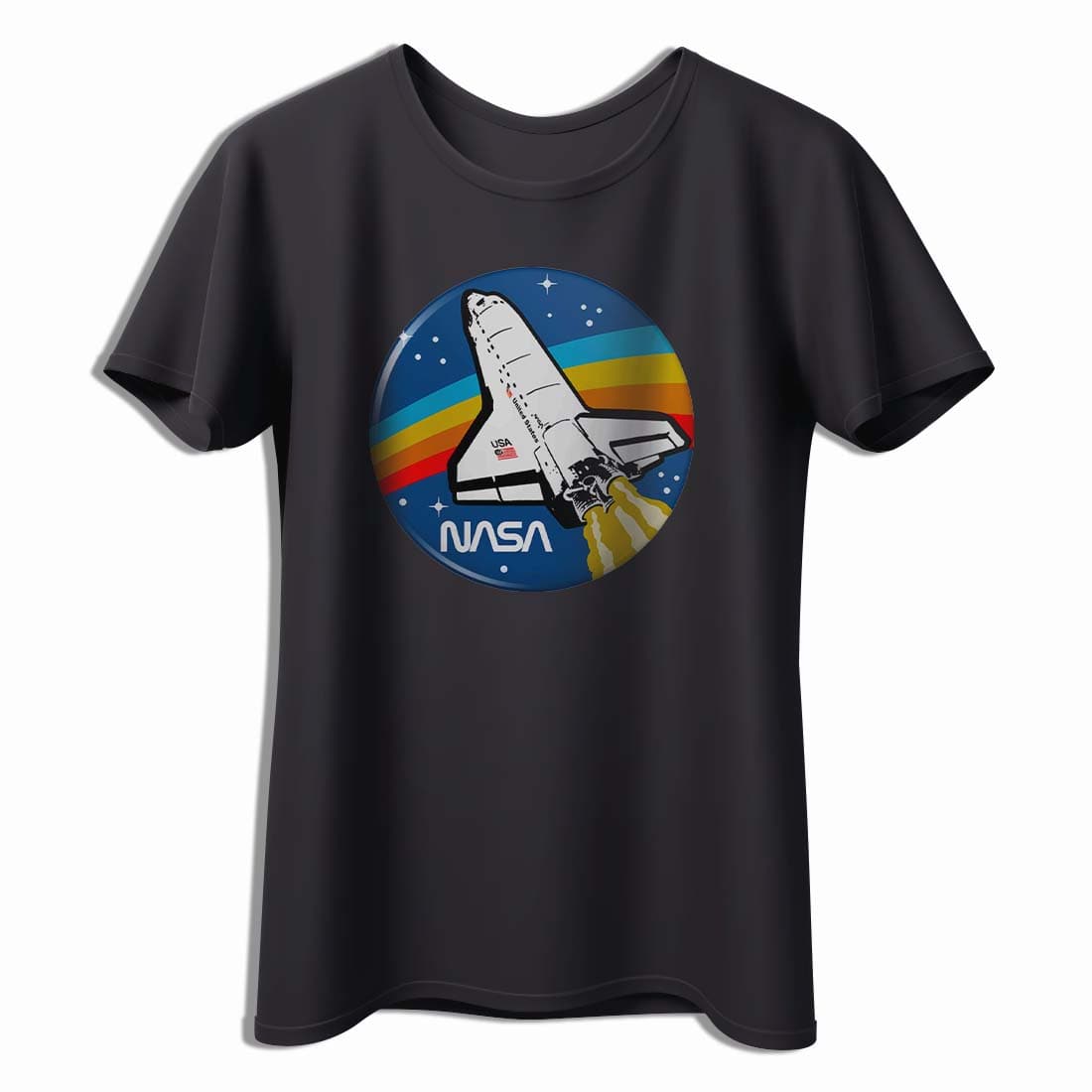
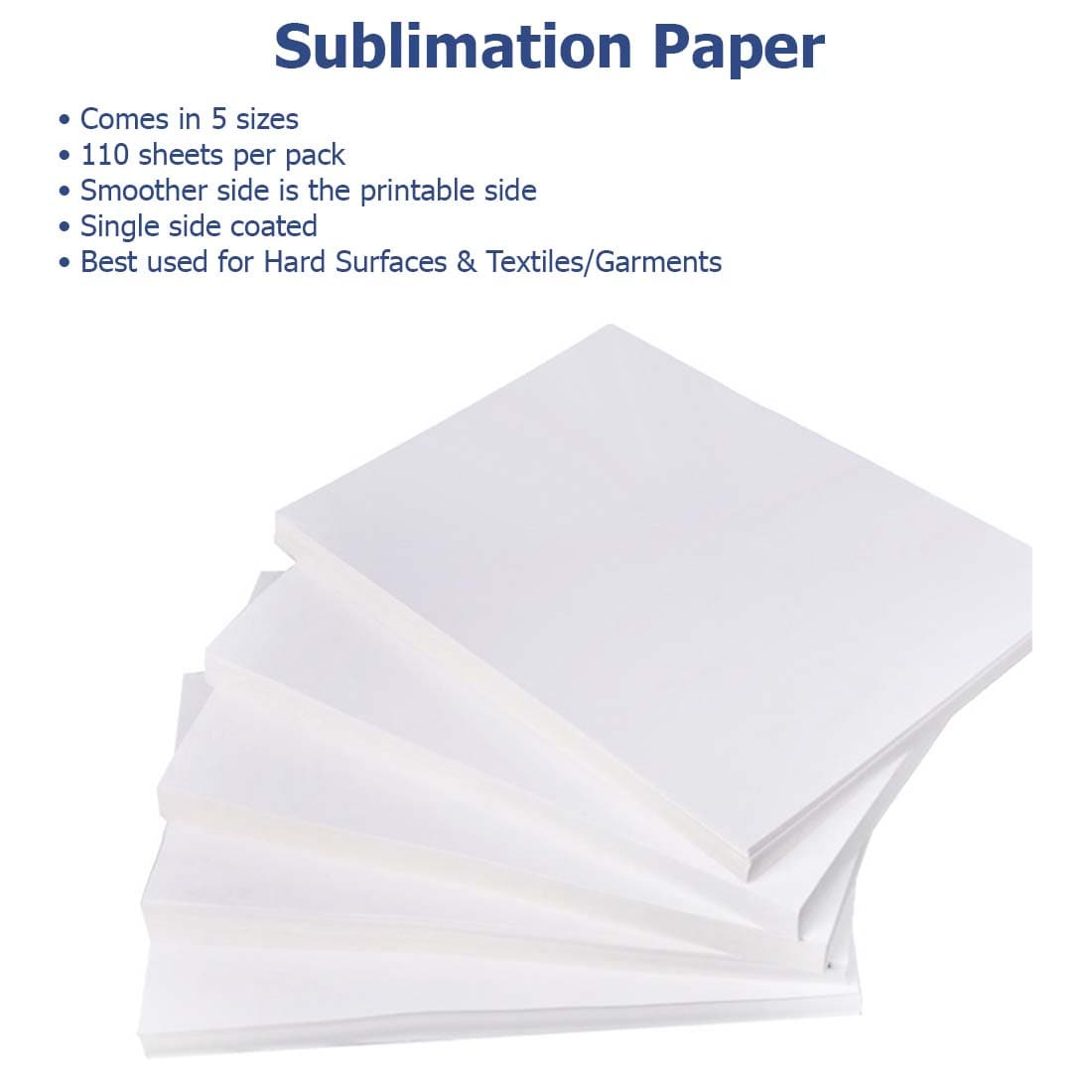

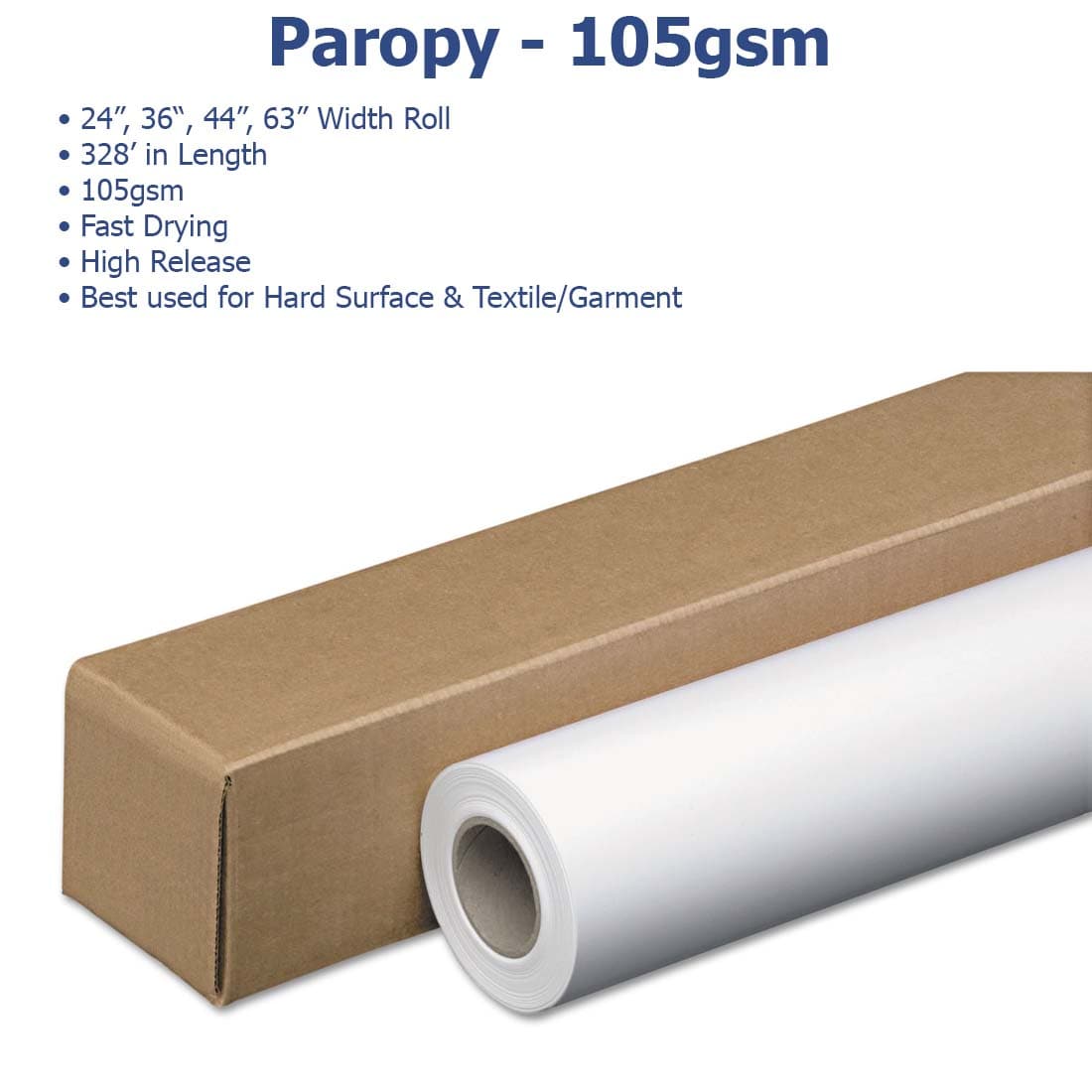




Custom T-shirts are everywhere today. From small online shops and local brands to school events, sports teams, and promotional merchandise, personalized apparel has become one of the most popular ways to create unique products or even launch a small business.
The good news is that making custom T-shirts at home is easier than ever. With the right tools and printing method, anyone can create professional-looking shirts without needing a large production facility.
However, many beginners quickly discover that there isn’t just one way to print T-shirts. In fact, several different techniques can be used depending on the type of fabric, the equipment available, and the kind of results you want to achieve.
Some of the most common methods include:
- Heat transfer paper
- Heat transfer vinyl (HTV)
- Sublimation printing
- Advanced transfer systems for cotton and blended fabrics
Each method has its own advantages, limitations, and equipment requirements. Some are perfect for beginners experimenting at home, while others are better suited for small businesses looking to produce high-quality apparel consistently.
In this guide, we’ll walk through the most popular ways to make custom T-shirts at home, explain how each method works, and help you determine which option best fits your goals. Whether you're creating shirts for fun, launching a side business, or expanding your print shop capabilities, understanding these techniques will help you achieve better results.
Method 1: Using Heat Transfer Paper
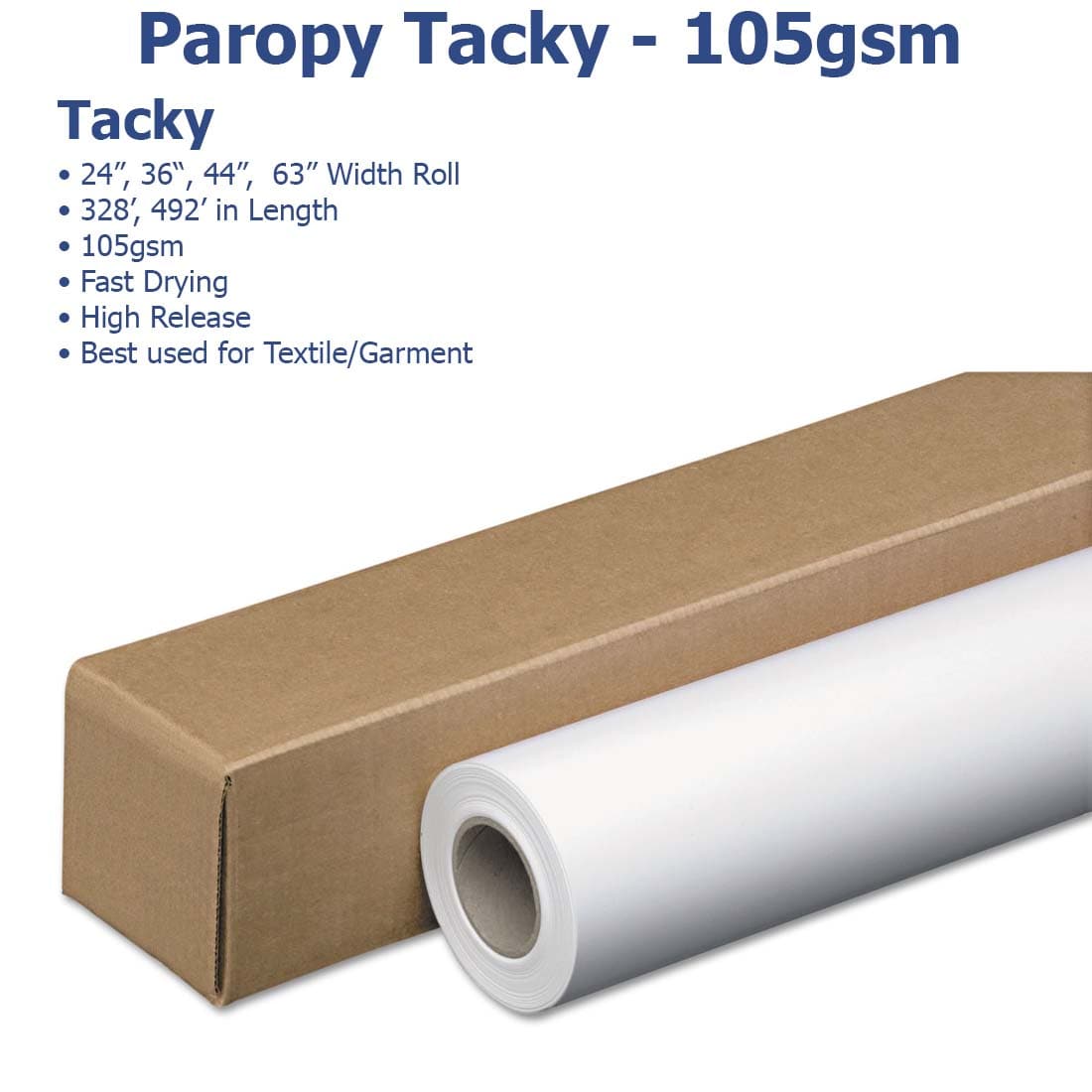
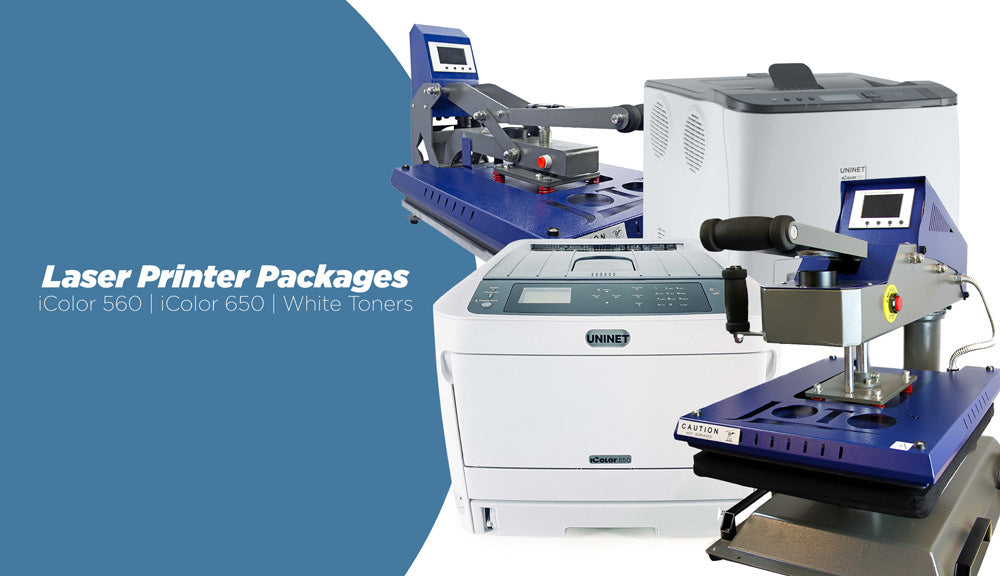
One of the easiest ways to start making custom T-shirts at home is by using heat transfer paper. This method is popular among beginners because it requires relatively simple equipment and allows you to print full-color designs using a standard printer.
The process is straightforward. First, you design your artwork using graphic design software. Once the design is ready, it is printed onto special heat transfer paper using either an inkjet or laser printer, depending on the type of transfer paper being used.
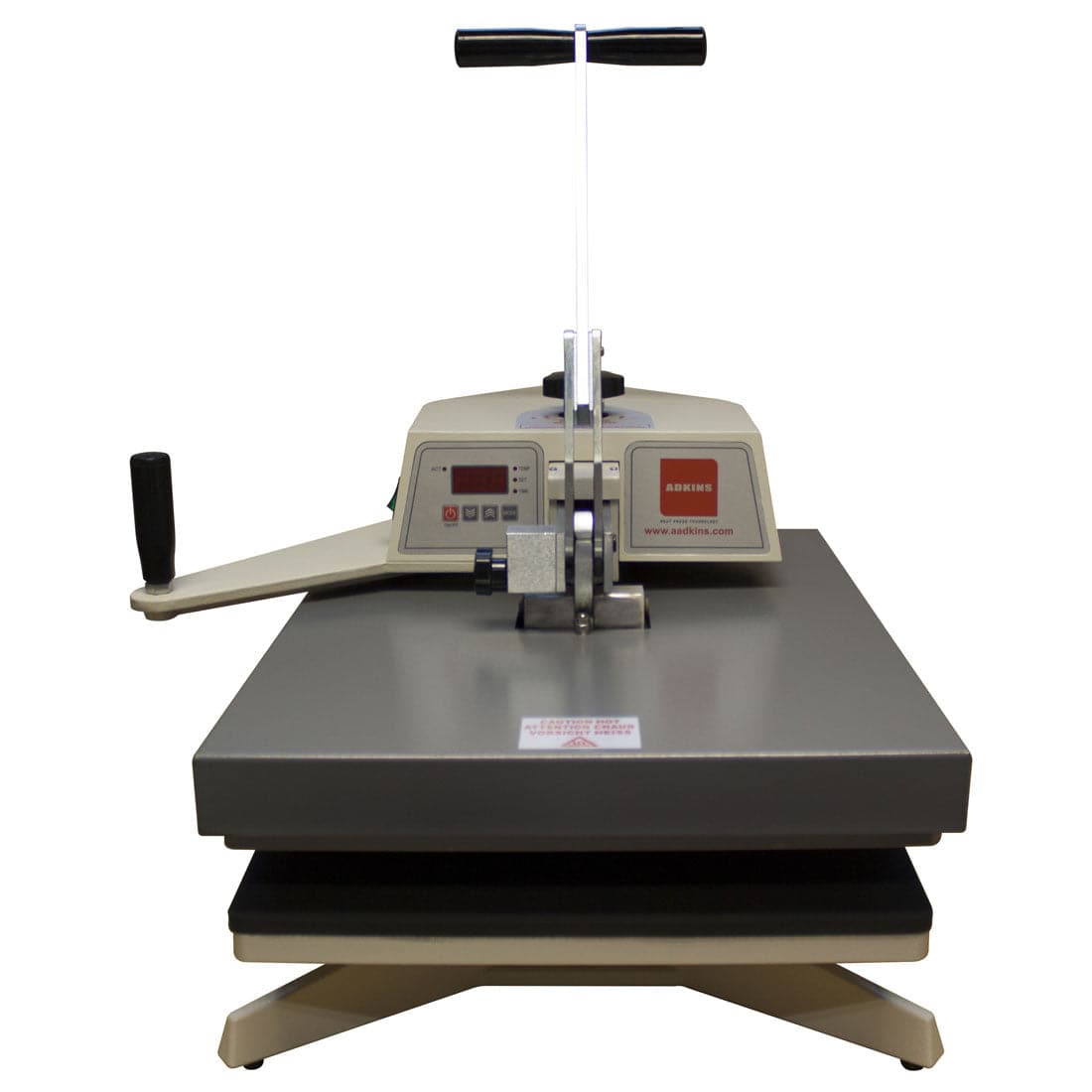
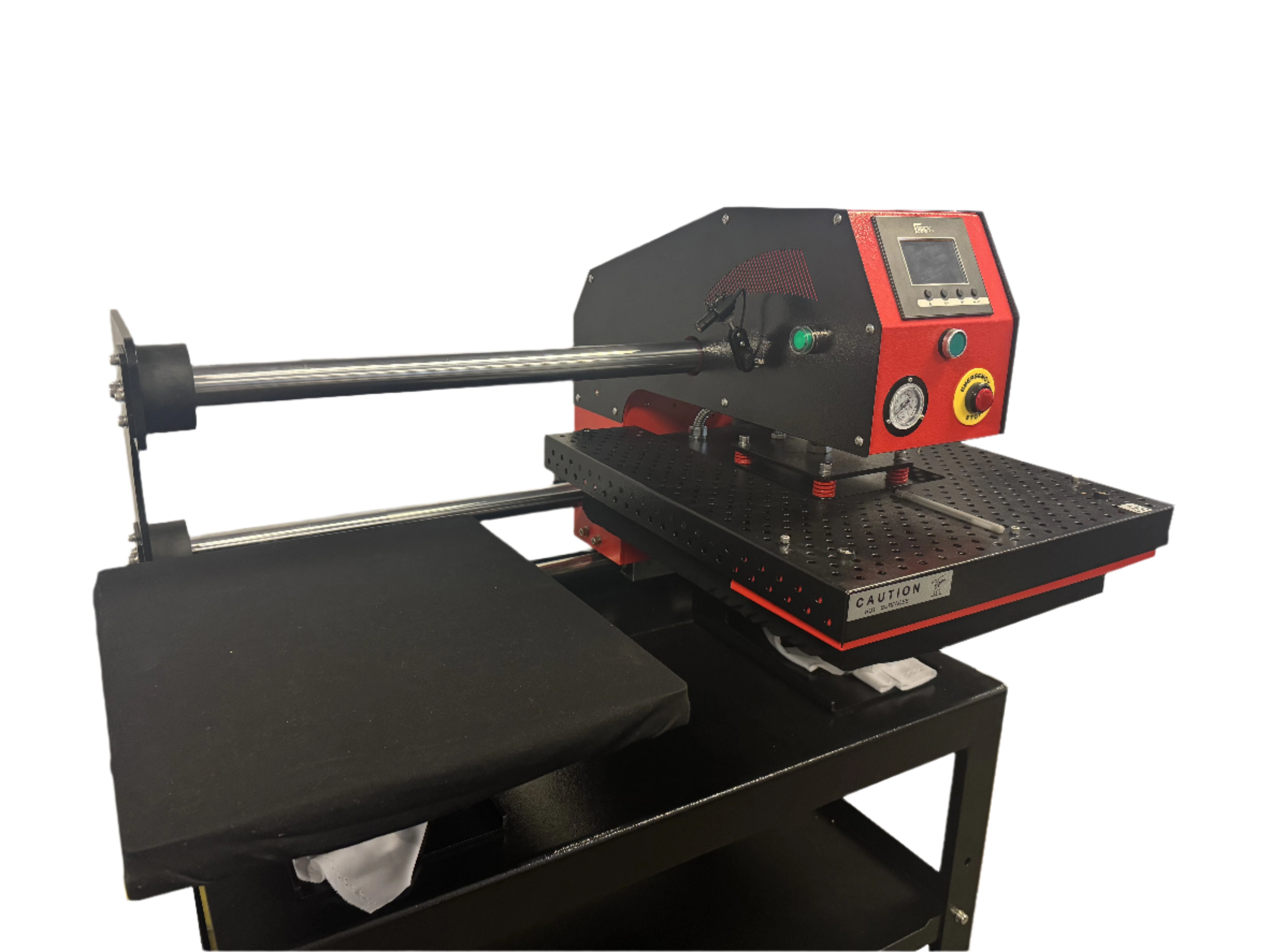
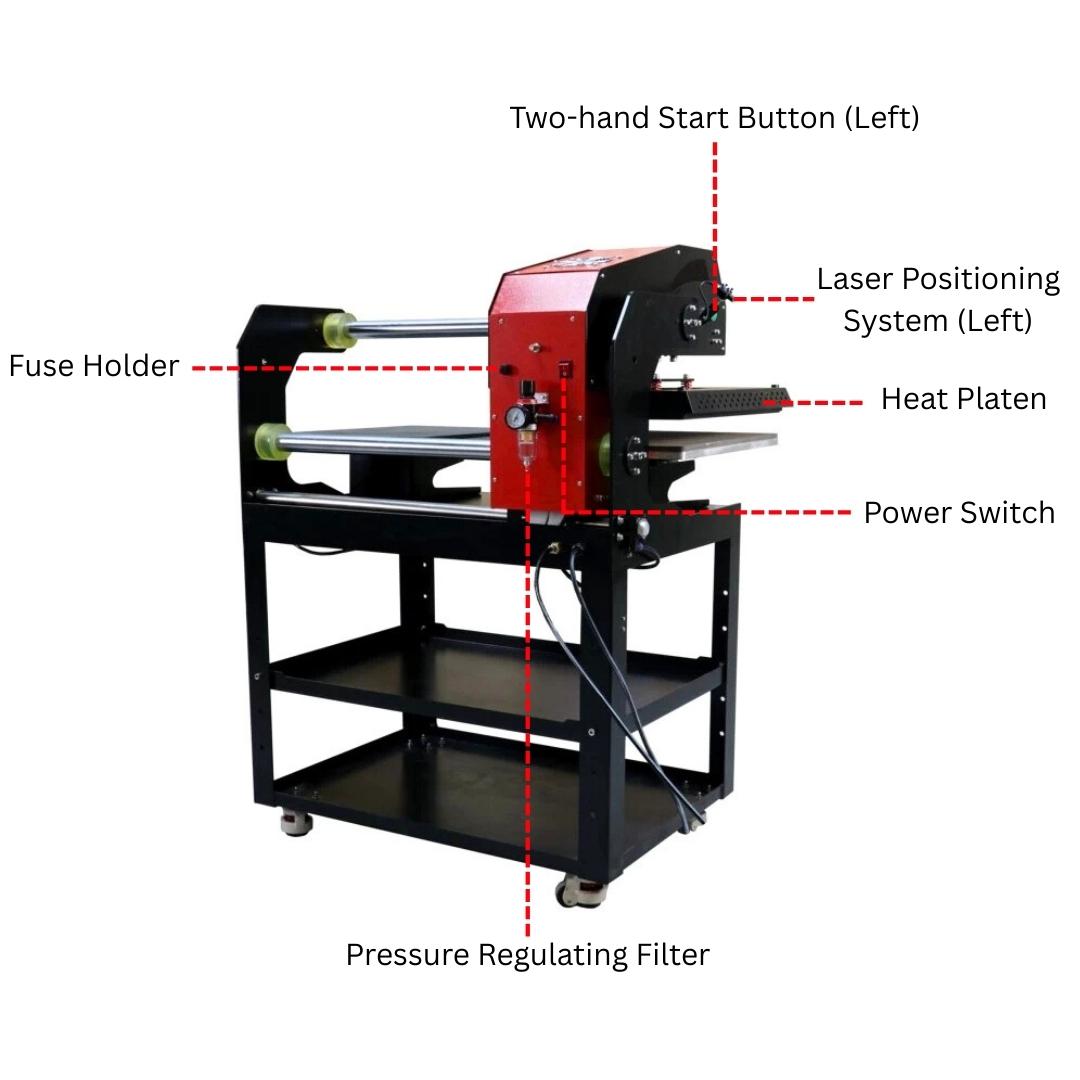
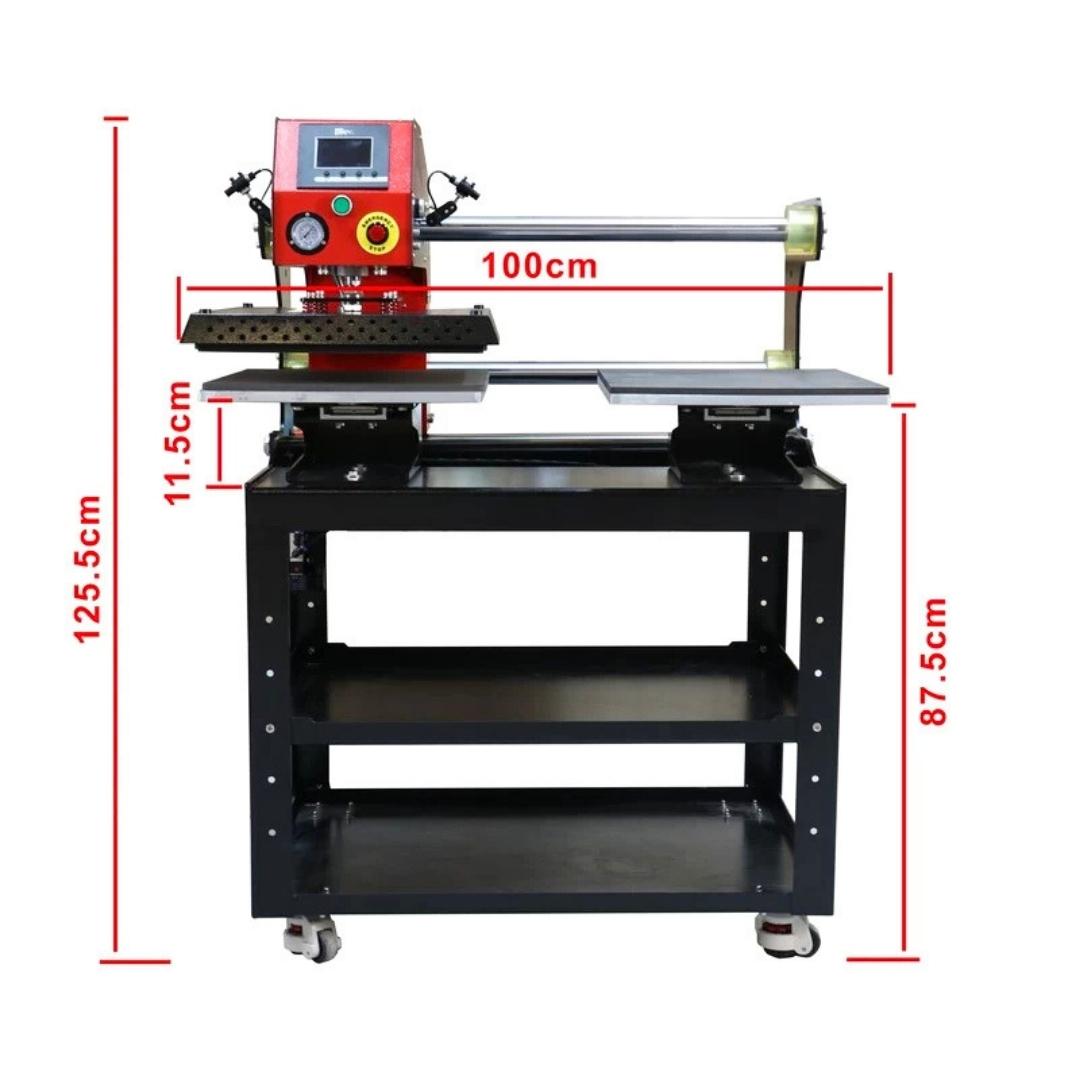
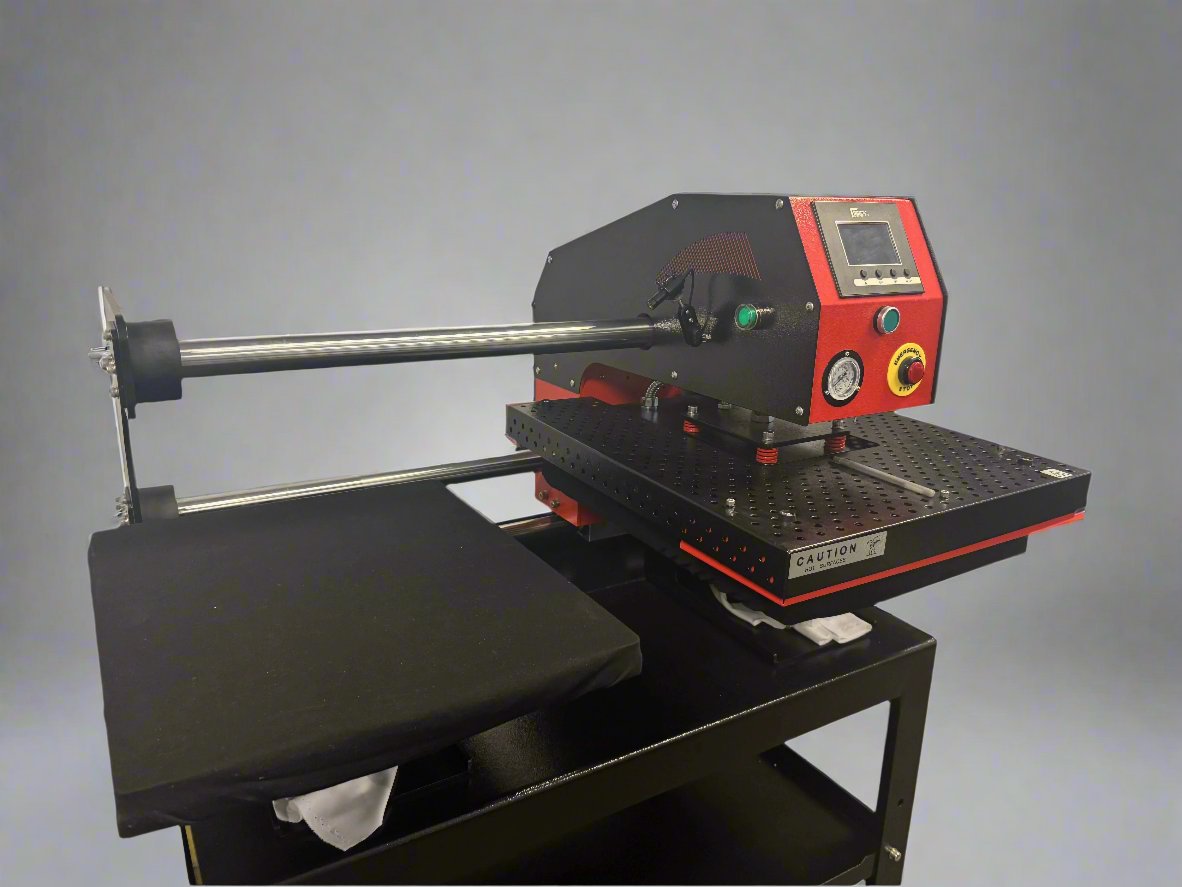
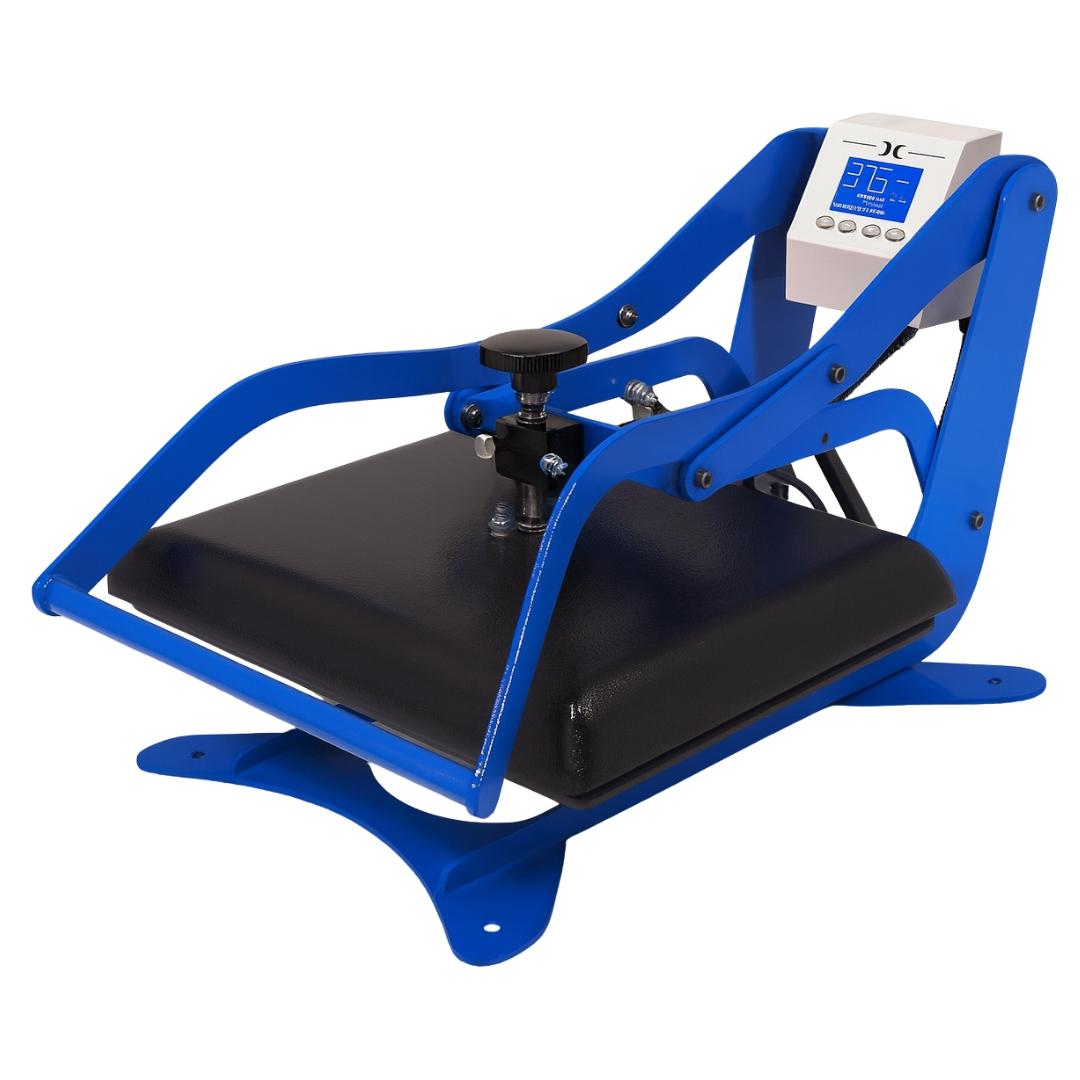
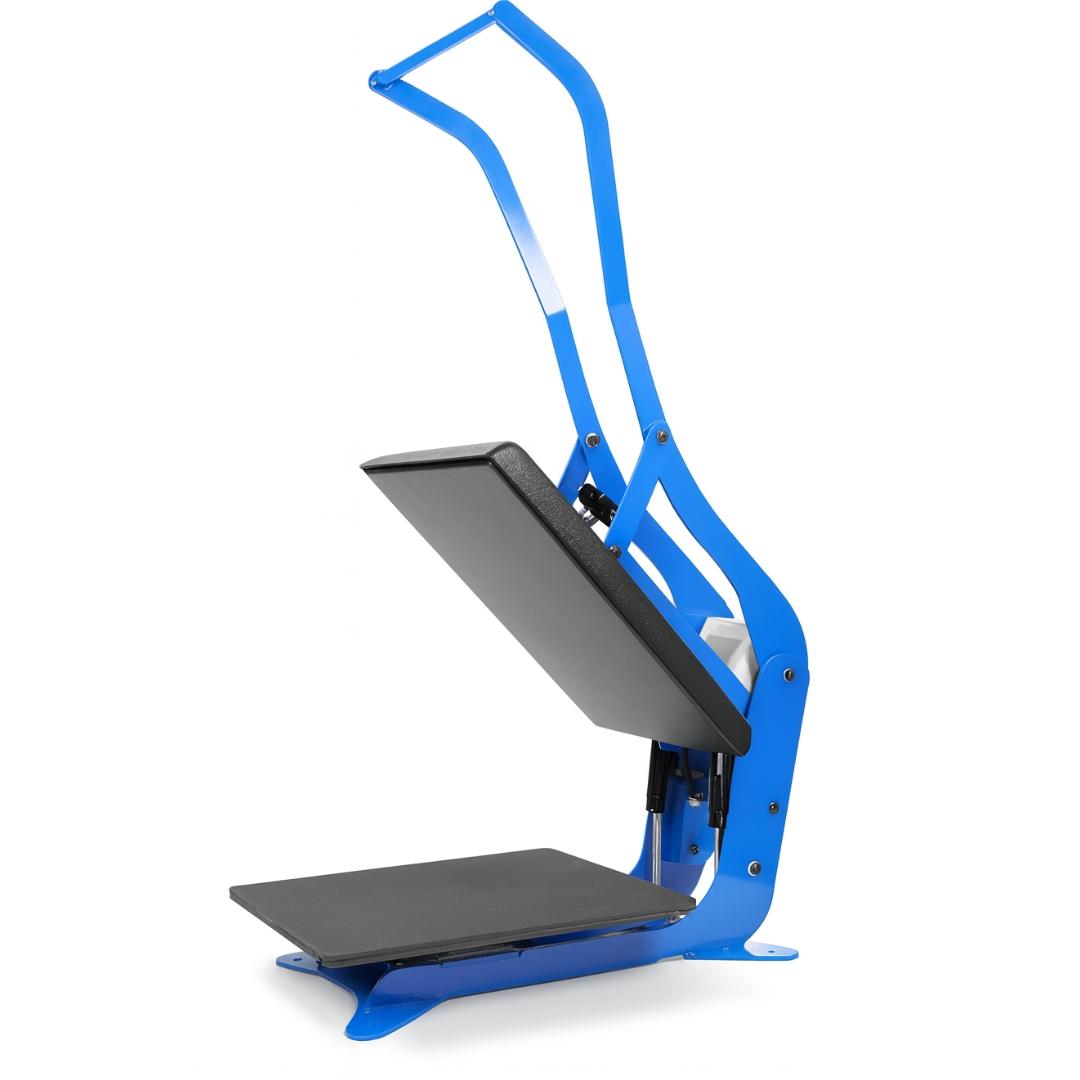
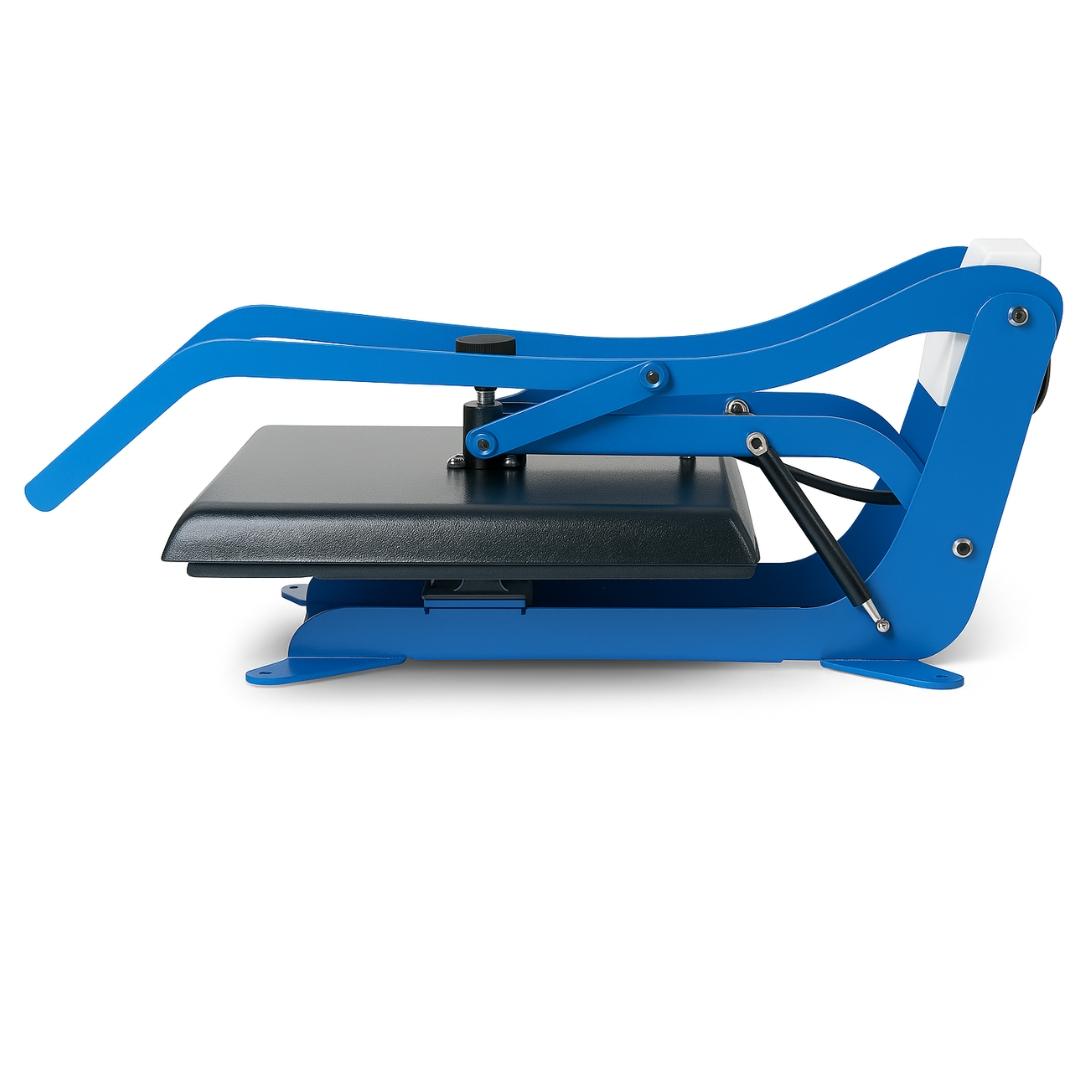
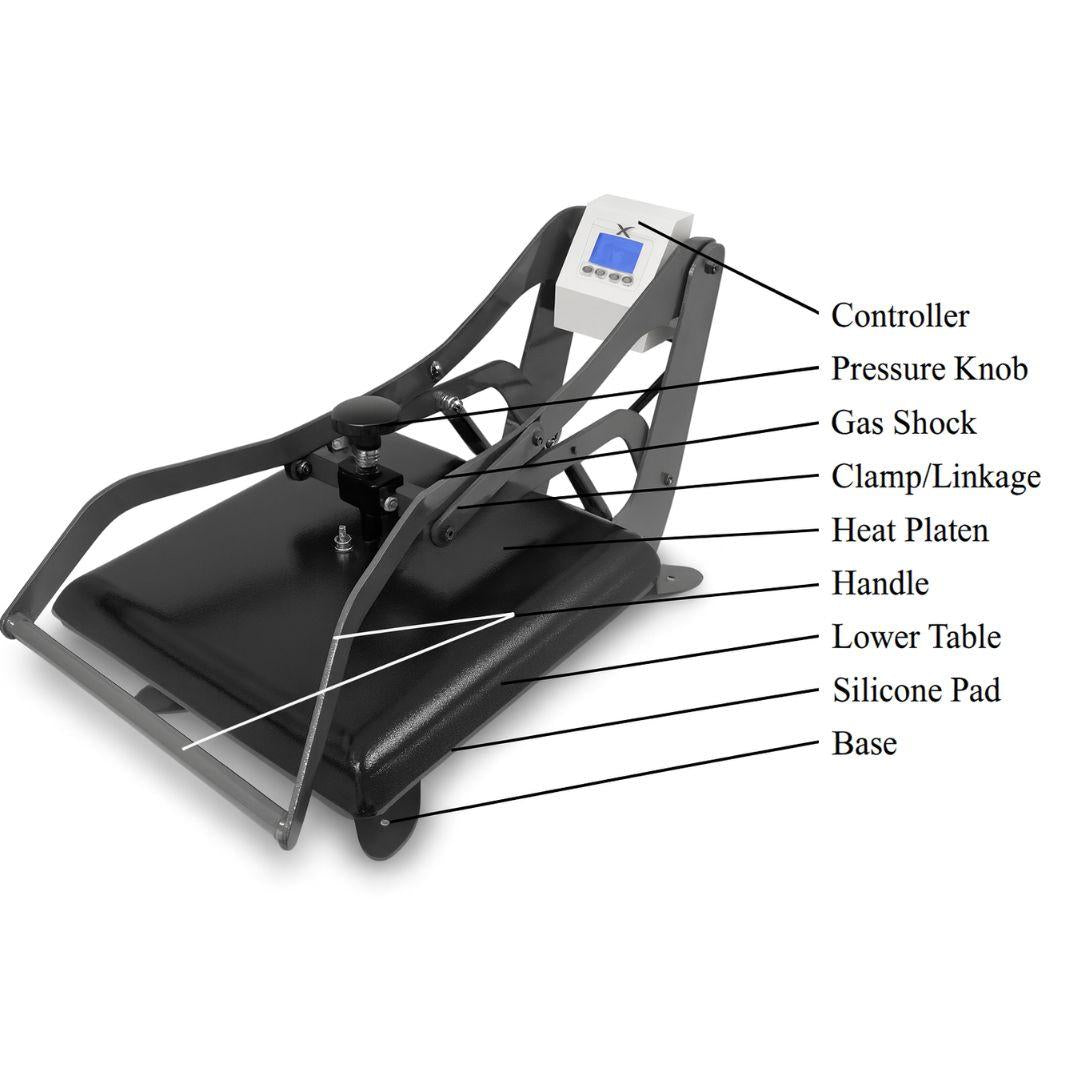
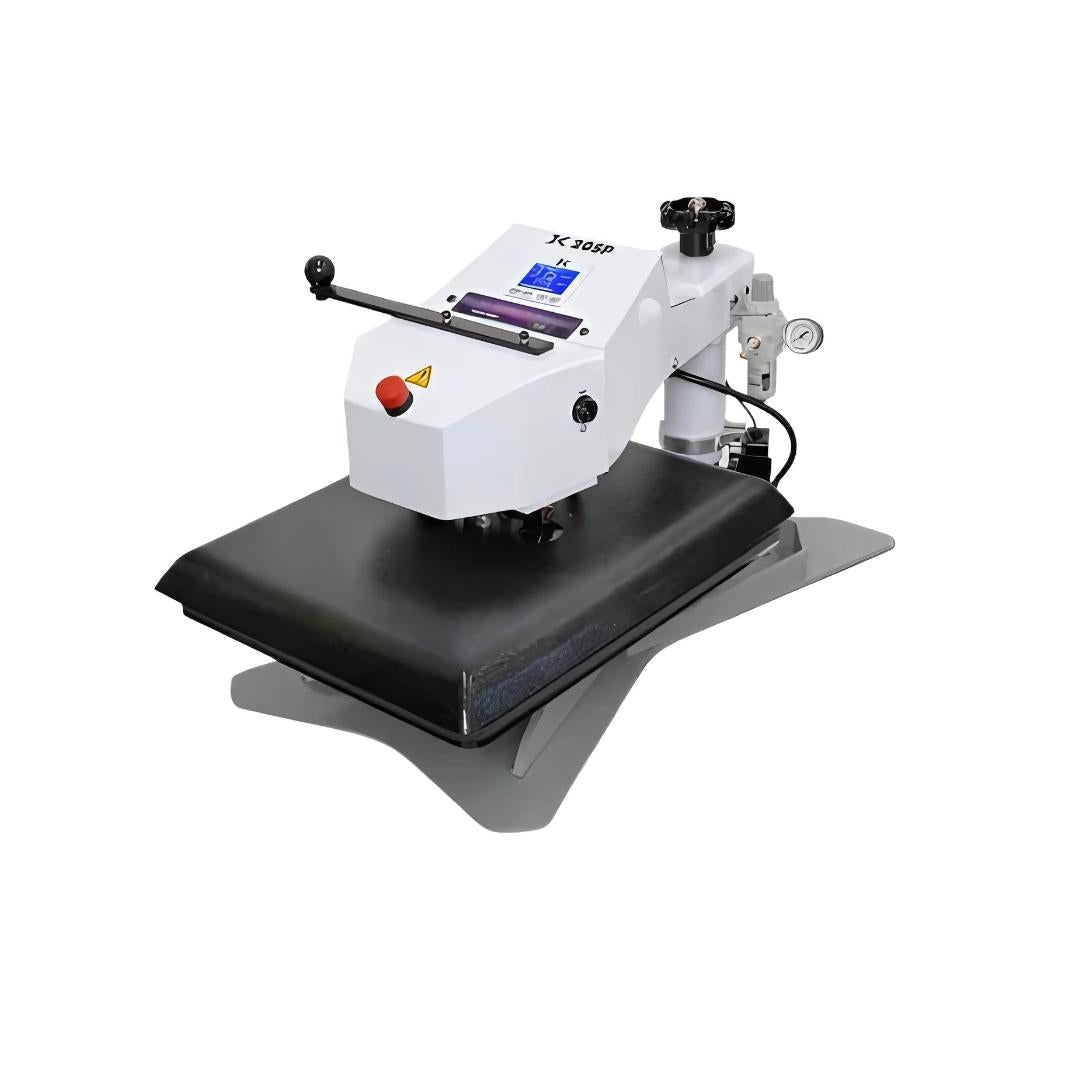
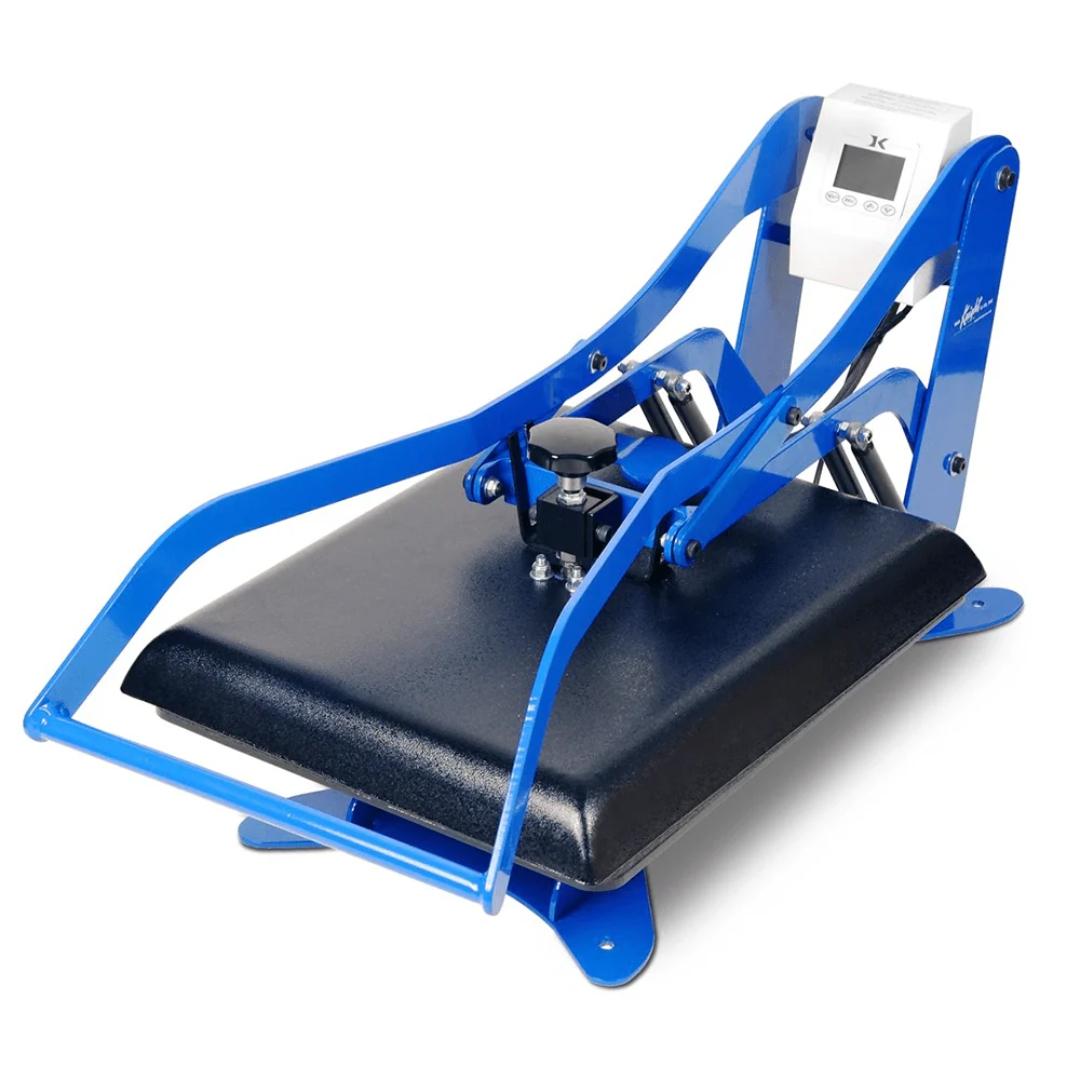
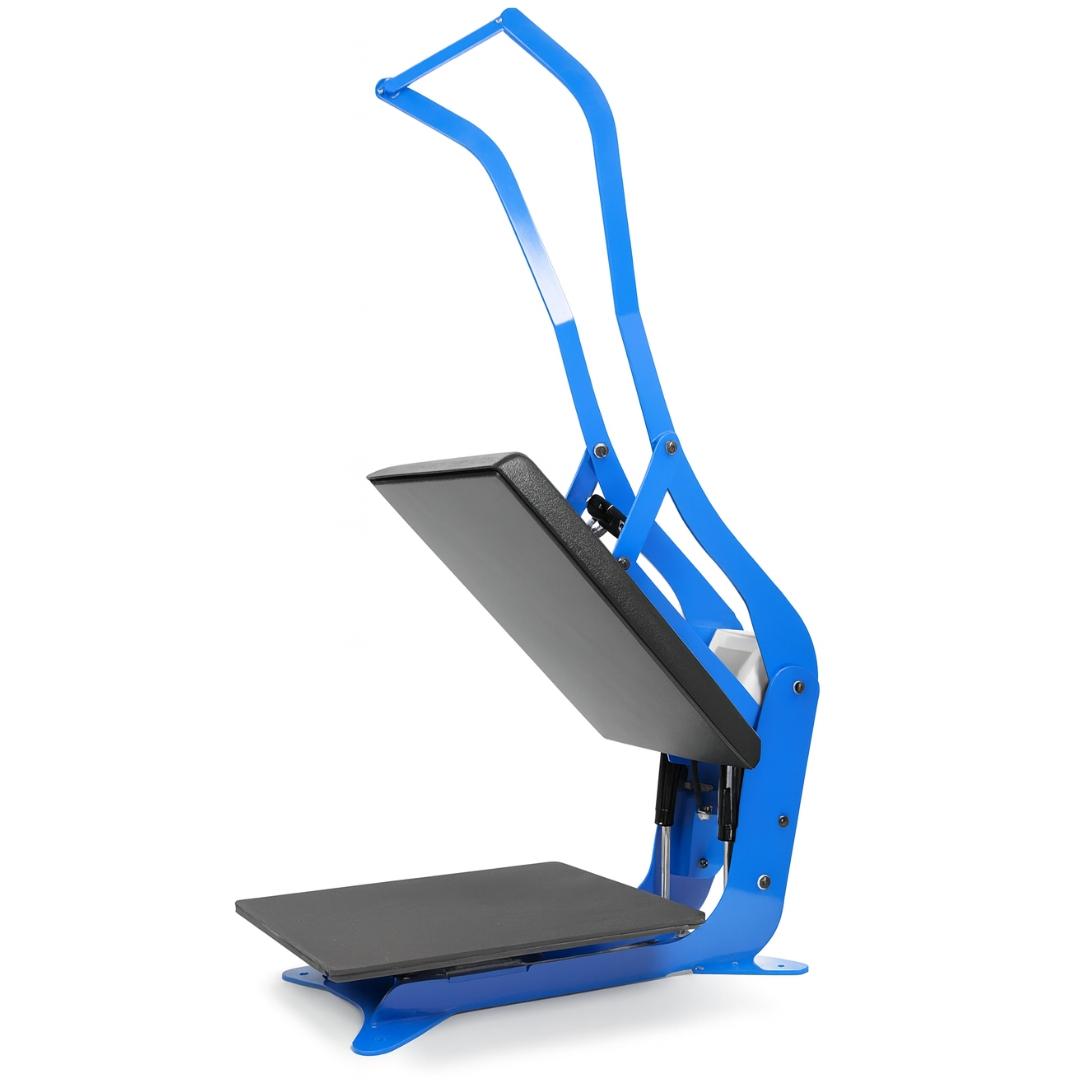
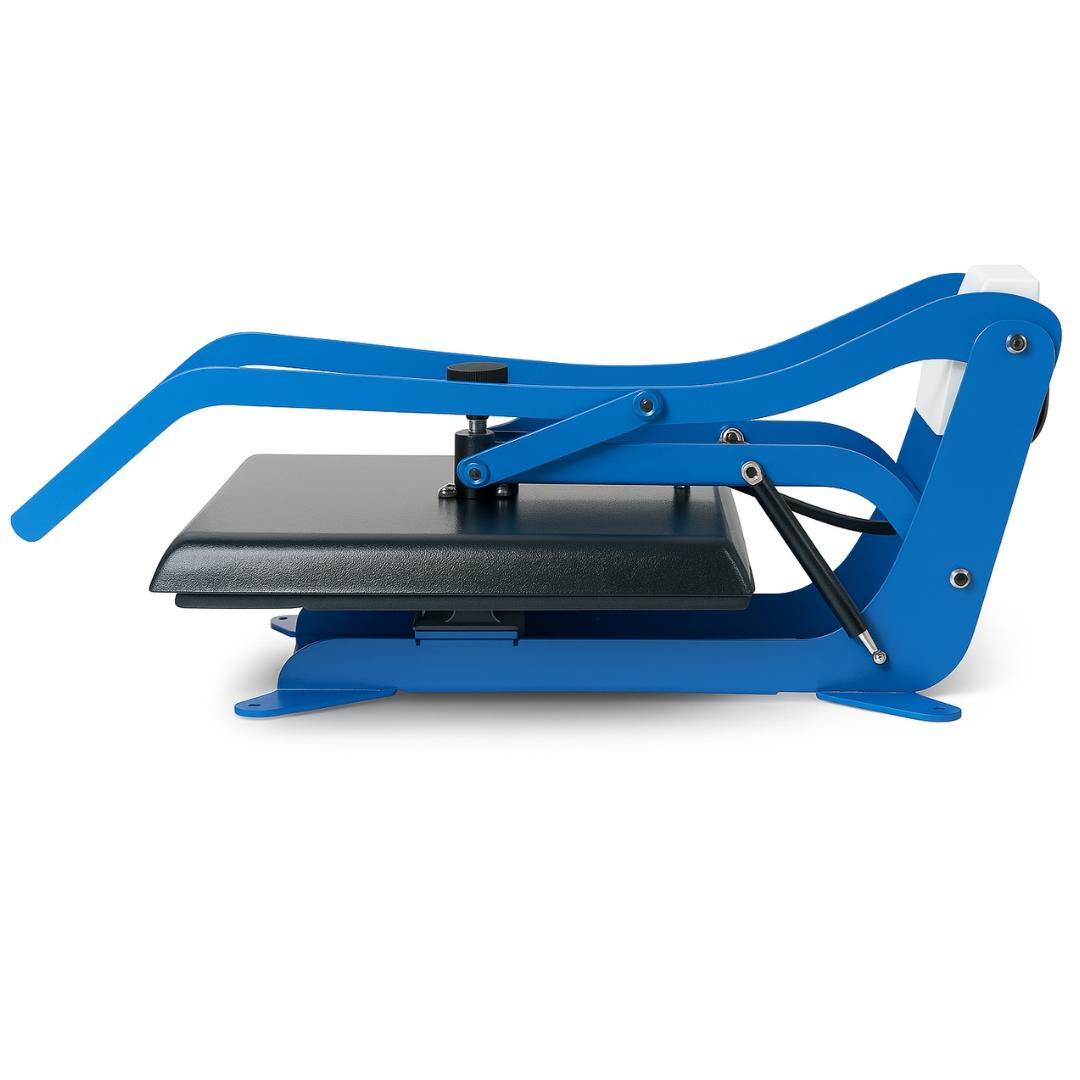
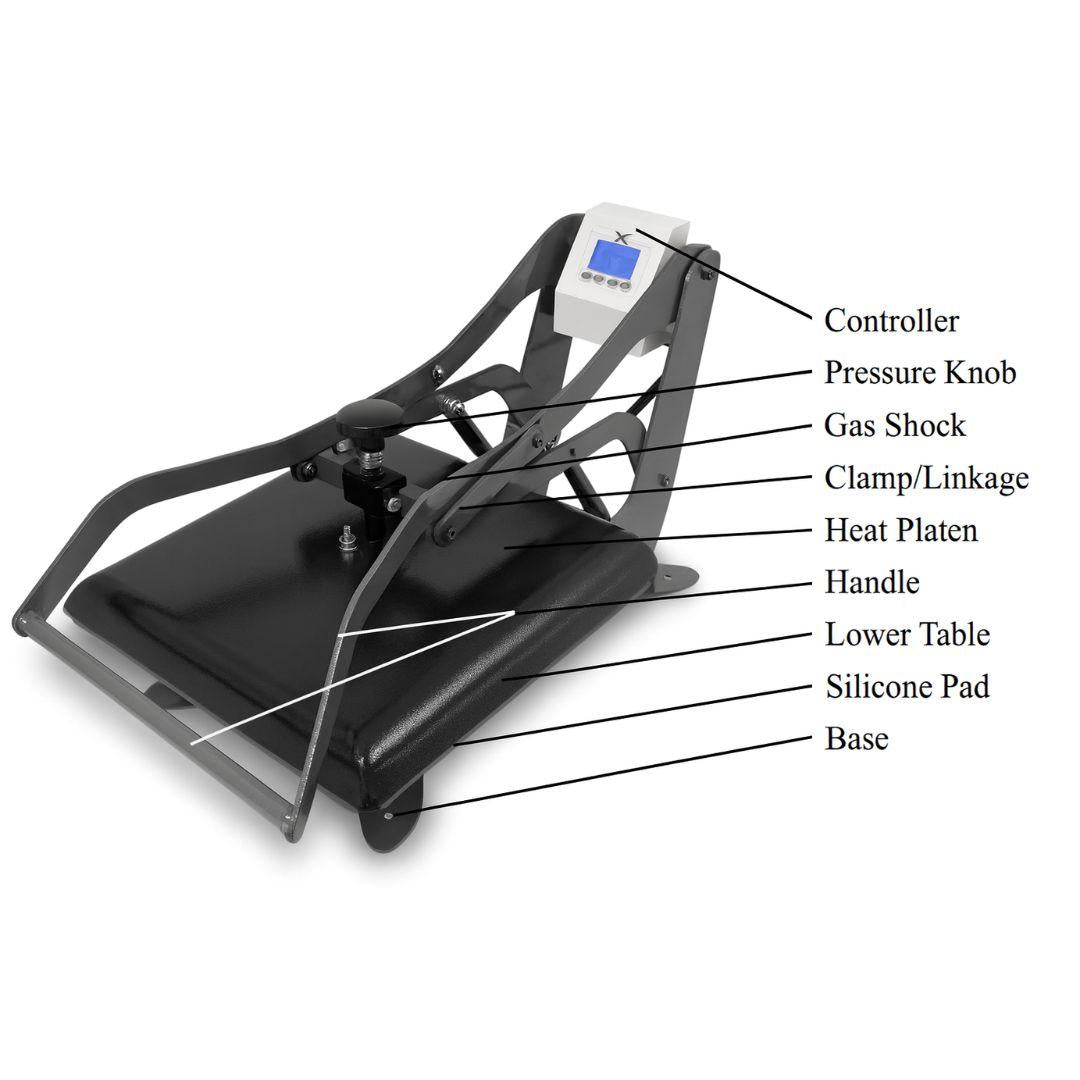
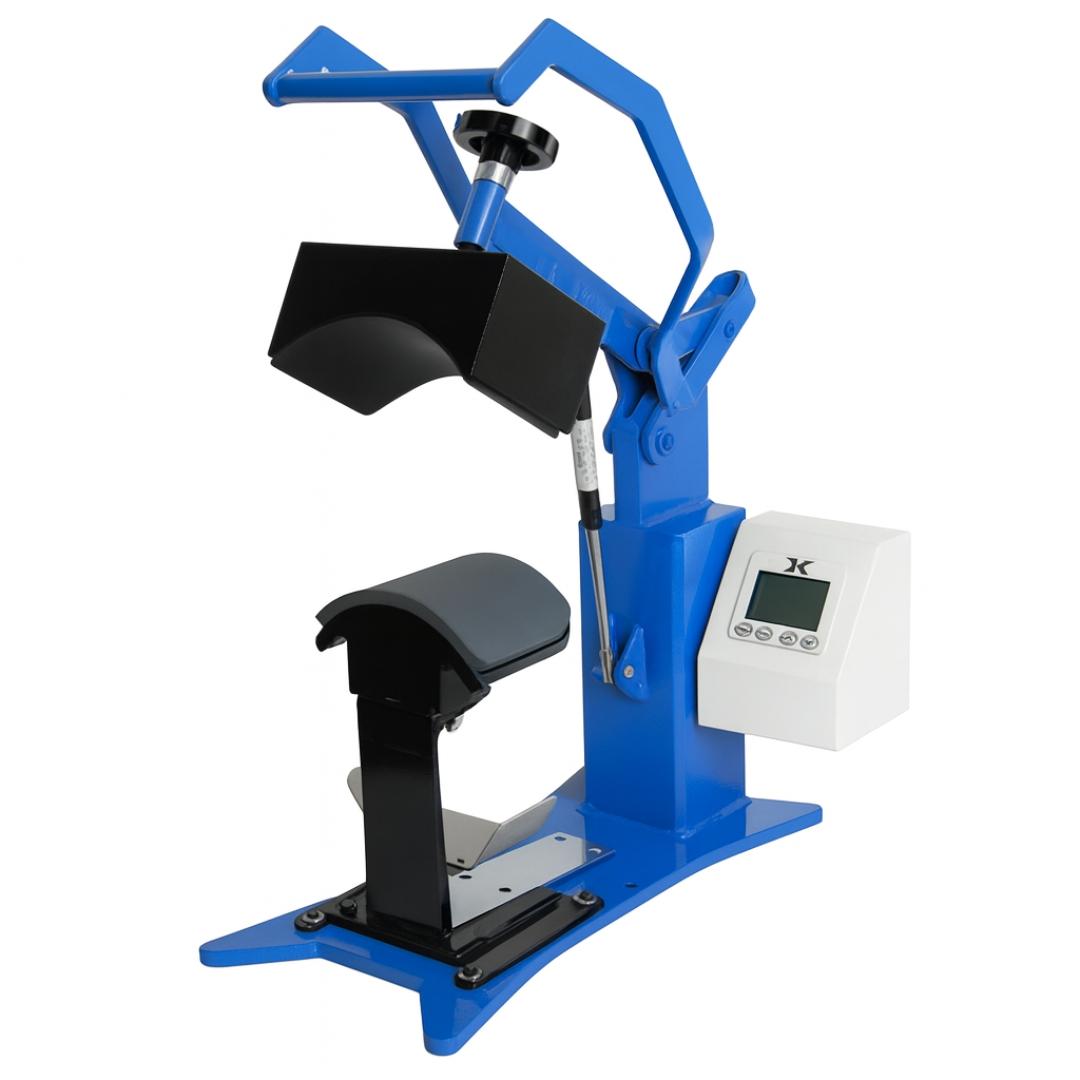
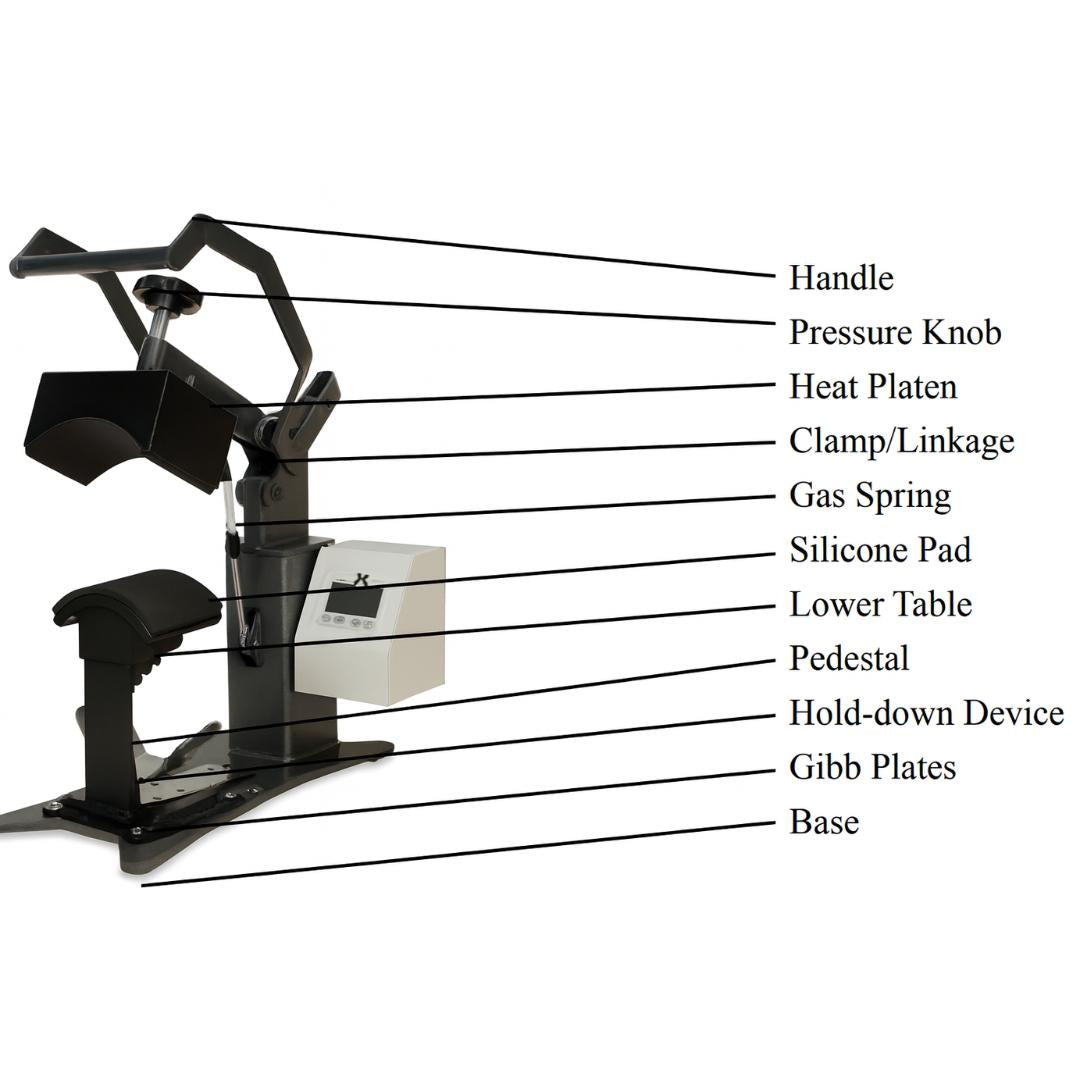
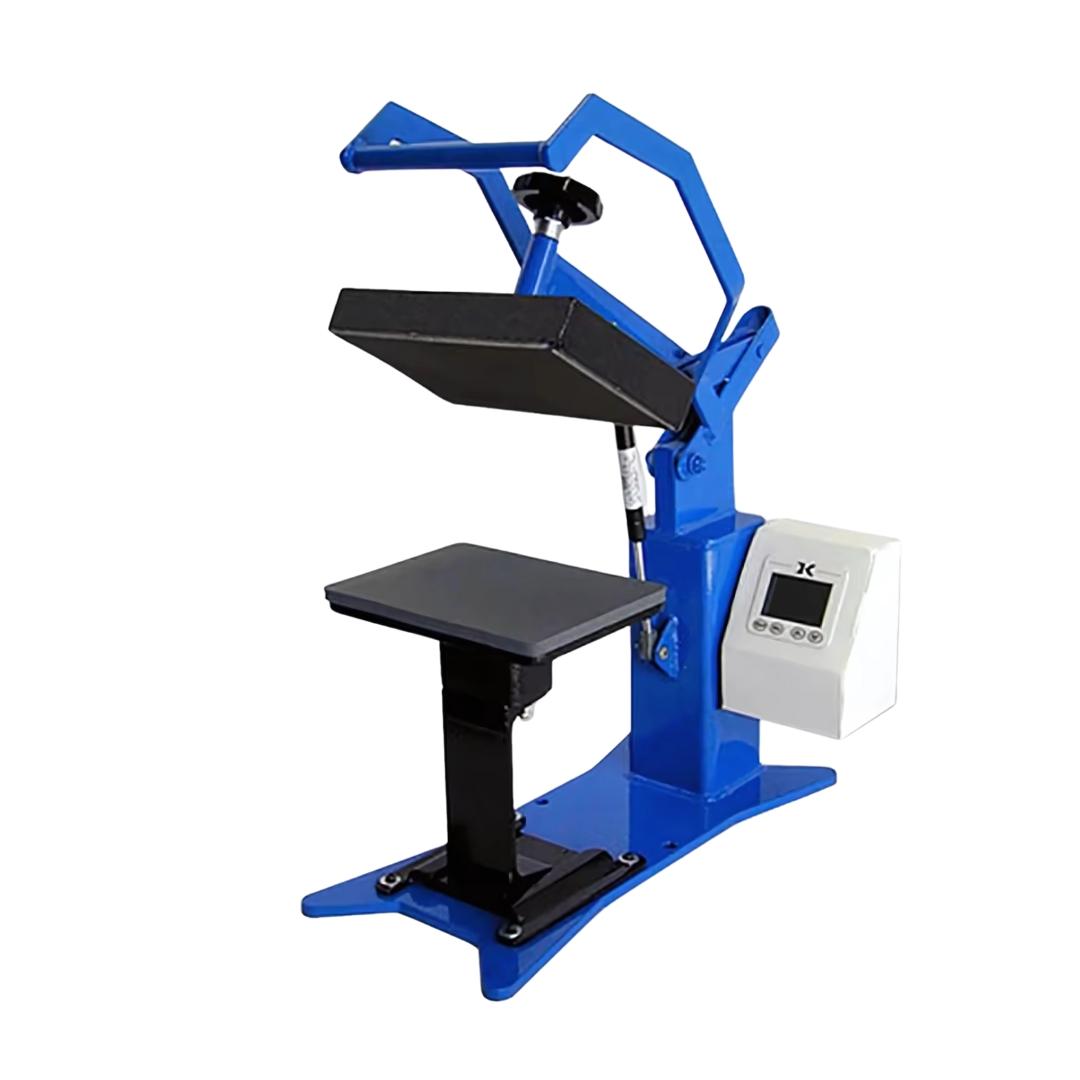
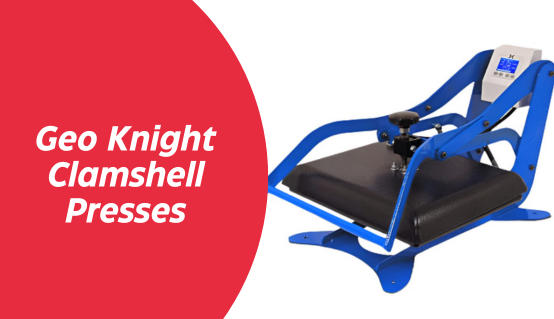
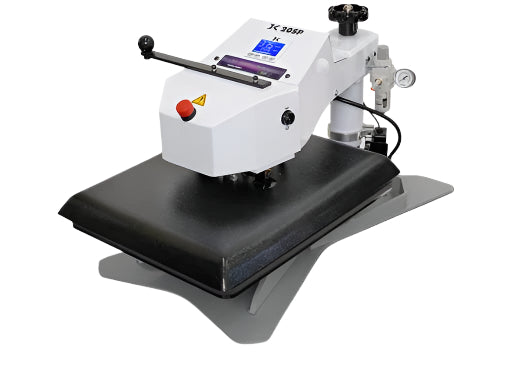
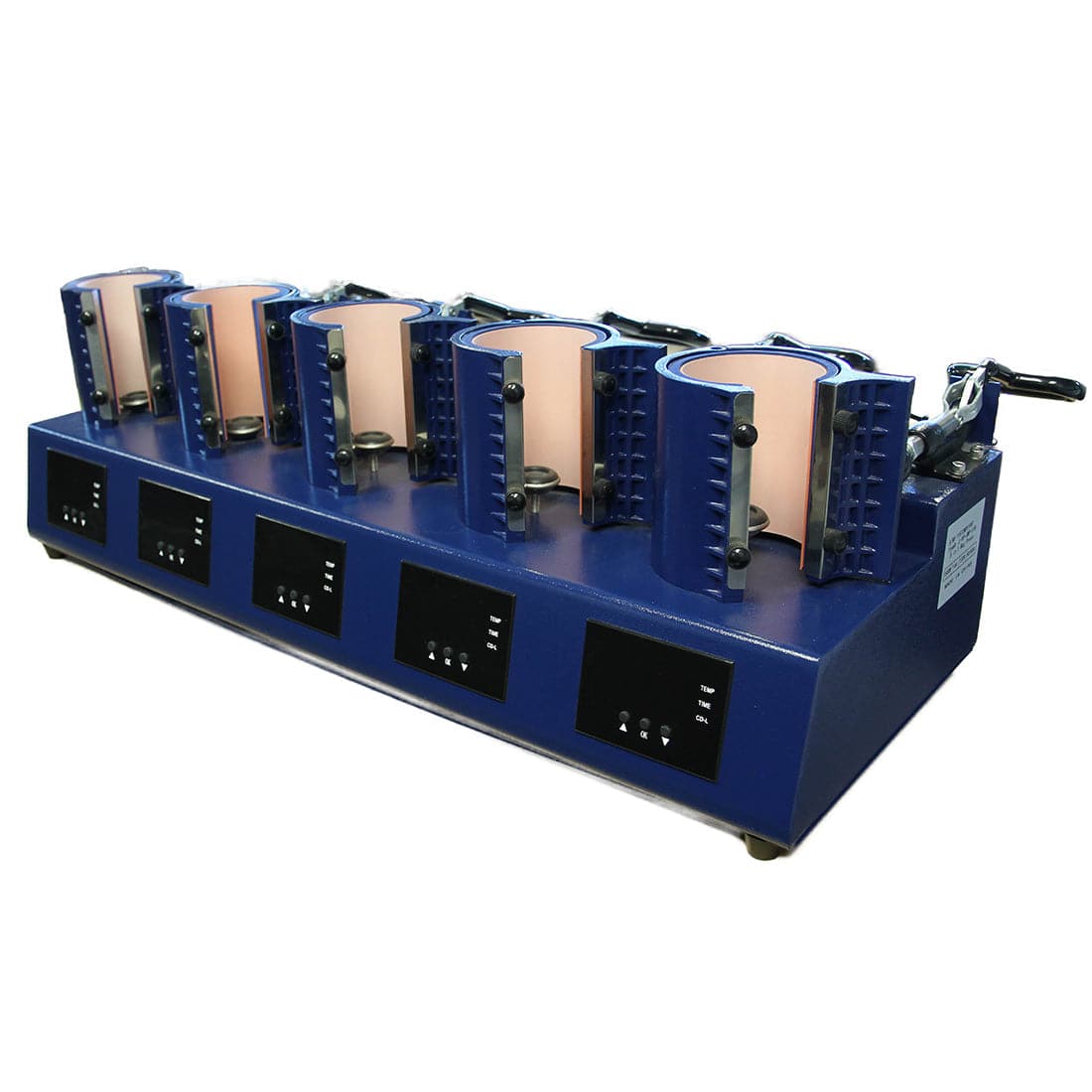
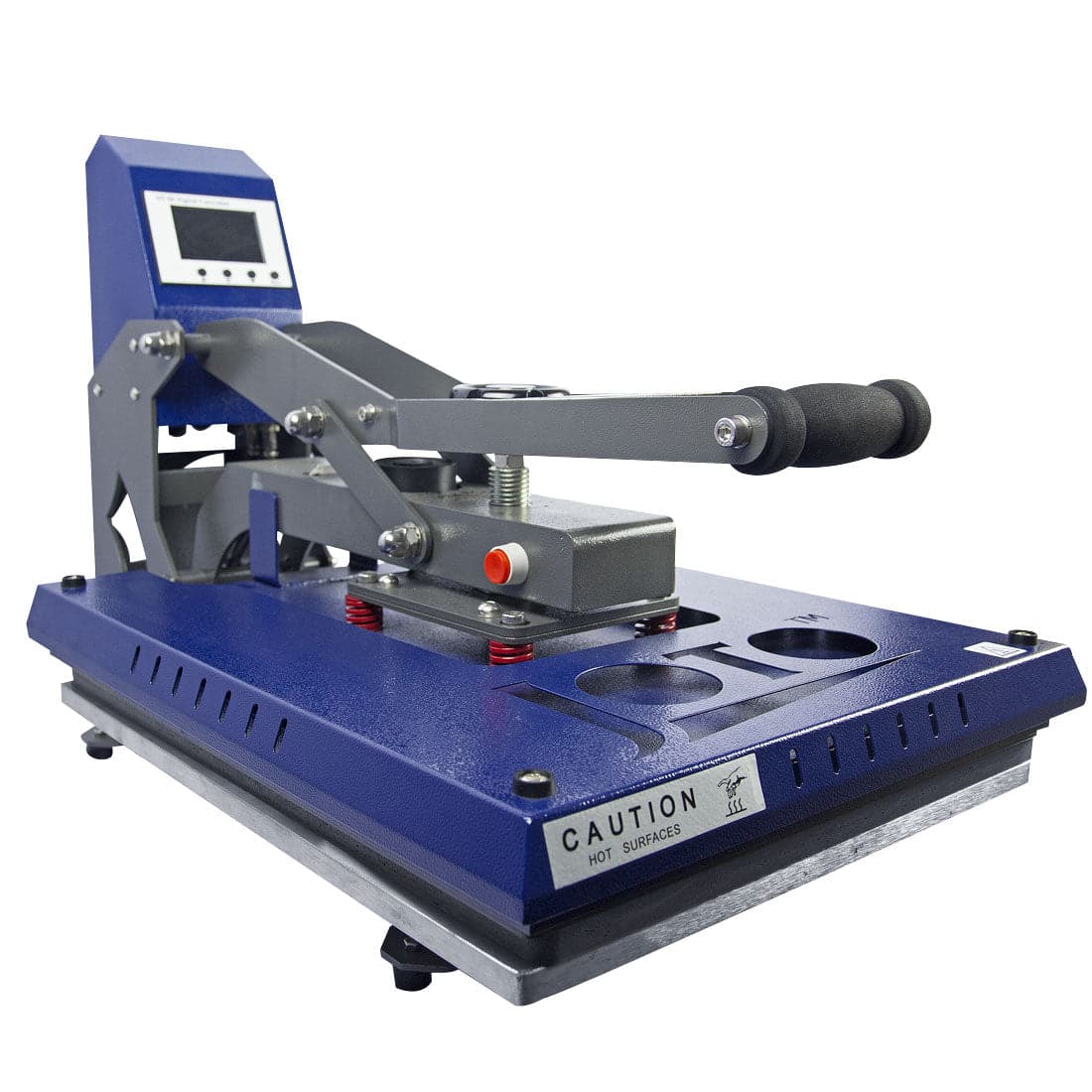
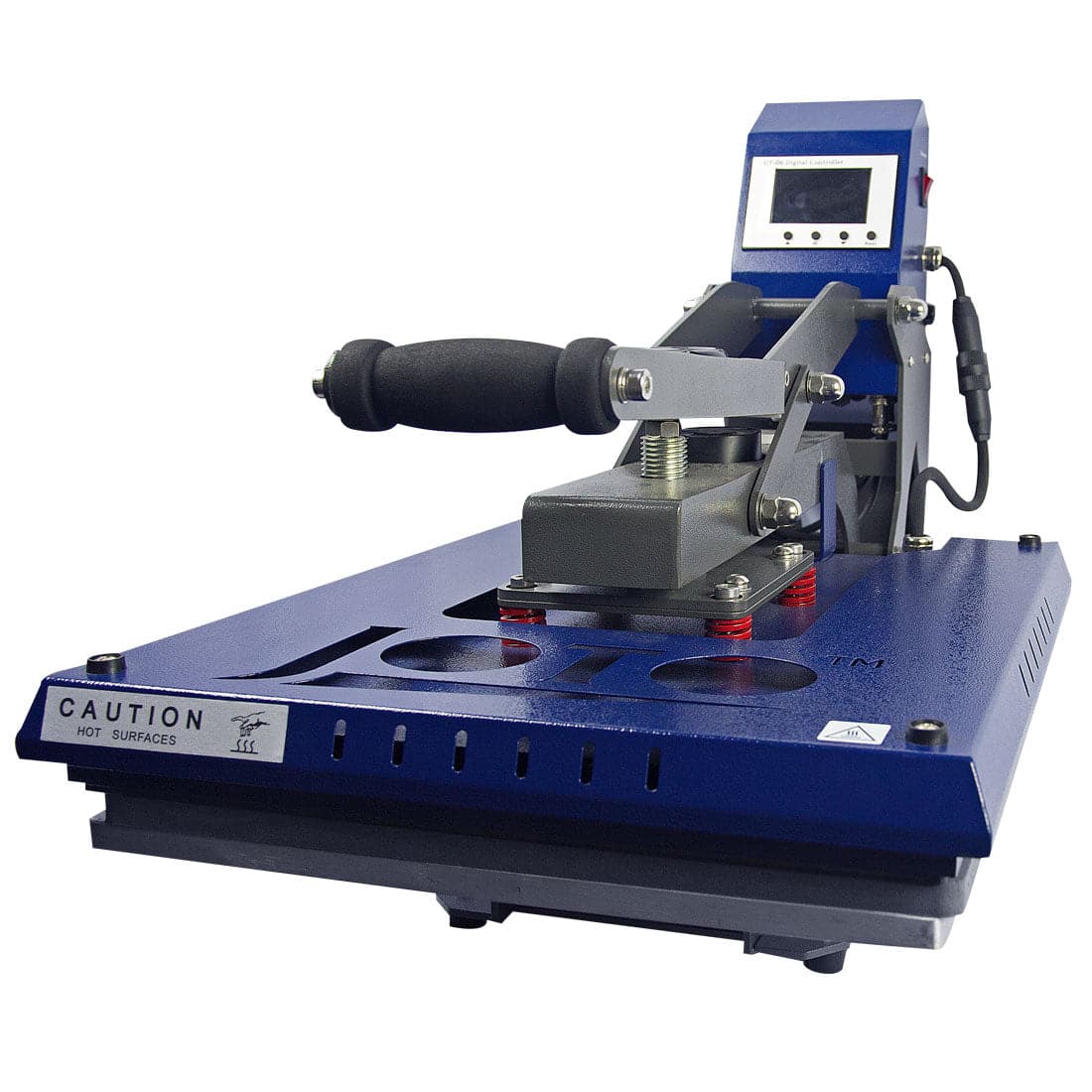
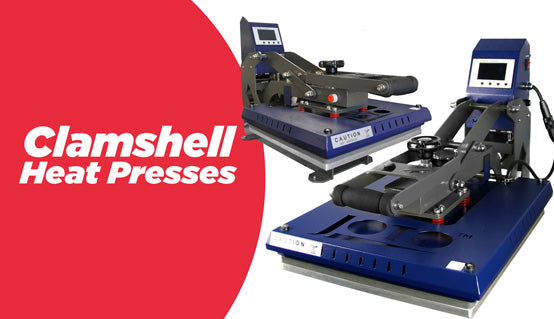
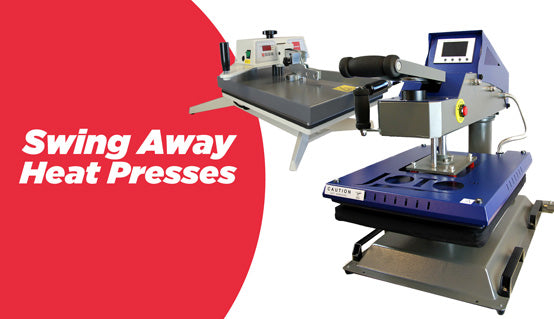
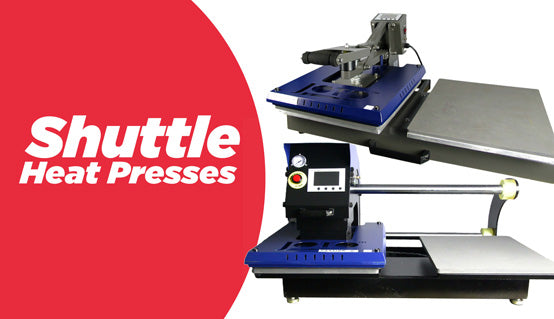
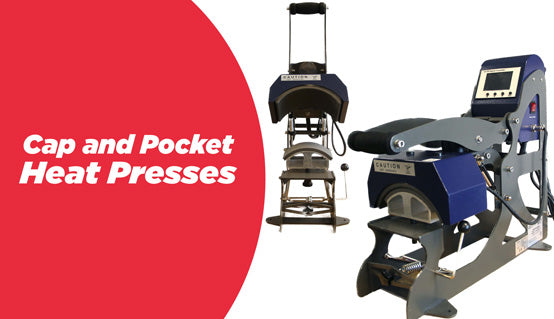
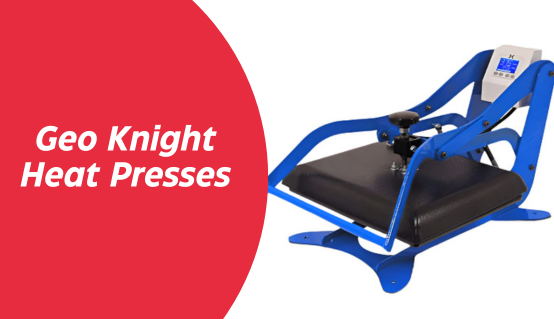
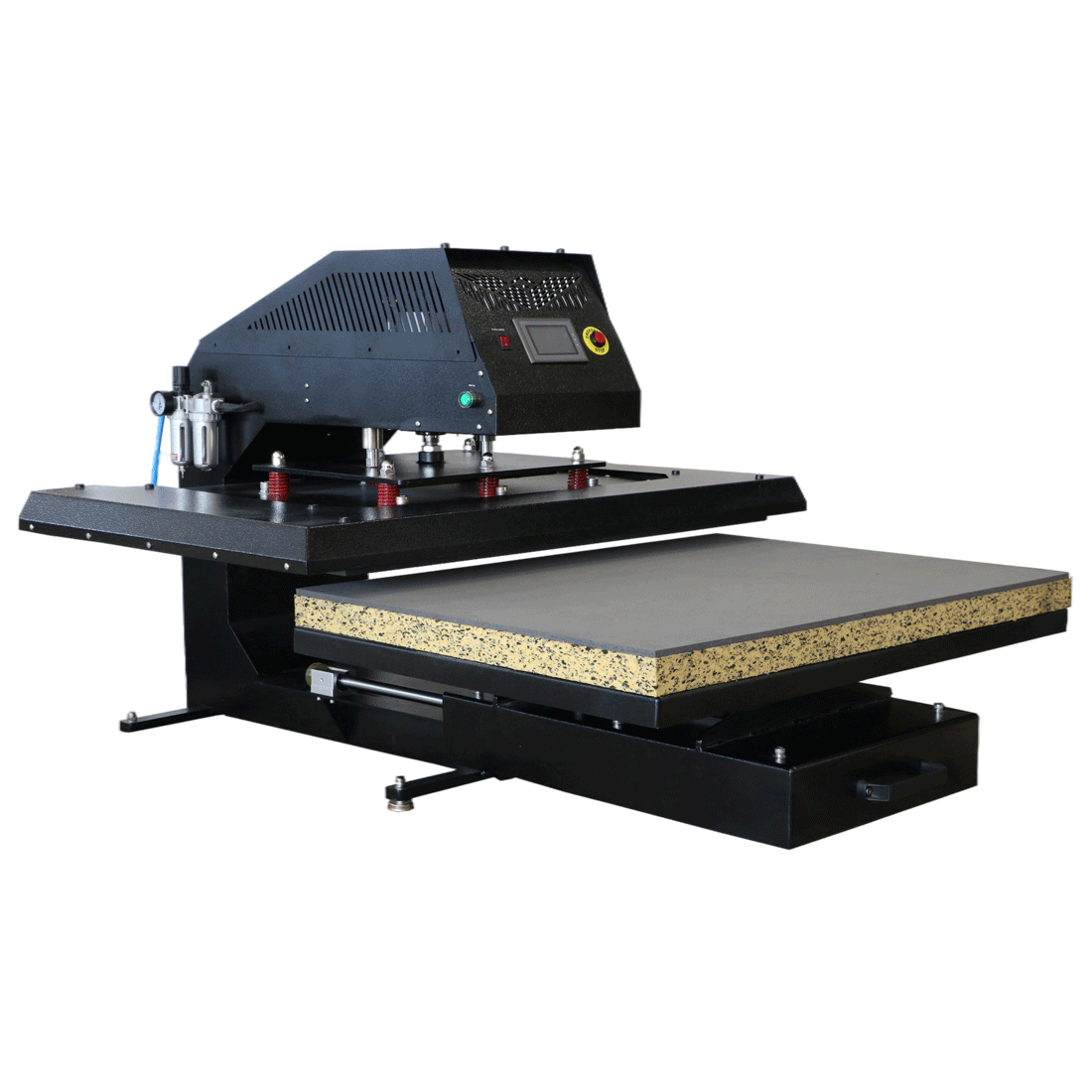
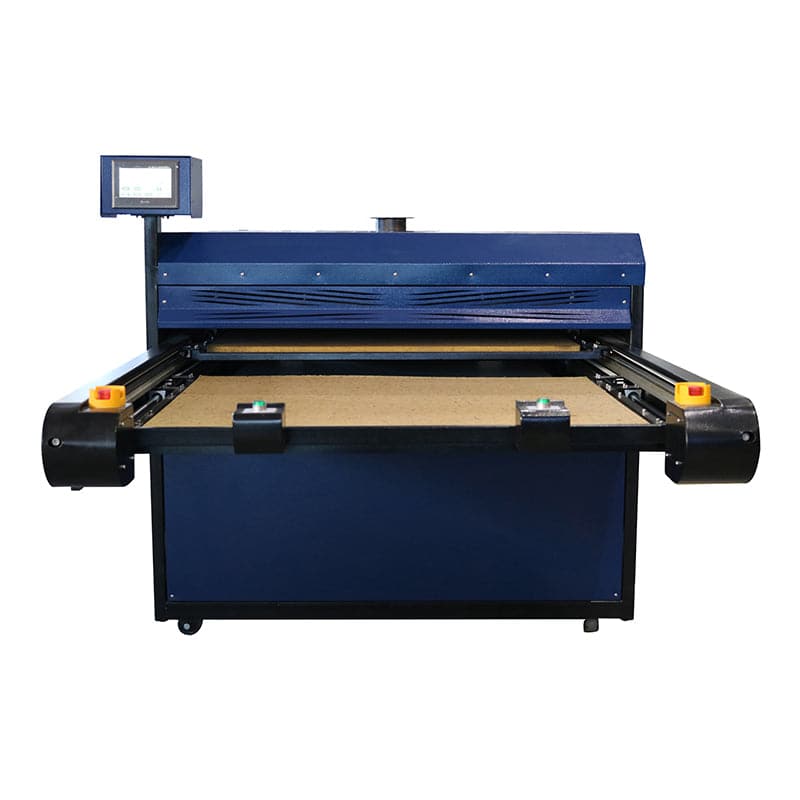
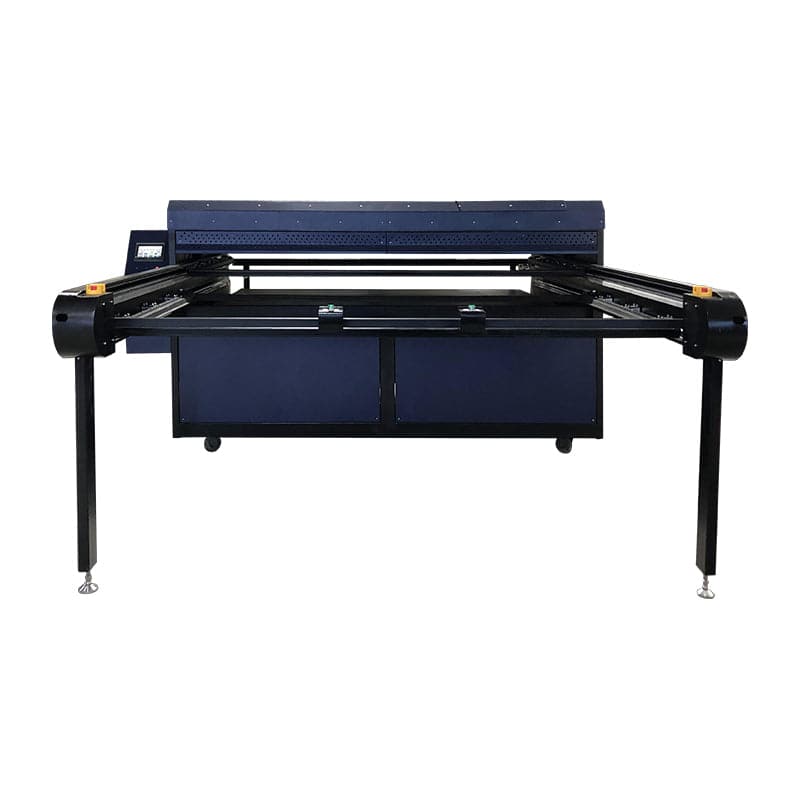
After printing, the design is placed onto the garment and applied using heat and pressure. A heat press is typically recommended because it provides consistent temperature and pressure across the entire design area. In some cases, people attempt to use household irons, but results can be inconsistent compared to a proper heat press.
Heat transfer paper works particularly well for cotton and cotton-blend shirts, making it a versatile starting point for many beginners.
Some advantages of this method include:
- Easy setup for beginners
- Ability to print detailed, full-color designs
- Works well on cotton garments
- Relatively low startup cost
However, there are also a few limitations to keep in mind. Heat transfer paper designs sit on top of the fabric rather than bonding into it. Because of this, prints may feel slightly heavier on the garment and may not last as long as other professional printing methods.
Even with these limitations, heat transfer paper remains one of the most accessible entry points for people learning how to make custom shirts at home.
Method 2: Heat Transfer Vinyl (HTV)

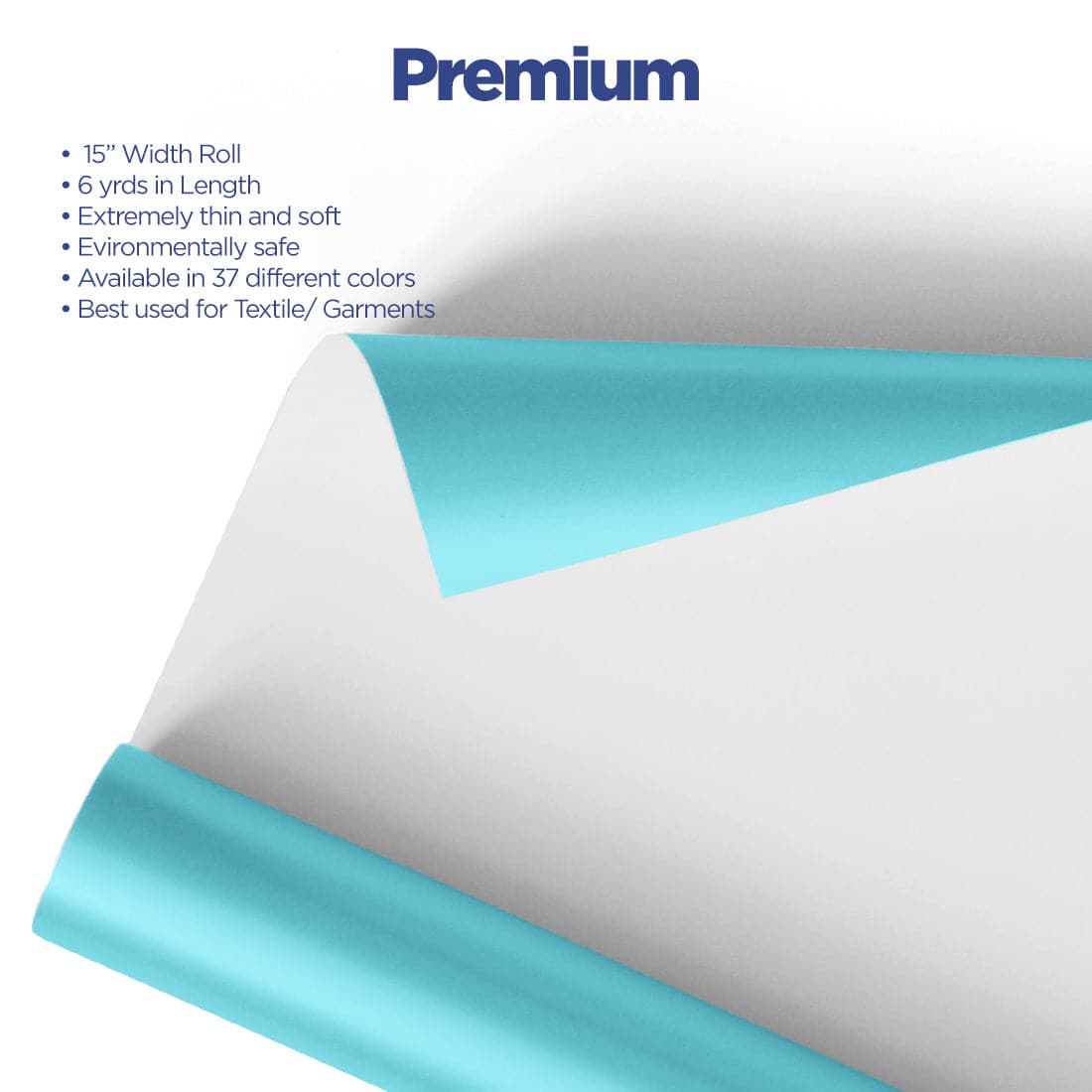
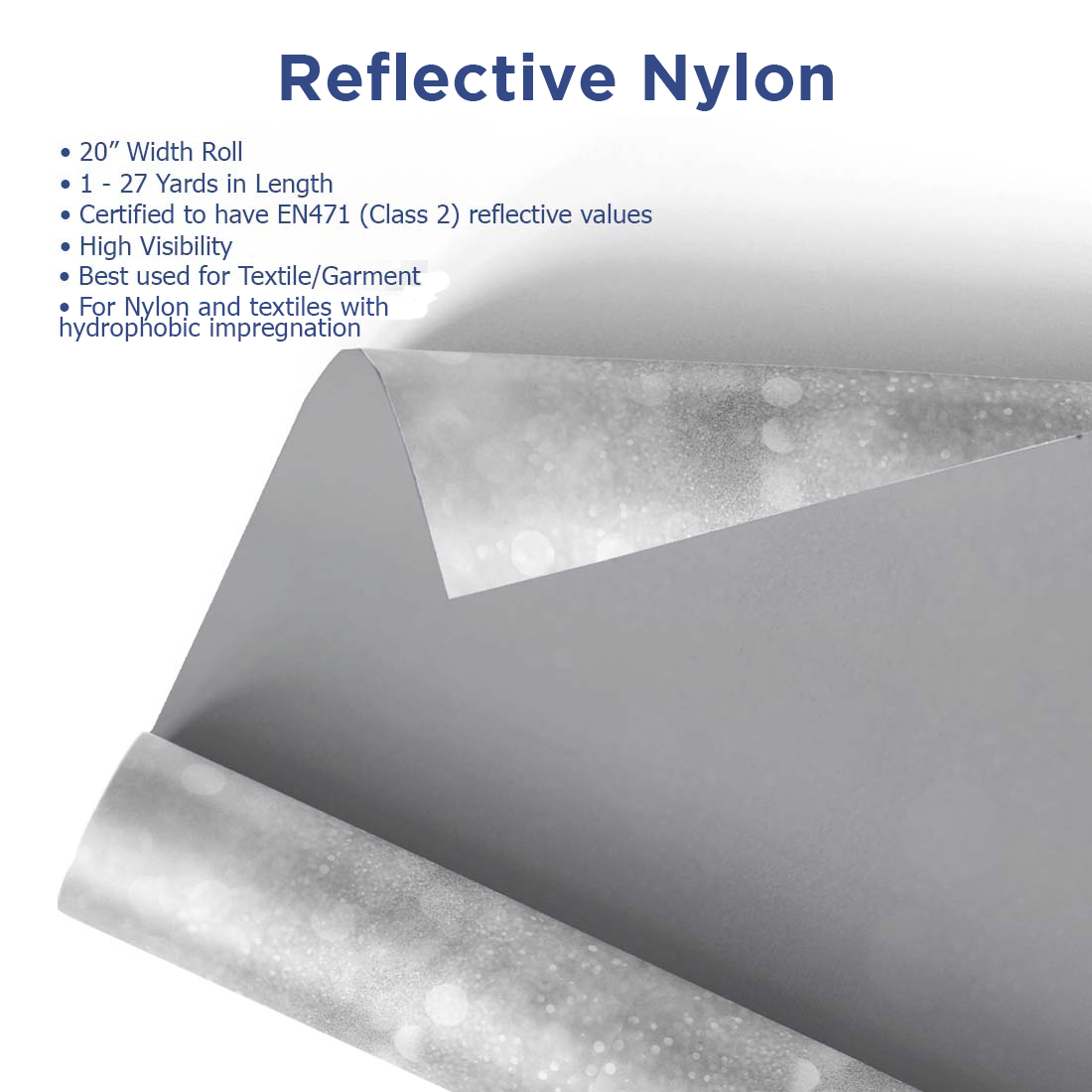
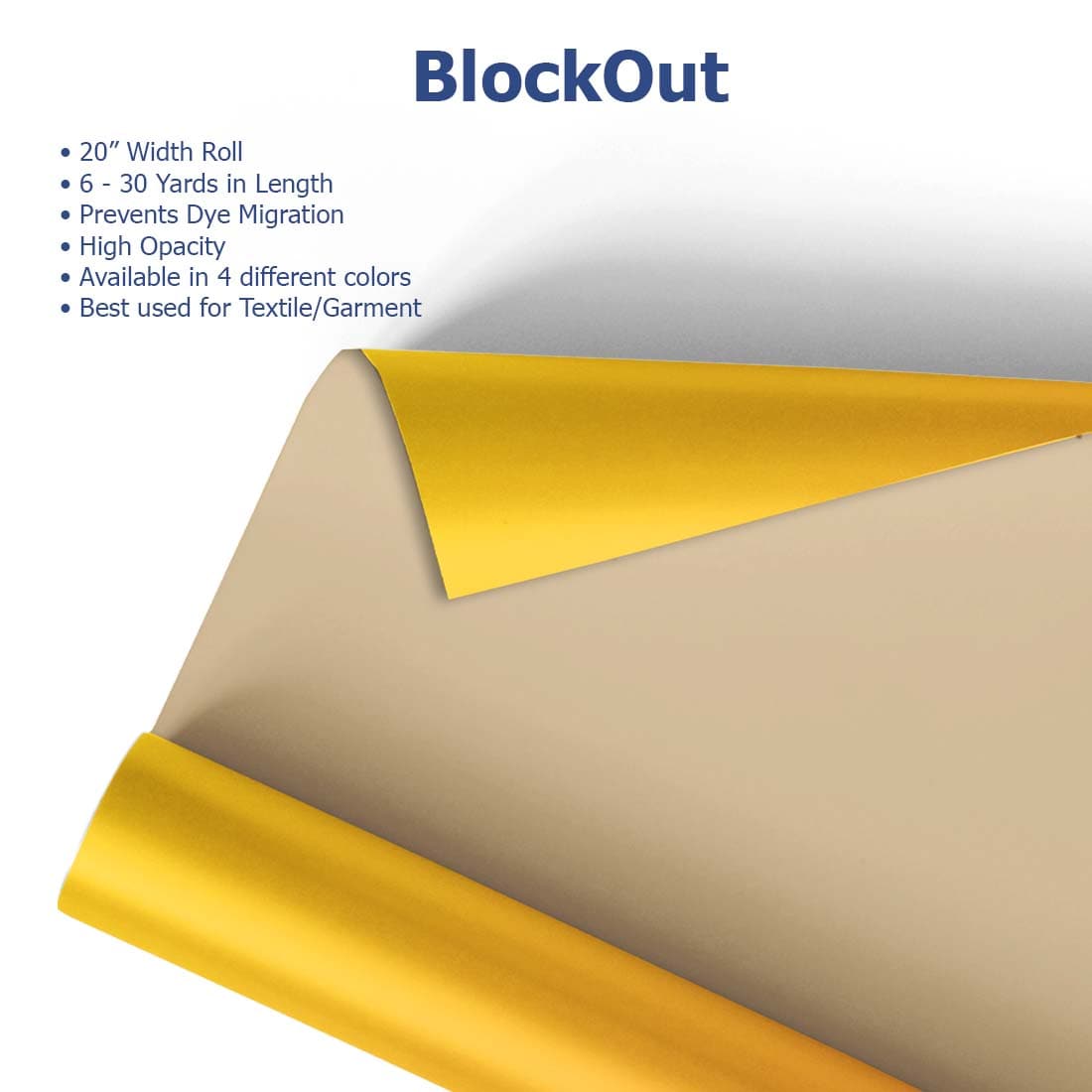
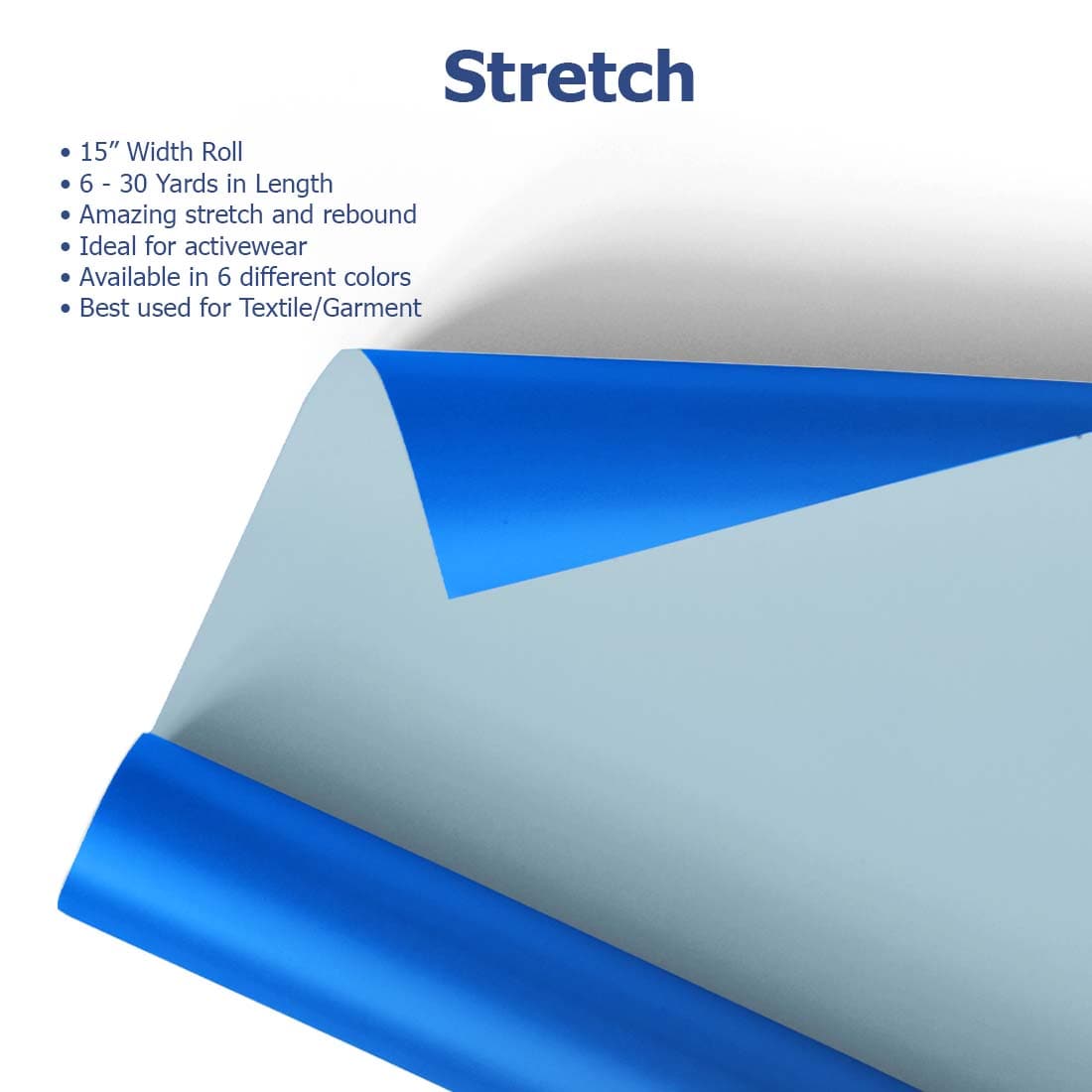
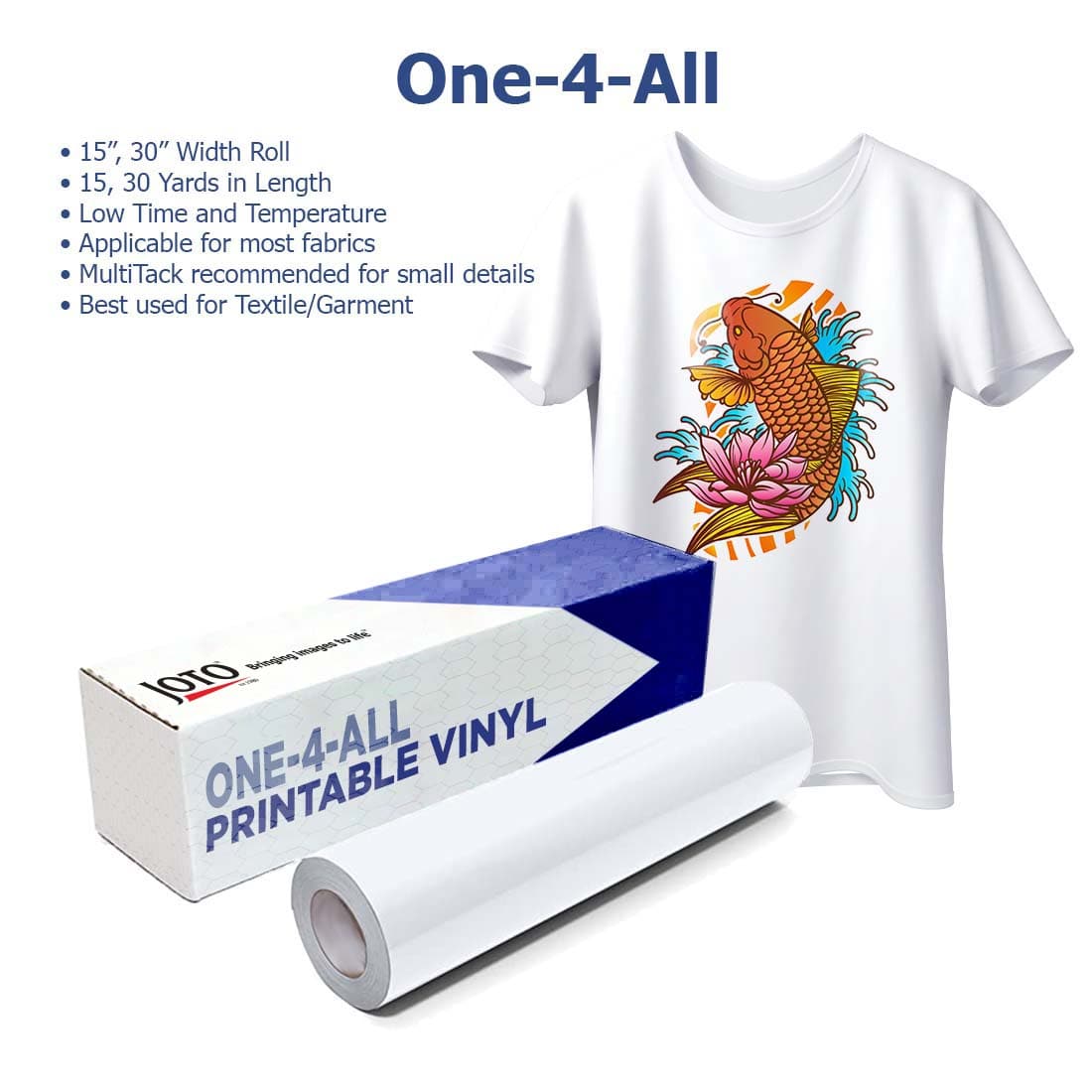
Another popular method for creating custom T-shirts is heat transfer vinyl, often referred to as HTV. This technique is widely used by both hobbyists and small businesses because it produces durable, high-quality designs and works extremely well on cotton and blended fabrics.
Unlike transfer paper, HTV does not involve printing the design. Instead, the design is cut from colored vinyl sheets using a vinyl cutter.
The basic workflow looks like this:
- Create your design using graphic design software
- Send the design to a vinyl cutter
- Remove excess vinyl through a process called weeding
- Press the design onto the garment using a heat press
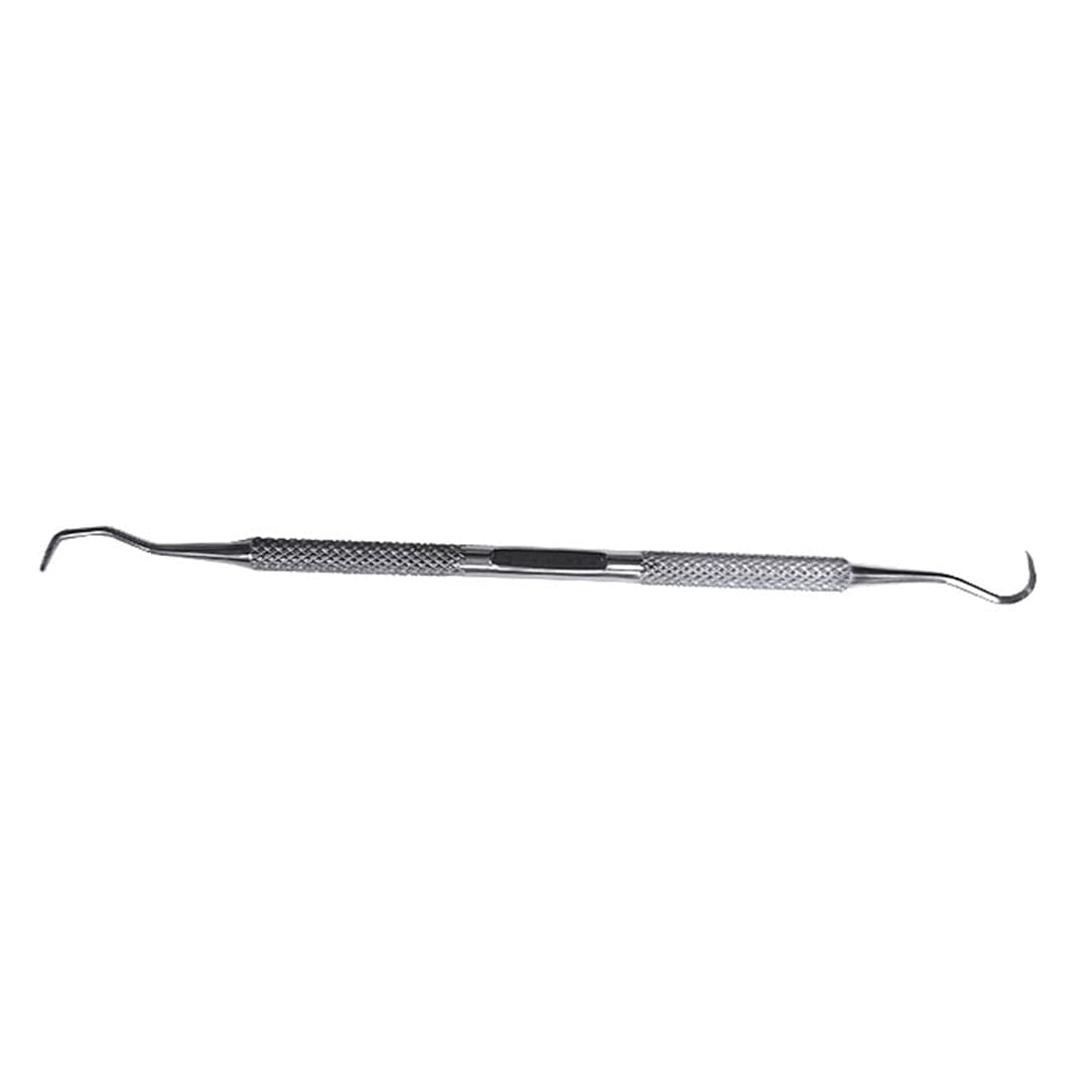
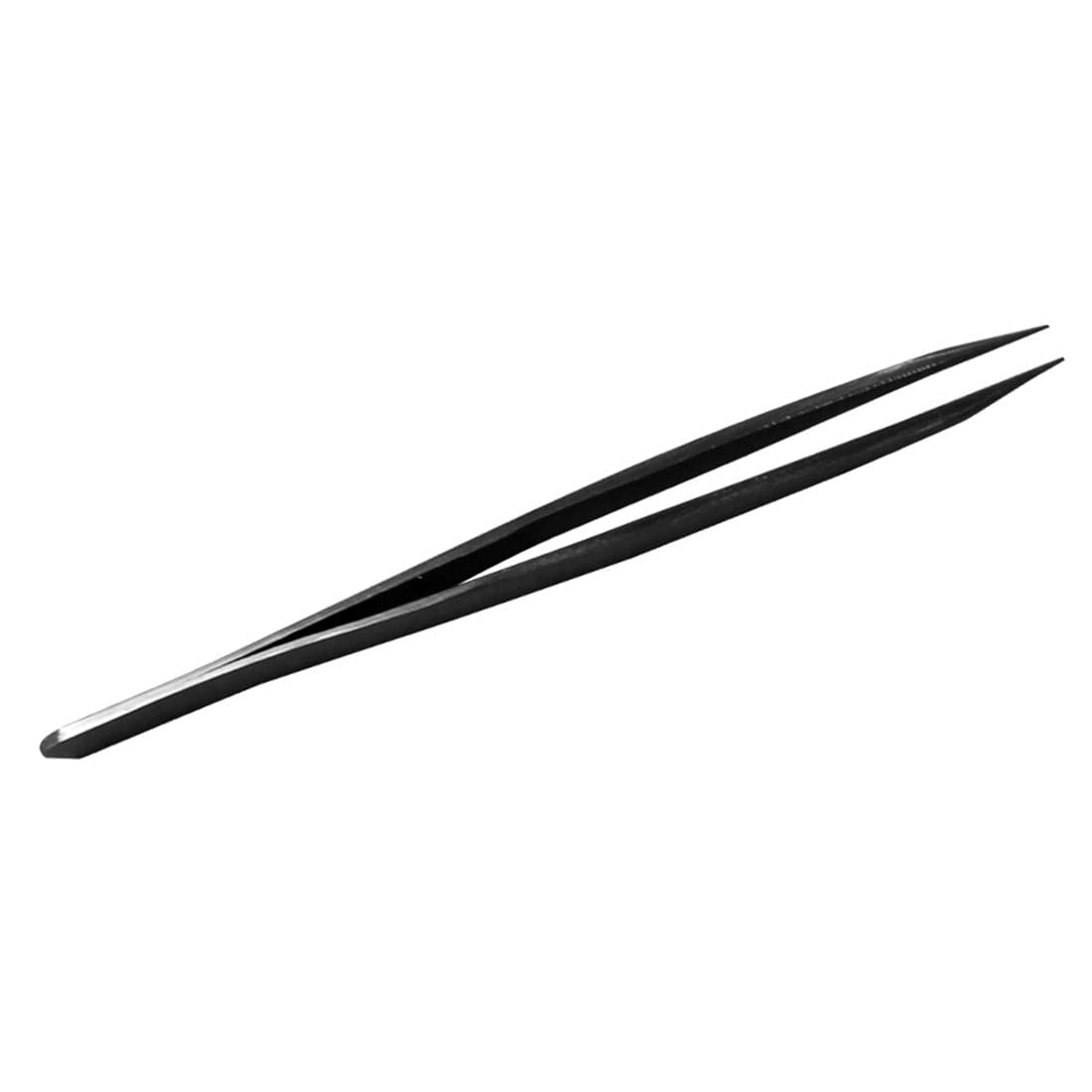
Weeding is the process of removing the unwanted vinyl around the design. Special weeding tools make this step easier by allowing you to precisely remove small pieces of material while leaving the final design intact.
Once the design has been weeded, it is placed onto the garment and pressed using heat and pressure. The adhesive backing on the vinyl activates during the pressing process, bonding the design securely to the fabric.
Heat transfer vinyl offers several benefits:
- Very durable prints
- Works extremely well on cotton shirts
- Ideal for logos, text, and simple graphics
- Available in many finishes including matte, glossy, glitter, and metallic
Many hobbyists begin with small crafting cutters, but professional apparel businesses often use larger vinyl cutters that provide greater accuracy and production capacity. These machines allow print shops to scale production and handle more complex designs efficiently.
Because of its durability and versatility, HTV is commonly used for:
- Sports jerseys
- Company uniforms
- Custom brand merchandise
- Personalized apparel
For many creators and small businesses, heat transfer vinyl becomes one of the most reliable ways to produce high-quality custom shirts at home.
Method 3: Direct-to-Film (DTF) Printing
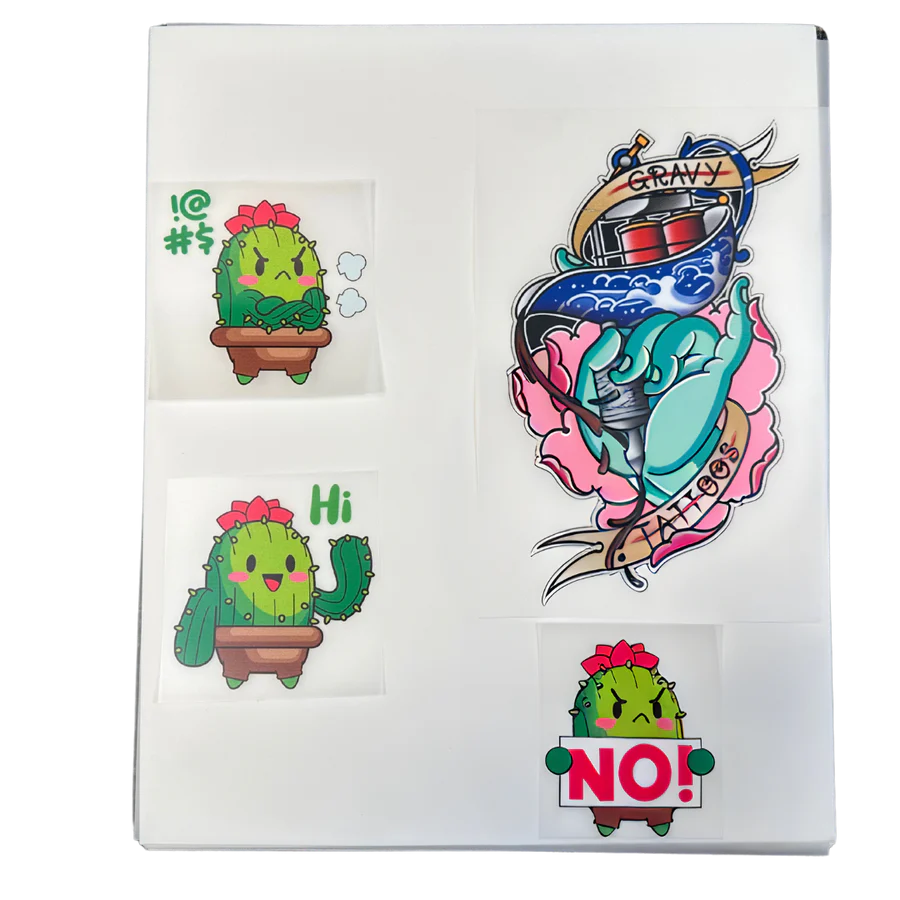
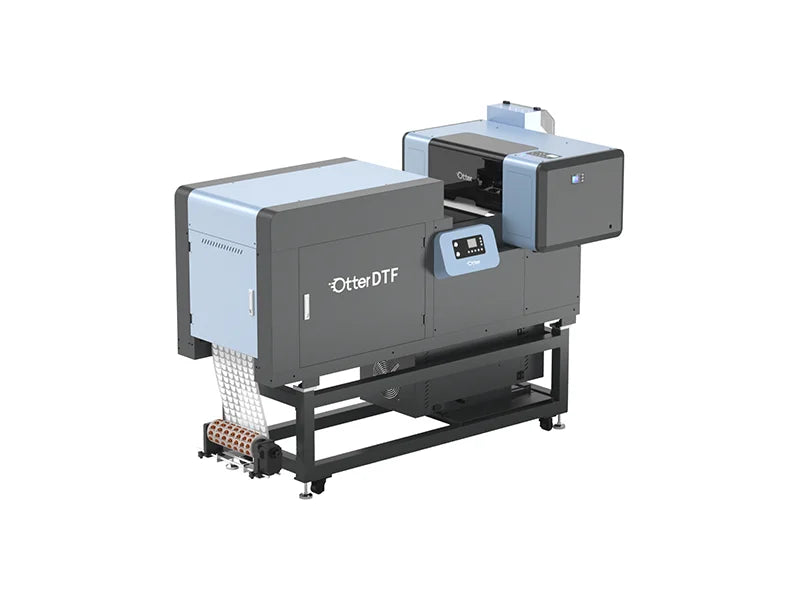
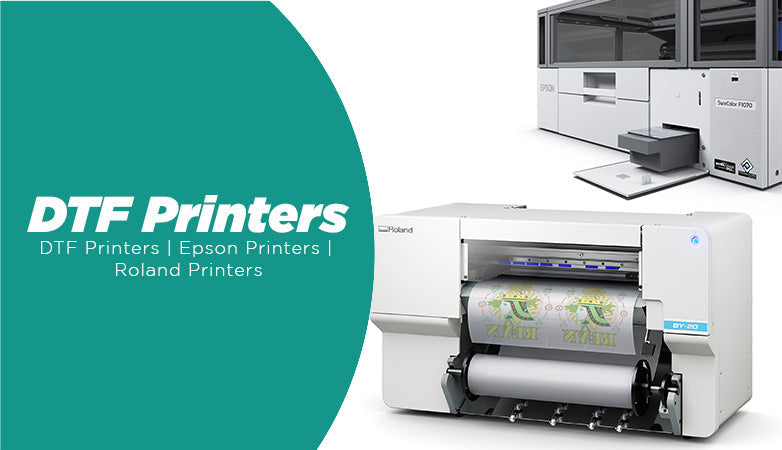
Direct-to-Film printing, commonly known as DTF, has become one of the fastest-growing technologies in the custom apparel industry. It allows decorators to print full-color designs that can be applied to a wide variety of fabrics, including cotton, polyester, blends, and even darker garments.
Unlike sublimation, which bonds directly with polyester fibers, DTF printing works by creating a transfer film that is later pressed onto the garment.
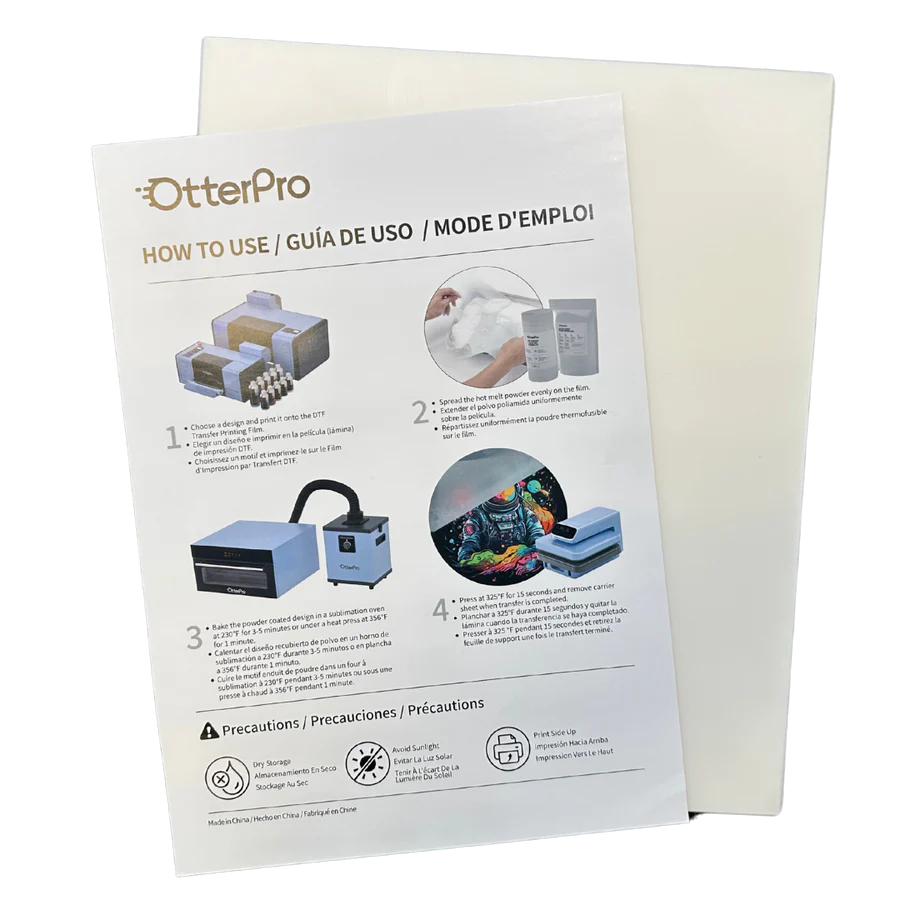
The typical workflow looks like this:
- Create the artwork
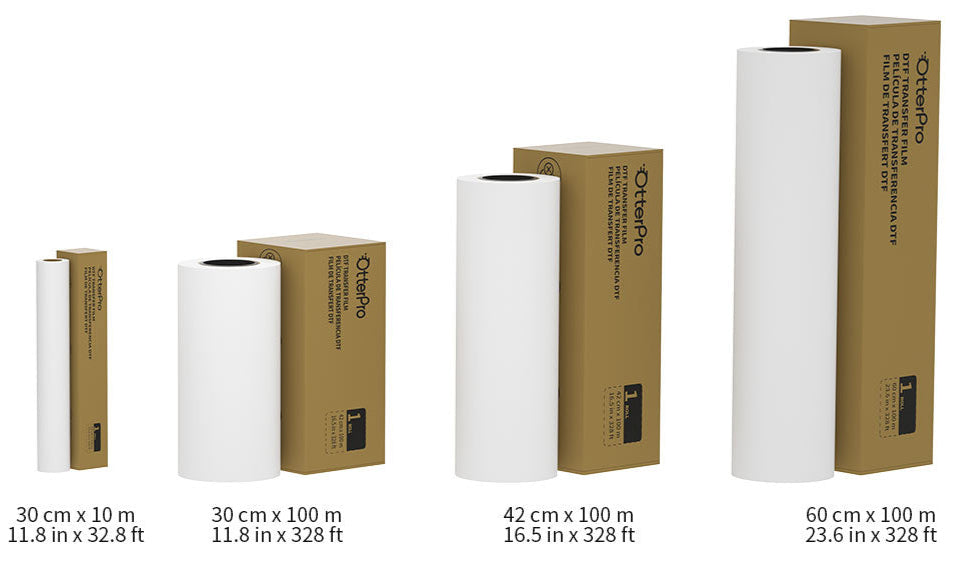
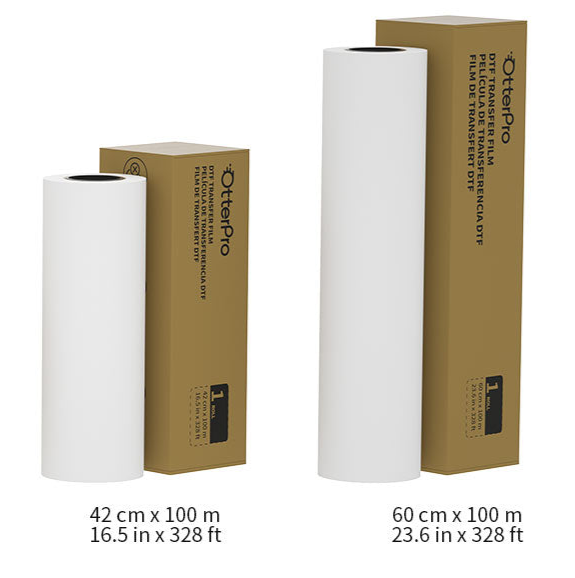
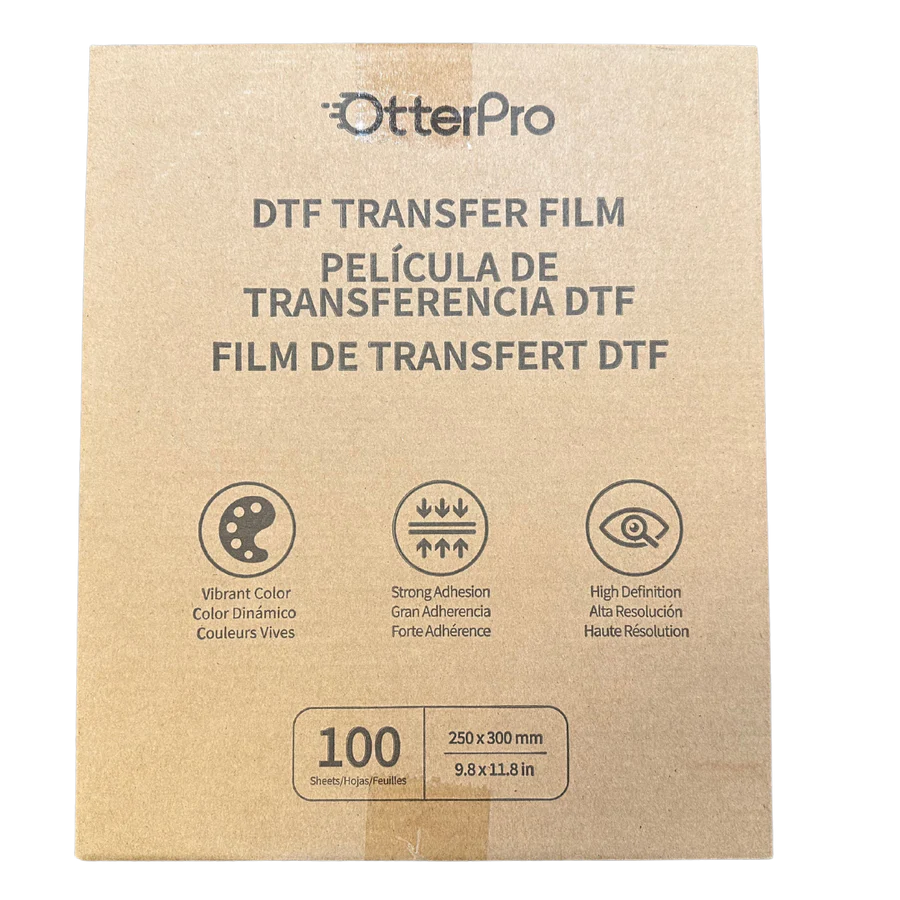
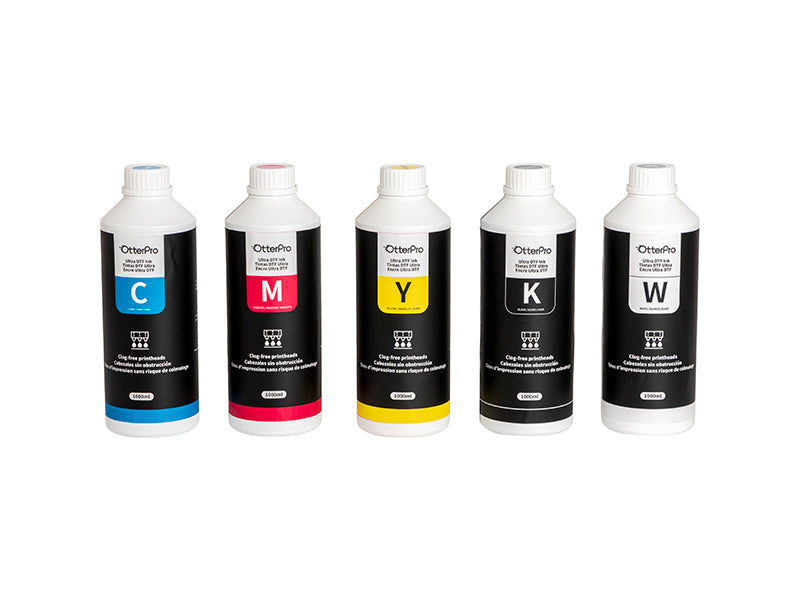
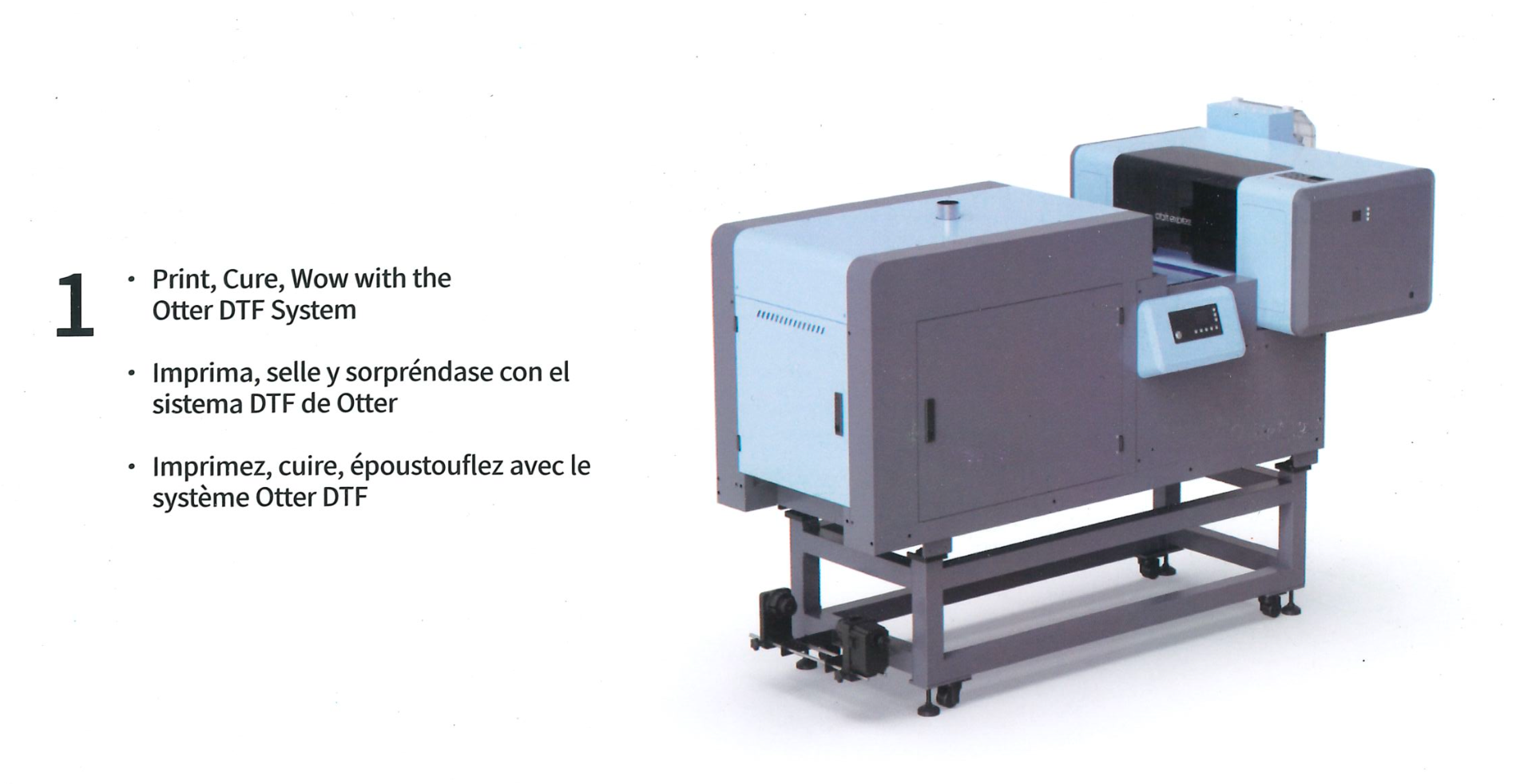
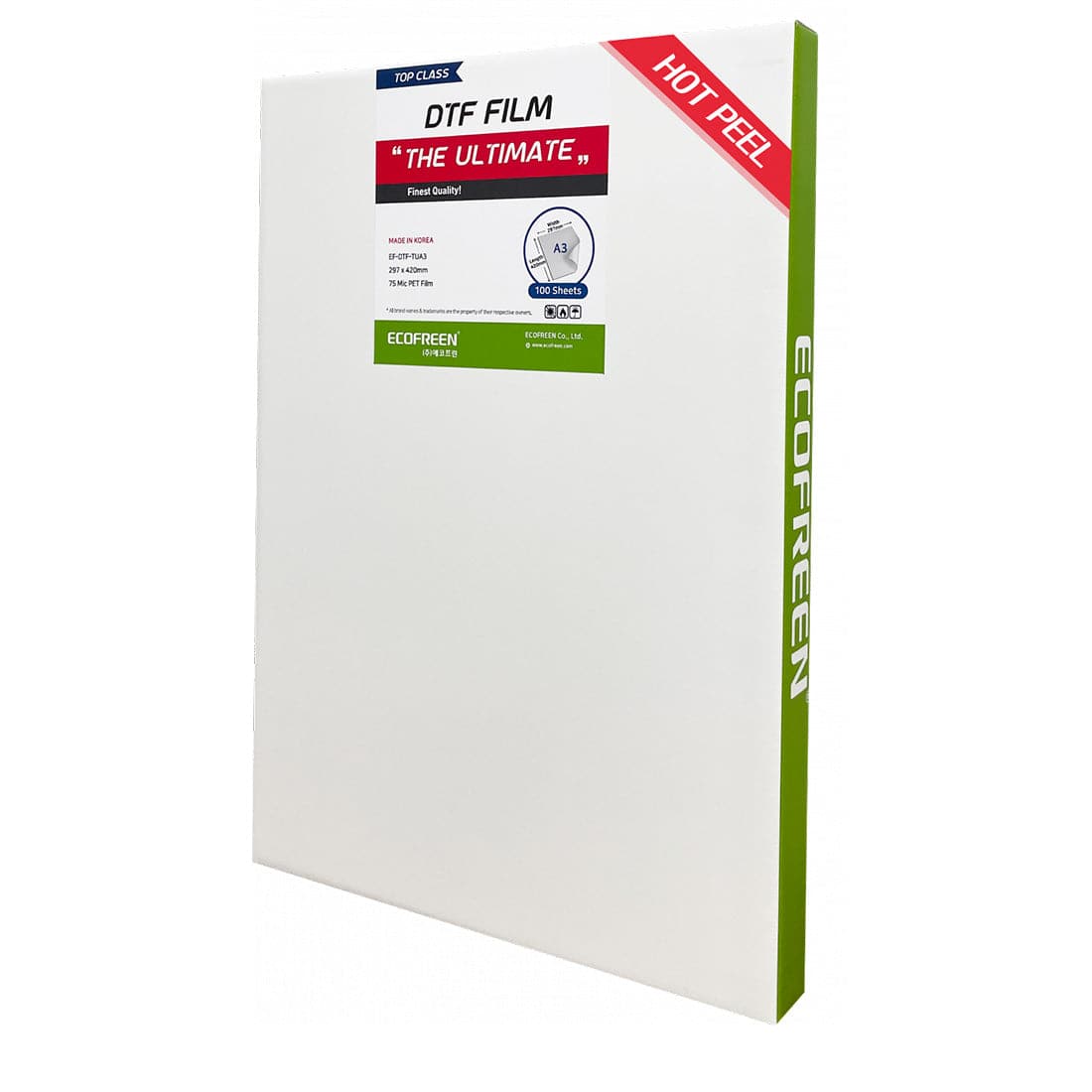
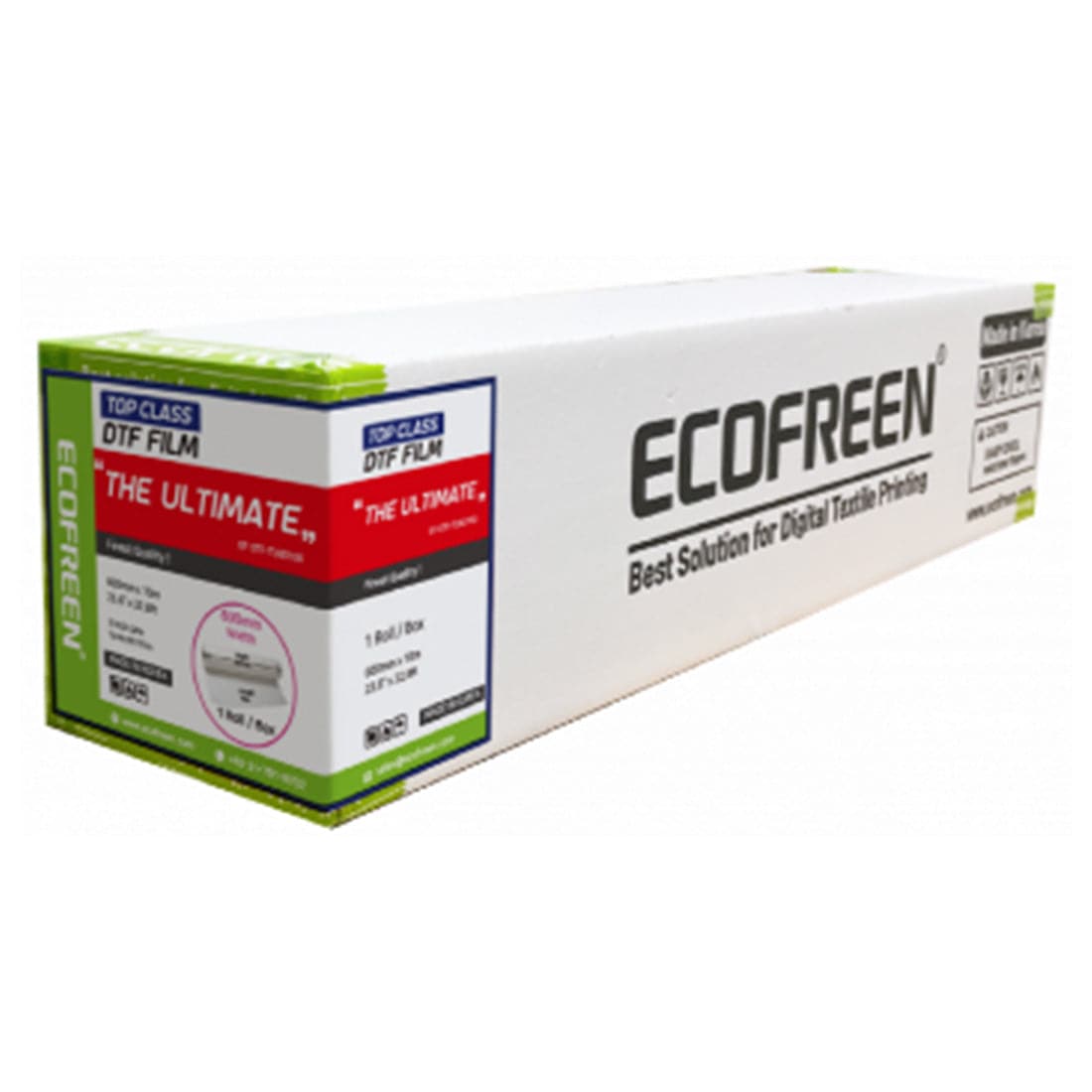
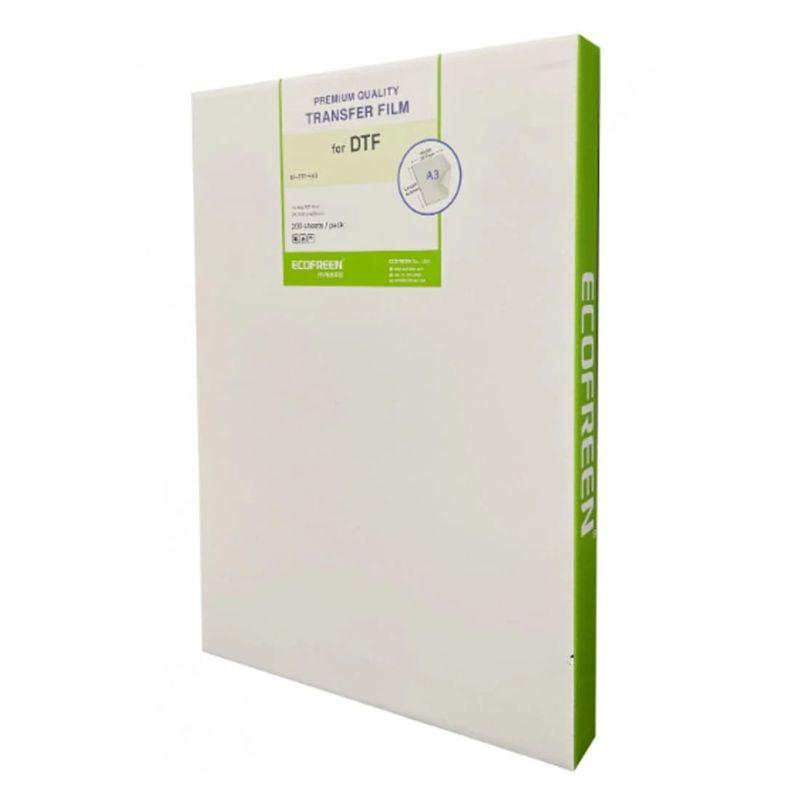
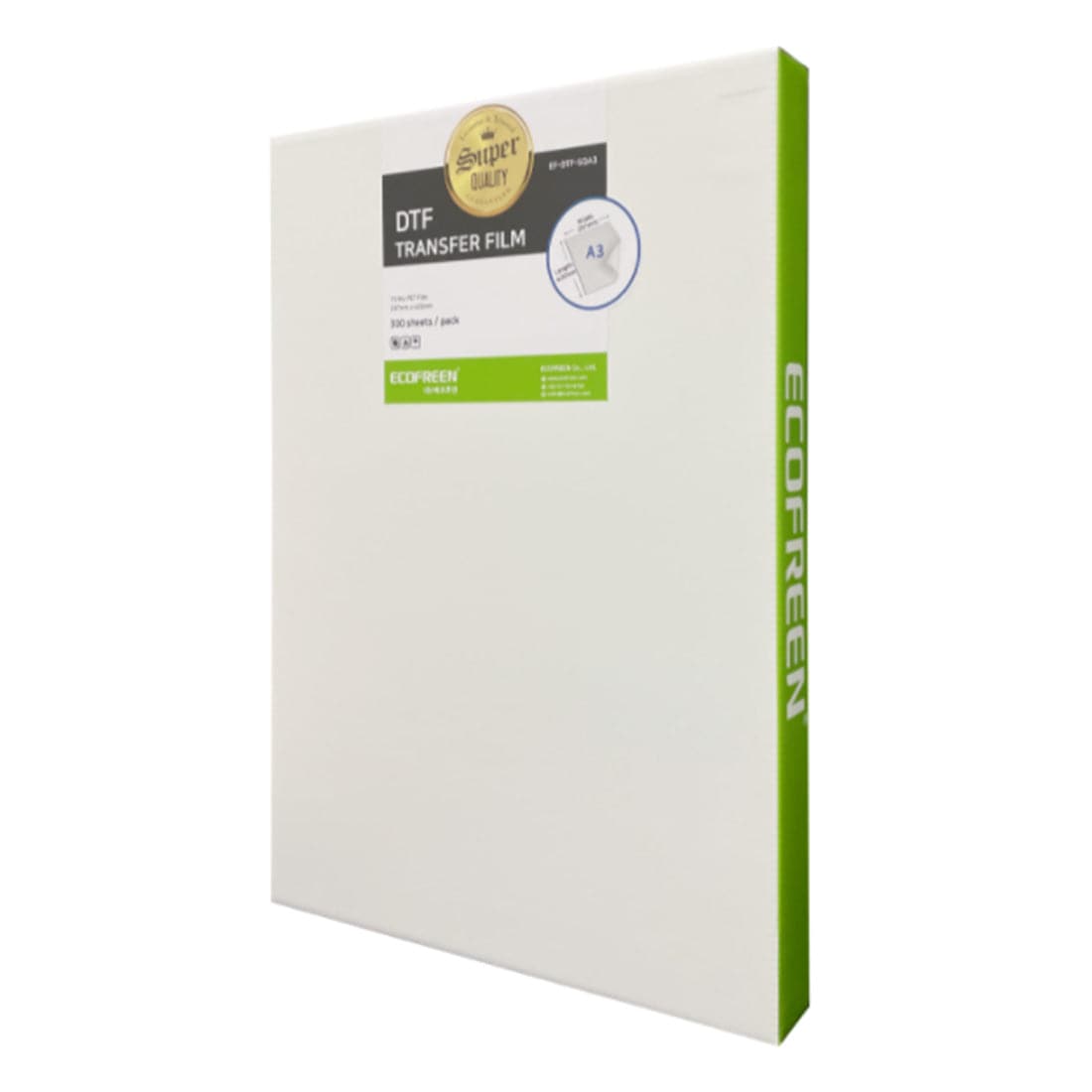
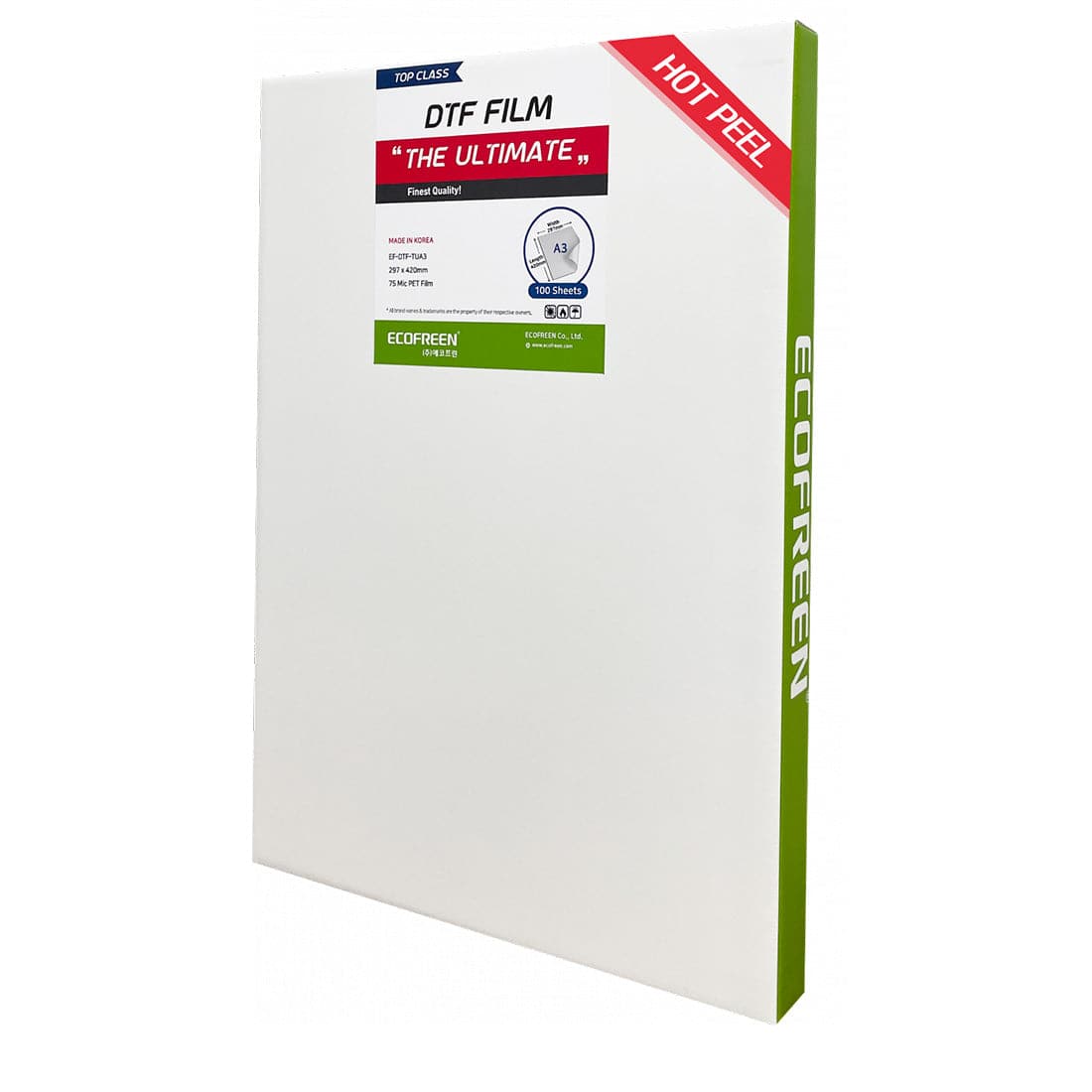
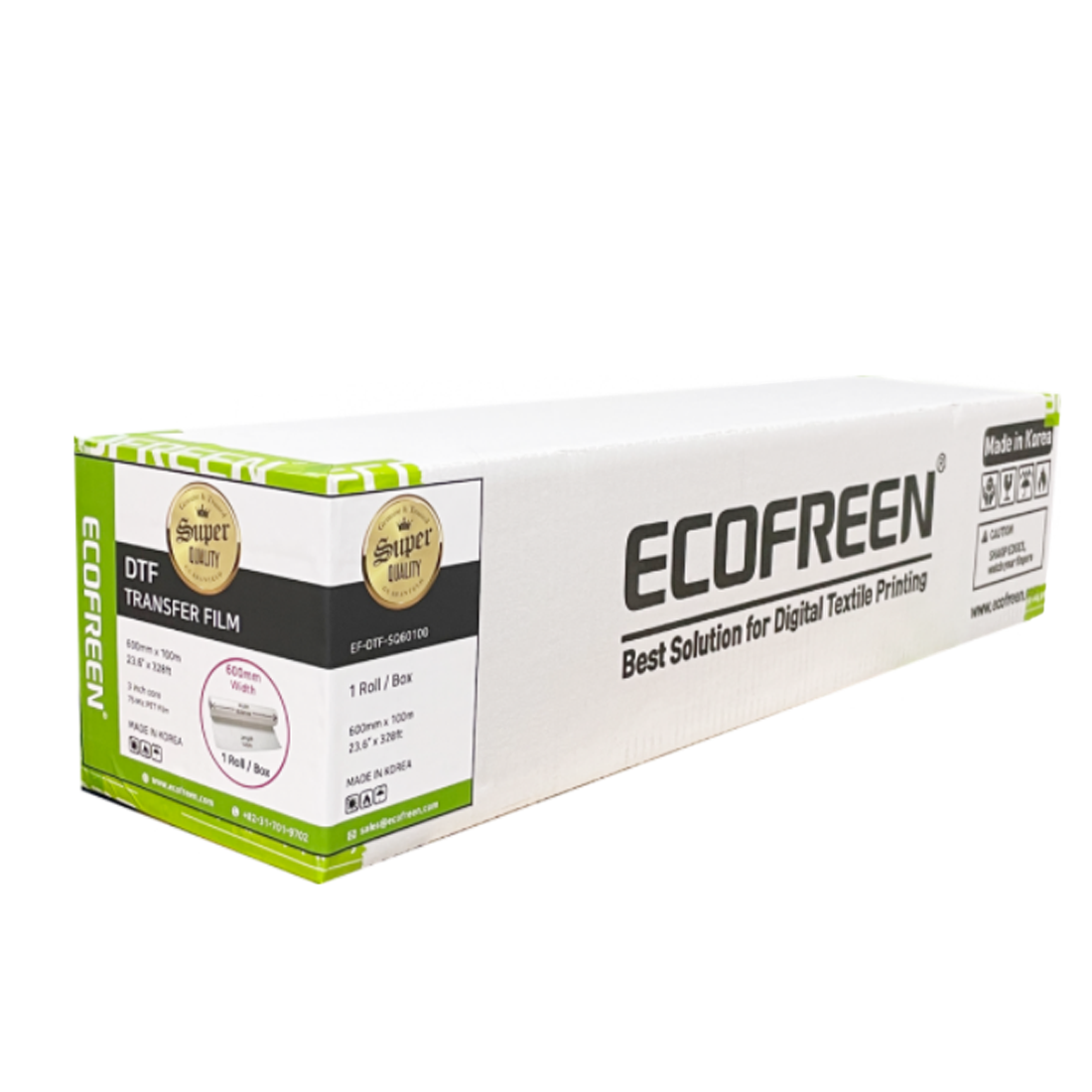
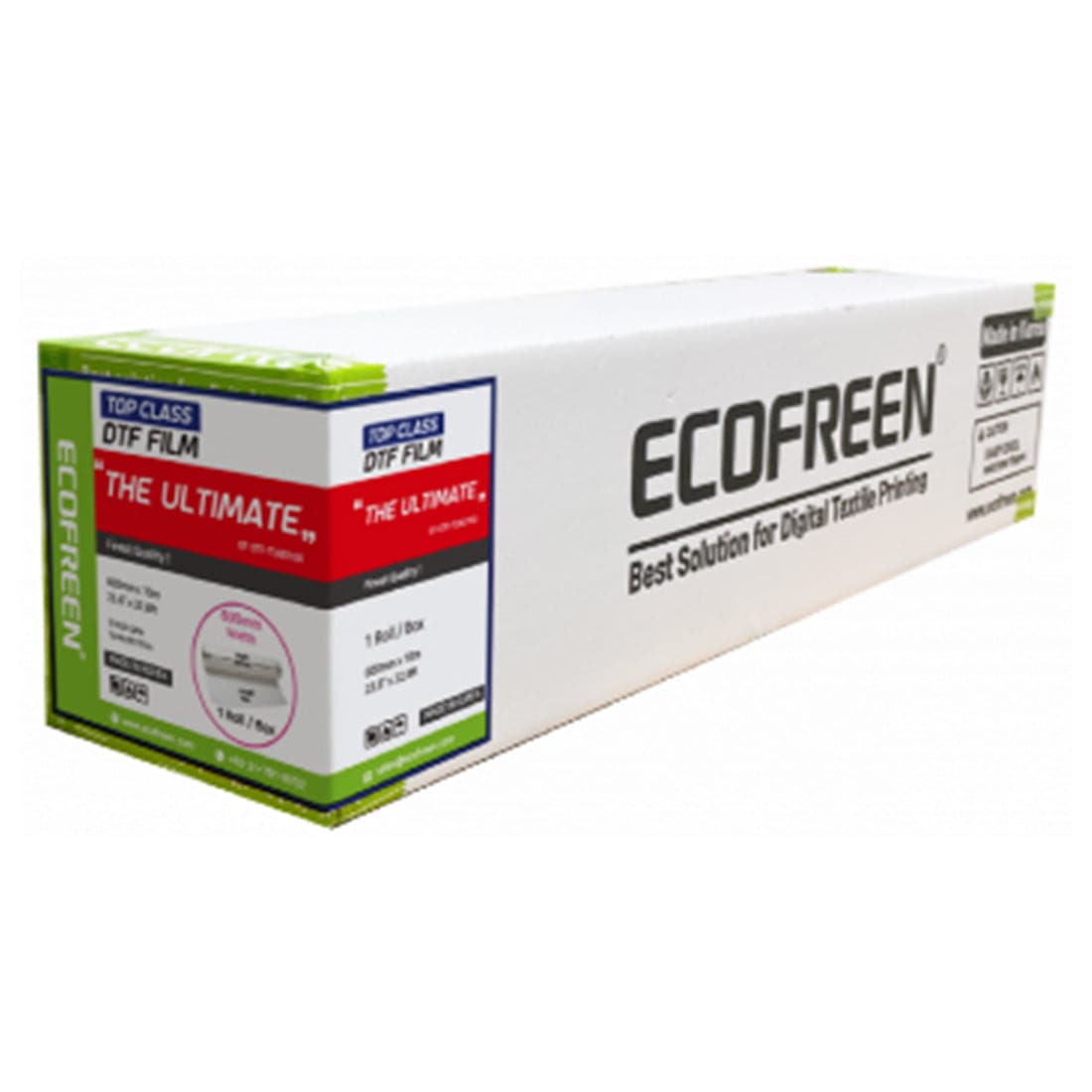
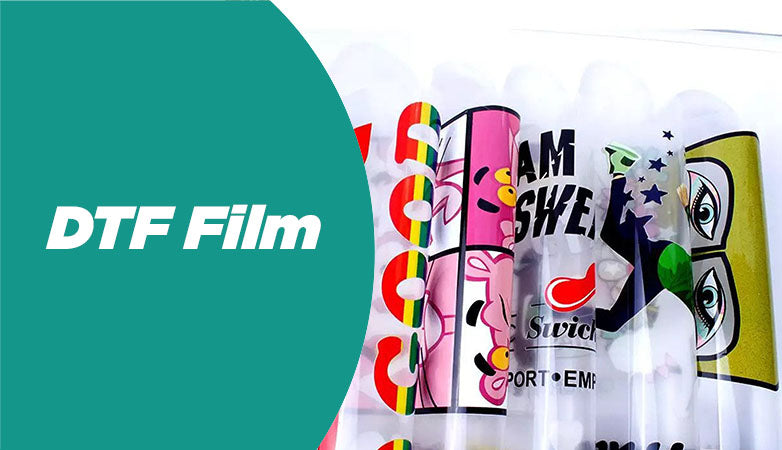
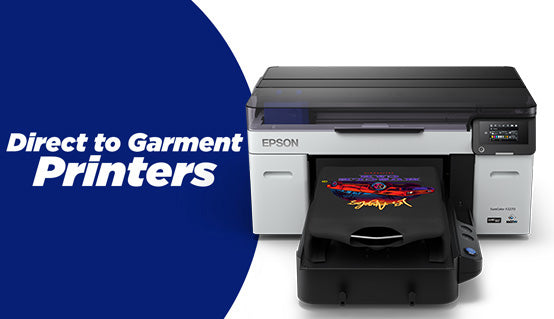
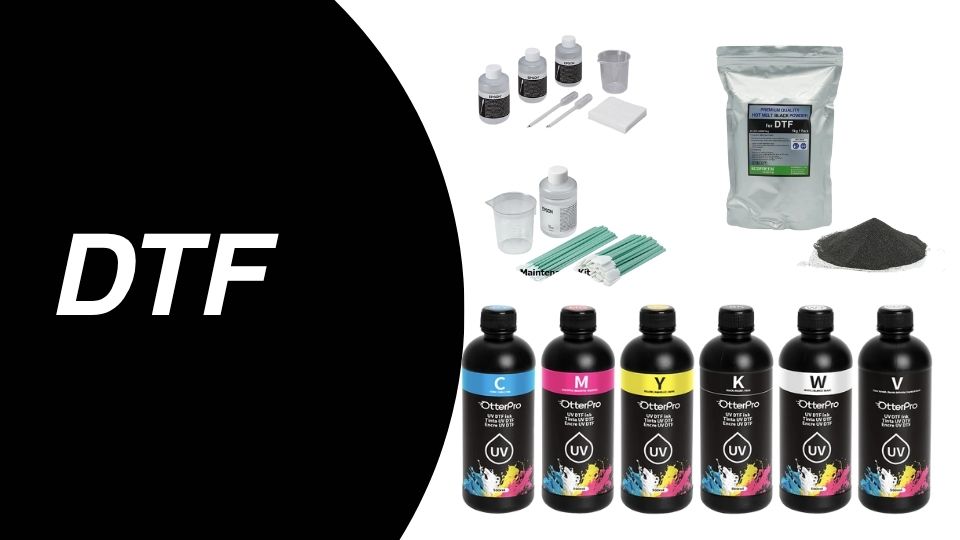
- Print the design using a DTF printer onto special PET film
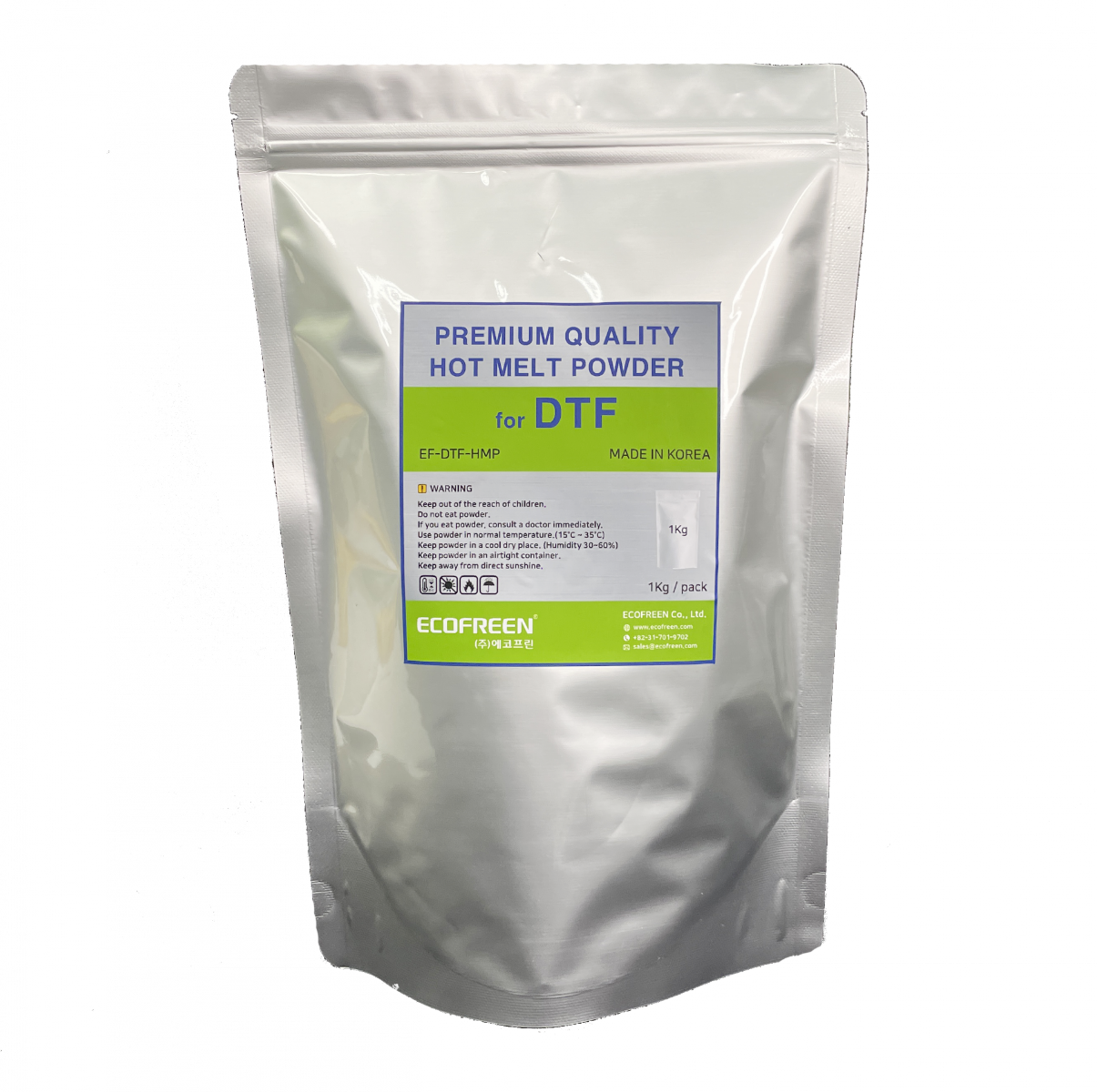
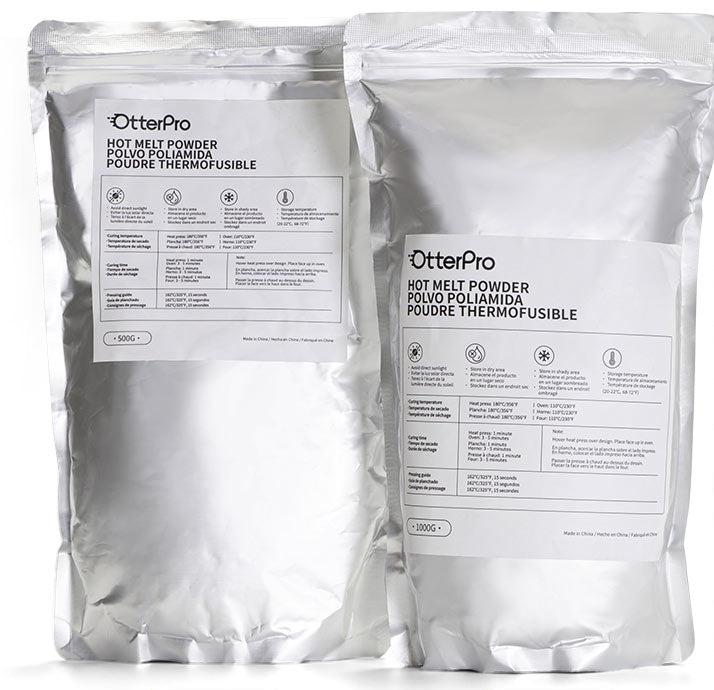
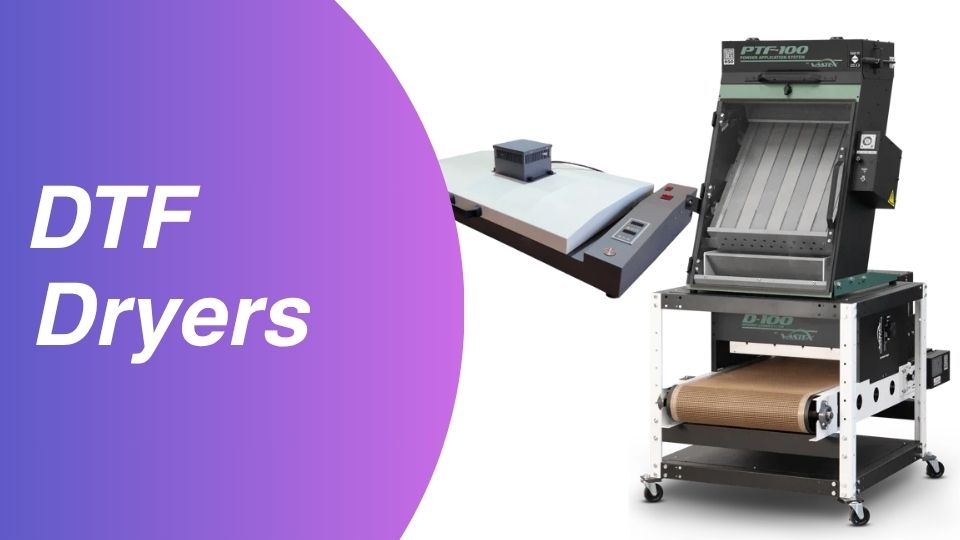
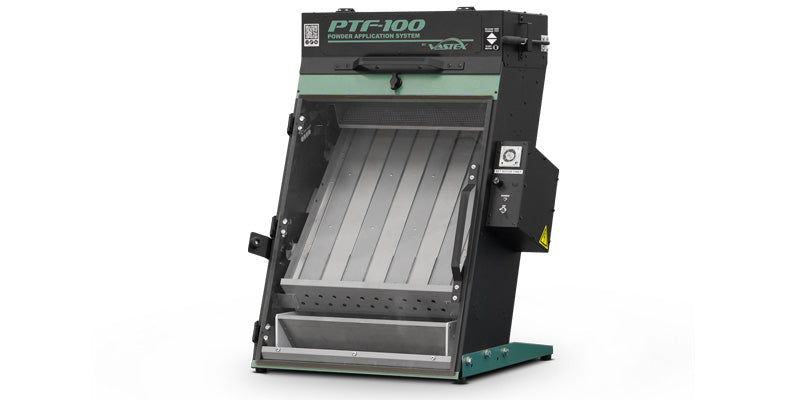
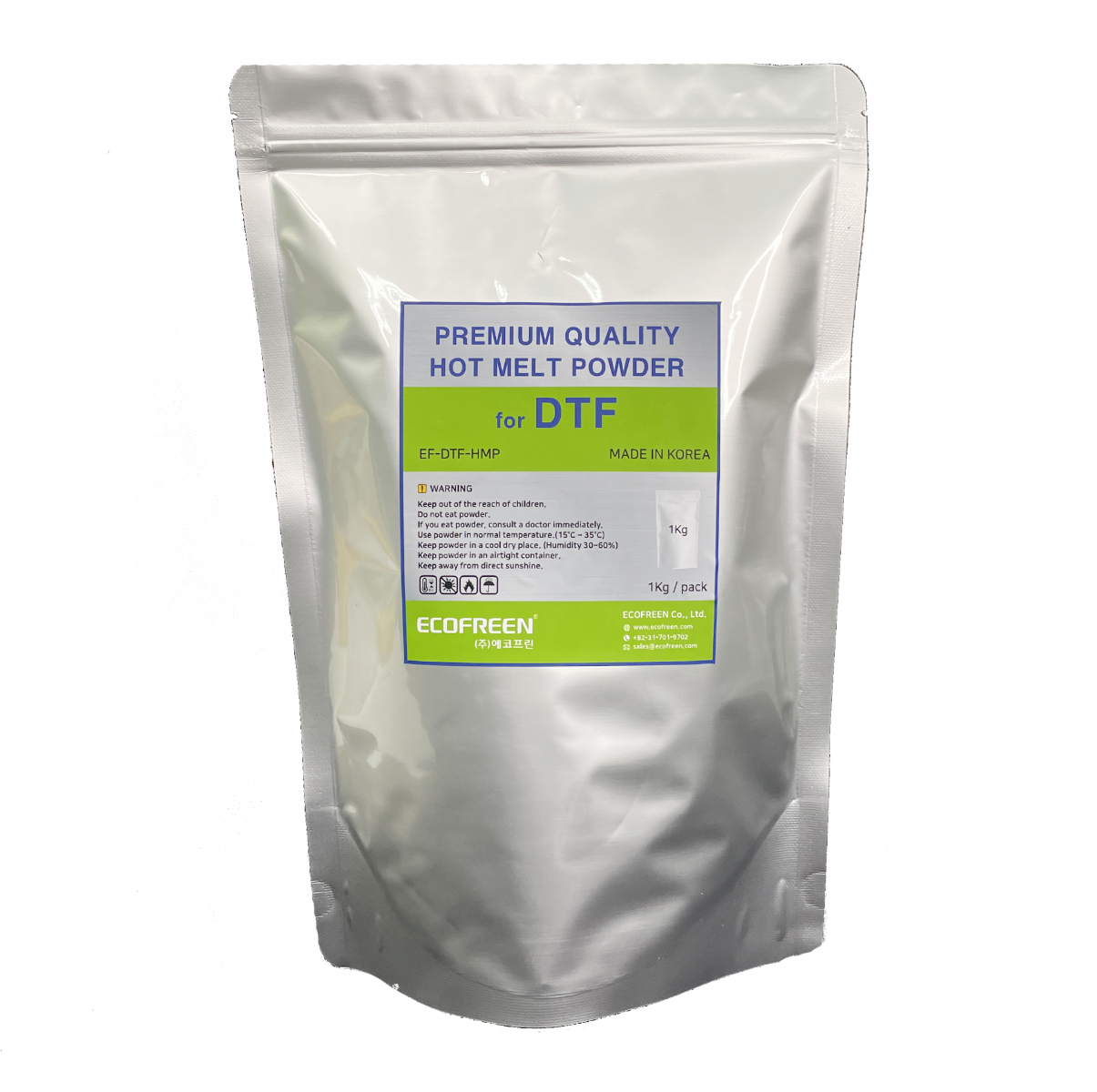
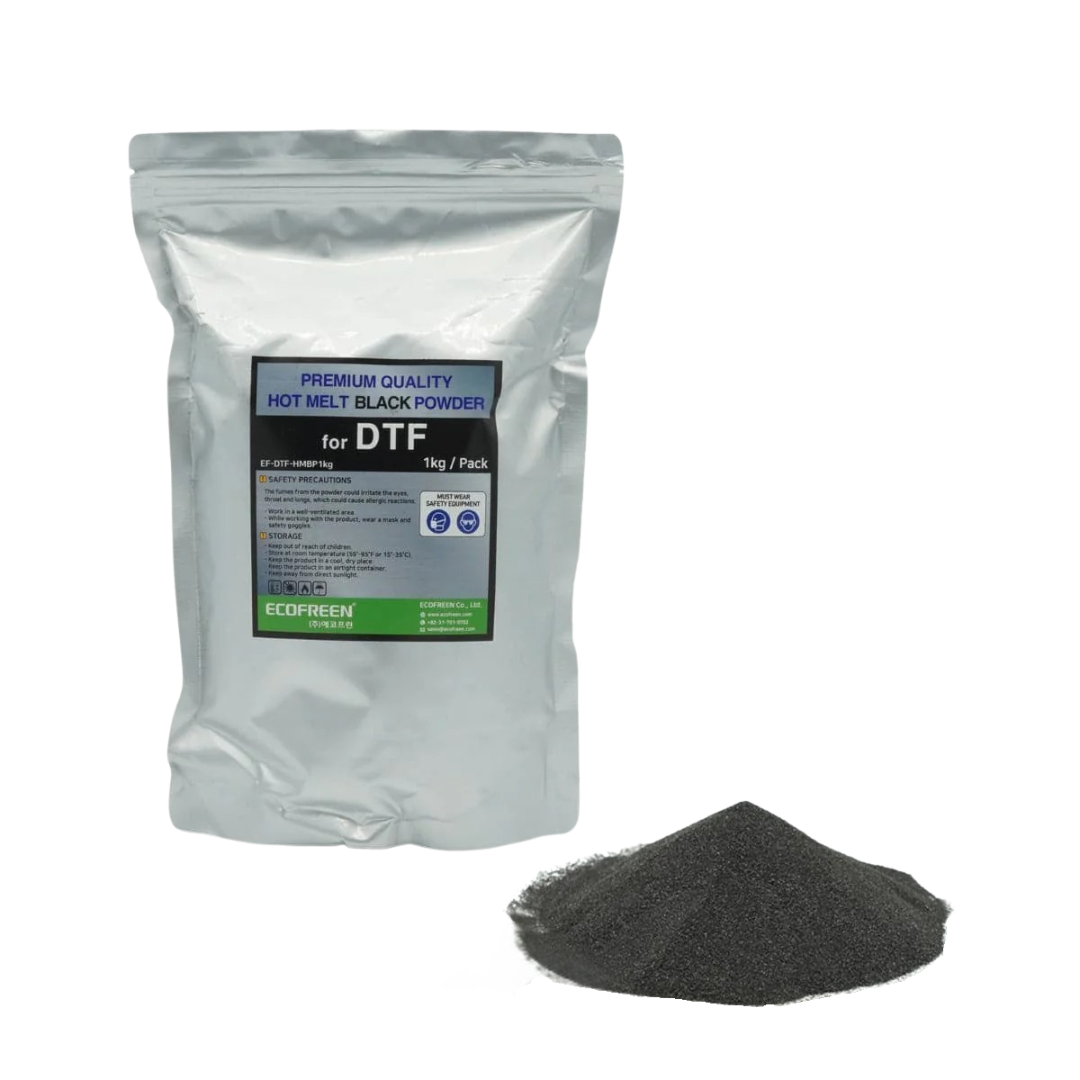
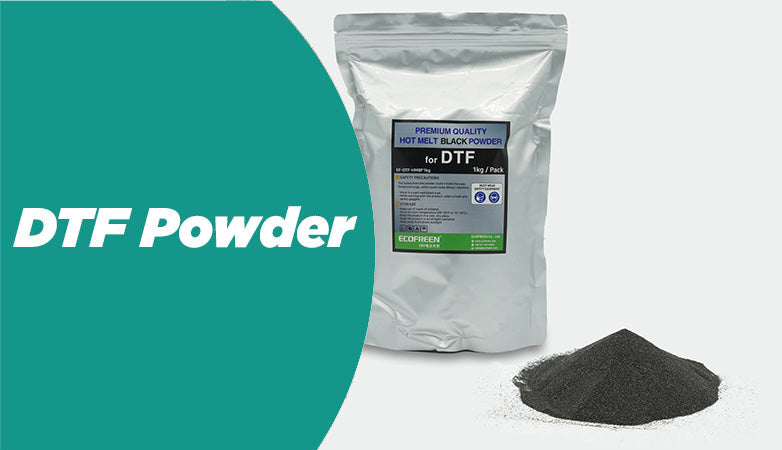
- Apply adhesive powder to the printed design
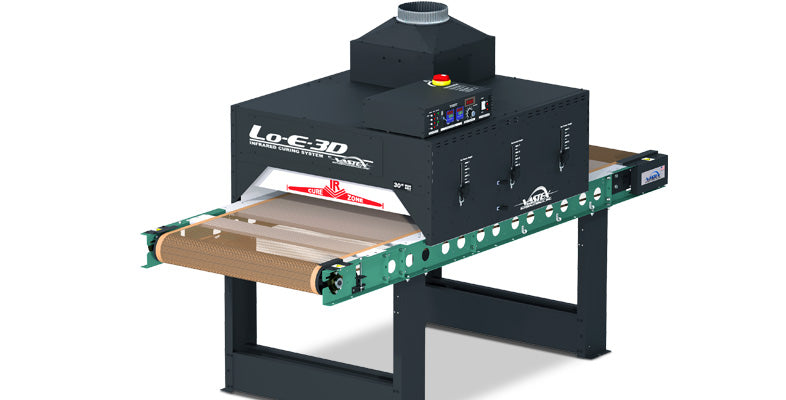
- Cure the transfer
- Press the design onto the garment using a heat press
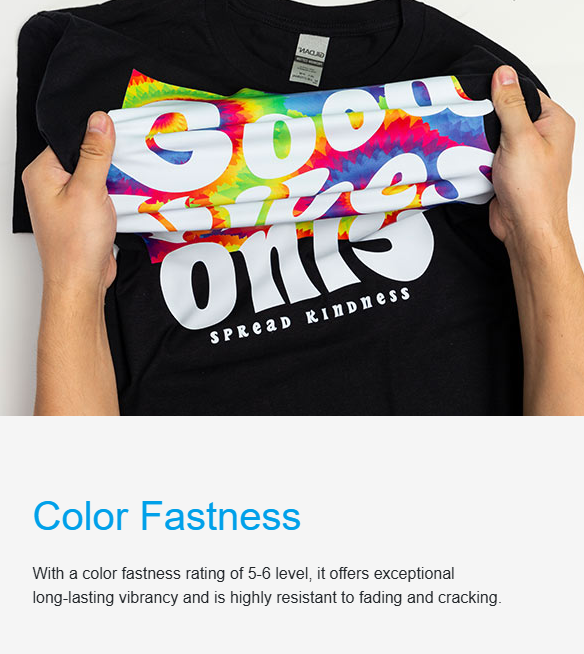
Once the transfer is pressed, the adhesive bonds the design to the fabric, producing vibrant prints that are flexible and durable.
DTF offers several advantages for custom apparel production:
- Works on cotton, polyester, and blended fabrics
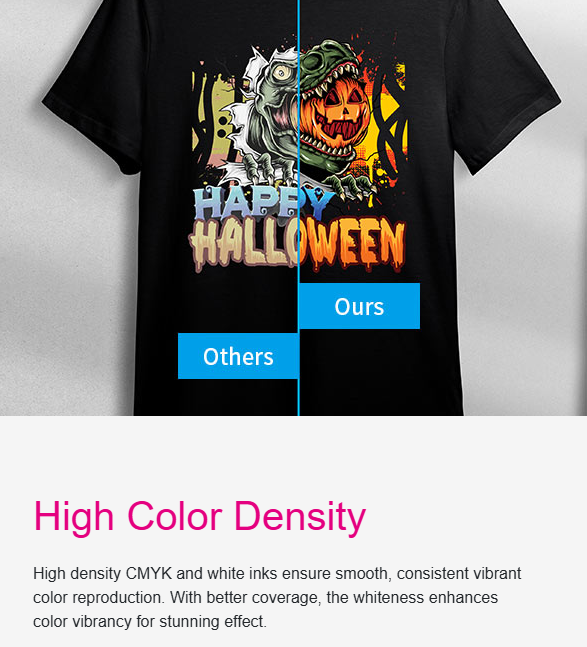
- Supports full-color, highly detailed designs
- Suitable for both light and dark garments
- Transfers can be prepared in advance and stored for later use
Because of its versatility, DTF has become extremely popular among businesses that sell custom transfer sheets or provide on-demand apparel printing.
Many decorators use DTF to produce gang sheets, which allow multiple designs to be printed on a single sheet and pressed onto garments as needed. This makes it particularly efficient for print shops handling many small orders.
If you want to learn more about how the process works and what equipment is required, you can read our full DTF printing guide.
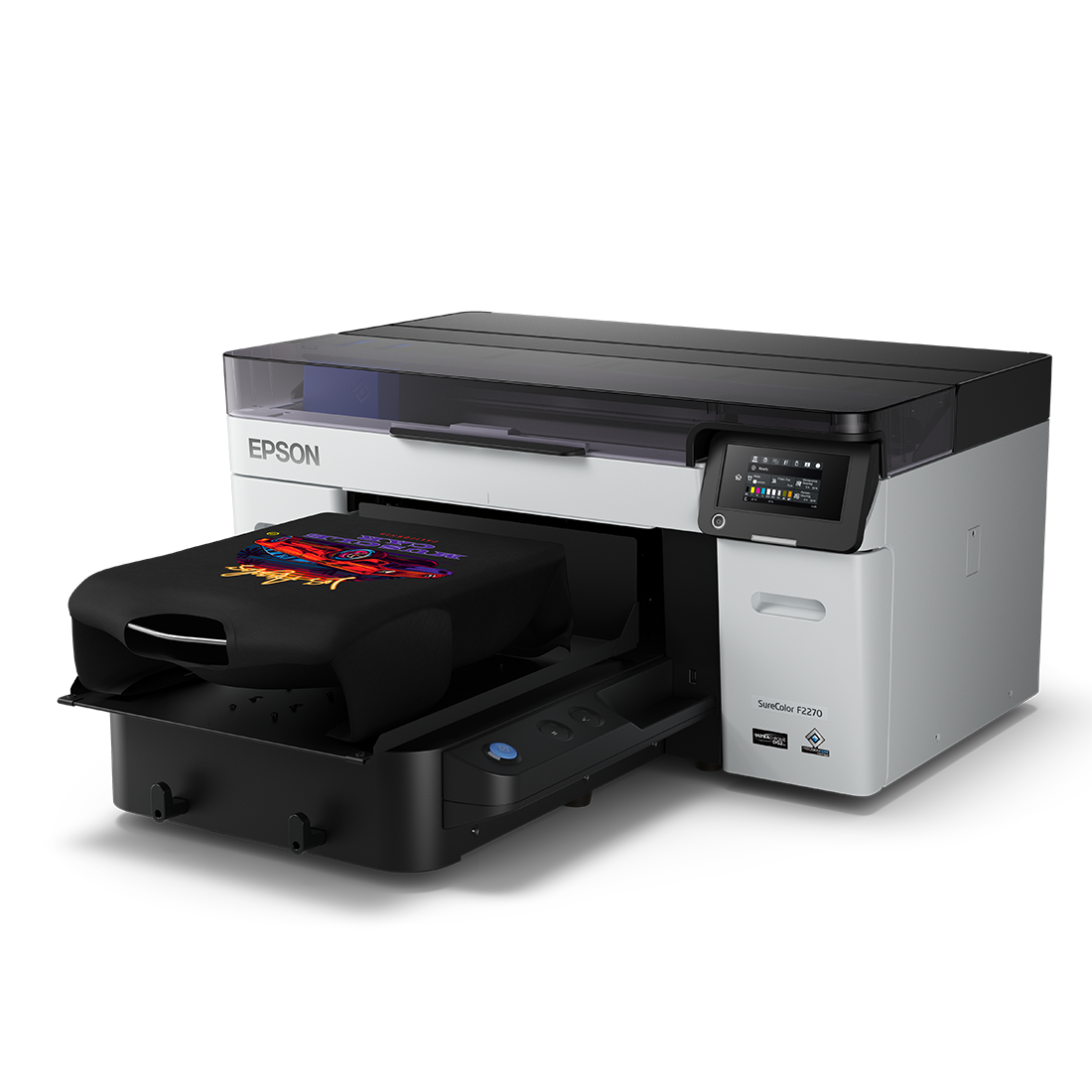
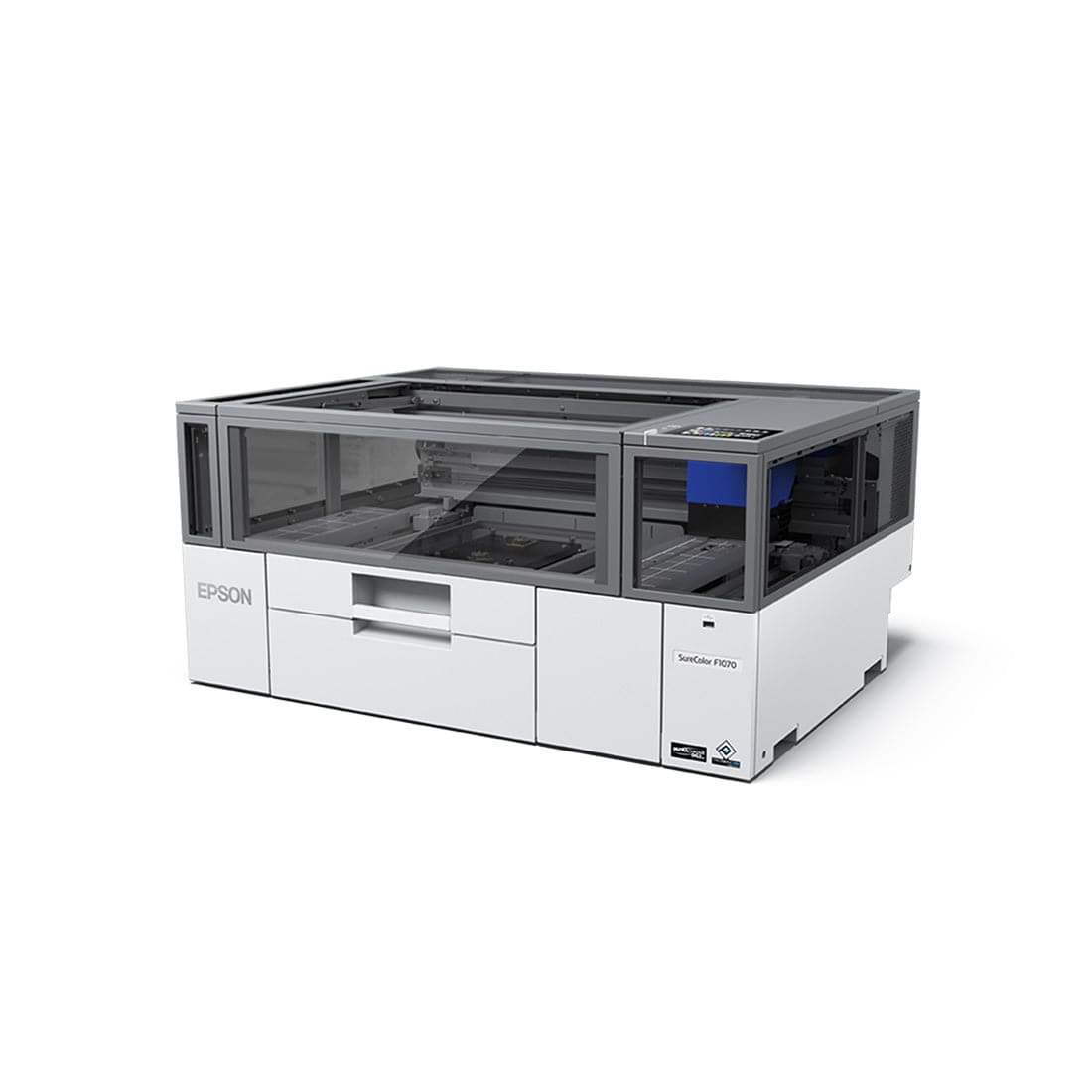
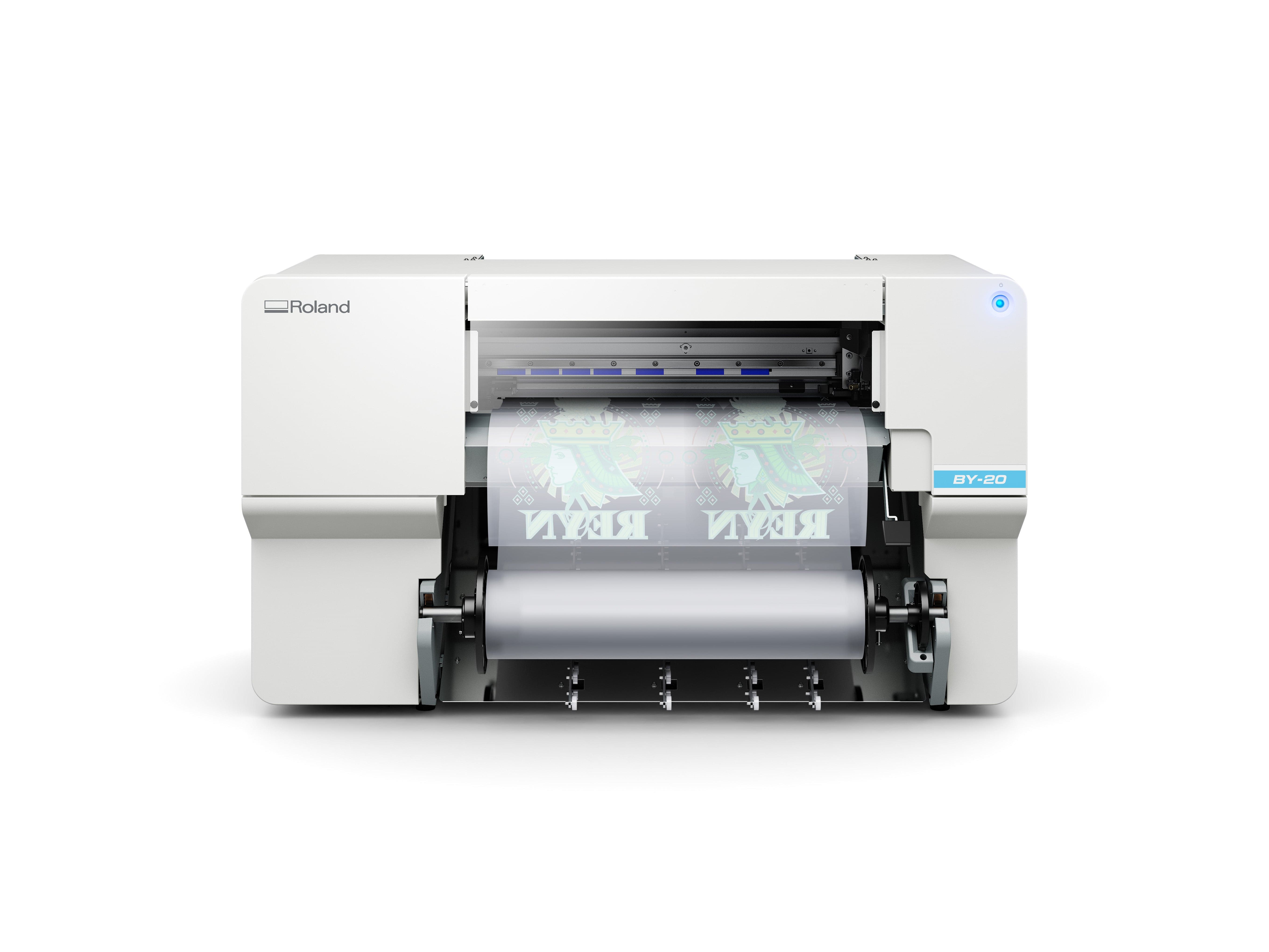
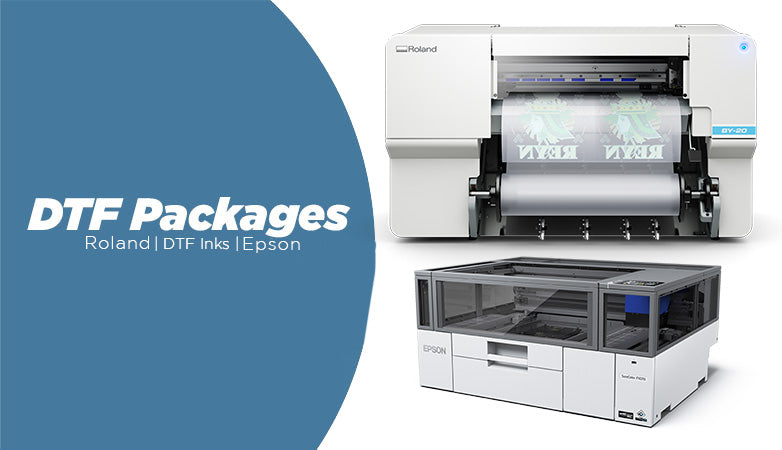
For businesses looking to produce high-quality transfers or start selling DTF sheets, modern DTF printers and complete printing bundles make it possible to set up production with professional results.
Method 4: Sublimation Printing

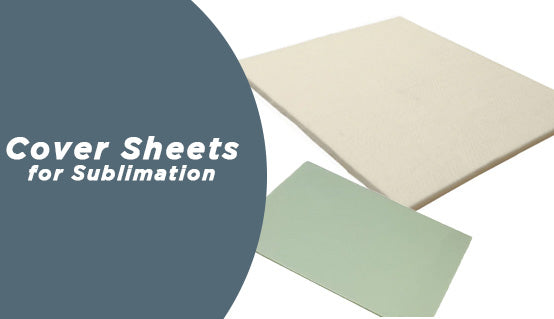
Sublimation printing is one of the most popular methods used by professional apparel decorators because it produces extremely vibrant, permanent prints that become part of the fabric rather than sitting on top of it.
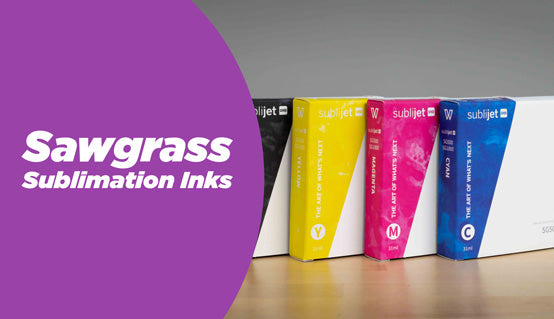
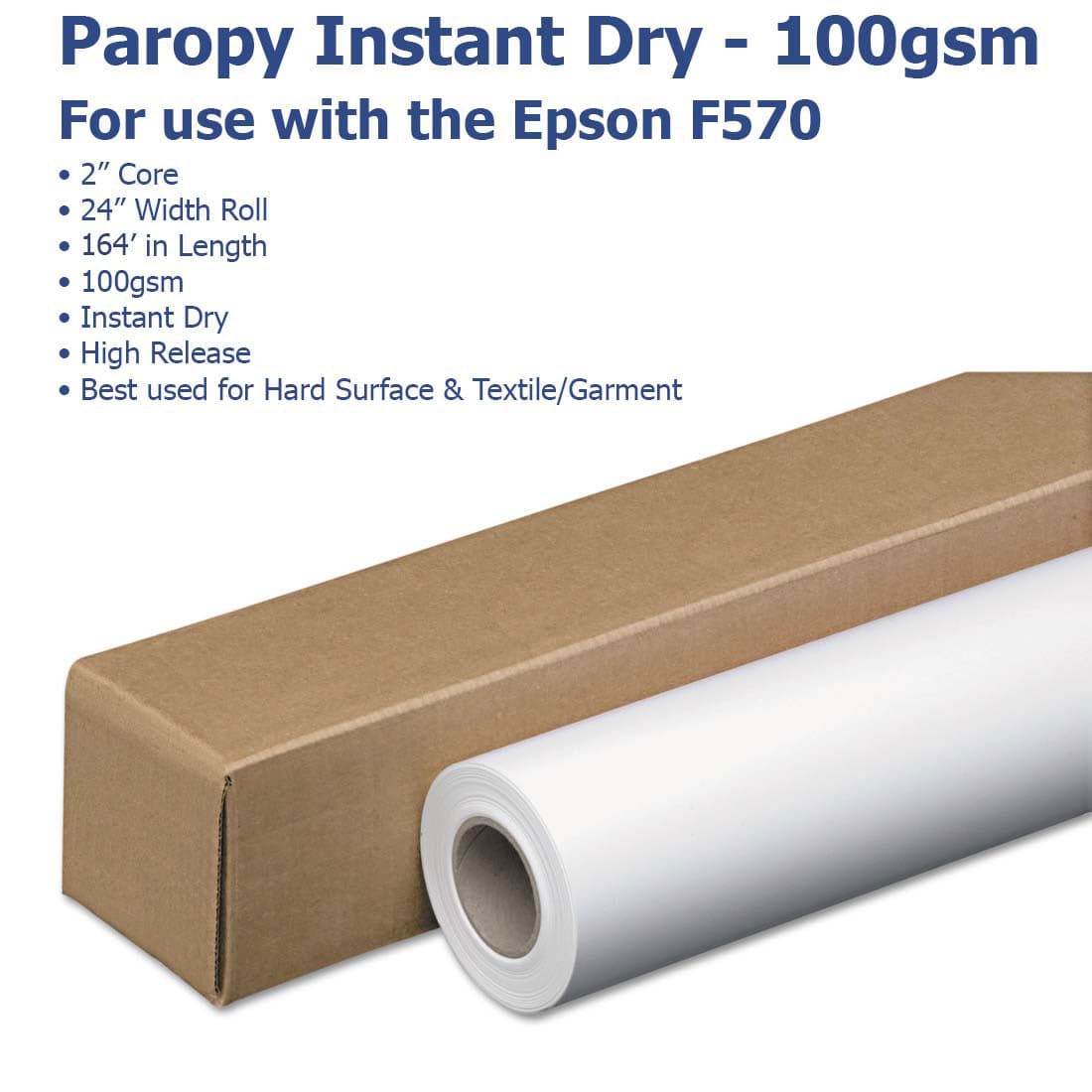
Unlike heat transfer paper or HTV, sublimation uses special dye-based inks that react to heat. When exposed to high temperatures, the ink turns into a gas and bonds directly with polyester fibers.
The basic sublimation workflow looks like this:
Design creation
Print the design using a sublimation printer and sublimation ink
Transfer the print onto the garment using a heat press
During the pressing process, the ink converts into gas and penetrates the polyester fibers. Once the fabric cools, the dye becomes permanently embedded in the material.
This process produces several major advantages:
- Extremely vibrant colors
- No cracking or peeling over time
- Soft feel with no heavy texture on the garment
- Long-lasting prints that survive many washes
Because sublimation dyes bond with polyester fibers, this method works best with polyester fabrics or polyester-coated materials. White or light-colored garments are also recommended since sublimation does not print white ink.
This makes sublimation ideal for products such as:
- Performance shirts
- Sports jerseys
- Polyester apparel
- Promotional merchandise
If you want to understand the science behind this process in more detail, you can read our full guide about sublimation printing.
Many small apparel businesses choose sublimation because it provides professional results with relatively efficient production workflows once the proper equipment is in place.
Printing on Cotton with VersiFlex

One of the most common questions beginners ask is whether sublimation can be used on cotton shirts.
Traditional sublimation printing works best with polyester fabrics because the ink bonds directly with synthetic fibers. Cotton, on the other hand, does not naturally absorb sublimation dye.
However, newer transfer technologies make it possible to achieve vibrant results on cotton garments as well.
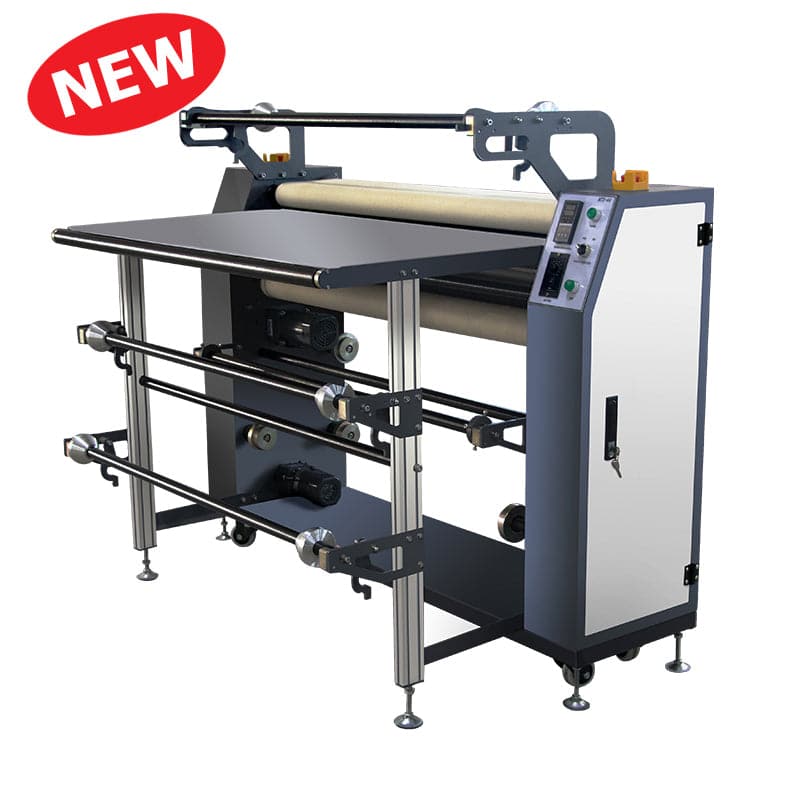
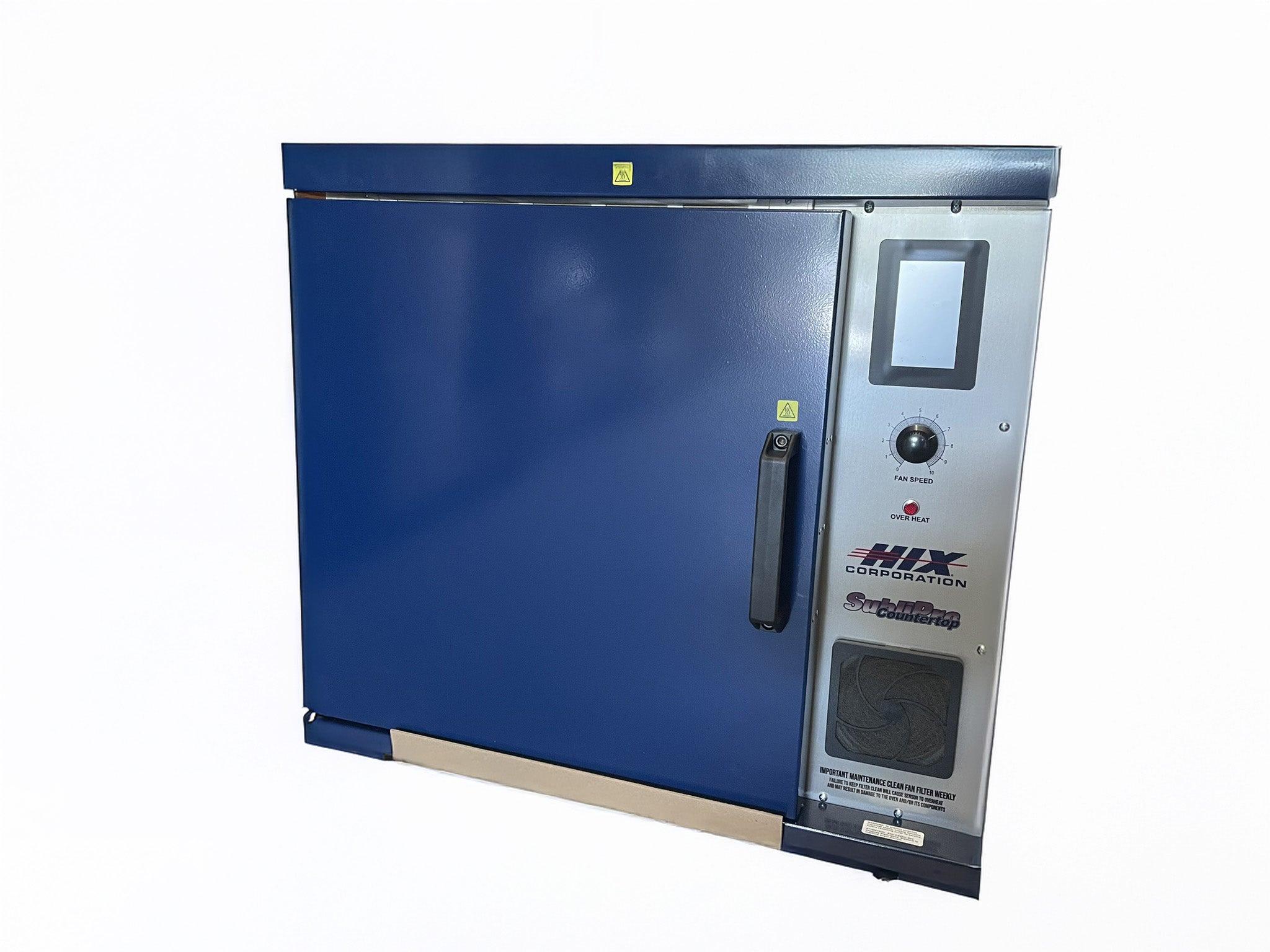
Systems such as VersiFlex allow decorators to create full-color transfers that can be applied to both cotton and polyester fabrics. This greatly expands the types of garments that can be customized while still delivering bright, durable designs.
Using a system like VersiFlex can provide several advantages:
- Works on cotton shirts
- Compatible with polyester and blended fabrics
- Produces vibrant color output
- Flexible for a wide variety of apparel products
For businesses or creators who want to expand beyond polyester garments, solutions like this open the door to a much wider range of printable materials.
Comparing the Most Popular T-Shirt Printing Methods
Each printing method offers different strengths depending on your goals, budget, and the types of garments you plan to produce.
| Method | Best Fabrics | Equipment Needed | Difficulty Level | Durability | Best For |
|---|---|---|---|---|---|
| Heat Transfer Paper | Cotton, light fabrics | Printer + Heat Press | Easy | Medium | Beginners and DIY projects |
| Heat Transfer Vinyl (HTV) | Cotton, polyester, blends | Vinyl Cutter + Heat Press | Medium | High | Logos, text, and simple graphics |
| DTF Printing | Cotton, polyester, blends, dark garments | DTF Printer + Powder Adhesive + Heat Press | Medium | High | Full-color designs and transfer businesses |
| Sublimation Printing | Polyester, coated materials | Sublimation Printer + Heat Press | Medium | Very High | Sportswear and polyester apparel |
| VersiFlex Transfers | Cotton, polyester, blends | Printer + Heat Press | Medium | High | Versatile apparel printing across fabrics |
Which Method Should You Choose?
Now that you’ve seen the main T-shirt printing methods side by side, the best option really depends on your goals, your materials, and the type of shirts you want to produce.
If you are just experimenting with DIY projects at home, heat transfer paper is often the easiest place to start. It requires minimal equipment and allows beginners to quickly test designs and learn the basics of apparel decoration.
For creators who want to produce more durable designs on cotton garments, heat transfer vinyl (HTV) is a strong next step. HTV is widely used for logos, sports jerseys, uniforms, and branded merchandise because of its durability and clean finish.
If your focus is on vibrant, professional-quality prints, especially on polyester garments, sublimation printing is one of the most reliable methods available. Because the ink bonds directly with the fibers of the fabric, sublimation produces prints that won’t crack, peel, or fade over time.
For businesses that want to print on a wide variety of fabrics, including cotton and dark garments, DTF printing has quickly become one of the most versatile solutions in the apparel industry. DTF transfers can be prepared ahead of time and applied to garments when needed, making them particularly useful for print shops and businesses selling custom transfer sheets.
And for decorators who want more flexibility when printing on cotton and blended fabrics while maintaining vibrant color output, transfer technologies such as VersiFlex can expand the range of garments that can be customized.
In practice, many successful apparel businesses combine multiple methods in their workflow. For example, sublimation may be used for polyester sportswear, HTV for simple logo applications, and DTF transfers for complex full-color designs on cotton garments.
Choosing the right method ultimately depends on the type of products you want to create and the scale of your production.
Final Thoughts
Making custom T-shirts at home is no longer limited to hobbyists or small DIY projects. With the right tools and printing method, individuals and small businesses can produce high-quality apparel that rivals professional production.
Whether you’re starting with heat transfer paper, creating designs with HTV, exploring sublimation printing, or expanding into DTF transfers, each method offers unique advantages depending on the materials and designs you want to work with.
Understanding how these technologies work—and when to use each one—will help you create better results and build a more efficient apparel decoration workflow.
If you're ready to start producing your own custom shirts, explore the range of heat presses, sublimation printers, DTF equipment, transfer papers, and vinyl solutions available at Joto Imaging Supplies and find the tools that fit your production needs.