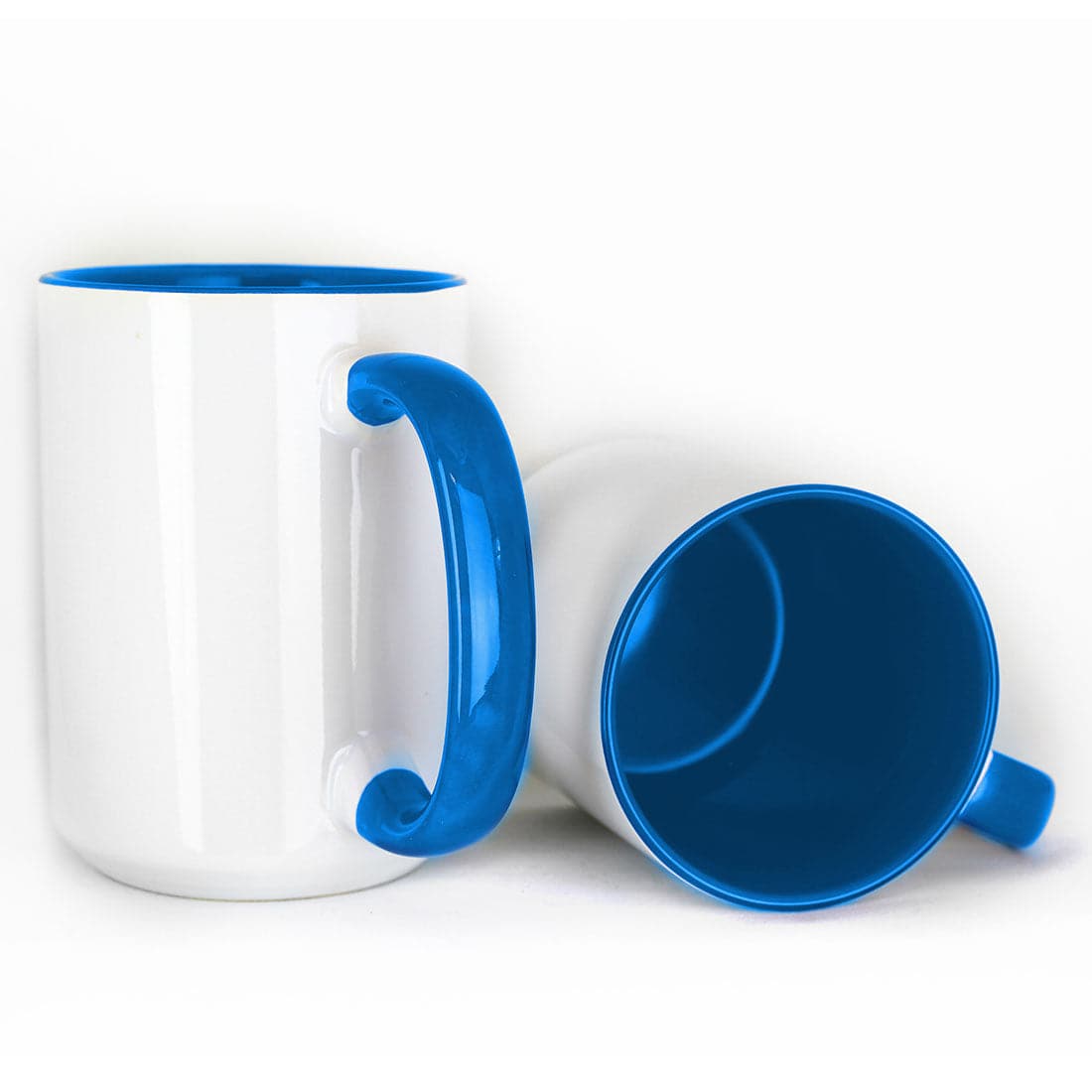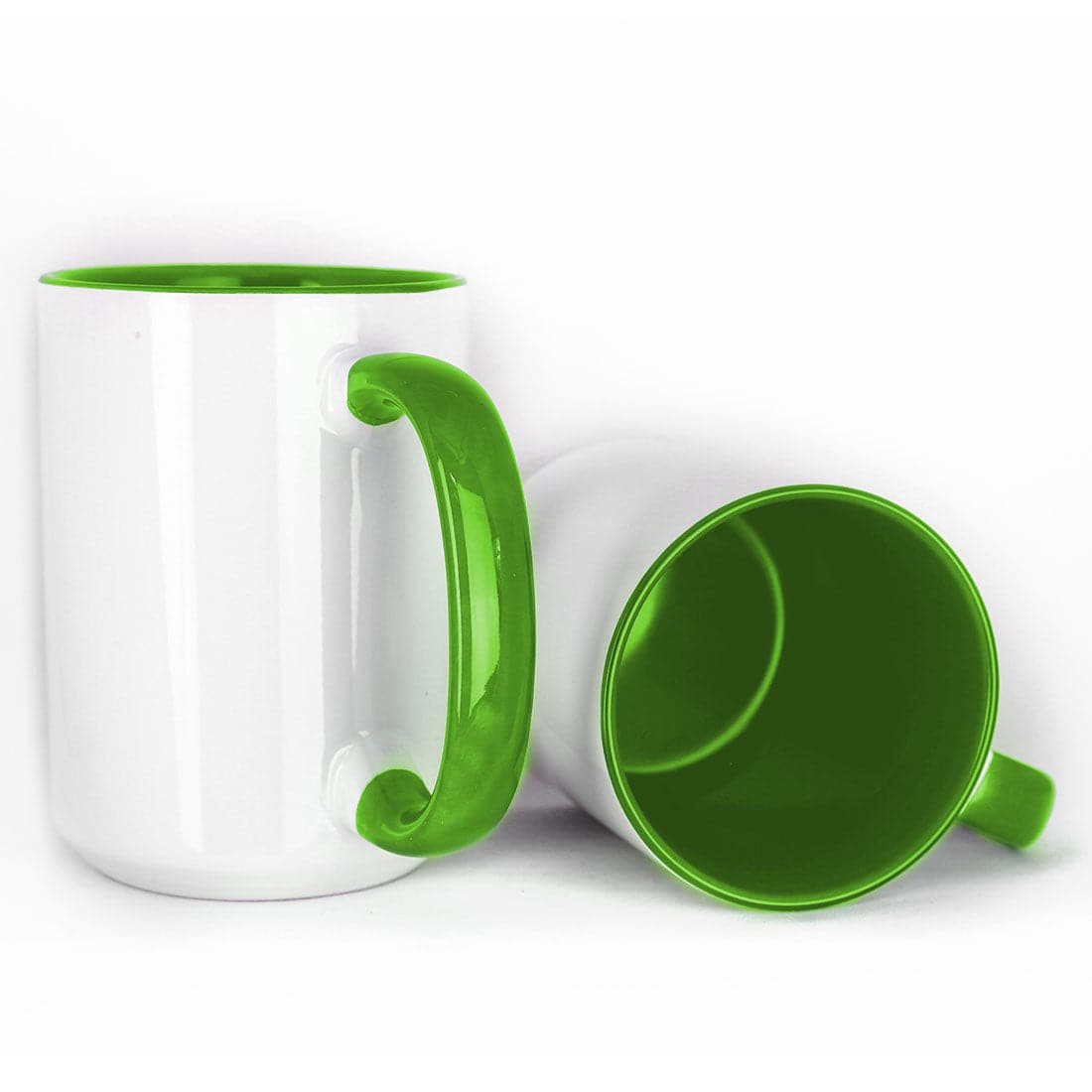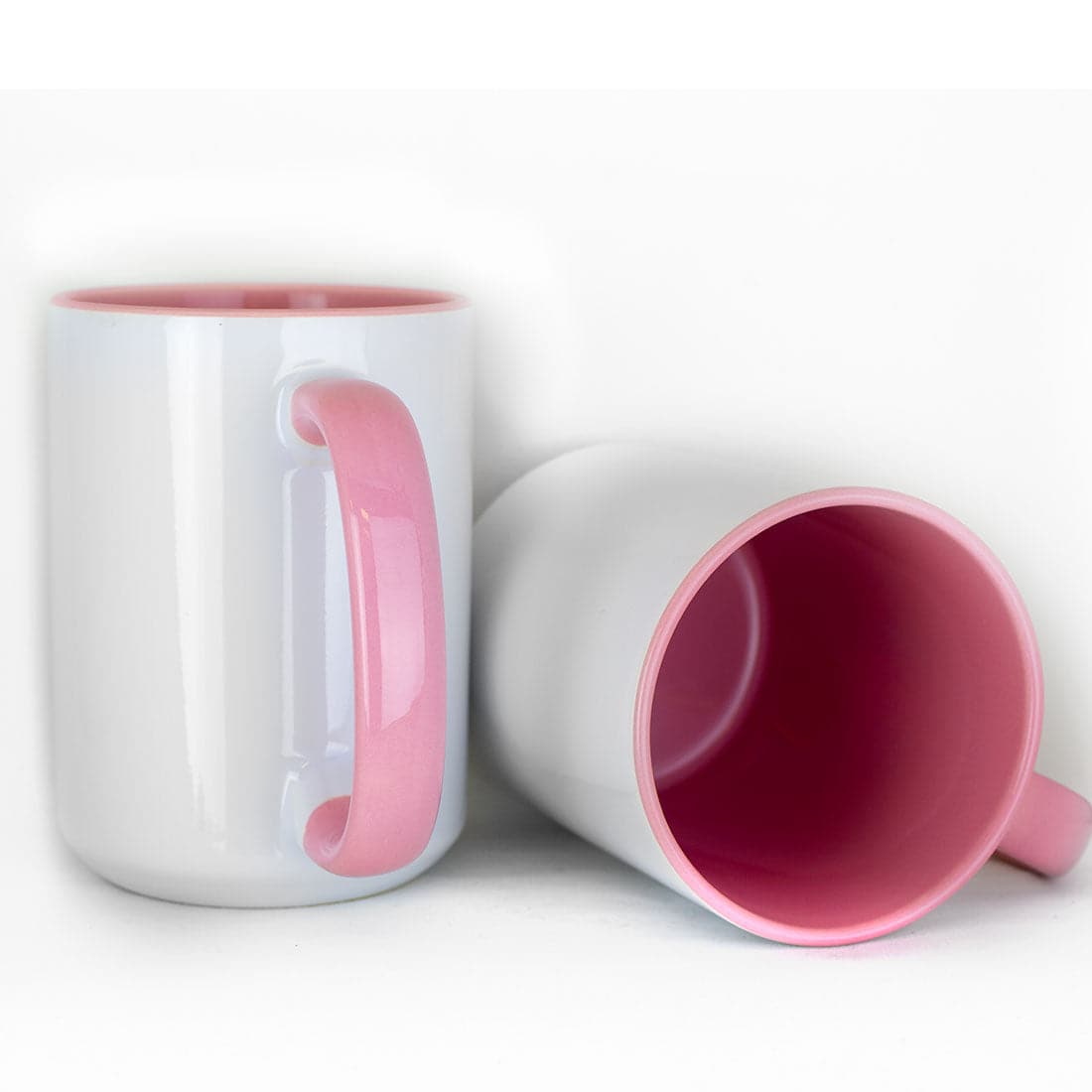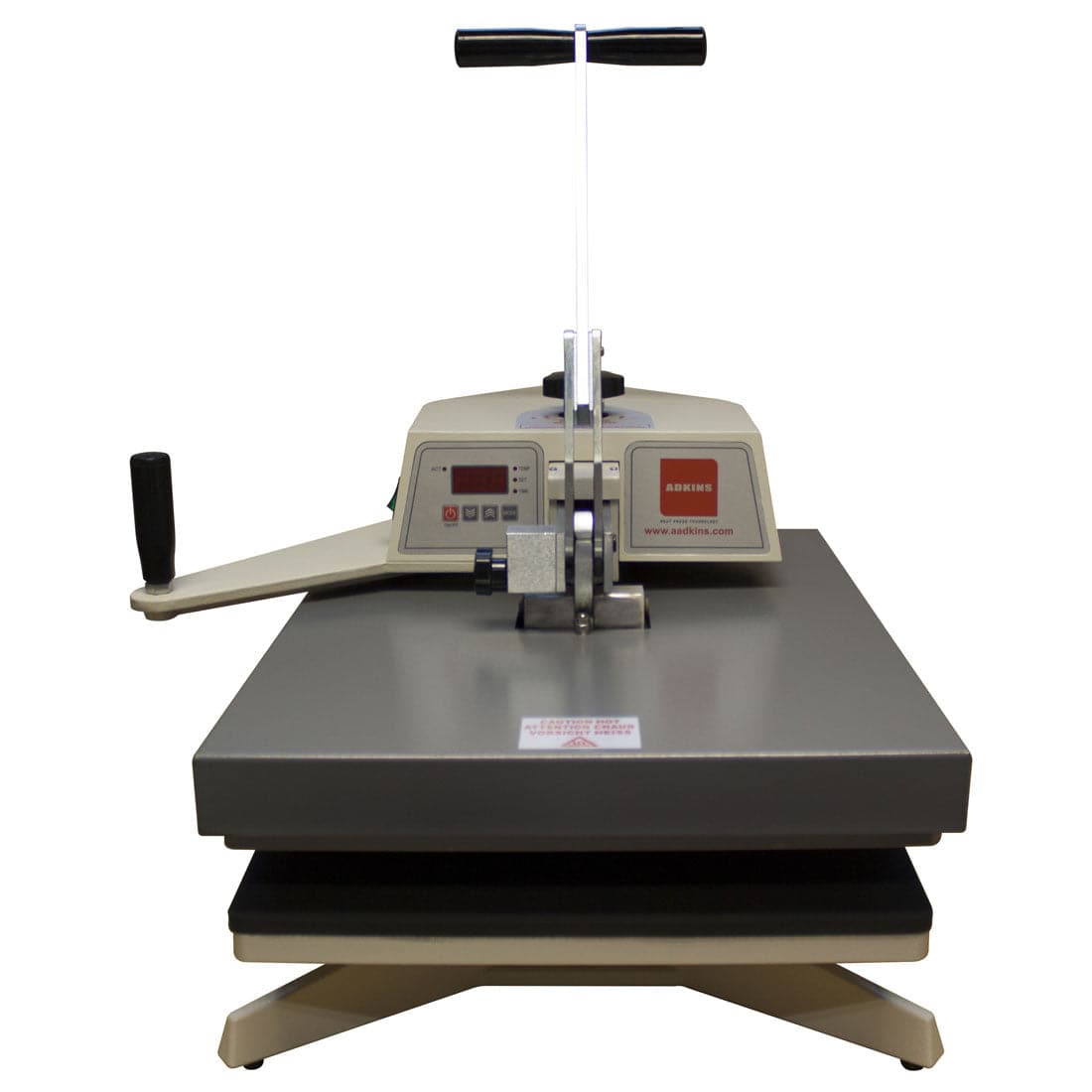











































High release sublimation paper transfers a higher percentage of ink from the sheet to the substrate than standard paper — and the difference is visible across every surface category, from polyester fabric to HD aluminum panels. Choosing the wrong paper for your substrate type is one of the most common sources of dull output, inconsistent color, and reprints that cost more than the paper savings justified.
This article breaks down how high release paper works, where it outperforms standard paper, where the difference is less significant, and how to match paper type to the substrates and workflows in your production setup. To see the comparison in action, we ran a real-world test across five substrate types using a heat press, mug press, and convection oven — the full results are in the video below.
Watch: High Release vs Standard Sublimation Paper - Real Results Test
Sublimation paper is not a passive carrier. Its coating formulation controls two critical variables: how much ink the paper holds during printing, and how completely it releases that ink under heat and pressure during the press cycle.
A standard sublimation paper holds ink on its surface through a general-purpose coating designed to perform acceptably across a range of substrates. It works well for rigid, hard surfaces like ceramic mugs, flat aluminum panels, and coated hard goods — substrates that absorb ink efficiently and do not demand maximum transfer volume.
High release paper uses a specialized coating engineered to surrender a greater proportion of available dye during pressing. The coating holds ink during the print pass but releases it more completely when heat is applied, resulting in deeper saturation, sharper edge definition, and more consistent color across the full tonal range. The practical outcome is that less residual ink remains on the paper after pressing — which is a direct measure of transfer efficiency.
Transfer efficiency matters most where the substrate is porous, where color density is critical, or where you are running production volumes that make scrap rate a real cost factor. For a single hobby project on a ceramic mug, the difference between paper types may be negligible. For a production run of polyester apparel or soft goods, the difference accumulates quickly.
What Changes Between Paper Types - And What Does Not

Color Vibrancy and Saturation
This is the most visible difference between high release and standard paper. Because high release paper transfers more ink to the substrate, colors appear deeper and more saturated in the finished transfer. The effect is most pronounced on soft substrates like fabric, neoprene, and canvas — materials that absorb significant ink volume before reaching full saturation. On these surfaces, standard paper often leaves color looking slightly flat or washed out compared to the source file, particularly in dark tones and shadow areas.
On hard substrates like ceramic and enamel, the saturation gap between paper types narrows. These surfaces have limited ink absorption capacity, and standard paper typically delivers sufficient color density for most applications.
Edge Sharpness and Detail Retention
High release paper maintains sharper edge definition, particularly on fine detail, text, and gradients. The reason is coating uniformity. Premium high release papers apply their coating more evenly across the sheet, which means ink is held and released consistently — not in the variable pattern that can cause banding, soft edges, or micro-dot spread on lower-grade papers.
For photographic-quality output, detailed artwork, or any design where edge accuracy matters, paper coating uniformity is as important as the release rate itself. This is why production operations running detailed graphics consistently invest in premium paper rather than optimizing for cost per sheet.
Consistency Across a Production Run
Standard papers show more variability between sheets — particularly across different production lots. This is a coating uniformity issue: budget-tier papers are manufactured with less precise coating application, which means transfer results can shift between sheets in the same ream. For one-off transfers, this is rarely noticeable. For production runs where color consistency between units is a quality requirement, it becomes a real problem.
High release papers from quality manufacturers maintain tighter coating consistency, which translates to more predictable results across a full print run. This is why print shops and commercial decorators typically use a consistent paper specification rather than switching between brands based on price.
Substrate-by-Substrate Breakdown
Paper type selection is not a single decision — it is a substrate-by-substrate decision. Here is how the two paper types compare across the most common sublimation surfaces.
Polyester Fabric and Soft Goods
This is where high release paper shows its largest performance advantage. Fabric substrates are porous and absorb significant ink volume during the press cycle. Standard paper, with its lower transfer efficiency, often leaves residual color in the paper after pressing — color that never reached the fabric. The result is a print that looks acceptable but is missing density in saturated color areas and shadow tones.
High release paper on fabric delivers noticeably richer color, better shadow detail, and more accurate reproduction of dark tones. For any operation producing polyester apparel, cut-and-sew soft goods, or fabric panels, high release paper is the correct specification.
Ceramic and Enamel
Hard, non-porous substrates like ceramic mugs and enamel-coated surfaces have limited ink absorption capacity. On these substrates, standard sublimation paper typically delivers acceptable color output because the transfer volume does not need to be maximized — the surface will only accept a certain amount of ink regardless of paper type.
High release paper still produces marginally better results on ceramic and enamel, primarily in shadow detail and color accuracy, but the gap is smaller than on fabric. For operations exclusively producing ceramic or enamel products, standard paper may deliver sufficient output quality at lower cost per sheet.
HD Aluminum Panels
Aluminum panels designed for sublimation — particularly HD or gloss-finish variants — respond well to high release paper. These substrates are engineered for high-resolution output, and the improved edge sharpness and saturation depth that high release paper provides is visible at the panel level. For product photography prints, wall panels, or any aluminum application where image quality is the primary deliverable, high release paper is the appropriate choice.
Neoprene
Neoprene is a flexible, semi-porous substrate that sits between fabric and hard goods in terms of ink absorption. It performs better with high release paper than with standard paper, particularly for color-heavy designs and full-bleed graphics. Standard paper on neoprene can produce acceptable results but tends to fall short on color density in large saturated fills.
Paper Type vs Other Variables in the Sublimation System
Paper selection matters — but it operates within a system. Changing paper type without controlling other variables will not produce consistent results. The following factors interact directly with paper performance and need to be calibrated together.
Temperature and time settings: High release paper is engineered to perform at standard sublimation press temperatures (typically 375–400°F). Increasing temperature to compensate for a lower-quality paper introduces substrate risk — overheating damages coatings, causes color shift, and degrades fabric feel. Use the correct paper and press at correct temperature rather than compensating through heat.
GSM (paper weight): Sublimation paper ranges from approximately 90 to 125 GSM. Lighter papers dry faster but are more prone to curling under heat, particularly on flatbed presses with high dwell times. Heavier papers provide better dimensional stability and are less likely to shift during the press cycle. High release papers are available across the full GSM range — weight is a separate variable from release performance.
Humidity and storage: Sublimation paper coating is moisture-sensitive. Exposure to high humidity causes the coating layer to absorb water, which alters its release characteristics and reduces transfer efficiency. In humid production environments, store paper sealed and use stock within a reasonable rotation period. Problems that appear to be temperature or ink issues are sometimes storage failures.
ICC profiles and ink compatibility: Paper type affects how ink sits on the coating surface before pressing. Some high release papers are optimized for specific ink systems and may require adjusted ICC profiles for accurate color output. When switching paper types, run a test transfer against a known-good color reference before committing to a full production run.
High Release vs Standard Sublimation Paper: Comparison
| Factor | Standard Paper | High Release Paper |
|---|---|---|
| Transfer efficiency | Moderate ink transfer to substrate | High ink transfer; less residual on paper |
| Color saturation | Acceptable on hard substrates | Deeper, richer color across all substrates |
| Edge sharpness | Adequate for most applications | Sharper edges; better detail retention |
| Consistency across a run | Variable — more lot-to-lot variance | More consistent across full production runs |
| Best substrate match | Ceramic, enamel, rigid hard goods | Fabric, neoprene, aluminum, soft goods |
| Cost per sheet | Lower | Higher — offset by lower scrap rate |
| Production volume suitability | Hobbyist to low-volume commercial | Commercial and production operations |
When Standard Paper Is the Right Choice
High release paper is not the default correct answer for every sublimation application. Standard paper delivers adequate results on hard, non-porous substrates at lower cost per sheet. For operations that exclusively produce ceramic mugs, flat tile products, or rigid promotional items where maximum ink density is not required, standard paper may be the more efficient choice.
The decision should follow the substrate, not a general preference. Mixed-substrate operations — shops producing both fabric and hard goods — often stock both paper types and select based on the job specification rather than using a single paper for everything.
Common Mistakes When Selecting Sublimation Paper
Optimizing for cost per sheet without accounting for scrap rate. A lower-cost standard paper at a higher rejection rate costs more per acceptable transfer than a higher-cost high release paper at near-zero scrap. Calculate cost per good transfer, not cost per sheet.
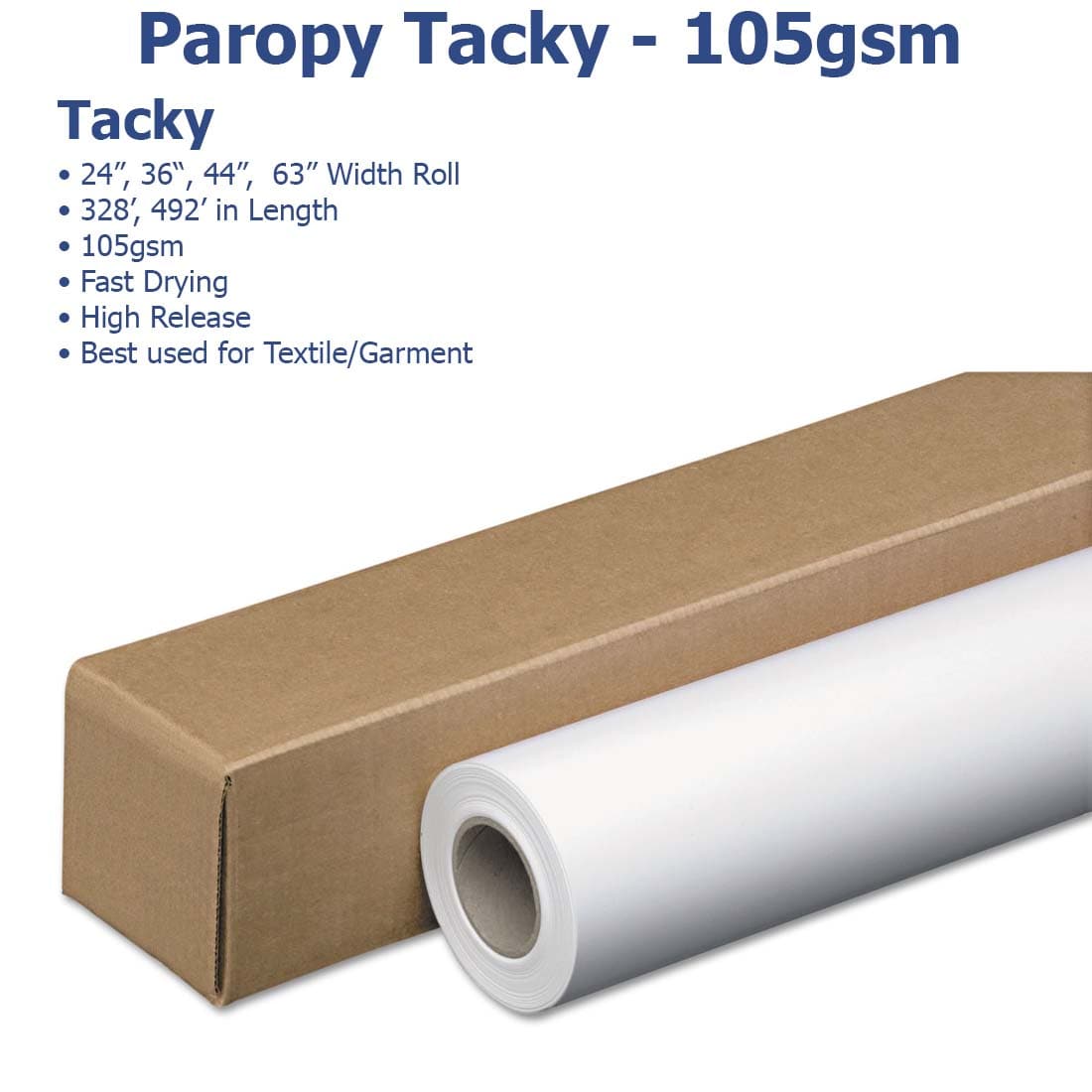
Using standard paper on stretch fabric. Standard paper on polyester with elastane content will ghost. Any substrate with significant stretch requires either tacky paper (for alignment) or high release paper with tape securing. Ghosting on stretch fabric is almost always a paper selection issue, not a press calibration issue.
Switching paper brands without re-profiling. Different paper coatings interact differently with ink systems. Changing paper without running a test transfer and adjusting ICC profiles introduces color accuracy risk. Establish a baseline profile for each paper type in your workflow.
Storing paper in high-humidity conditions. Moisture-damaged paper looks normal before printing. The failure only appears in the transfer result. Paper stored in conditions above 65% relative humidity will underperform regardless of its release specifications.
Frequently Asked Questions
What is high release sublimation paper?
High release sublimation paper uses a specialized coating that transfers a higher percentage of ink from the paper to the substrate during pressing. The result is deeper color saturation, sharper detail, and more consistent output compared to standard sublimation paper — particularly on porous substrates like fabric and neoprene.
Can I use high release paper on ceramic mugs and hard substrates?
Yes. High release paper works on hard substrates including ceramic, enamel, and aluminum. The performance advantage over standard paper is smaller on hard goods than on fabric, but high release paper still delivers marginally better color accuracy and edge sharpness. For operations producing both soft and hard goods, high release paper is a practical all-purpose specification.
Does paper type affect sublimation color accuracy?
Yes, significantly. Paper coating uniformity affects how consistently ink is held on the surface before pressing and how completely it transfers under heat. Uneven coatings — common in lower-grade papers — cause banding, color variation between sheets, and soft edge definition. Premium high release papers apply coating more uniformly, which supports more accurate and repeatable color output.
What GSM should sublimation paper be?
Most sublimation applications use paper in the 100–125 GSM range. Heavier paper provides better dimensional stability and reduces curling under heat. Lighter paper dries faster but is more prone to movement during the press cycle. For flatbed heat press applications, 120–125 GSM is a reliable standard. For mug presses and curved surfaces, lighter paper conforms to the substrate more easily.
Why does sublimation color look dull even with correct press settings?
Dull color output with correct temperature and time settings is most often caused by paper quality, humidity-damaged paper stock, or an ICC profile mismatch. High release paper underperforming relative to expectations is frequently a storage issue — moisture in the coating alters release characteristics before printing even begins. Test against a fresh, sealed sheet to isolate the variable.
-->