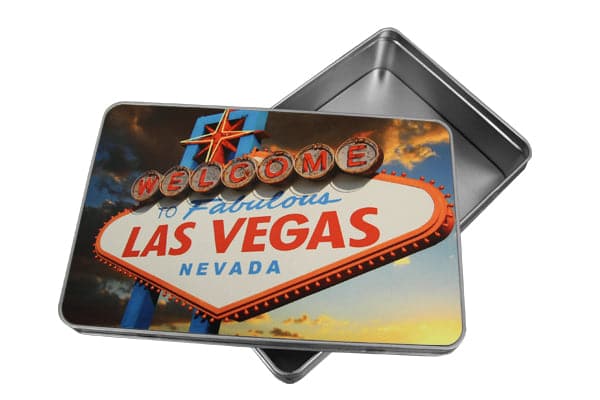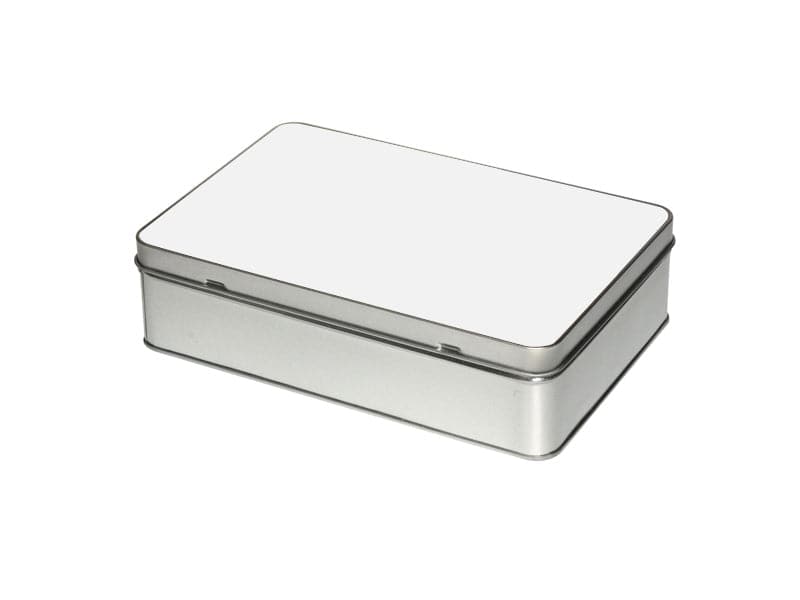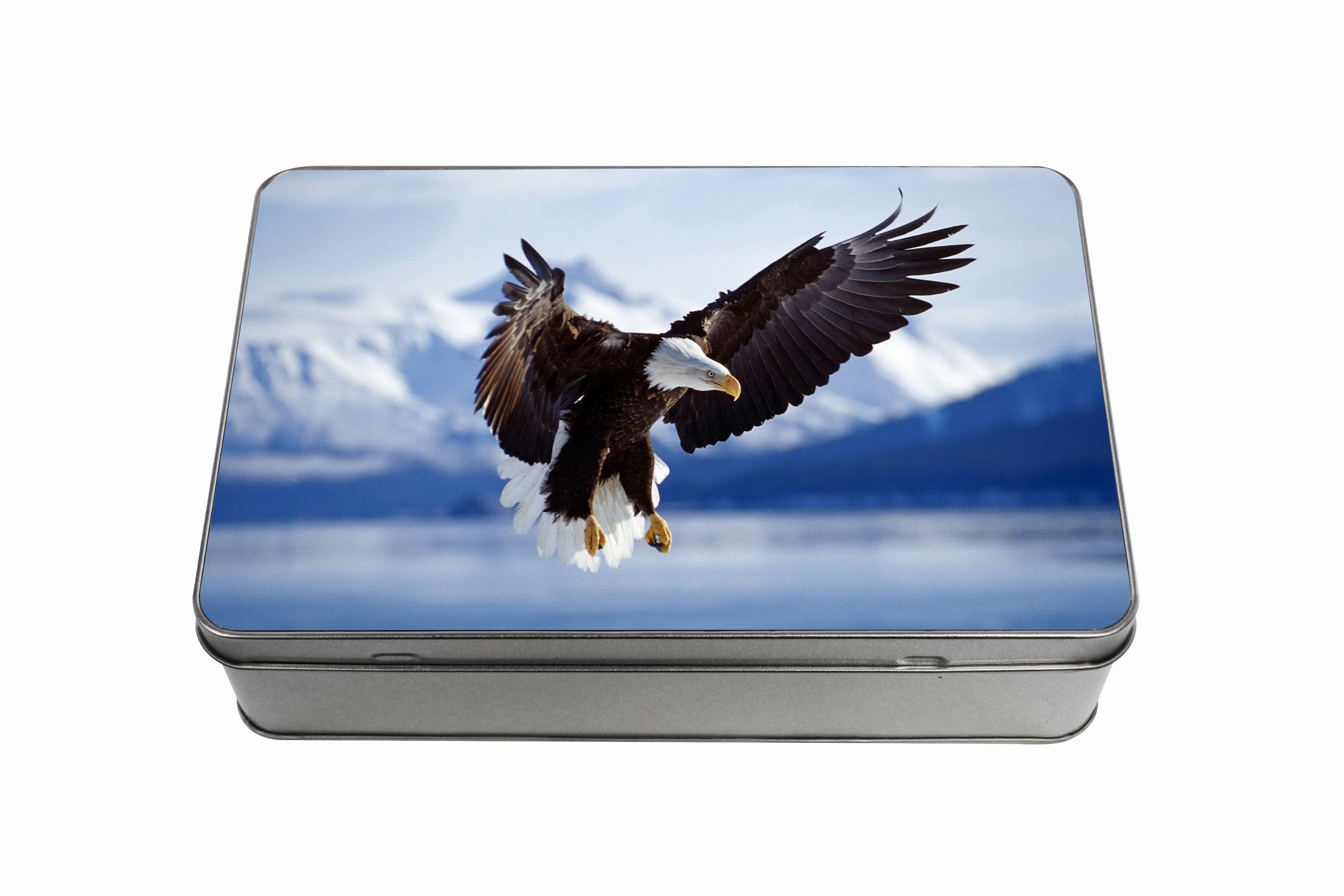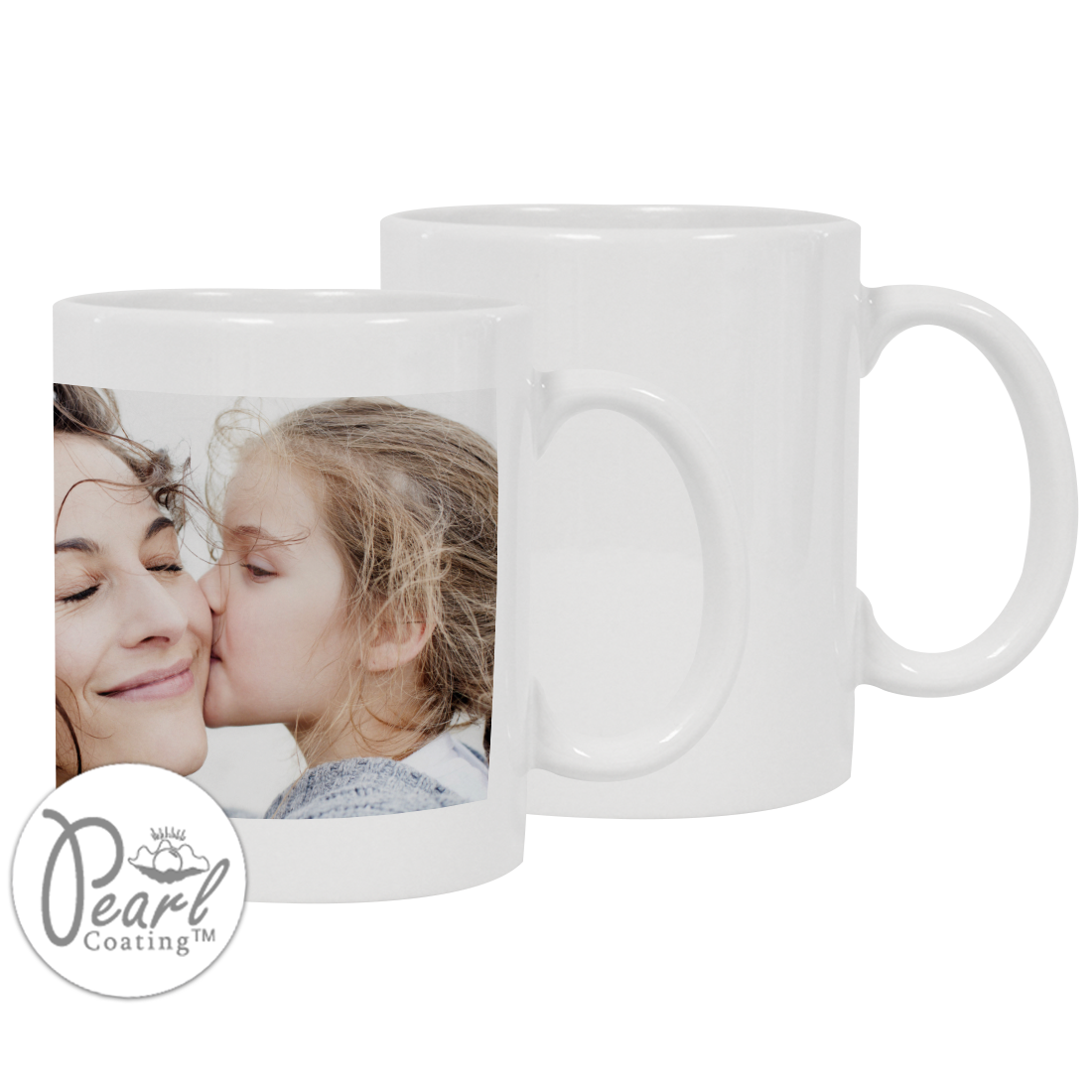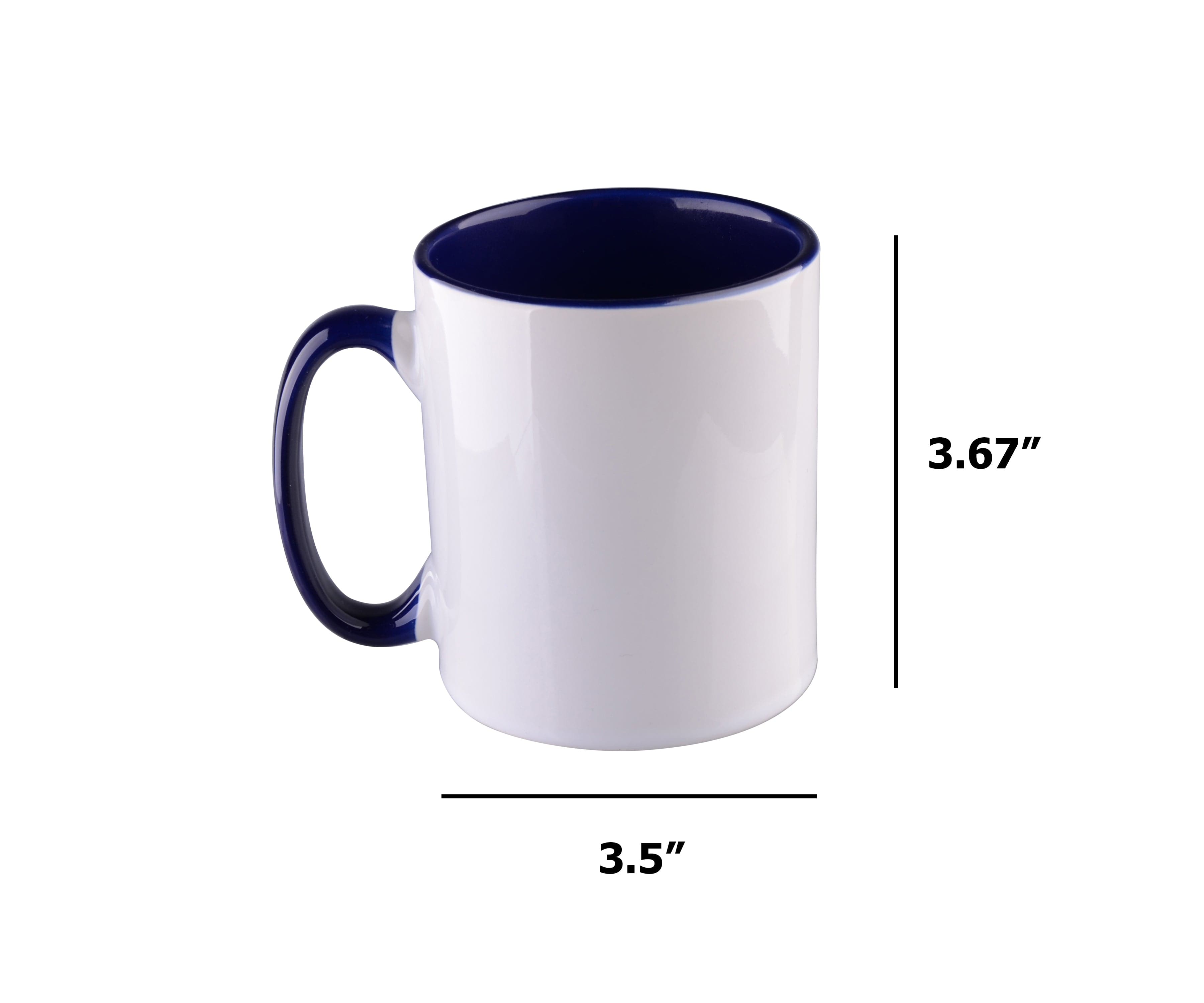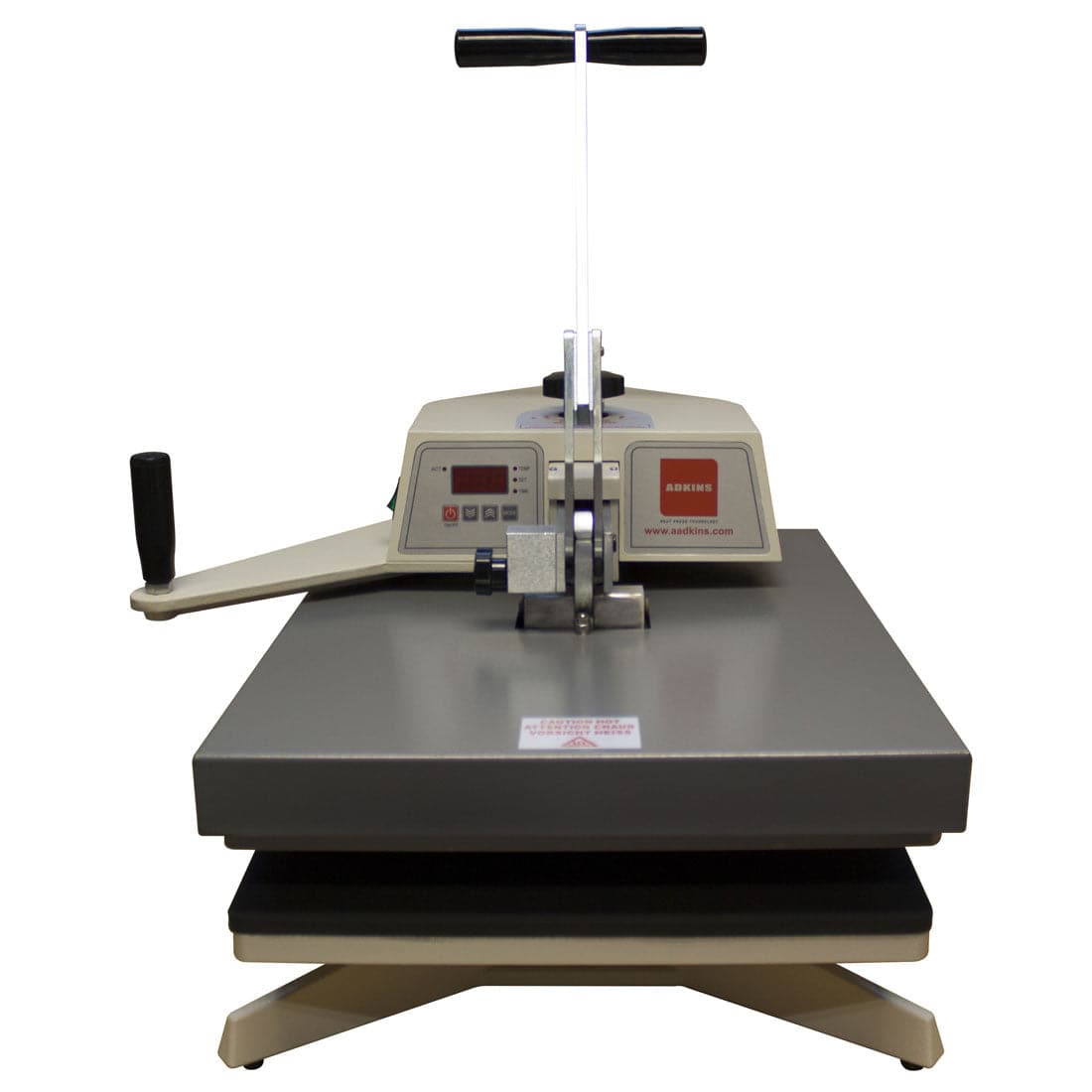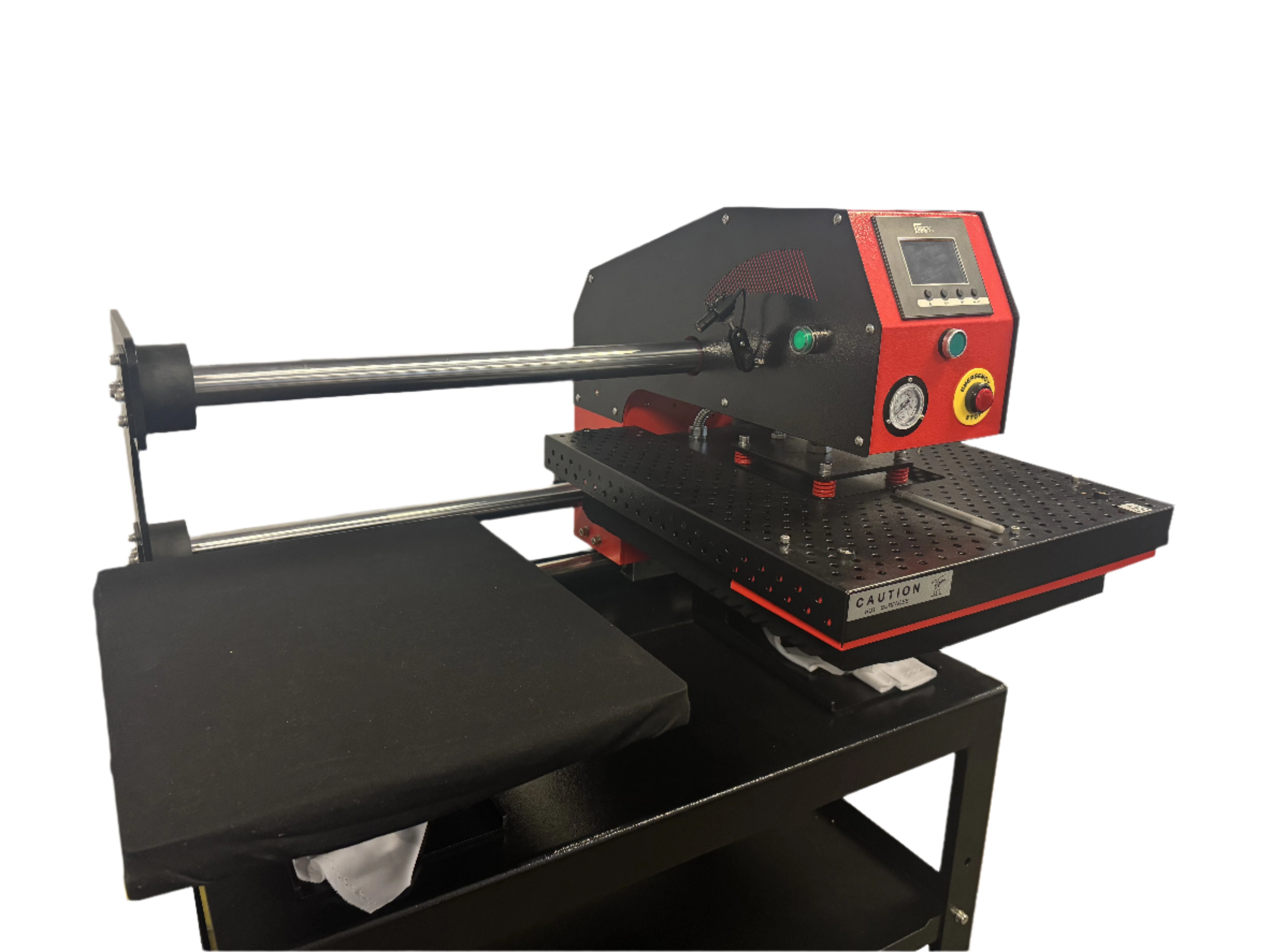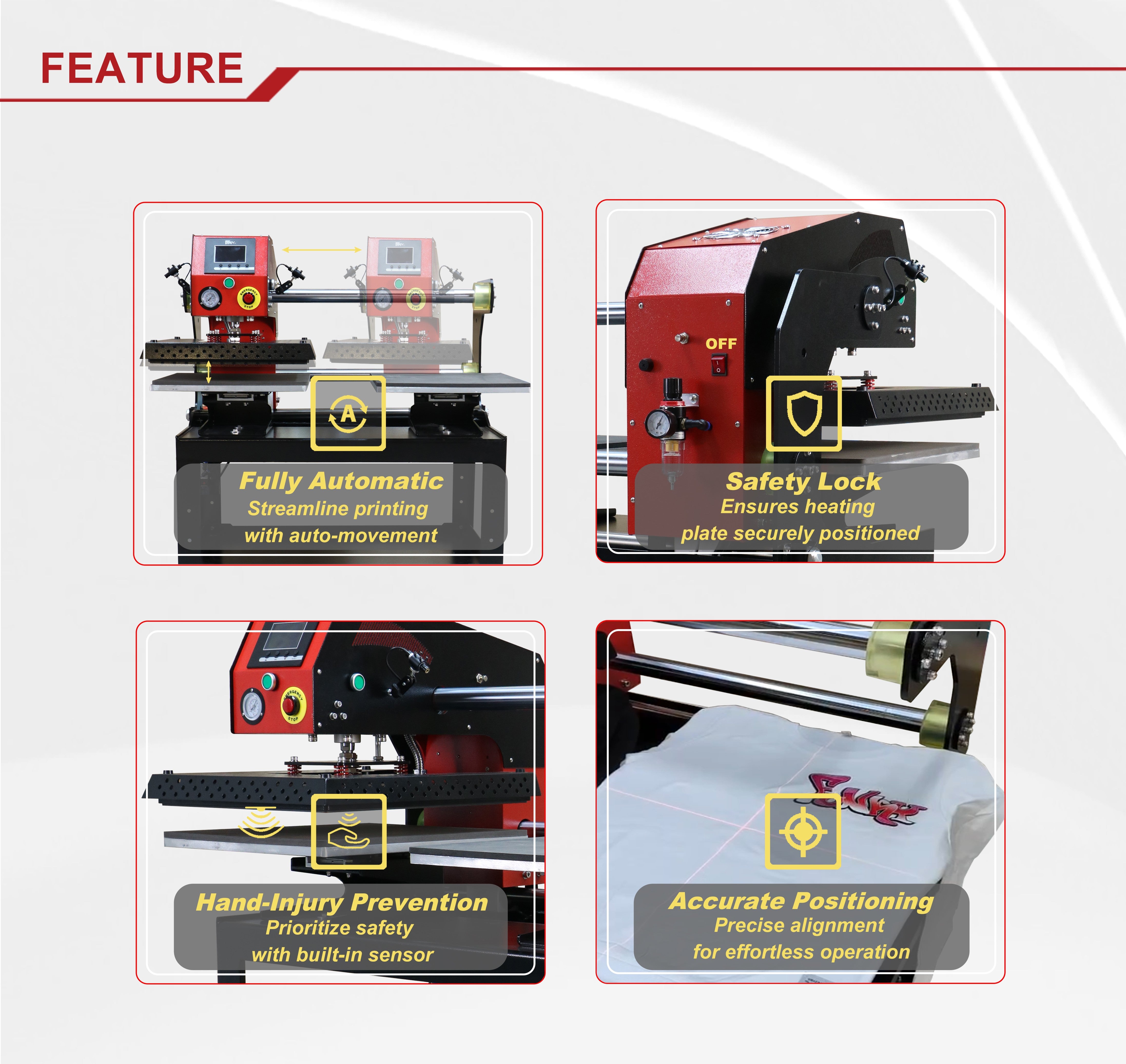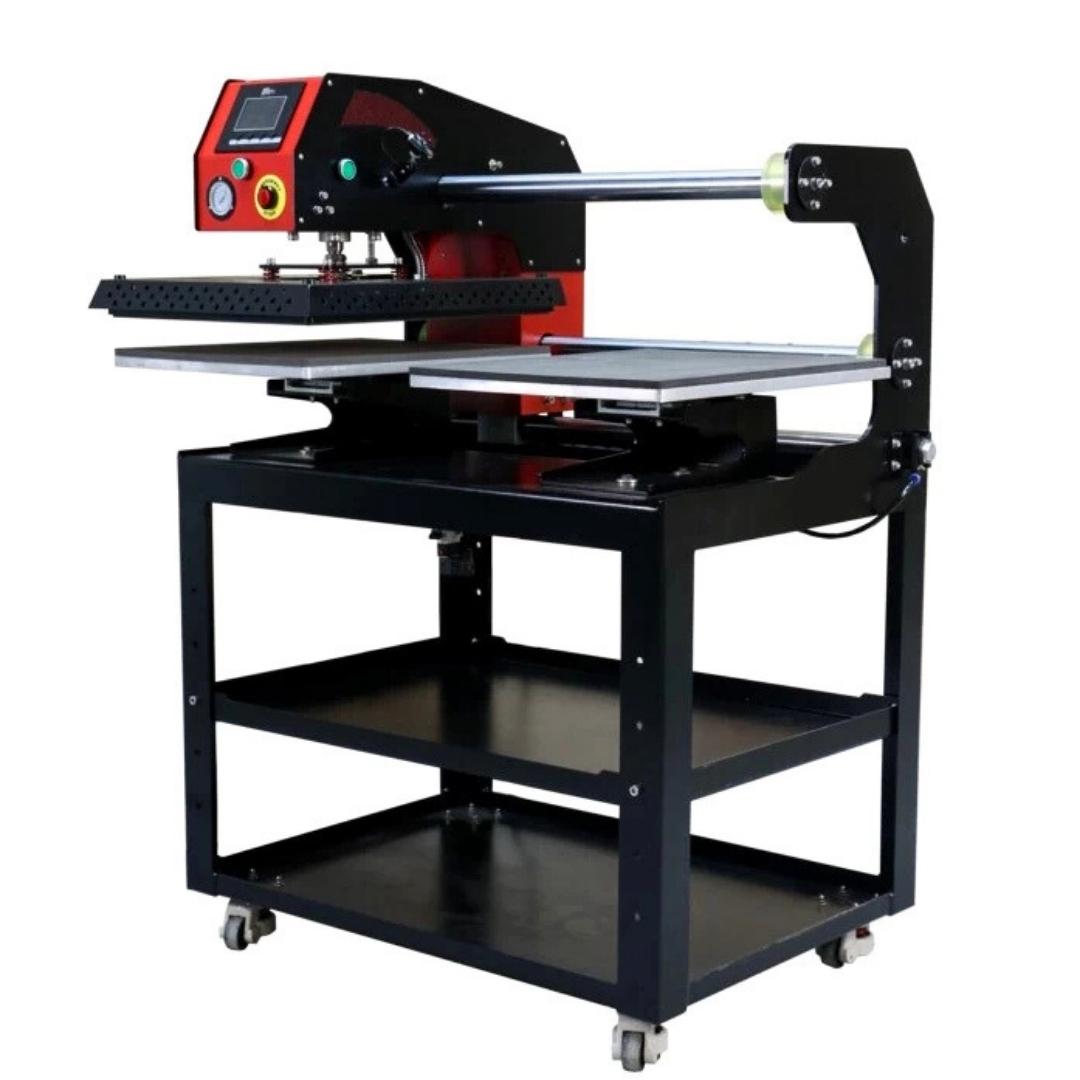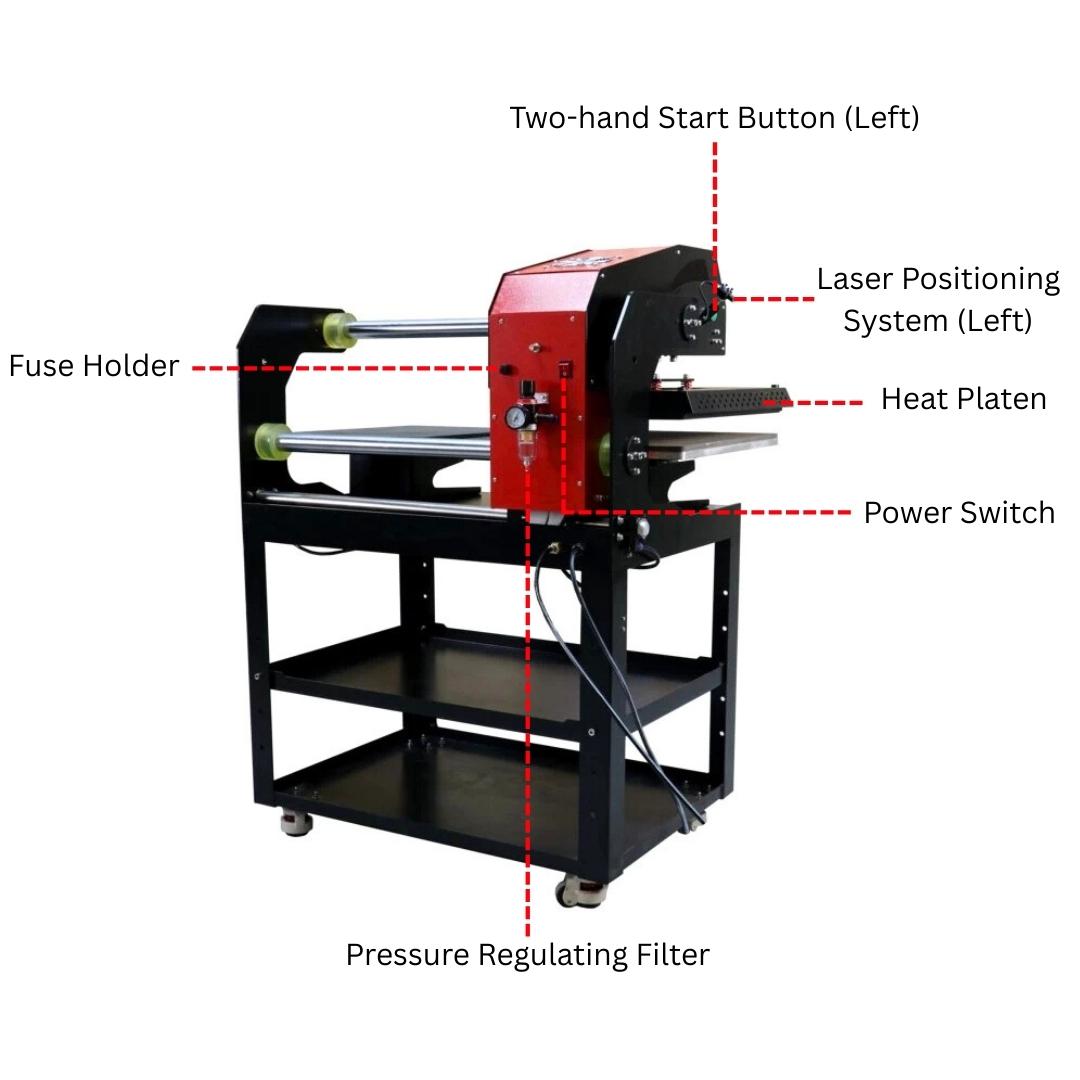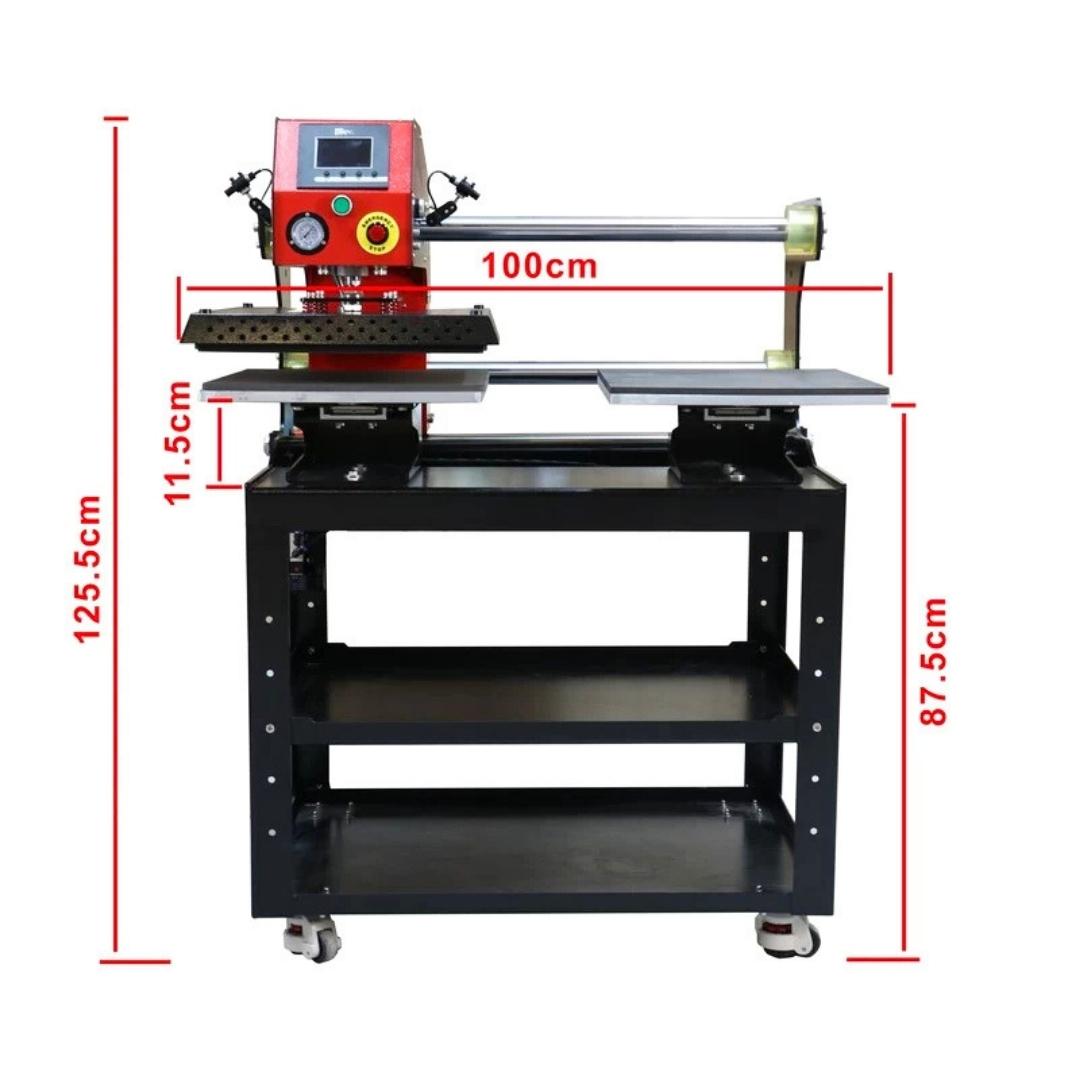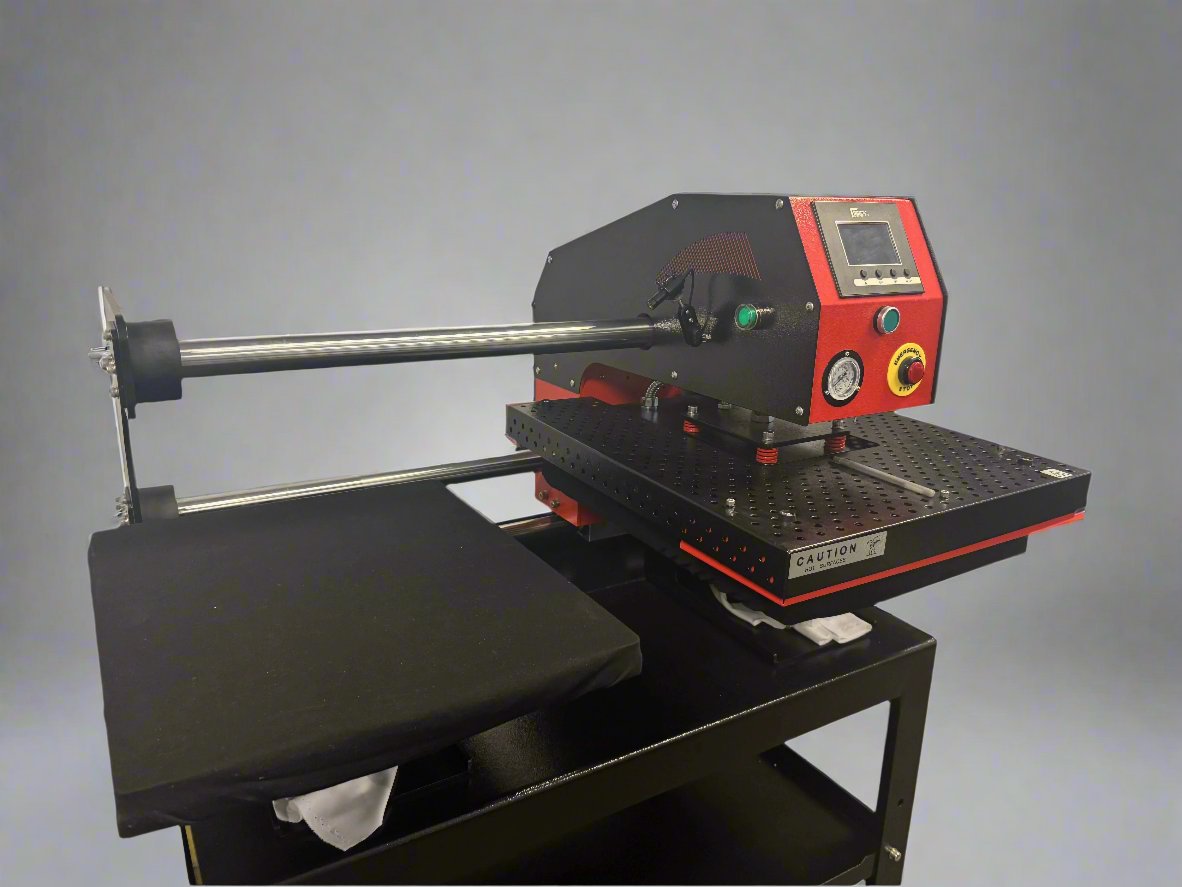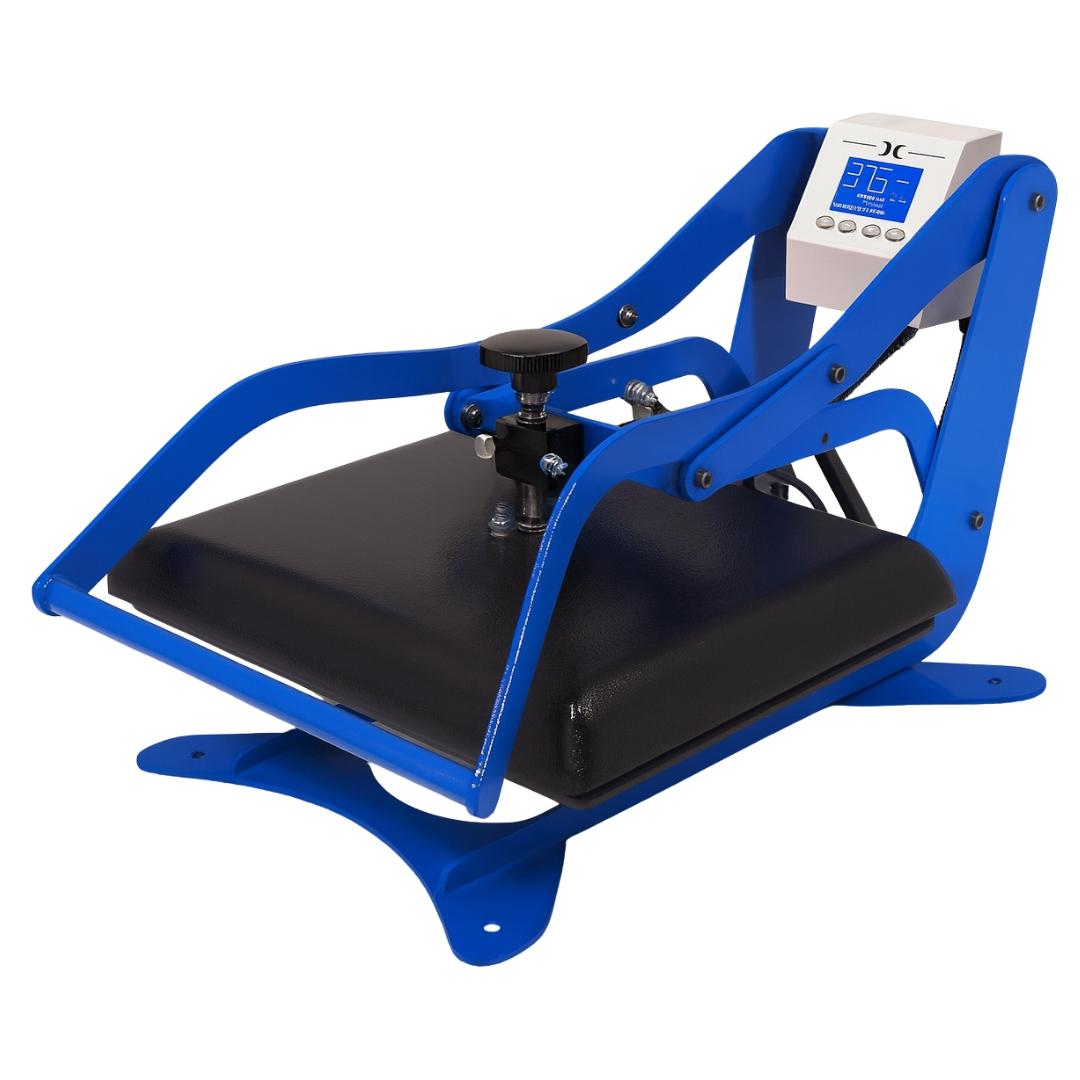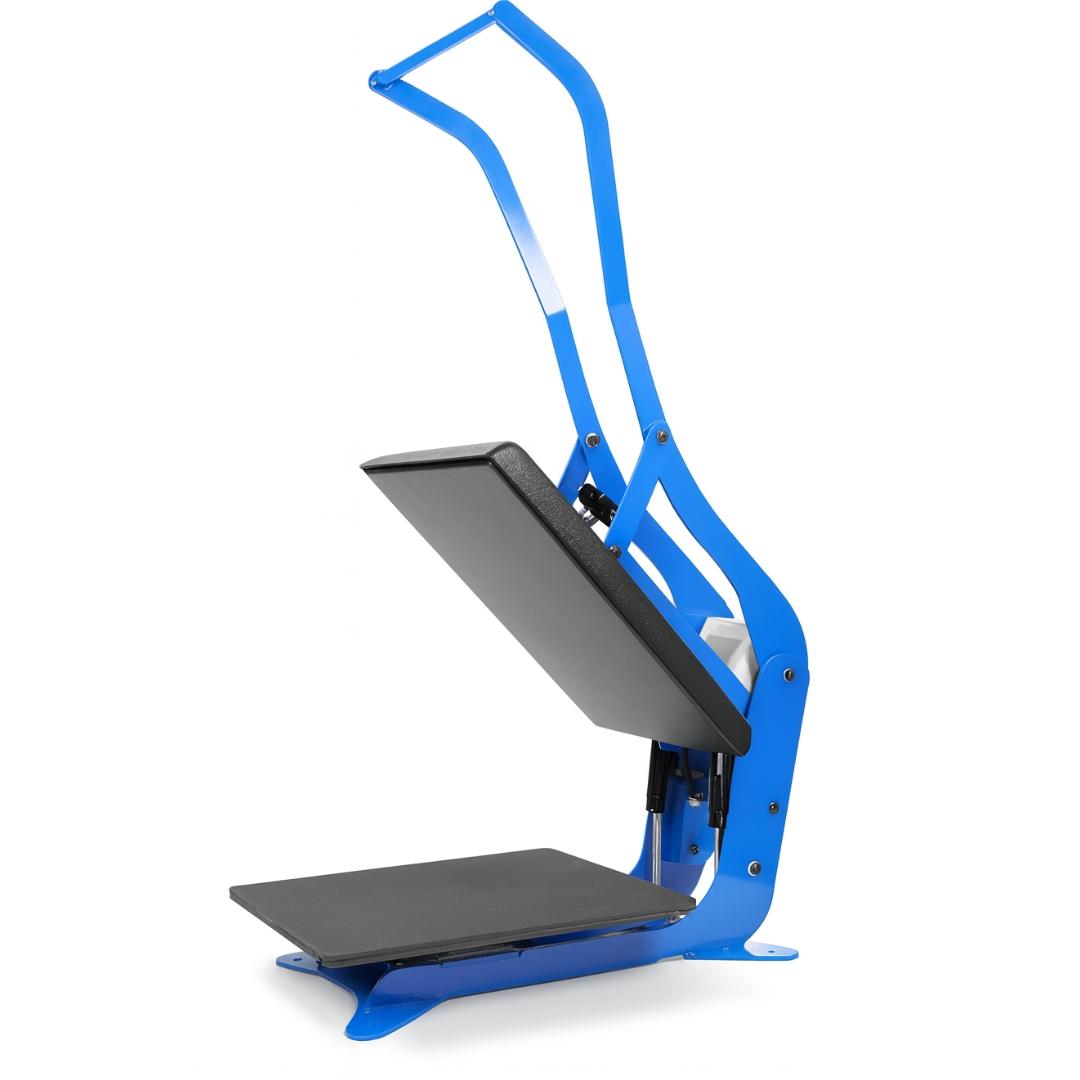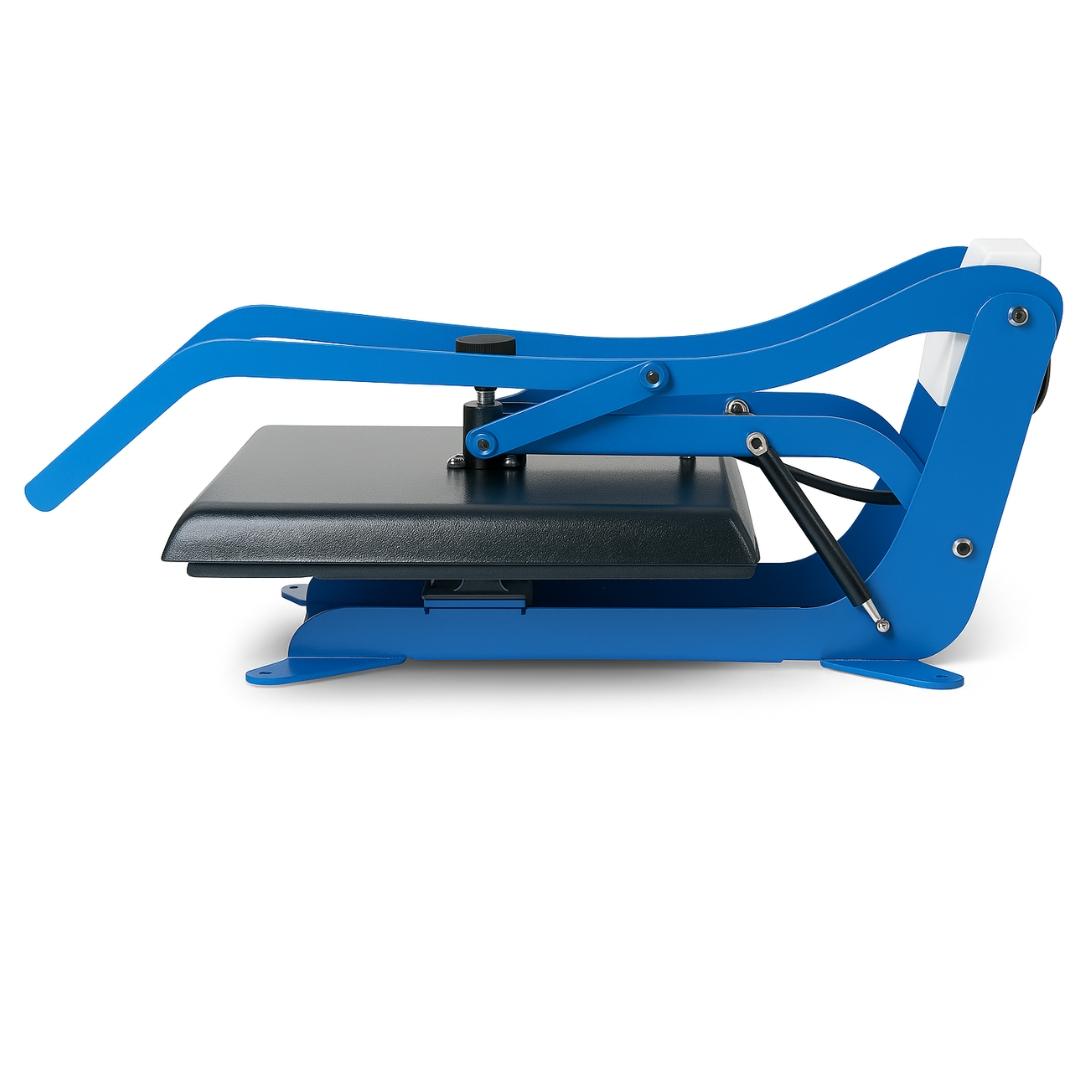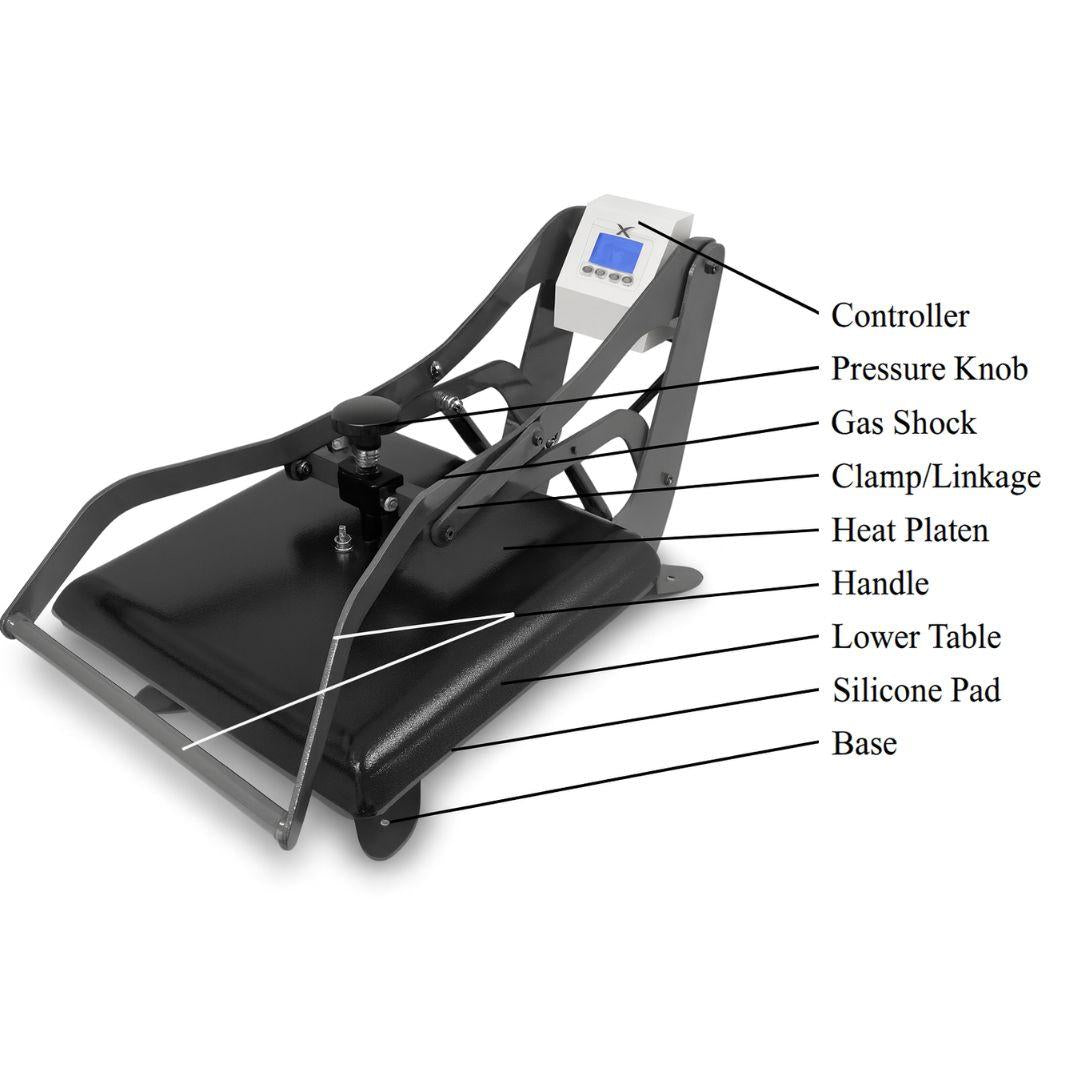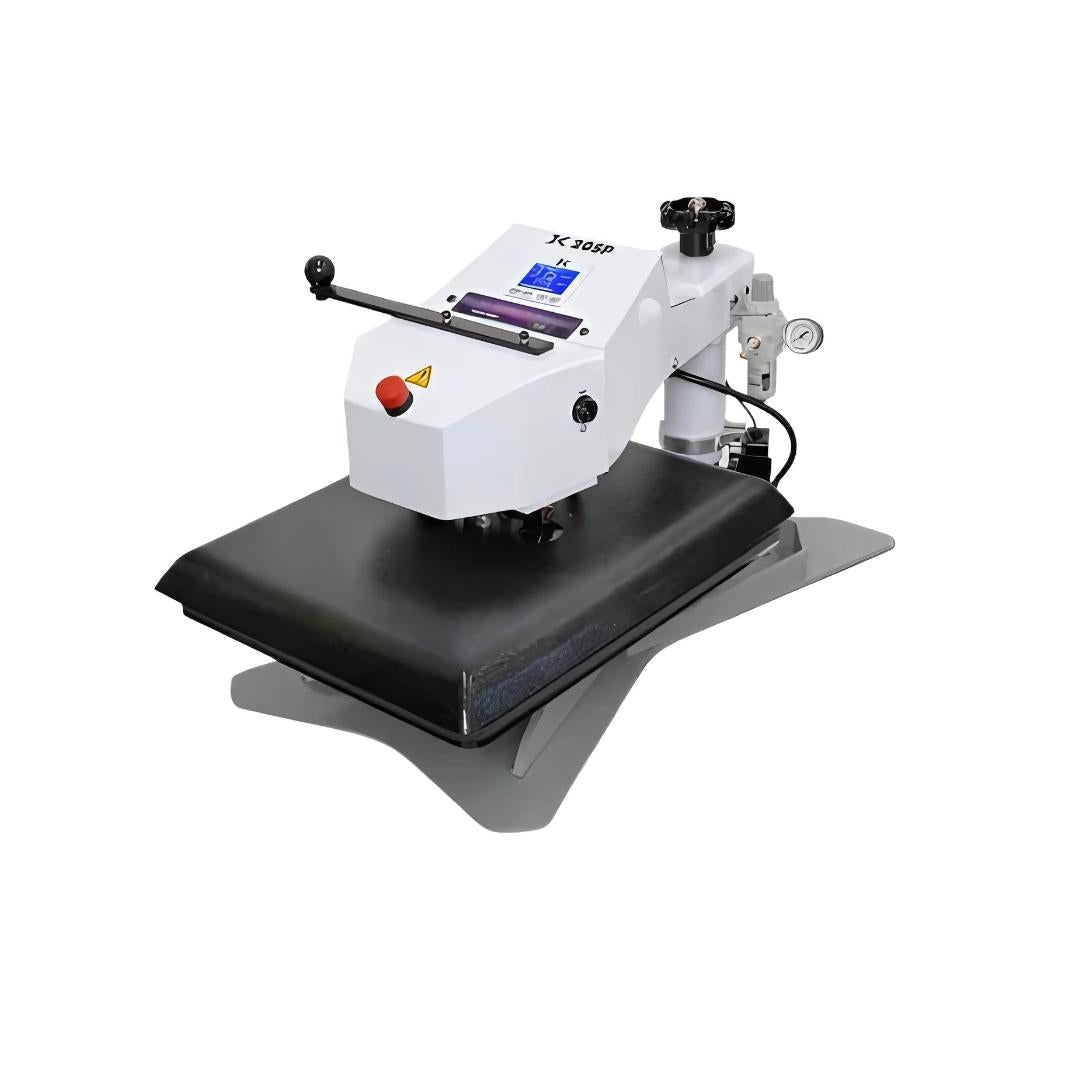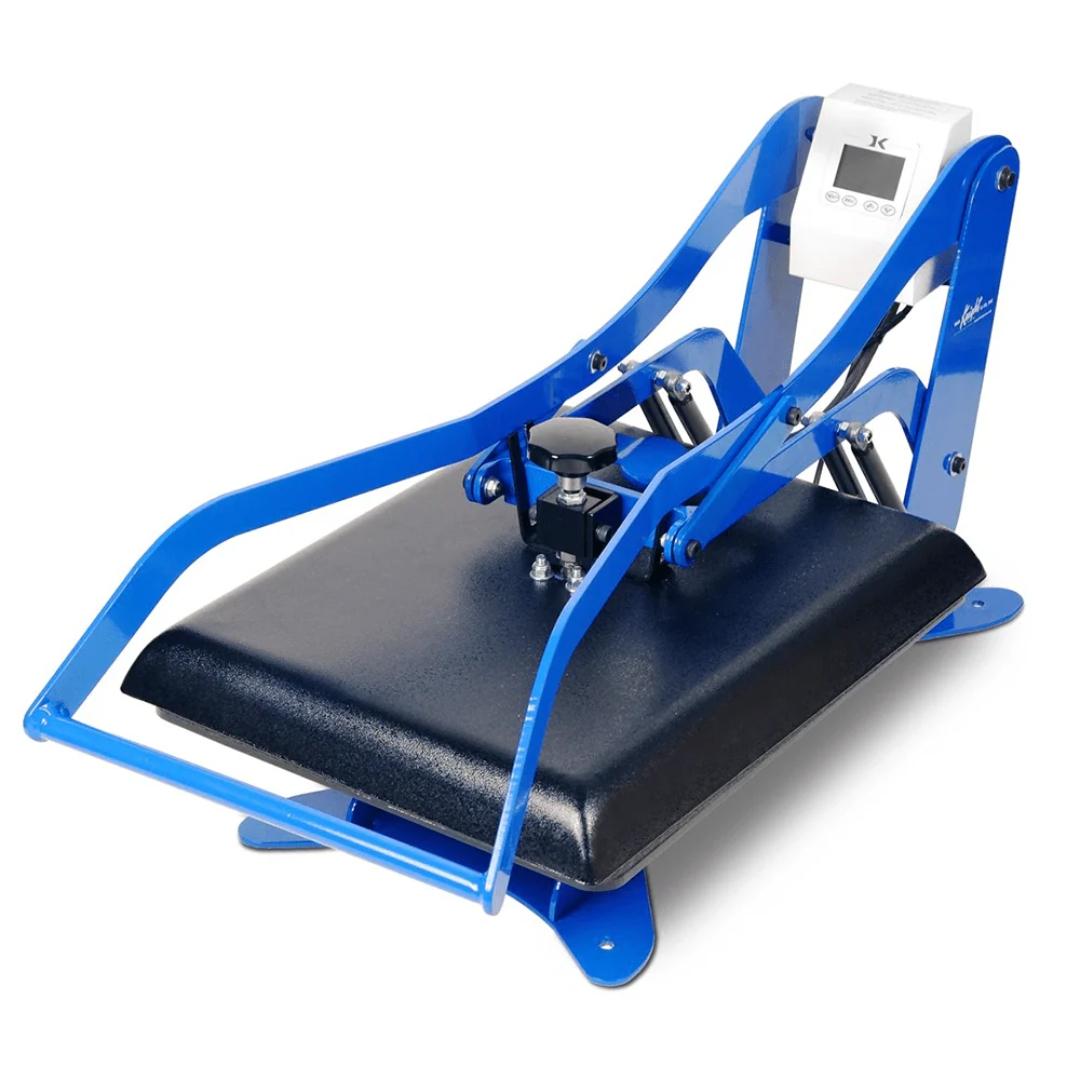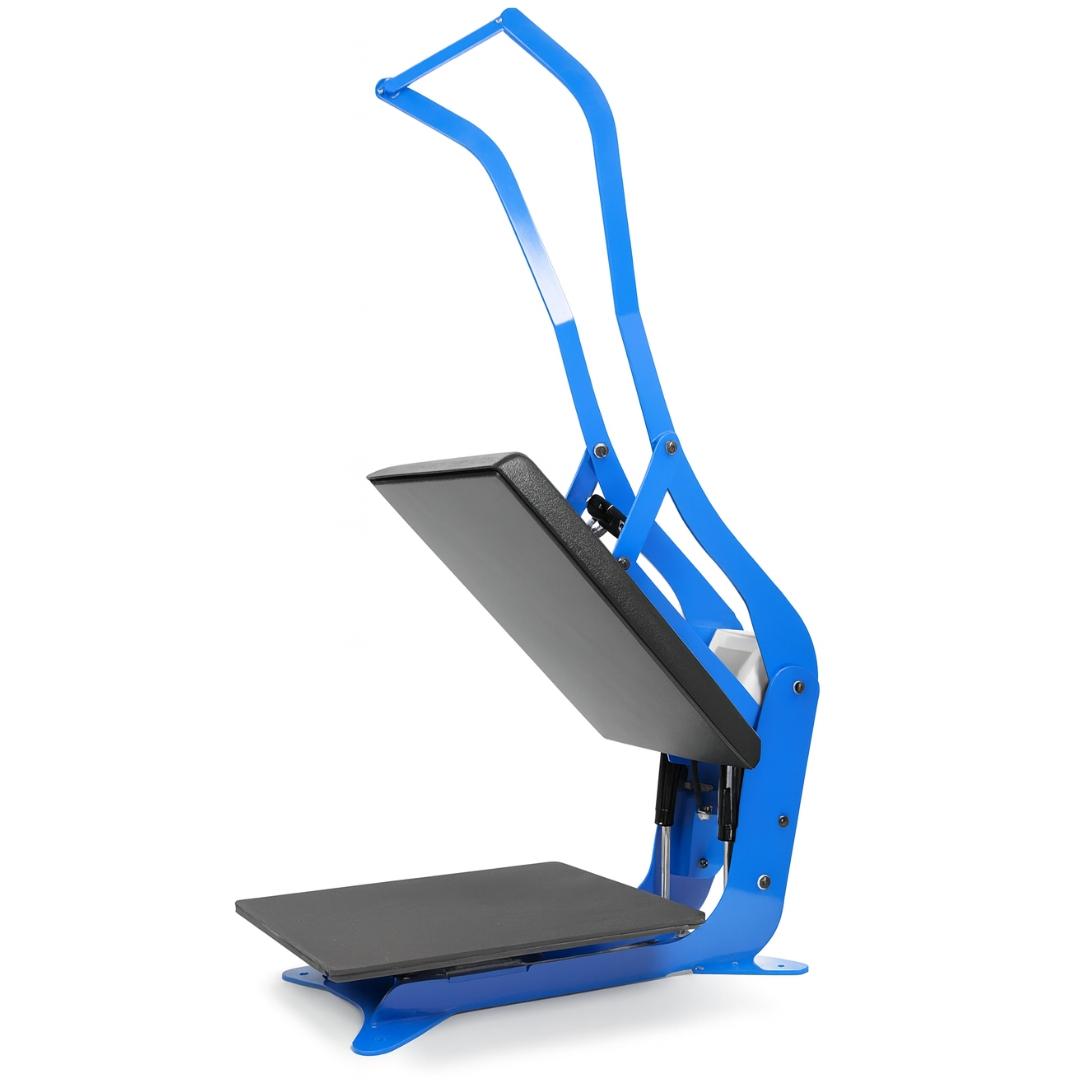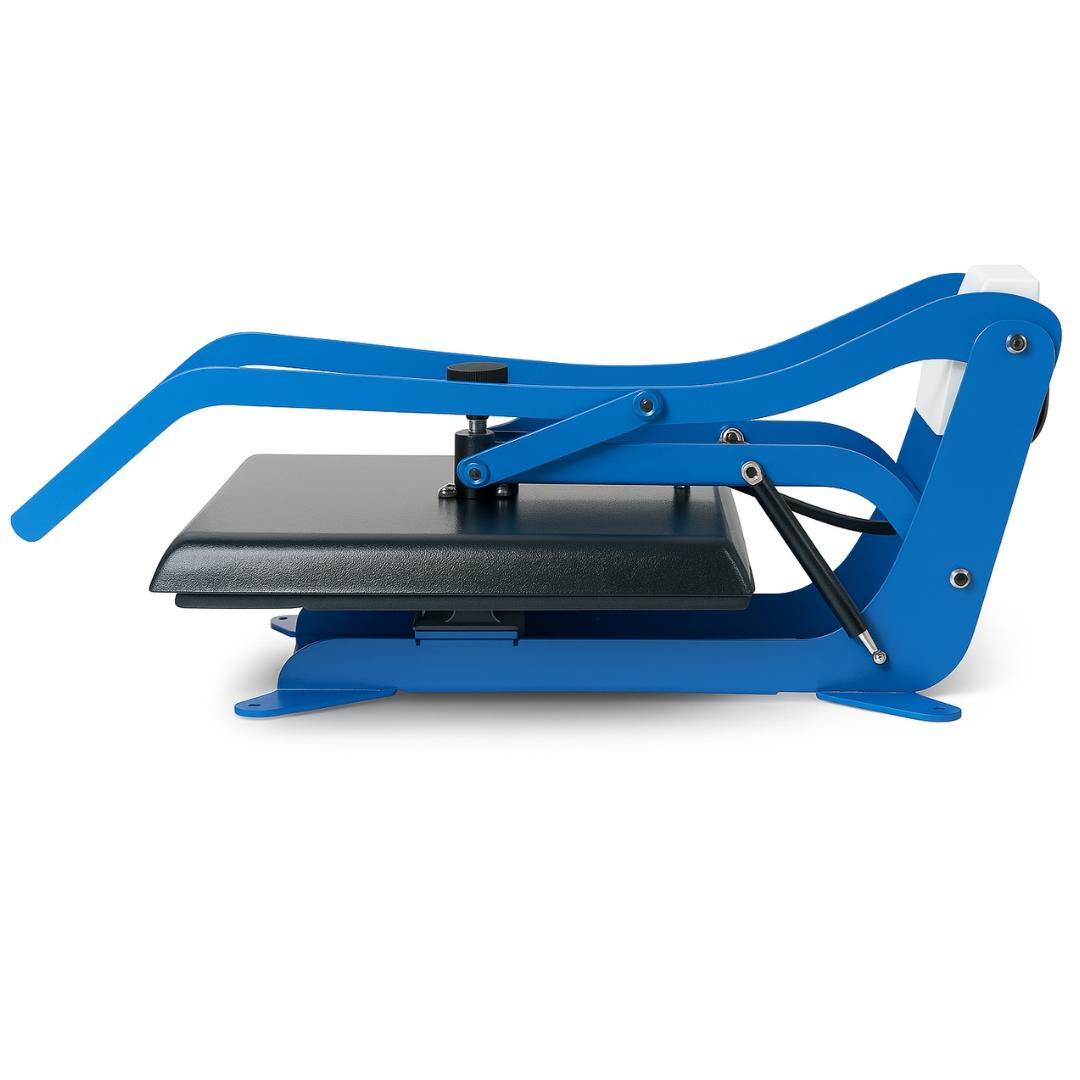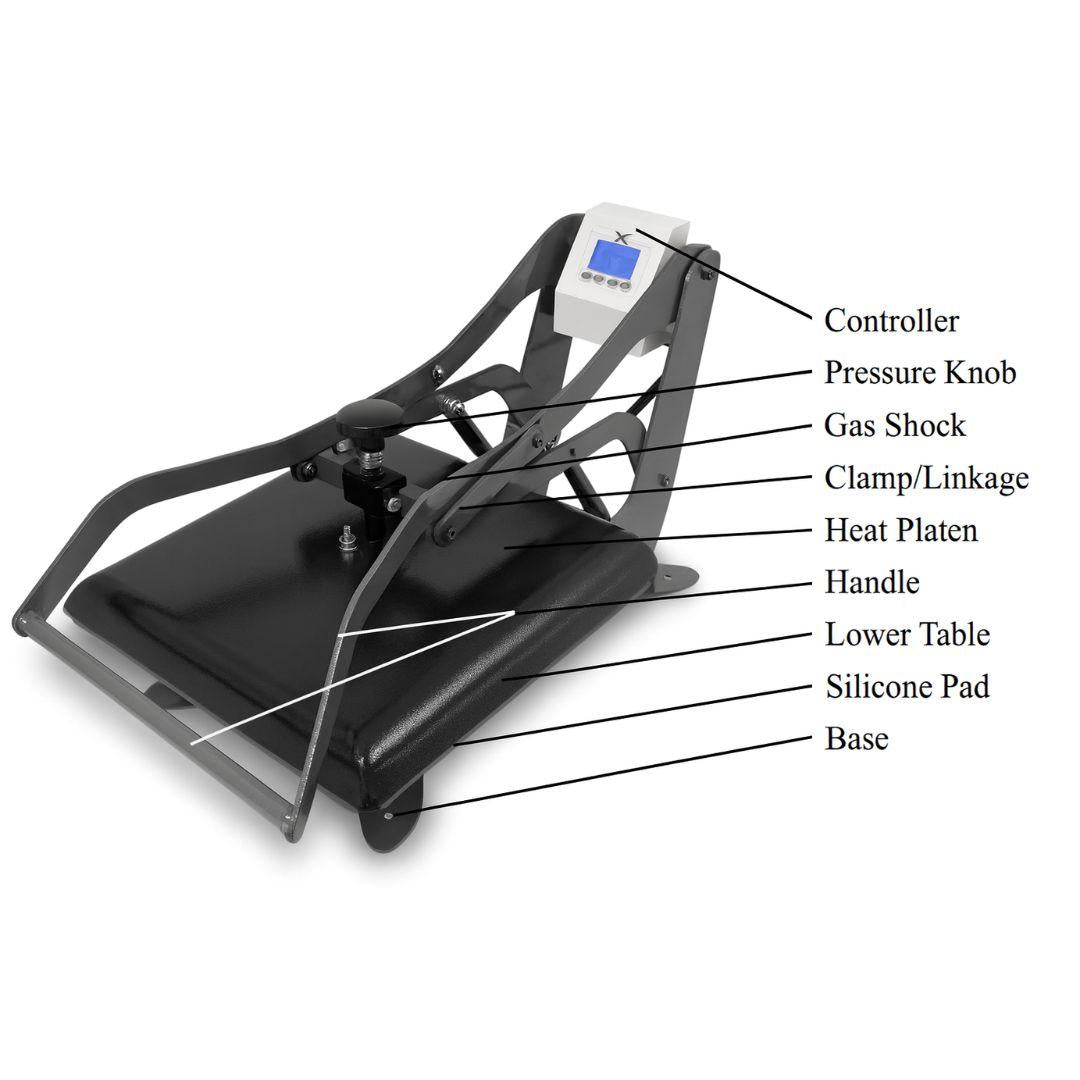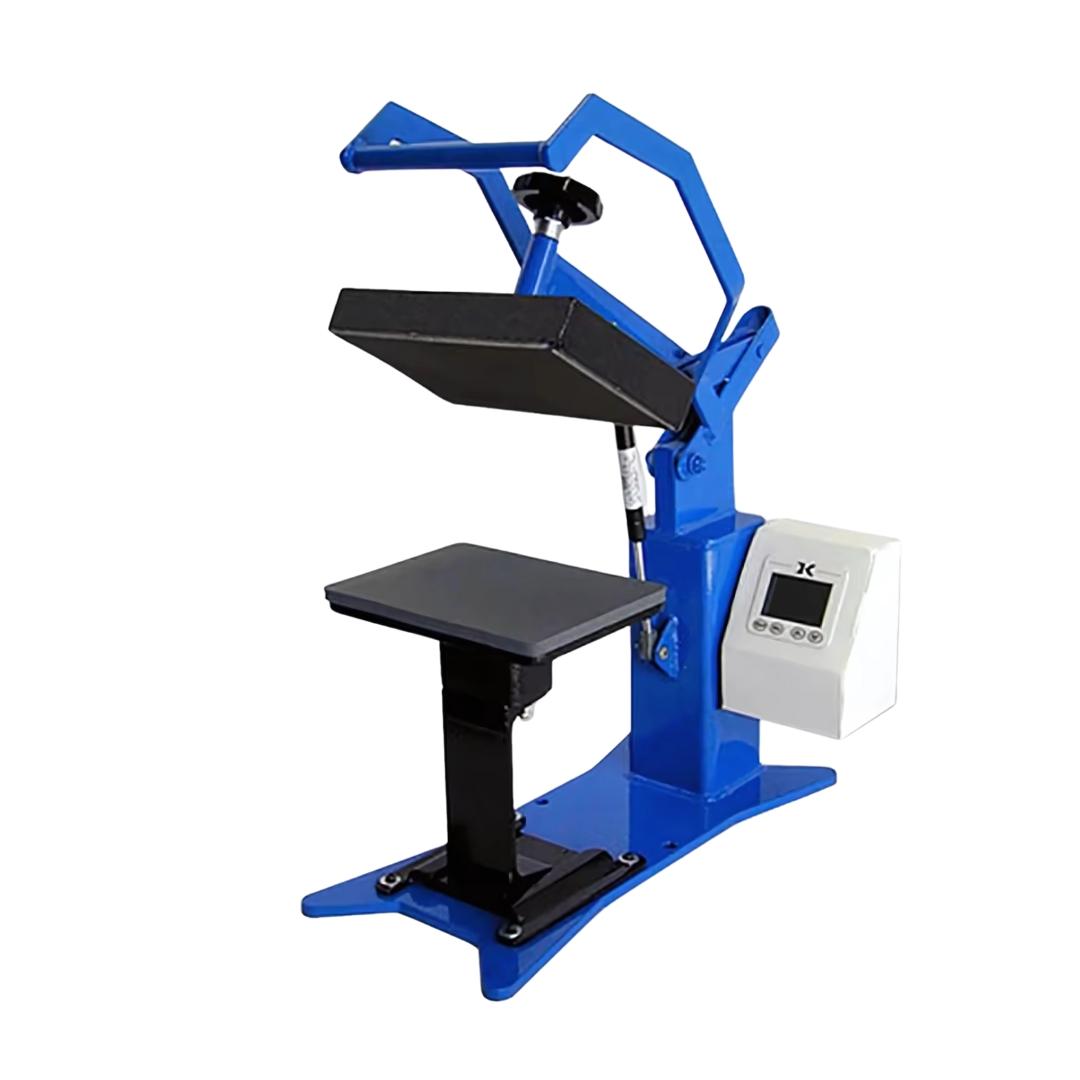















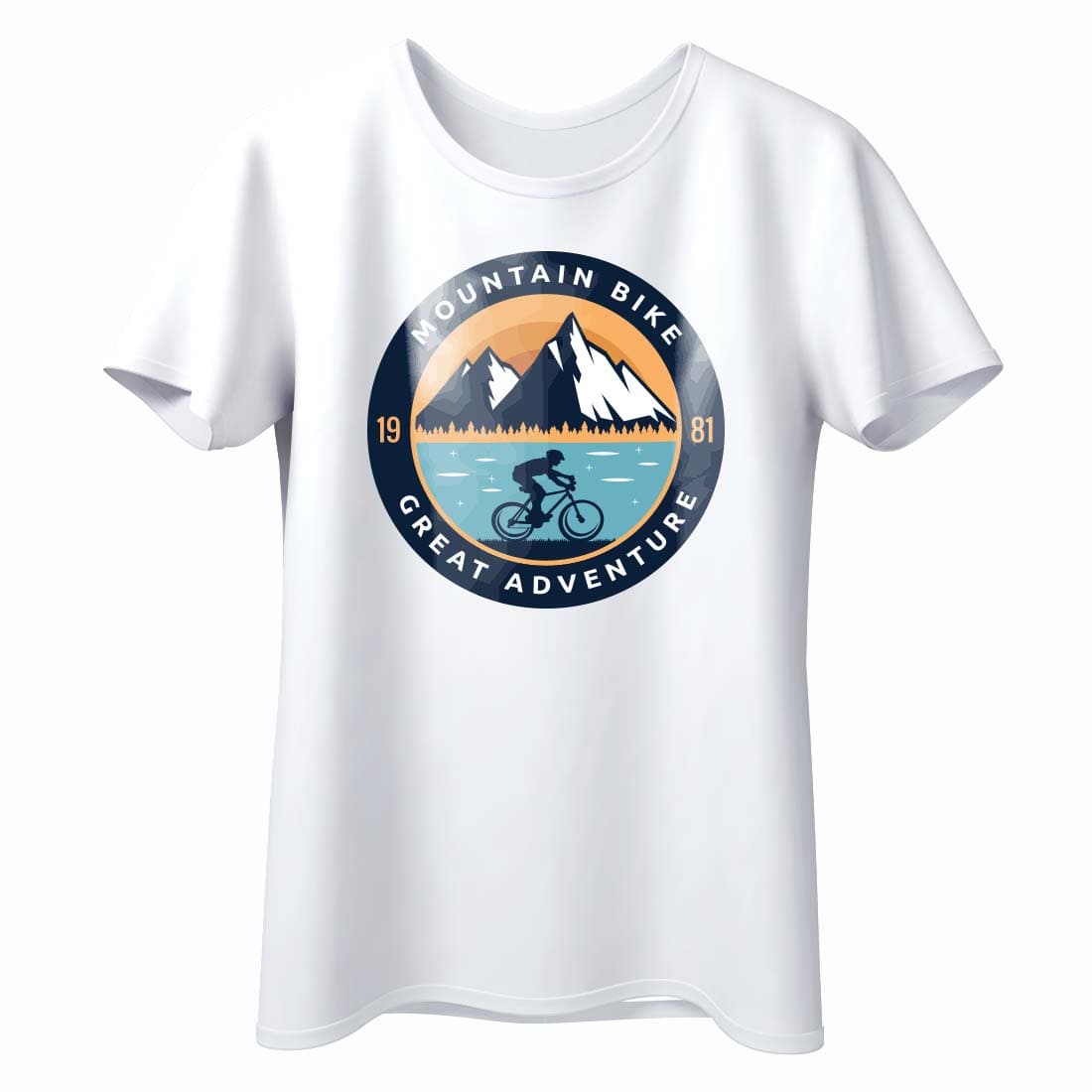
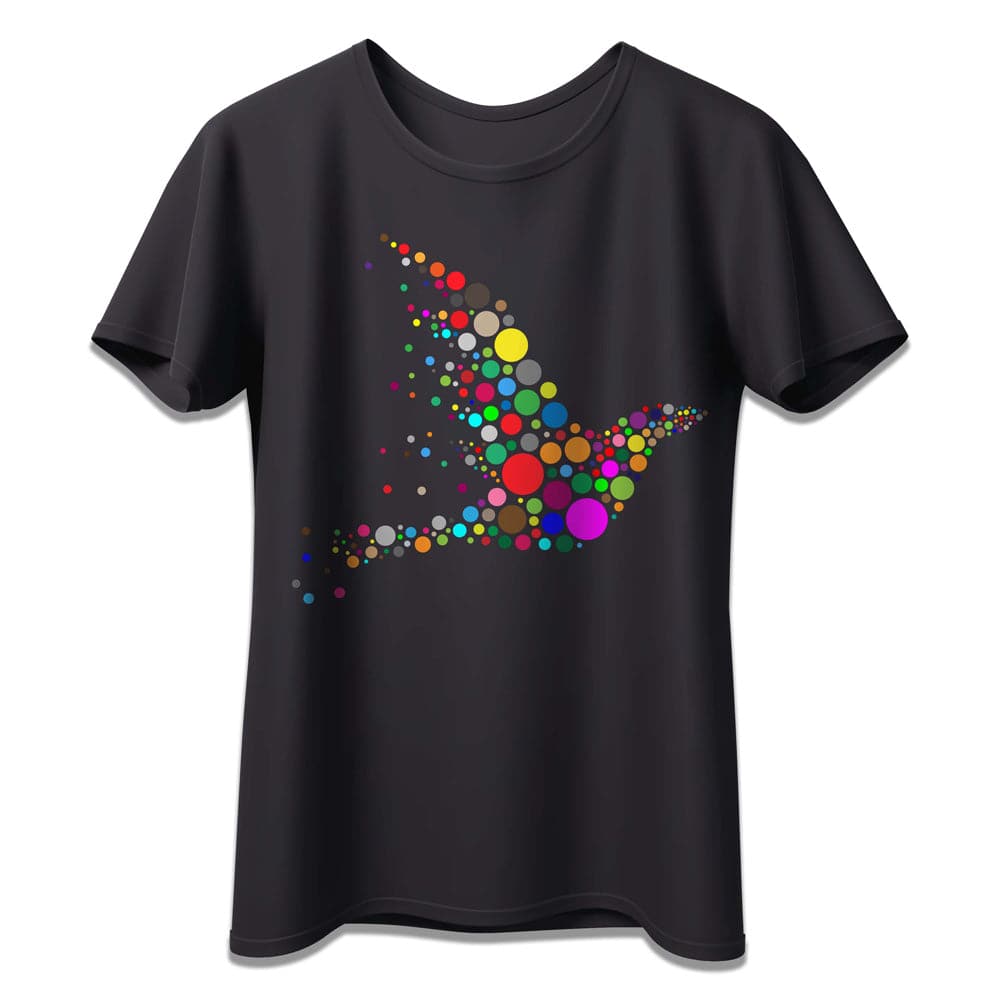
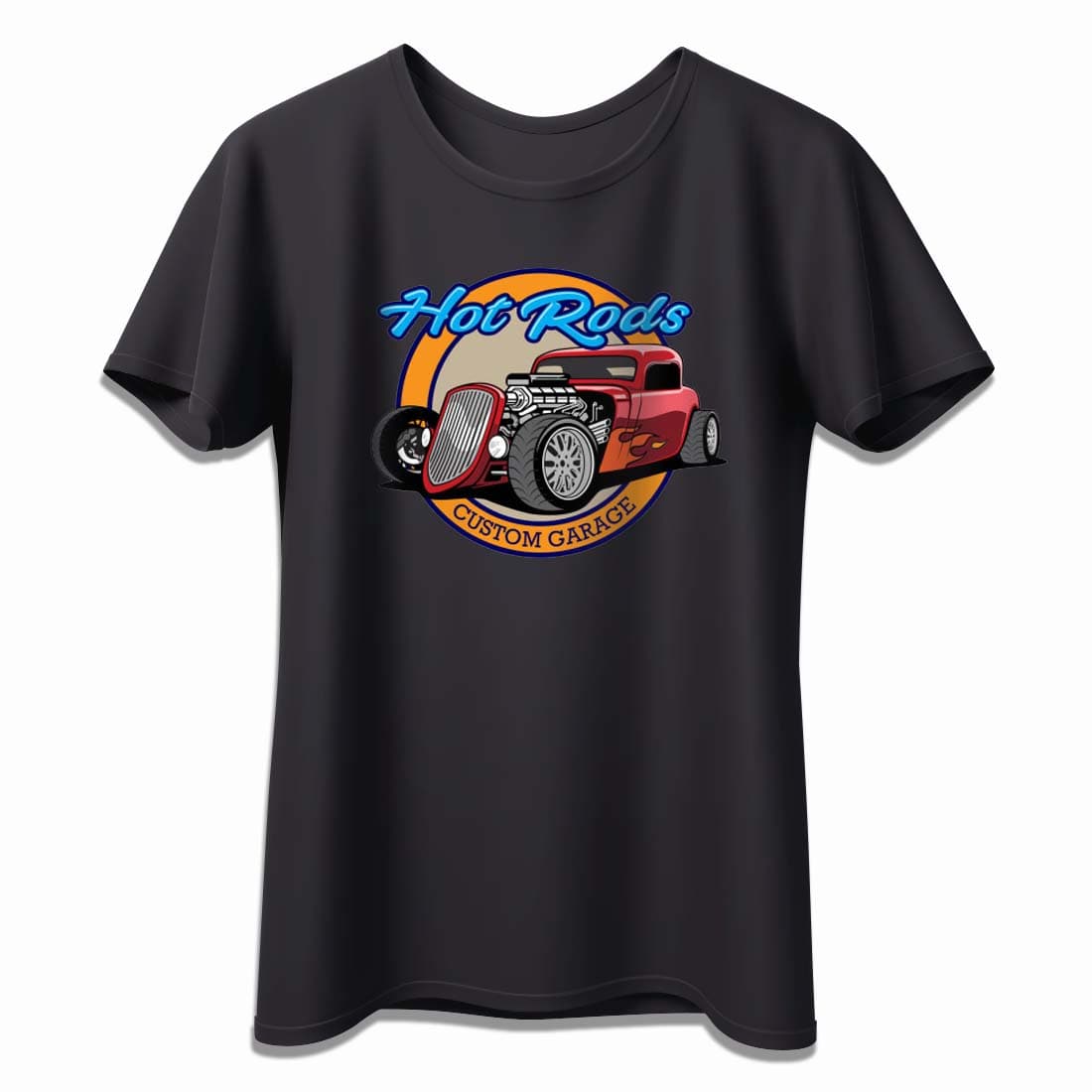
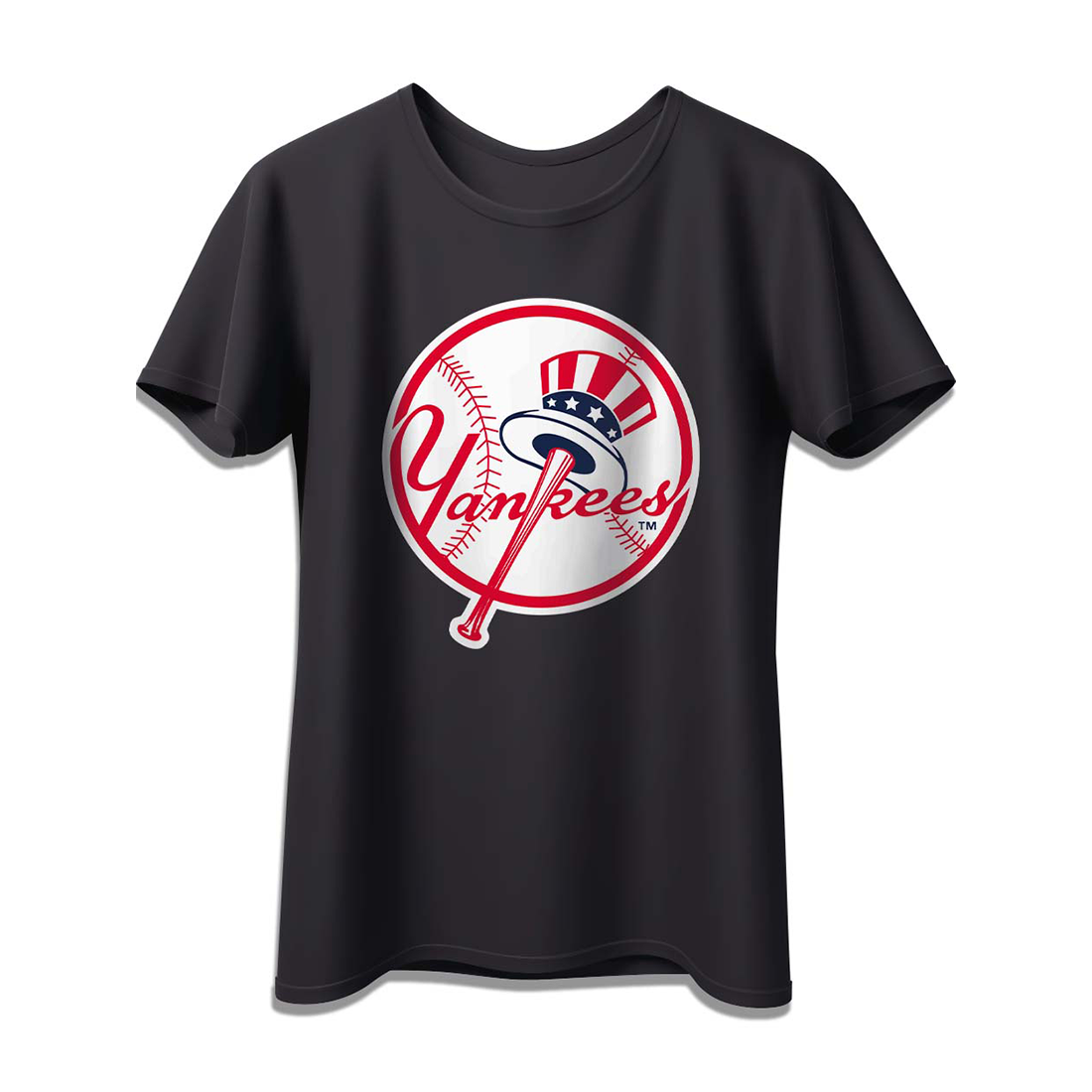
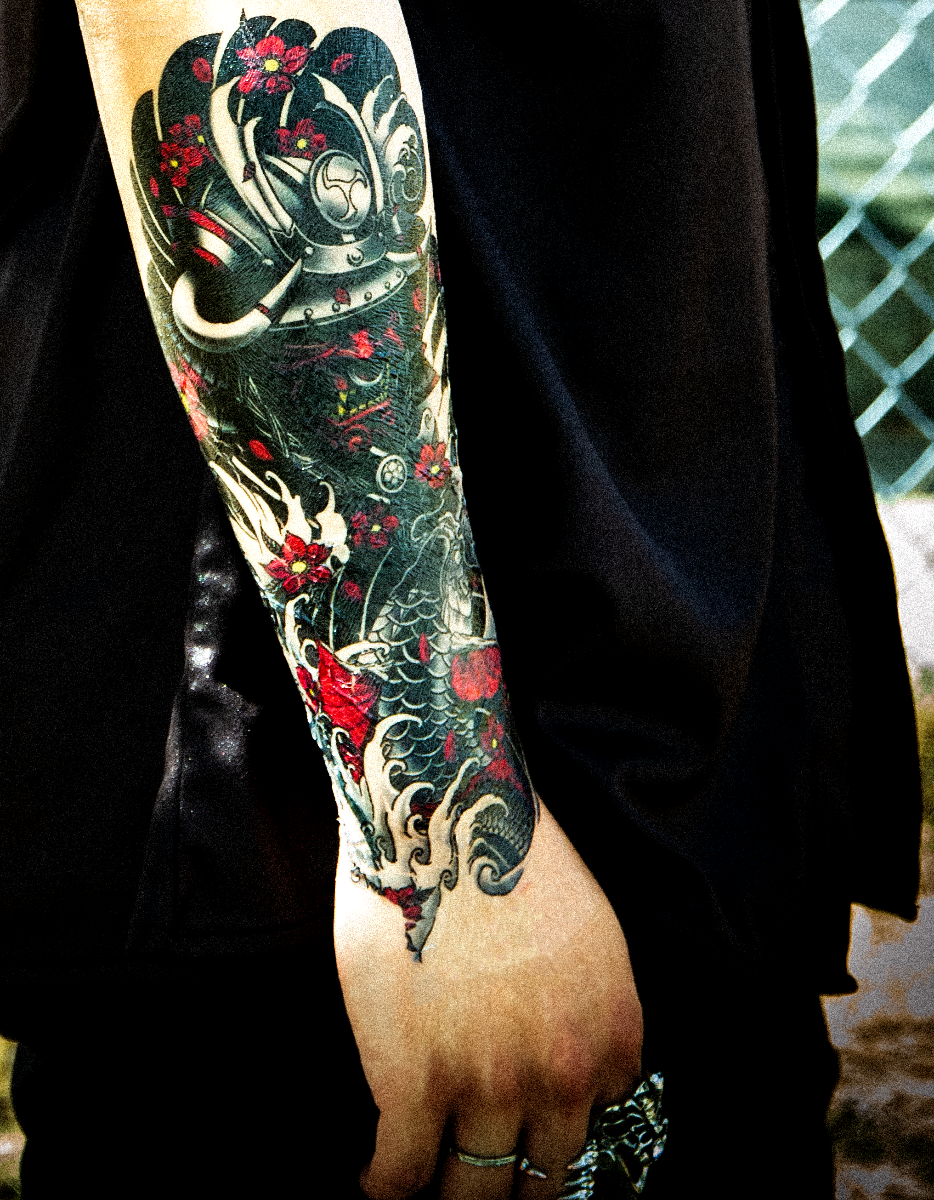
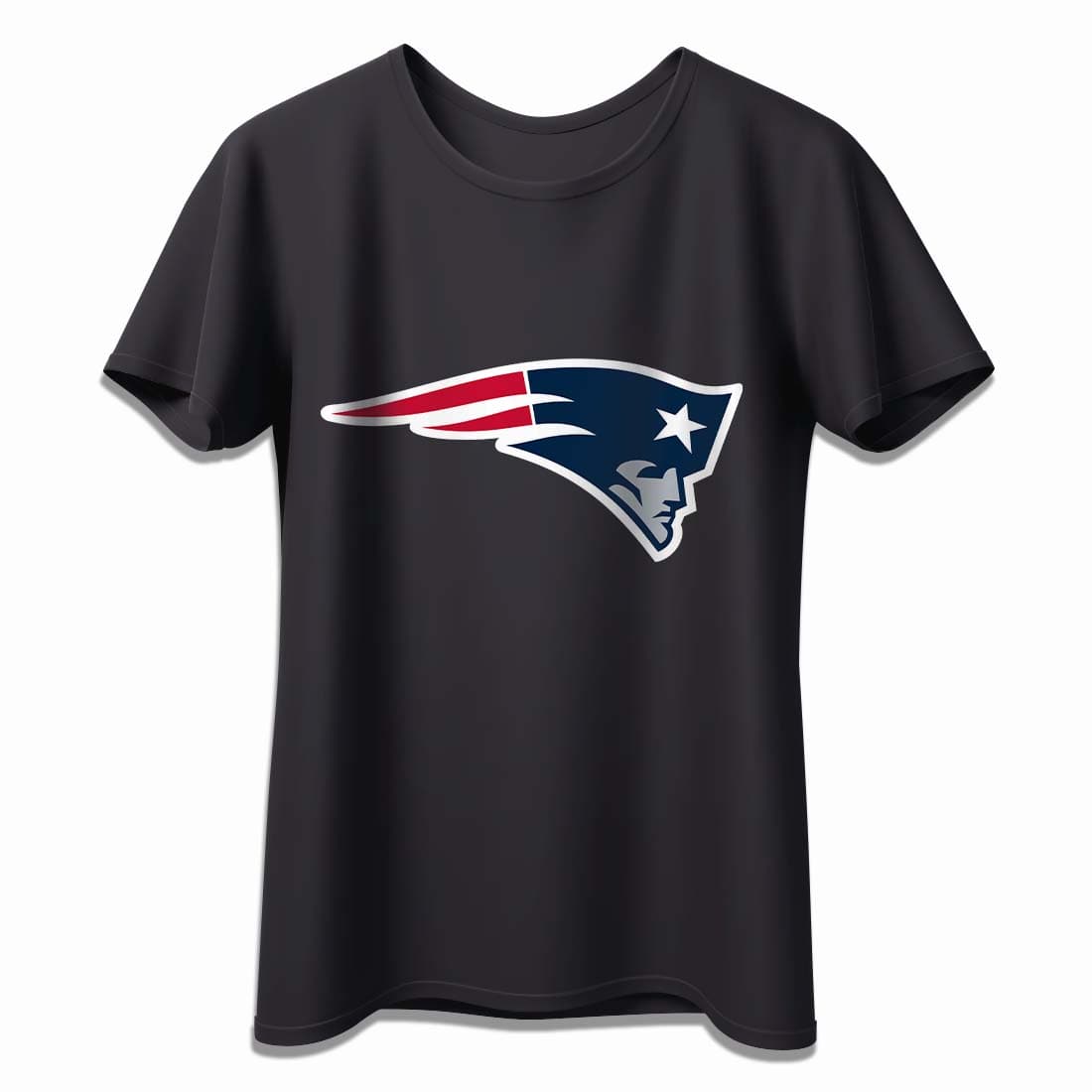
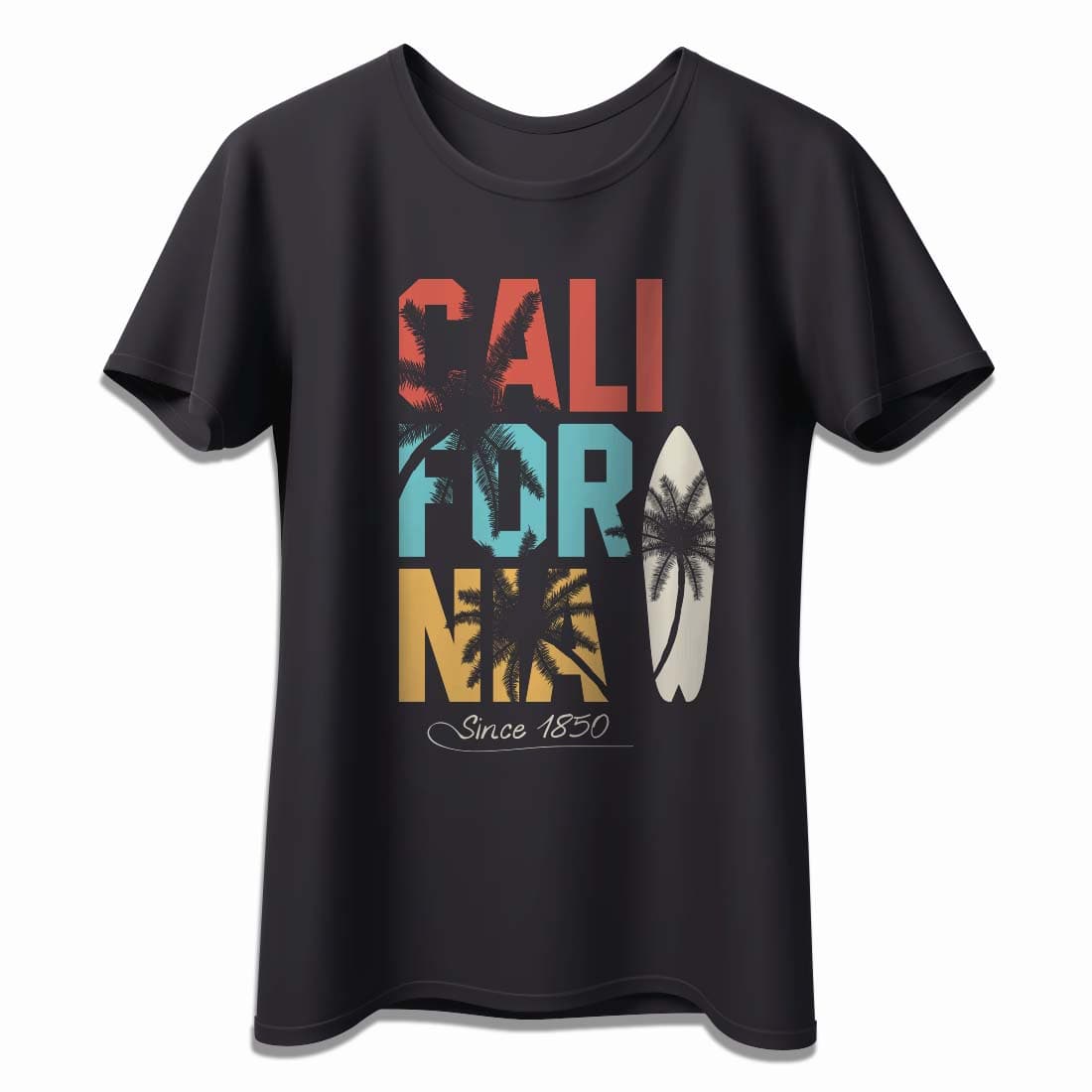
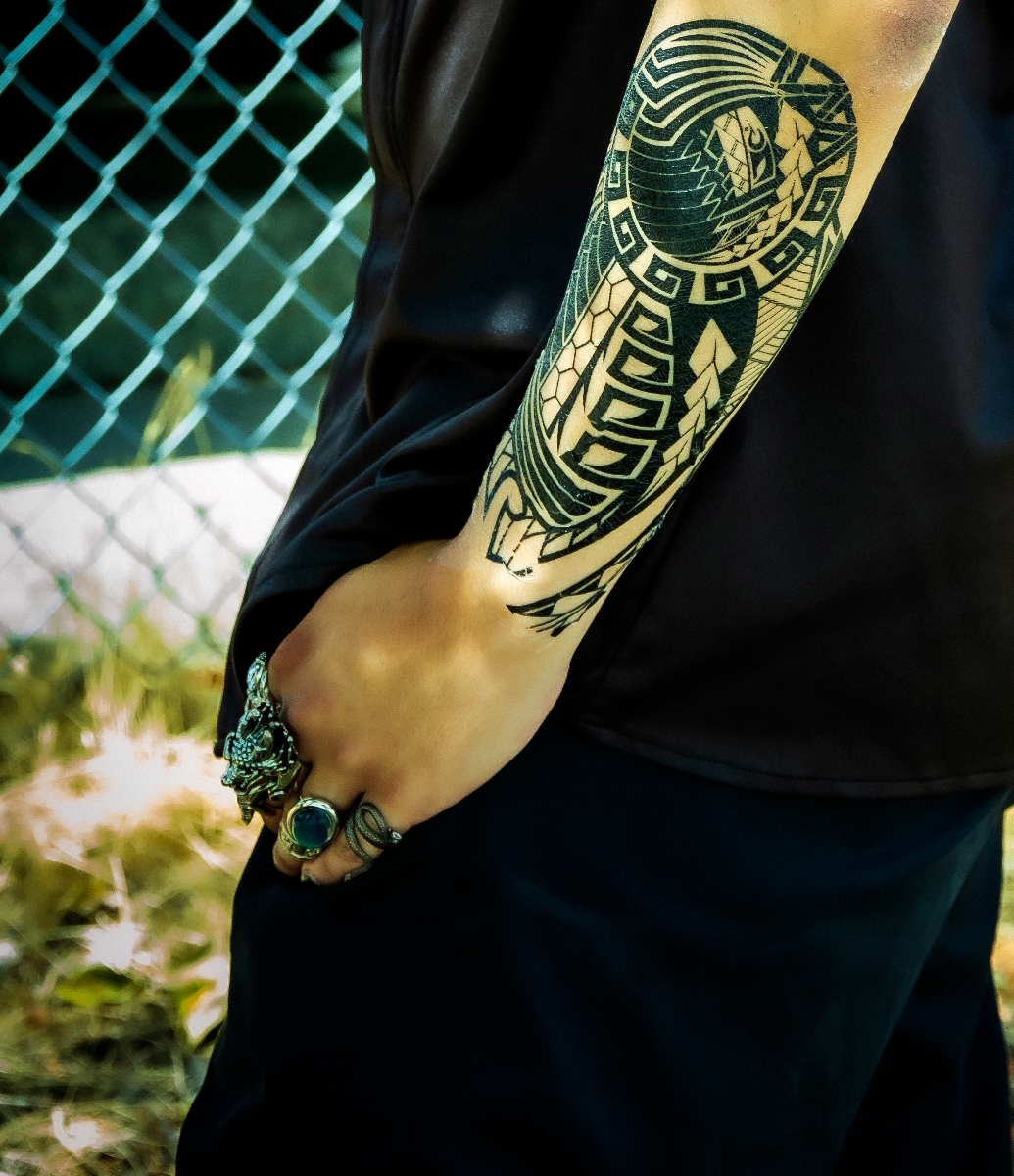
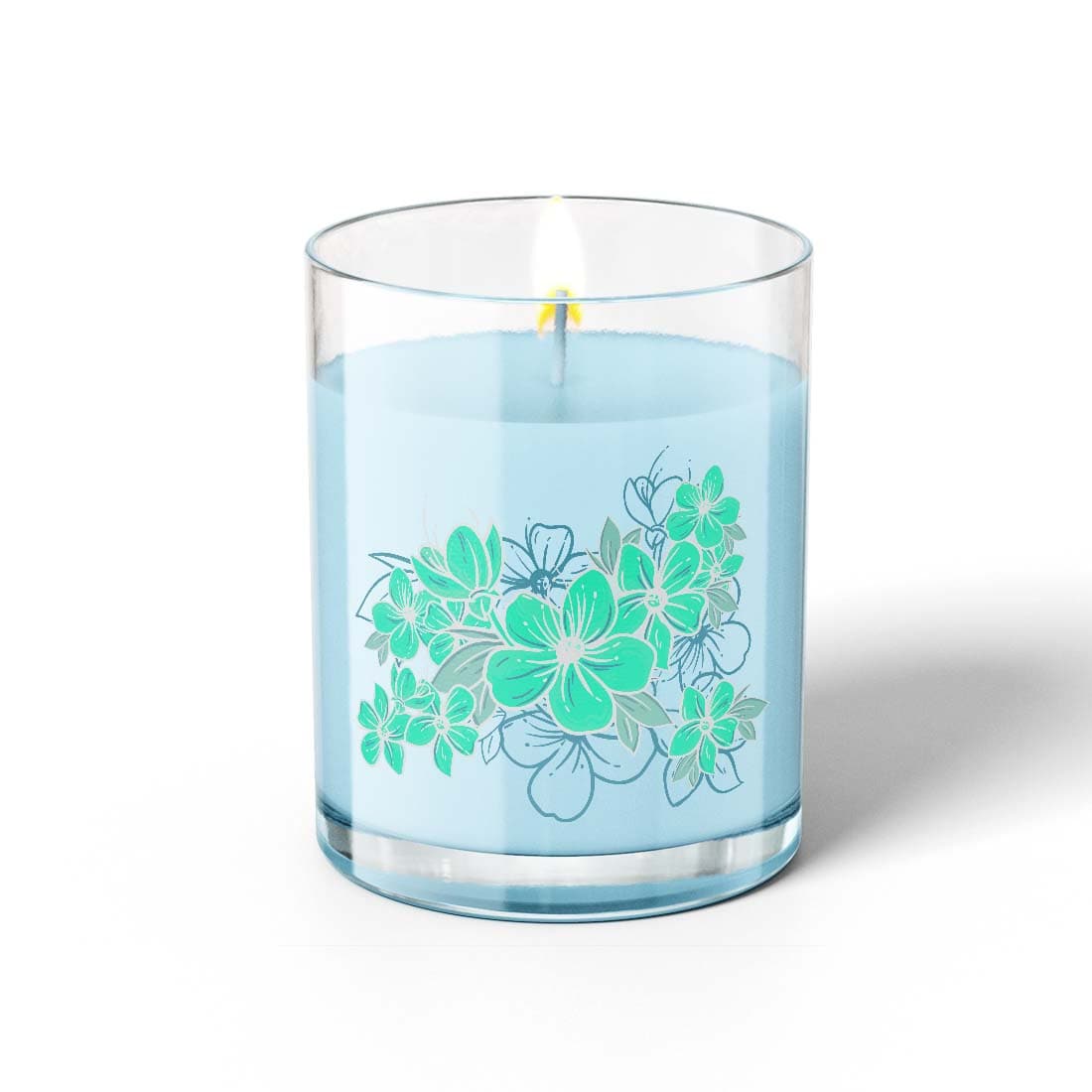


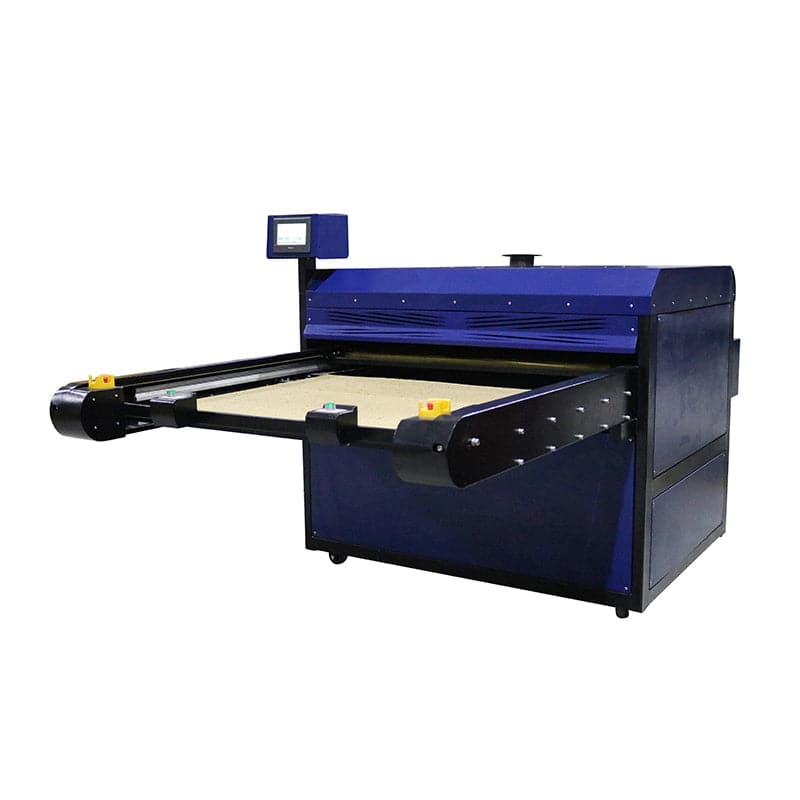
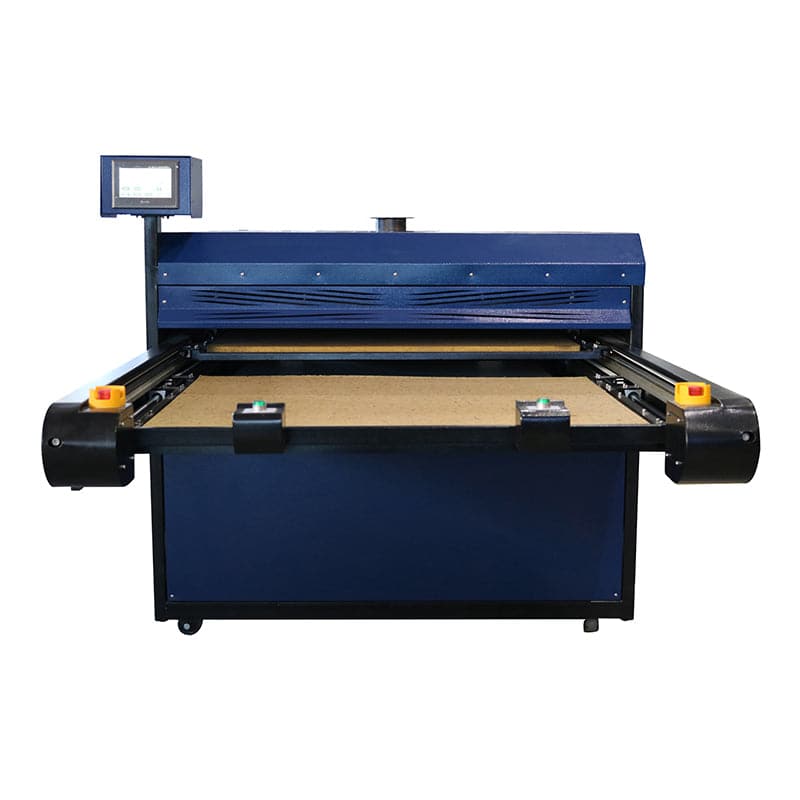
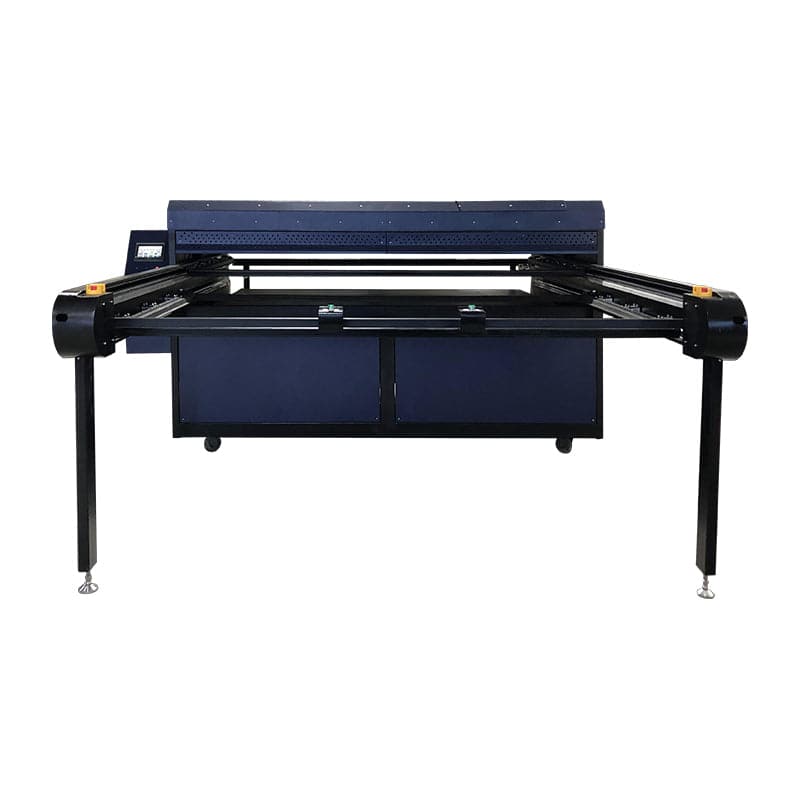
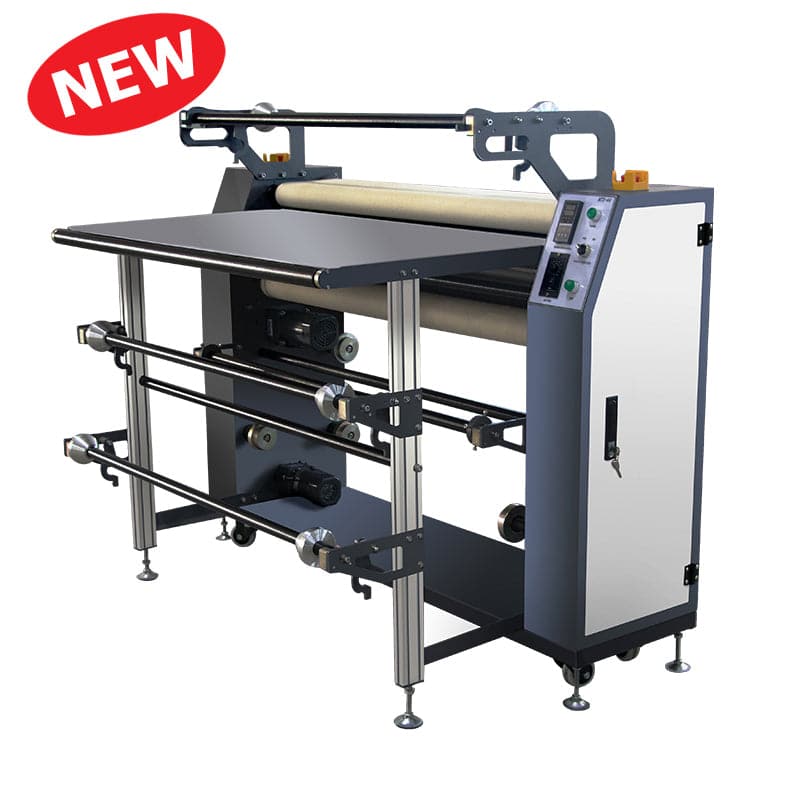

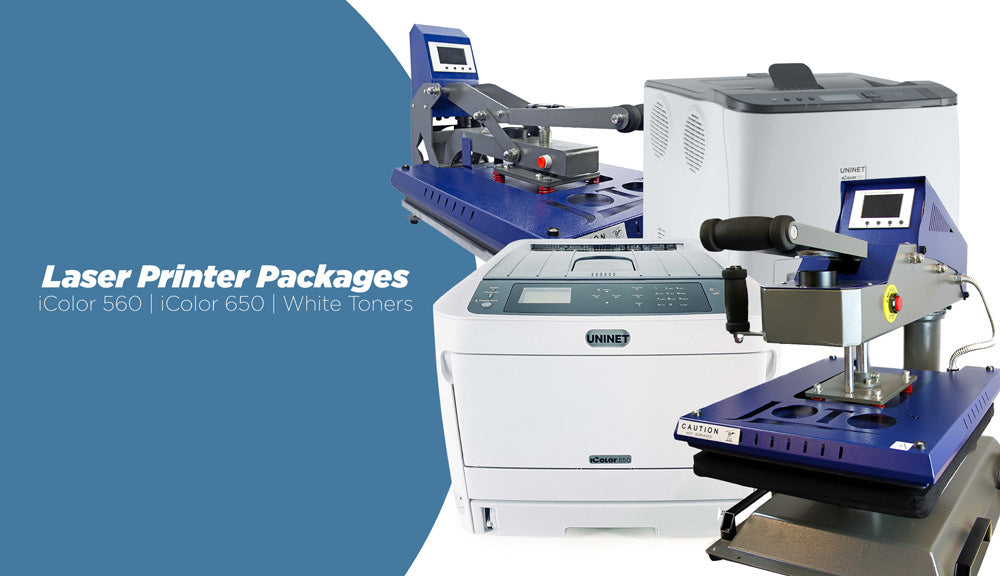


A heat press machine is simply a device that applies heat and pressure at the same time to transfer a design onto a product.
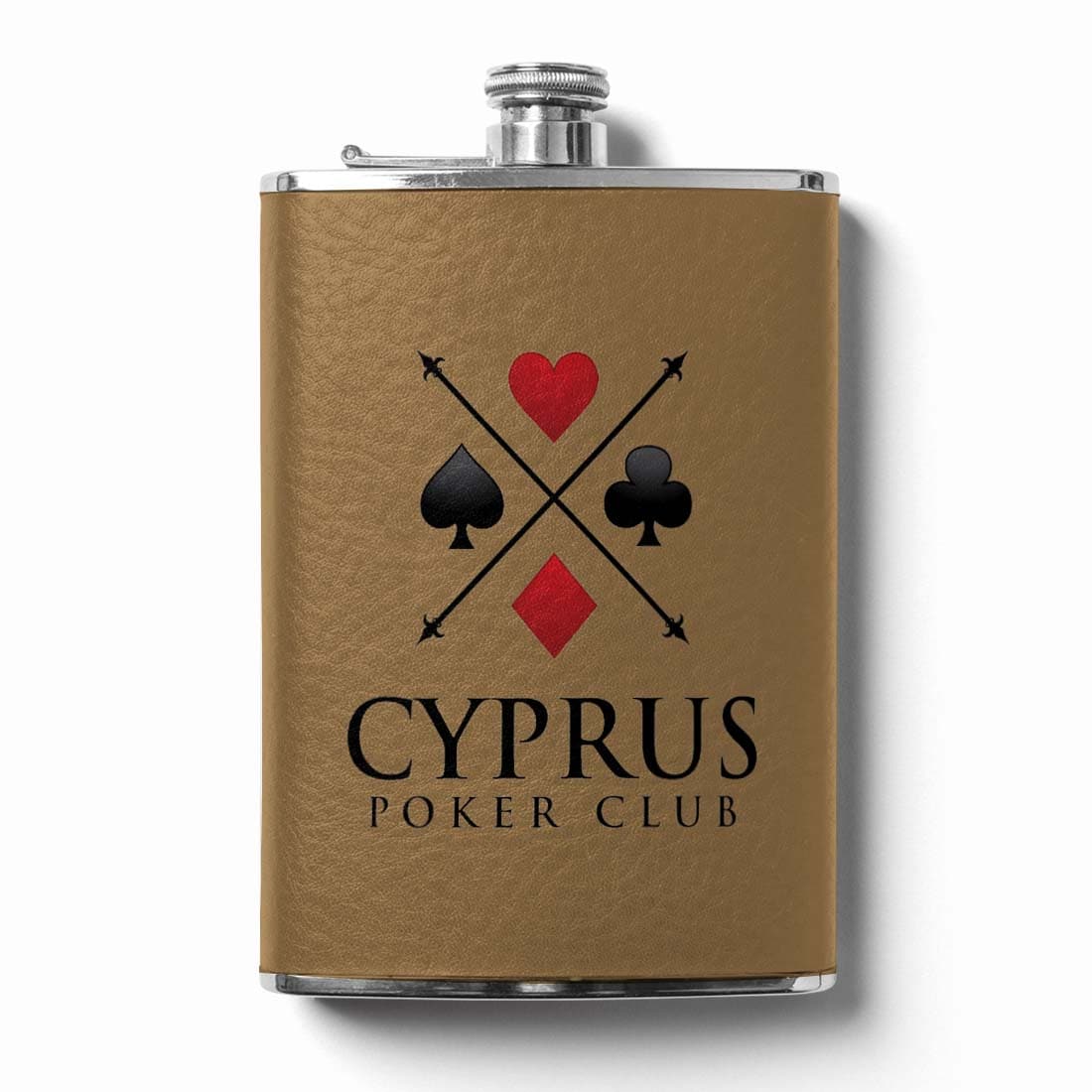
This process is widely used in the custom printing industry to decorate items such as T-shirts, hoodies, mugs, tote bags, hats, and promotional products.
Heat presses come in many different forms. Some machines are simple entry-level models used by hobbyists or small businesses, while others are professional-grade machines designed for high-volume production environments.
Basic models may rely on manual pressure and simple temperature controls. More advanced machines include digital temperature regulation, consistent pressure systems, safety features, and interchangeable attachments for different products.
Because of their versatility, heat presses are used across many industries, including:
- custom apparel printing
- promotional product manufacturing
- personalized gift businesses
- small online shops and Etsy stores
- large print shops producing branded merchandise
If you want to explore different machines used in these applications, you can browse the full range of heat press machines available in modern printing environments.
In this guide, we will explain:
- what a heat press machine is
- how heat presses work
- the different types of heat press machines
- what products you can create with them
Whether you are starting a custom printing business or simply curious about how heat transfer printing works, understanding heat presses is the first step.
What Is a Heat Press Used For?
Heat presses are used to transfer designs onto a wide range of materials by combining heat, pressure, and time.
This makes them one of the most versatile machines in the custom decoration industry.
Different types of heat presses are designed for different types of products.
Custom Apparel

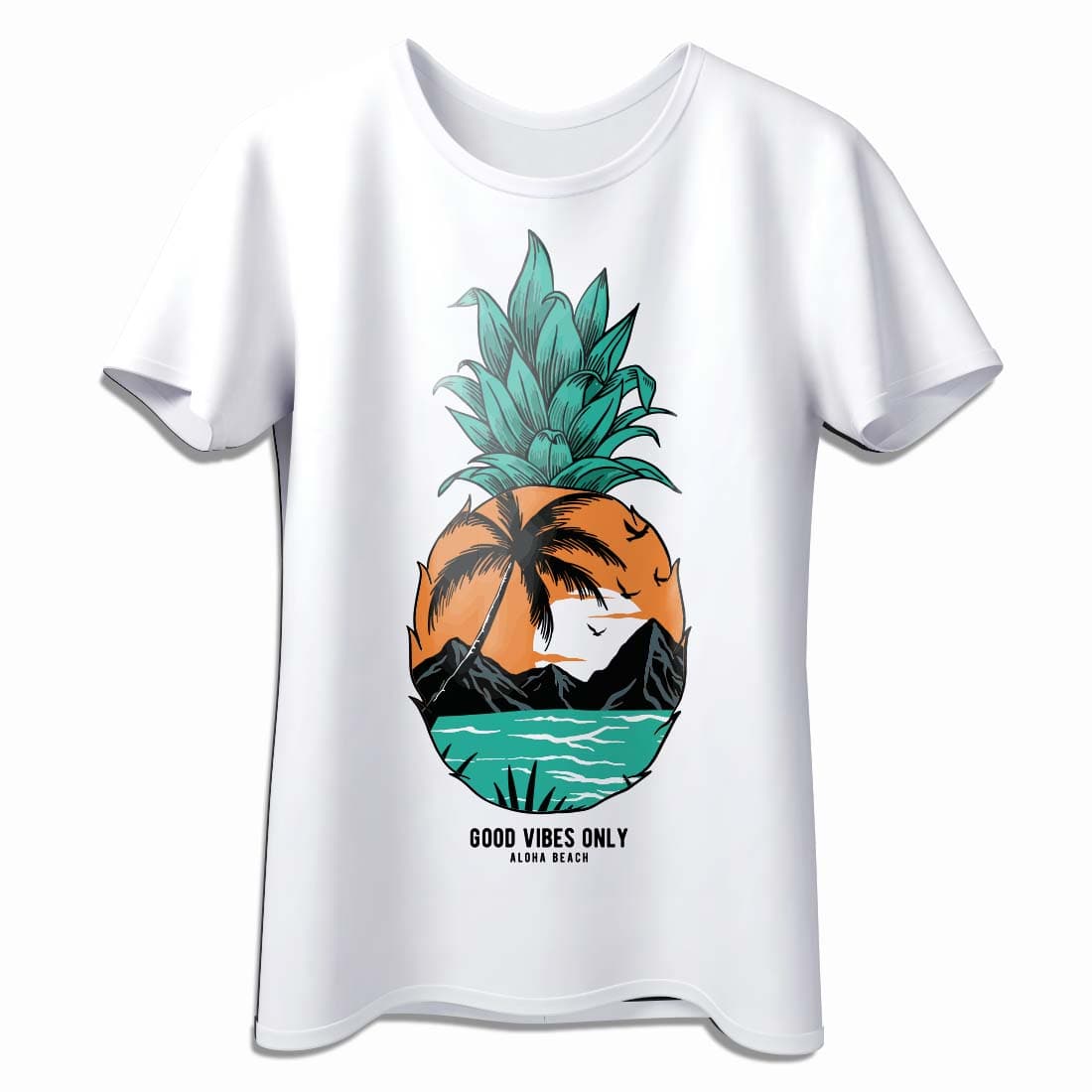
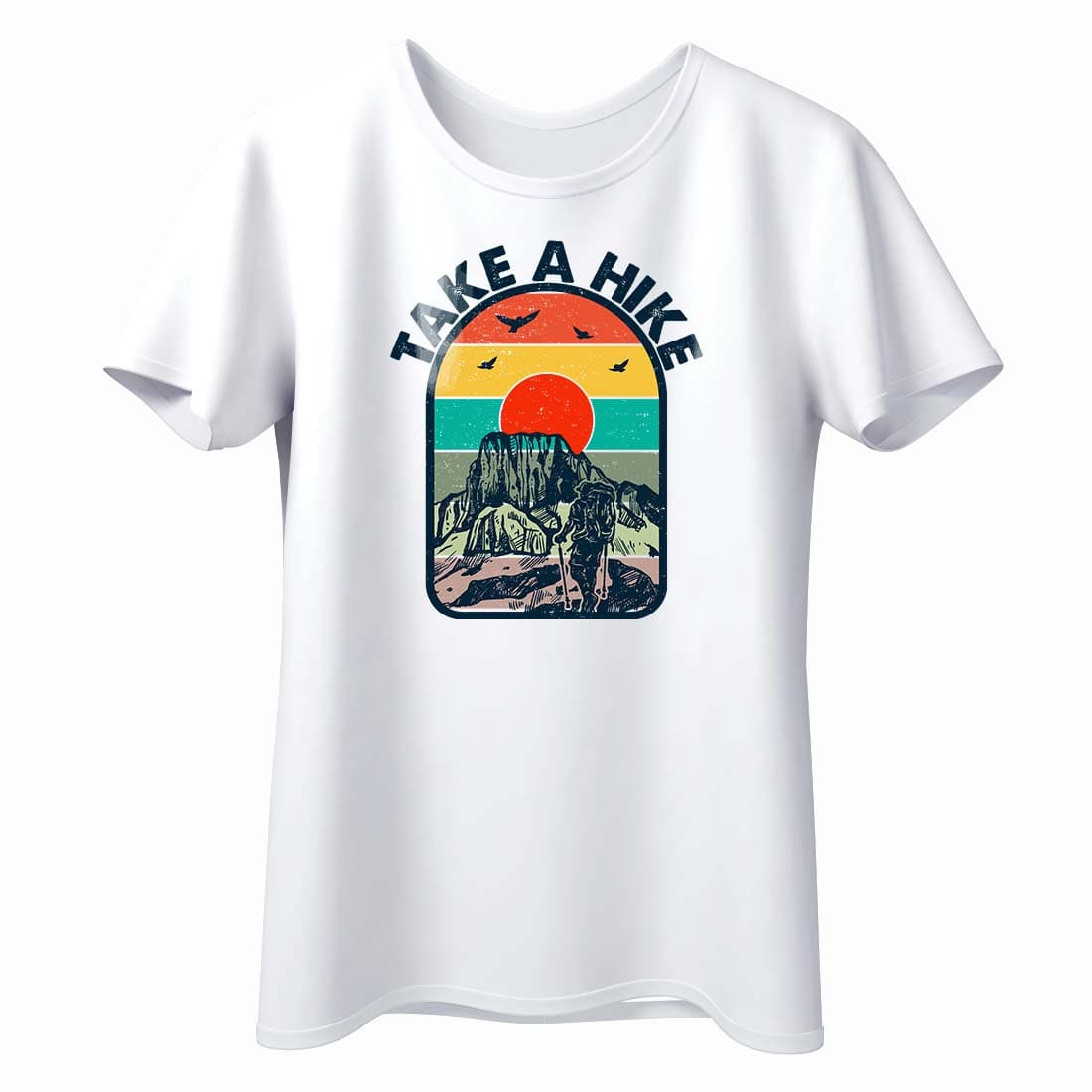
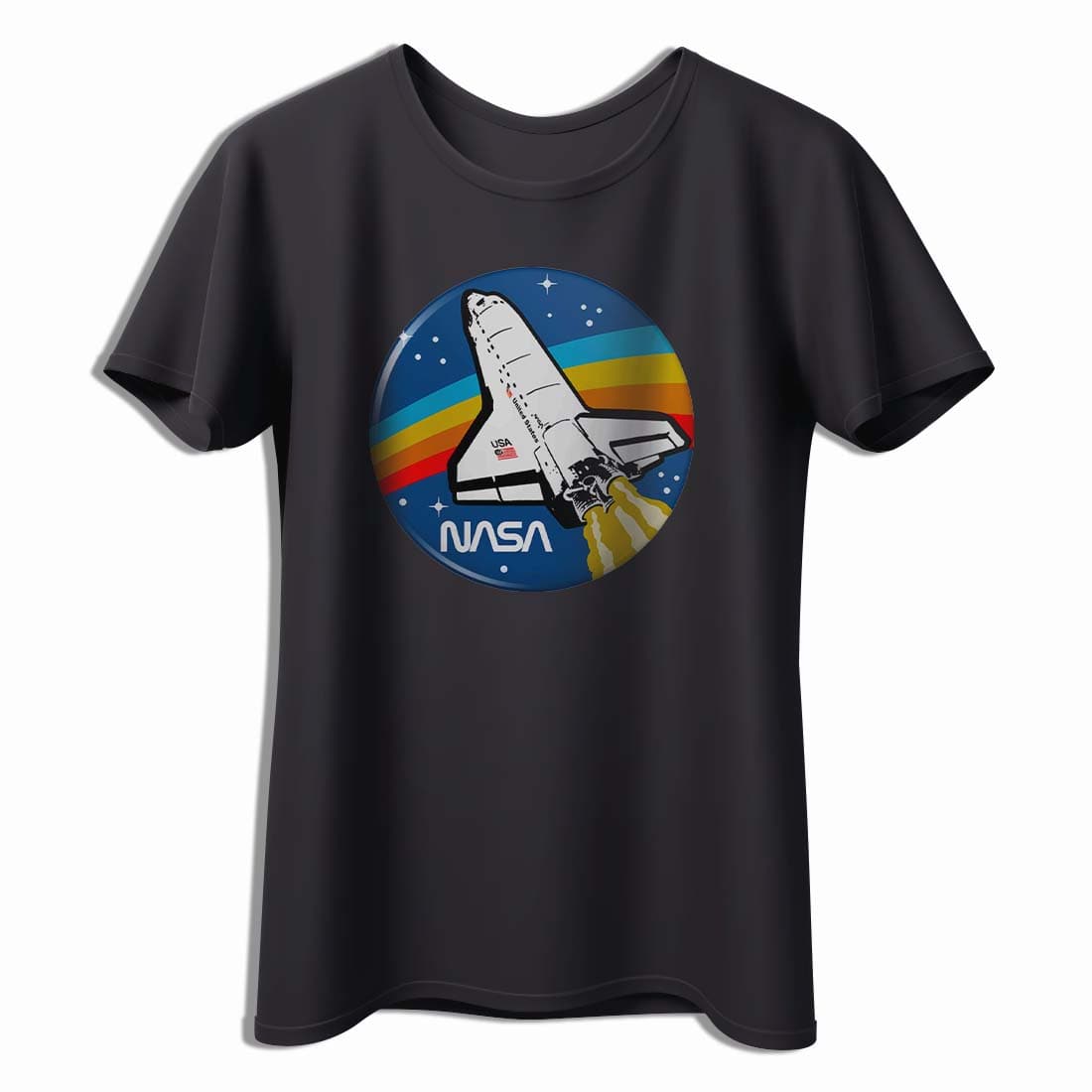
One of the most common uses of a heat press is decorating apparel.
Heat presses are widely used to create custom designs on:
- T-shirts
- hoodies
- sweatshirts
- sports jerseys
- uniforms
This is why many businesses looking to start a printing operation search for a heat press for shirts or apparel decoration.
Using methods like heat transfer vinyl (HTV), sublimation, or DTF transfers, heat presses allow printers to produce vibrant and durable designs that can withstand regular washing.
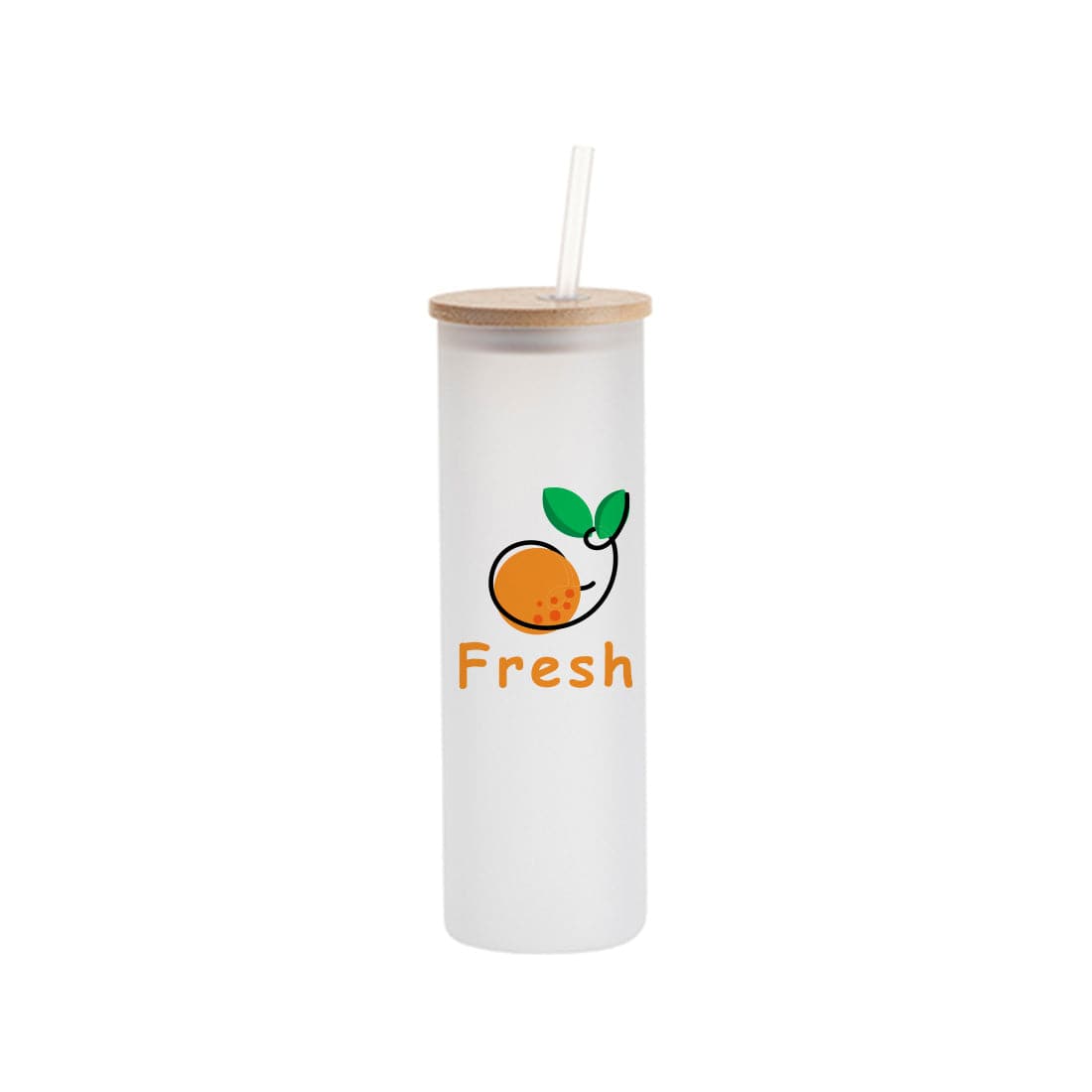
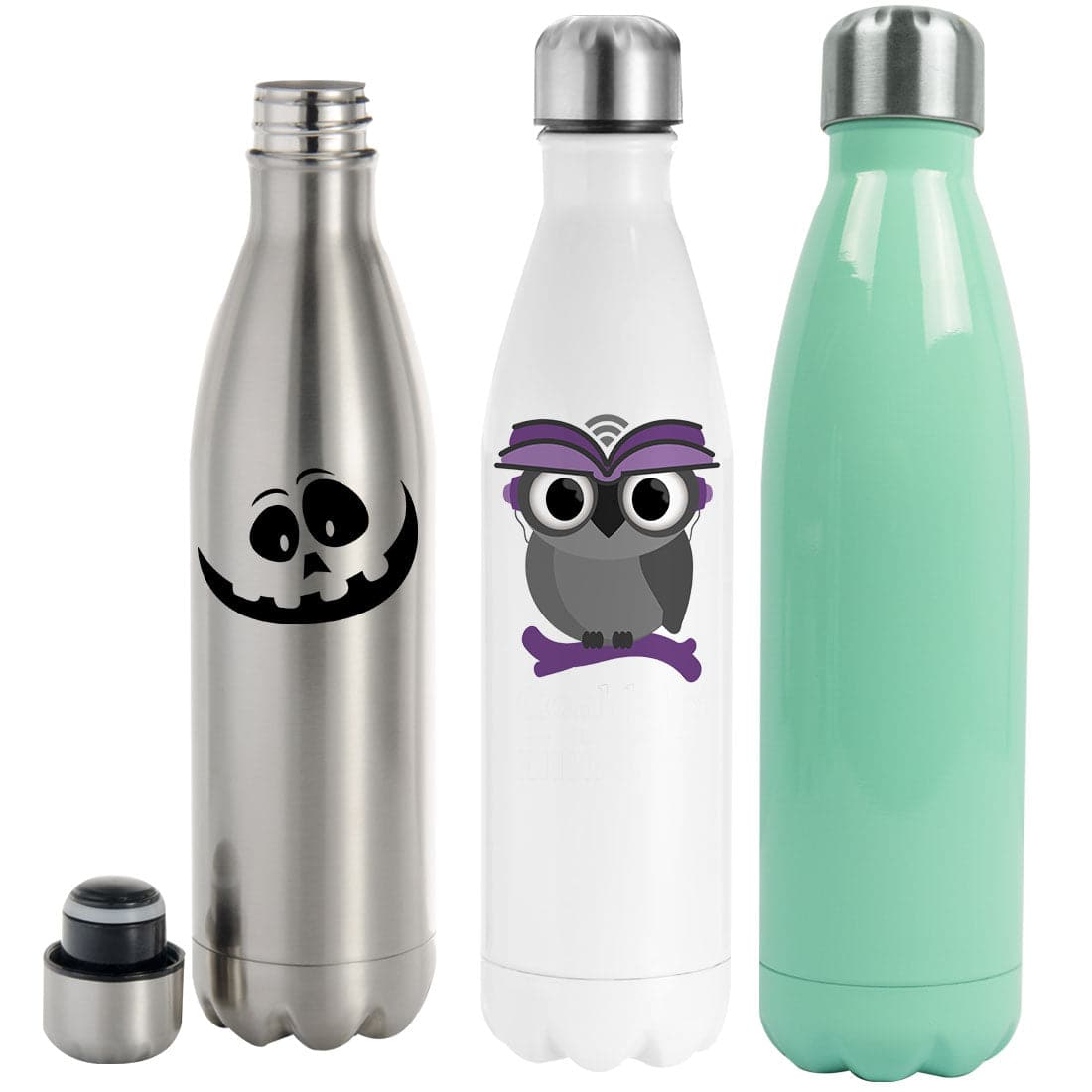
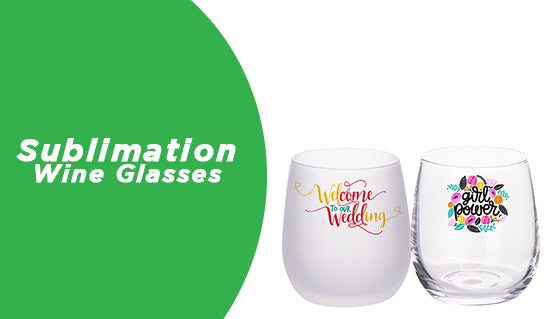
Drinkware and Hard Surface Products

Heat presses can also be used to decorate hard surface items.
These products often require specialized attachments or machines designed specifically for curved surfaces.
Common examples include:
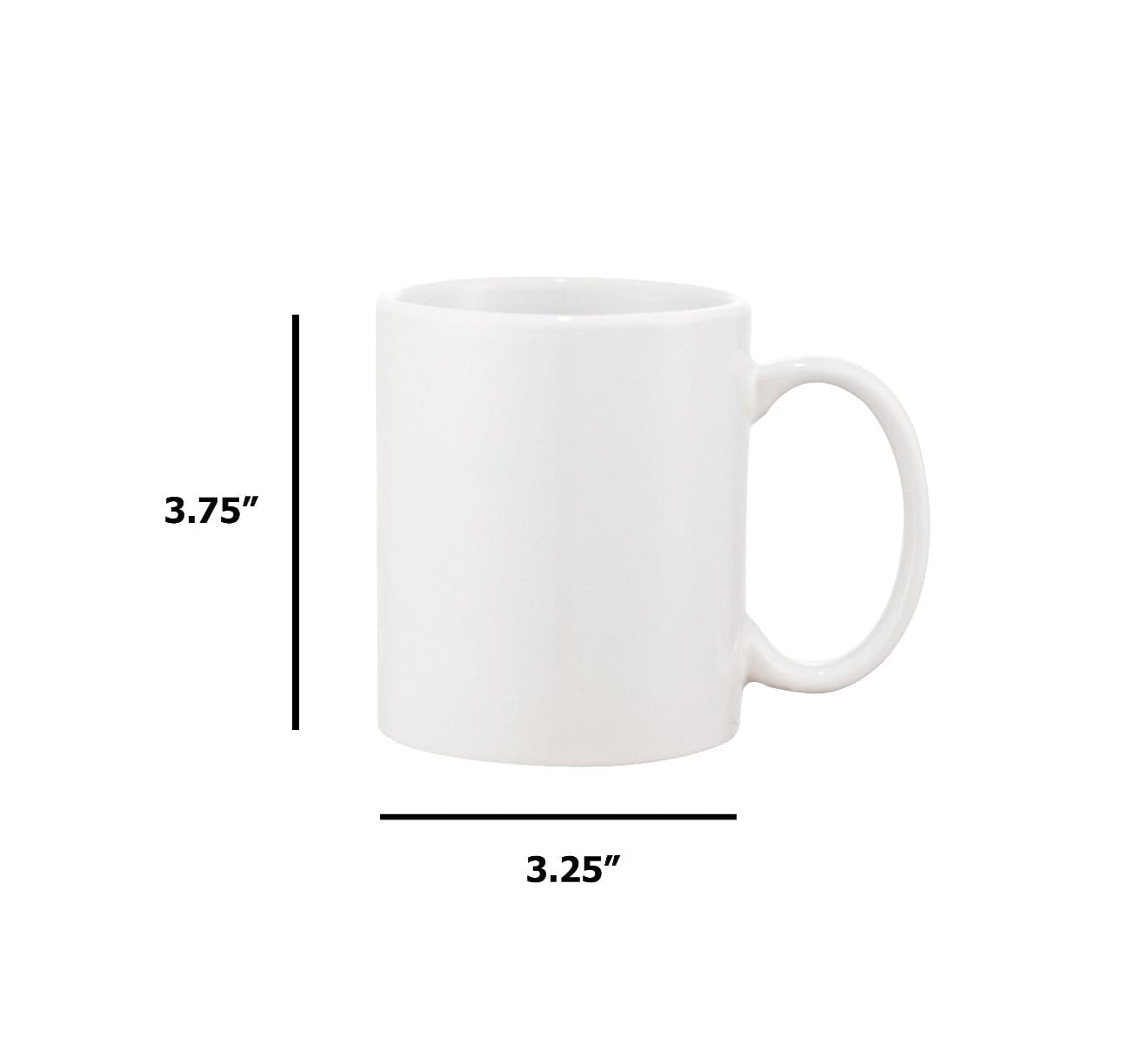
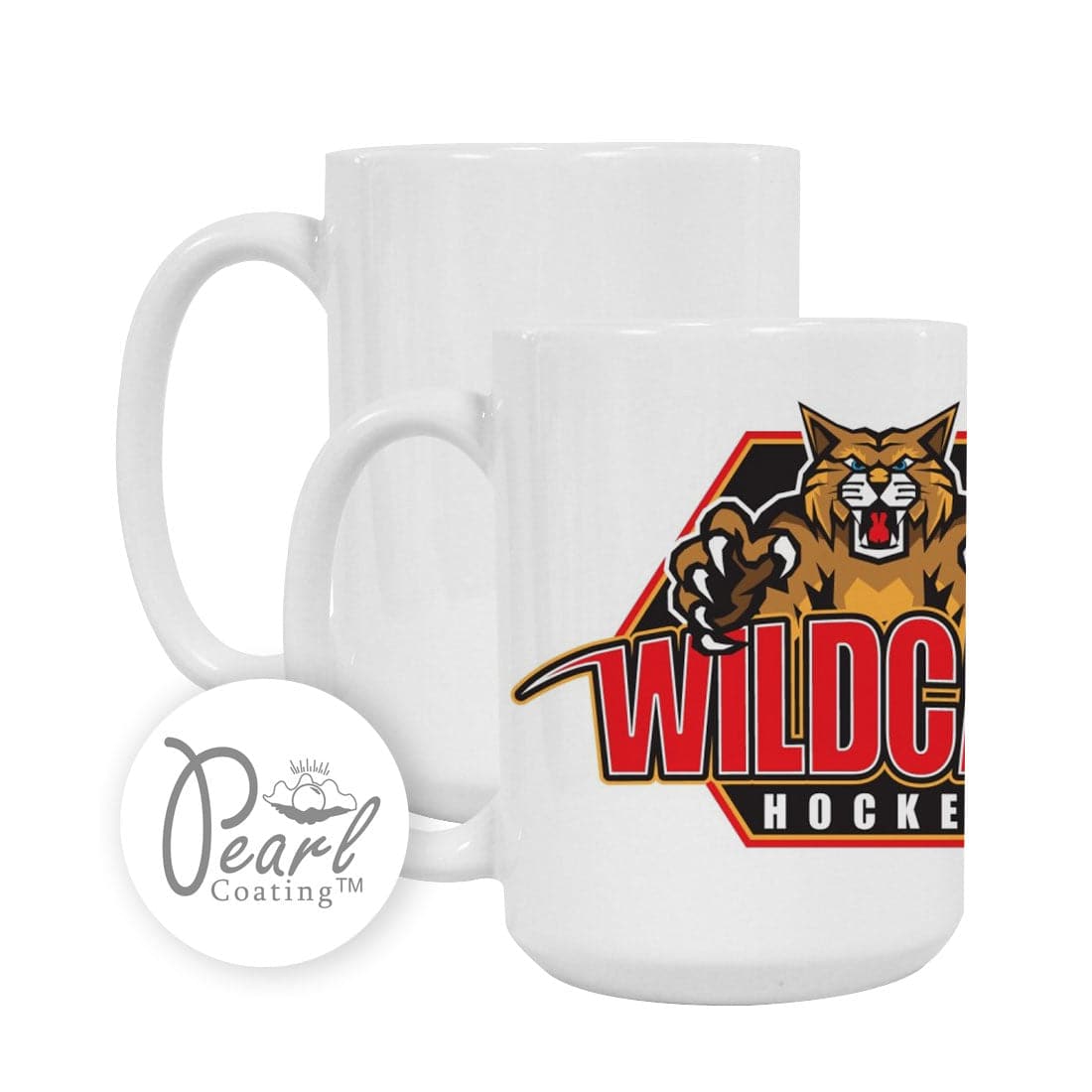
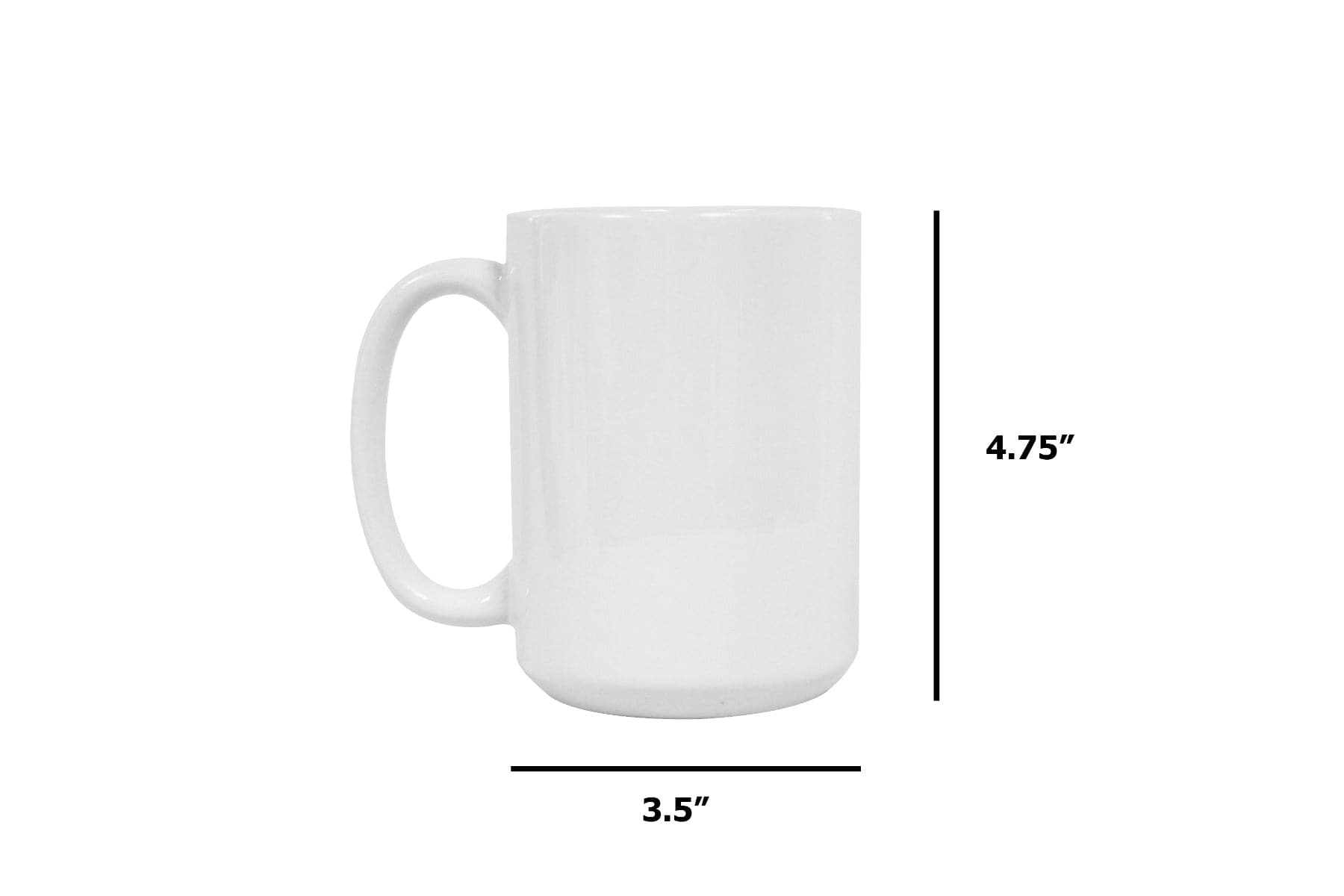
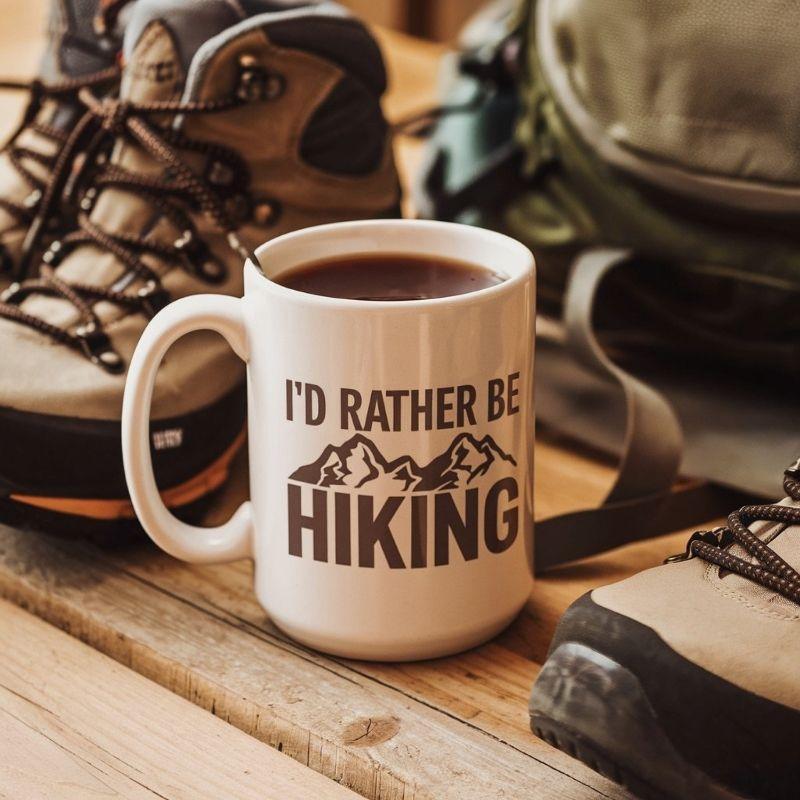
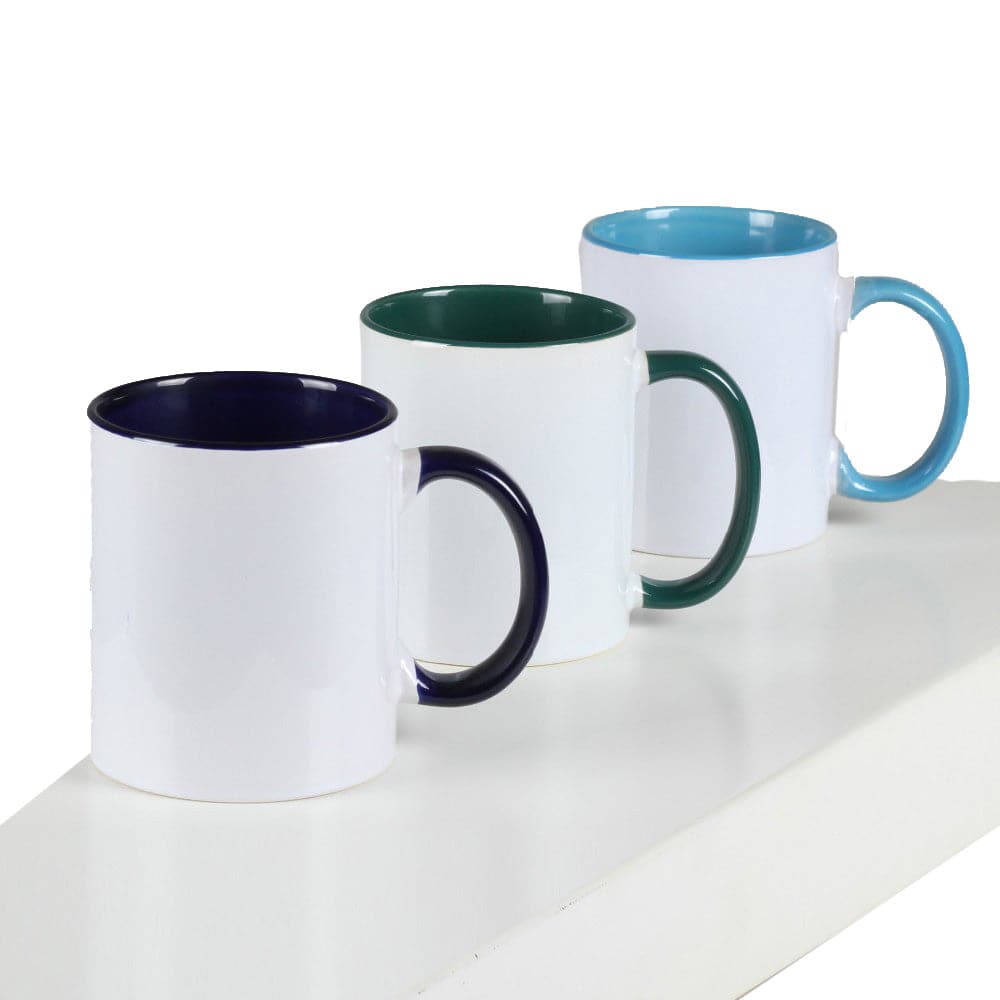
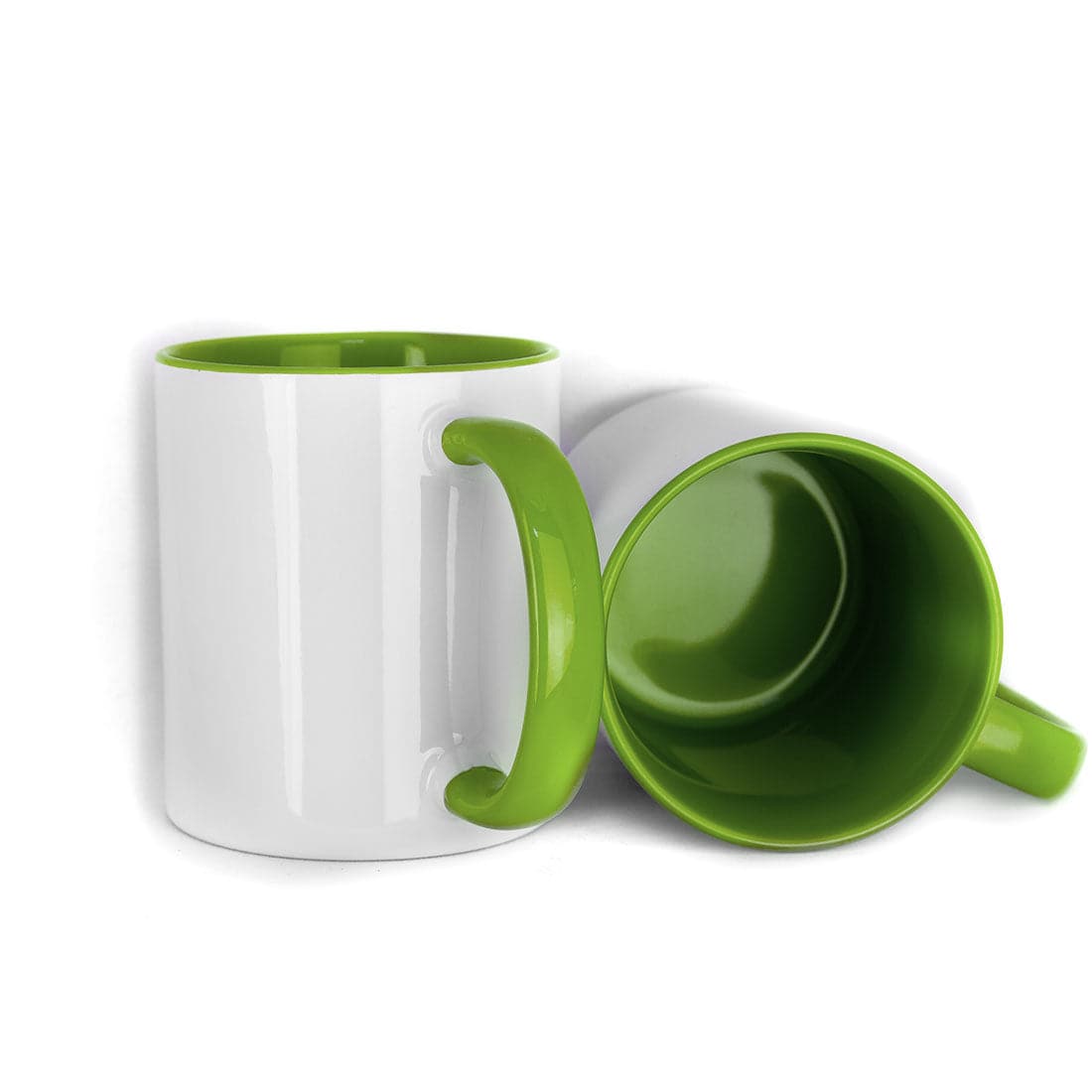
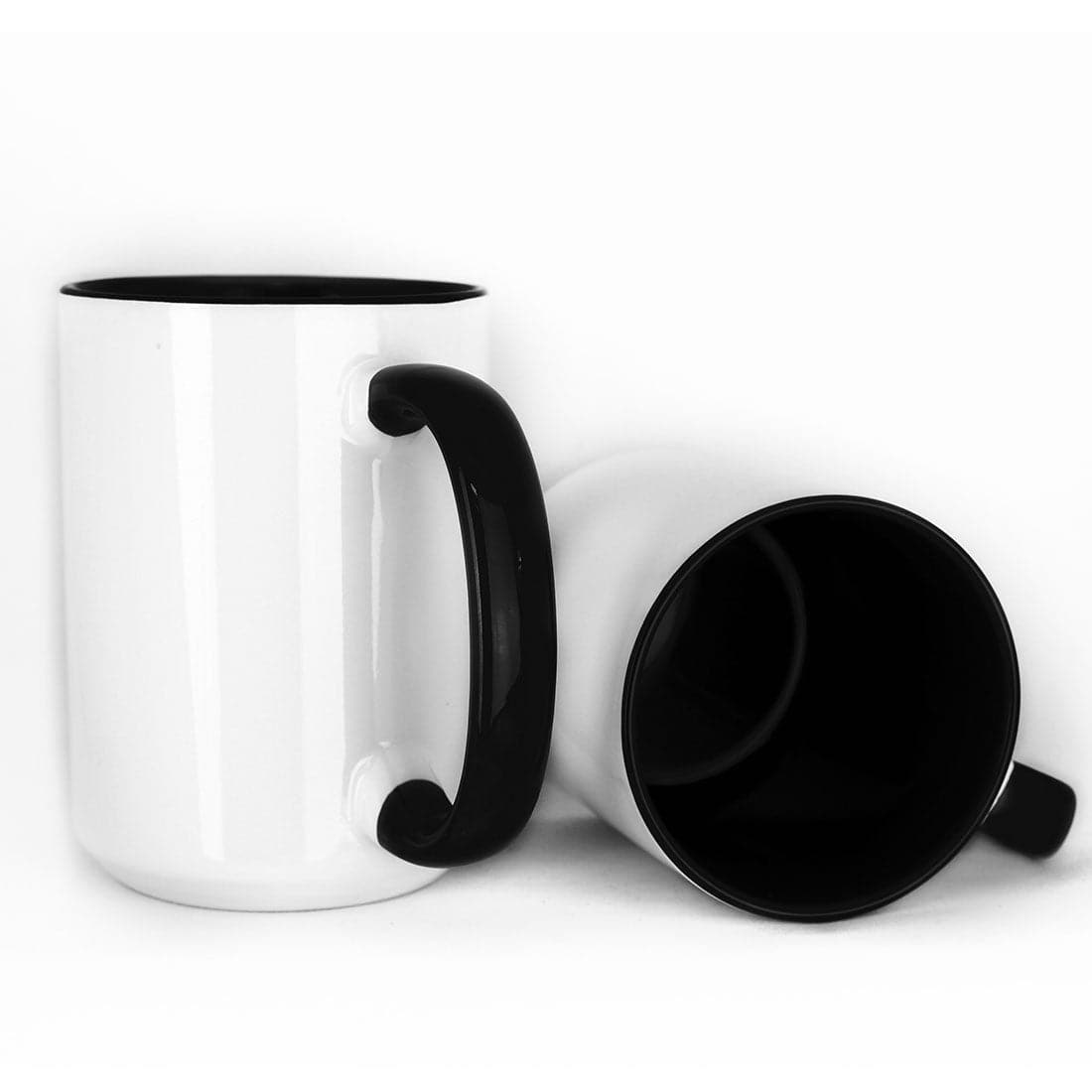
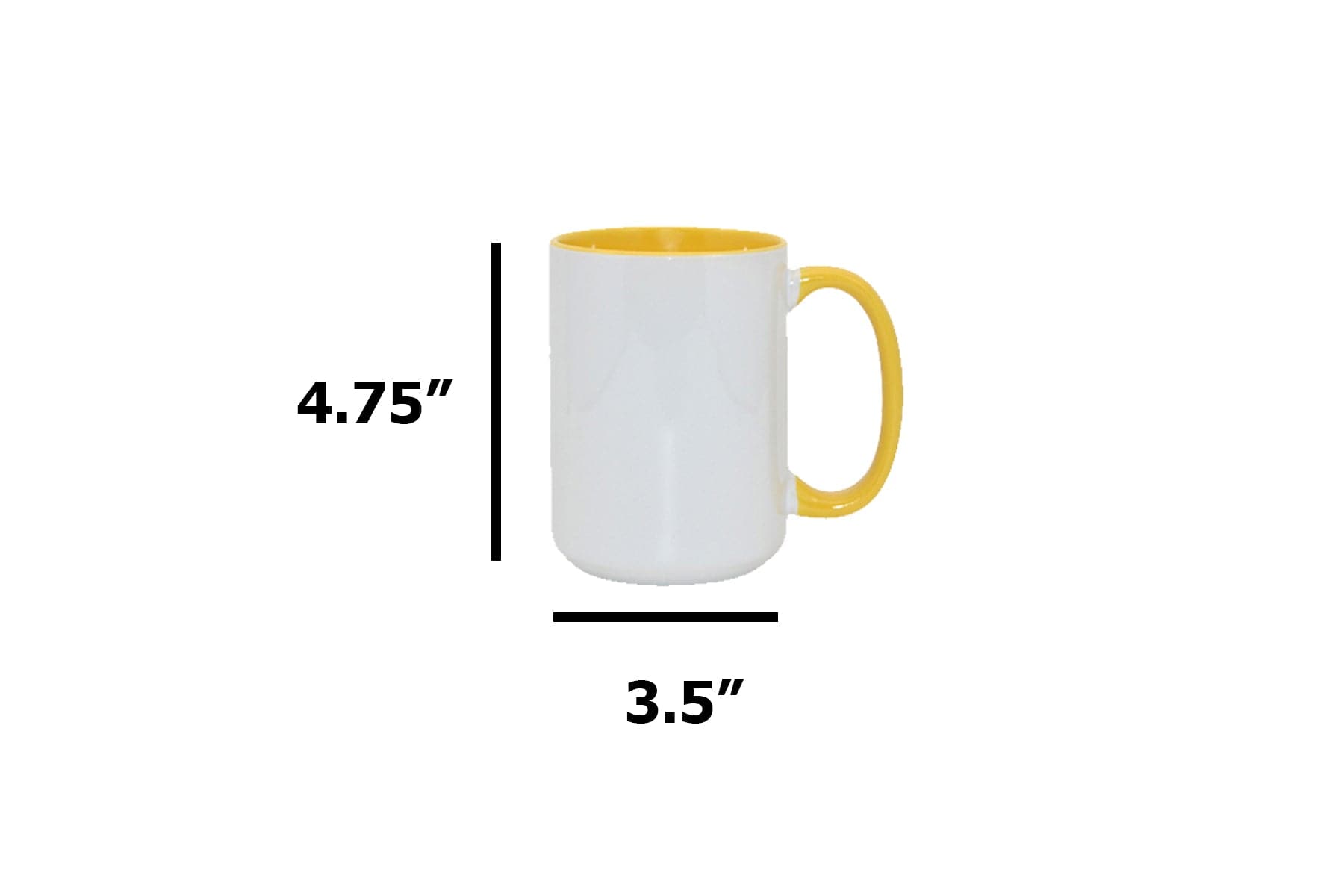
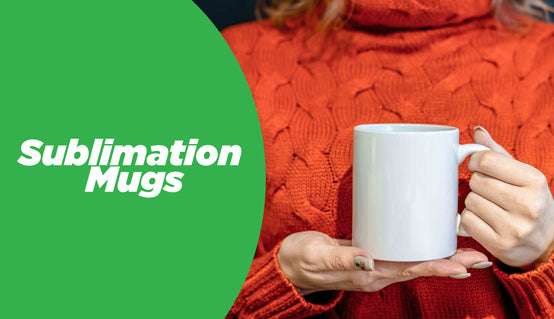
- coffee mugs
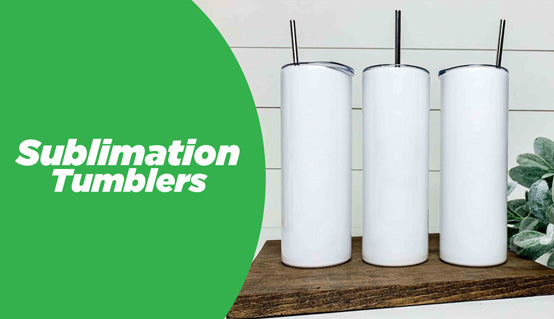
- tumblers
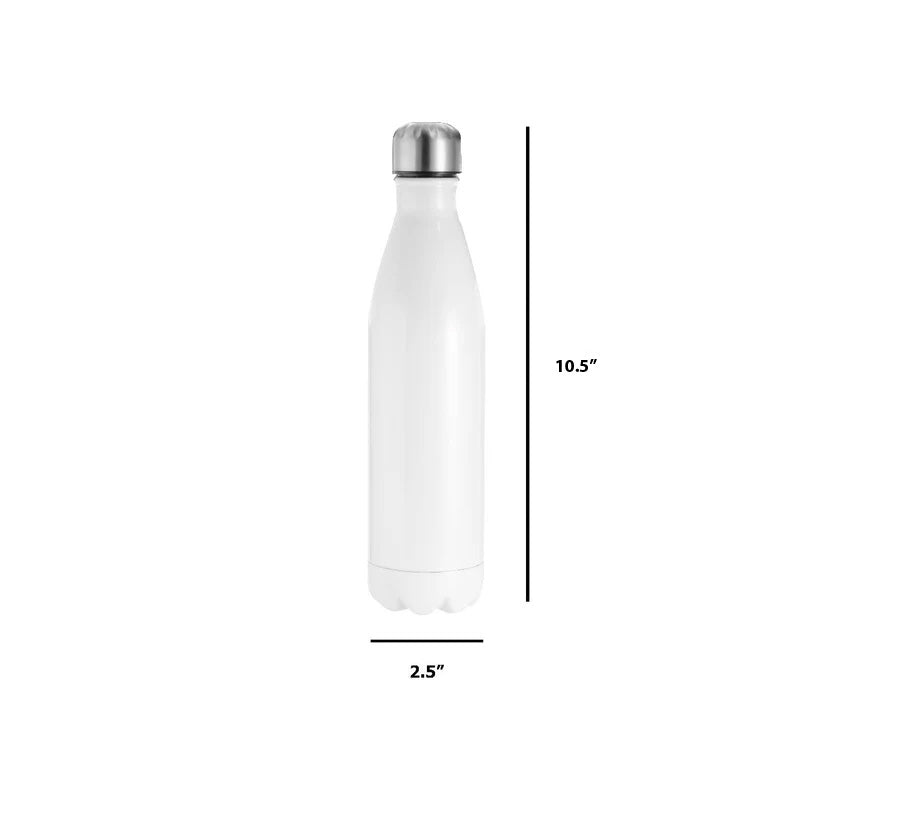
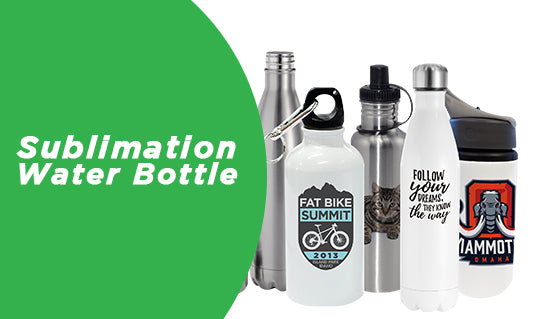
- water bottles
- travel mugs
In these cases, mug presses or tumbler presses are used to apply heat evenly around the object.
Promotional Products

Businesses often use heat presses to create custom promotional merchandise.
Examples include:
- tote bags
- caps and hats
- drawstring bags
- branded apparel
These products are commonly used for marketing campaigns, corporate gifts, and event merchandise.
Personalized Gifts
Heat presses are also widely used for creating personalized items such as:
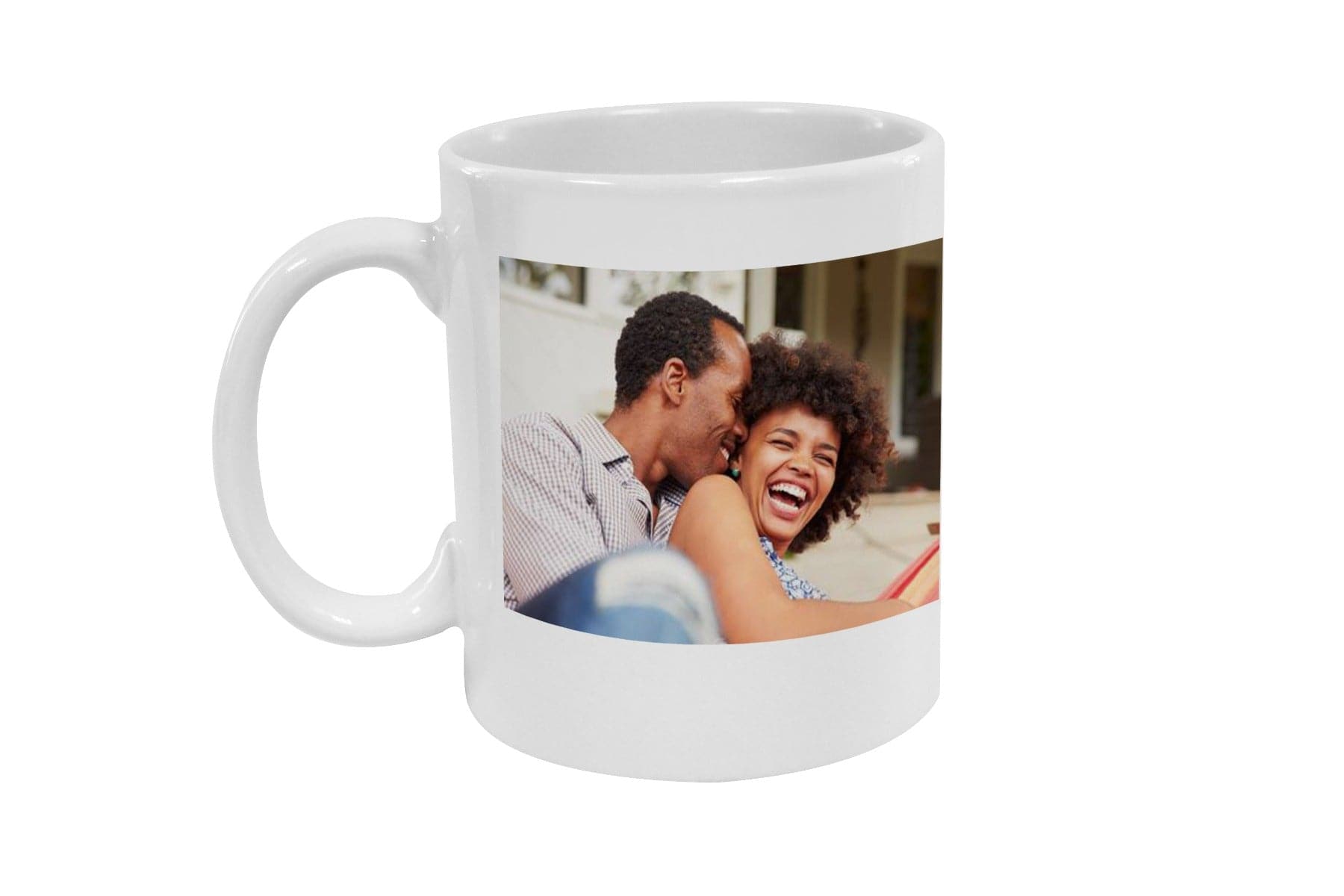
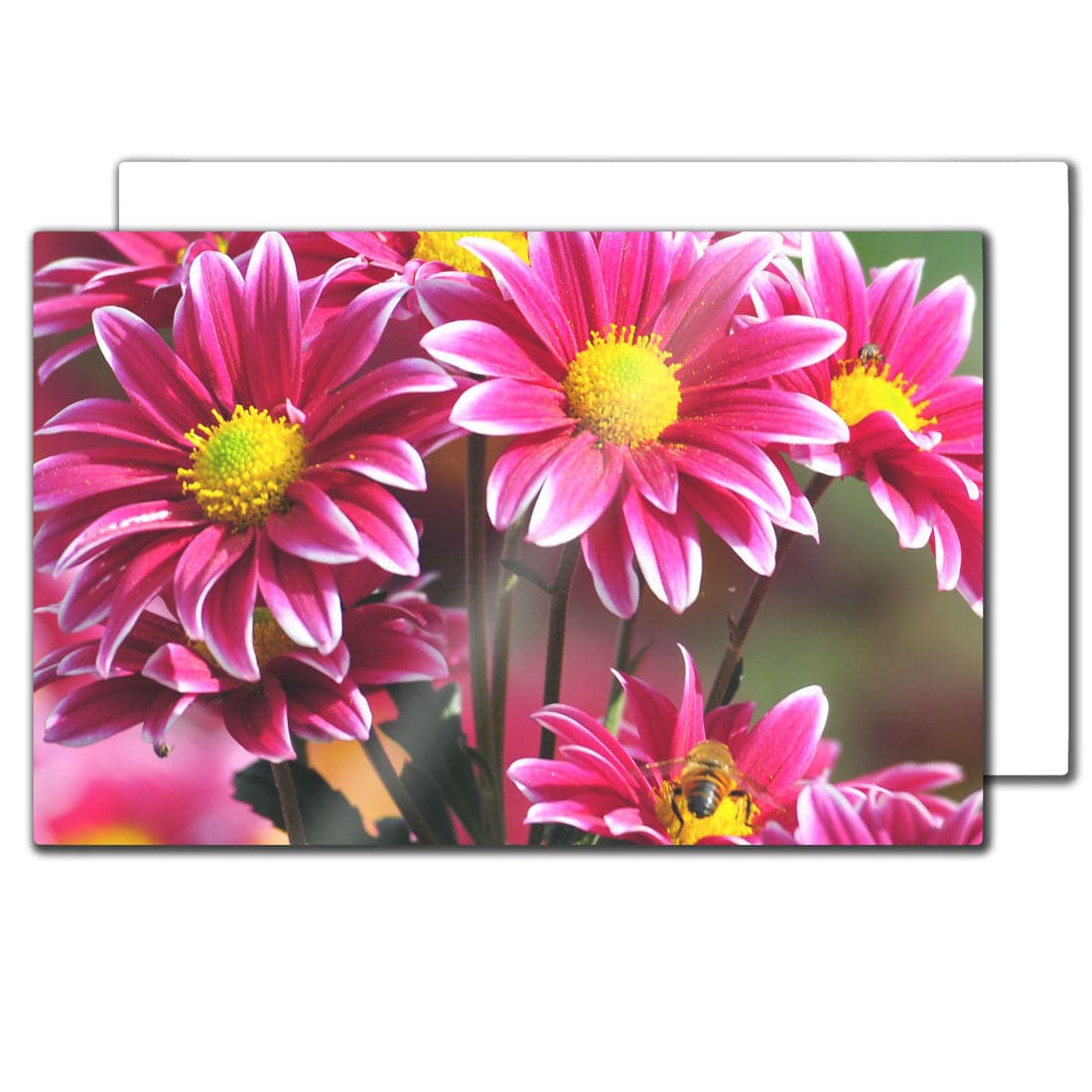
- custom photo mugs
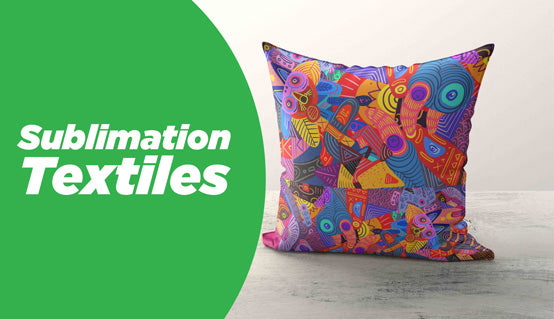
- printed pillows
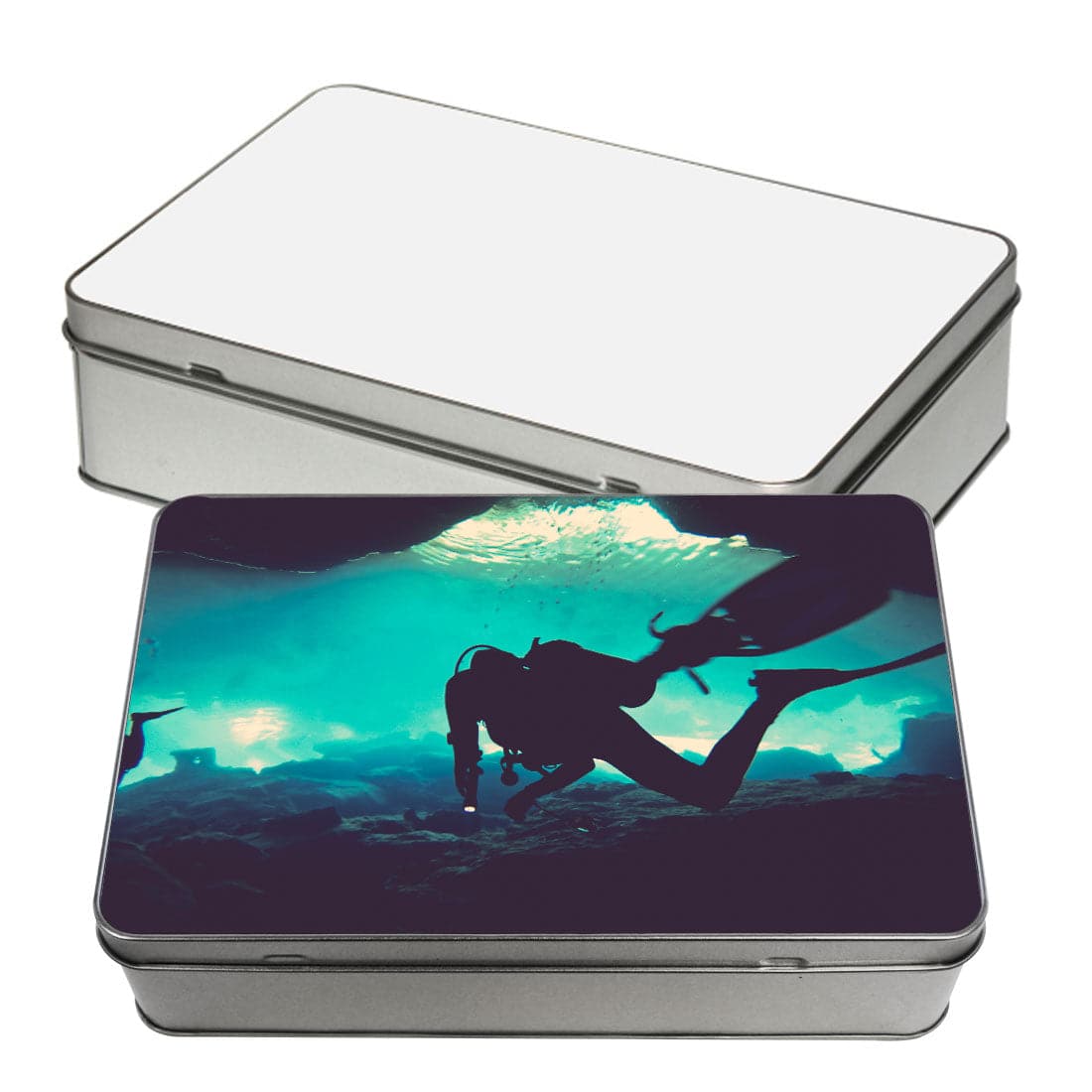
- puzzles
- mouse pads
Because these products can be produced in small quantities, heat press printing is ideal for small businesses and personalized gift shops.
How Does a Heat Press Machine Work?

Although heat presses may appear complicated, the printing process itself follows a clear sequence of steps.
Most heat transfer projects follow the same basic workflow.
1. Create the Design
The process begins by creating a design using graphic design software.
Common tools include:
- Adobe Illustrator
- CorelDRAW
- Canva
- Cricut Design Space
Once the artwork is ready, it must be prepared for the specific transfer method being used.
2. Prepare the Transfer Material
The next step is preparing the transfer material that will carry the design.
Depending on the printing method, this may involve different processes.
Heat Transfer Vinyl (HTV)
The design is cut from vinyl using a vinyl cutter. The excess material is then removed in a step known as weeding.
Transfer Paper
The design is printed directly onto special transfer paper using either an inkjet or laser printer.
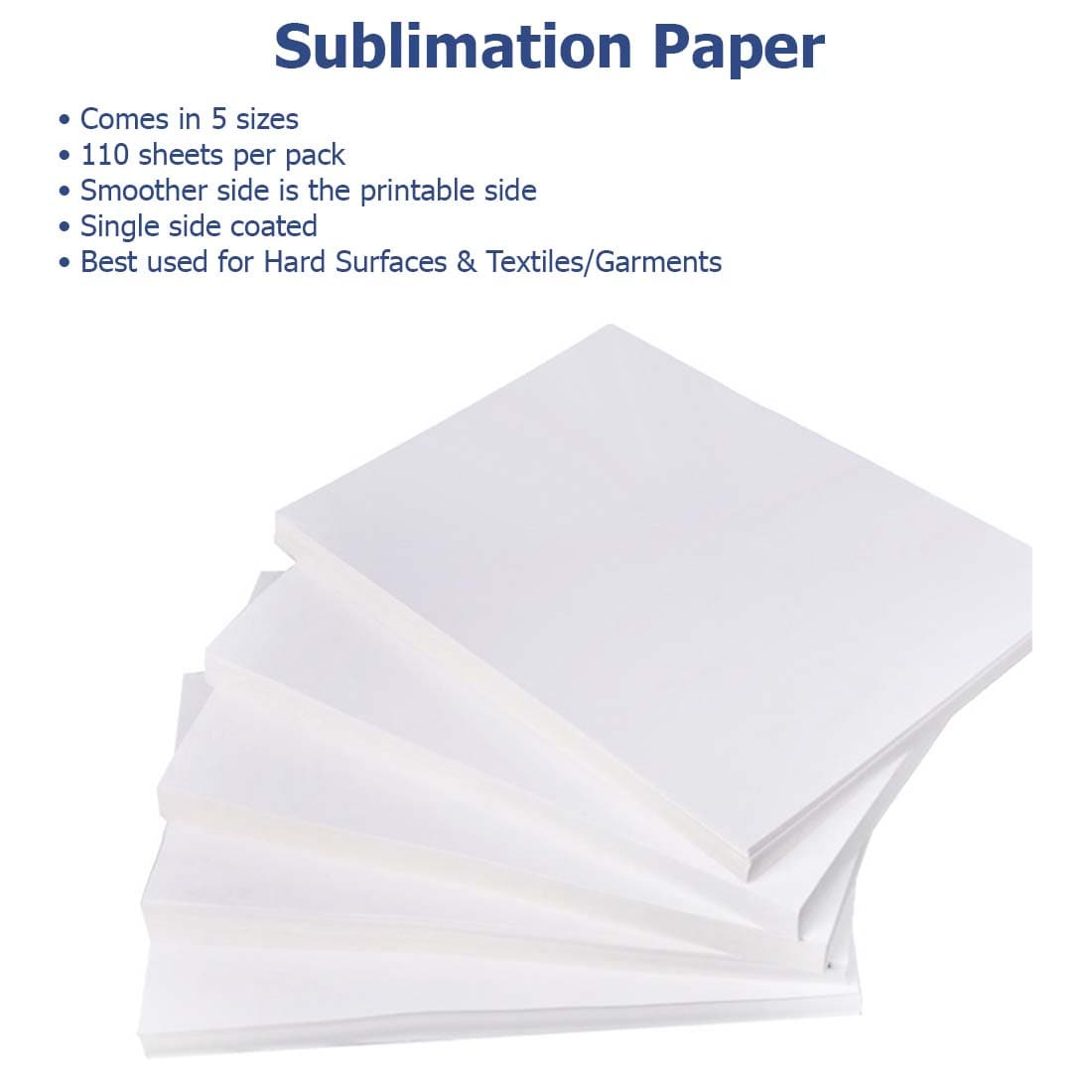
Sublimation Printing
The design is printed using sublimation ink onto sublimation transfer paper.
DTF Transfers
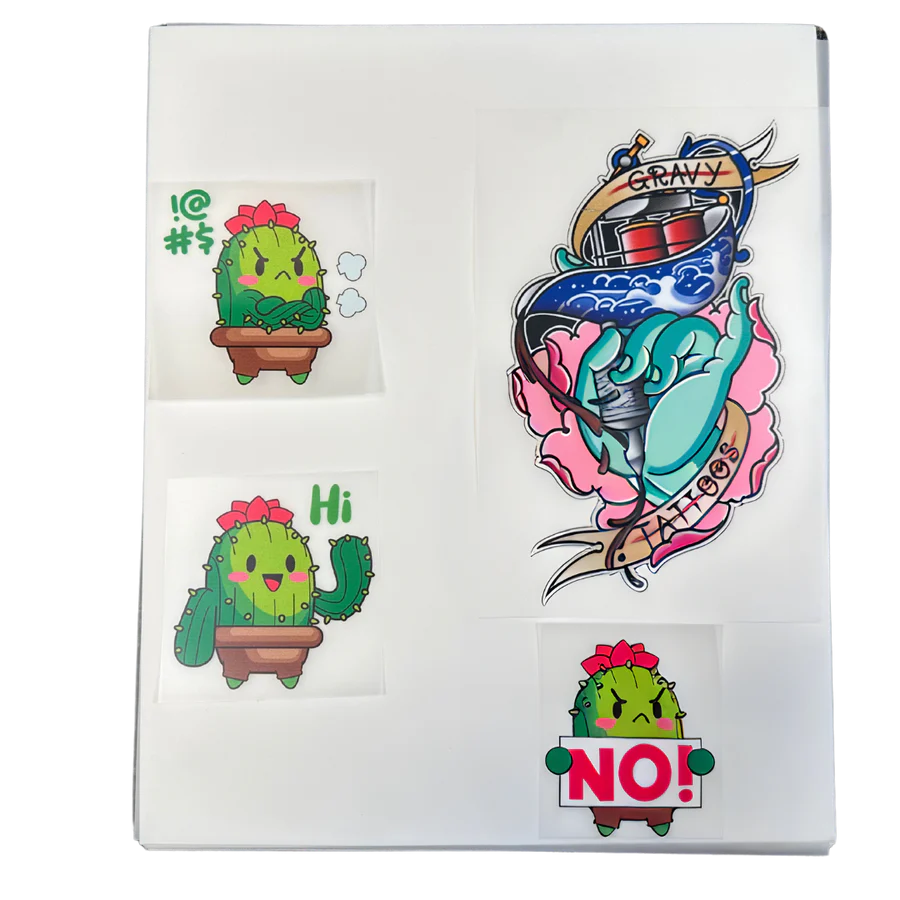
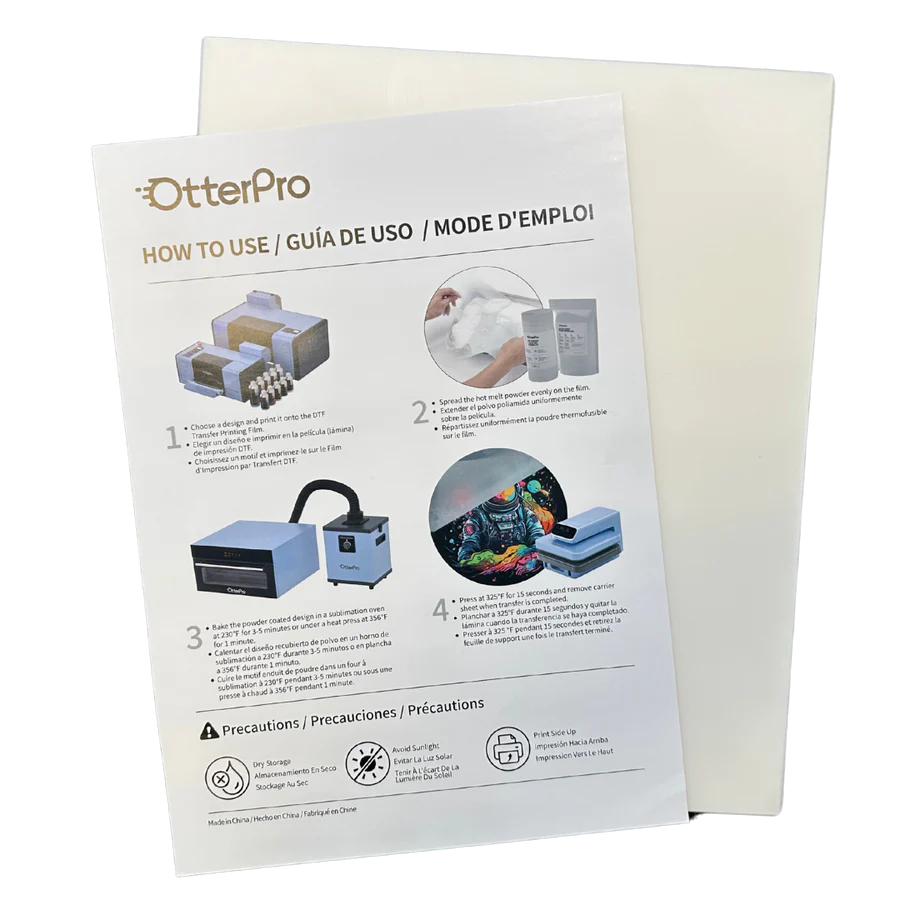
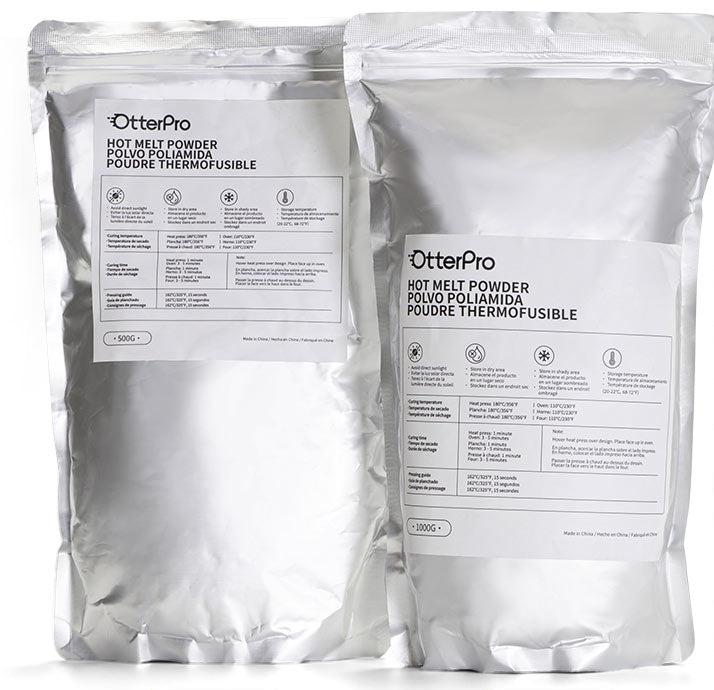
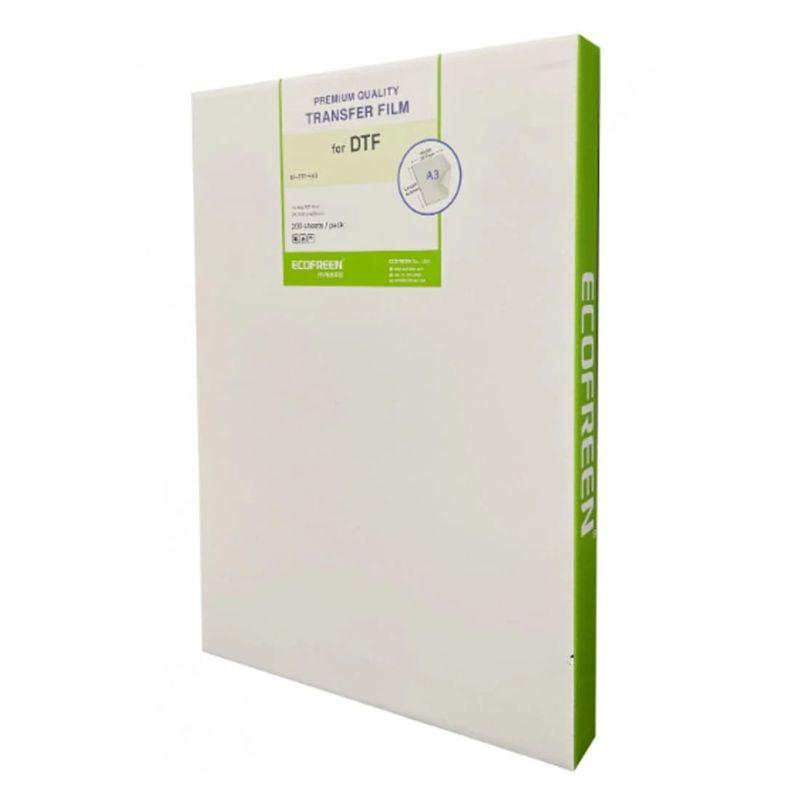
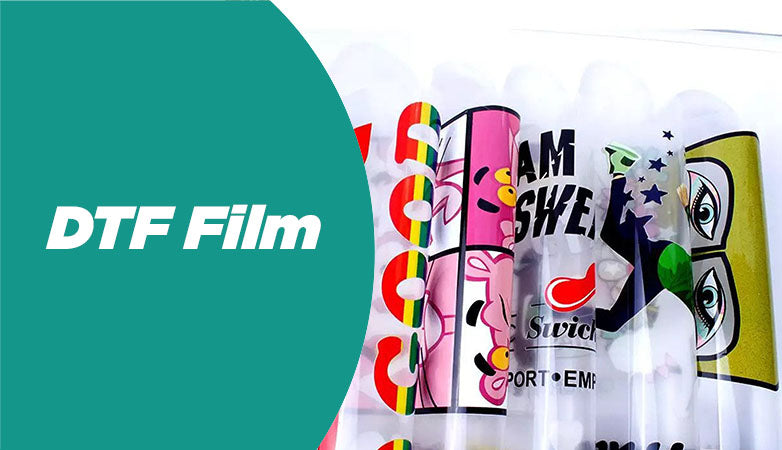
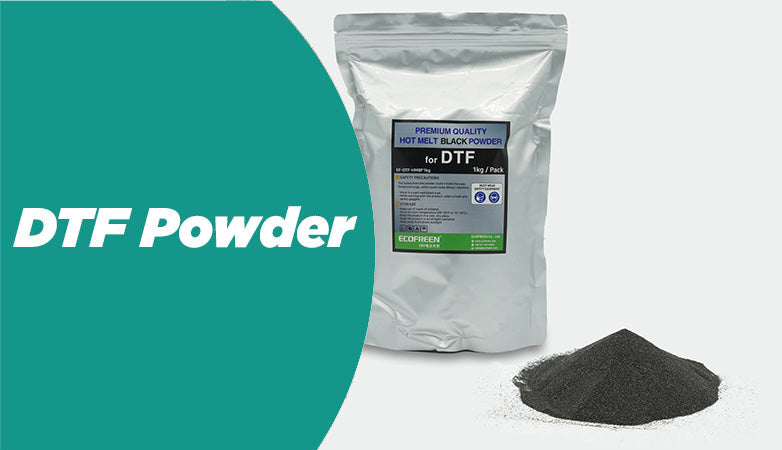
Direct-to-Film transfers are printed onto a film and coated with adhesive powder before being pressed.
Each method produces a transfer that will later be applied using the heat press.
3. Configure the Heat Press
Before pressing, the machine must be set to the correct parameters.
Three key variables must be adjusted:
- Temperature
- Pressure
- Pressing time
Each transfer material requires different settings.
For example:
| Transfer Method | Temperature | Time |
|---|---|---|
| HTV | 300–320°F | 10–15 seconds |
| Sublimation | 380–400°F | 40–60 seconds |
| DTF | 300–320°F | 10–15 seconds |
Using the correct settings ensures that the design bonds properly to the material.
4. Position the Product
The item being decorated is placed on the lower platen of the heat press.
Common products include:
- T-shirts
- tote bags
- hoodies
- hats
- mouse pads
The transfer material is then carefully aligned on the product.
Proper positioning is important to ensure the design appears centered and professional.
5. Apply Heat and Pressure
Once the transfer is positioned, the press is closed.
The machine applies heat and pressure simultaneously for a preset amount of time.
During this stage, the heat activates the adhesive or ink in the transfer material. The pressure ensures that the design bonds evenly to the product surface.
6. Cooling and Peeling
After the pressing cycle is complete, the machine opens and the product is removed.
Depending on the transfer material, the backing layer may be removed either:
- immediately while hot
- after the product cools slightly
Once the backing is peeled away, the result is a clean, durable design permanently bonded to the product.
Types of Heat Press Machines

Heat press machines come in many different formats because not every product is pressed the same way.
Some machines are designed for flat items like T-shirts and tote bags. Others are built for curved products like mugs, tumblers, caps, or bottles. There are also presses made for higher production volumes, interchangeable attachments, and specialty applications.
Understanding the main types of heat presses helps you choose the right machine for the products you want to make and the workload you expect to handle.
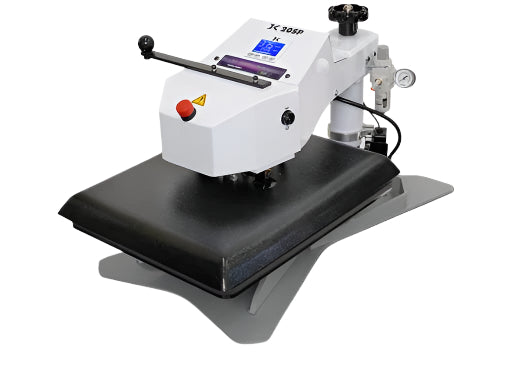
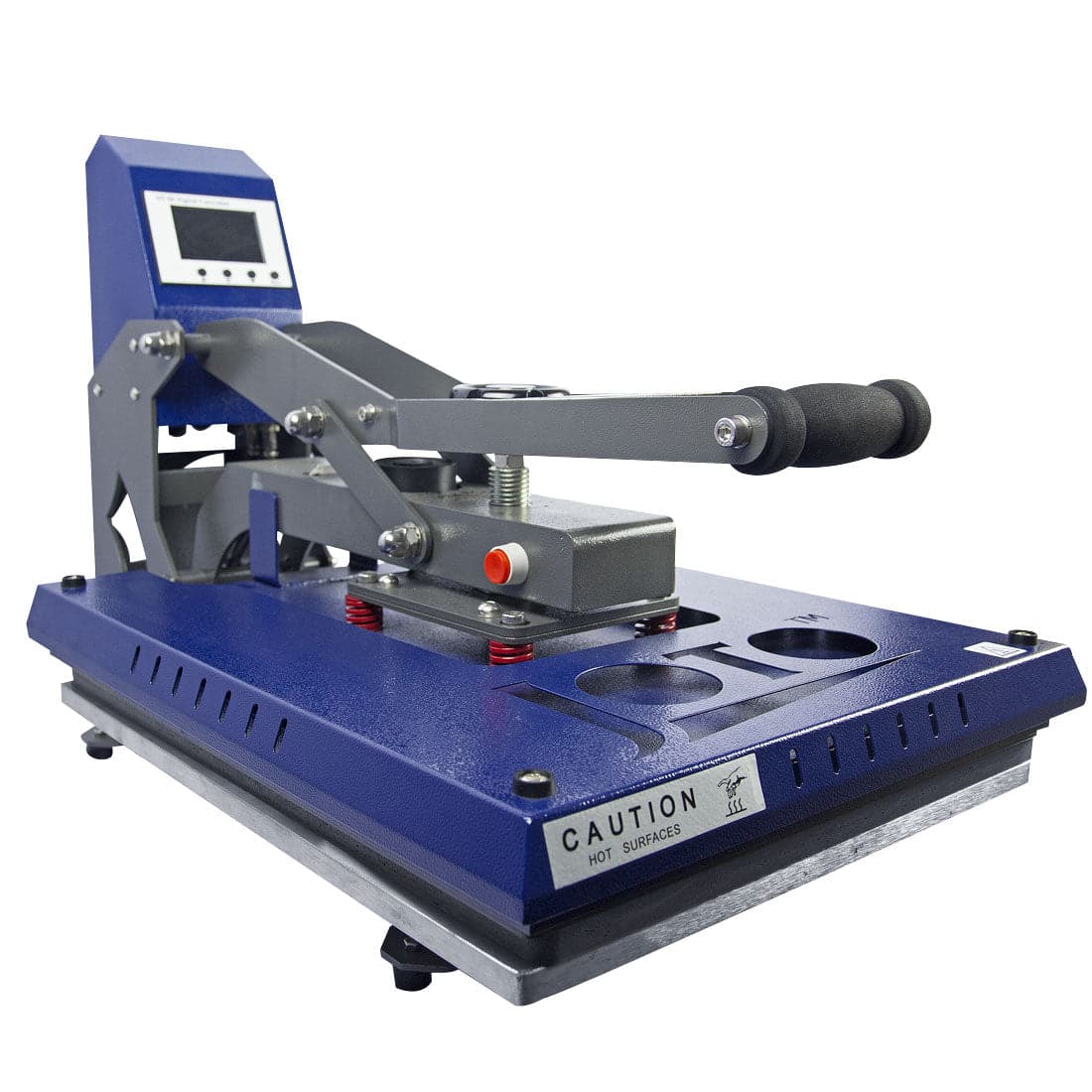
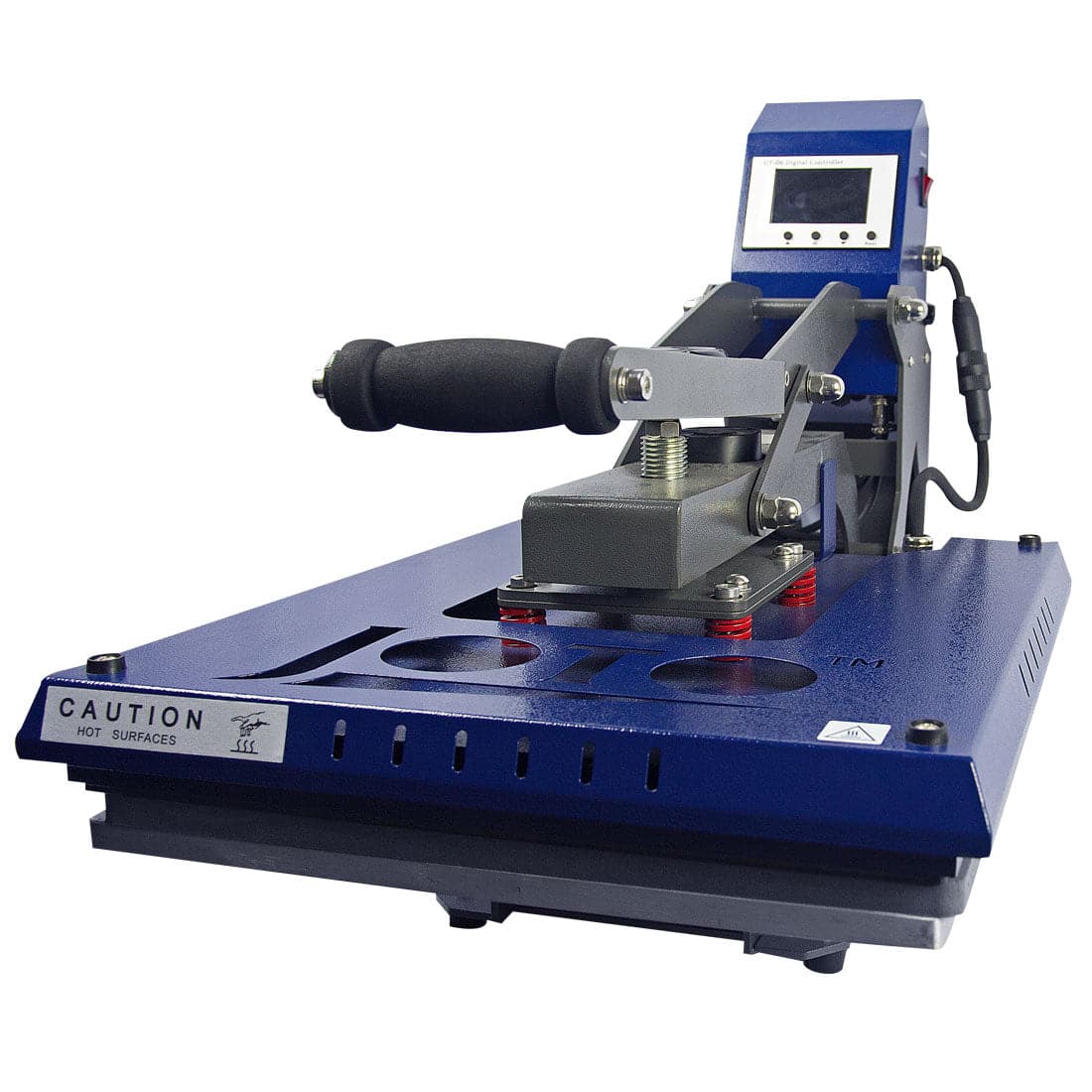
1. Flat Heat Press Machines
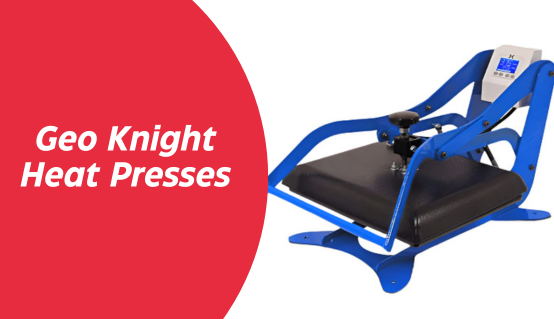
Flat heat presses are the most common type of press in the custom printing industry.
They are primarily used for flat materials such as:
- T-shirts
- hoodies
- sweatshirts
- tote bags
- mouse pads
- fabric panels
These machines usually come in formats such as:
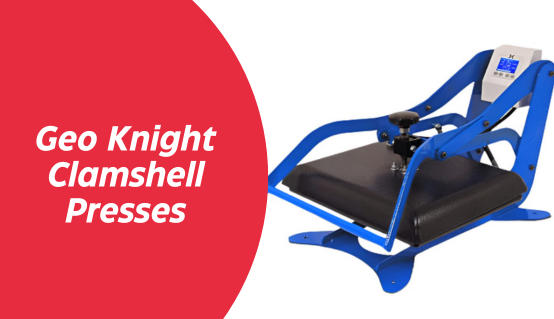
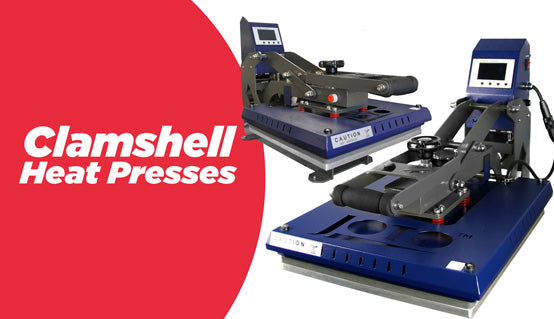
- clamshell heat presses
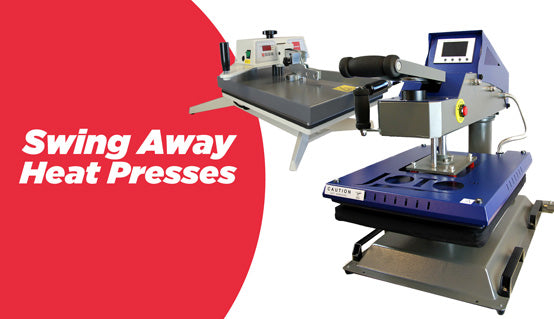
- swing-away heat presses
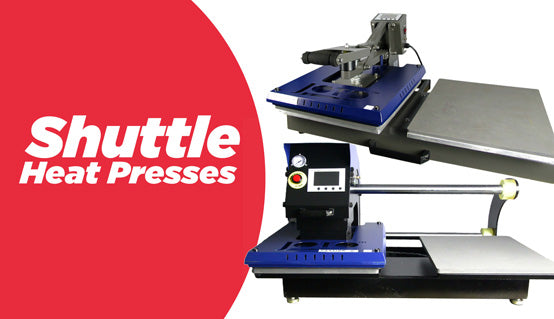
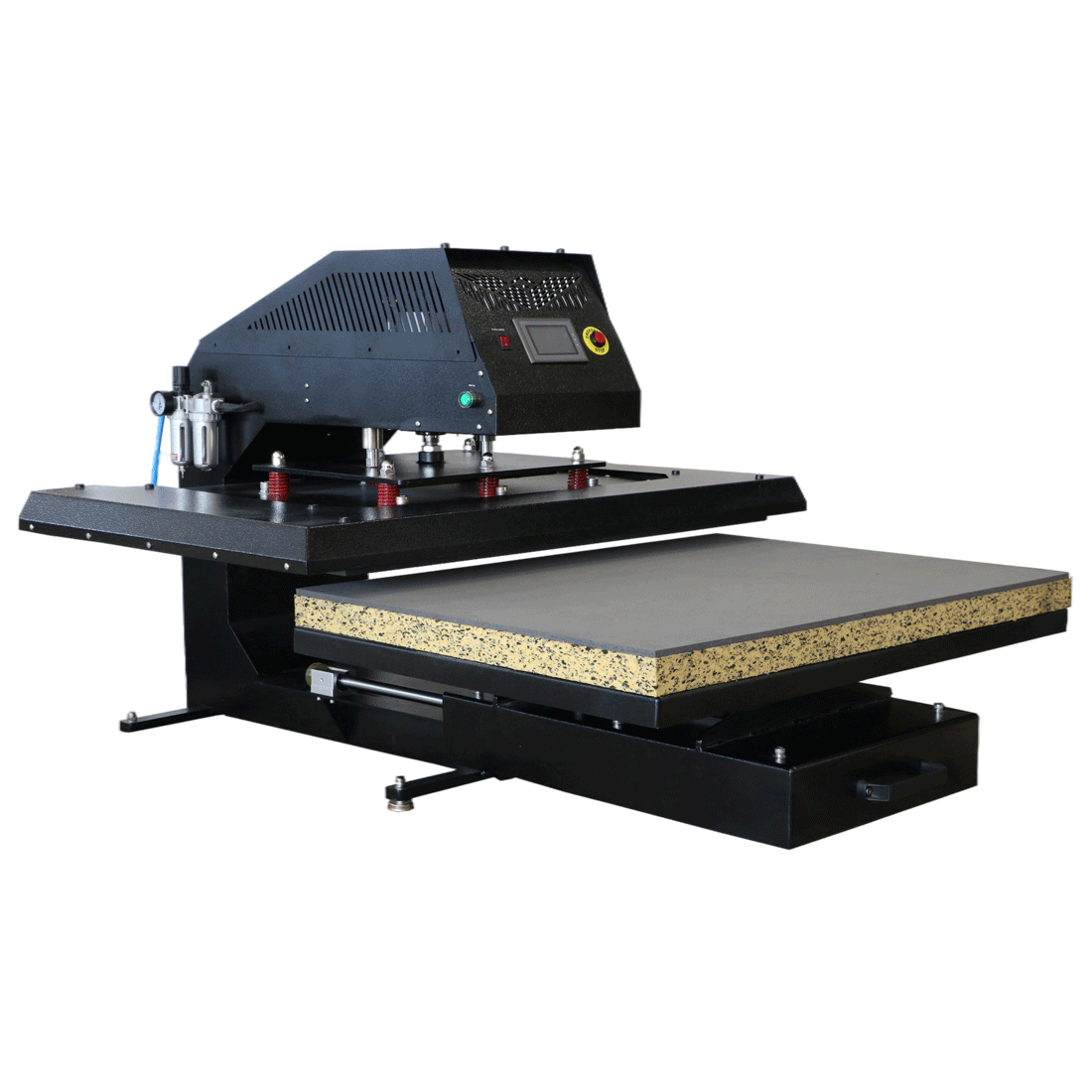
- drawer-style heat presses
For many businesses, a flat press is the starting point because it covers the most common apparel and textile applications.
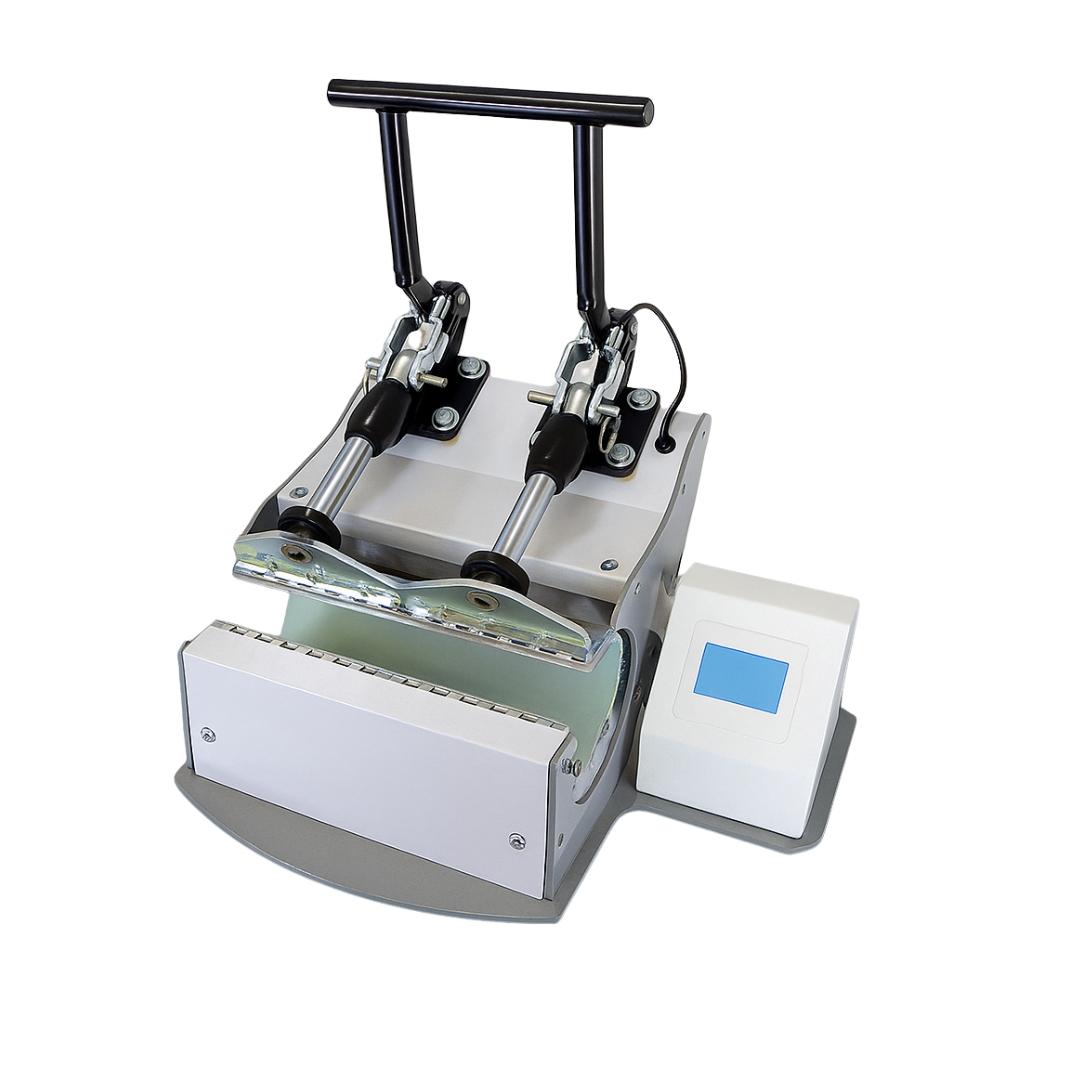
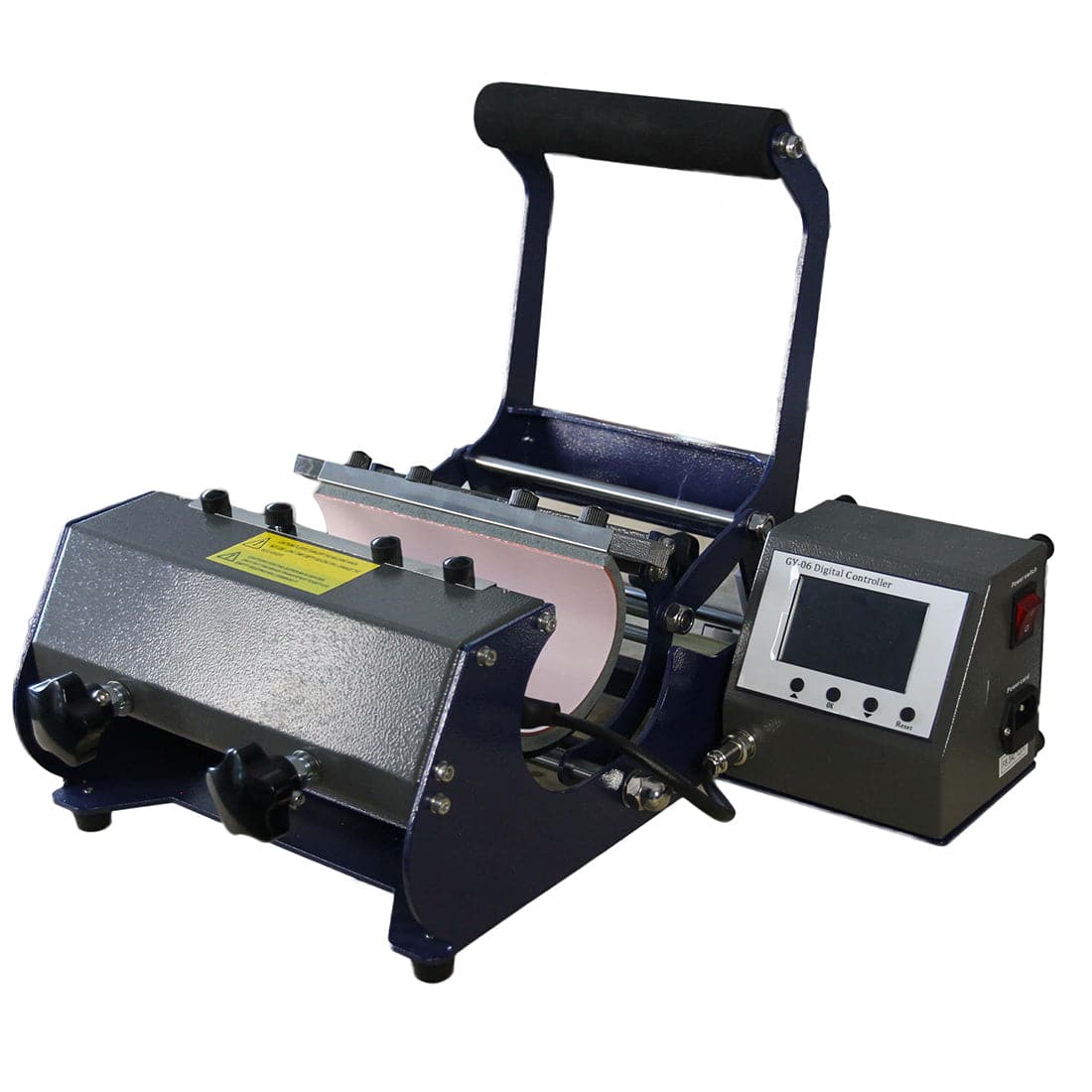
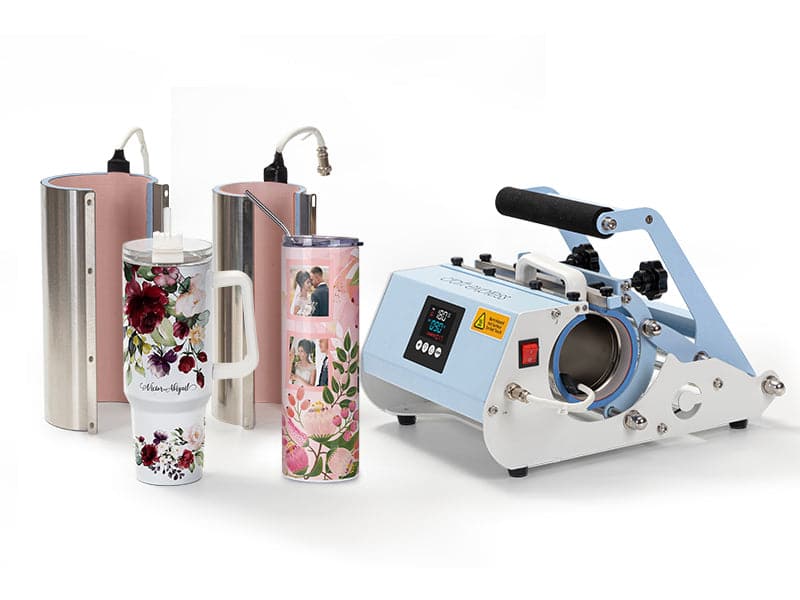
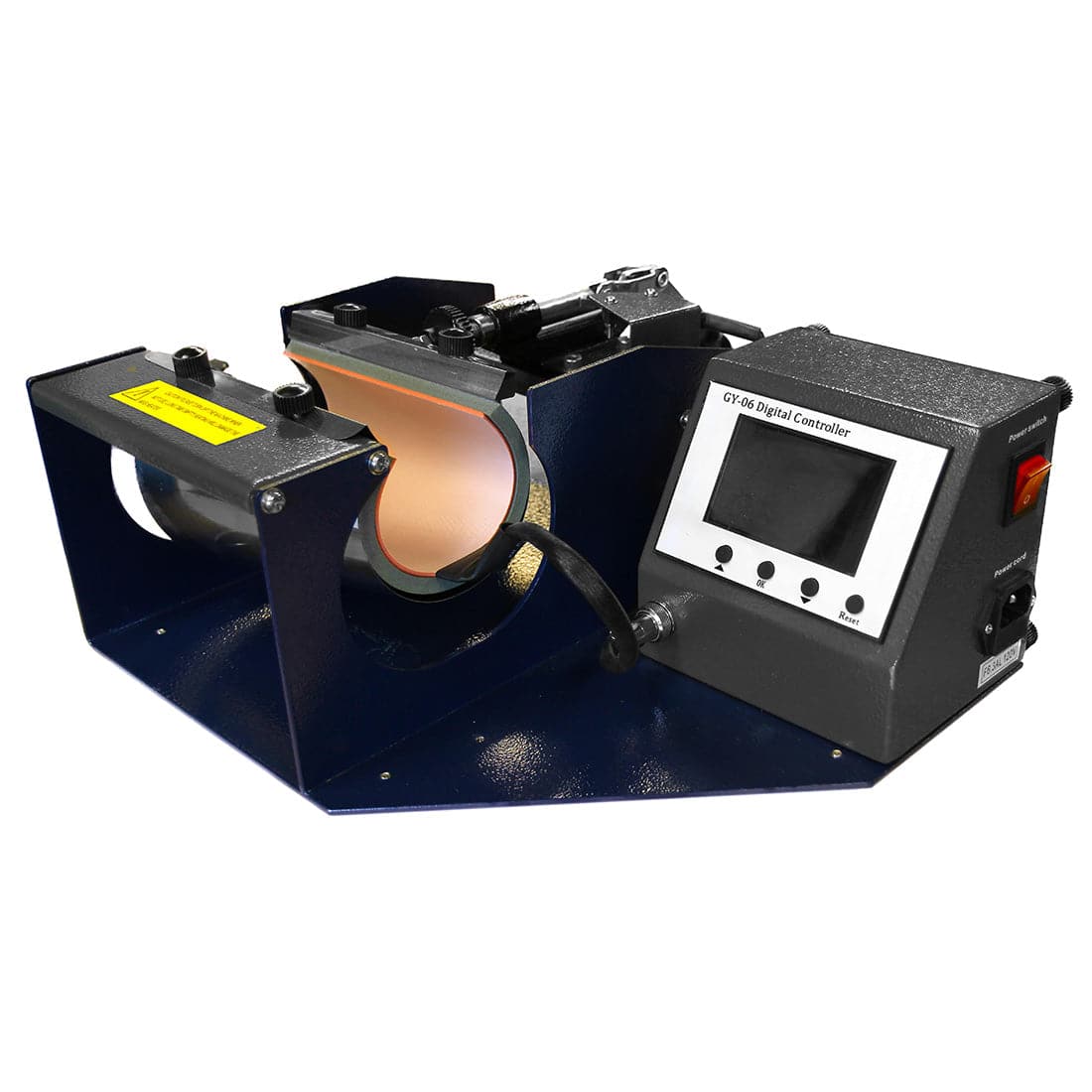
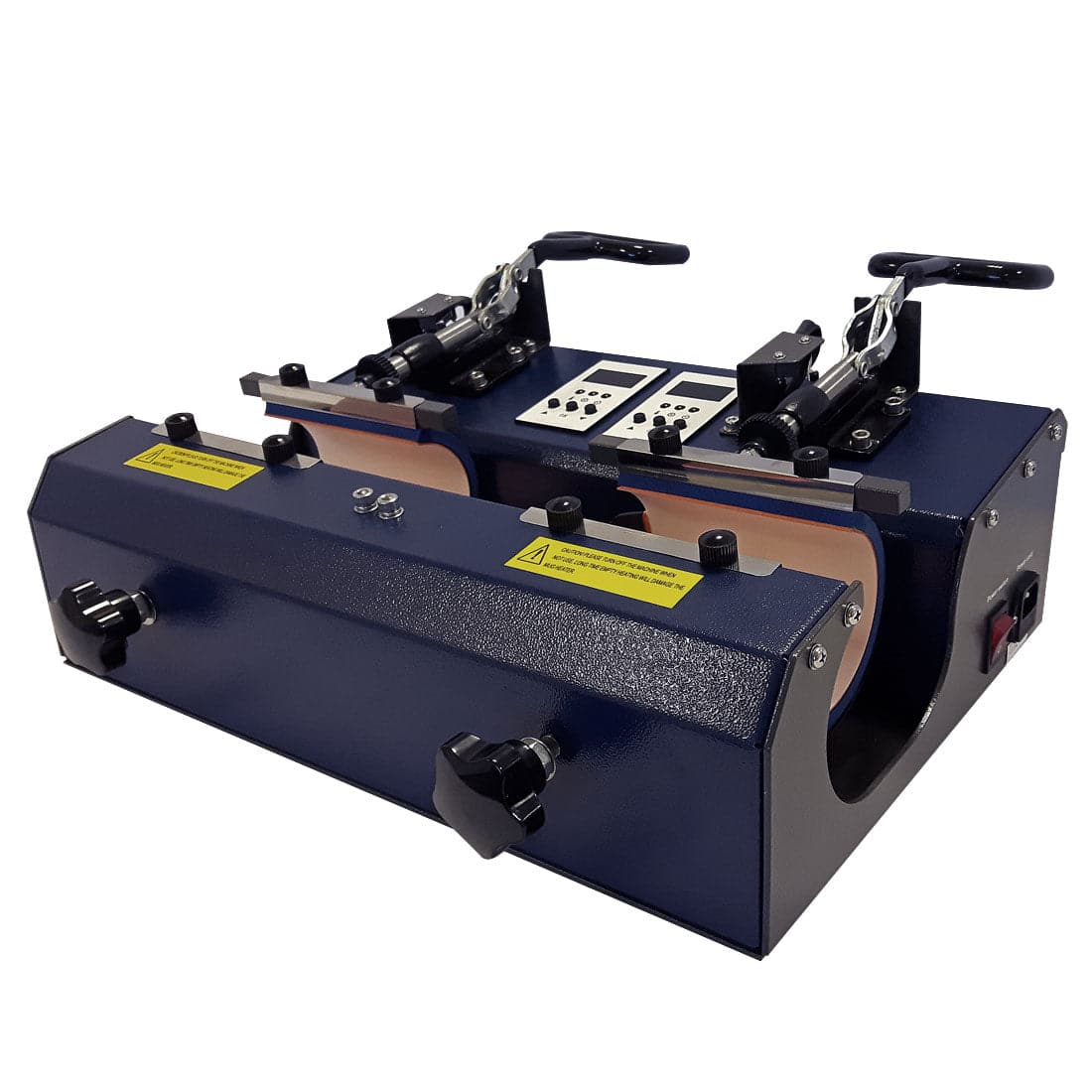
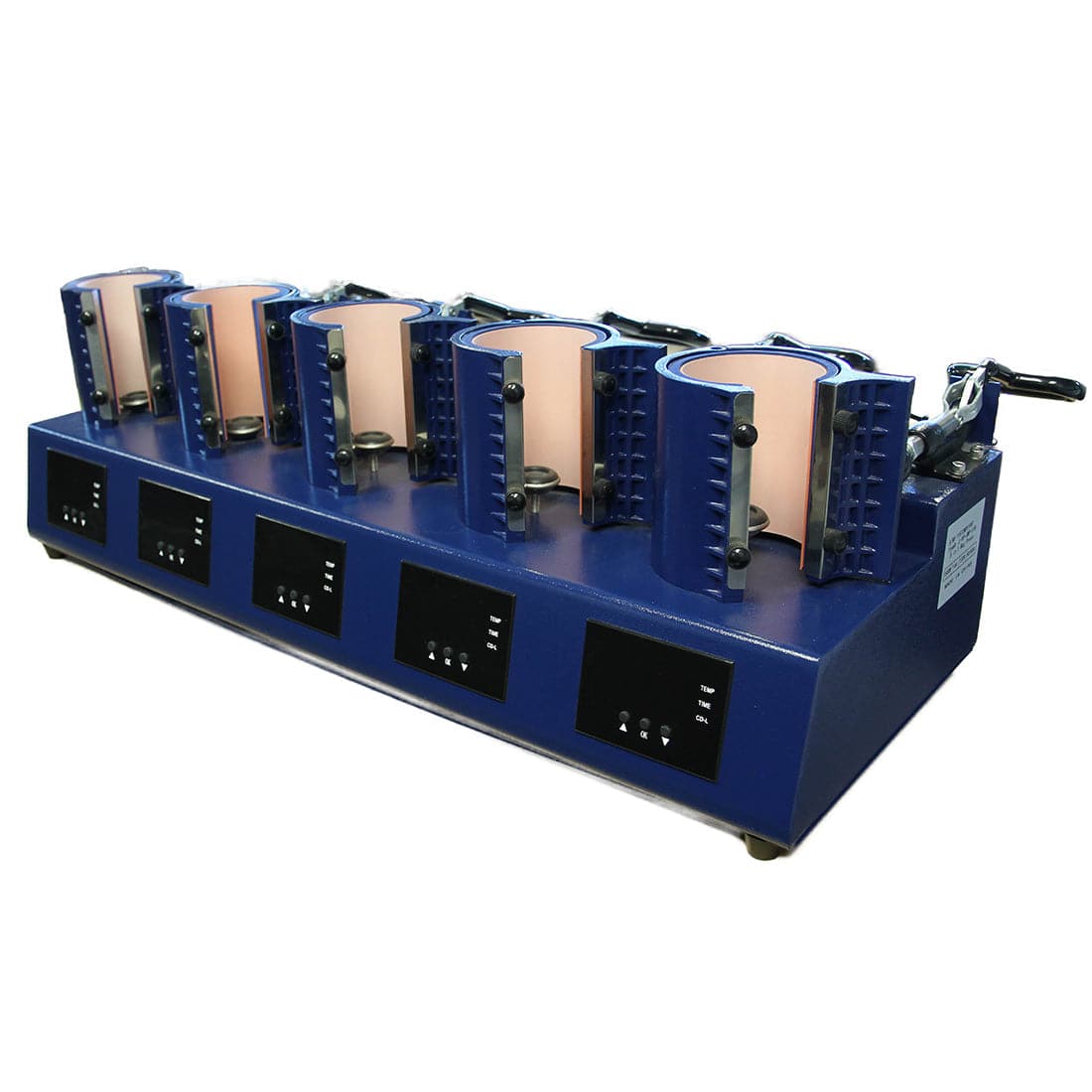
2. Mug and Drinkware Presses
Mug presses are designed for cylindrical or curved items that cannot be decorated properly on a standard flat platen.
These presses are commonly used for:
- coffee mugs
- tumblers
- water bottles
- travel mugs
Because drinkware comes in different diameters and heights, some presses are built for specific sizes, while others allow interchangeable heating elements to support multiple drinkware formats.
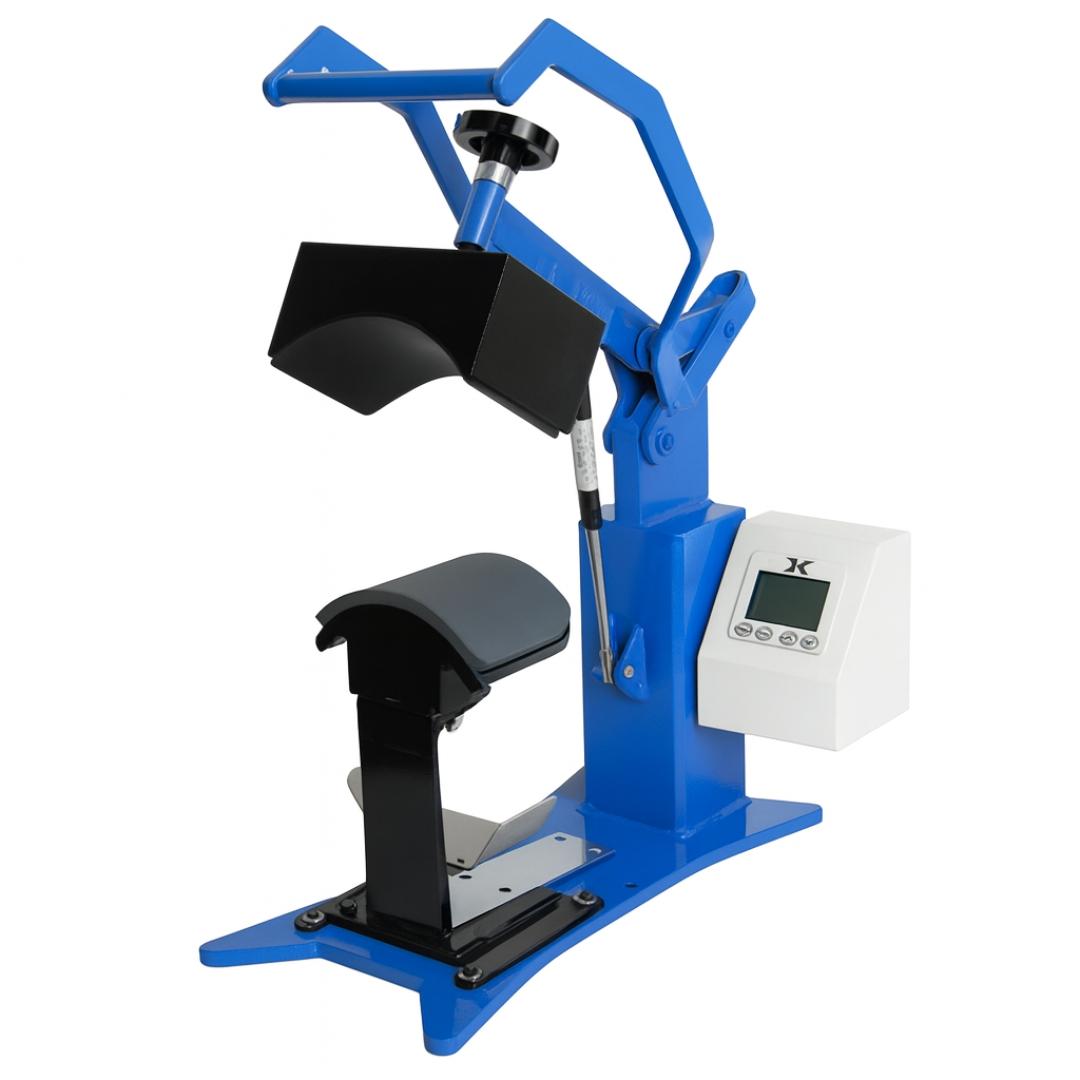
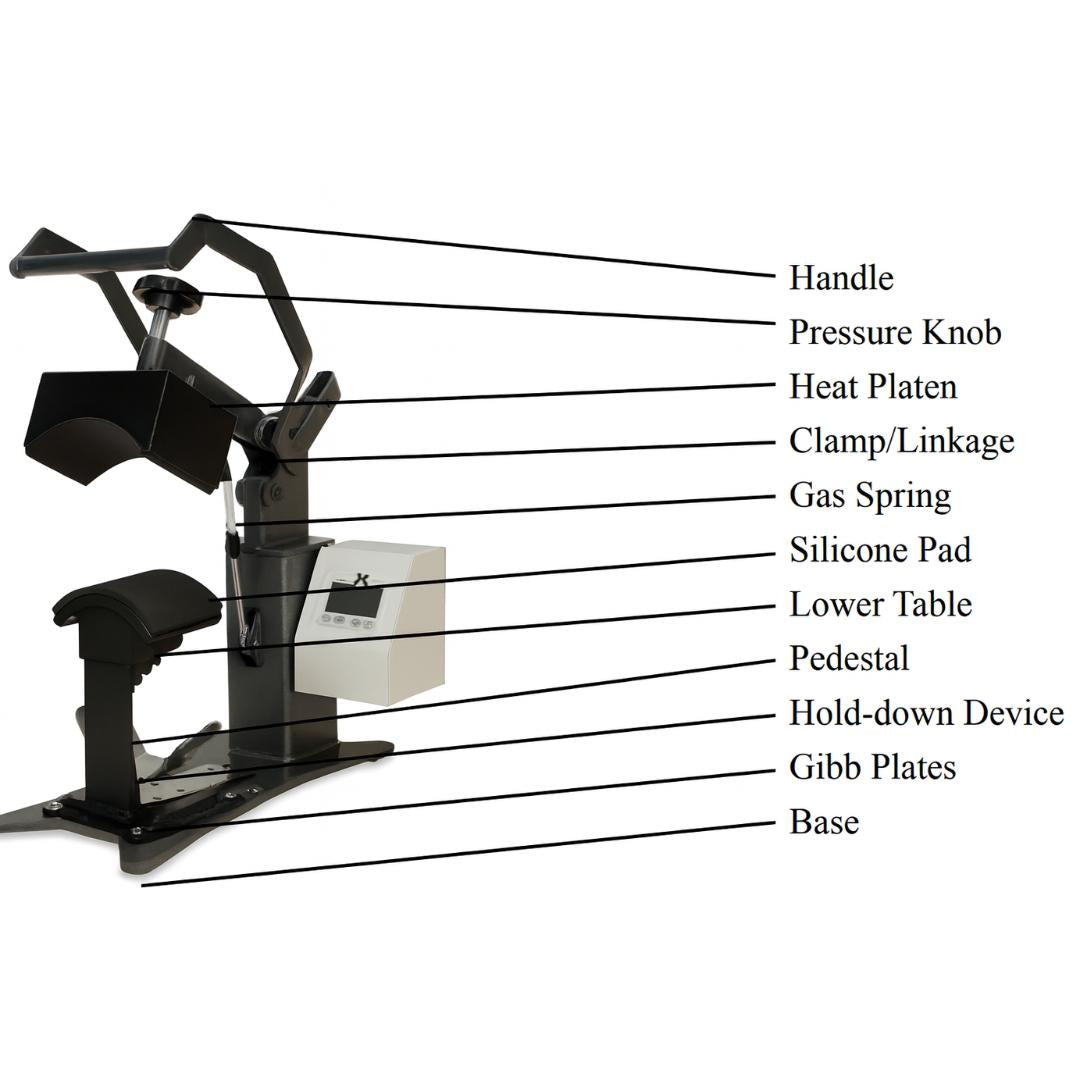
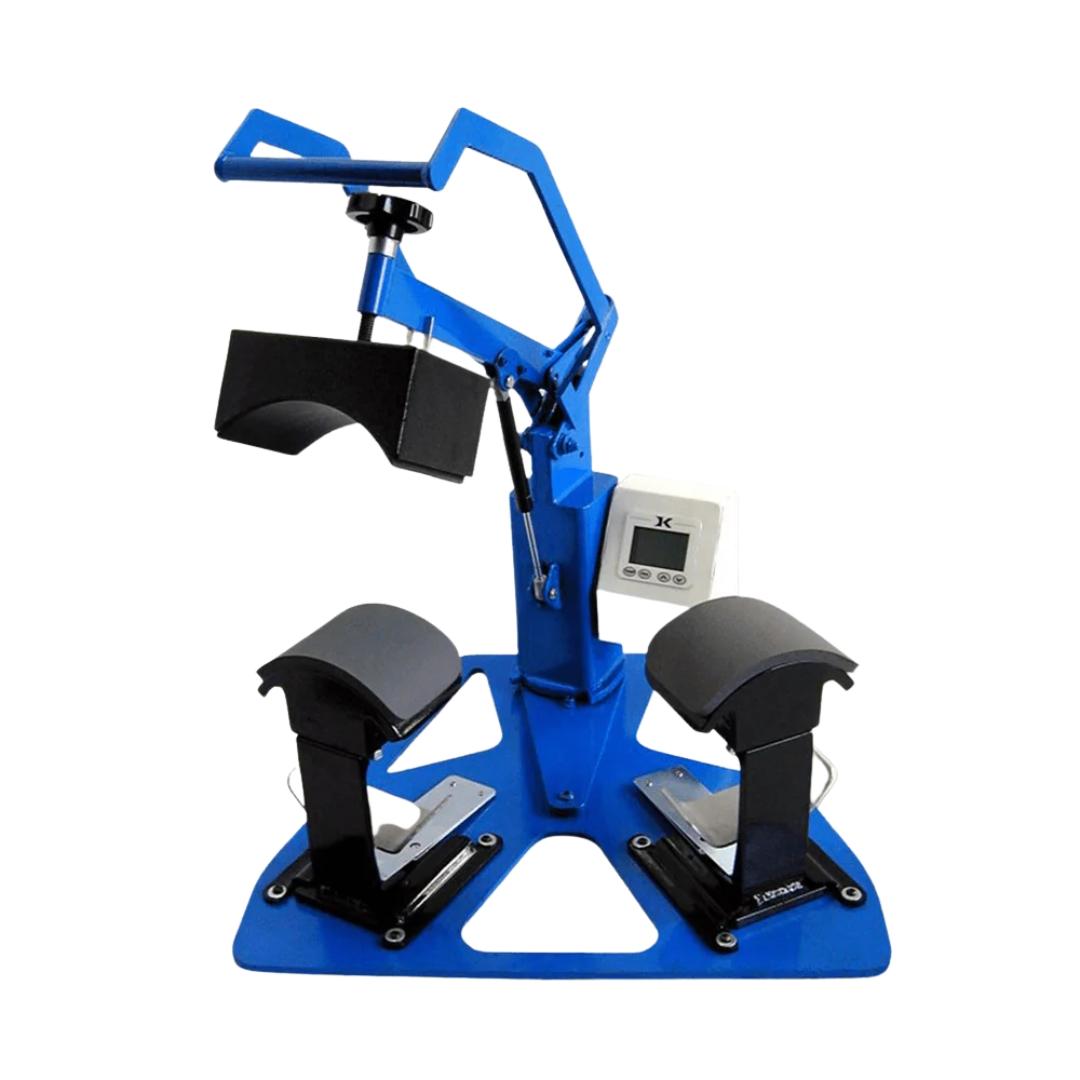
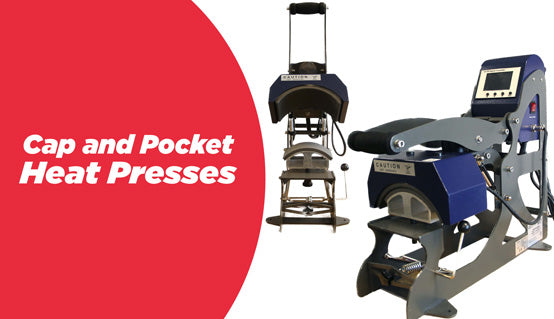
3. Cap and Hat Presses
Cap presses are made specifically for curved surfaces like caps and hats.
They include shaped platens that make it easier to apply transfers smoothly across the front of the cap without wrinkles or uneven pressure.
These are commonly used for:
- baseball caps
- truckers hats
- promotional hats
- uniform caps
4. Specialty Heat Presses
Some heat presses are designed for very specific applications or unusual product shapes.
Examples include presses for:
- plates
- shoes
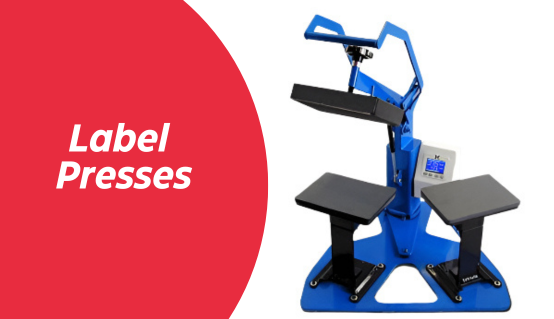
- labels and patches
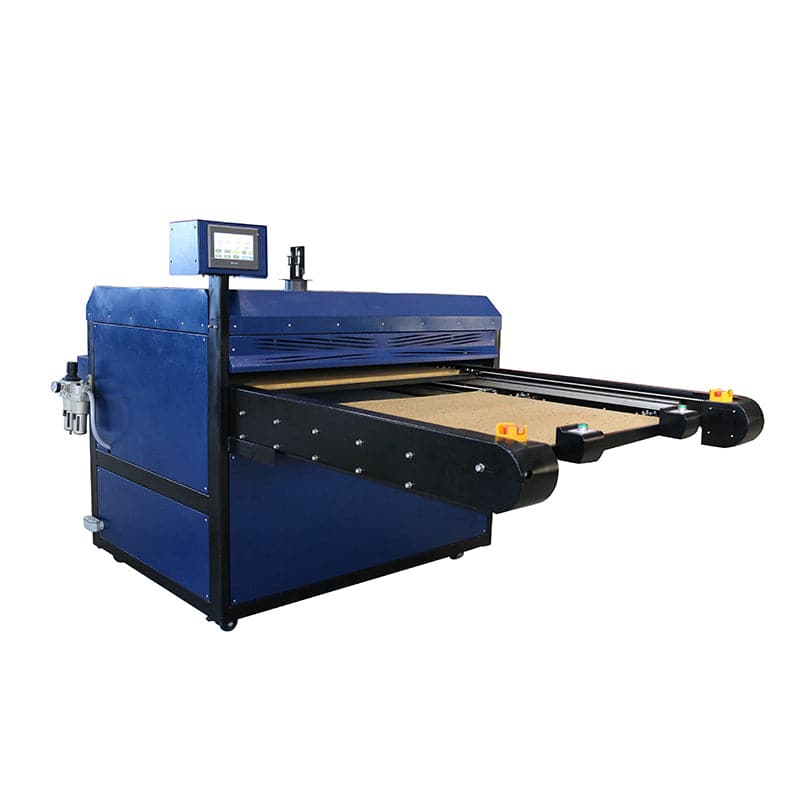
- large format textiles
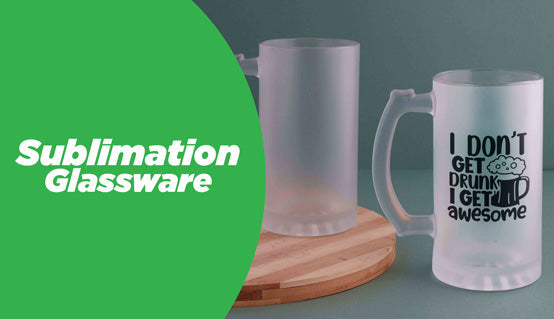
- specialty hard-surface blanks
These are often used in more specialized production environments where standard flat or mug presses are not enough.
5. Multi-Function Heat Presses
Some machines are sold as multi-function systems with interchangeable attachments.
These allow users to switch between different applications such as:
- flat pressing
- mug pressing
- cap pressing
- plate pressing
These can be useful for beginners or small businesses that want flexibility, although dedicated machines often deliver better consistency for long-term production work.
Basic vs Professional Heat Press Machines
Not all heat presses perform the same way.
Some are designed for occasional projects, light production, or hobby use. Others are engineered for daily commercial use, stable temperature performance, repeatability, and higher production volumes.
This difference matters a lot because a heat press is not just about getting hot. It is about delivering consistent heat, even pressure, and repeatable results.
Basic Heat Press Machines
Basic or entry-level heat presses are often used by:
- beginners
- hobbyists
- small home businesses
- users with lower production volume
These machines may offer:
- manual pressure adjustment
- simpler temperature controls
- lighter construction
- lower upfront cost
They can work well for occasional production, but they may also have limitations such as:
- less stable temperature
- less even pressure distribution
- reduced durability over time
- lower consistency across repeated jobs
Professional Heat Press Machines

Professional heat presses are built for businesses that need reliability and production efficiency.
These machines are often designed with features such as:
- more stable and accurate temperature control
- more even pressure across the platen
- heavier-duty frames
- better performance over high production cycles
- digital controls and safety systems
In practical terms, this means fewer ruined garments, better transfer consistency, and more confidence when producing customer orders at scale.
Professional presses are especially important when working with demanding applications such as sublimation, DTF, or higher-value products where consistency matters.
For example, professional machines like the OLLI Ultra Heat Press S1 16" × 20" are designed to deliver even heat distribution and consistent pressure across the platen. Features such as digital controls, heavy-duty construction, and stable production performance make this type of machine a stronger fit for serious printing operations.
| Entry-Level Heat Press | Professional Heat Press |
|---|---|
| Best for occasional use | Best for frequent or daily production |
| Simpler controls | More precise digital controls |
| Lighter construction | Heavy-duty construction |
| Lower consistency over long runs | Higher consistency across repeated jobs |
| Lower upfront cost | Better long-term production performance |
What Can You Make With a Heat Press?
One of the biggest reasons heat presses are so popular is their versatility.
With the right press and the right transfer method, you can produce a wide range of products for personal use, resale, custom gifts, or business branding.
Apparel and Textiles
Flat heat presses are widely used for apparel decoration.
Popular products include:
- T-shirts
- hoodies
- sweatshirts
- workwear
- team uniforms
- tote bags
This is one of the most common reasons people shop for a heat press for shirts.
Drinkware
With the right attachments or specialized presses, heat presses can also decorate drinkware products such as:
- mugs
- tumblers
- water bottles
- travel cups
These products are especially popular in gift businesses and personalized product stores.
Promotional Products
Heat presses are often used for customized promotional items, including:
- caps
- bags
- branded apparel
- event merchandise
This makes them valuable for print shops that serve corporate clients, schools, sports teams, and community organizations.
Personalized Gifts and Decor
Heat transfer printing can also be used to create products such as:
- photo gifts
- mouse pads
- pillows
- blankets
- decorative panels
- custom accessories
Because many of these products can be made in small quantities, they are ideal for online sellers, local gift shops, and businesses focused on custom orders.
How to Choose the Right Heat Press
The best heat press depends on what you want to produce, how often you plan to use it, and how much consistency your business requires.
Before choosing a machine, think about the following factors.
1. Product Type
If you mainly plan to decorate apparel, a flat press is usually the most practical choice.
If you want to create mugs, tumblers, or caps, you may need a specialized press or a machine with interchangeable attachments.
2. Production Volume
If you only plan to make occasional custom orders, a simpler press may be enough.
If you are producing orders daily or running a commercial print shop, investing in a more stable and durable machine usually makes more sense.
3. Heat and Pressure Consistency
Consistent heat and pressure are essential for professional-looking results.
This becomes even more important when working with sublimation, DTF, or larger print areas.
4. Machine Size
Platen size matters because it affects the types of products you can decorate efficiently.
For example, a 16" × 20" platen is often a strong choice for apparel because it gives enough room for most common shirt designs.
5. Long-Term Use
It is important to think beyond the first few projects.
A lower-cost machine may work at the beginning, but a stronger machine may save time, reduce errors, and support growth more effectively over time.
Frequently Asked Questions About Heat Press Machines
What is a heat press used for?
A heat press is used to transfer designs onto products using heat, pressure, and time. It is commonly used for decorating T-shirts, hoodies, mugs, tumblers, caps, tote bags, and promotional items.
Can you use a heat press for shirts?
Yes. One of the most common uses for a heat press is decorating shirts. Flat heat presses are especially popular for applying HTV, sublimation transfers, DTF transfers, and other apparel graphics.
Can a heat press be used for mugs?
Yes, but usually with a mug press or a compatible drinkware attachment. Standard flat presses are mainly for flat products, while mugs and tumblers require presses designed for curved surfaces.
What temperature does a heat press use?
Heat press temperature depends on the transfer method and material. Common ranges include around 300 to 320°F for HTV and DTF, and 380 to 400°F for sublimation.
Is a heat press good for starting a business?
Yes. Heat presses are popular with small businesses because they are versatile, relatively affordable, and suitable for producing custom products in small or medium batches.
Conclusion
A heat press machine is one of the most versatile tools in the custom printing industry.
At its core, it is simply a machine that applies heat and pressure at the same time. But within that simple concept, there are many types of presses, many levels of quality, and many applications ranging from T-shirts and hoodies to mugs, tumblers, caps, and promotional products.
Understanding how a heat press works, what types exist, and what each one is used for makes it much easier to choose the right machine for your needs.
If you are exploring options for your shop or your next product line, browse the full heat press collection to compare machines for different materials, products, and production volumes.