














































When you’re scaling a custom apparel business, the real bottleneck is rarely creativity. Most of the time, it’s infrastructure. Specifically, the electrical infrastructure powering your equipment.
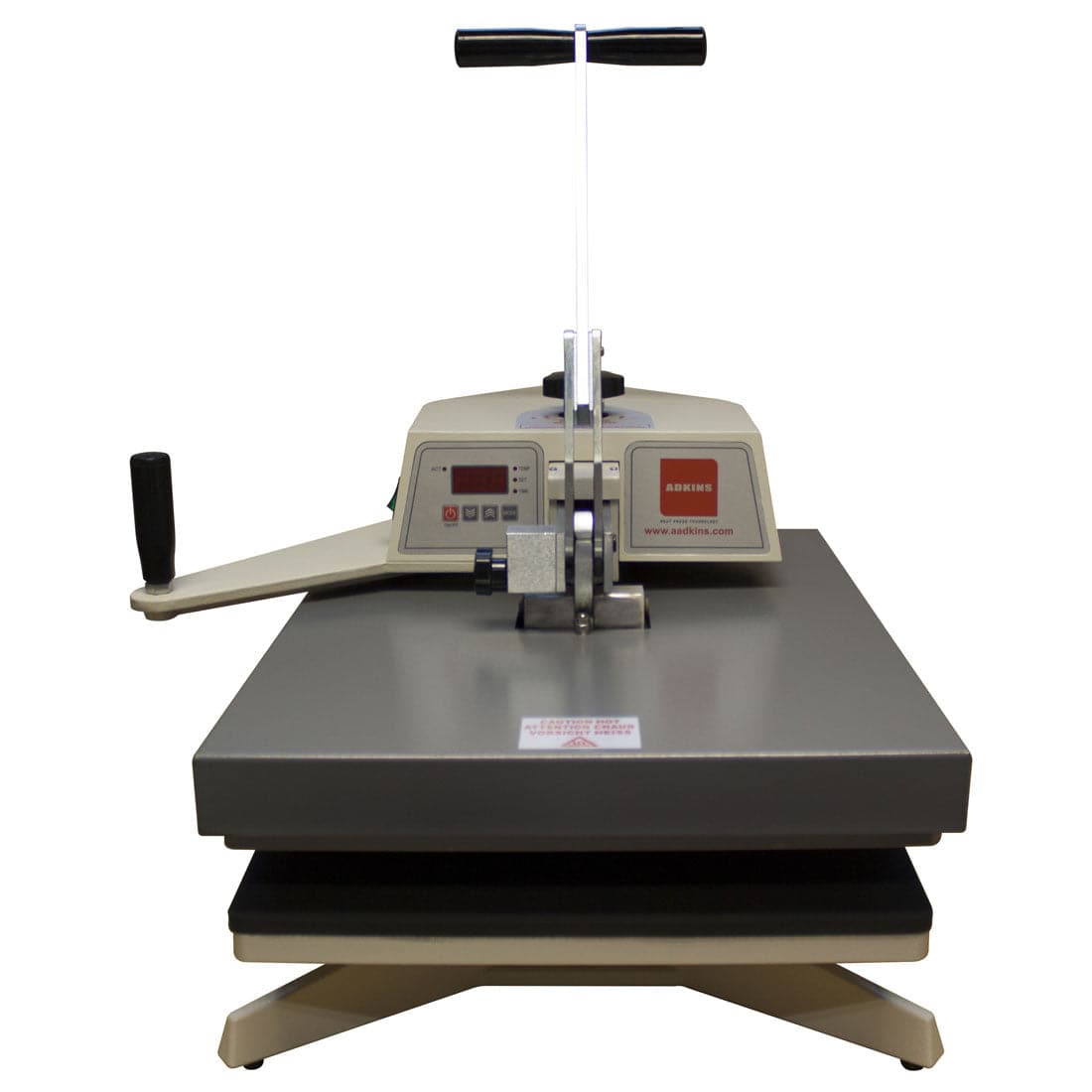
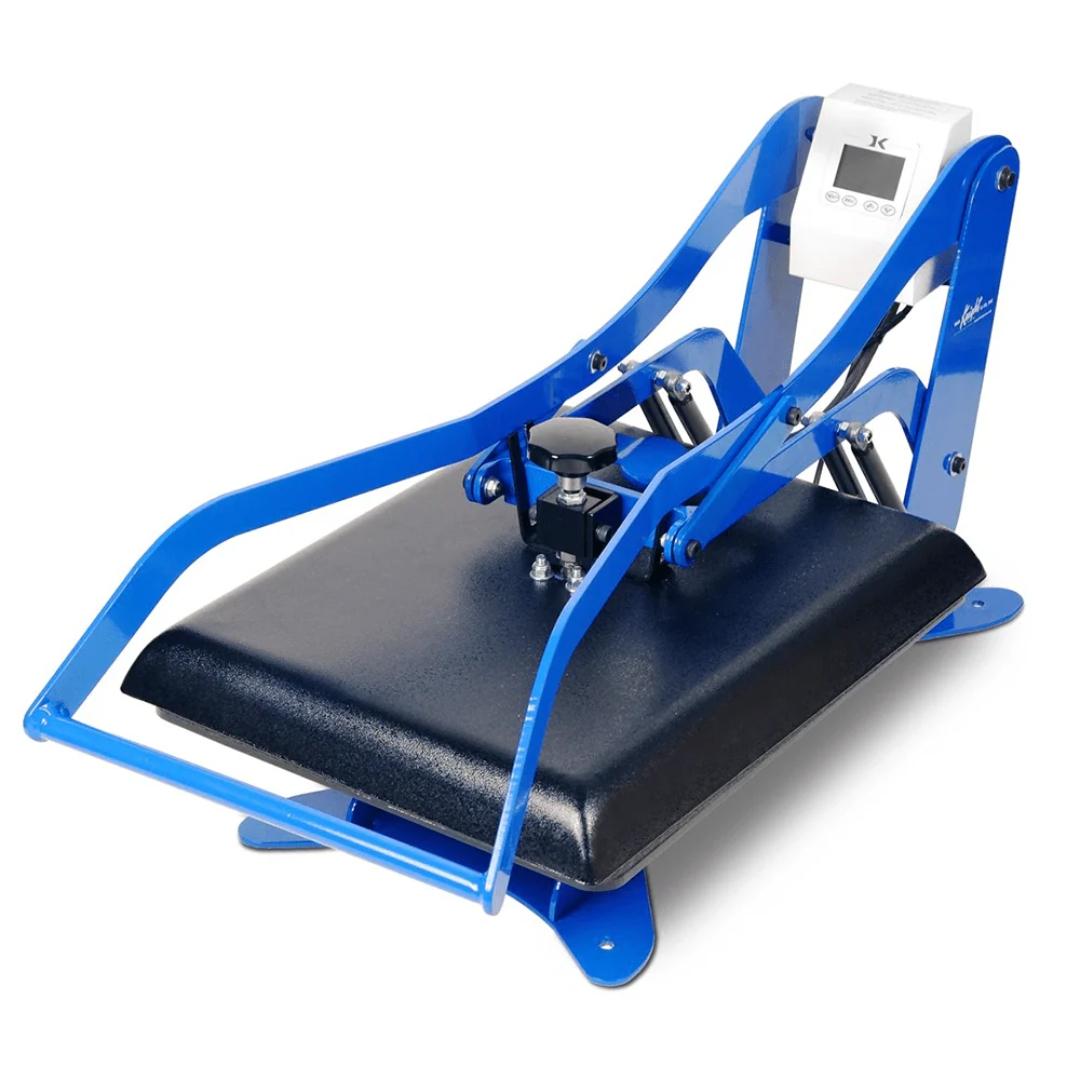
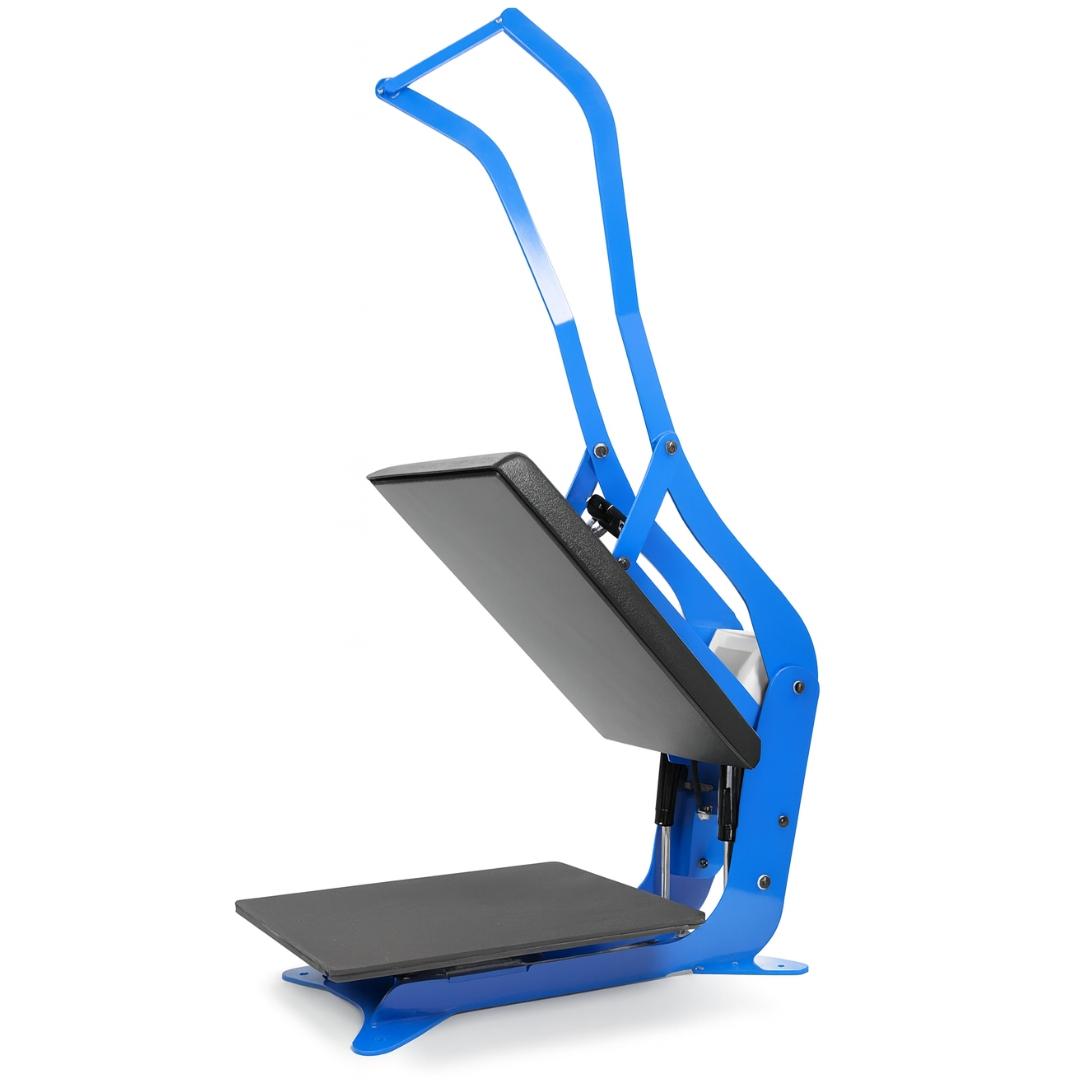
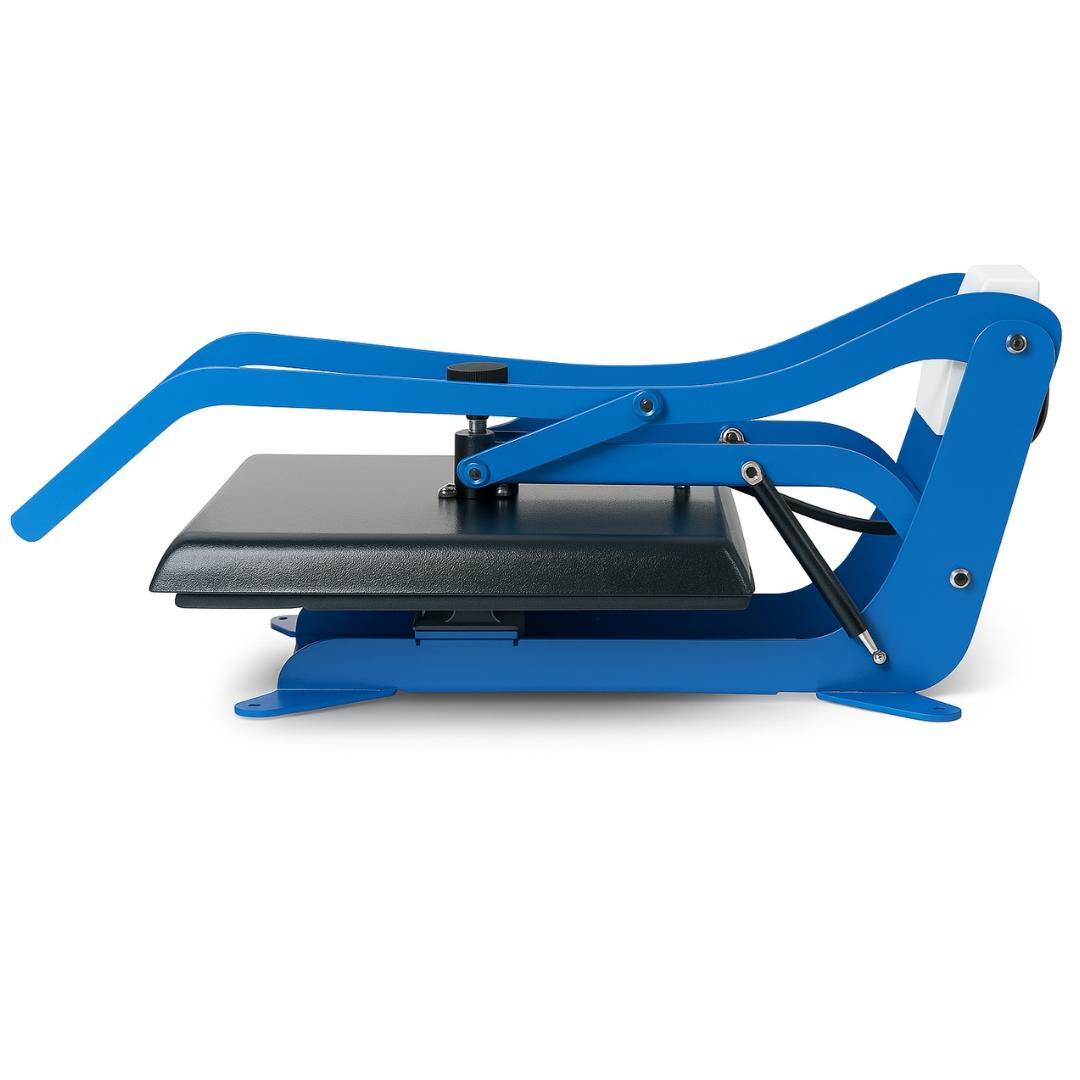
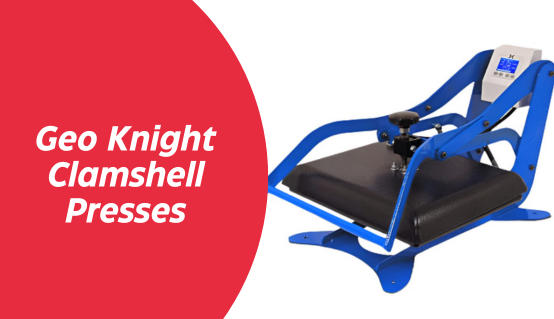
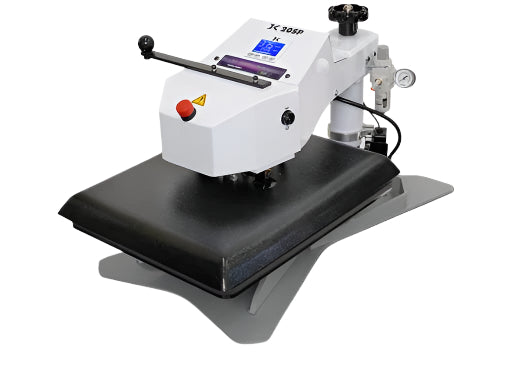
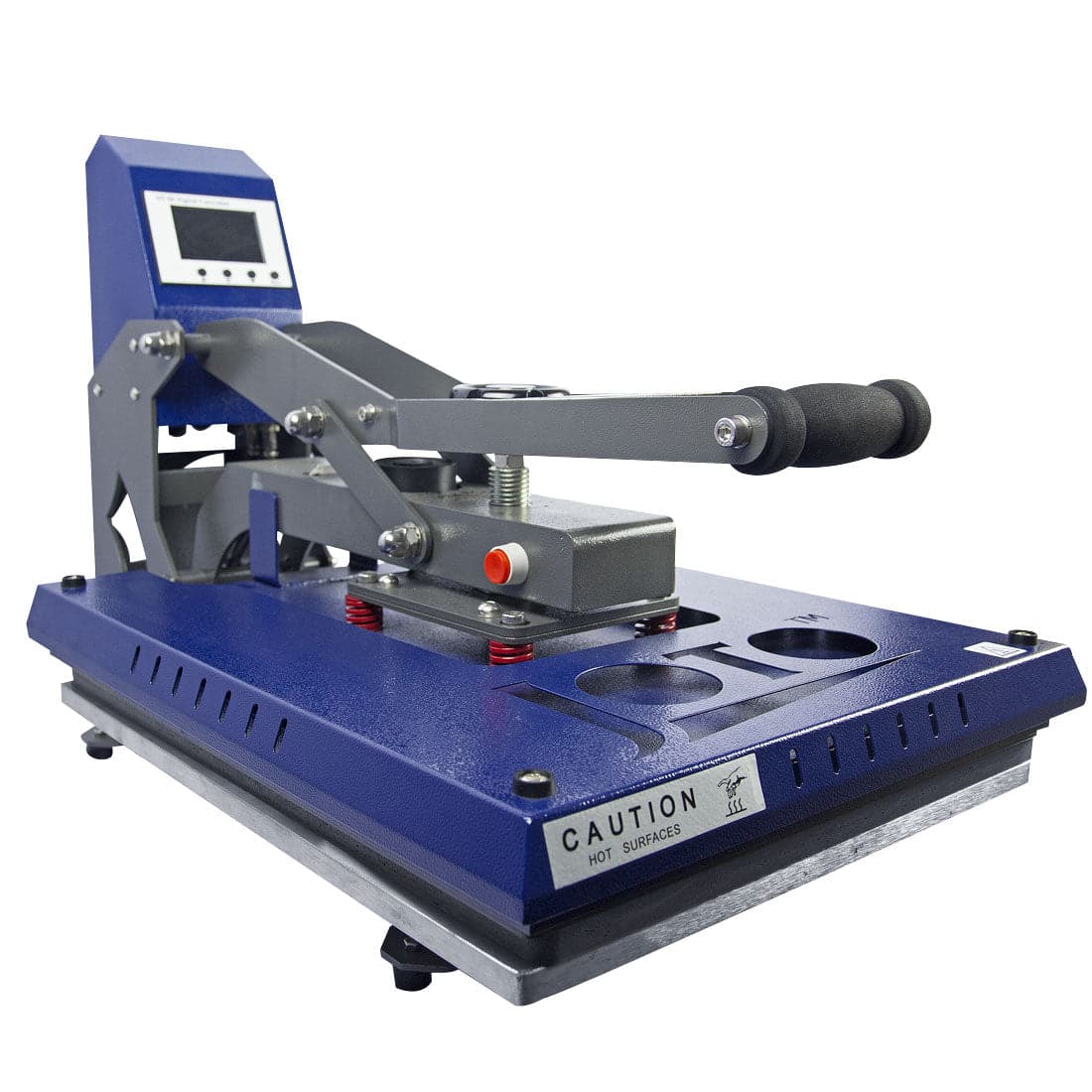
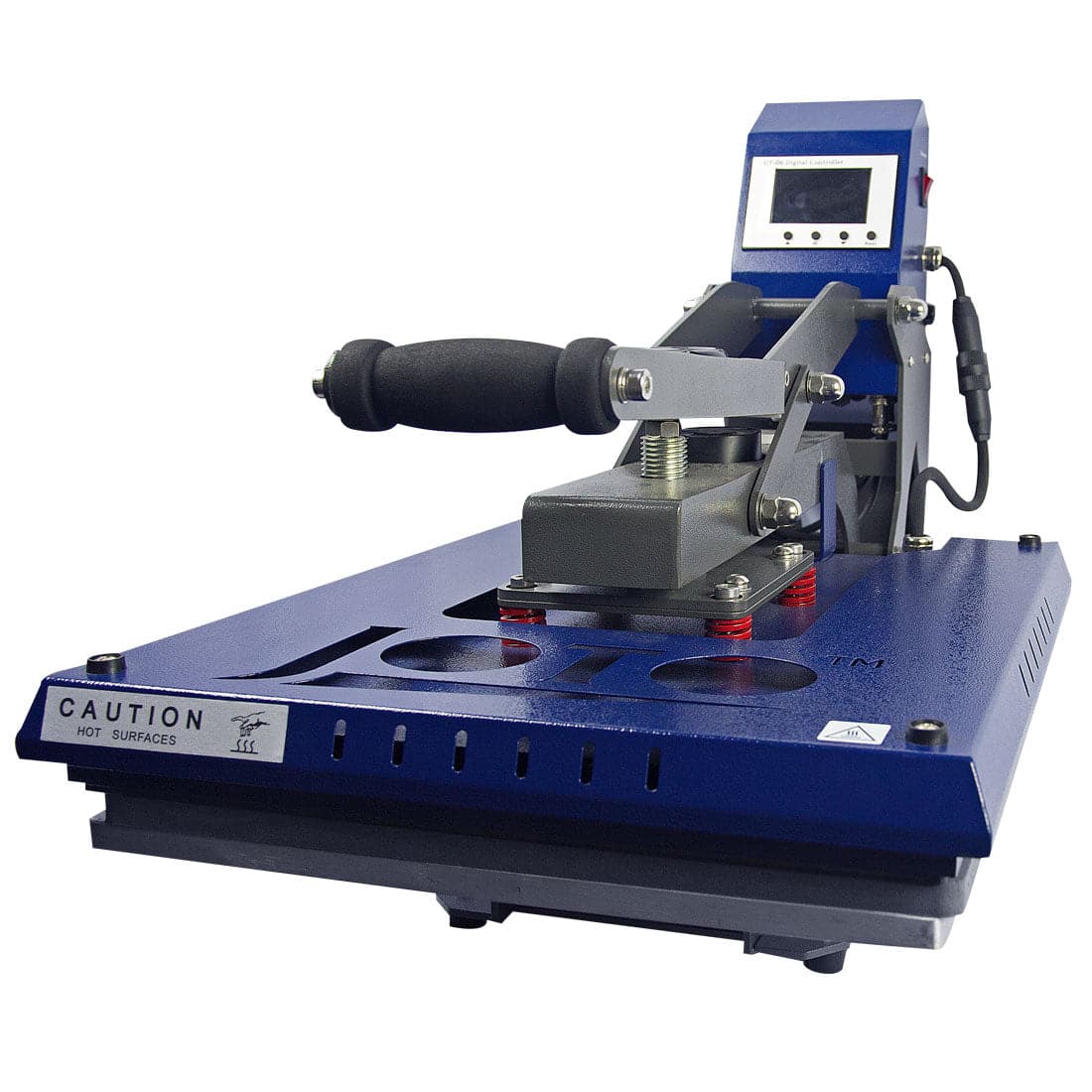
This usually becomes evident the moment you upgrade your heat press. You find a professional-grade 16"×20" model, compare specs, and notice two nearly identical versions: one rated for 110V/120V, the other for 220V/240V. At that point, most shop owners make a simple, seemingly logical decision: they choose the version that matches the outlet already installed in their space.
For a growing business, that decision can quietly turn into a multi-thousand-dollar mistake.
The purpose of this guide is to explain, using expert electrical insight, real-world math, and practical analogies, why voltage and phase directly impact not just how fast your press heats up, but how consistently it performs, how long it lasts, and whether it delivers the professional-quality results your customers expect.
Why 220V Wins: The Math of Heat Delivery
To understand why professional shops overwhelmingly prefer 220V equipment, we need to start with a simple electrical relationship known as Watt’s Law:
Watts = Volts × Amps
While the formula itself is simple, its implications are critical.
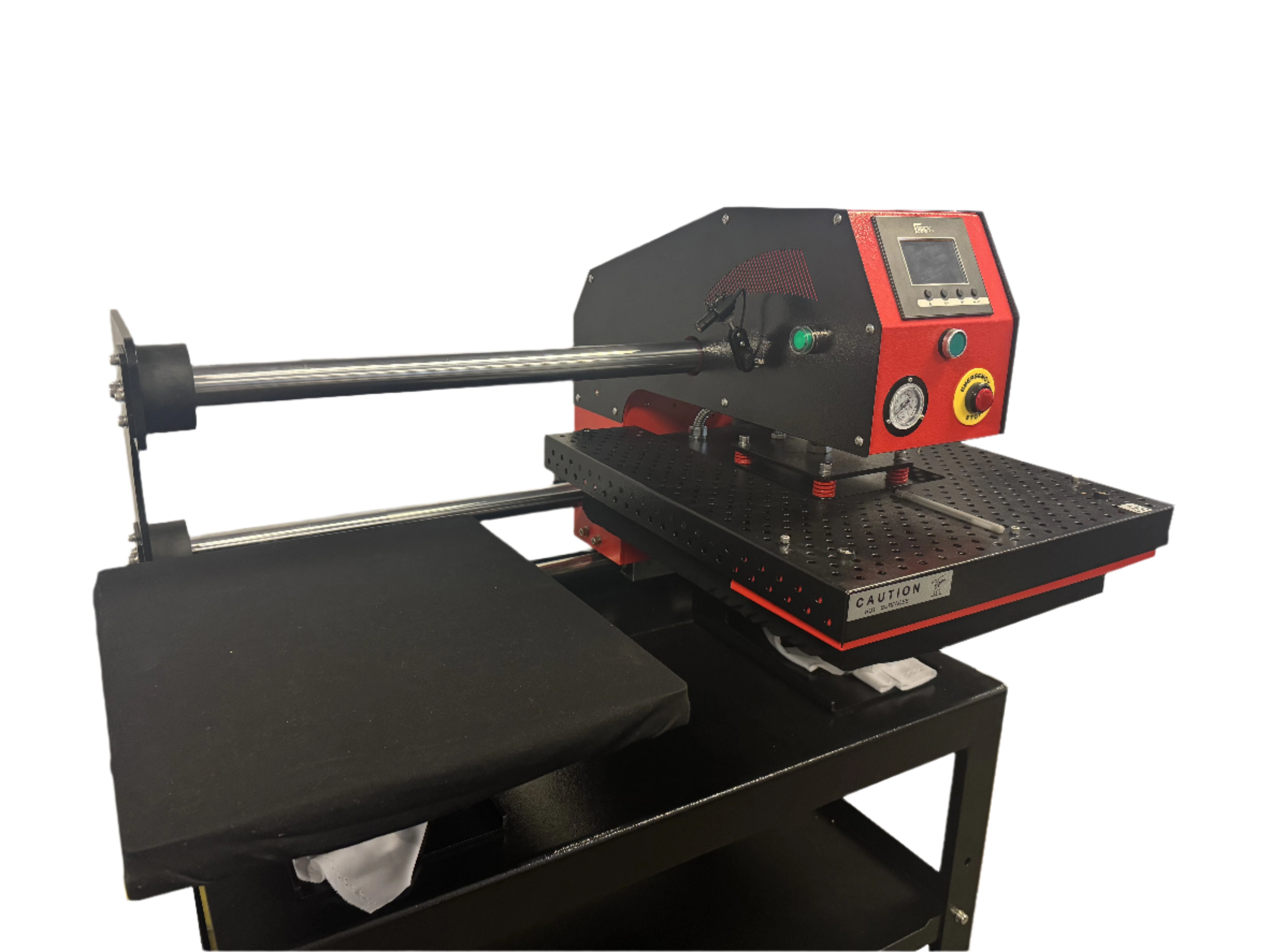
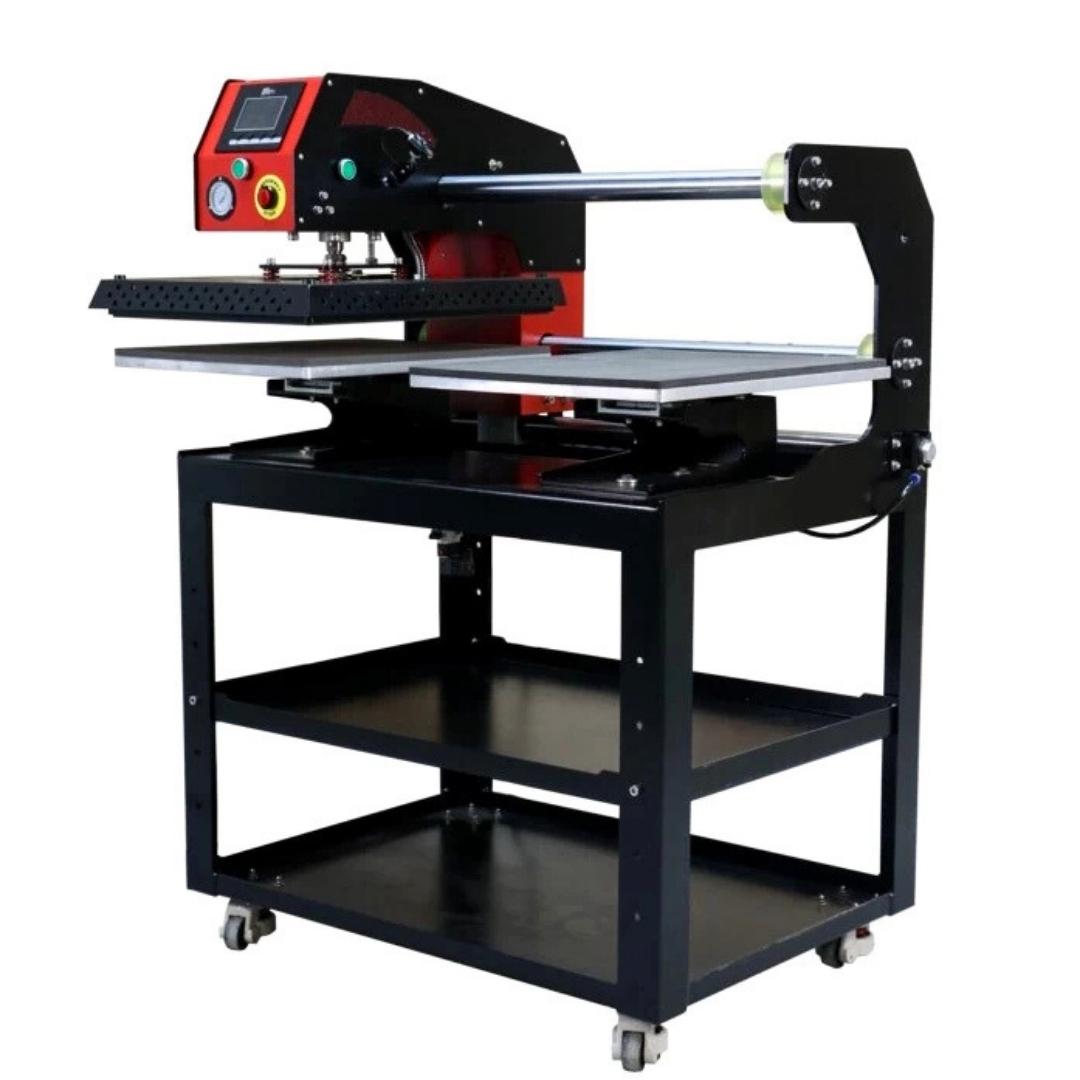
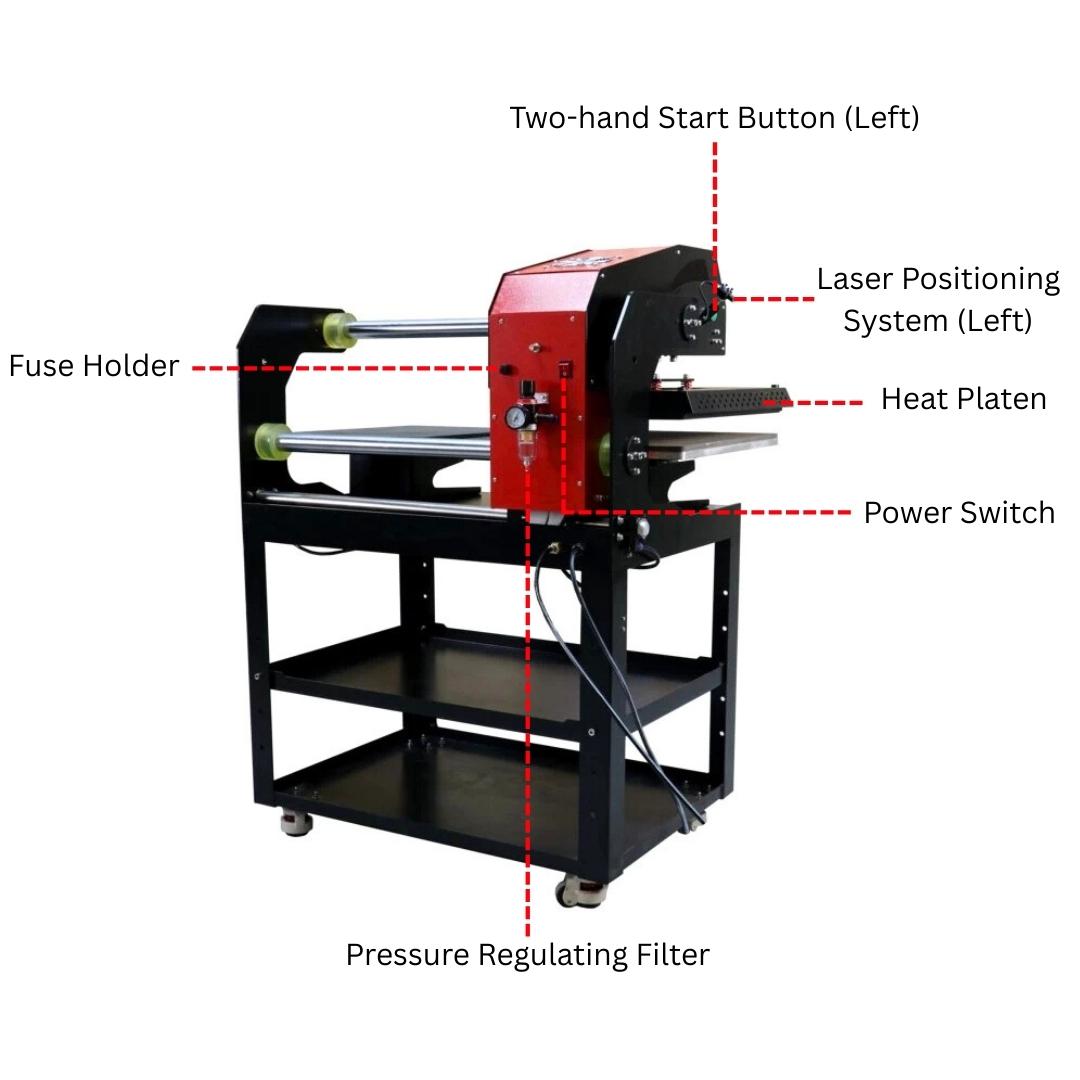
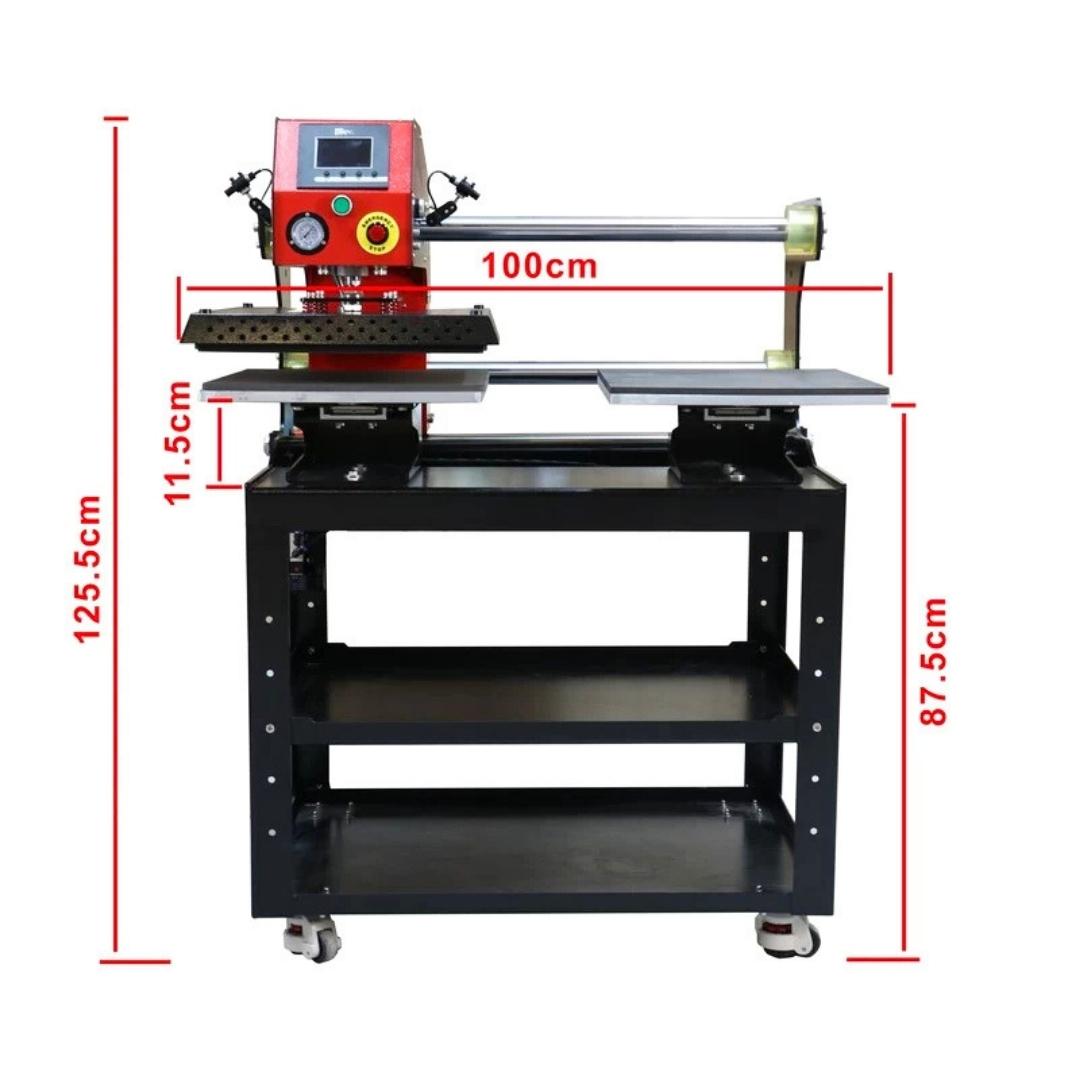
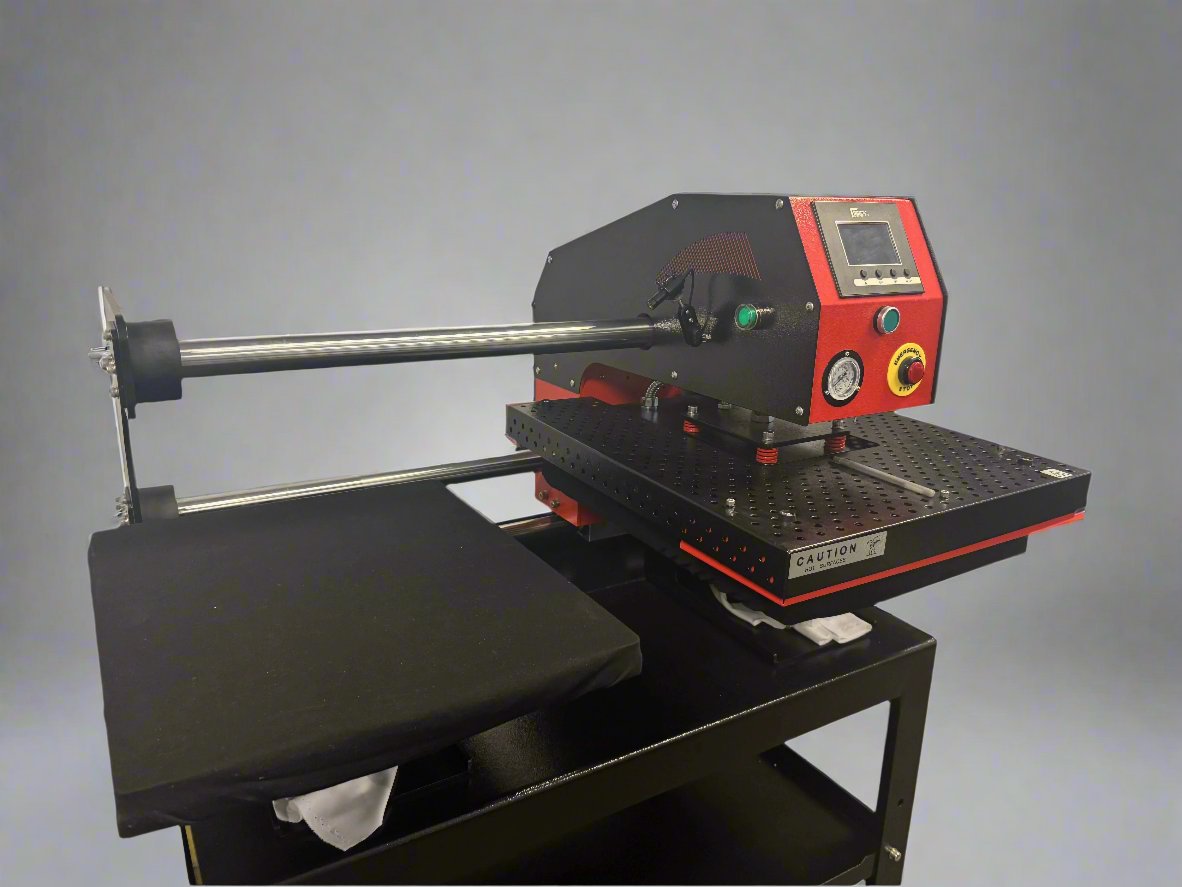
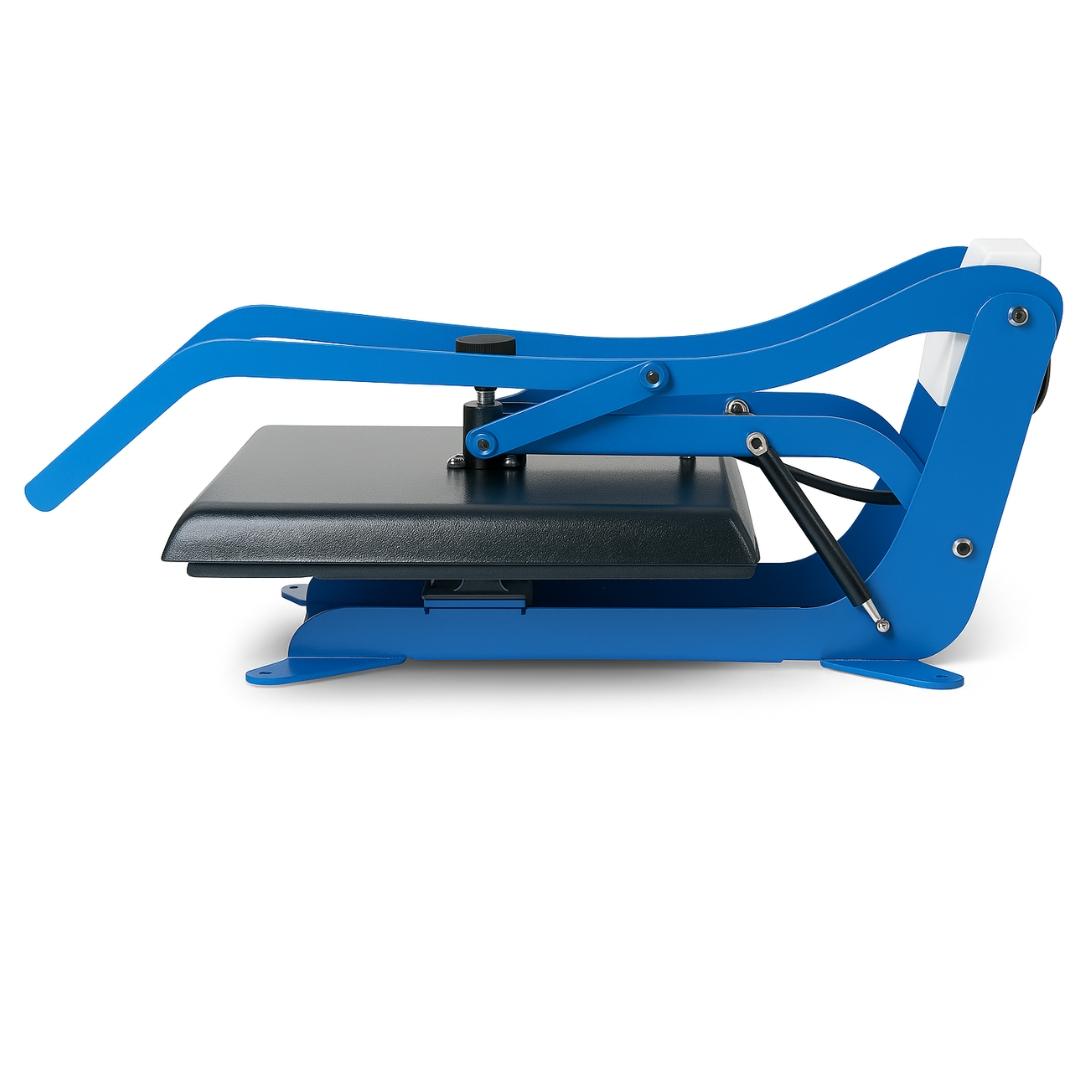
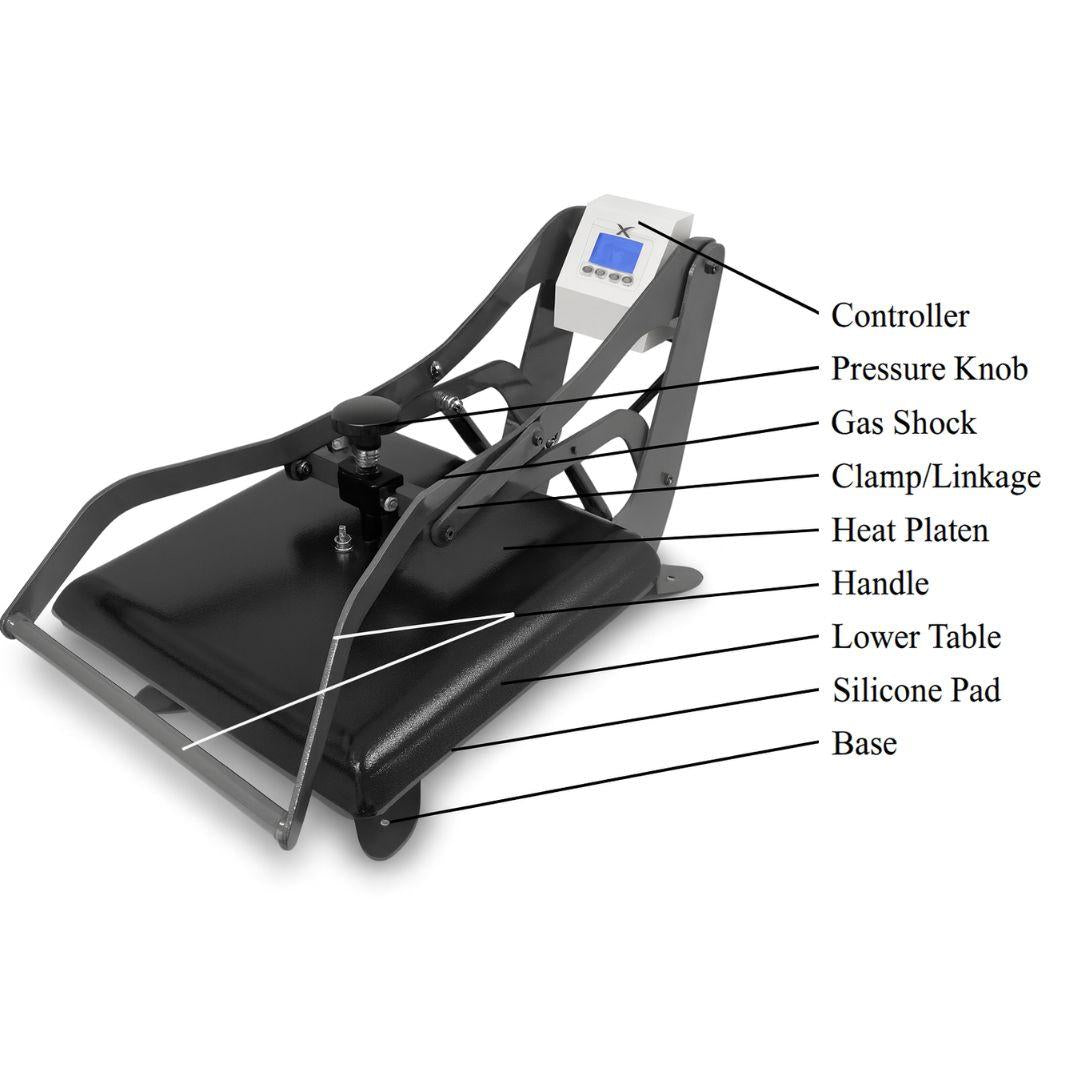
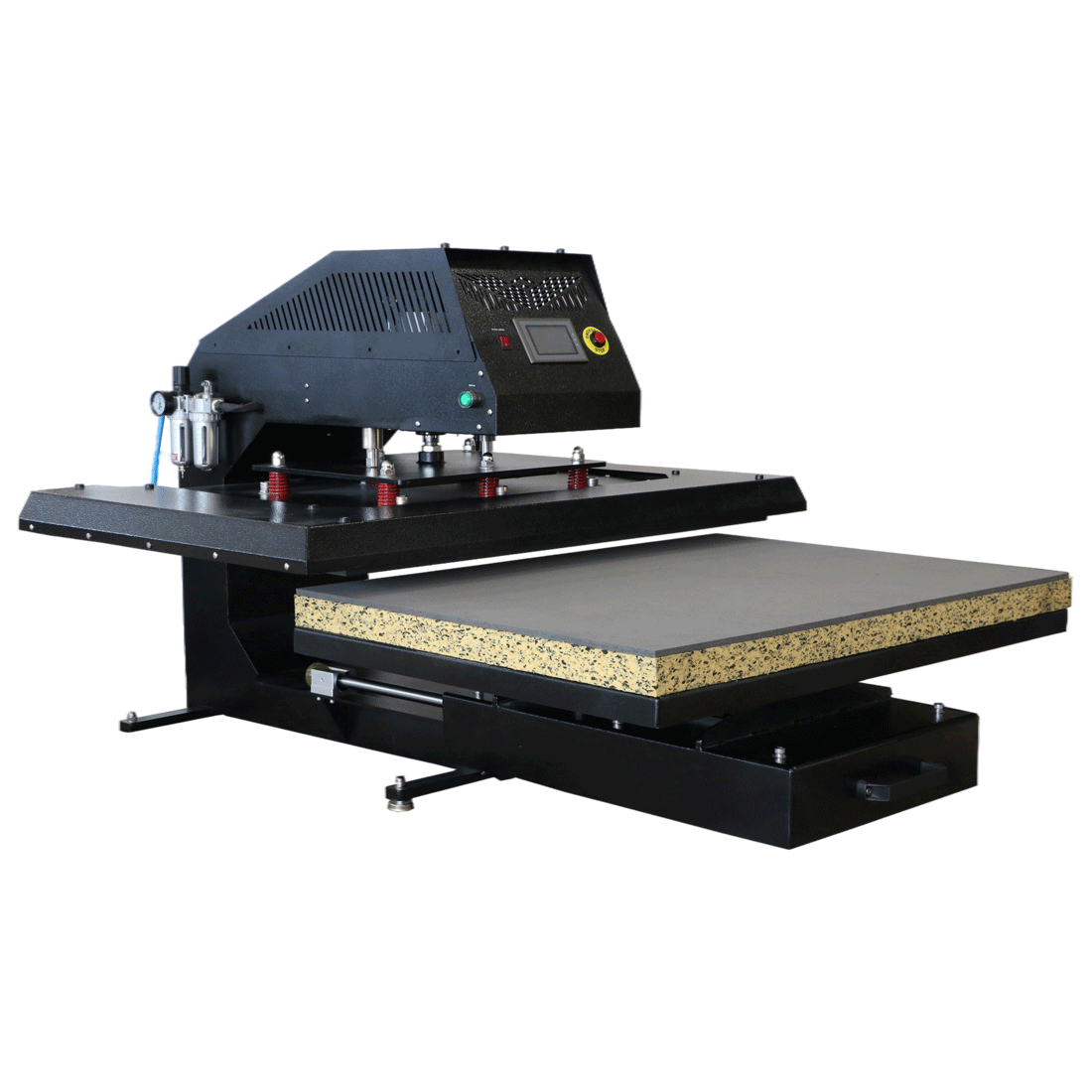
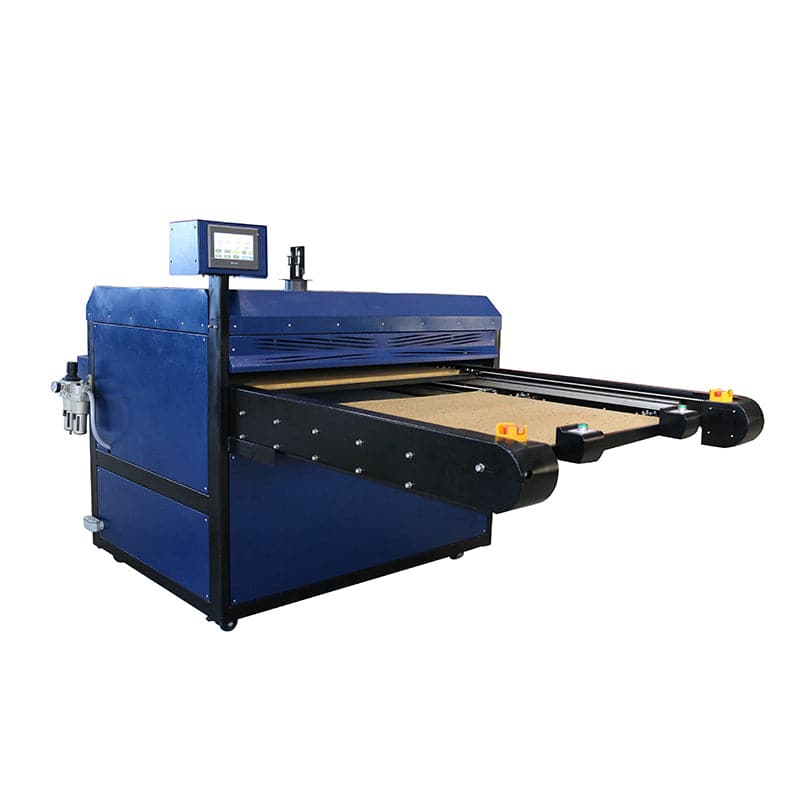
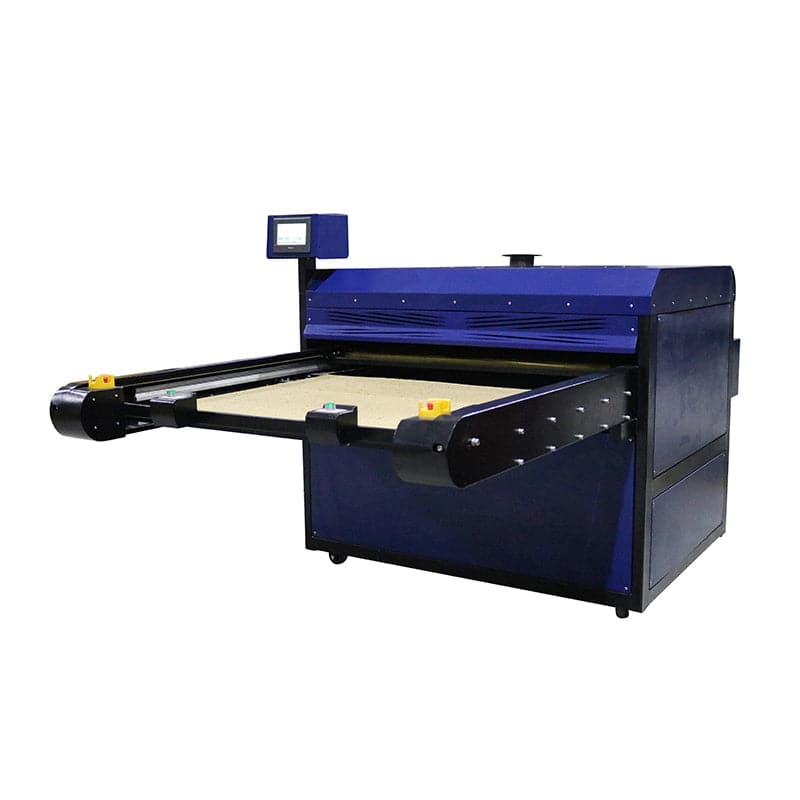
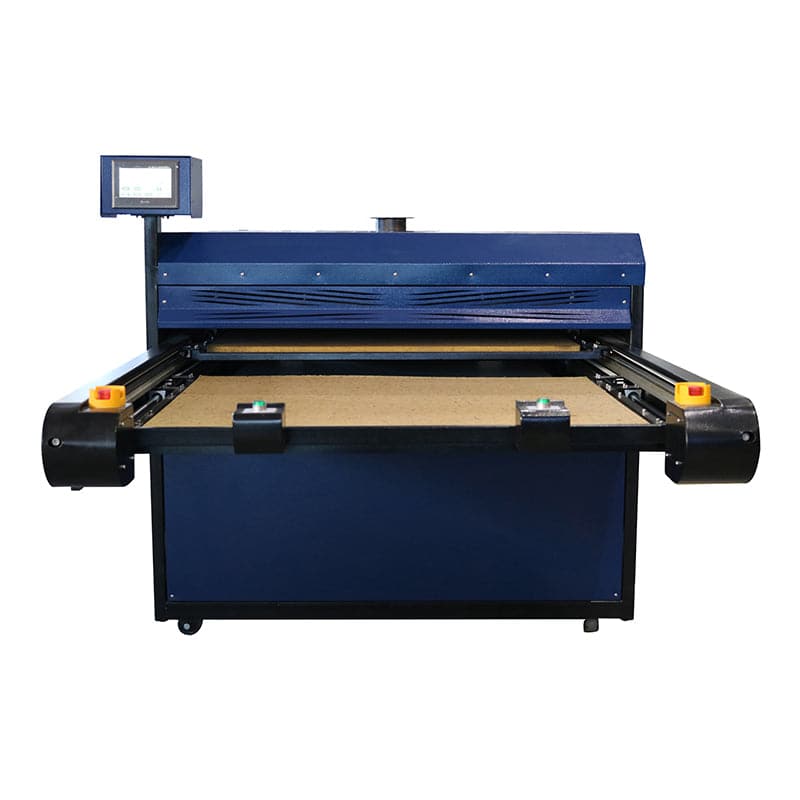
Most professional-grade heat presses, particularly 16"×20" models, require approximately 2,000 watts to heat a large platen evenly and maintain temperature during continuous production. That wattage requirement does not change. What changes is how the electrical system delivers it.
On a standard 120V circuit, delivering 2,000 watts requires approximately 16.6 amps of current. On a 220V circuit, delivering the exact same 2,000 watts requires only 9.1 amps.
This difference is not theoretical. It has immediate, practical consequences.
Most household and light commercial outlets in North America are rated for 15 amps. When a heat press attempts to draw 16.6 amps, the circuit is operating beyond its designed capacity. Best case, the breaker trips. Worse, the circuit continues operating under strain, generating excess heat inside the wiring and experiencing voltage sag whenever the heating element cycles on.
Voltage sag is not just an electrical inconvenience, it directly affects print quality. As voltage drops, heating elements cannot deliver consistent energy across the platen. This results in temperature variation, cold spots, and incomplete transfers. Vinyl may not fully adhere. Sublimation dyes may not gas evenly. The result is inconsistent output and costly customer returns.

By contrast, a 220V circuit delivers the same wattage at significantly lower current. Lower current means cooler wiring, less electrical stress, and far more stable heat delivery. The press runs efficiently instead of fighting its power source.
Understanding “Phase” Using a Practical Analogy
Voltage is only part of the equation. Phase determines how smoothly power is delivered over time.
For most shop owners, the term “phase” sounds intimidating, but the concept is simple when framed correctly.
Think of electricity as people pushing a heavy wheel.
Single-phase power is like one person pushing. They apply force, let go briefly to reset, then push again. This stop-start motion happens extremely fast, but the pauses are real. Power arrives in pulses rather than as a constant stream.

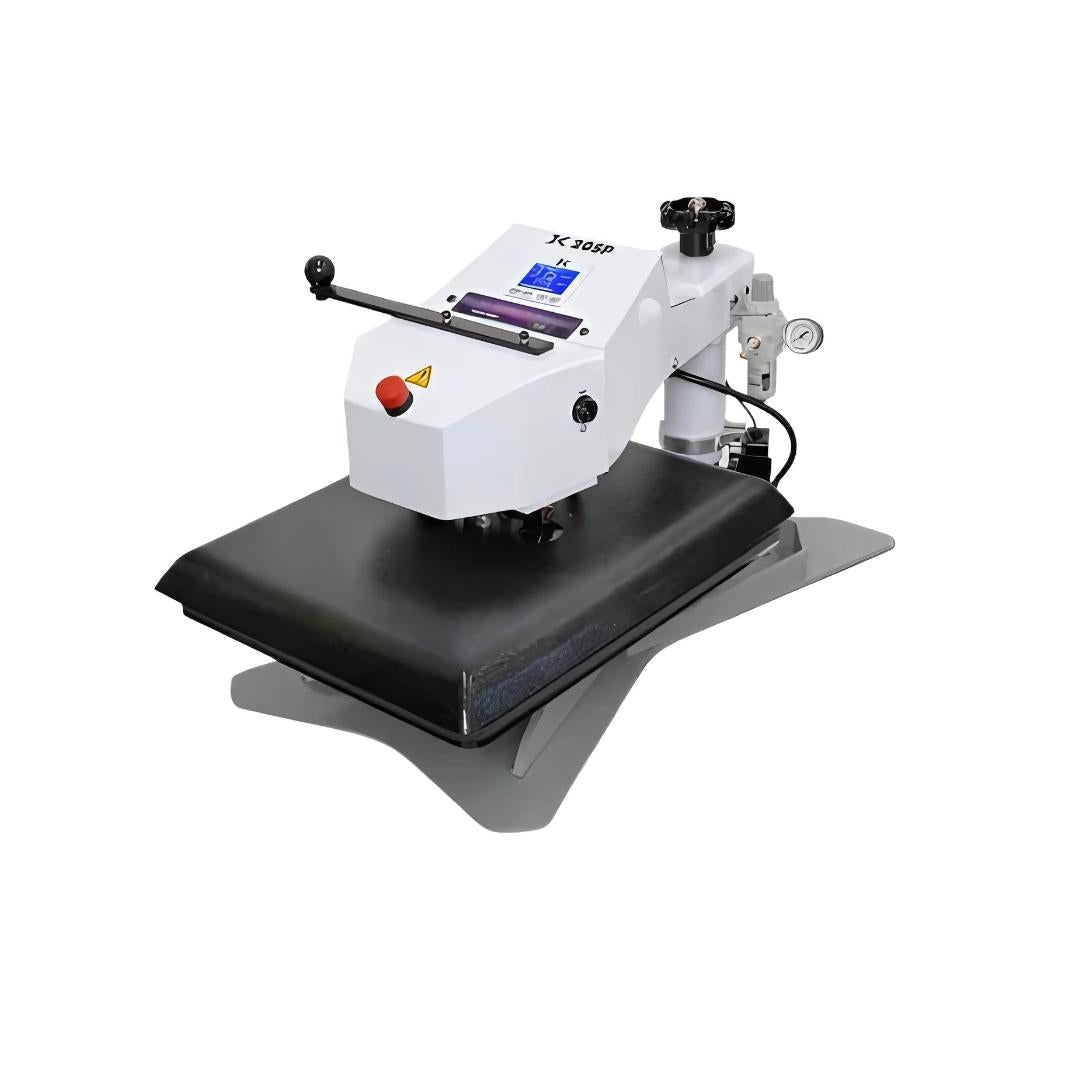
This is the standard power configuration for almost all homes and small commercial spaces. For heating elements, single-phase power works reasonably well. However, for motors—such as those used in auto-open presses or pneumatic systems—the pulsing creates tiny vibrations and internal friction. Over time, this increases wear on components and shortens equipment lifespan.
Three-phase power works differently. Instead of one person pushing the wheel, three people are spaced evenly around it. As one finishes their push, the next begins. The wheel never slows down because the force is continuous.

This is why three-phase power is used in warehouses, factories, and industrial facilities. Machines run quieter, cooler, and with significantly less mechanical stress. If you are moving into a true production environment, three-phase power is considered the gold standard for long-term equipment reliability.
Recovery Time: Where Production Is Won or Lost
The most noticeable difference between a 120V and 220V heat press appears during recovery time.
Every time you clamp a garment into the press, the platen loses heat. What matters is how quickly the system can restore that lost temperature.
On a 120V press, recovery is slow. After a press cycle, platen temperature may drop from 320°F to 305°F. Returning to target temperature can take 30 to 60 seconds, depending on circuit load and wiring conditions.
A 220V press operates under higher electrical pressure. When the same temperature drop occurs, recovery often takes only 5 to 10 seconds.
This difference compounds rapidly in production.
If you are pressing 100 shirts per day and losing an extra 45 seconds between each press waiting for temperature recovery, you are losing over 75 minutes of labor daily. Over the course of a year, a 220V press doesn’t merely justify its cost, it effectively gives your business back weeks of productive time.
Decoding Plugs Before Installation Day

One of the most common frustrations for shop owners is discovering that a new heat press cannot be plugged in upon delivery. Understanding plug types in advance avoids downtime and unnecessary electrical work.
Standard 120V outlets typically use NEMA 5-15 or 5-20 configurations. Most professional 220V heat presses use NEMA 6-20 plugs, while larger industrial equipment may require NEMA L6-30 twist-lock connections.
Manufacturers frequently change plug types. For this reason, it is critical to verify the exact plug on the machine itself, or obtain a photo from the supplier, before installing a receptacle.
Installation Details That Make or Break Performance
When upgrading to 220V, precision matters.
A proper installation requires a double-pole breaker to supply true 220–240V service. Wire gauge is equally important. For runs longer than 40 feet, 12-AWG copper wire should be used to prevent voltage drop. Thinner wire may technically function but will undermine the very performance benefits you are trying to achieve.
A dedicated ground is non-negotiable. Heat presses combine high wattage, high temperature, and large metal surfaces. Proper grounding is essential for both safety and equipment protection.
A Critical Safety Warning About Adapters
Adapters marketed as “120V to 220V converters” are not suitable for heat presses. A heat press is a high-wattage resistance heater. Using a consumer-grade adapter introduces severe fire risk and does not increase the amperage capacity or phase quality of your electrical system.
If a machine requires 220V, the only safe solution is a dedicated circuit installed at the breaker panel.
The Professional Verdict
If you are pressing more than 20 garments per day, a 120V setup is no longer appropriate. Slow recovery times and inconsistent heat will eventually lead to failed transfers, wasted materials, and dissatisfied customers.
For growing shops, a 220V single-phase setup is the most impactful infrastructure upgrade available. It improves safety, speeds up production, stabilizes temperature, and extends equipment life, especially for modern decoration methods like DTF and sublimation.
If your operation is expanding into a warehouse or factory environment, three-phase power should be part of your long-term planning to ensure your investment survives continuous, high-volume use.