













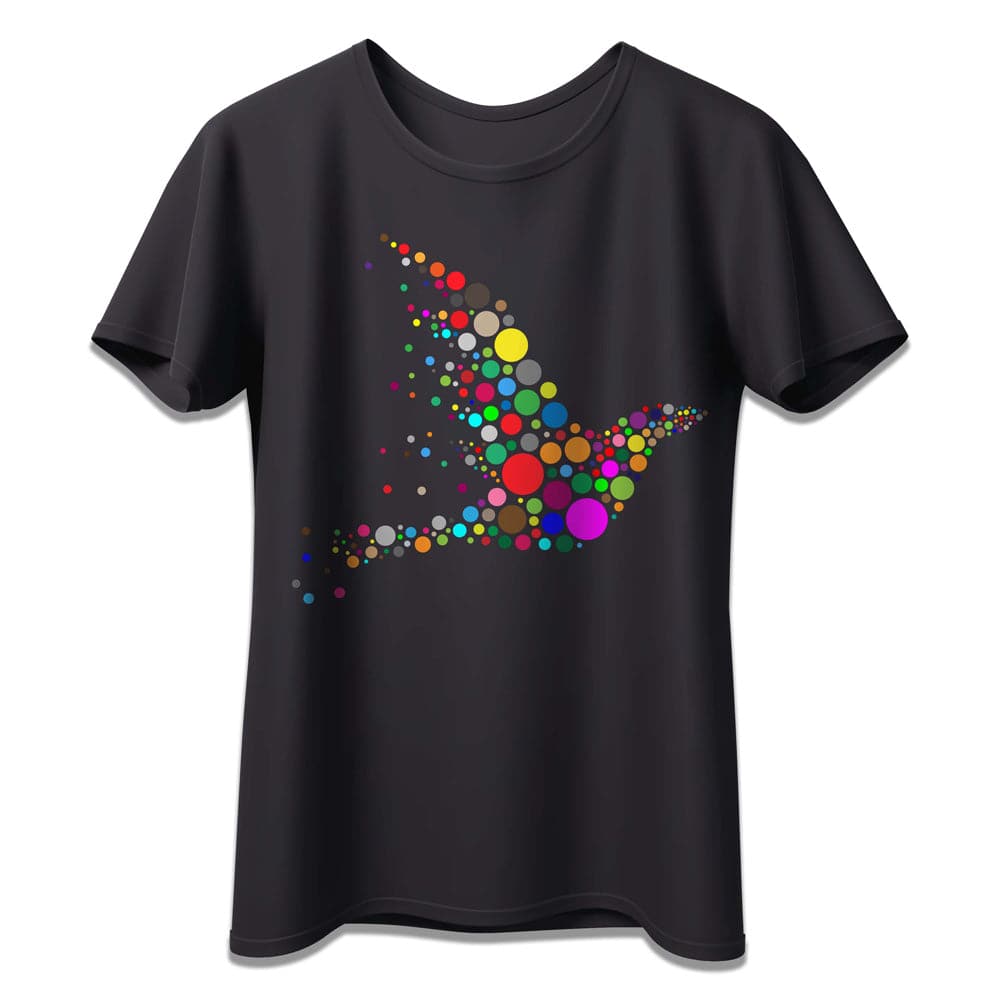
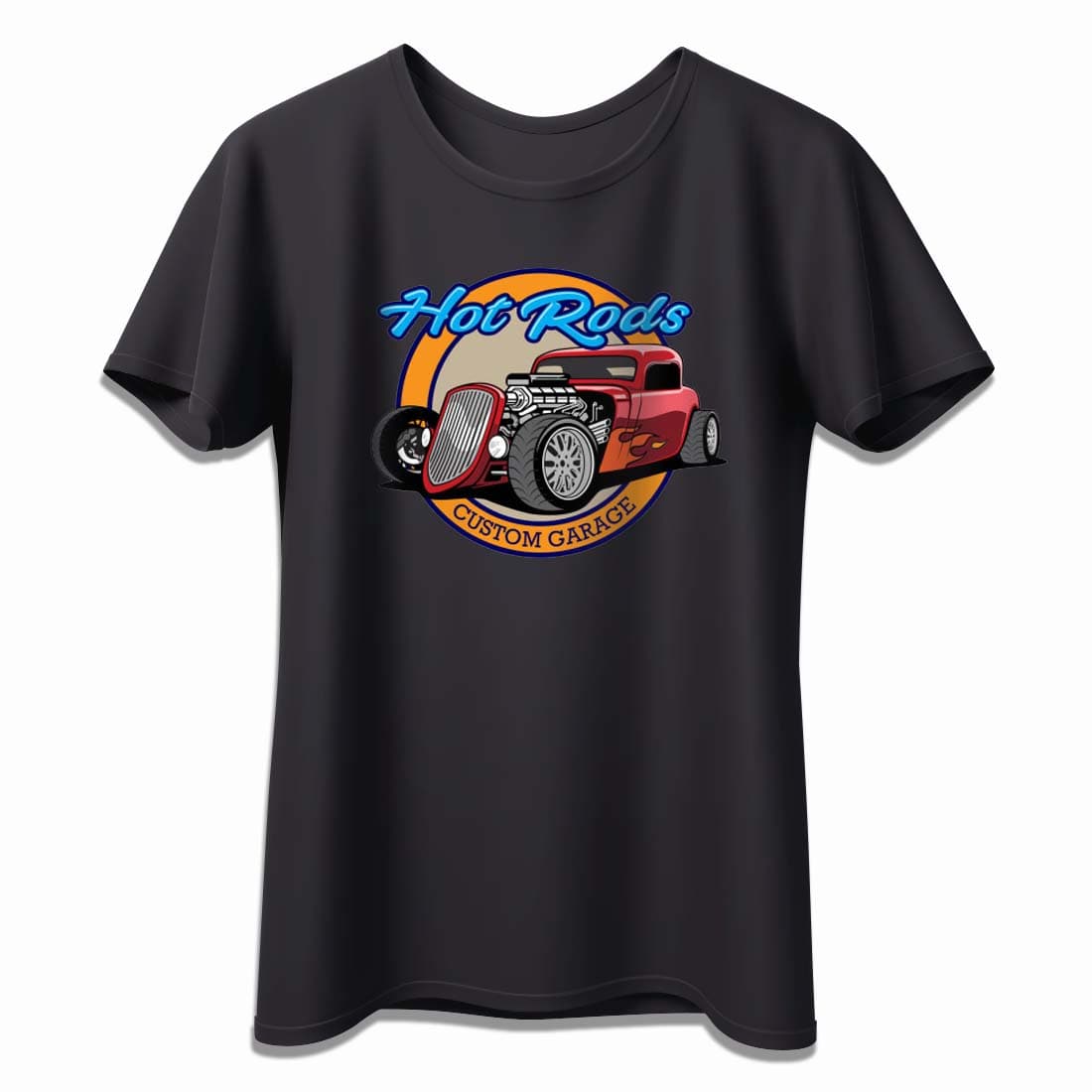
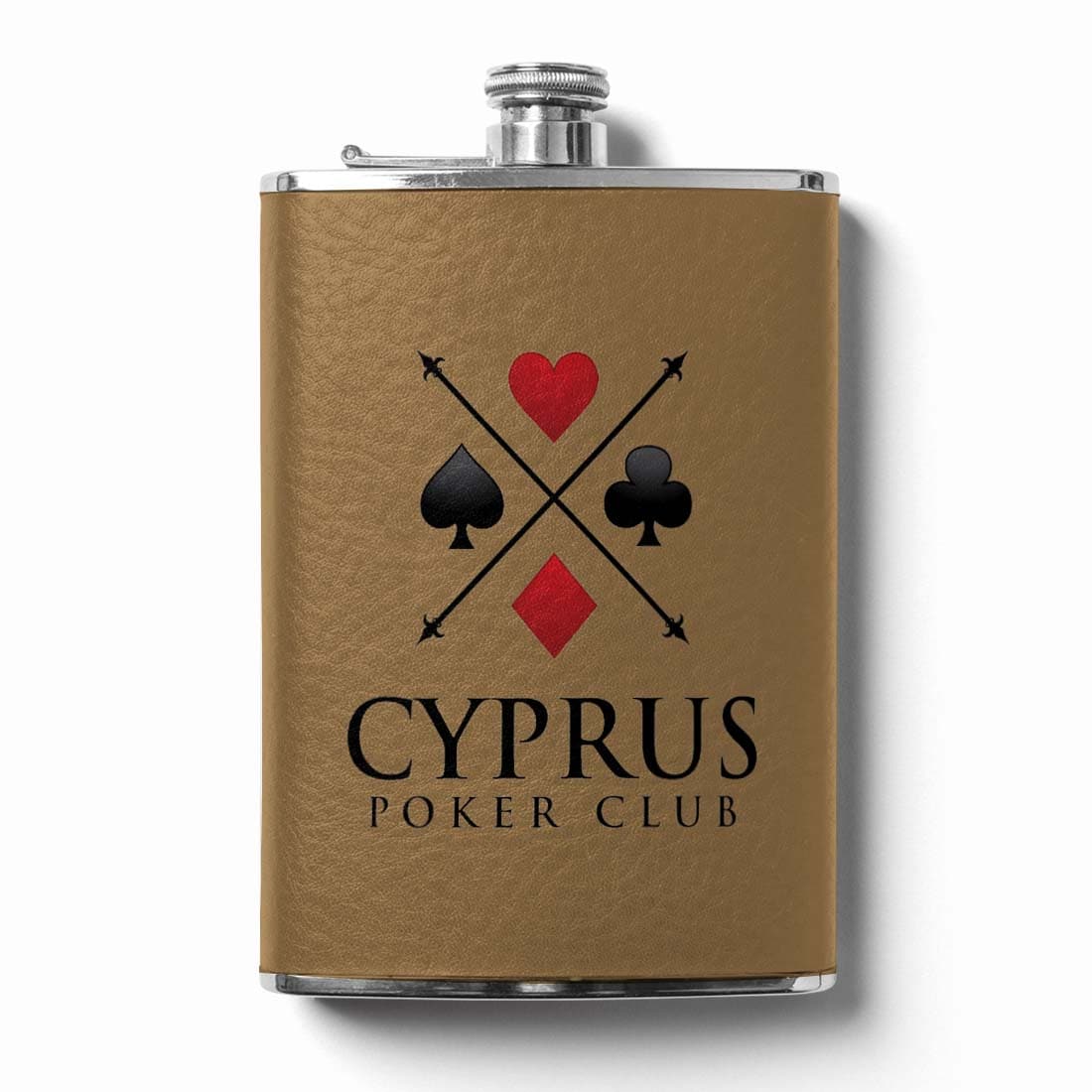







Sublimation printing permanently bonds designs into polyester fabric through heat and gas conversion, creating soft, durable prints ideal for complex, full-color designs. Screen printing applies layers of ink onto fabric surfaces using mesh screens, delivering opaque, tactile prints that work across cotton, blends, and synthetics with exceptional durability for bold graphics.
The choice between these methods determines your fabric options, production speed, color capabilities, and cost structure. Sublimation works exclusively with polyester or polymer-coated substrates and excels at photorealistic designs with unlimited colors. Screen printing works on nearly any fabric type but becomes labor-intensive with multi-color designs due to the requirement of one screen per color.
Most apparel decoration businesses face this decision when scaling operations or diversifying product lines. Choosing incorrectly means investing in equipment that cannot produce your target products, wasting capital on incompatible materials, or pricing yourself out of profitable orders. Understanding how each method functions within your production workflow prevents these costly mistakes.
How Sublimation Printing Works as a Production System
Sublimation printing uses heat to transform solid ink into gas, which then penetrates polyester fibers or polymer coatings before reverting to solid form. This chemical process creates a permanent bond where the ink becomes part of the material rather than sitting on top of it.
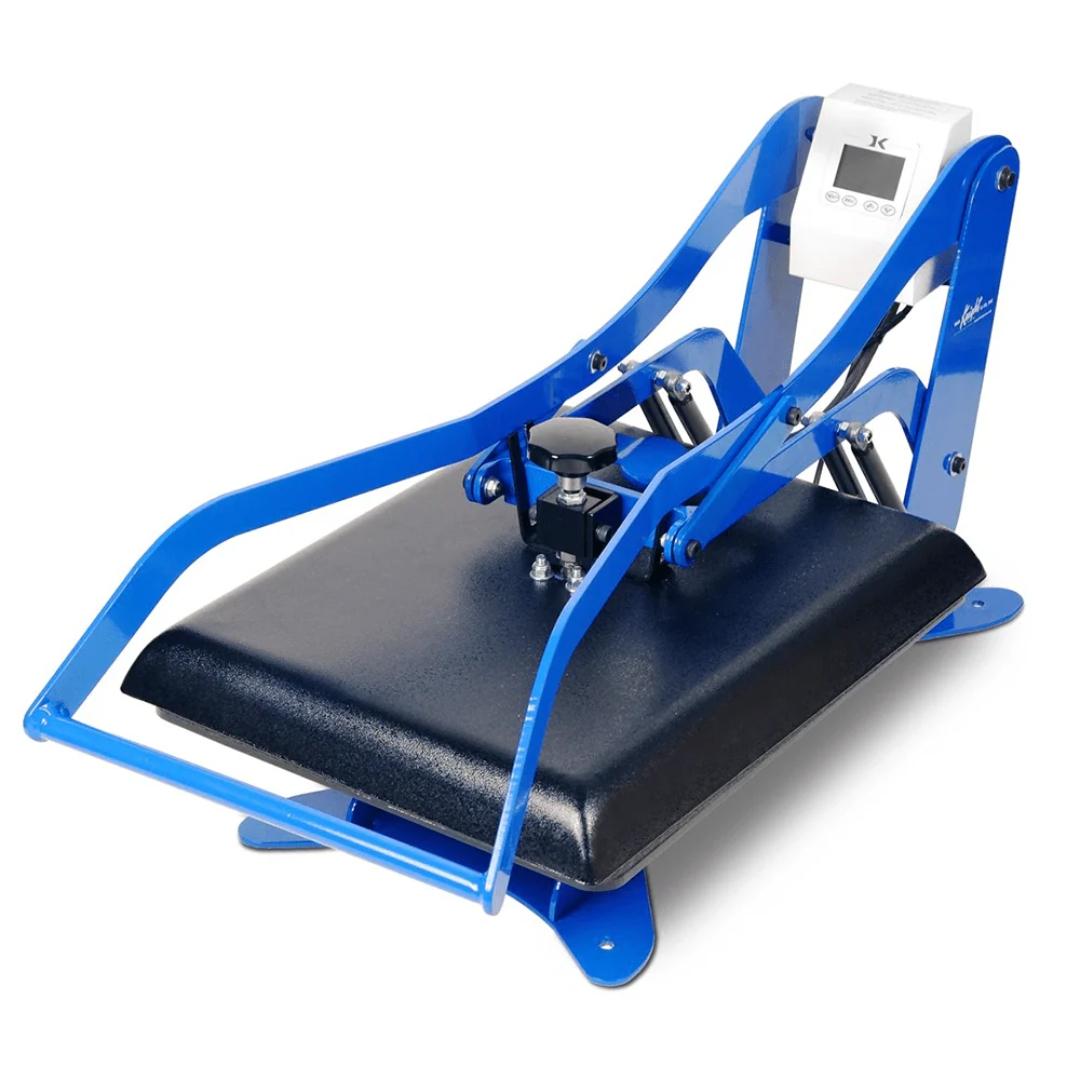
The production workflow follows a fixed sequence. First, designs are printed onto sublimation paper using specialized sublimation ink (typically CMYK). The printed paper is positioned on the substrate with the ink side facing the material. Both are placed into a heat press set to approximately 400°F with medium pressure for 60 seconds. During this time, the solid ink converts to gas, permeates the polyester molecules, and re-solidifies as the material cools.
This process only works with polyester because the polymer structure opens under heat to accept the gas. Cotton fibers lack this molecular structure, making sublimation chemically impossible on natural fibers. This is why 100% polyester or polyester-blend fabrics with at least 65% polyester content are required for successful sublimation transfers.
Sublimation Applications Beyond Apparel

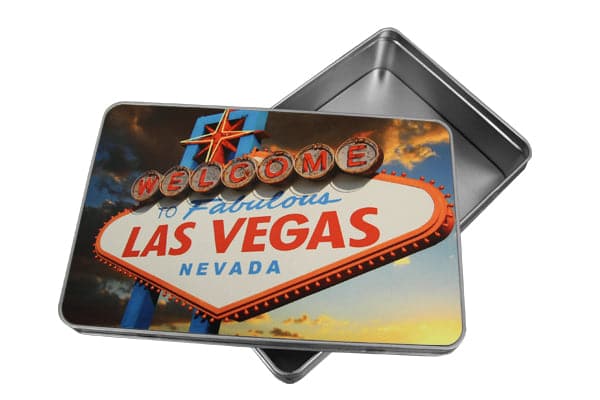
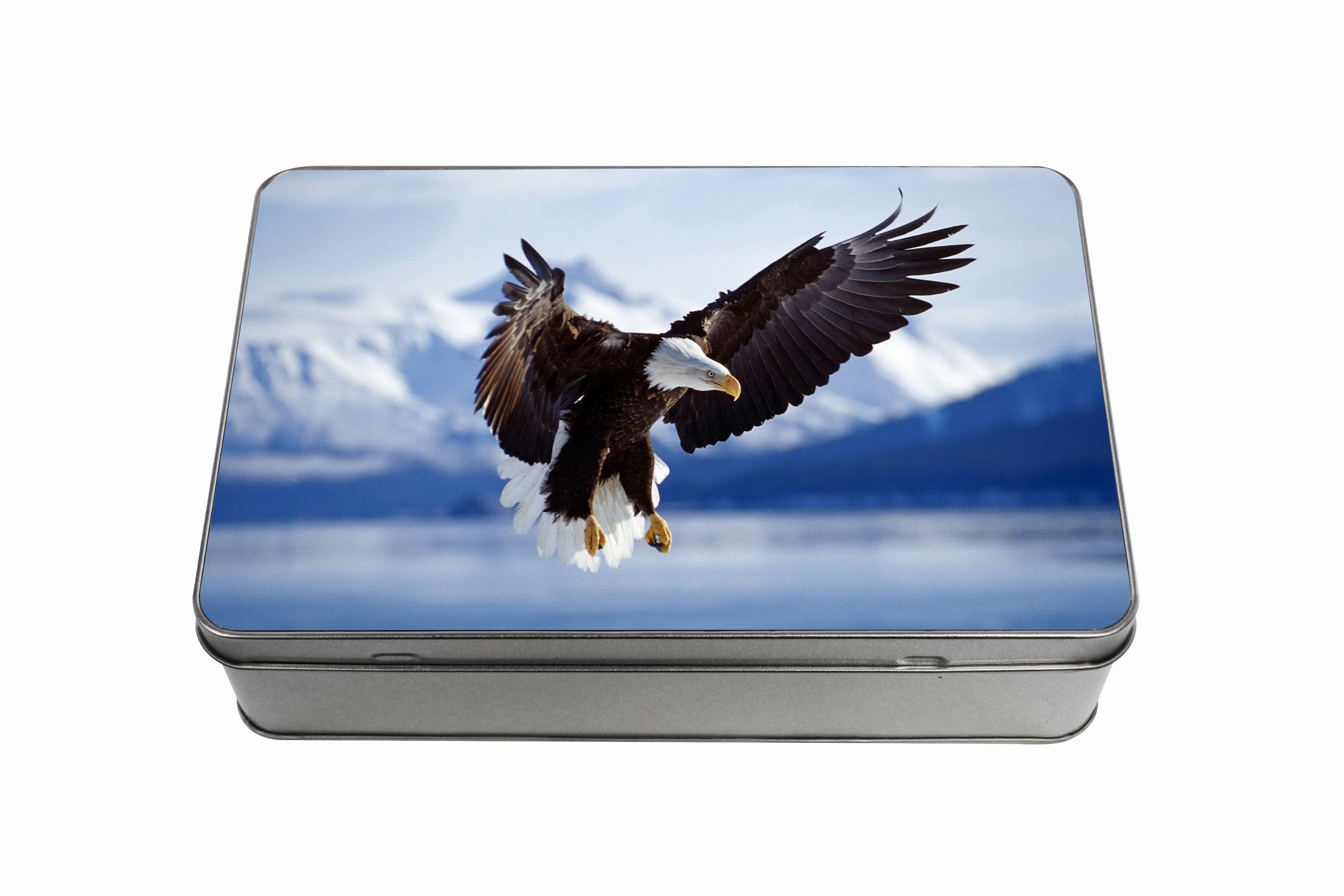
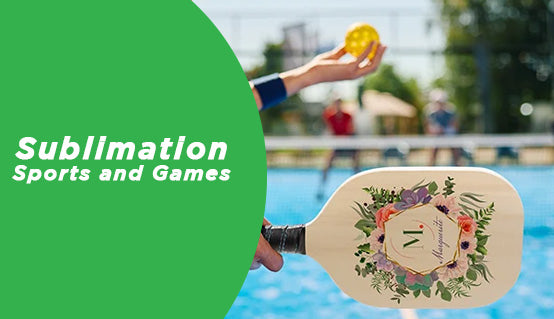
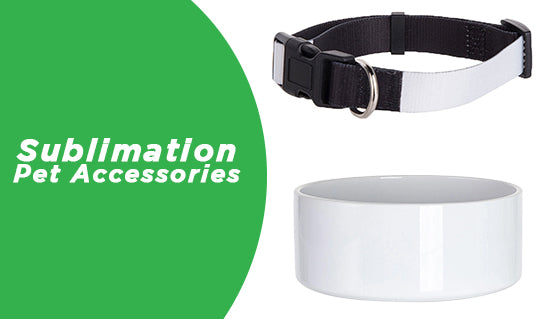
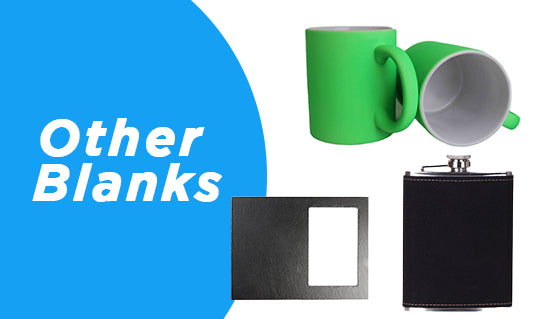
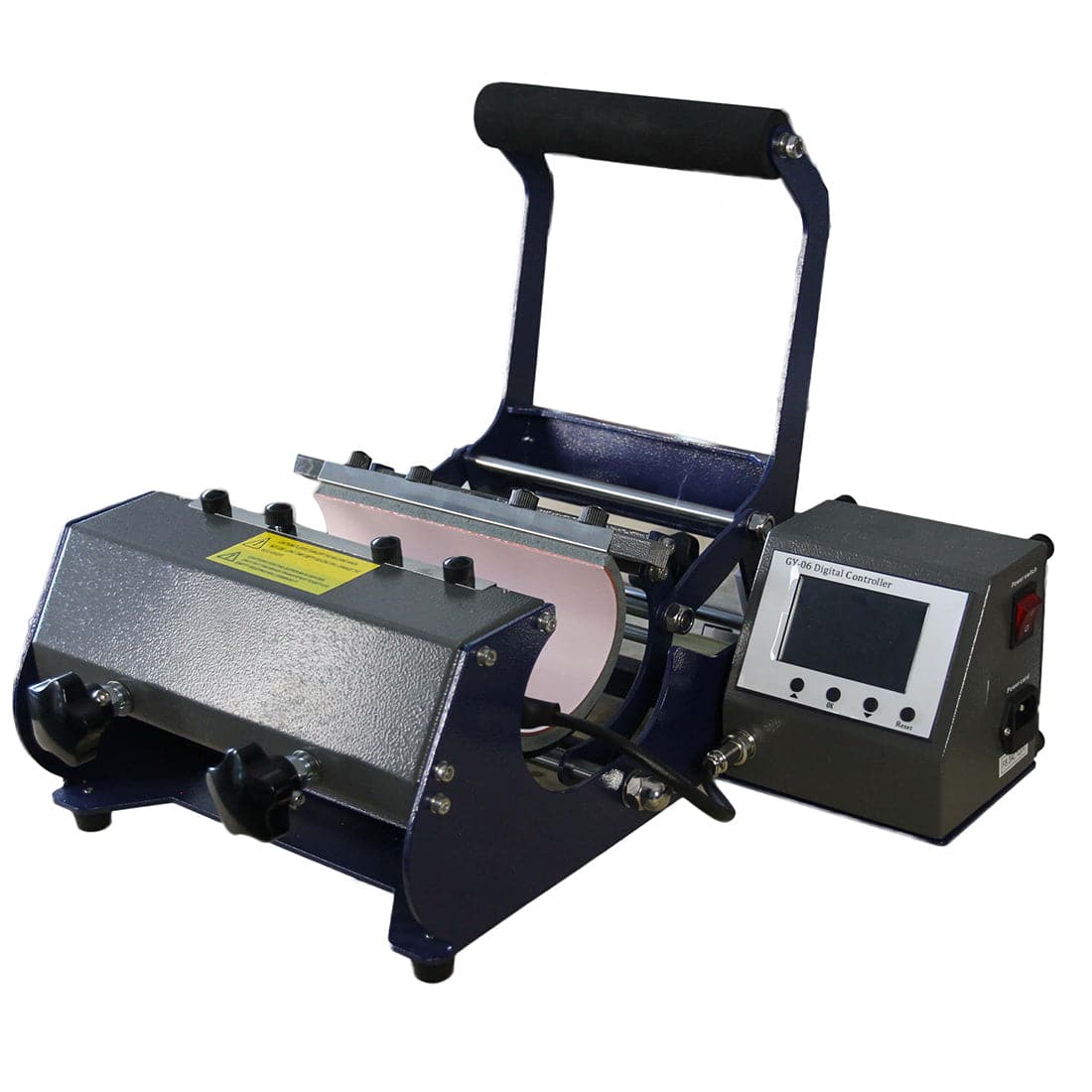
Sublimation works on polyester fabrics and polymer-coated hard goods, making it suitable for:
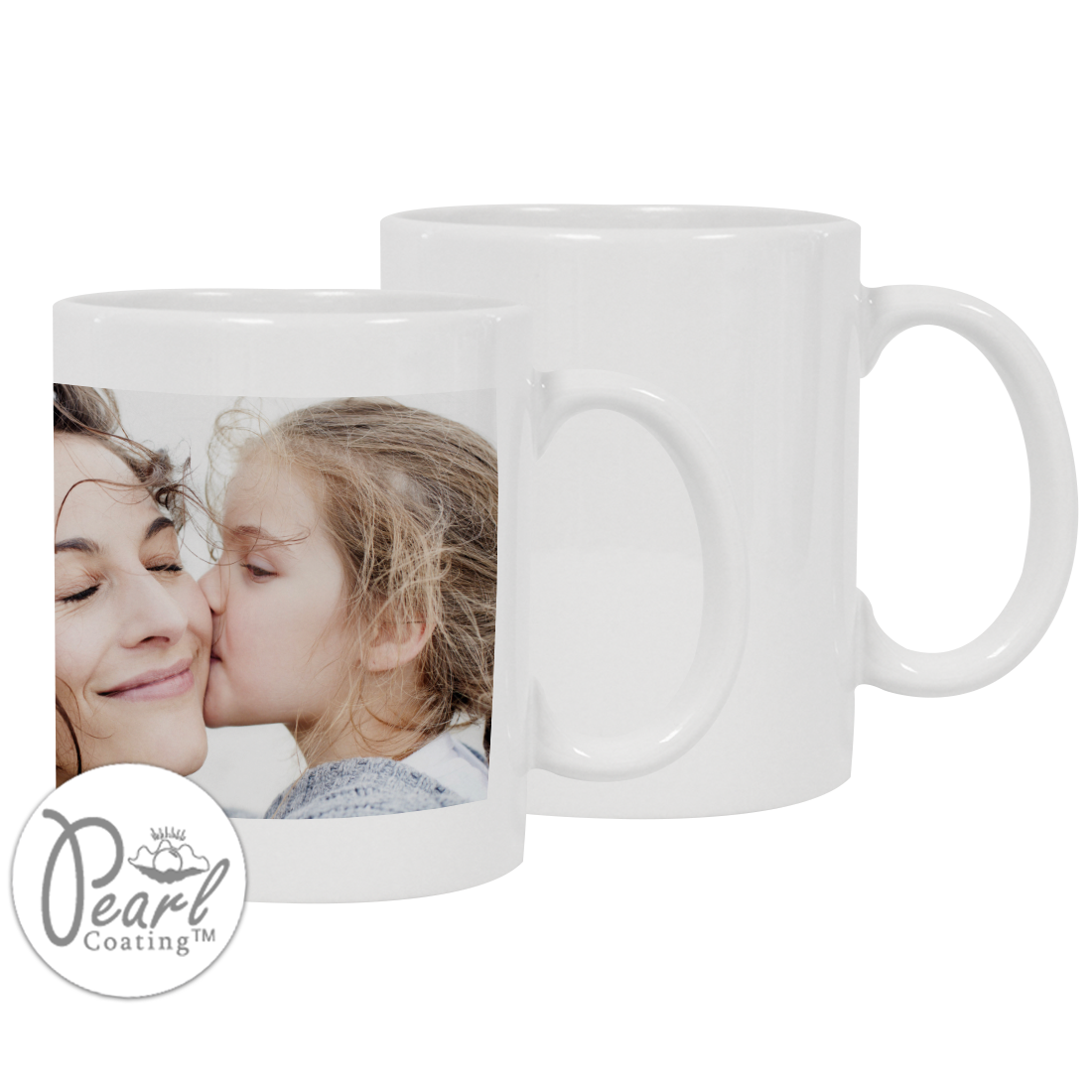
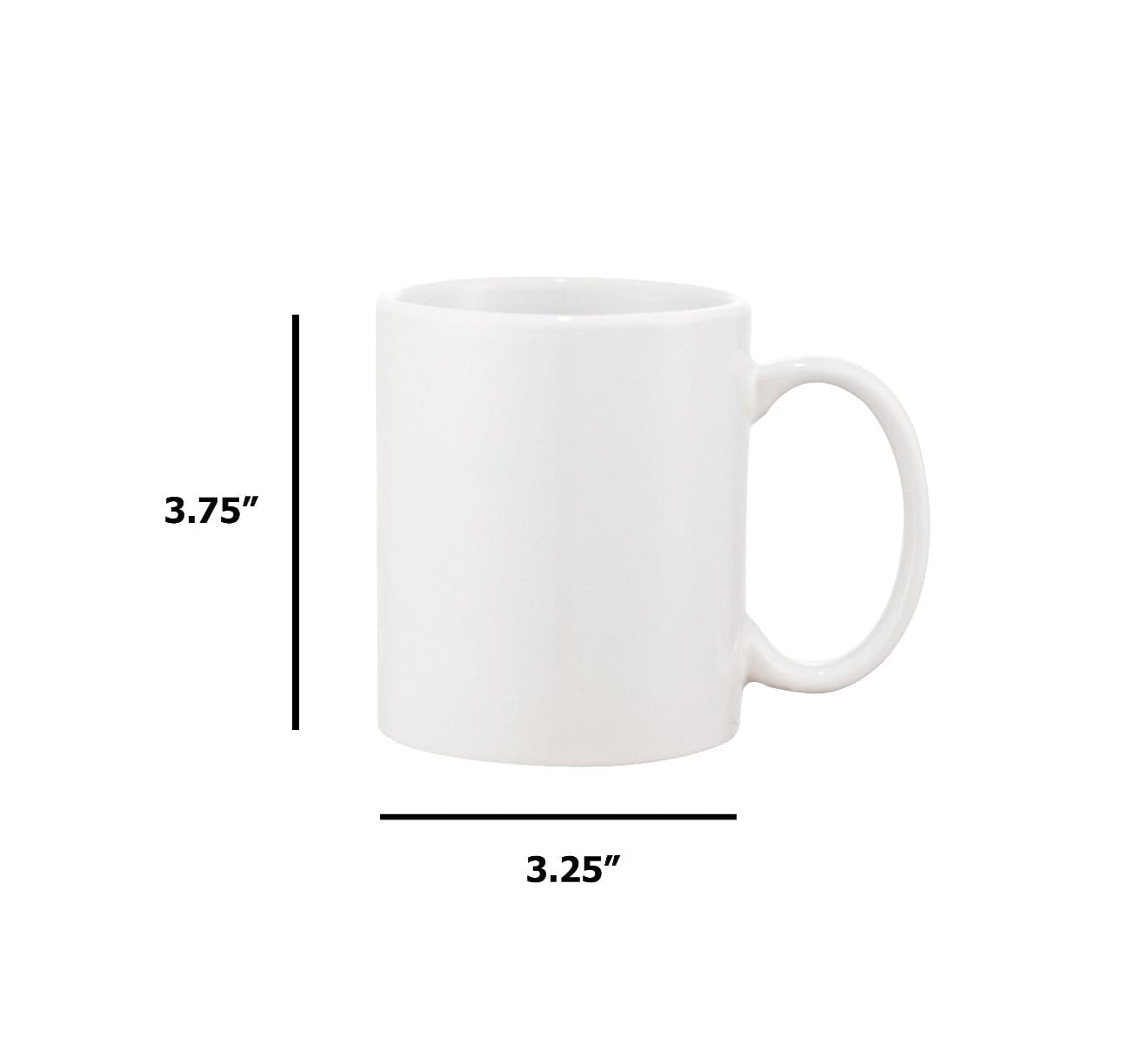
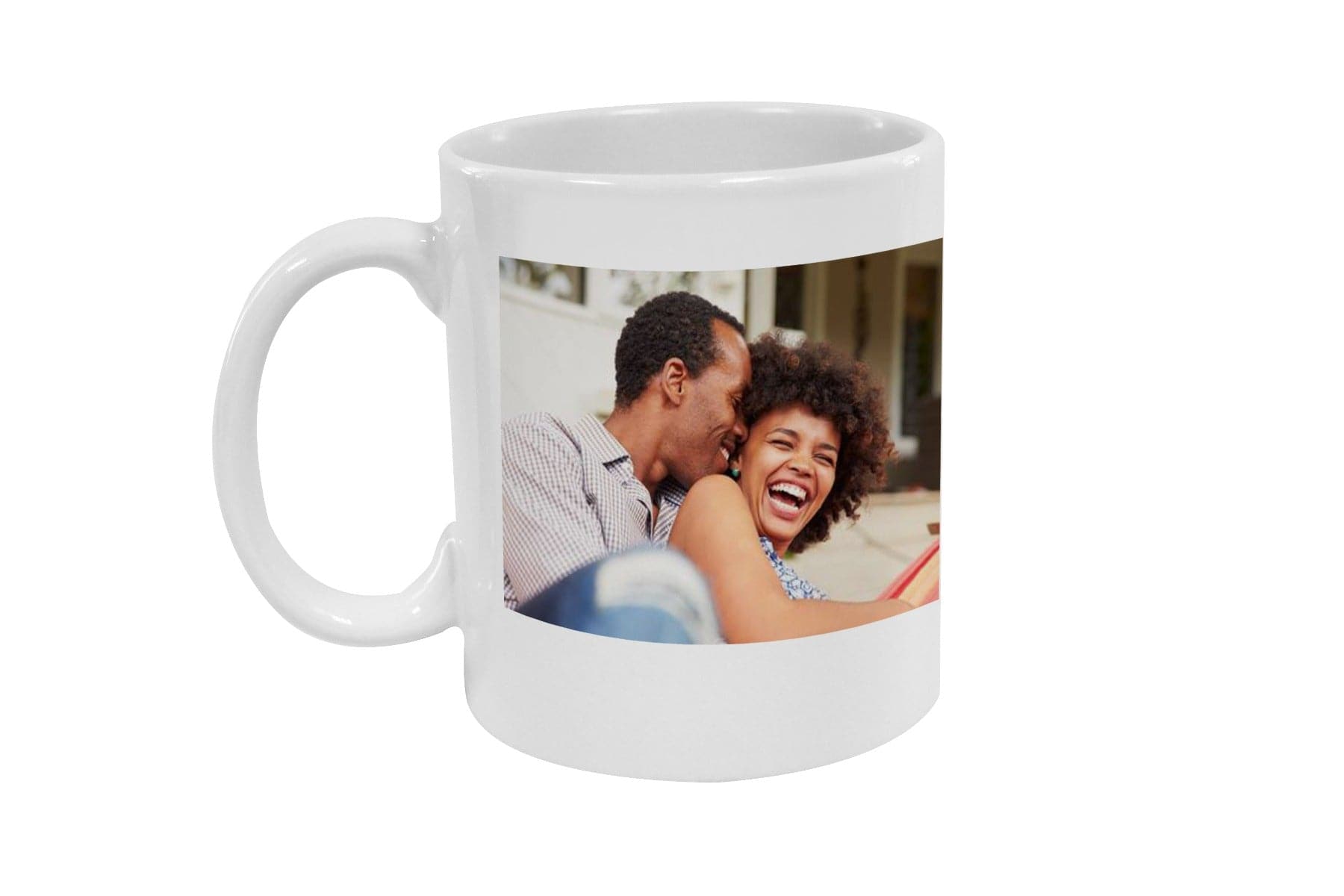
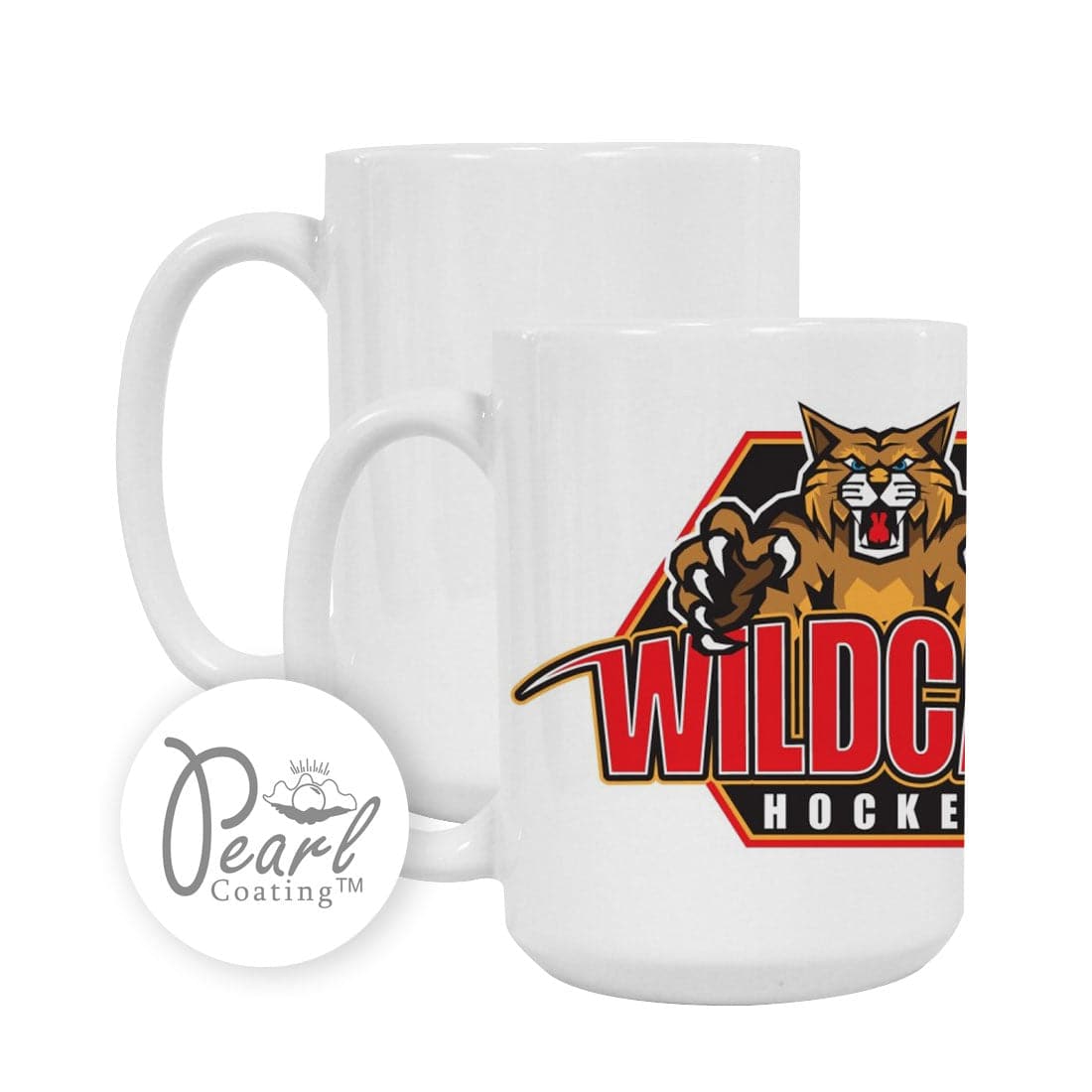
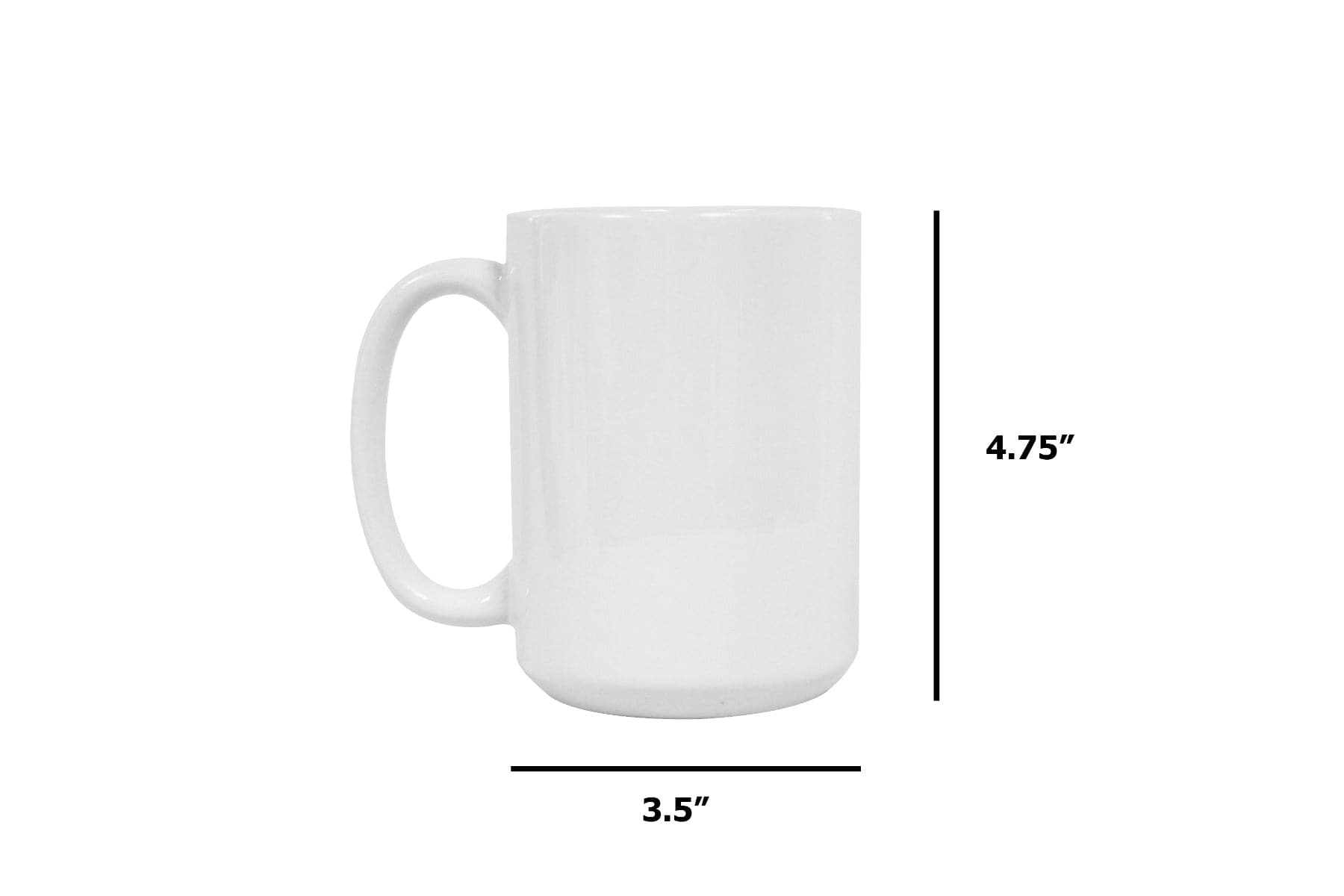
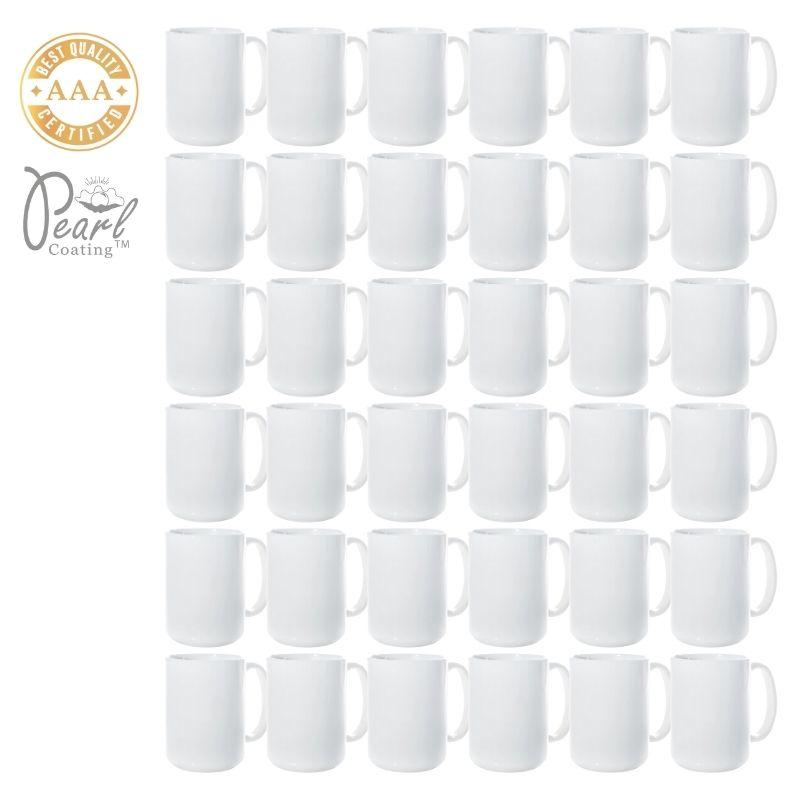
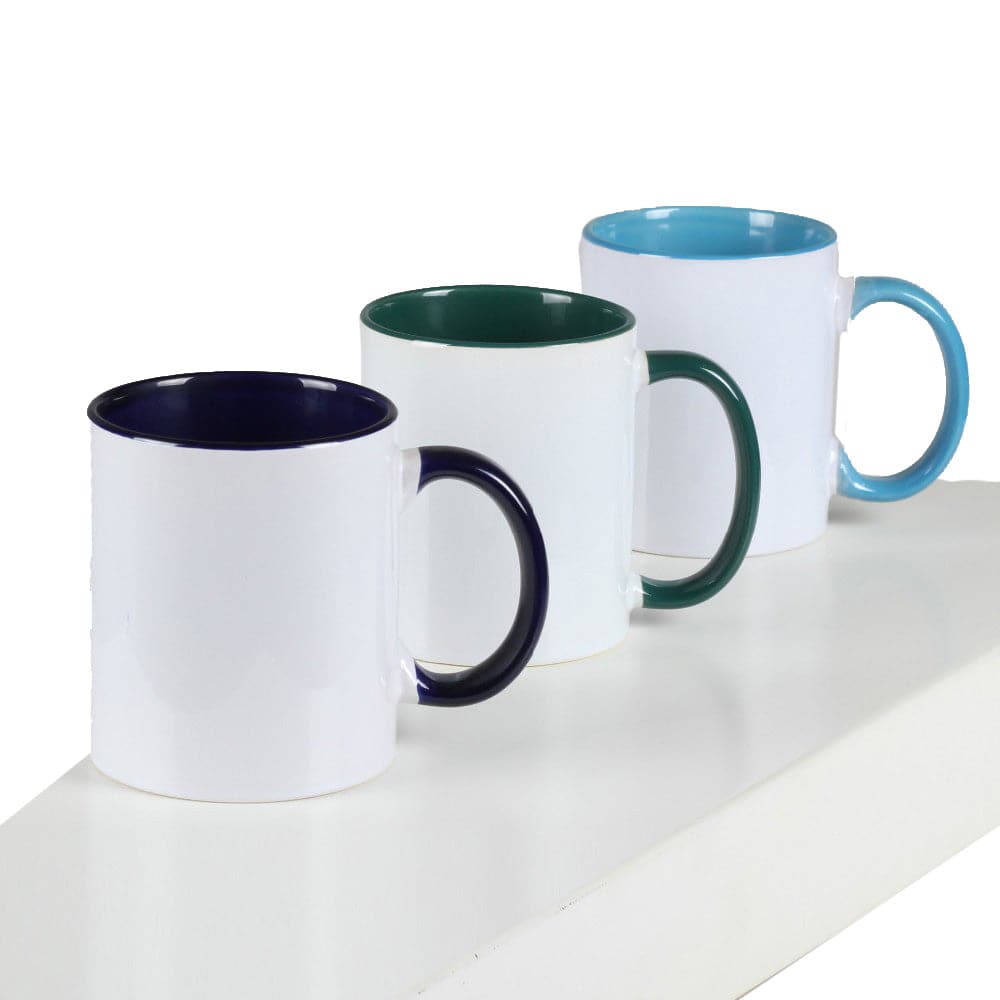
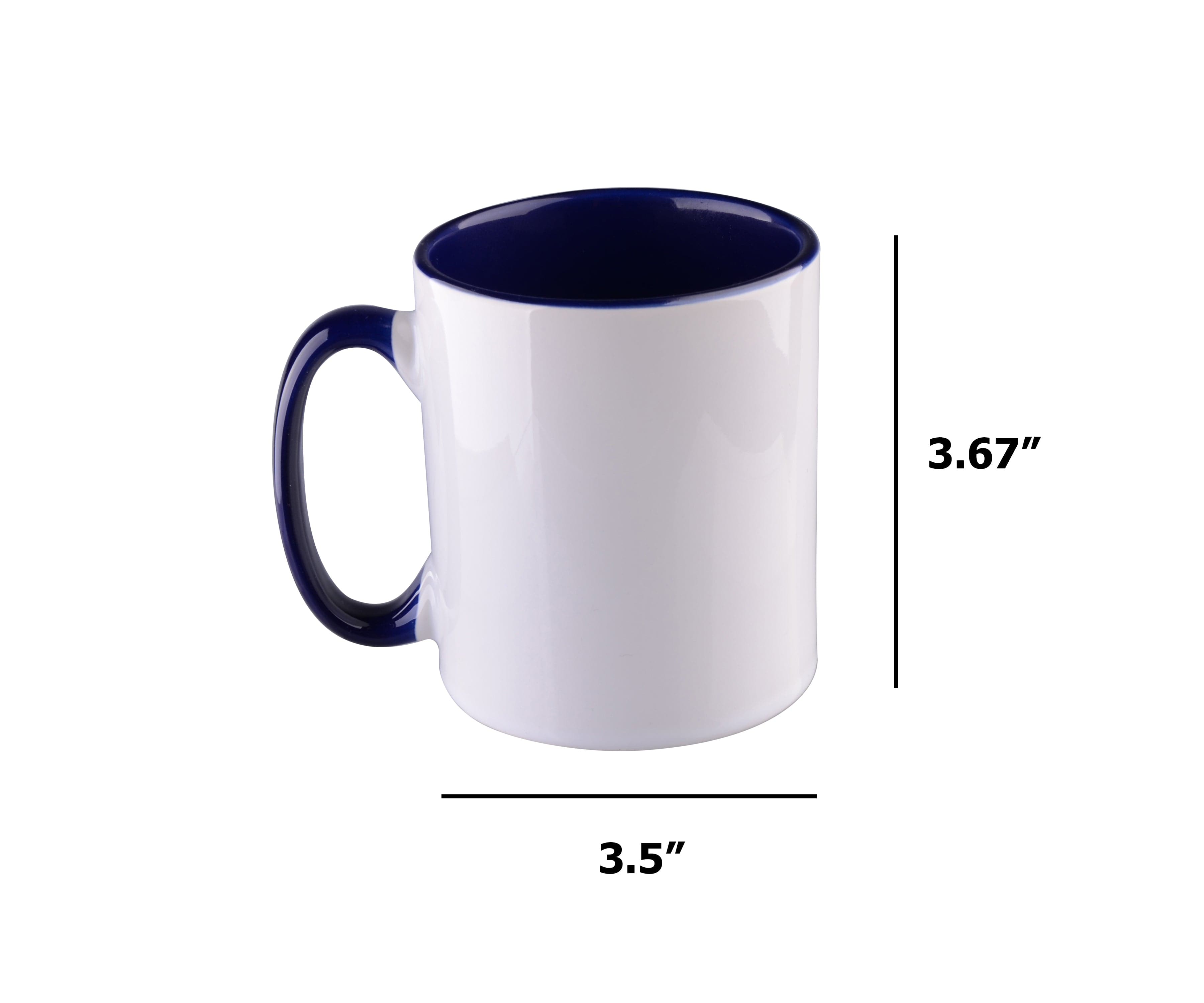
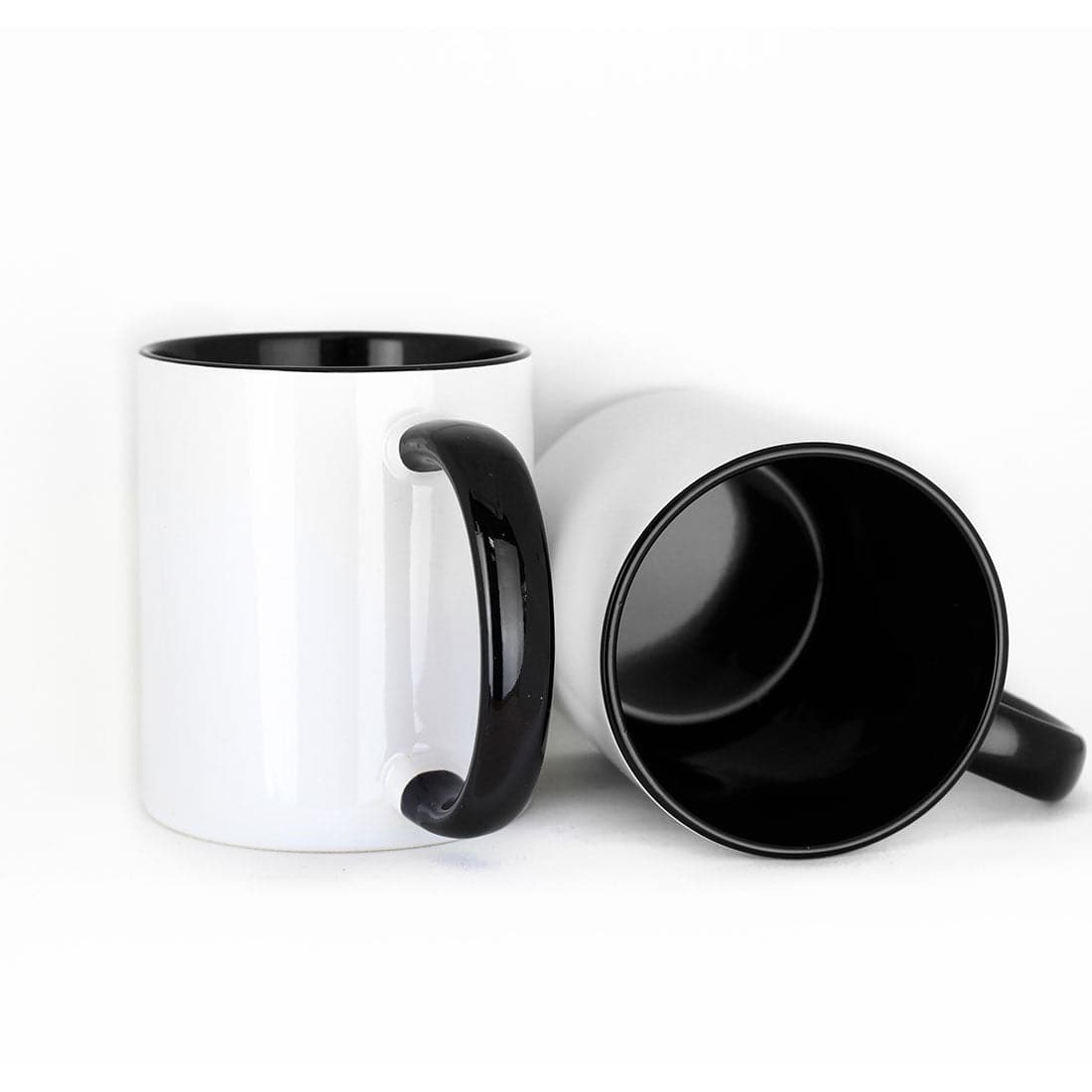
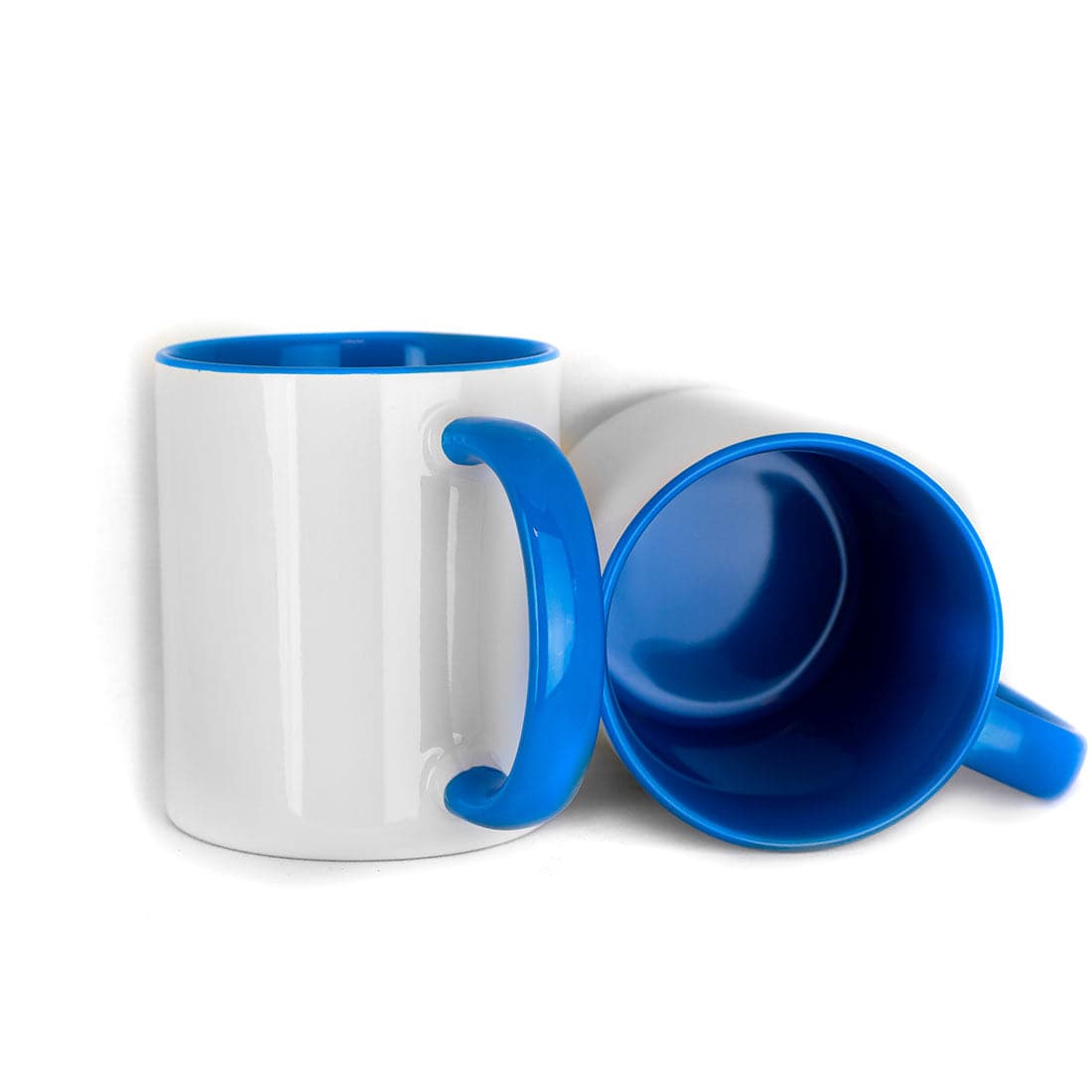
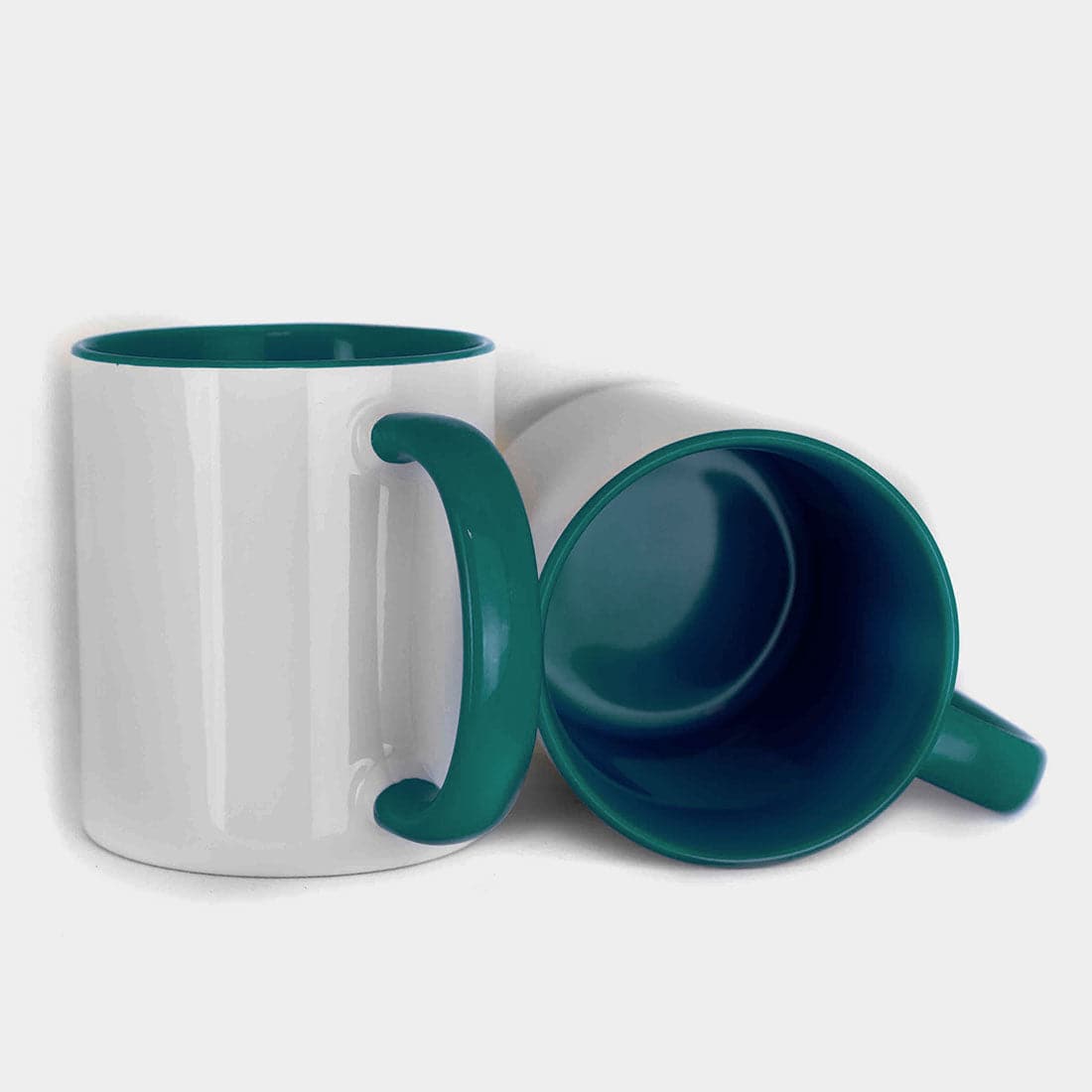
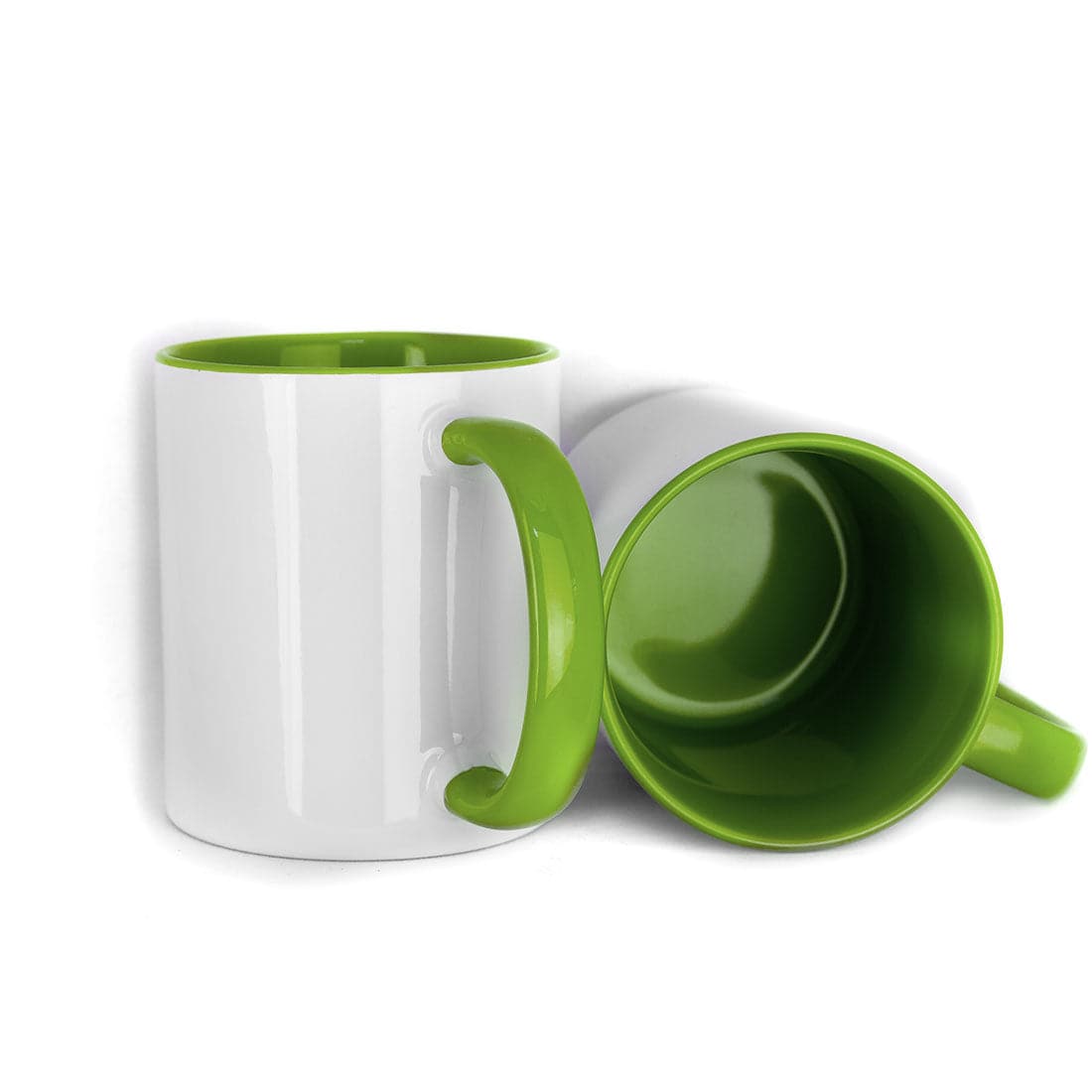
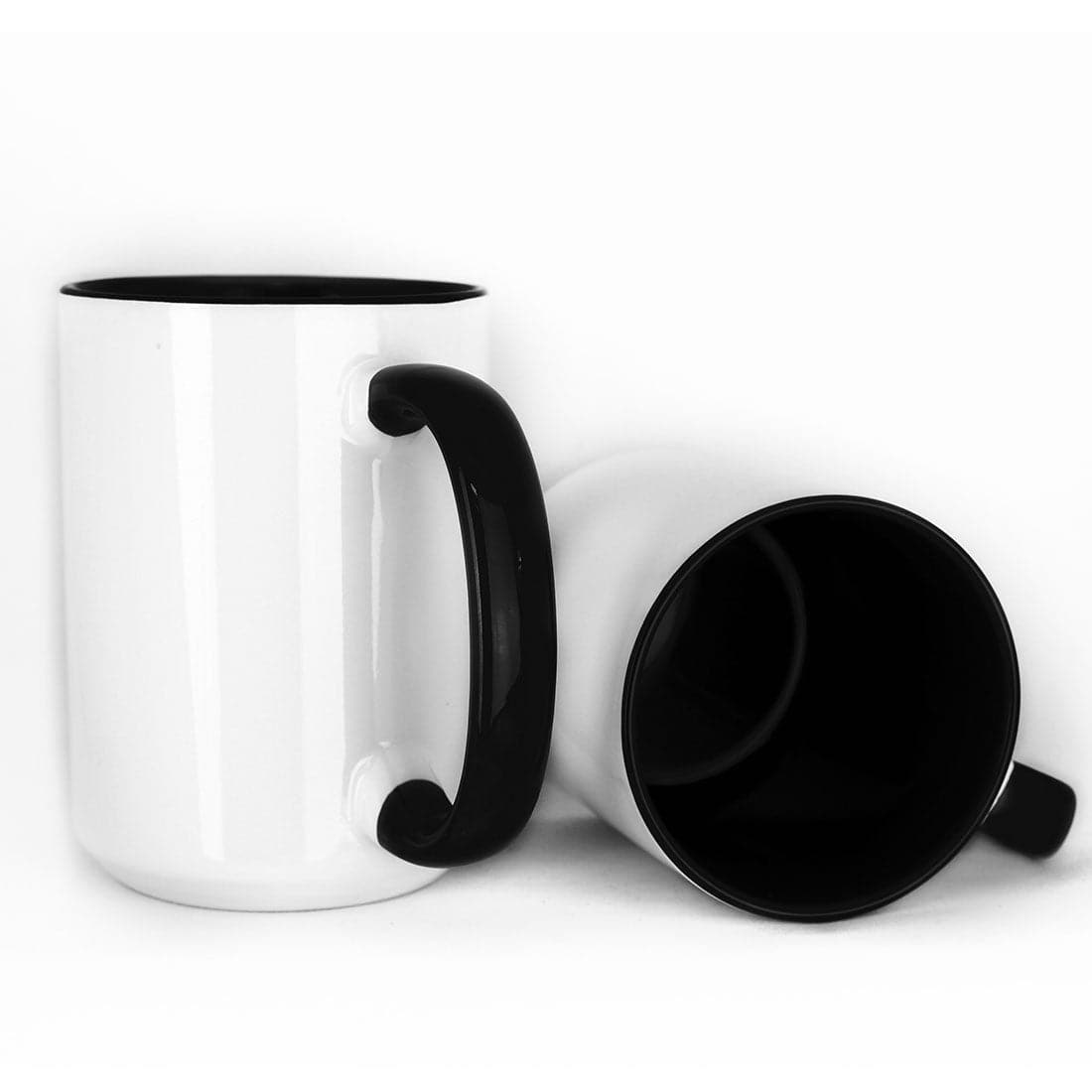
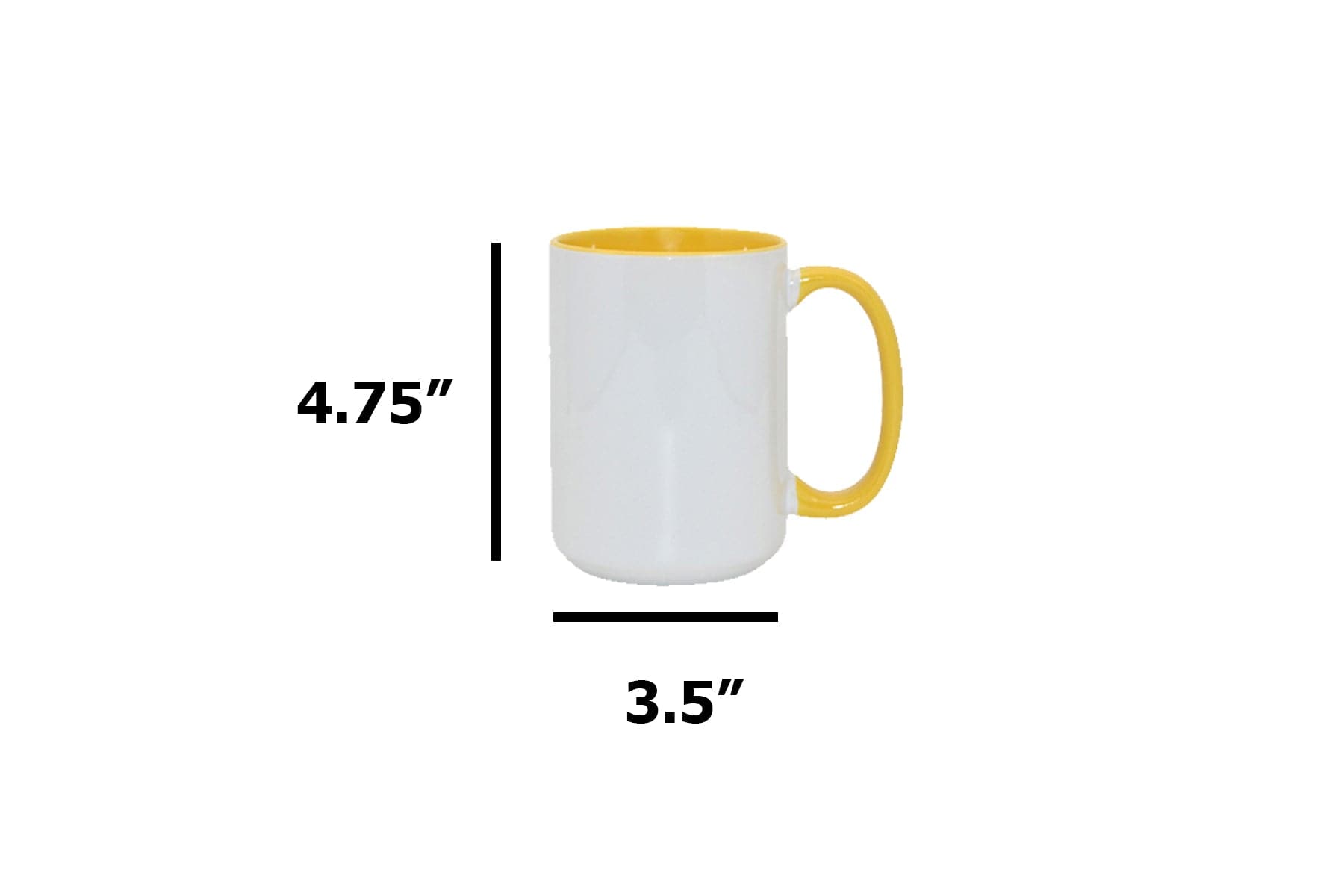
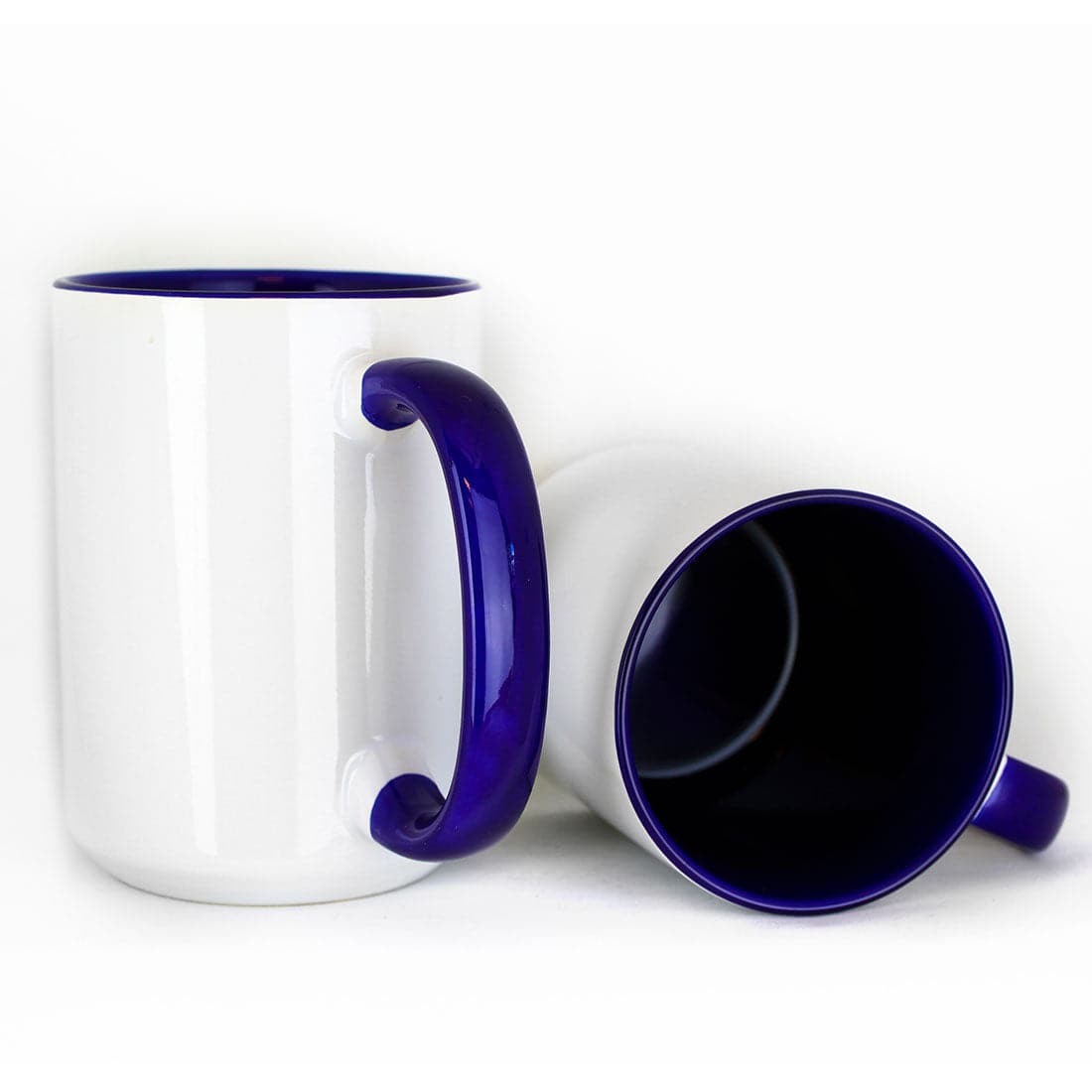
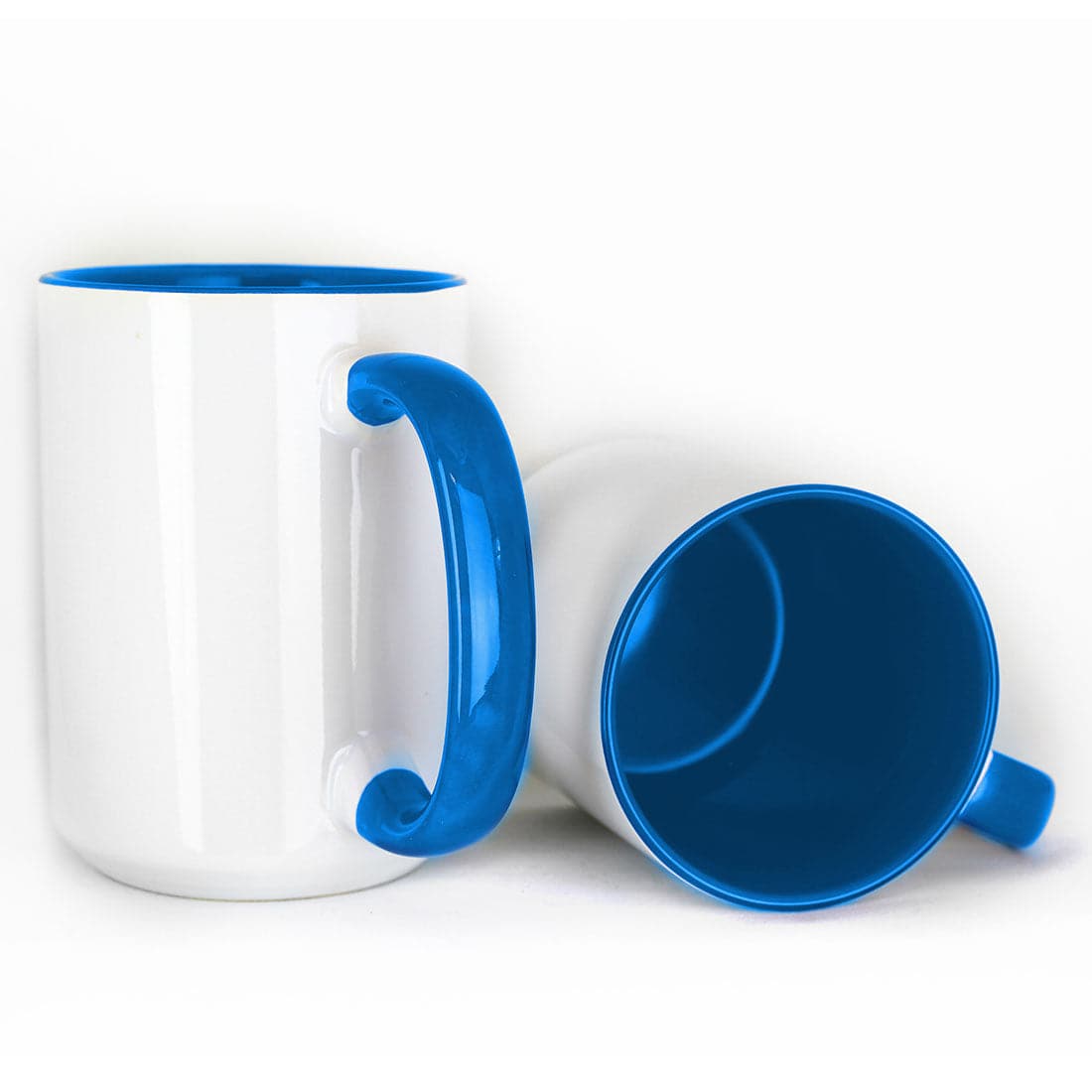
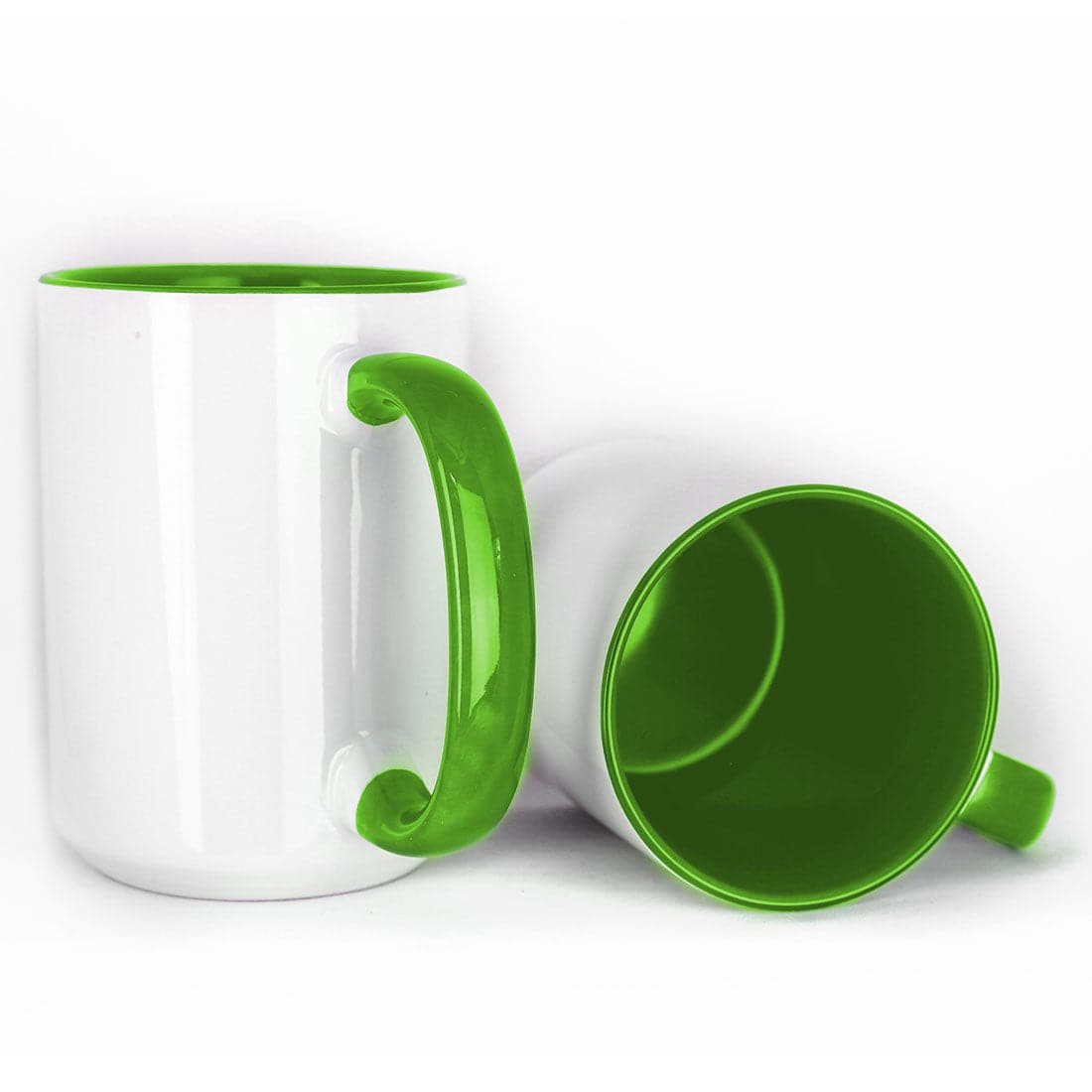
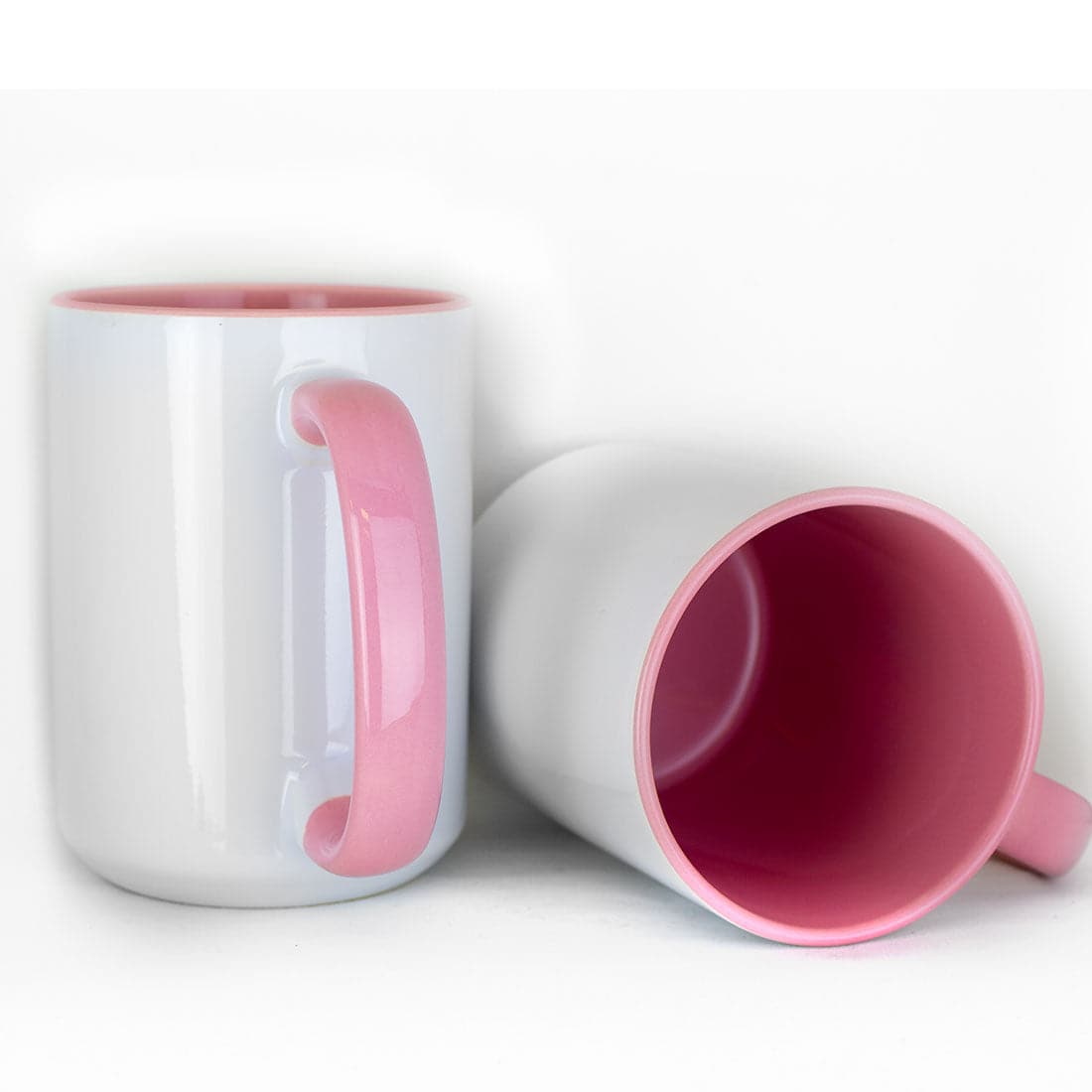
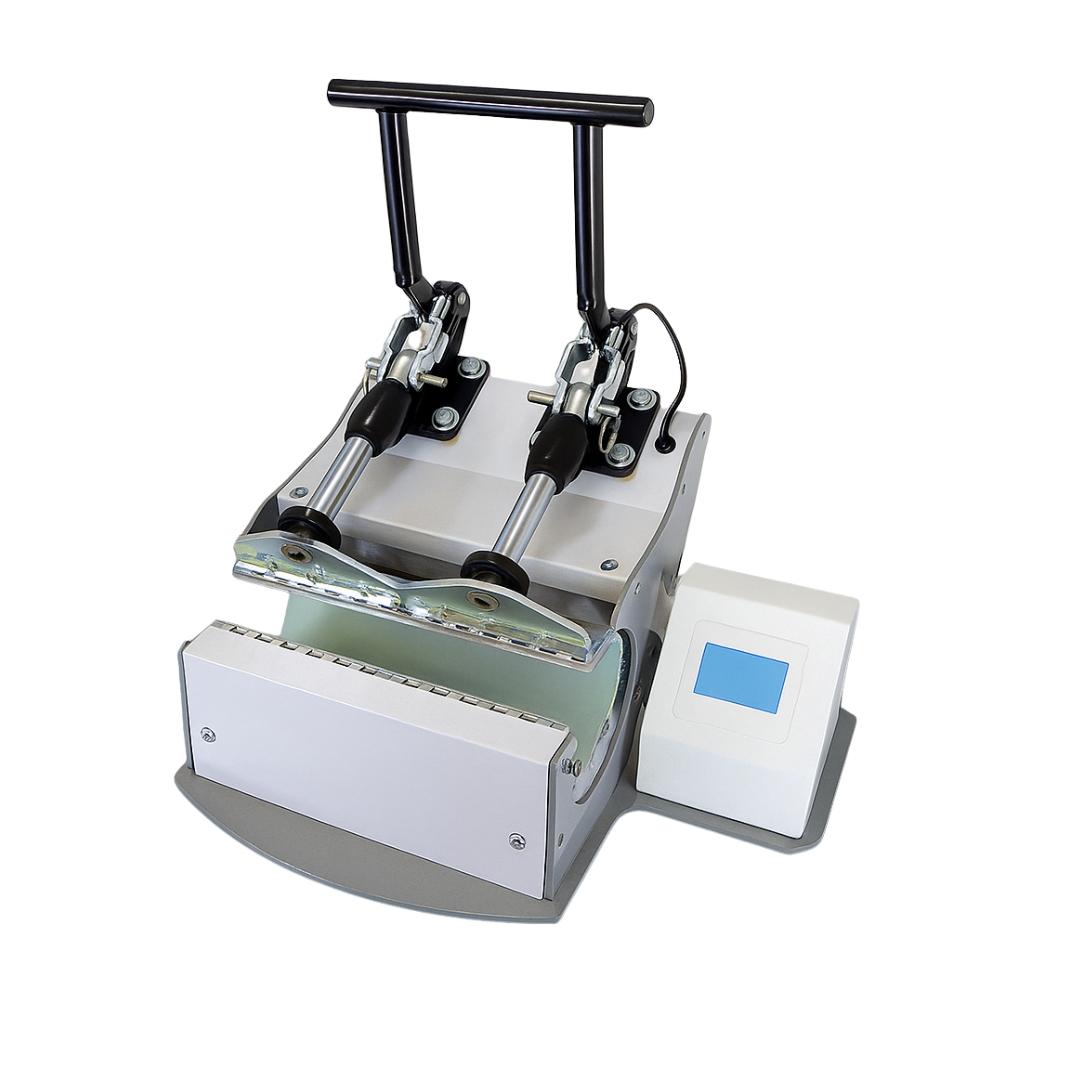
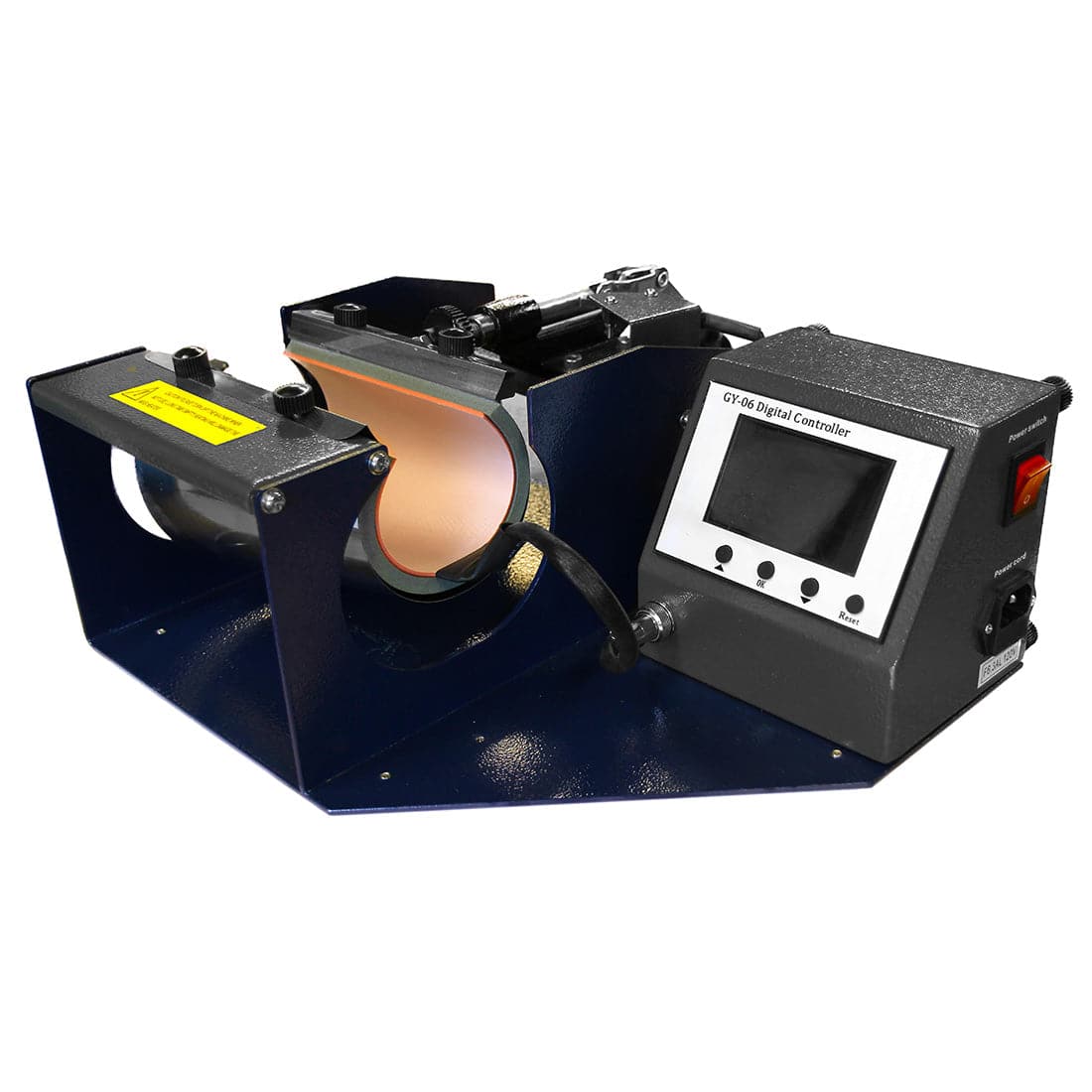
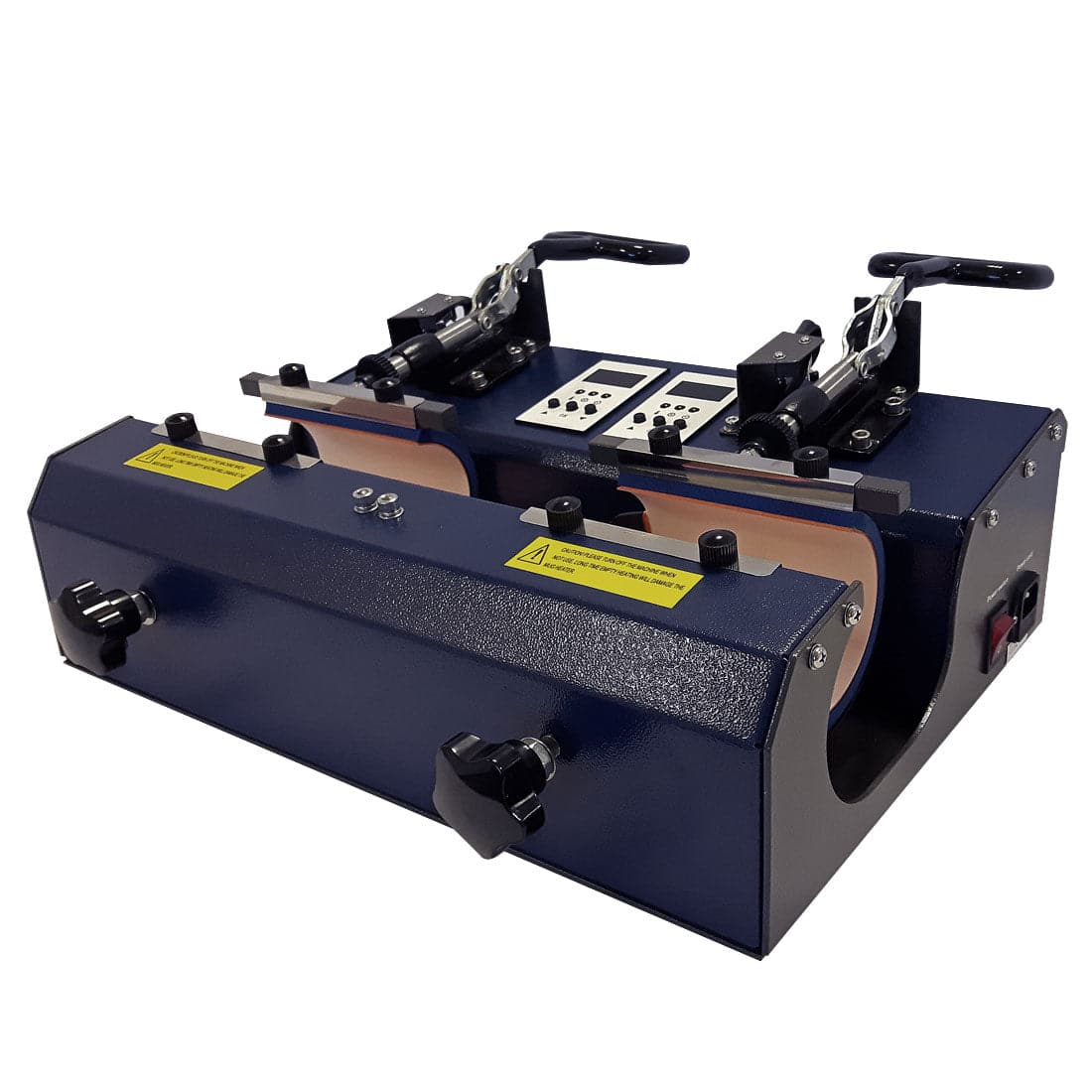
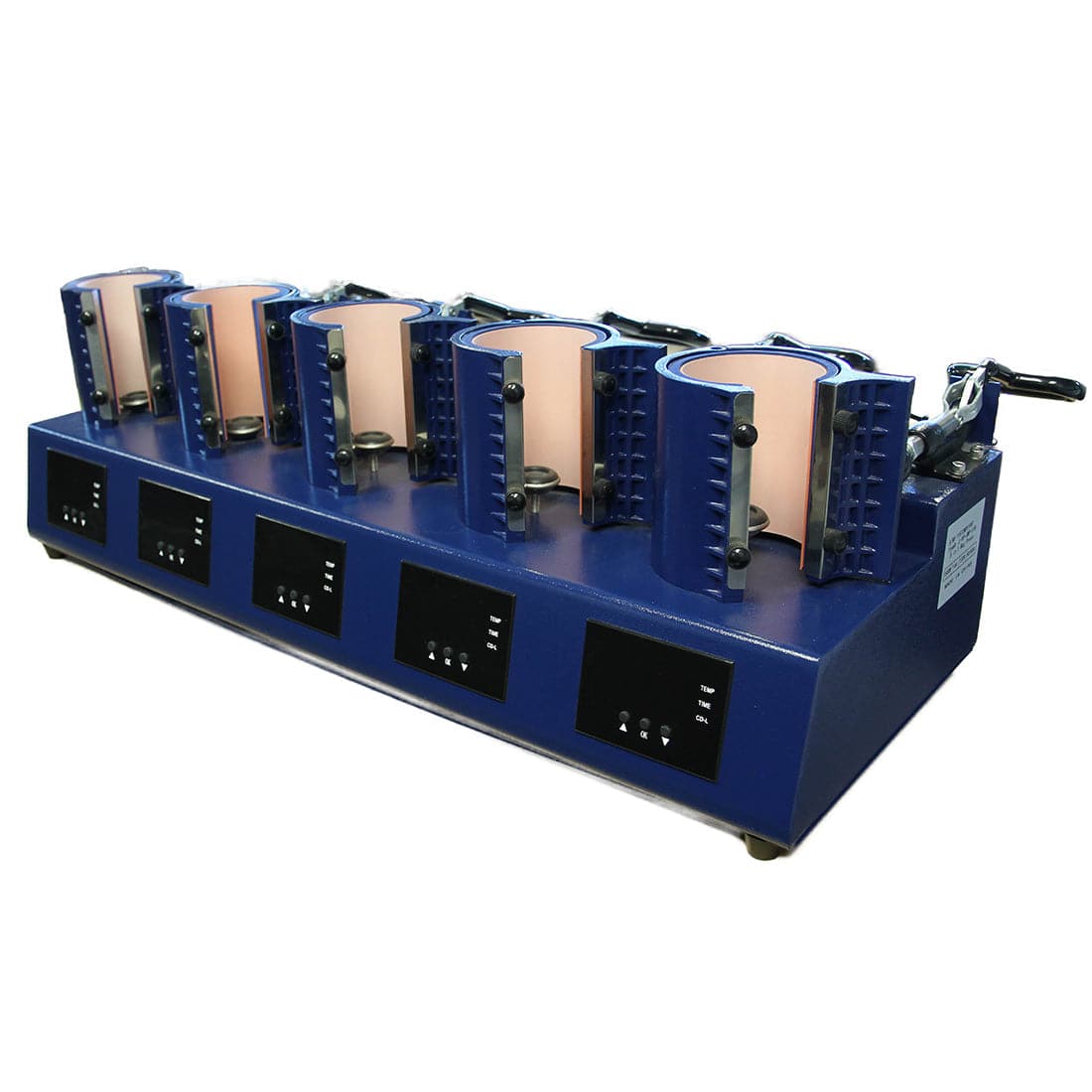
- Mugs and drinkware with full-wrap designs
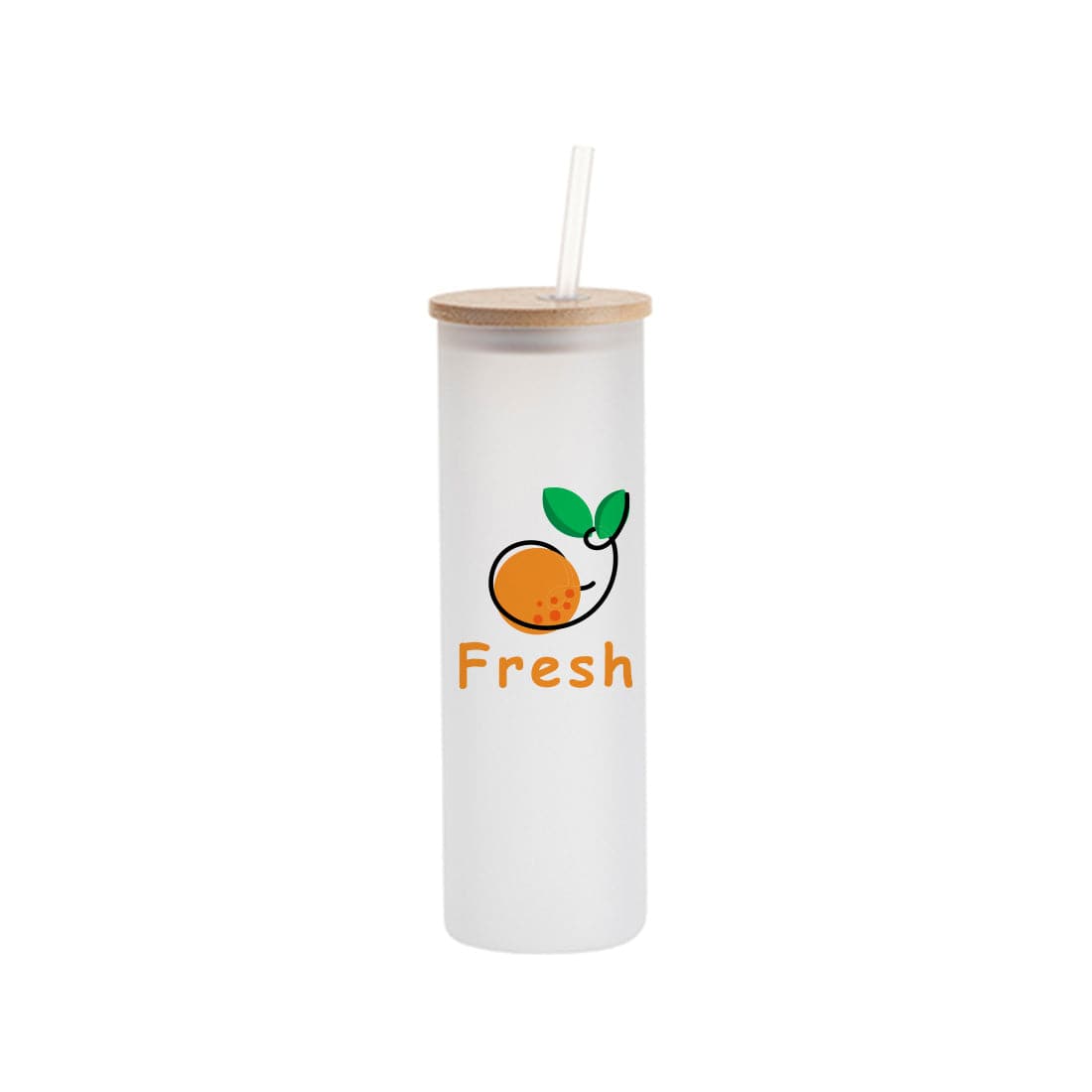
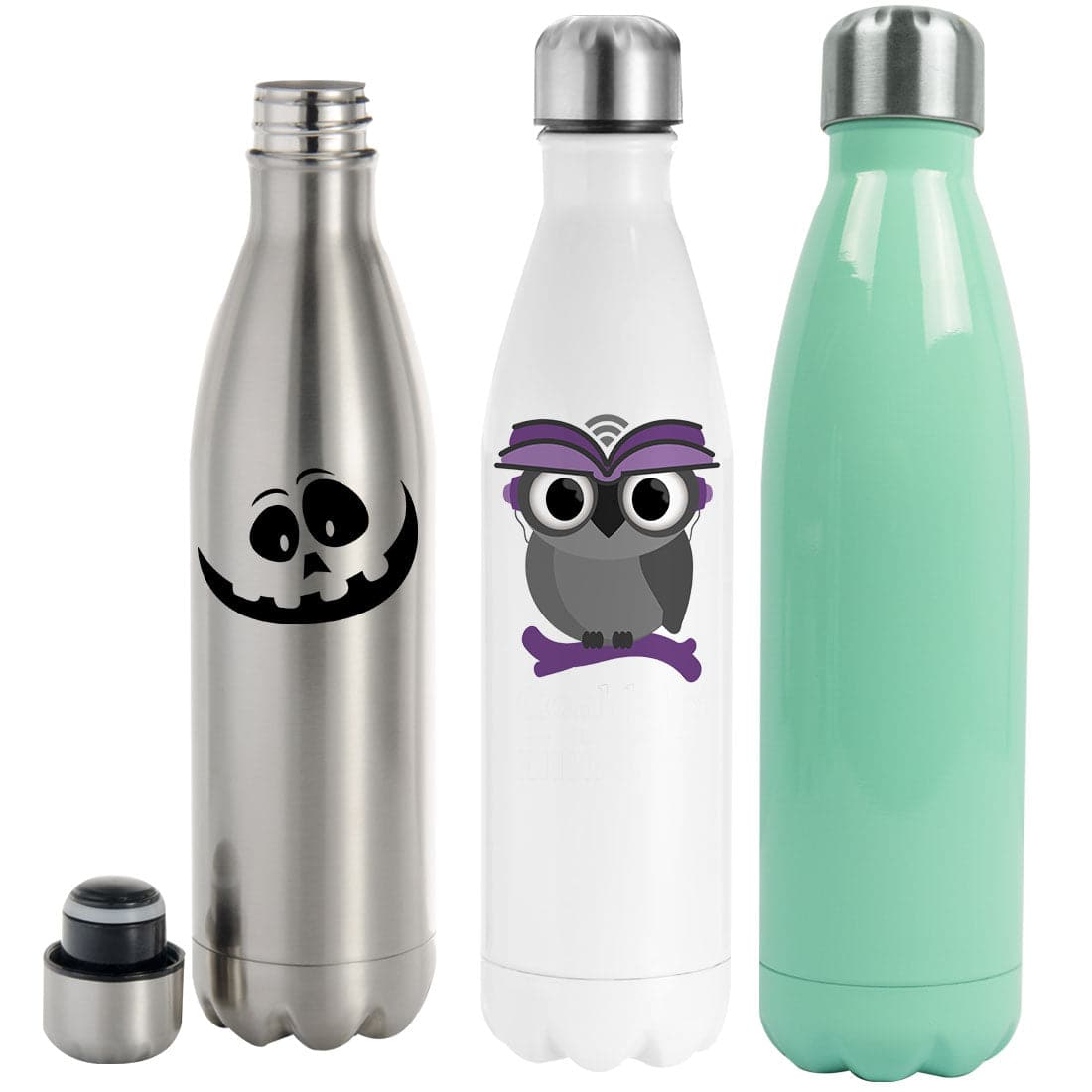
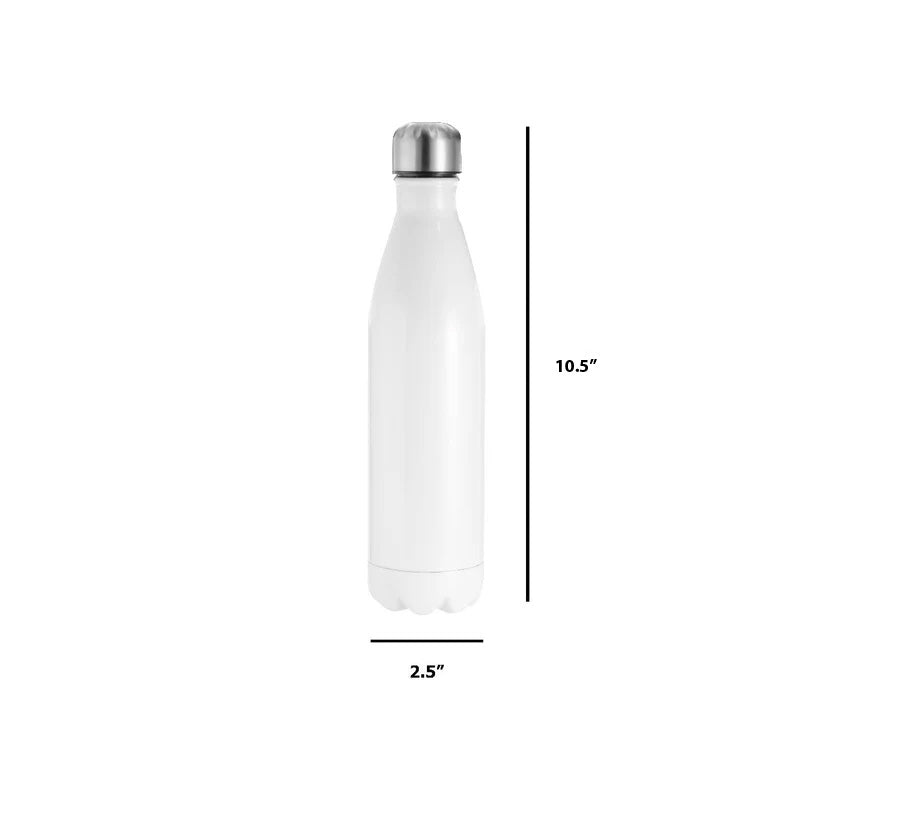
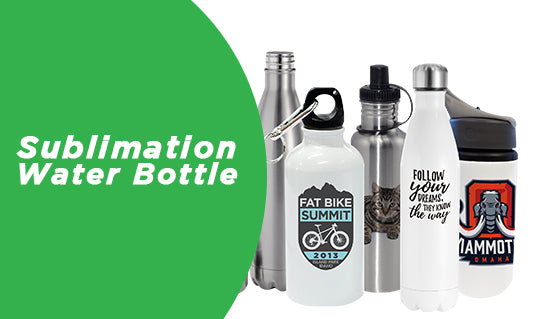
- Water bottles and hydration products
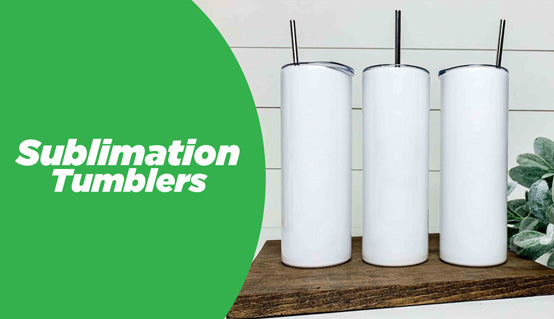
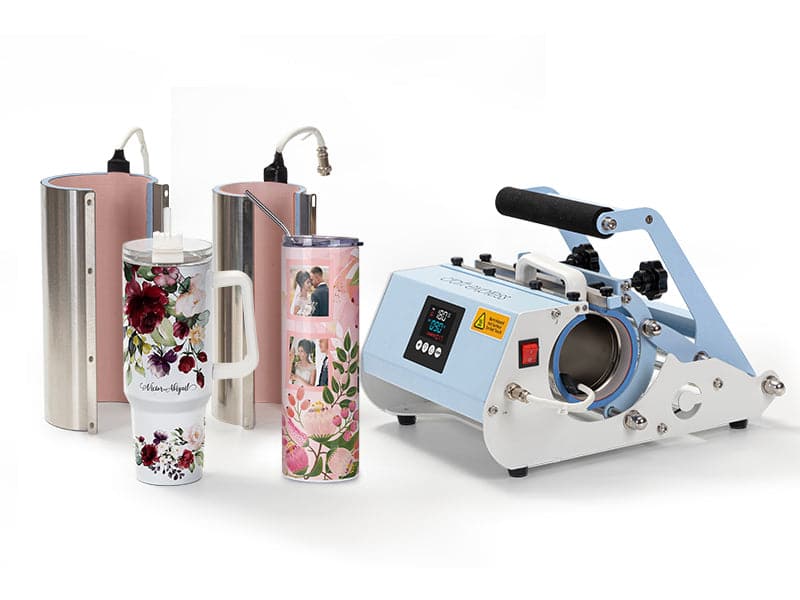
- Tumblers with 360-degree coverage
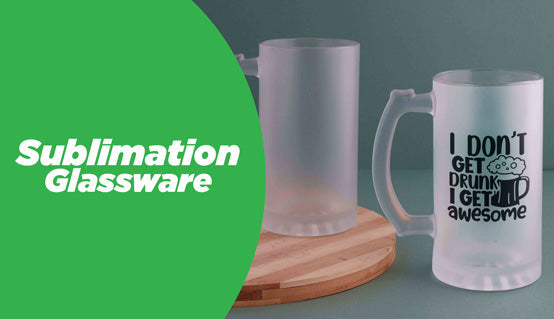
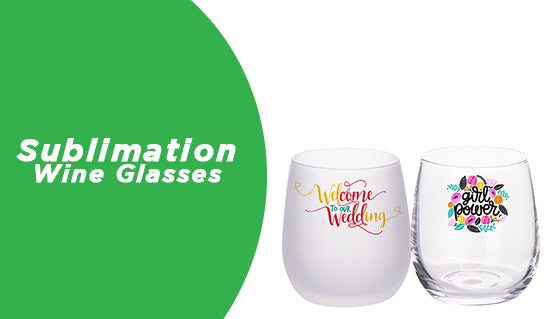
- Wine glasses and specialty glassware
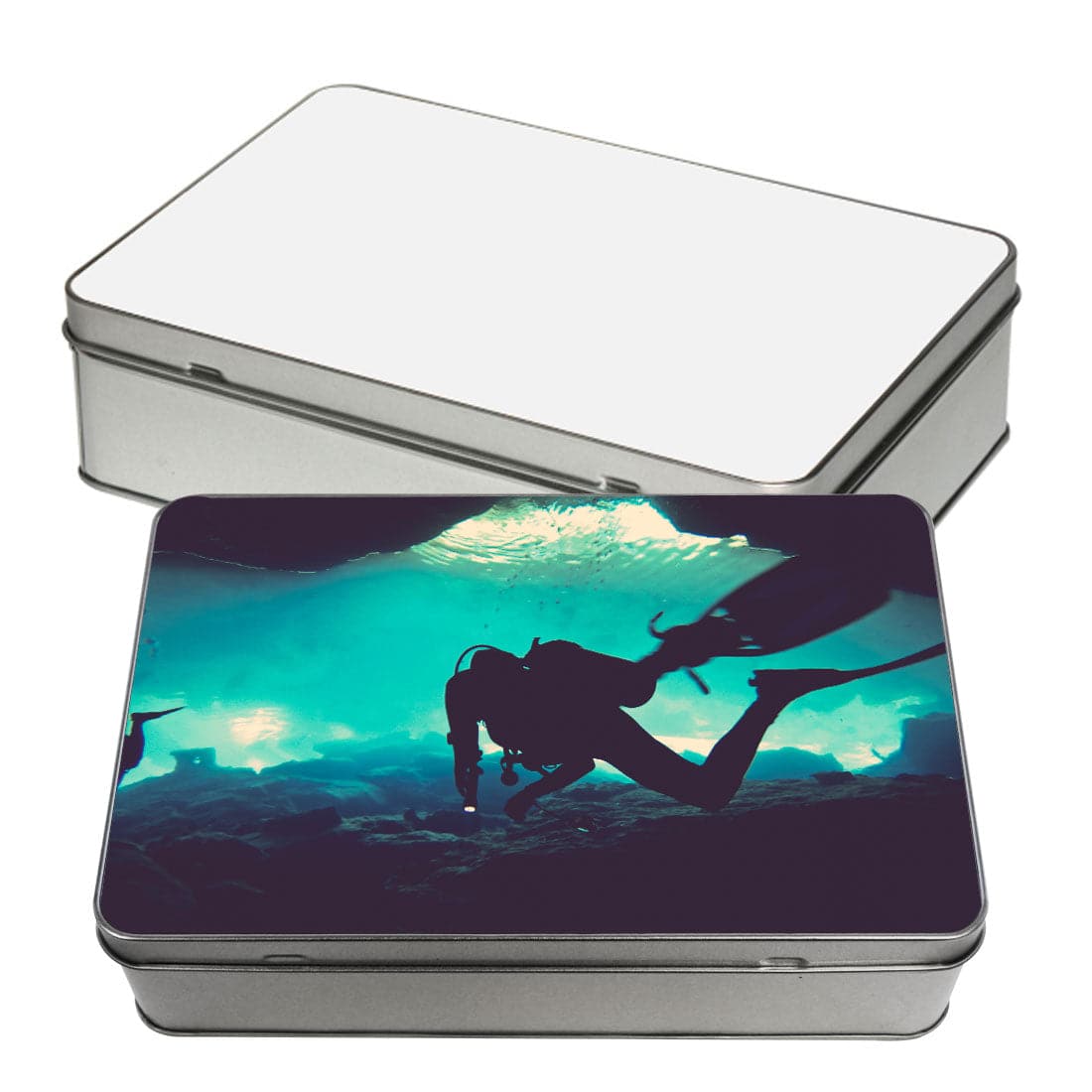
- Mousepads, phone cases, and other polymer-coated items
- Aluminum panels and metal prints
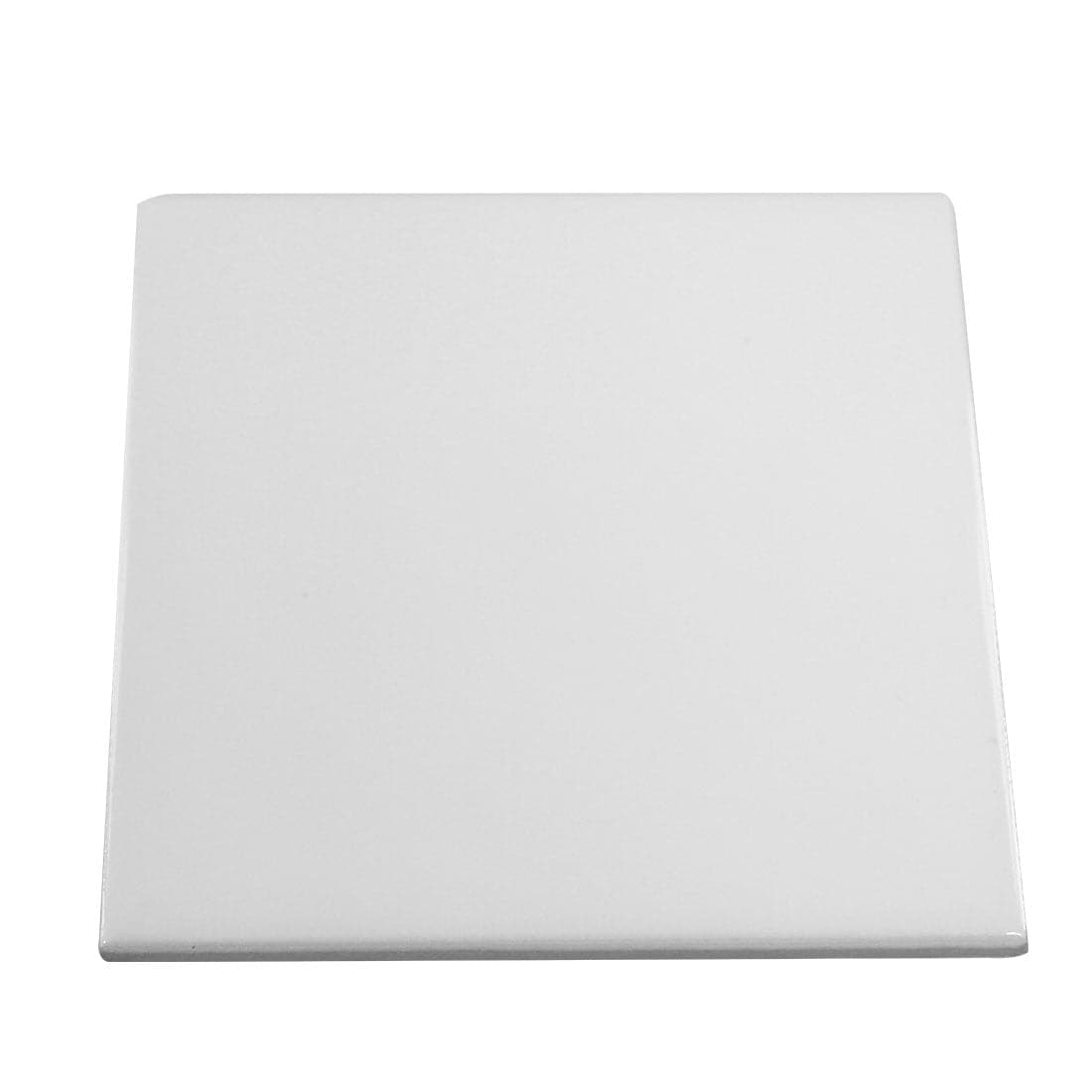
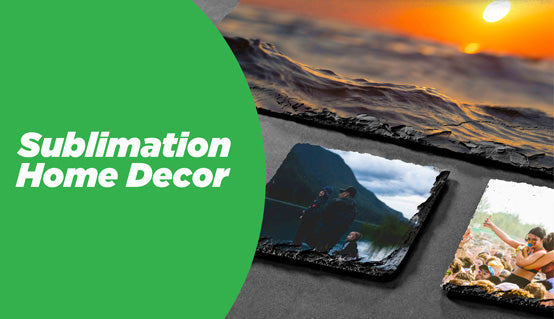
- Ceramic tiles and coasters
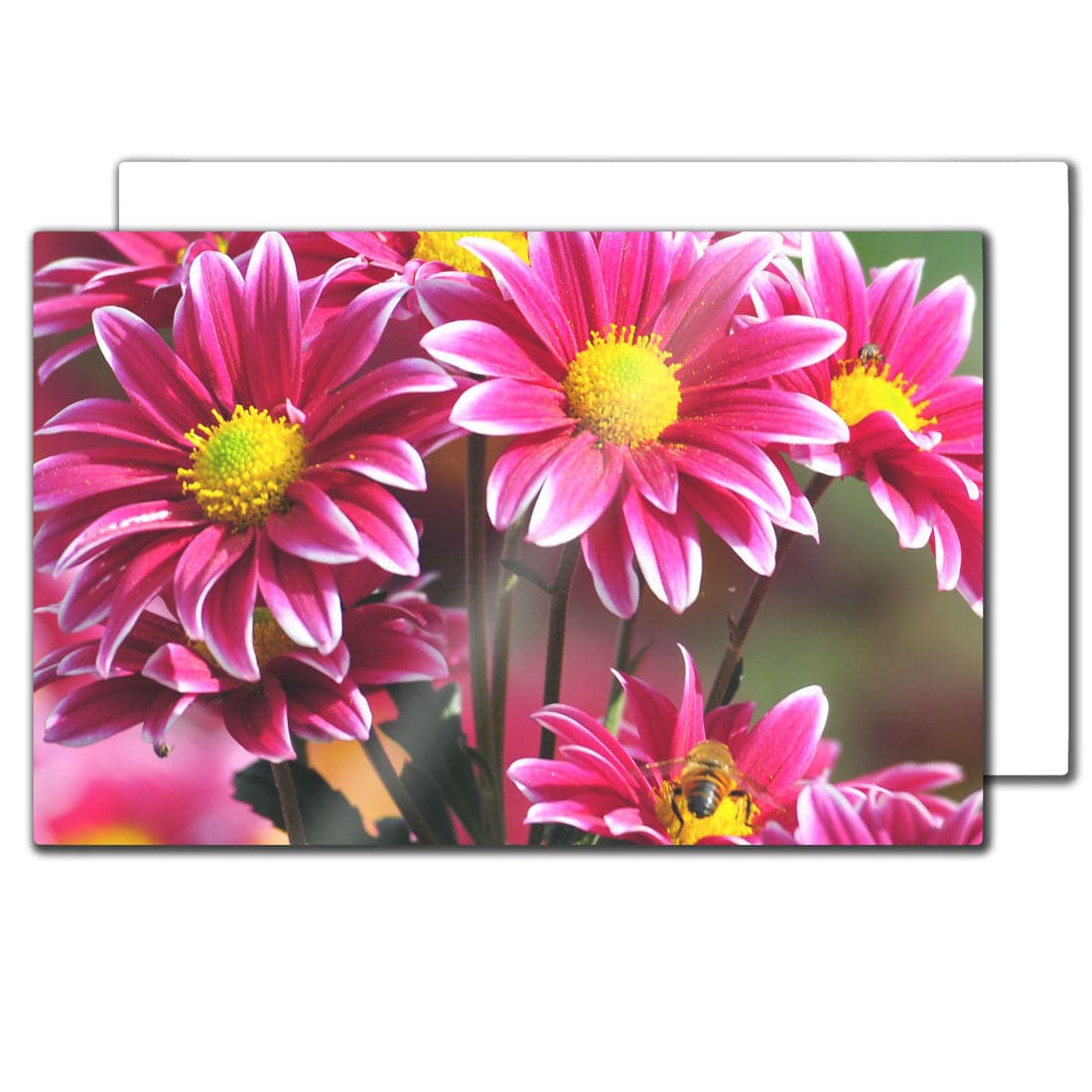
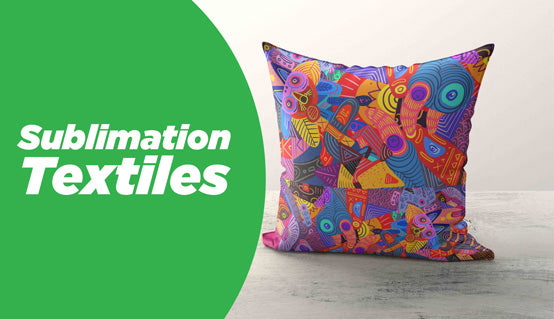
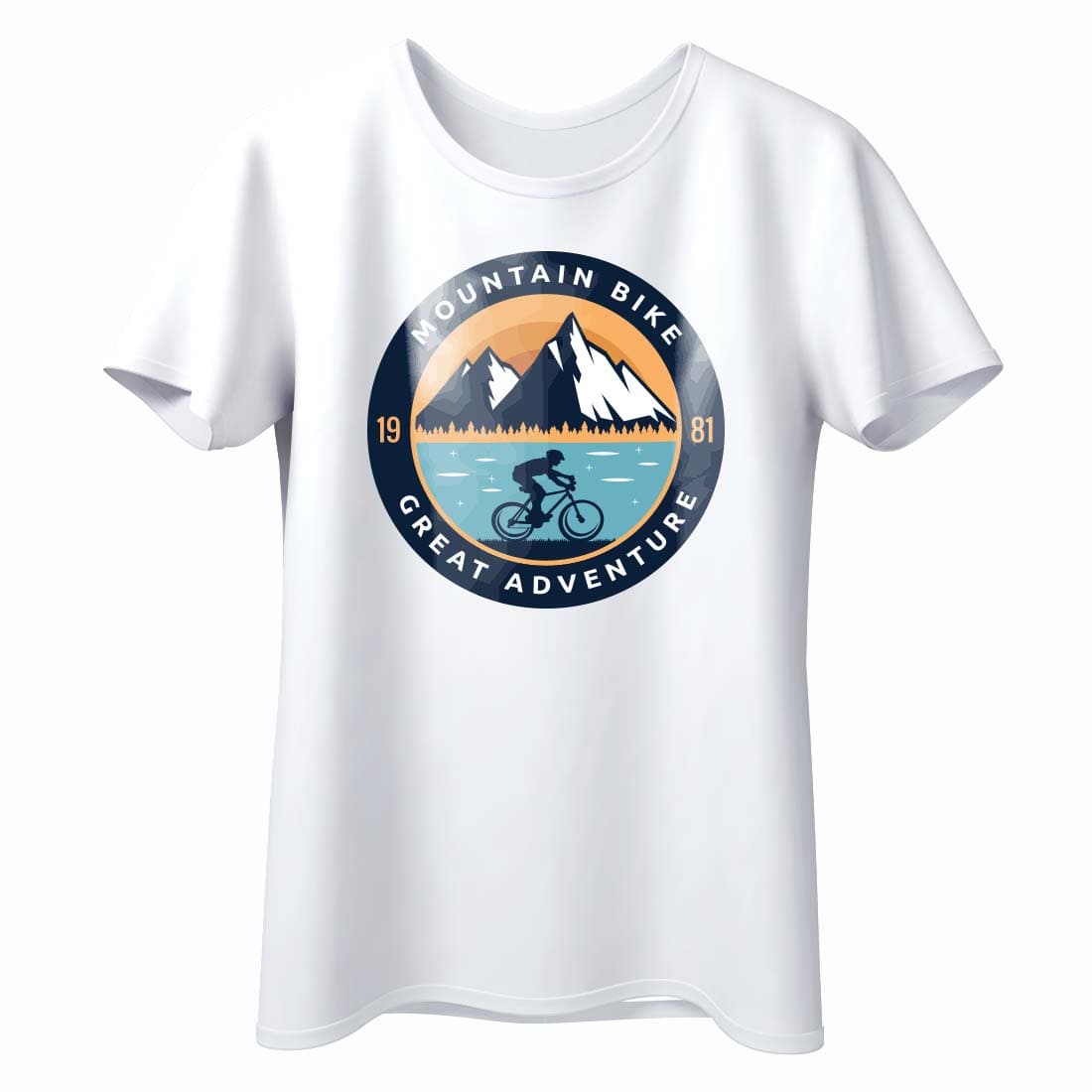
All-over garment prints and photorealistic designs with unlimited color gradients represent sublimation's strongest applications. The method works best on white or light-colored polyester substrates where the transparent ink can display at full vibrancy.
Equipment Dependencies for Sublimation
Sublimation requires four critical components working together:
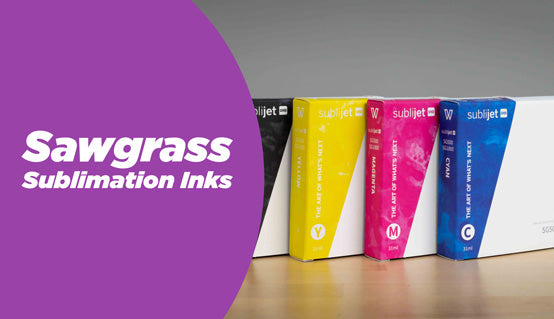
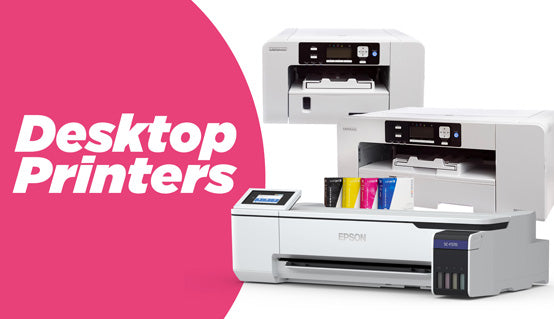
- Sublimation printer - Uses sublimation ink (not standard inkjet ink) to produce transfers
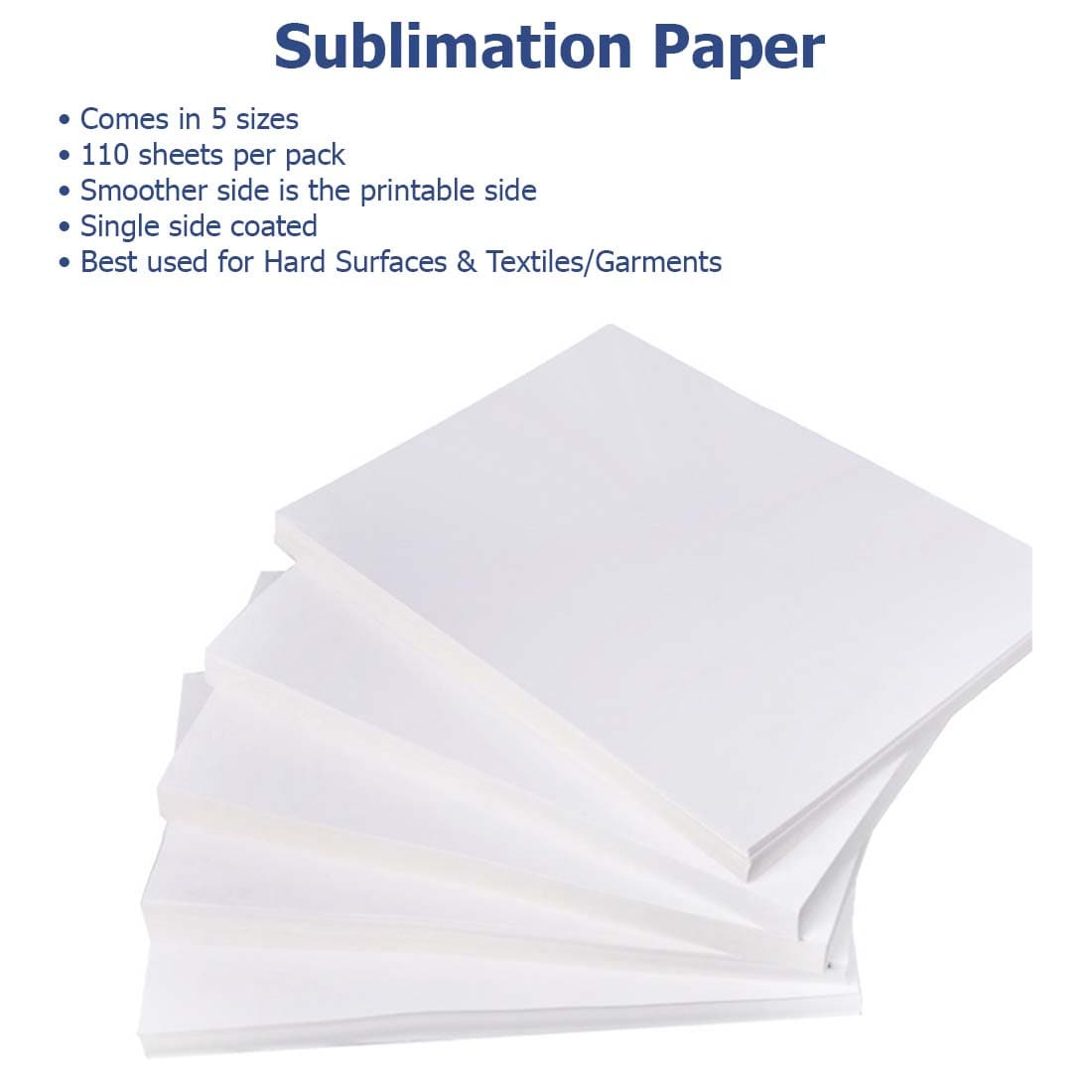
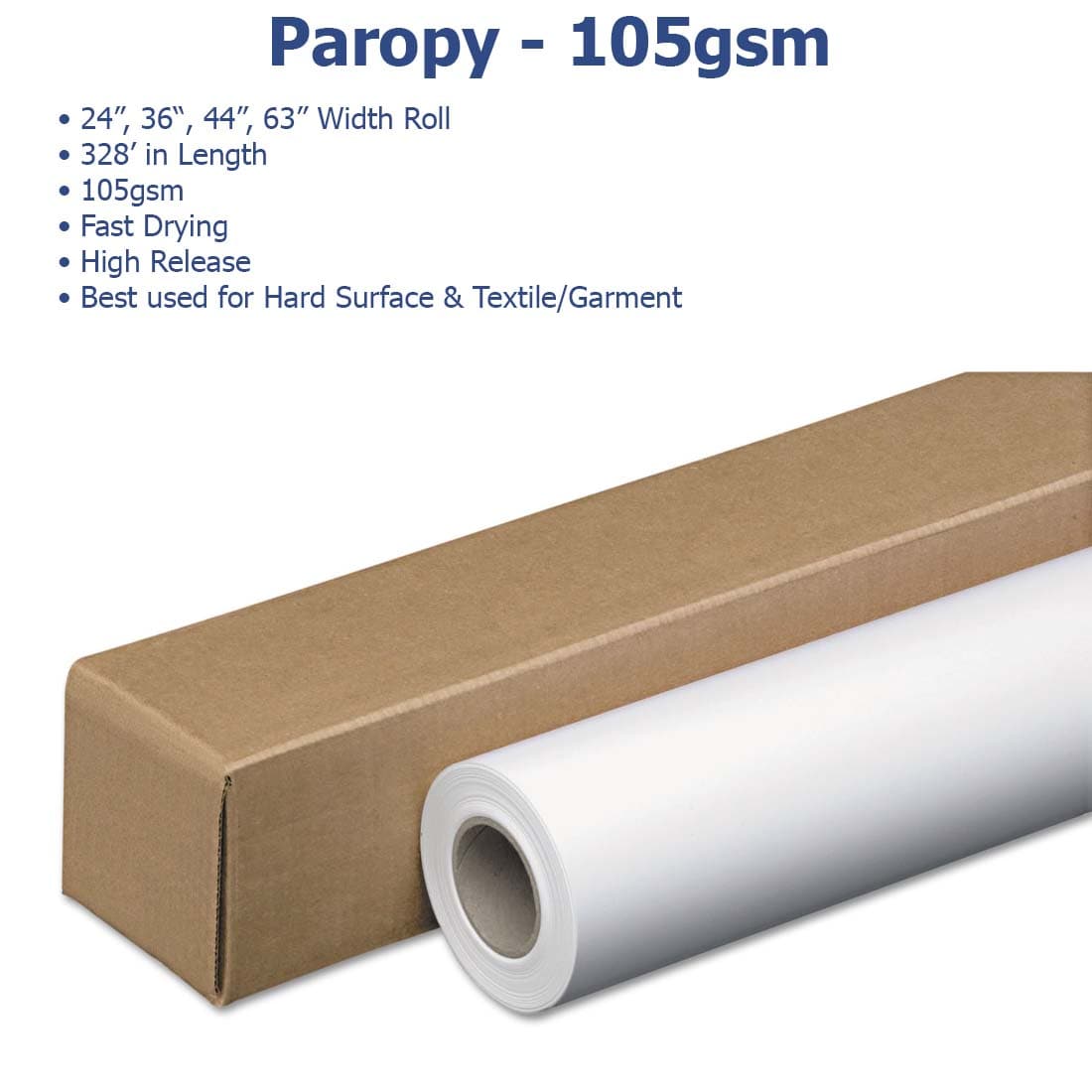
- Sublimation paper - Holds ink until heat activation occurs
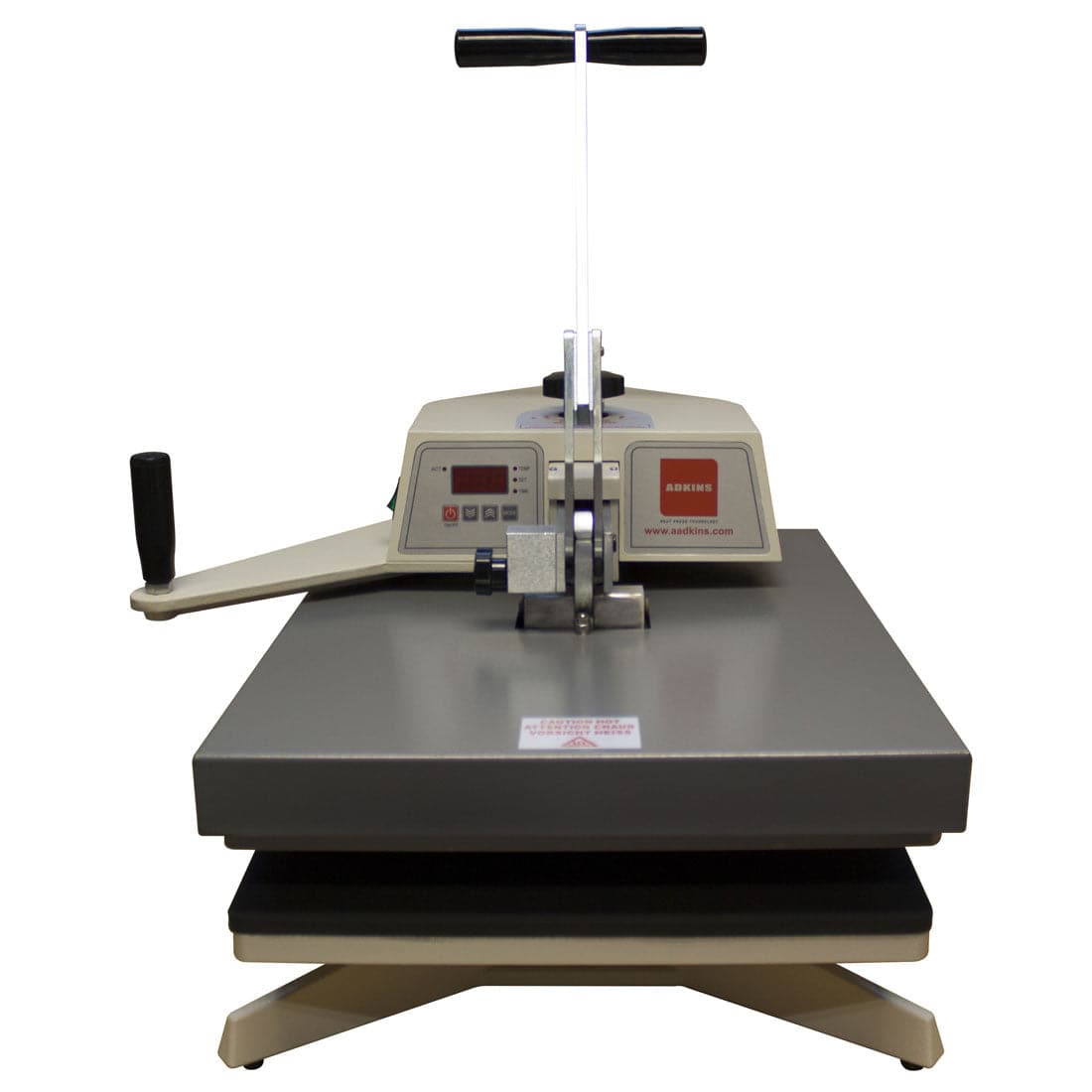
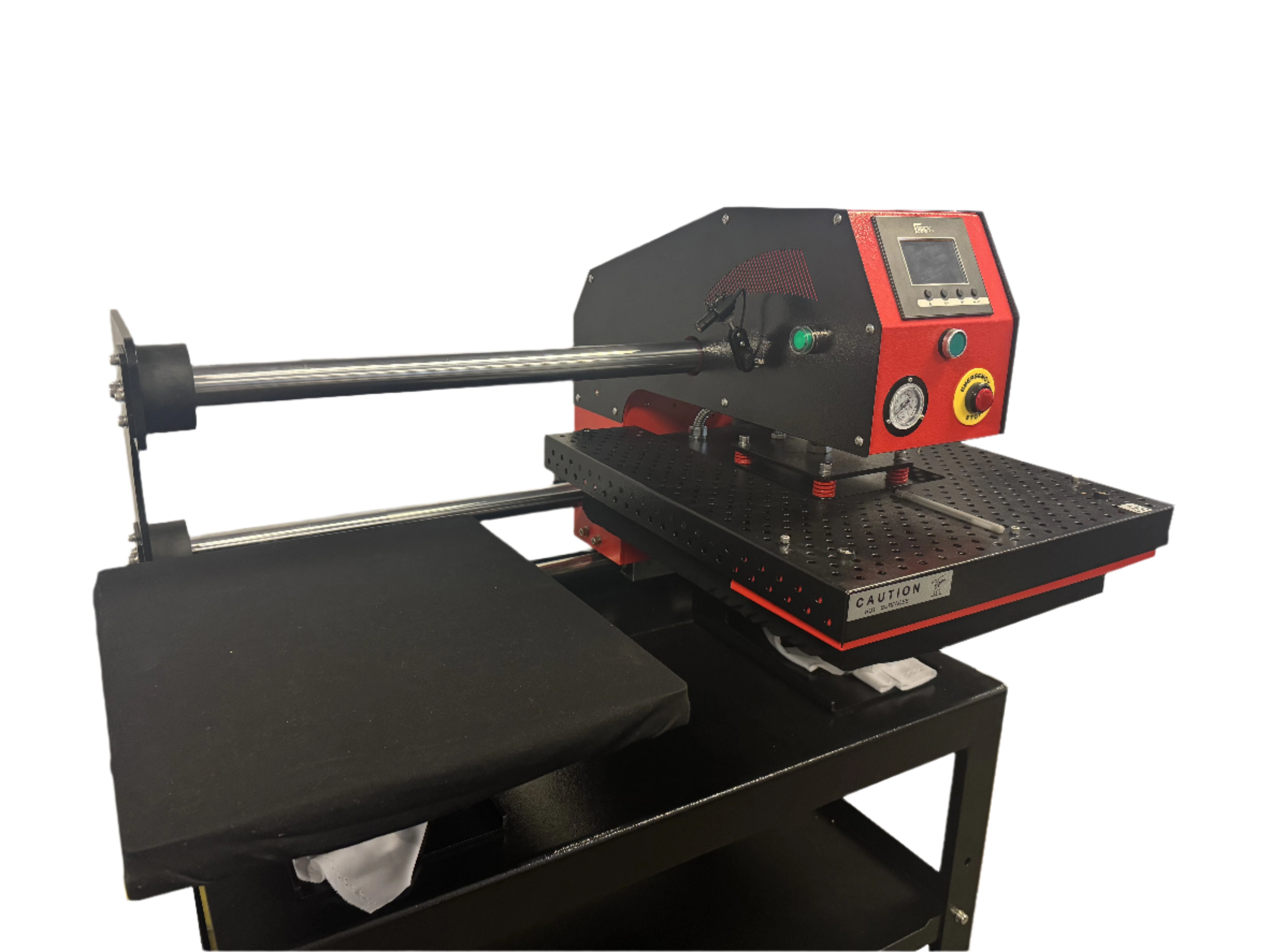
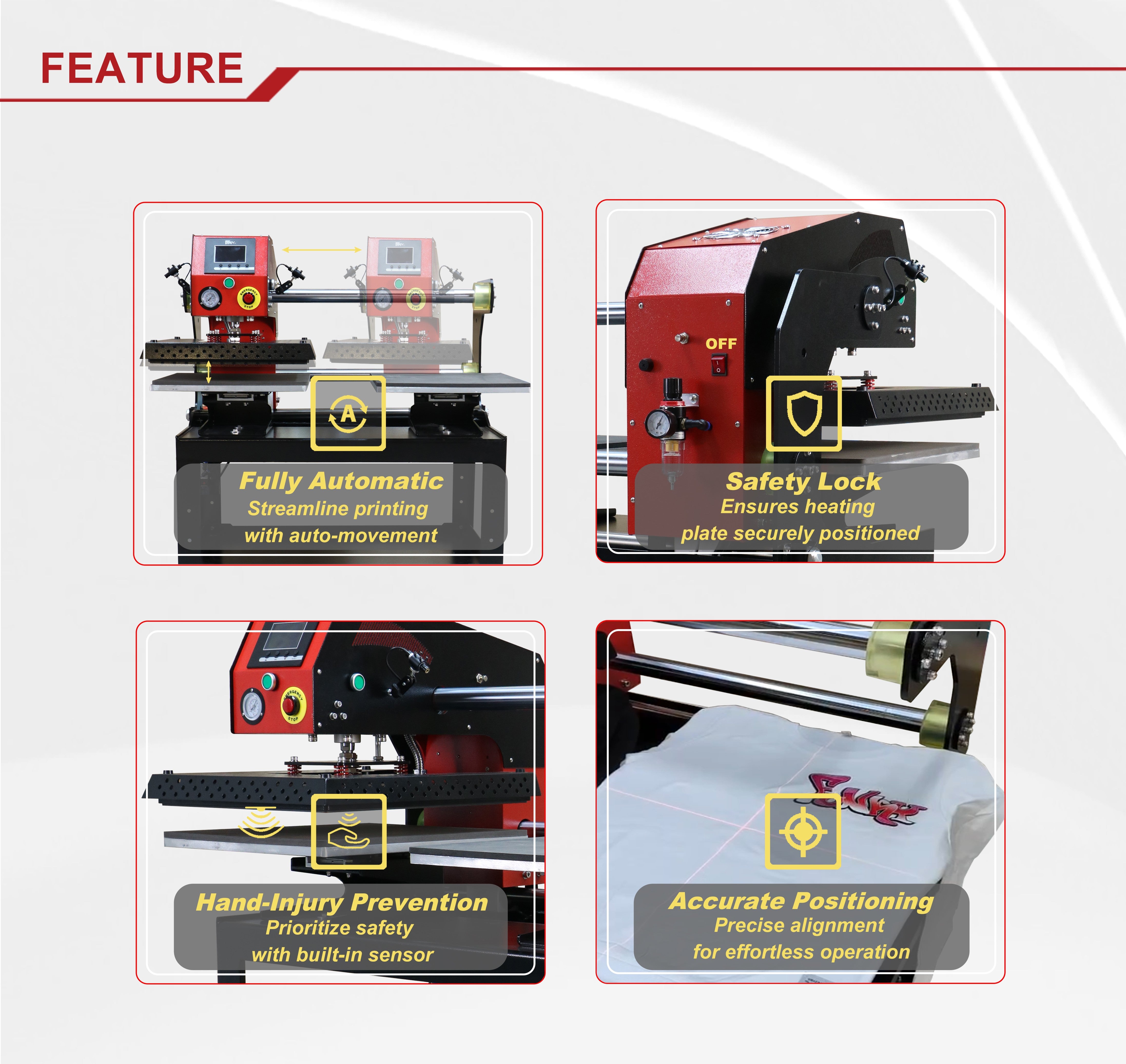
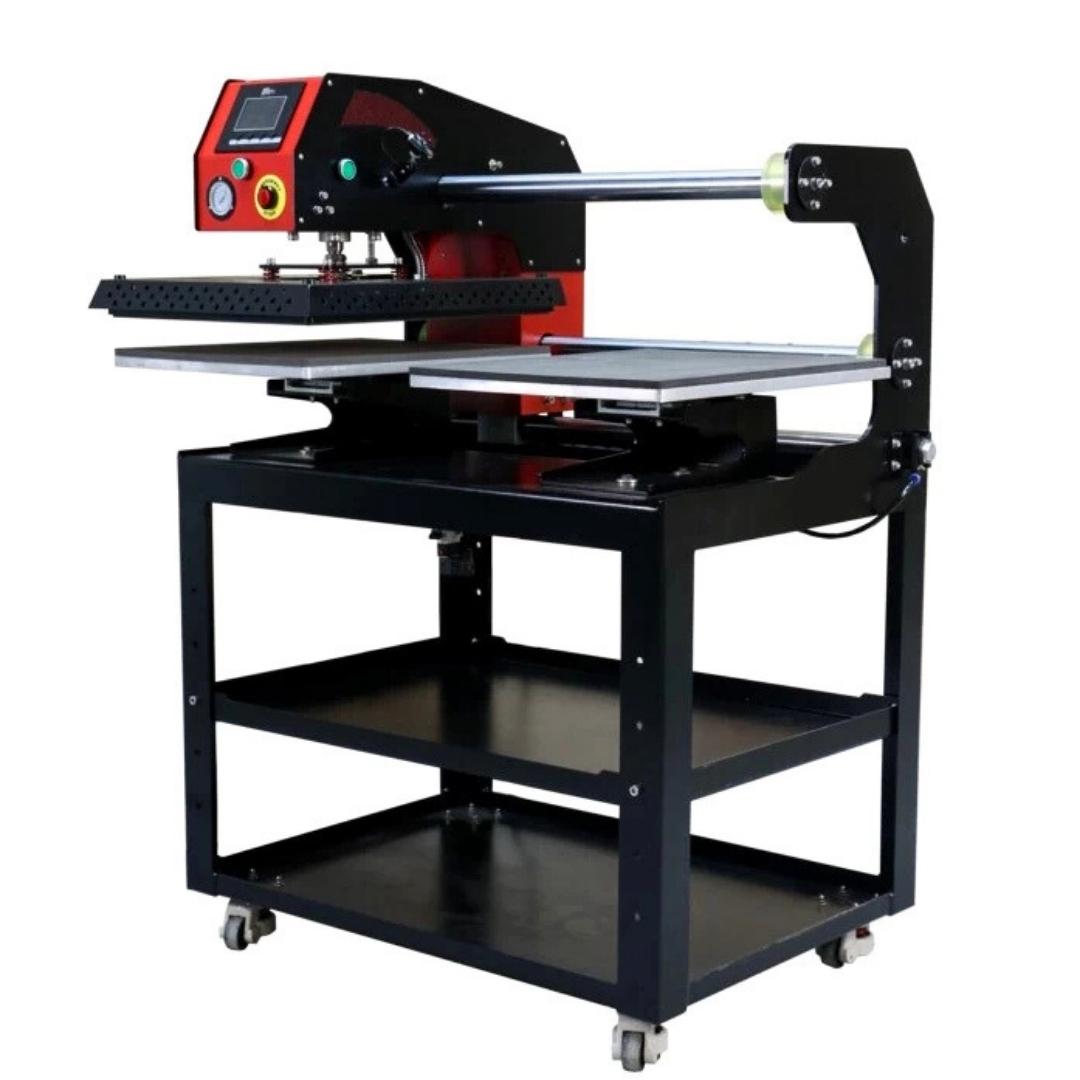
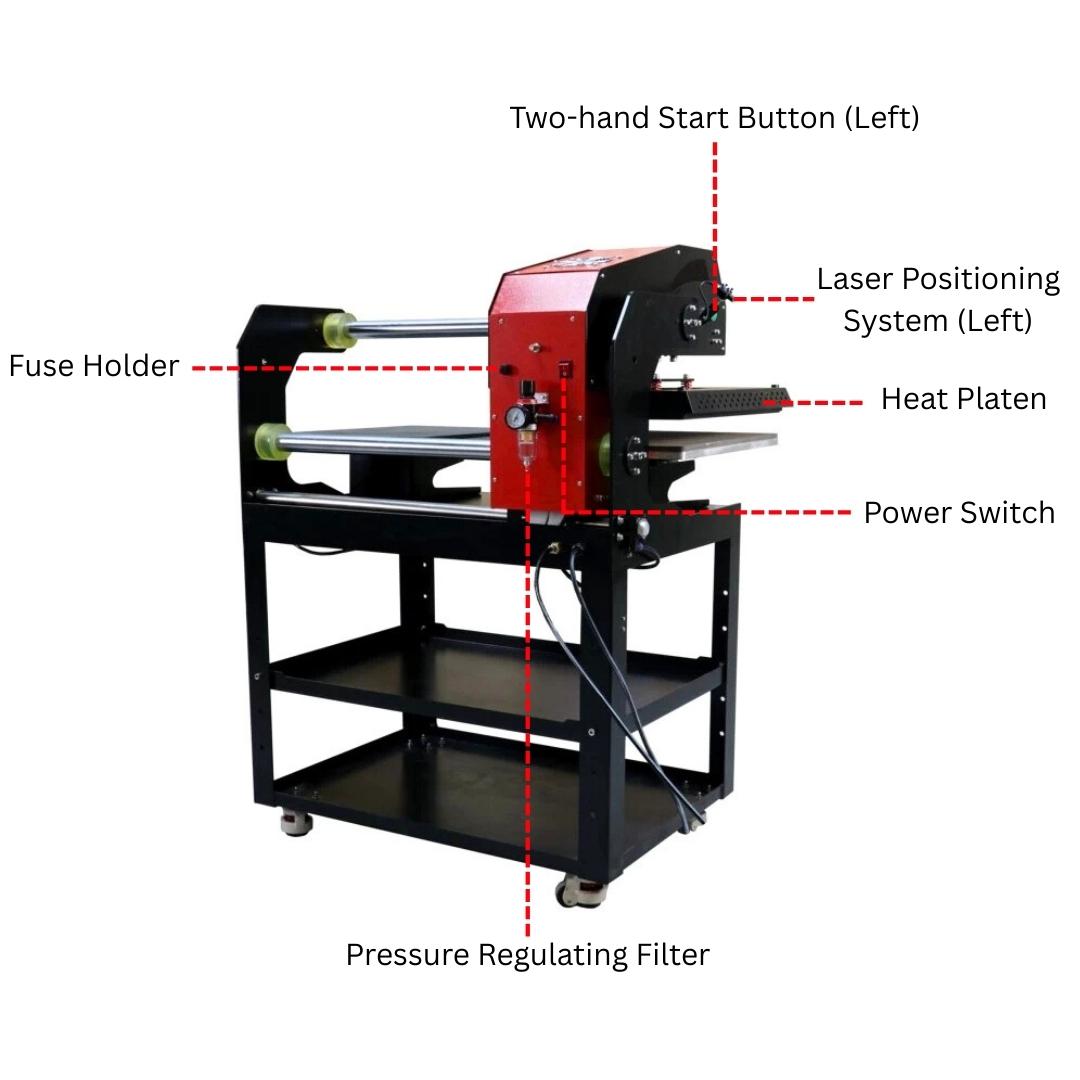
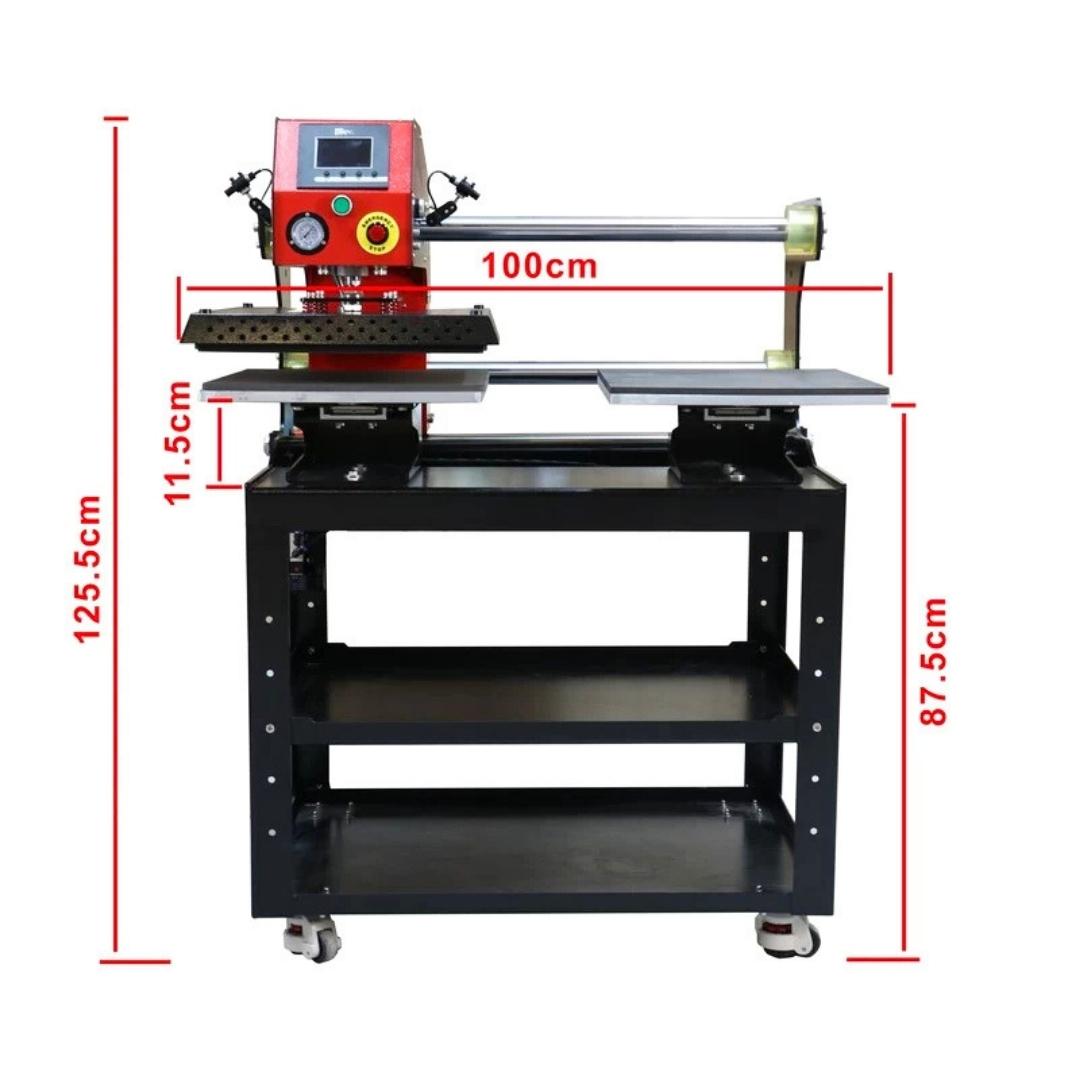
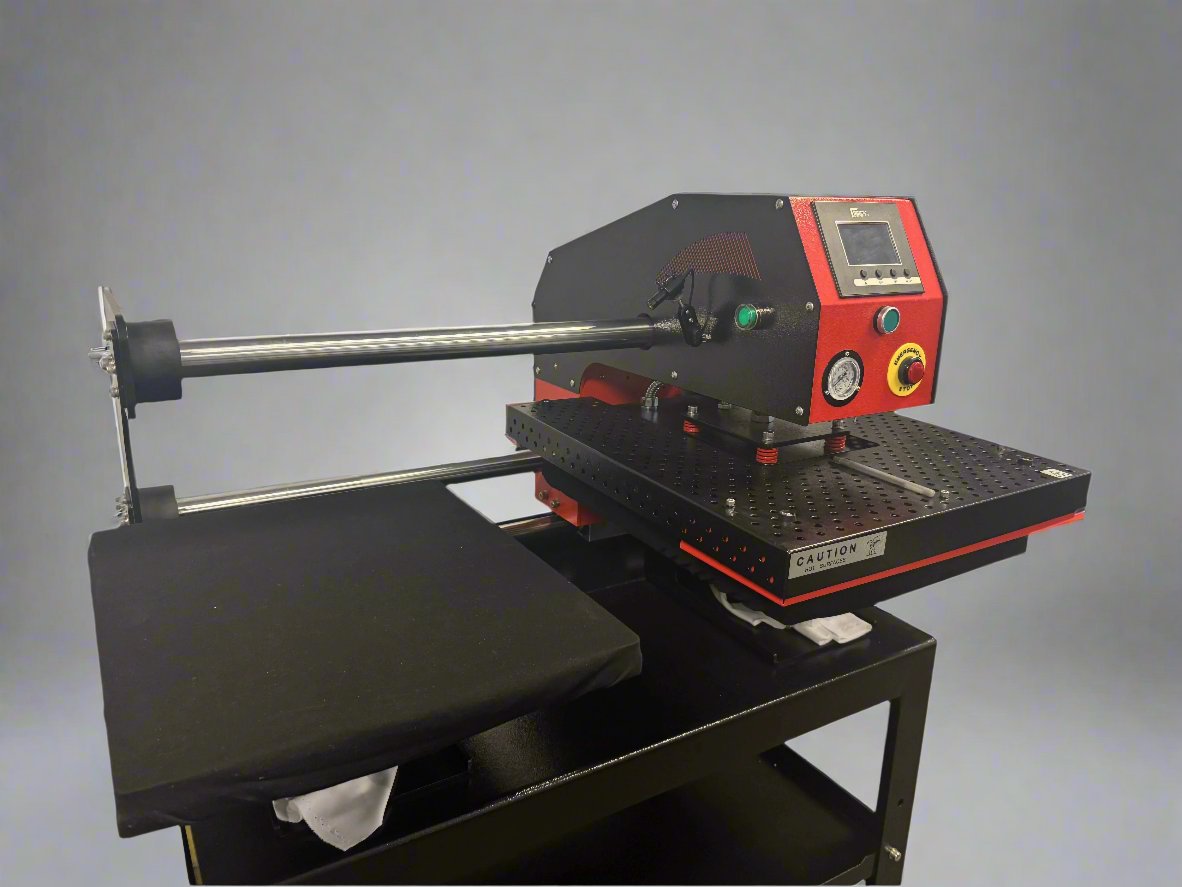
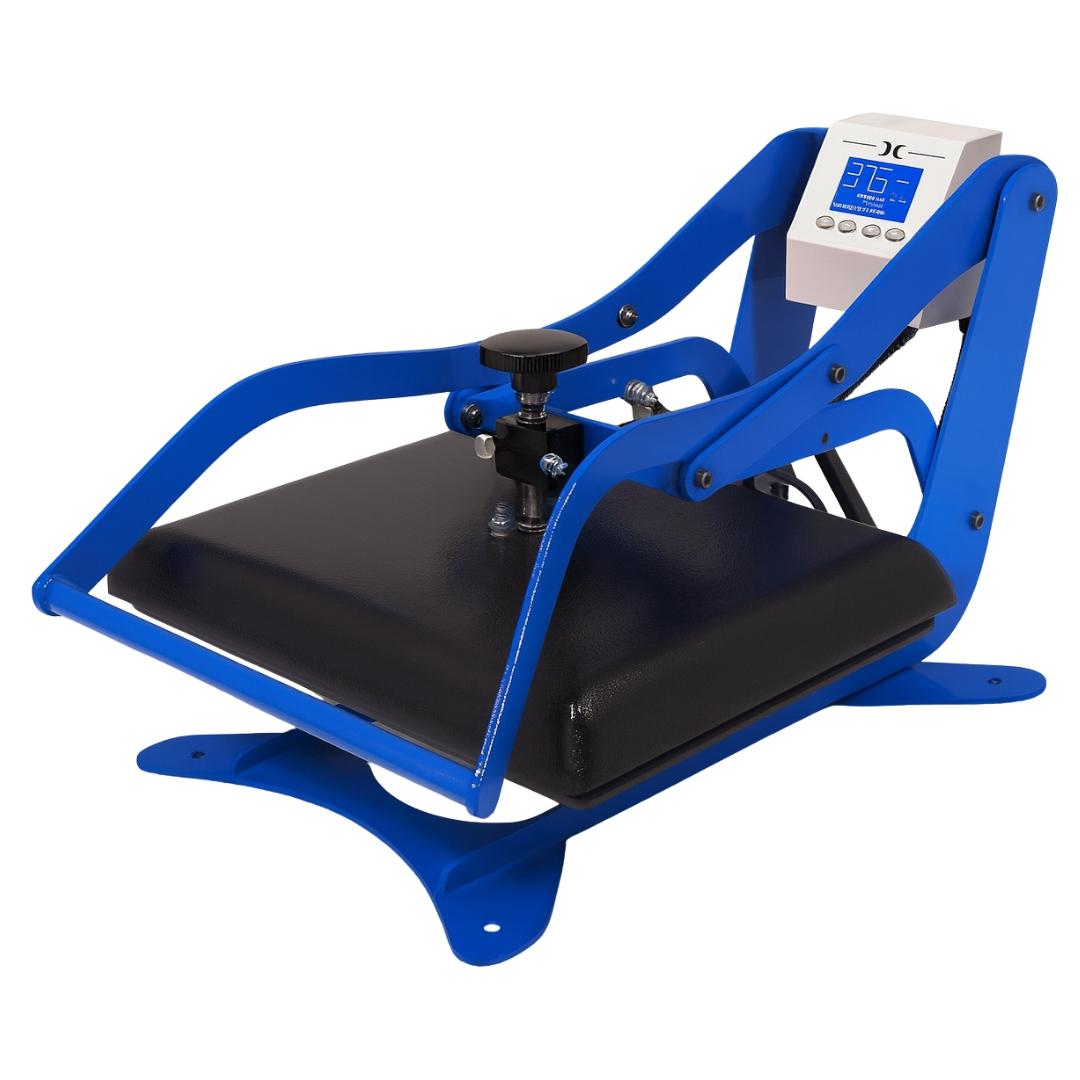
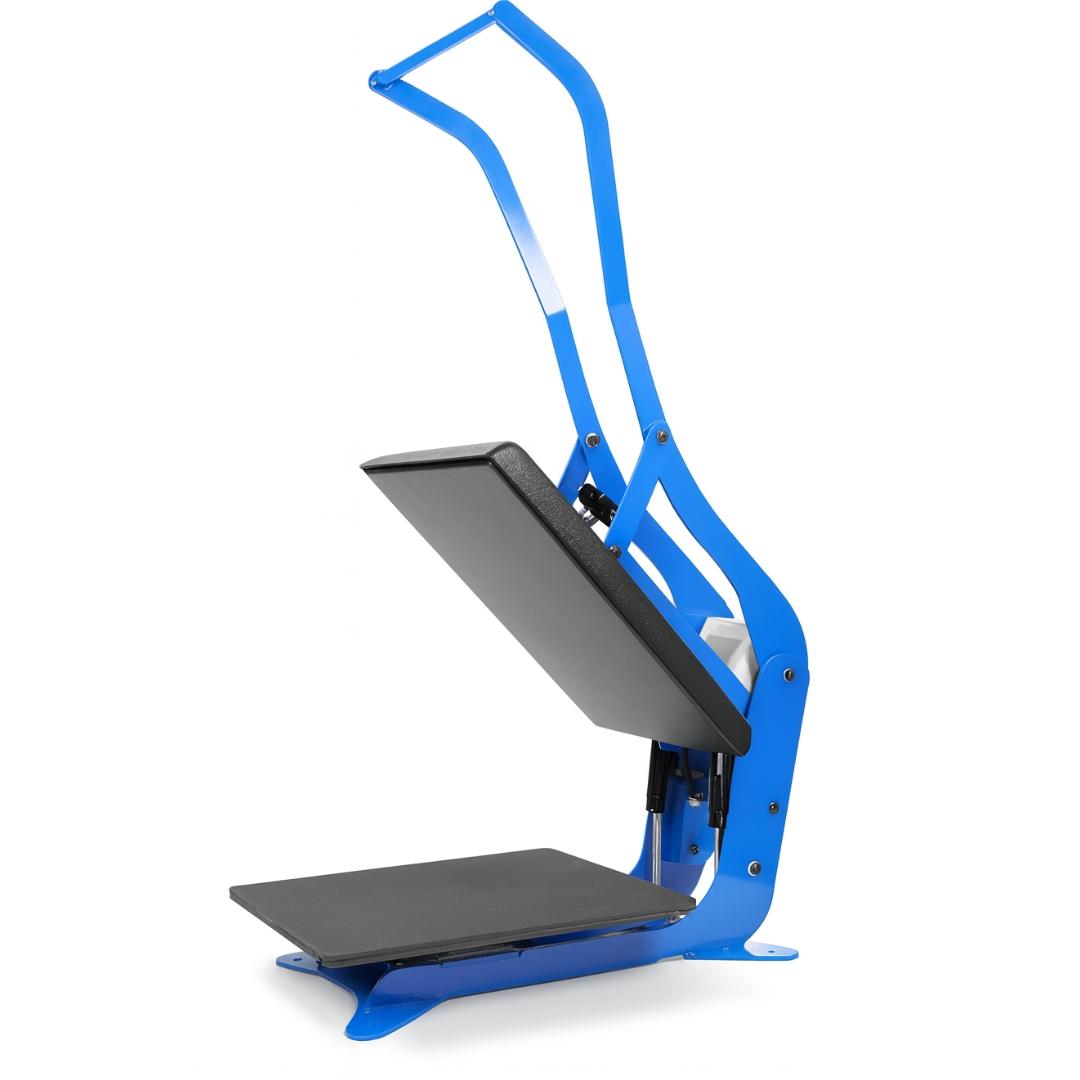
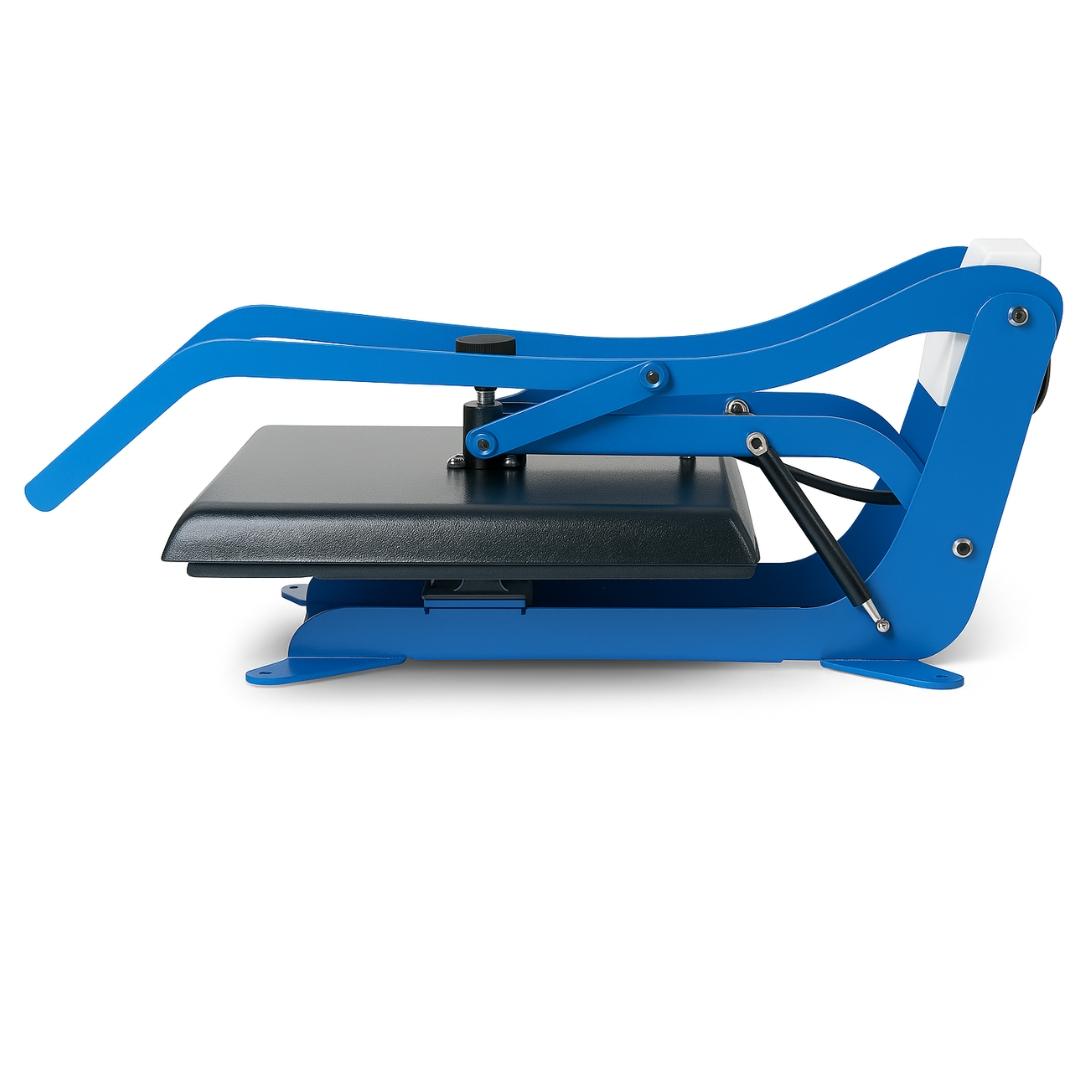
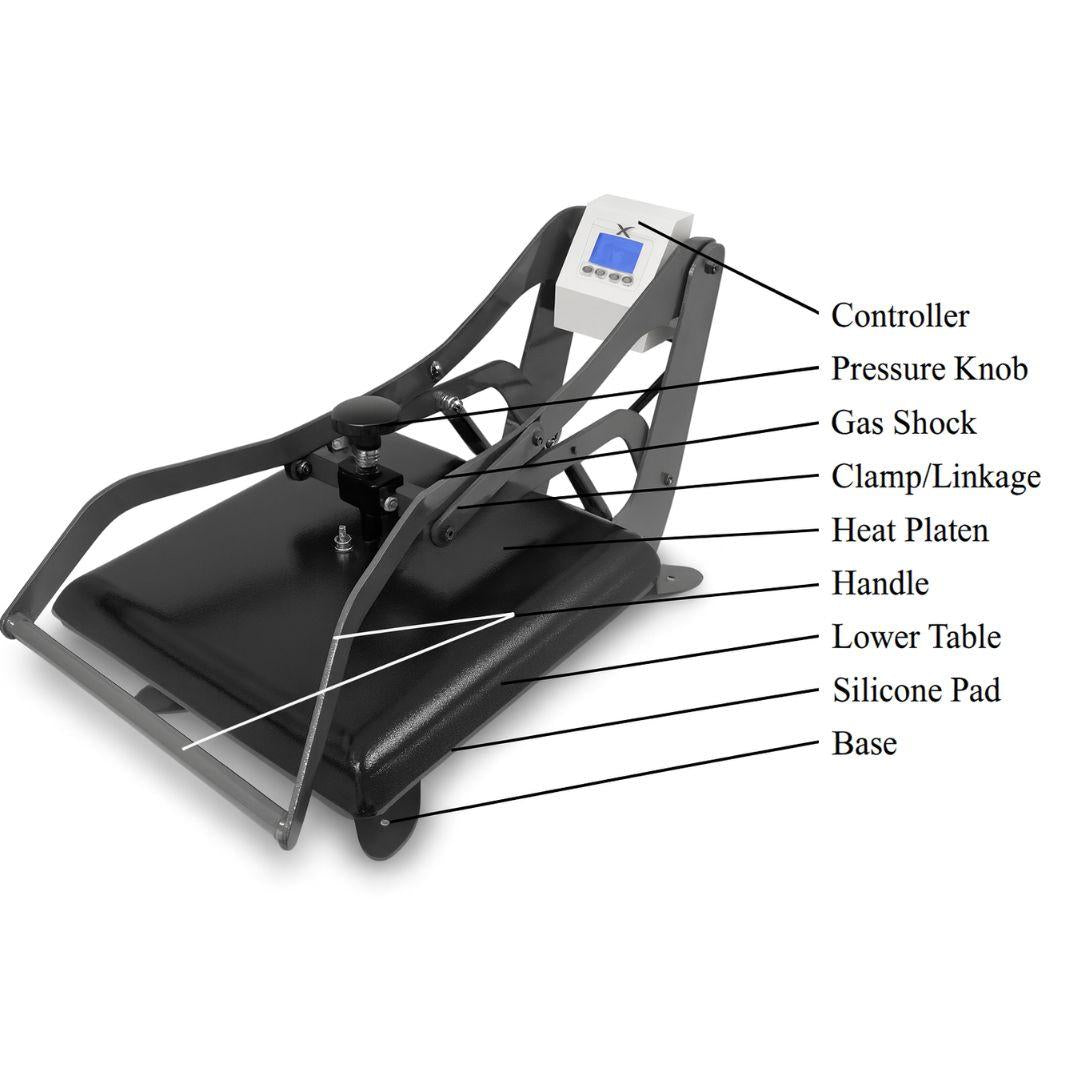
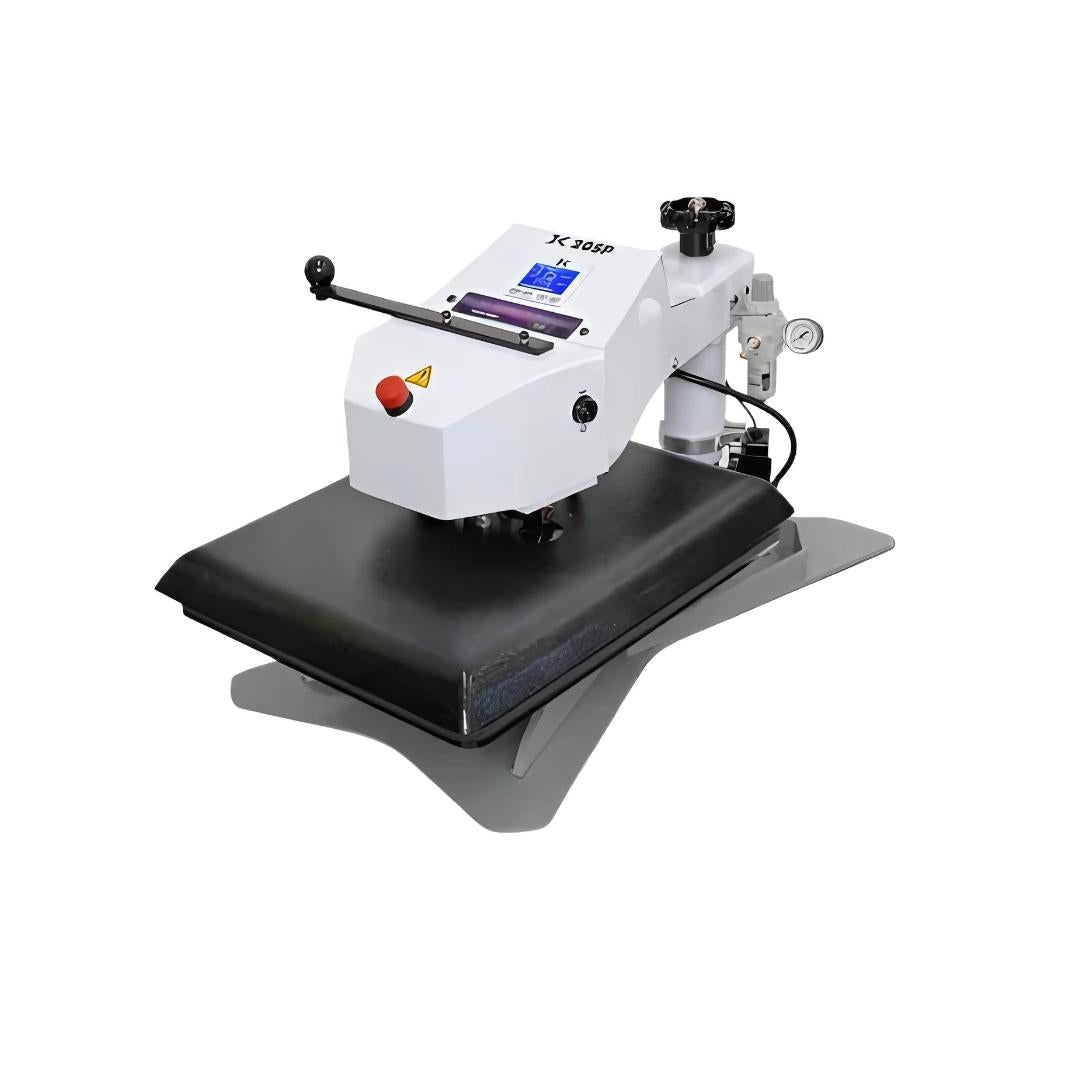
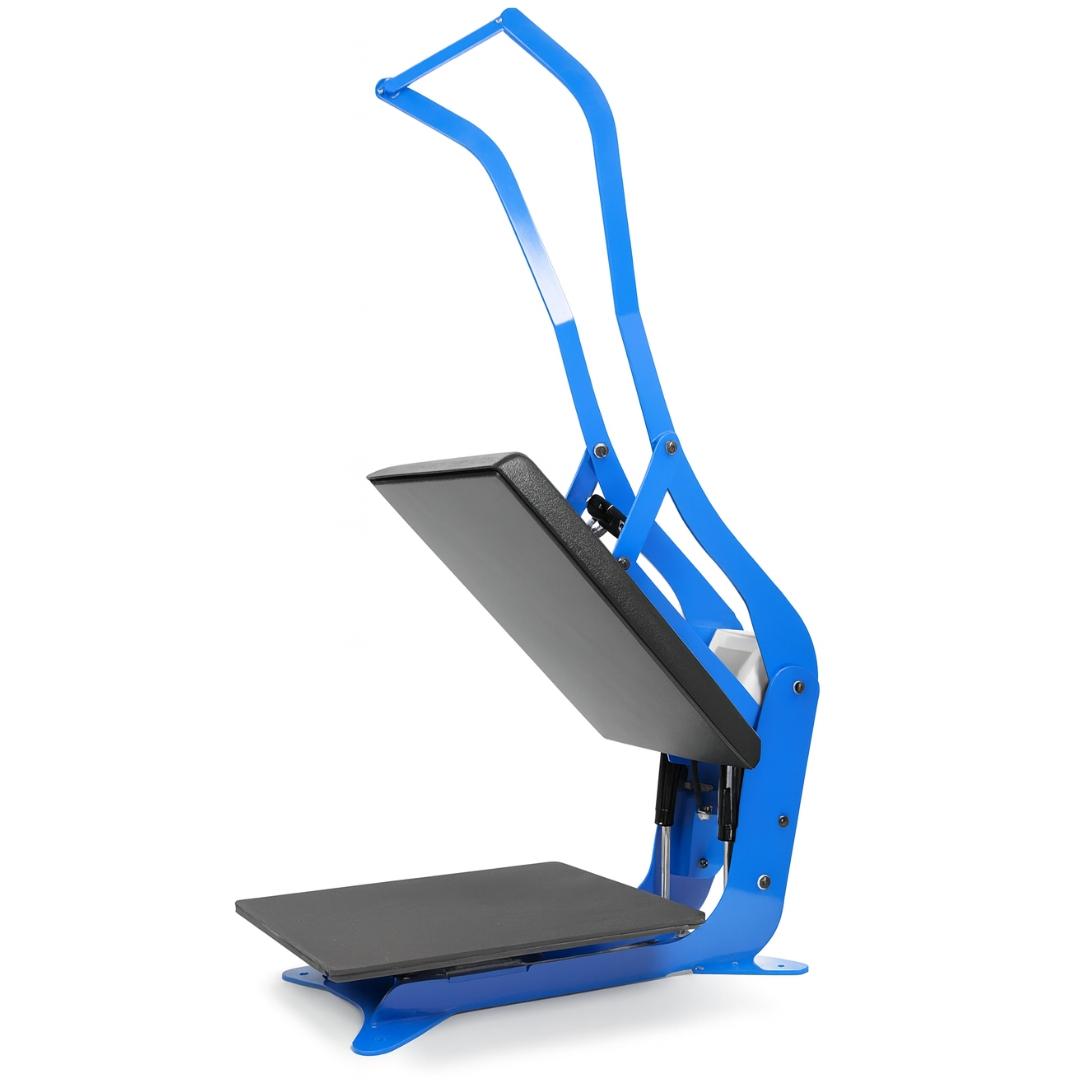
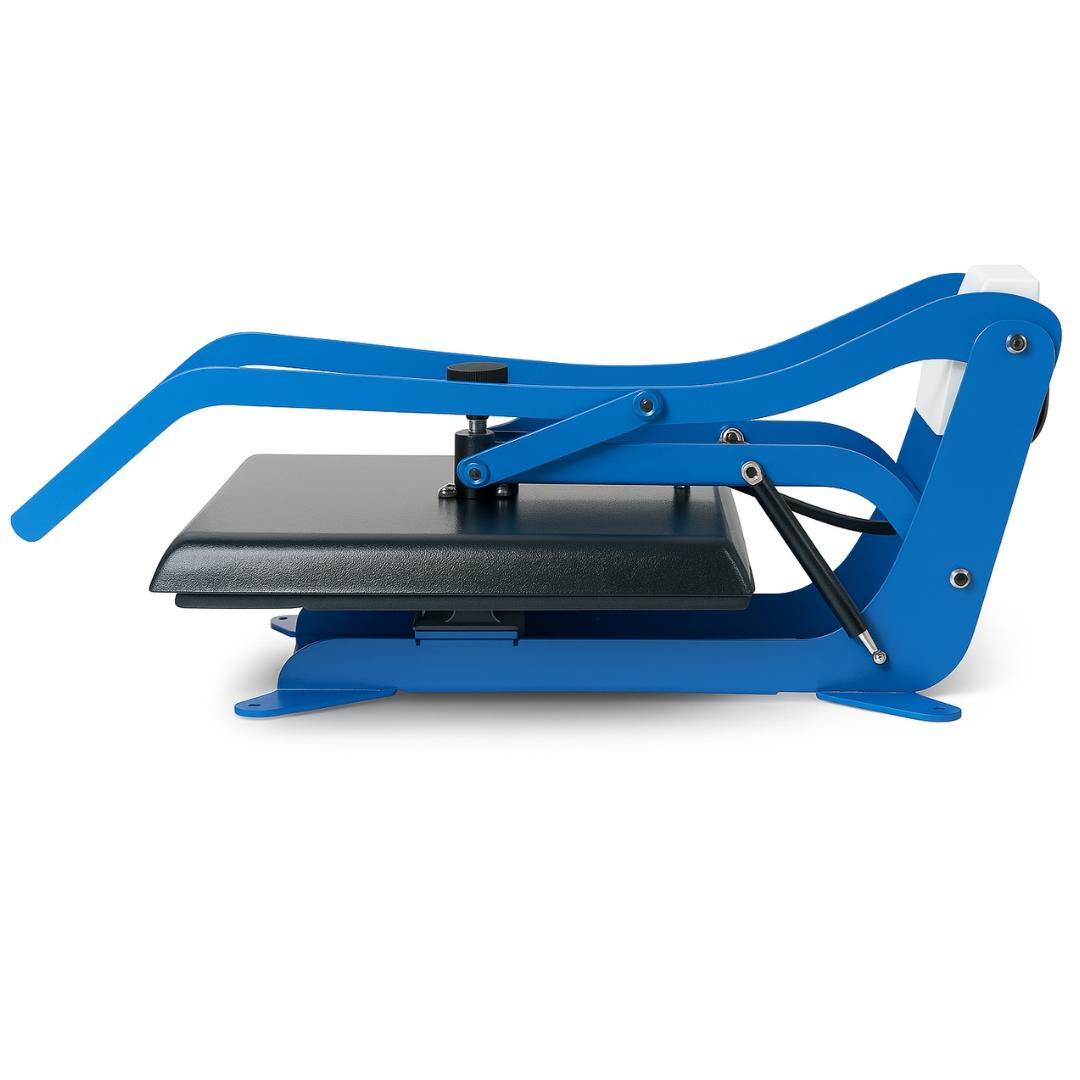
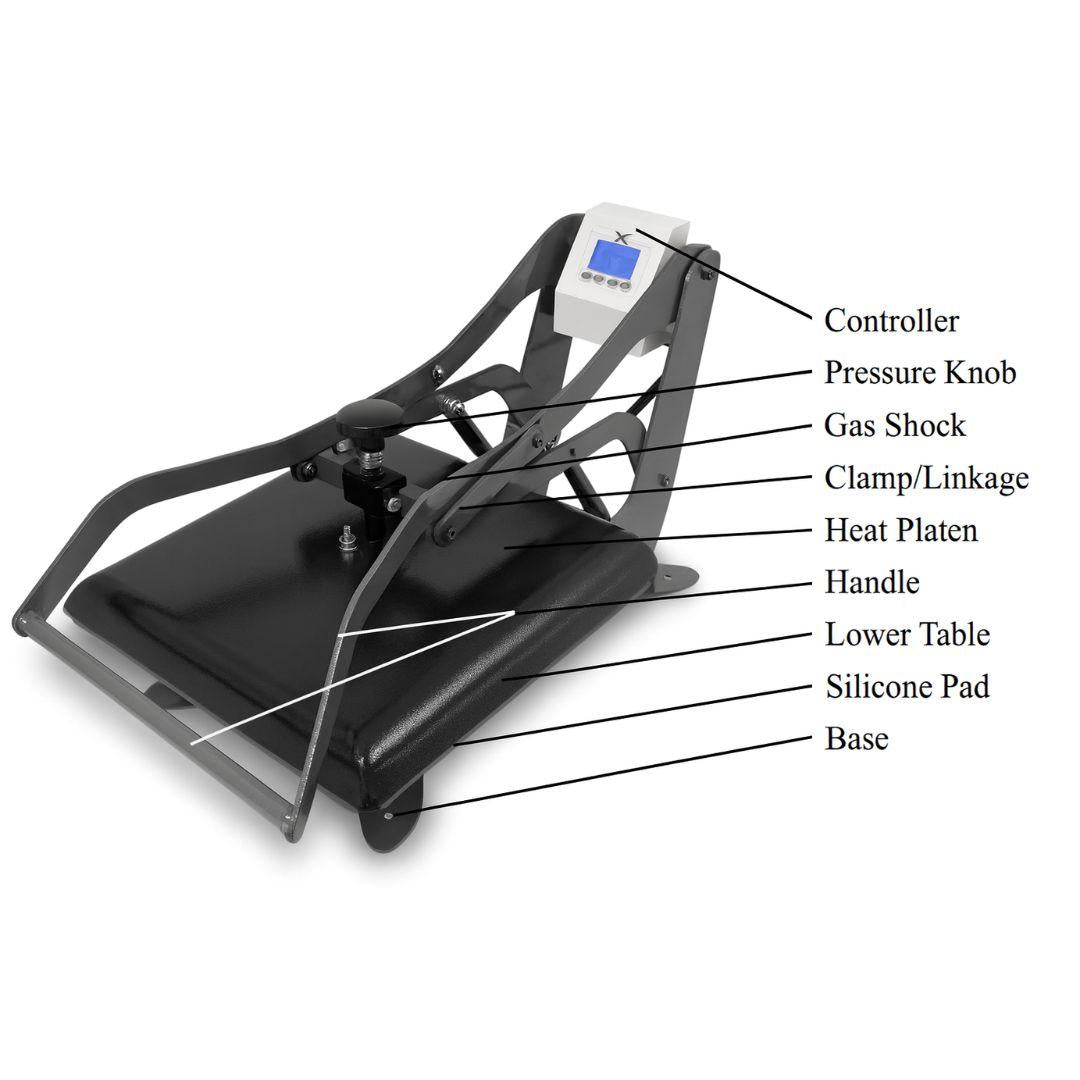
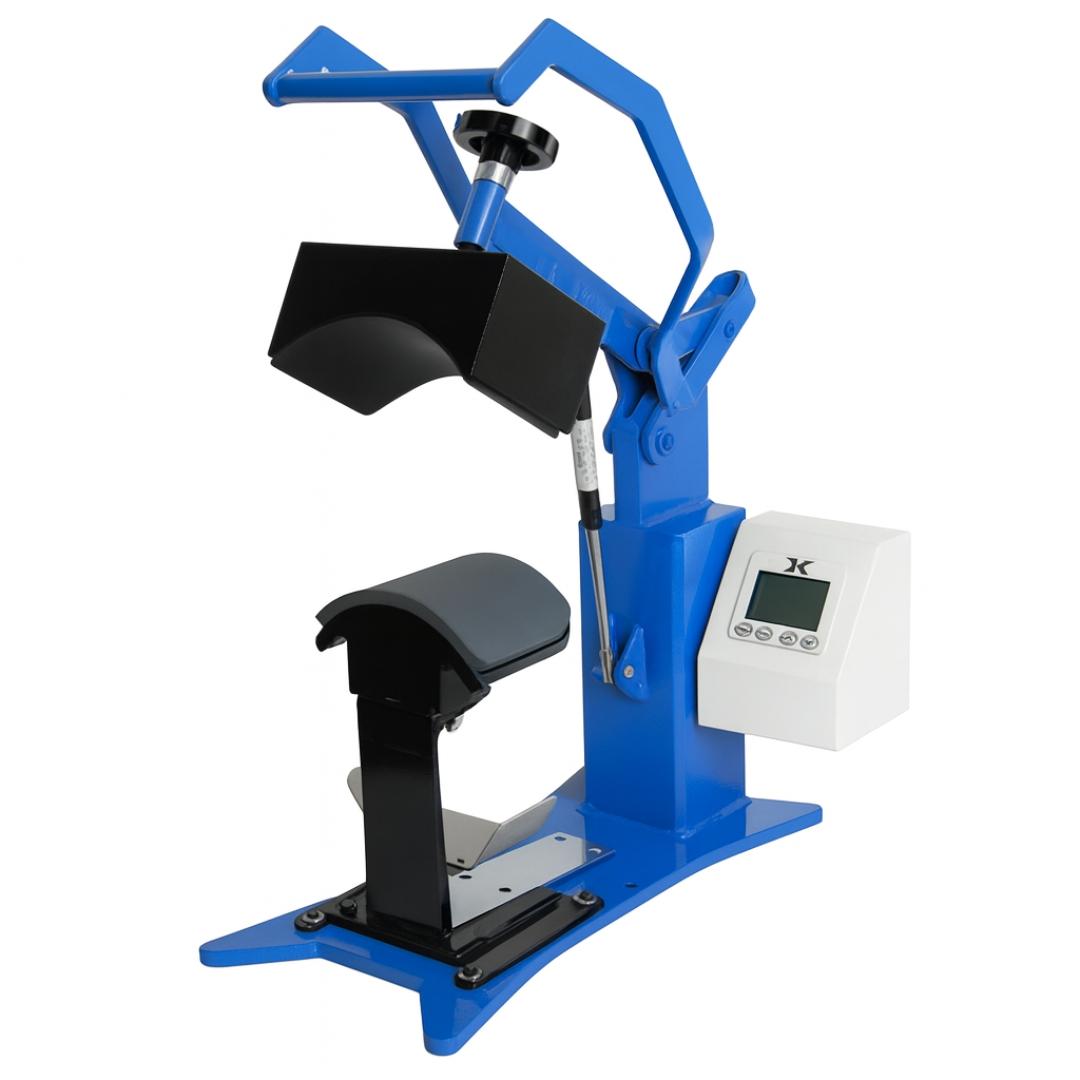
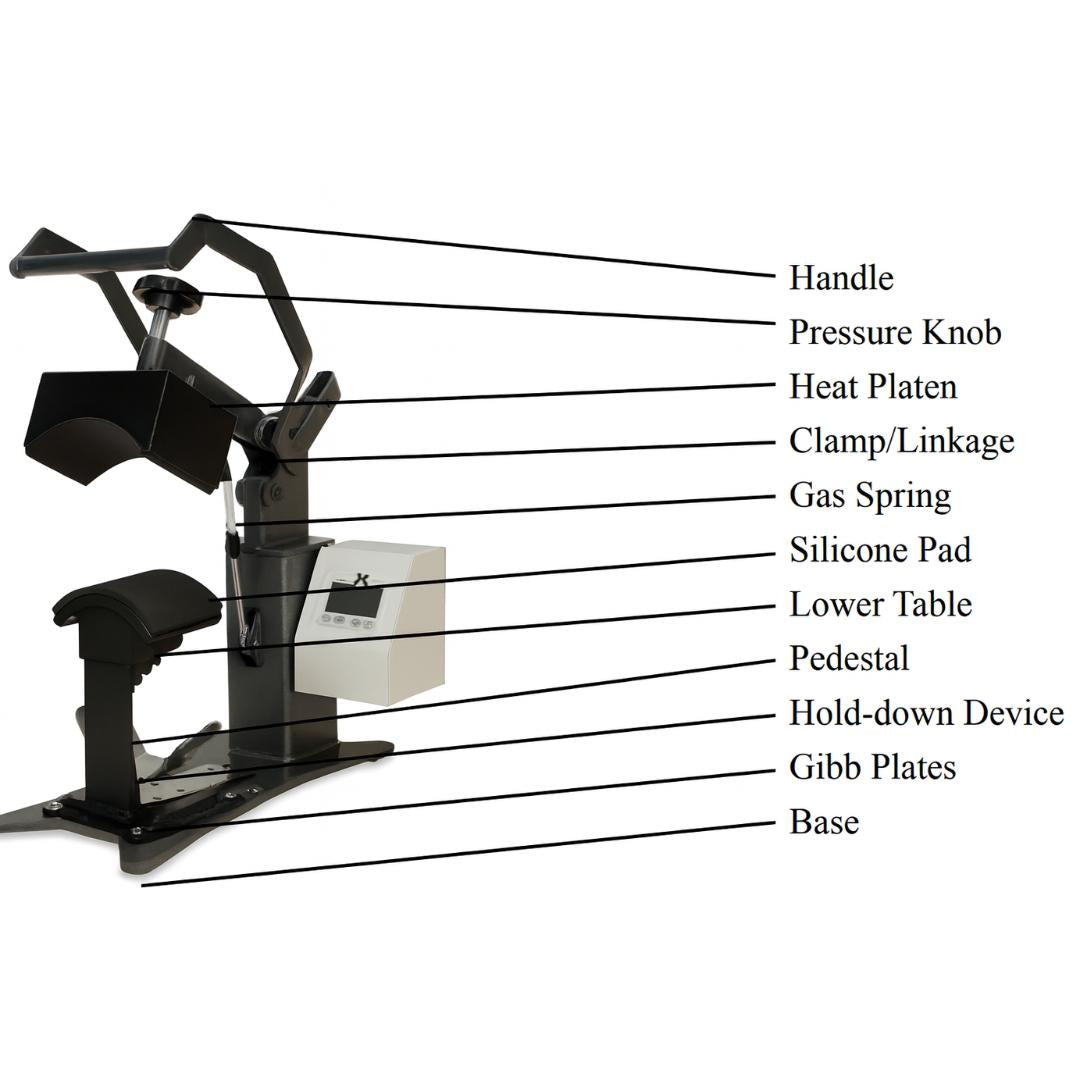
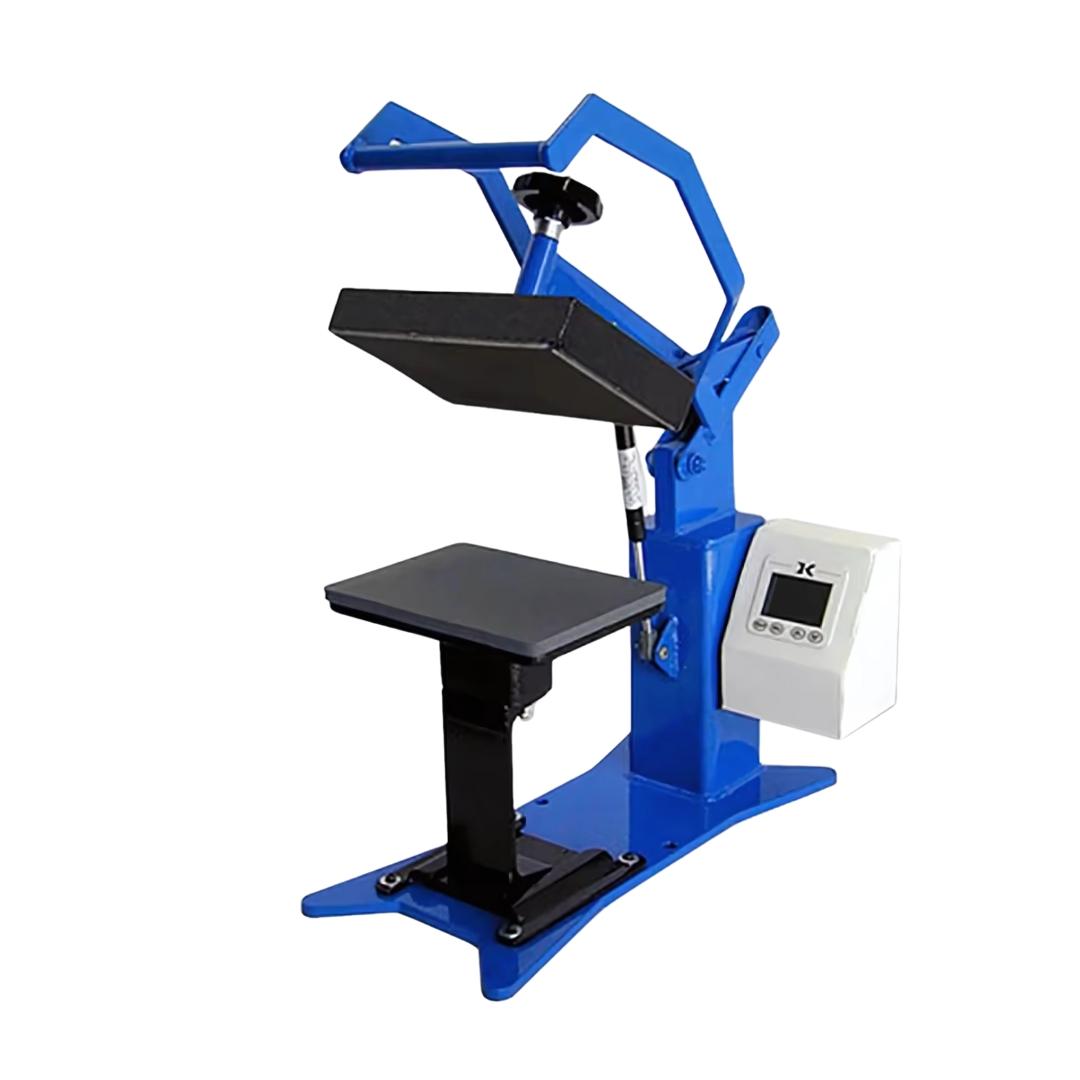
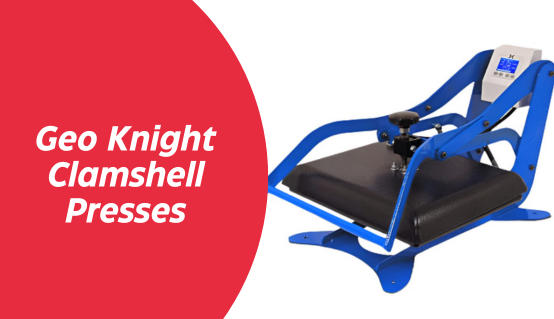
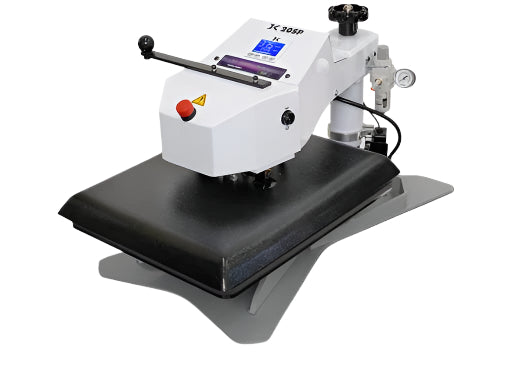
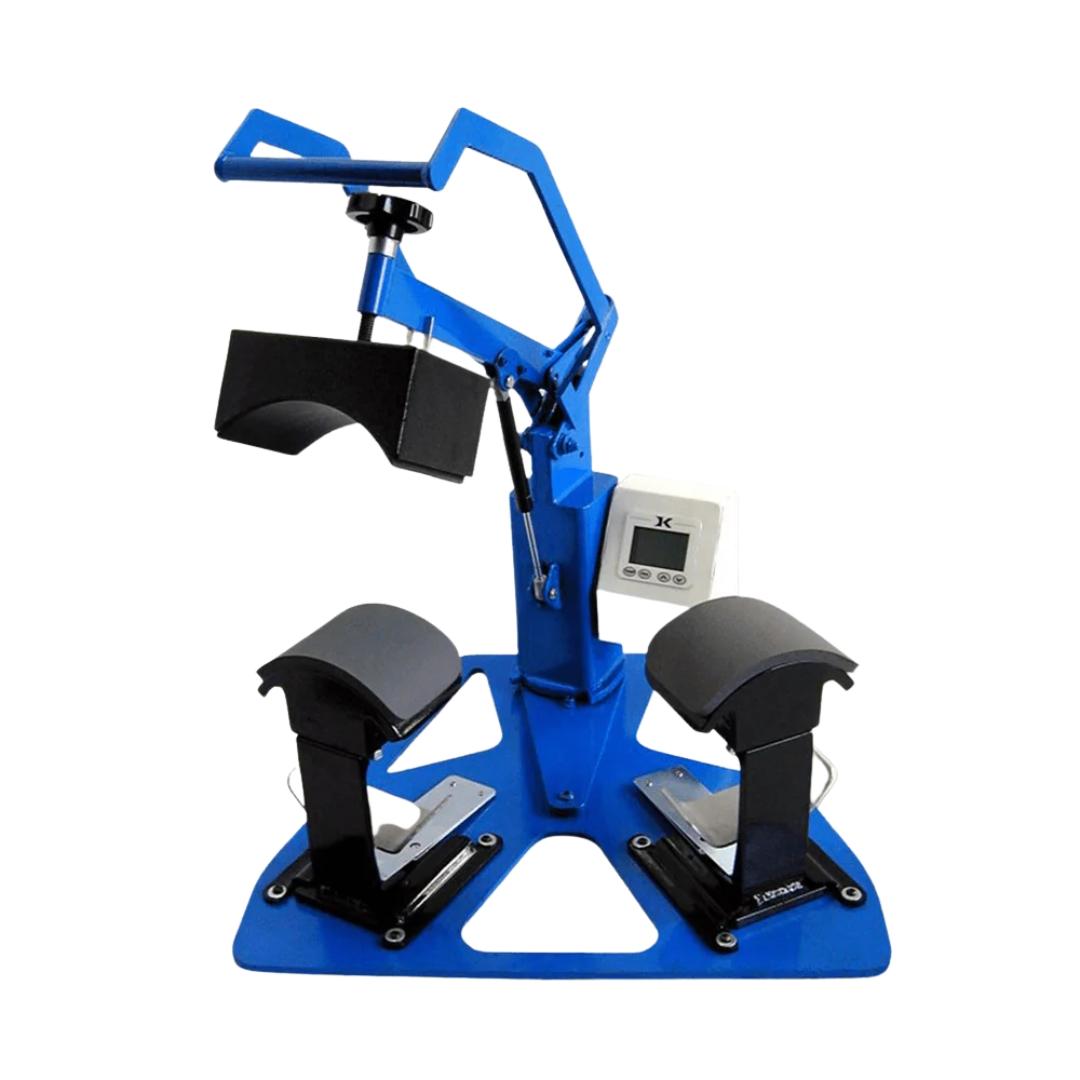
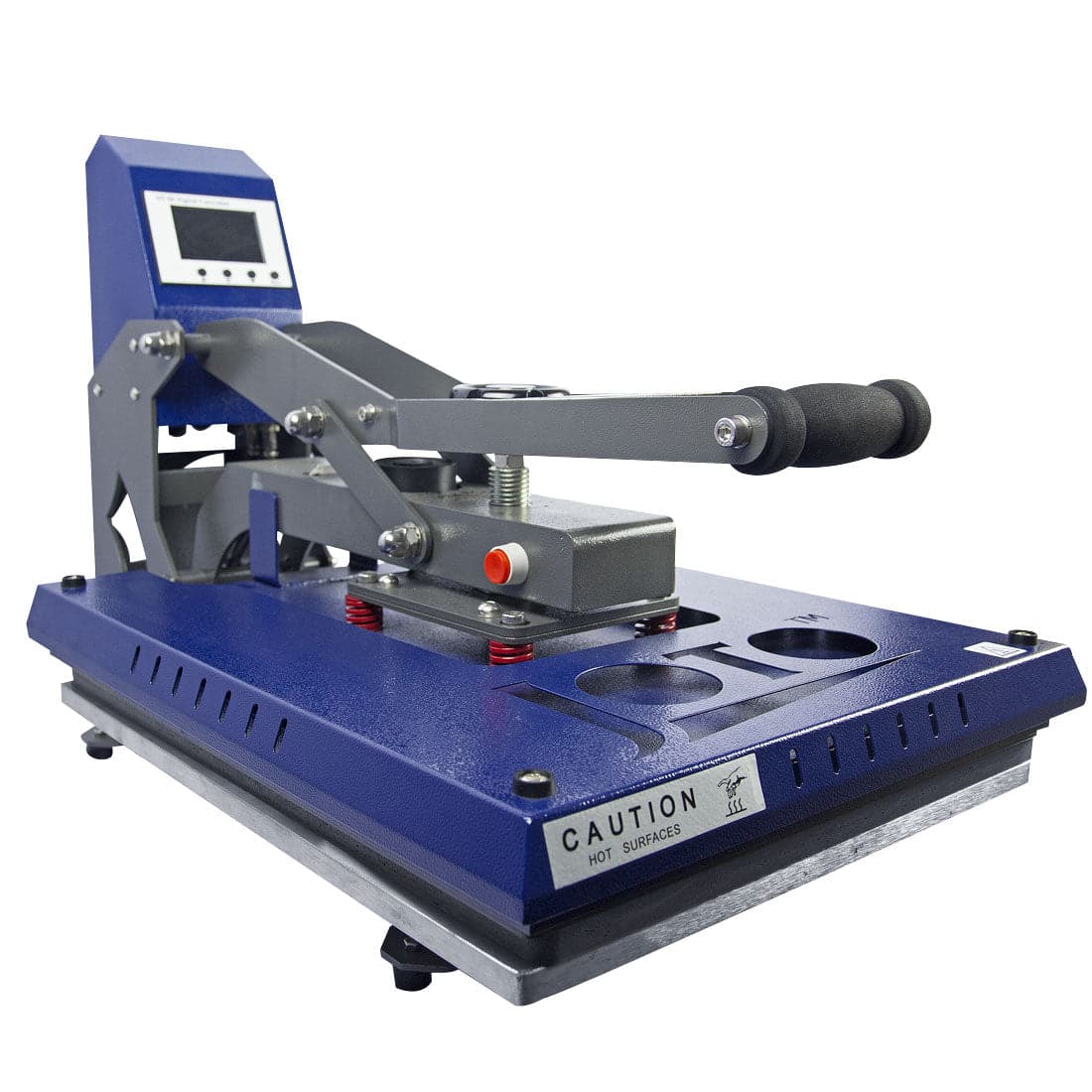
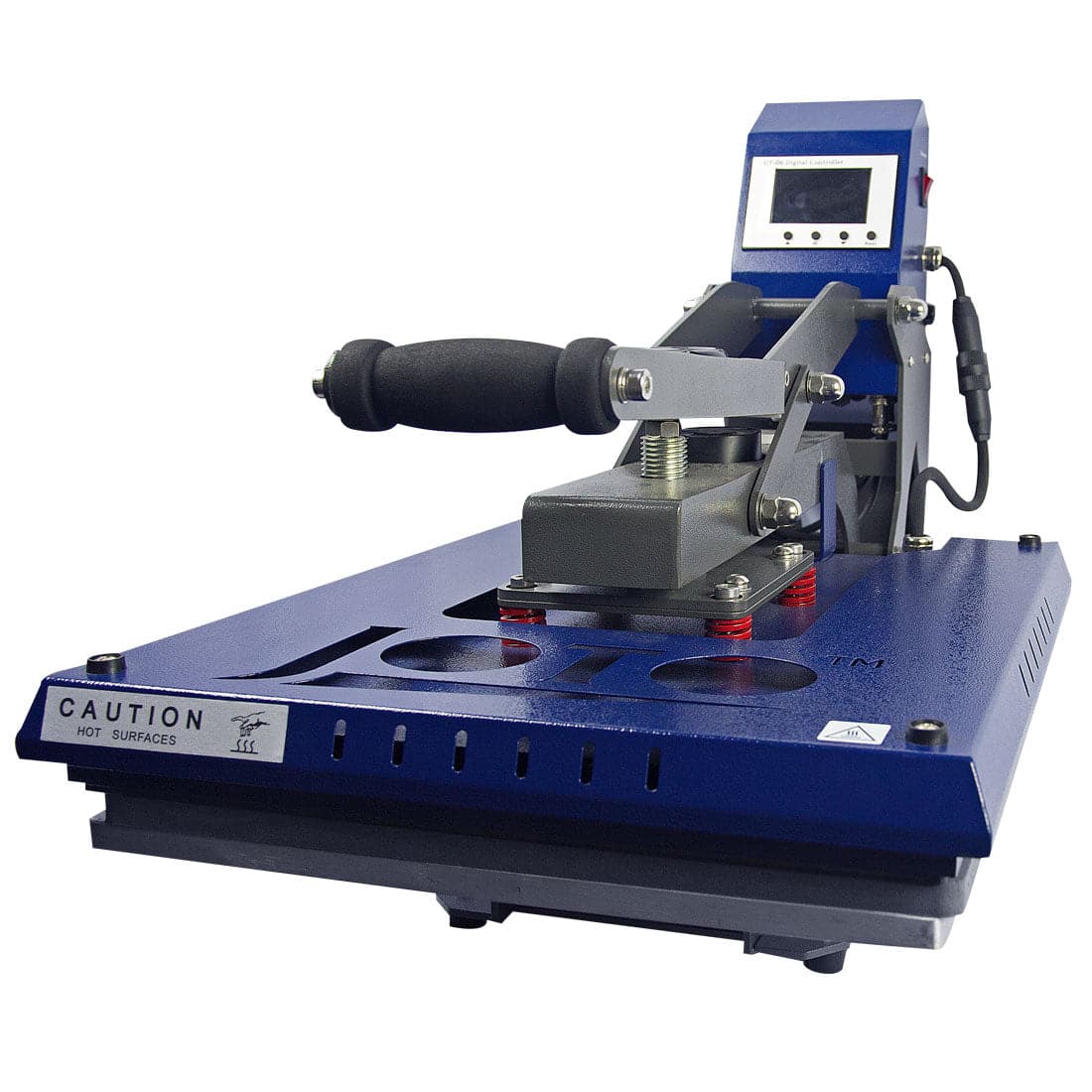
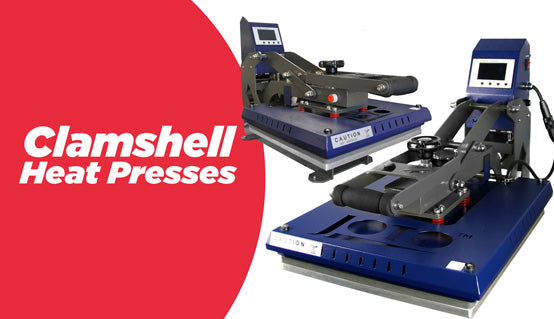
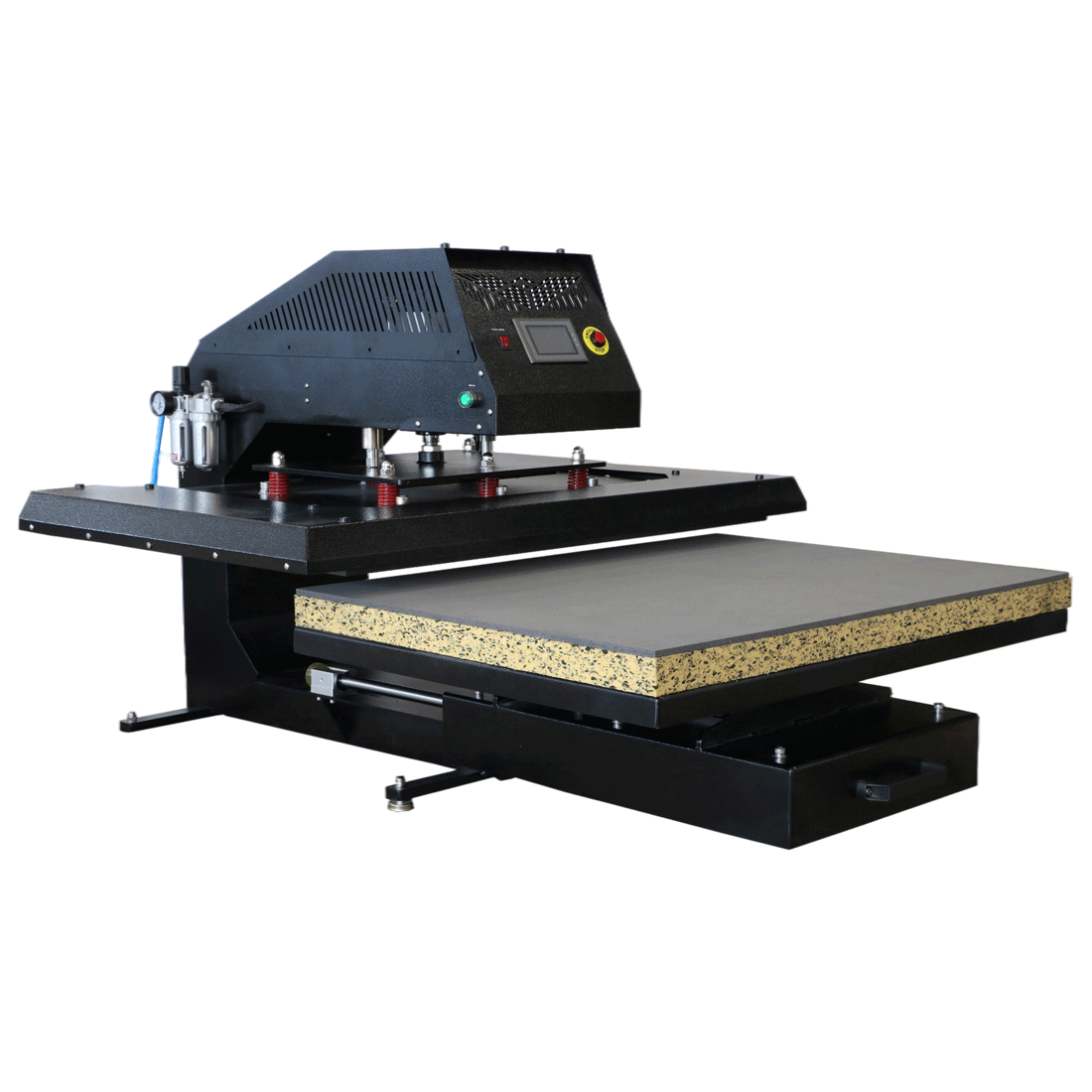
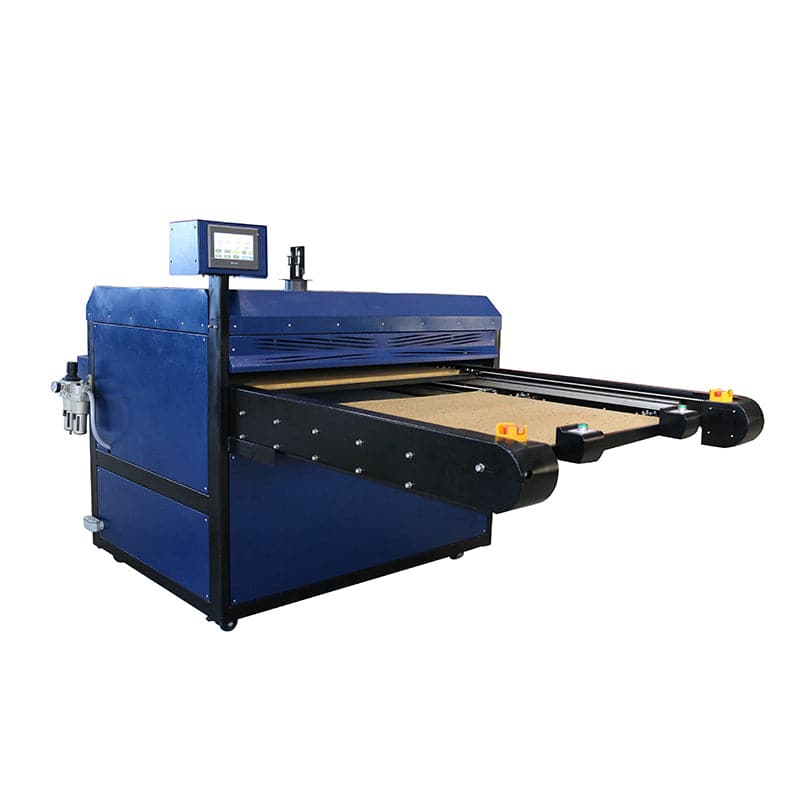
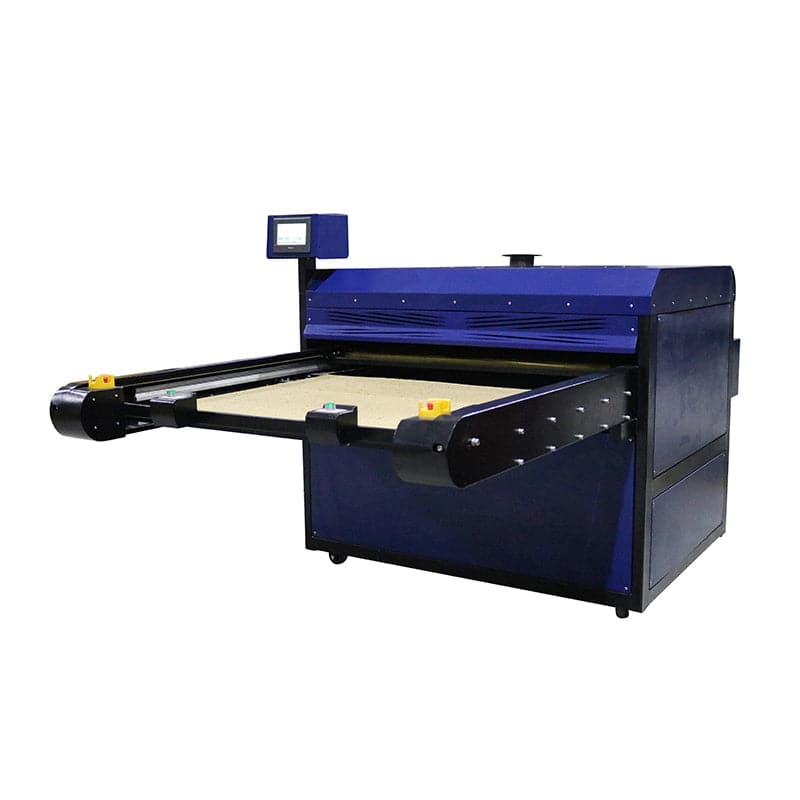
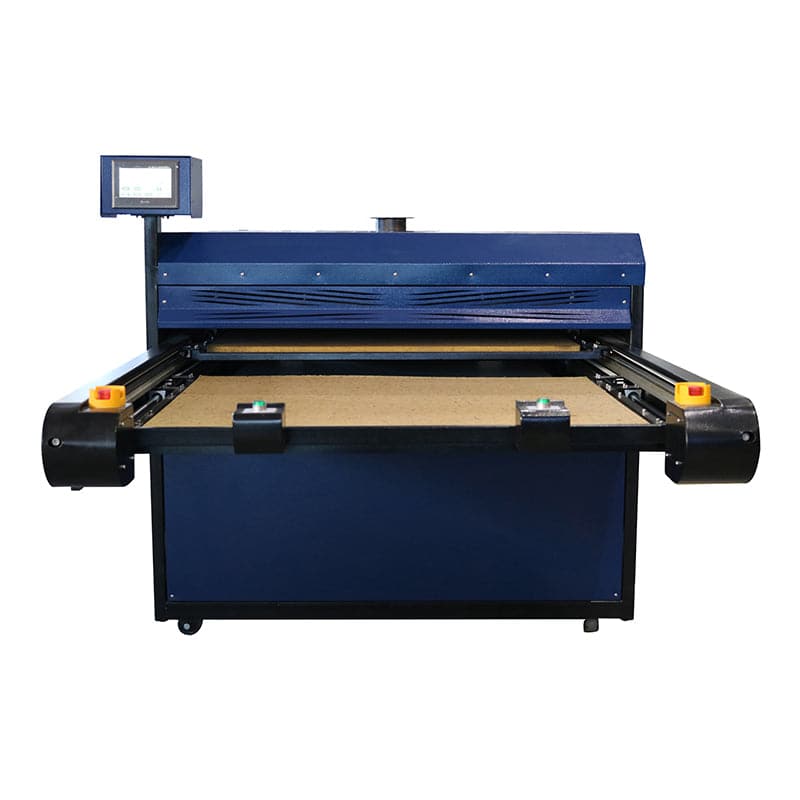
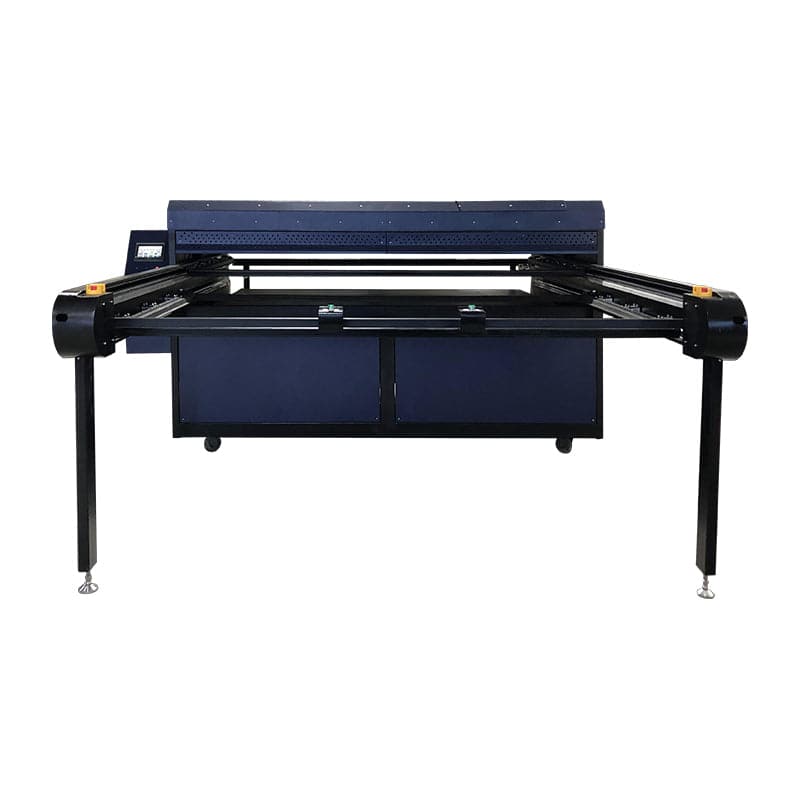
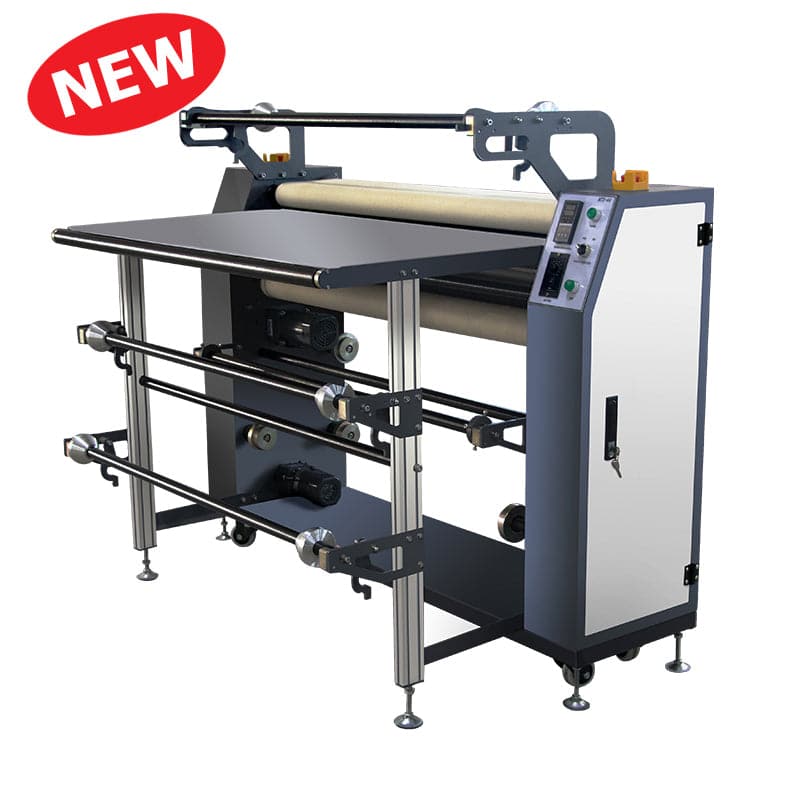
- Heat press - Provides consistent temperature (400°F) and pressure across the entire surface
- Polyester substrate - Must be polyester or polymer-coated to accept gasified ink
Missing any component breaks the system. Using regular inkjet ink produces no transfer because standard dyes cannot convert to gas. Insufficient heat press temperature (below 380°F) prevents complete gas conversion, resulting in faded or incomplete transfers. Inadequate pressure creates uneven contact, causing blotchy or streaked results.
How Screen Printing Functions as a Production Method
Screen printing transfers ink through mesh screens onto fabric using a squeegee to force ink through open areas of a stencil. Each color in the design requires a separate screen, with ink applied in layers that cure between applications.
The workflow begins with screen preparation. A mesh screen is coated with photo-sensitive emulsion, then exposed to UV light with the design acting as a mask. Exposed areas harden while covered areas remain soft and wash away, creating the stencil. The screen is mounted on a press, ink is applied, and a squeegee pushes ink through the open mesh onto the fabric below.
For multi-color designs, registration becomes critical. Each screen must align precisely with previous layers to prevent color misregistration. This requires careful setup and consistent placement for each print. After all colors are applied, the ink must cure (typically through heat) to become permanent and wash-resistant.
Screen Printing System Requirements
Screen printing requires multiple components that scale with design complexity:
- Screens - One screen required per color in the design
- Screen printing ink - Plastisol or water-based formulations
- Squeegees - Force ink through mesh onto fabric
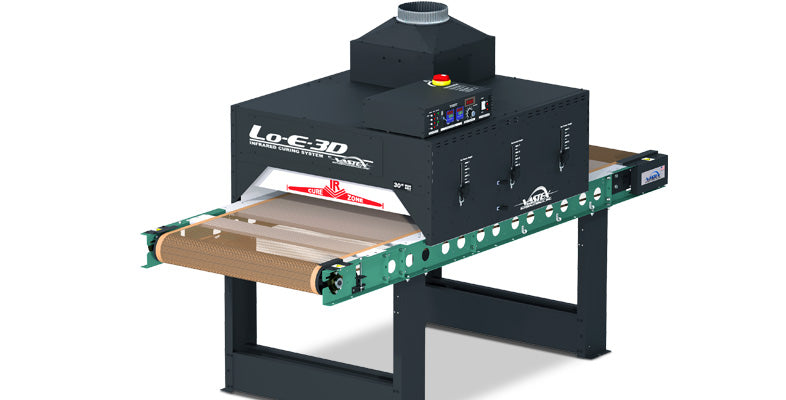
- Curing method - Conveyor dryer or heat press to set ink permanently
- Registration tools - Align multi-color prints with precision
Setup complexity scales directly with color count. Single-color designs require minimal setup time. Four-color designs require four screens, four ink mixing sessions, and precise alignment between each layer. This is why screen printing becomes more economical with quantity - setup costs are amortized across more units.
Sublimation vs. Screen Printing: Direct Comparison Framework
These methods serve different operational needs. The table below compares critical production factors to support equipment and method selection decisions.
| Factor | Sublimation | Screen Printing |
|---|---|---|
| Fabric Compatibility | Polyester only (minimum 65% poly content) or polymer-coated substrates | Works on cotton, polyester, blends, nylon, canvas, and most textile types |
| Color Capacity | Unlimited colors, full CMYK spectrum, gradients and photorealistic images | One screen per color; practical limit of 4-6 colors before cost escalates |
| Production Speed (per unit) | 45-90 seconds per item (setup, press, cool) | Single color: 30-45 seconds | Four colors: 3-5 minutes with setup and curing |
| Setup Time | Minimal (5-10 minutes: design, print transfer, warm press) | Extensive (1-3 hours: screen prep, emulsion, exposure, registration per color) |
| Cost Per Unit (Low Volume) | Cost-effective for 1-50 units | Expensive due to setup time unless charging setup fees |
| Cost Per Unit (High Volume) | Steady cost per unit regardless of quantity | Cost per unit drops significantly as quantity increases (setup amortized) |
| Design Complexity | Excels at intricate designs, photos, gradients, unlimited detail | Best for bold, simple graphics; complex designs increase cost and setup time |
| Durability and Wash Resistance | Embedded in fabric; no cracking, peeling, or fading (permanent bond) | Sits on fabric surface; durable with proper curing but can crack over time |
| Print Feel (Hand) | Soft, no texture; design is part of fabric | Tactile, raised feel; ink layer is noticeable |
| Dark Fabric Capability | Not effective; ink is transparent and won't show on dark polyester | Excellent; white underbase allows bright colors on dark fabrics |
| Minimum Order Quantity | No minimum; economical for single units or on-demand production | Typically 12-24 units minimum to justify setup costs |
| Equipment Investment | $1,500-$5,000 (printer, heat press, starter supplies) | $800-$3,000 (manual press, screens, exposure unit, curing method) |
Fabric and Substrate Compatibility
Sublimation's polyester-only requirement eliminates cotton, the most common t-shirt material. This restriction stems from the chemical process itself. Polyester's polymer chains open under heat to accept gasified ink. Cotton's natural cellulose structure cannot bond with sublimation ink at any temperature.
Polyester-cotton blends work only if polyester content exceeds 65%. Lower polyester percentages produce faded, washed-out prints because insufficient polymer is present to hold the ink. A 50/50 poly-cotton blend will show only half the color intensity of 100% polyester, making vibrant designs appear muted.
Screen printing works across all fabric types because ink sits on the surface rather than bonding chemically with fibers. Cotton, polyester, nylon, canvas, and blends all accept screen-printed ink equally. This versatility makes screen printing the standard for cotton t-shirt decoration.
Color Implications for Fabric Choice
Sublimation requires light-colored fabrics (white, light gray, beige) because sublimation ink is translucent. Printing on dark polyester produces invisible or barely visible results. The ink adds color to the base fabric rather than covering it, similar to how watercolor works on paper.
Screen printing excels on dark fabrics through the use of opaque inks and white underbases. A white ink layer is printed first, then colors are printed on top of the white. This allows bright, vivid colors on black or navy shirts where sublimation cannot function.
Production Volume and Cost Structure Differences
Sublimation maintains consistent per-unit costs regardless of order size. Producing one shirt costs nearly the same as producing 100 shirts because each unit requires the same steps: print transfer paper, press, cool. Material costs (paper and ink) are fixed per square inch.
This makes sublimation ideal for on-demand production, custom one-off orders, and small batches. Businesses can accept single-unit orders profitably without setup fees. The model supports product personalization and made-to-order workflows.
Screen printing shows inverse cost characteristics. The first unit in a run bears the full setup cost (screen creation, registration, ink mixing). Each subsequent unit only adds the marginal cost of ink and labor. A 100-piece order might cost $8 per shirt while a single unit might cost $45 due to setup time.
Screen printing becomes economically efficient above 24-50 units depending on design complexity. High-volume production (500+ units) can achieve per-unit costs well below sublimation, especially for simple one or two-color designs.
Design Complexity and Color Handling
Sublimation treats every design as a single full-color image. Adding colors, gradients, or details does not increase production time or cost. A simple two-color logo takes the same time as a photorealistic image with thousands of colors. This makes sublimation ideal for all-over prints, photographic reproductions, and designs with complex shading.
Screen printing costs scale linearly with color count. Each color requires a separate screen, additional setup time, and another ink curing cycle. A four-color design requires four times the setup work of a one-color design. This economic reality pushes screen printing toward bold, simple graphics with limited color palettes.
Special Effects and Finish Options
Screen printing offers texture-based special effects unavailable in sublimation. Puff ink creates raised, three-dimensional prints. Metallic inks add reflective finishes. High-density inks produce thick, tactile graphics. Discharge inks remove fabric dye for soft, color-removed prints on dark garments.
Sublimation produces a single finish type: smooth, integrated prints with no texture variation. The ink becomes part of the fabric structure, creating a uniform surface. While limiting creative options, this produces prints that feel identical to the base fabric.
Common Production Mistakes and How They Affect Output
Sublimation Failure Points
Sublimation failures typically stem from three sources:
- Wrong substrate material - Using cotton or low-polyester blends (under 65%) produces no transfer because the fabric cannot accept gasified ink
- Insufficient temperature - Heat press below 375°F prevents complete ink conversion, leaving pale, incomplete images
- Uneven pressure - Contact gaps create white spots or streaks in the final print
Color management issues arise when monitor colors don't match printed output. Sublimation colors appear more vibrant after pressing than on screen or transfer paper. Design software must use sublimation-specific color profiles (ICC profiles) to predict final results accurately. Without proper color management, blues may shift purple and reds may appear orange.
Screen Printing Failure Points
Screen printing mistakes concentrate in three areas:
- Registration errors - Misaligned screens create double images or color gaps where layers don't meet properly
- Improper curing - Under-cured ink washes out or cracks prematurely; over-cured ink becomes brittle and stiff
- Incorrect squeegee pressure - Too little pressure causes thin coverage; too much pressure causes bleeding details
Equipment Limitations That Create Bottlenecks
Sublimation production speed bottlenecks at the heat press. Each item requires 45-90 seconds of press time. A single heat press maxes out at approximately 40-60 items per hour. Scaling requires adding more heat presses, not faster printers.
Screen printing bottlenecks differ by setup type. Manual single-station presses require the operator to print, remove, and cure each piece sequentially. Multi-station carousel presses allow simultaneous printing of multiple pieces, dramatically increasing throughput. A four-station press can produce 80-120 pieces per hour compared to 20-30 on a single station.
Business Model Alignment: Which Method Fits Your Operations
Choose Sublimation If Your Business Includes:
- On-demand personalization and custom orders
- Small batch production (under 50 units per order)
- All-over garment prints and complex photographic designs
- Polyester athletic wear and performance apparel
- Hard goods decoration (mugs, tumblers, phone cases)
- Product-on-demand fulfillment with low inventory models
- Custom photo products and gifts
Sublimation supports low-inventory business models where products are made after orders are received, eliminating storage costs and dead stock risk.
Choose Screen Printing If Your Business Focuses On:
- Bulk orders (50+ units per design)
- Cotton t-shirt decoration and natural fiber garments
- Simple bold graphics with limited color palettes
- Dark garment printing (black, navy, dark colors)
- Consistent repeat orders from recurring clients
- Wholesale production for retail distribution
- Team uniforms and corporate apparel programs
Screen printing aligns with inventory-based models where pre-printed stock is produced in advance and sold over time, optimizing per-unit costs through volume production.
Dual-Method Operations
Some businesses run both methods to serve different market segments. Sublimation handles custom orders and polyester products. Screen printing handles bulk cotton orders and dark garments. This dual-method approach requires higher capital investment but provides complete market coverage and eliminates having to turn away orders due to method limitations.
Startup Cost and Equipment Investment Comparison
Sublimation startup costs range from $1,500 to $5,000 depending on equipment tier. Entry-level setup includes a sublimation printer ($400-$800), heat press ($300-$1,200), sublimation paper, ink, and polyester blanks. Professional-grade equipment raises the investment to $3,000-$5,000 but increases output quality and production speed.
Screen printing startup costs range from $800 to $3,000 for manual setups. Basic requirements include a manual press ($200-$800), screens ($15-$30 each), emulsion and exposure setup ($200-$400), squeegees, inks, and a curing method. Heat guns or flash dryers add $100-$500. Conveyor dryers for high-volume production cost $1,500-$4,000.
Automated screen printing equipment escalates costs significantly. Automatic presses start at $15,000 and can exceed $100,000 for industrial production lines. This positions automated screen printing as a high-volume production method requiring substantial capital and order flow to justify.
Environmental and Safety Considerations
Sublimation uses water-based inks and produces minimal chemical waste. The process generates no wastewater and requires no cleaning solvents. Spent sublimation paper is the primary waste product and can be disposed of as regular paper waste. Heat press operations consume electricity but produce no emissions.
Screen printing environmental impact varies by ink type. Water-based and discharge inks minimize environmental impact but require careful wastewater management if screens are cleaned on-site. Plastisol inks contain PVC and plasticizers, creating disposal concerns. Screen reclaiming (removing emulsion for reuse) produces chemical waste requiring proper handling per OSHA regulations.
Frequently Asked Questions
Can you sublimate on 100% cotton shirts?
No, sublimation does not work on 100% cotton. The process requires polyester or polymer-coated surfaces because sublimation ink bonds chemically with polymer molecules when converted to gas under heat. Cotton's natural cellulose fibers cannot accept or hold sublimation ink. For cotton shirt decoration, use screen printing, DTF (direct-to-film), or DTG (direct-to-garment) methods instead.
Which printing method lasts longer on t-shirts?
Sublimation prints last longer because the ink becomes part of the fabric structure rather than sitting on top. The design cannot crack, peel, or fade because it exists within the polyester fibers themselves. Screen prints are highly durable when properly cured but may eventually crack or fade as the ink layer experiences wear, particularly at flex points like elbows or across the chest.
How many shirts do you need to order for screen printing to be cost-effective?
Screen printing becomes cost-effective at approximately 24-50 shirts depending on design complexity and color count. Below this threshold, setup costs (screen creation, registration, ink mixing) make per-unit costs higher than sublimation. Above 50 units, the per-unit cost drops significantly because setup costs are distributed across more pieces. Single-color designs reach efficiency faster than multi-color designs.
Can screen printing achieve the same color quality as sublimation?
Screen printing and sublimation produce different color characteristics. Sublimation creates vibrant, photorealistic colors with unlimited color blending because it uses full CMYK printing. Screen printing produces bold, opaque colors but requires separate screens for each color, making gradients and color blends impractical. Screen printing excels at solid, vivid colors on both light and dark fabrics, while sublimation excels at complex, multi-color designs on light polyester.
What is the best method for printing on dark-colored shirts?
Screen printing is the best method for dark shirts. It uses opaque inks and white underbases that allow bright colors to show on black, navy, or dark-colored fabrics. Sublimation cannot print on dark fabrics because sublimation ink is transparent and requires light-colored polyester to show properly. DTF (direct-to-film) also works well on dark fabrics and offers more color complexity than traditional screen printing.
Do I need different equipment for all-over prints versus standard front/back designs?
Yes, all-over prints require specialized equipment. Sublimation all-over prints need large-format heat presses (typically 16x20 inches or larger) or specialized garment presses that can handle full shirt coverage. Screen printing all-over designs requires oversized platens and is generally impractical for true all-over coverage. Most screen-printed "all-over" designs are actually front and back prints that create an all-over appearance when worn.
Choosing the Right Method for Your Business
Sublimation and screen printing serve distinct production needs and market segments. Neither method is universally superior - each dominates specific applications where its characteristics align with production requirements.
Select sublimation for businesses prioritizing design complexity, color range, on-demand production, and polyester product decoration. The method supports low-inventory models, custom personalization, and small-batch manufacturing without minimum order requirements.
Select screen printing for businesses focused on cotton garment decoration, bulk production, dark fabric printing, and repeat orders of consistent designs. The method achieves lowest per-unit costs at scale and provides the widest fabric compatibility.
Evaluate your target products, order patterns, and fabric preferences before investing in equipment. The wrong method choice creates operational limitations that cannot be overcome without switching technologies entirely.