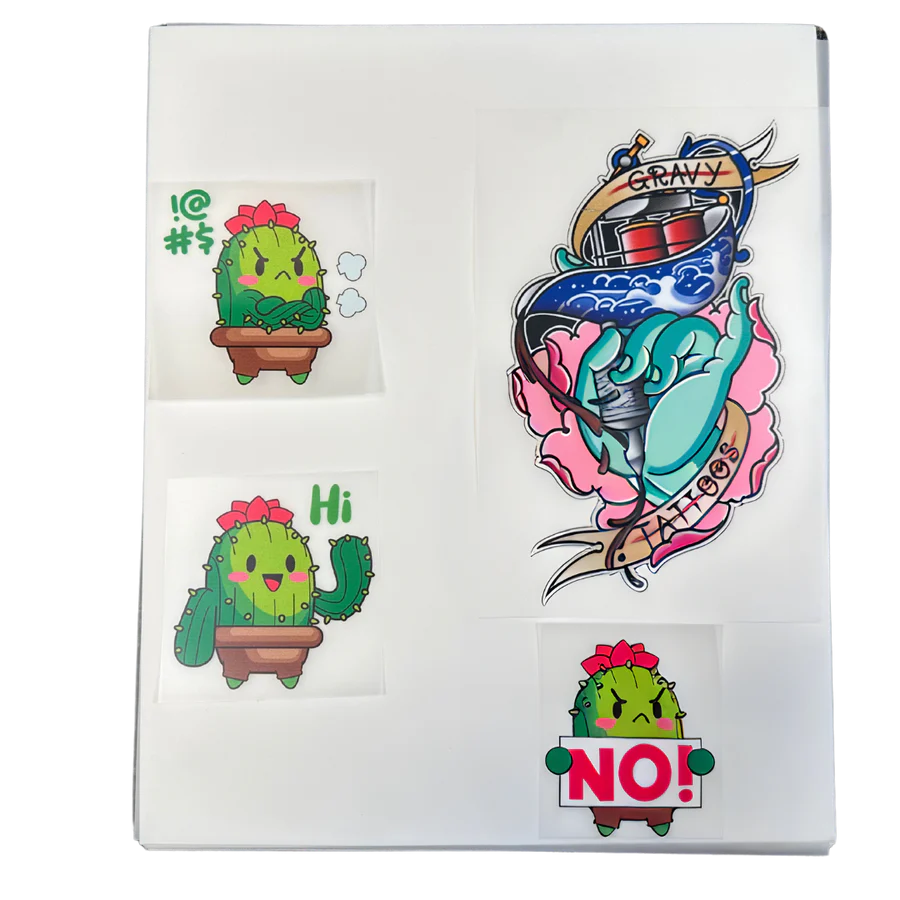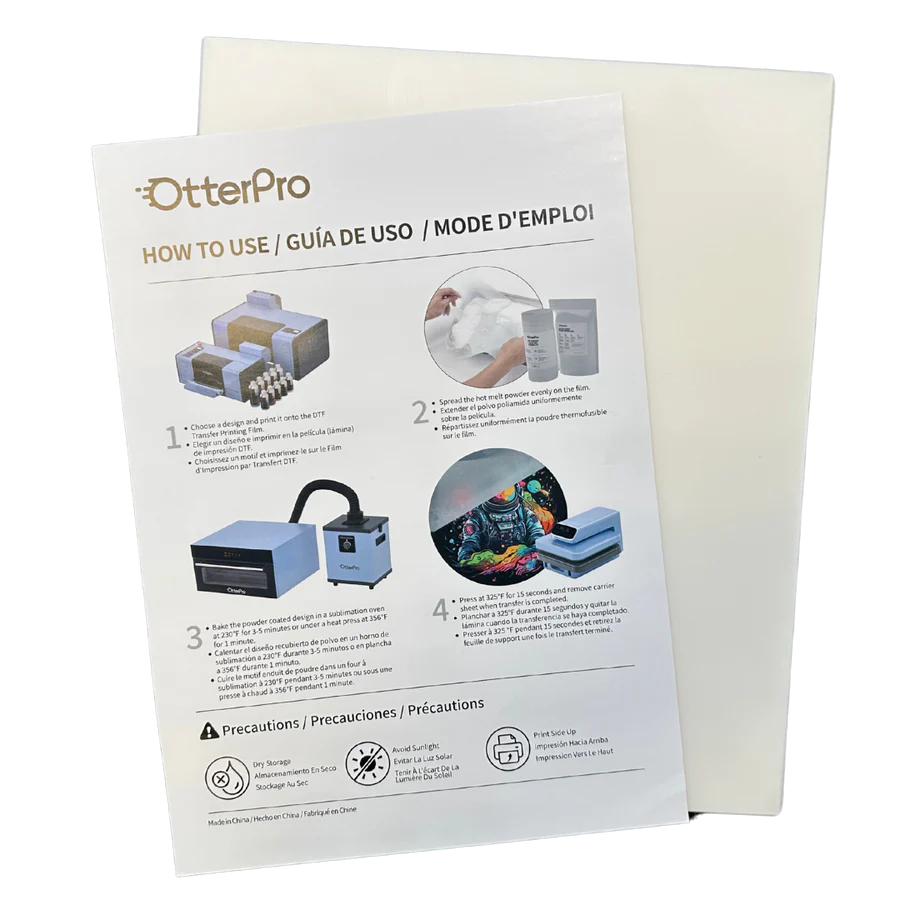



















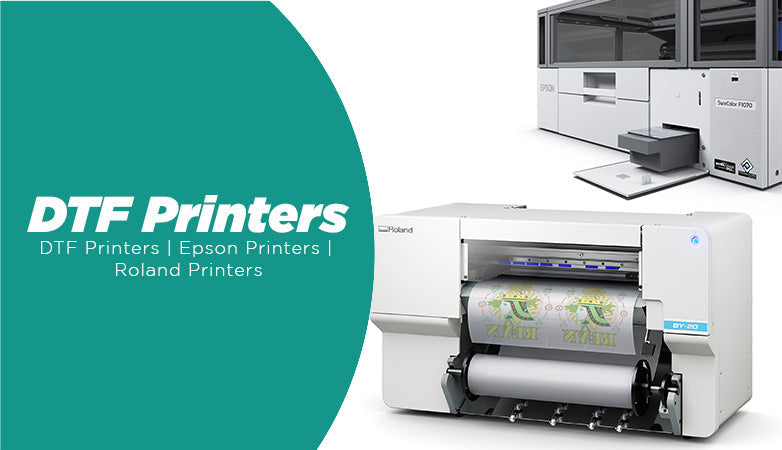
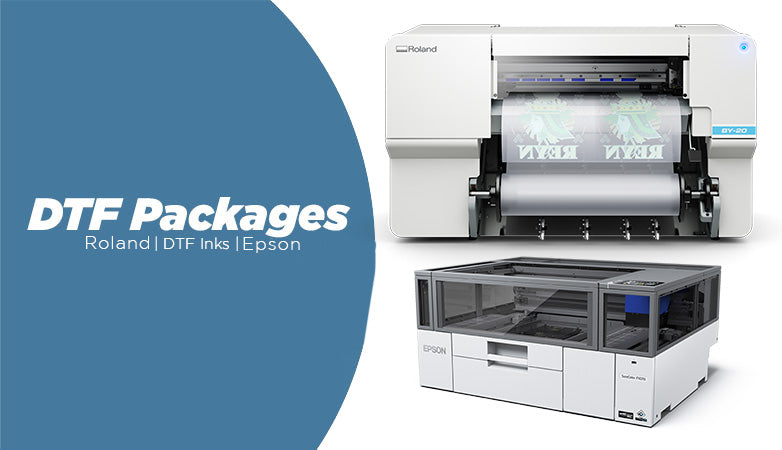
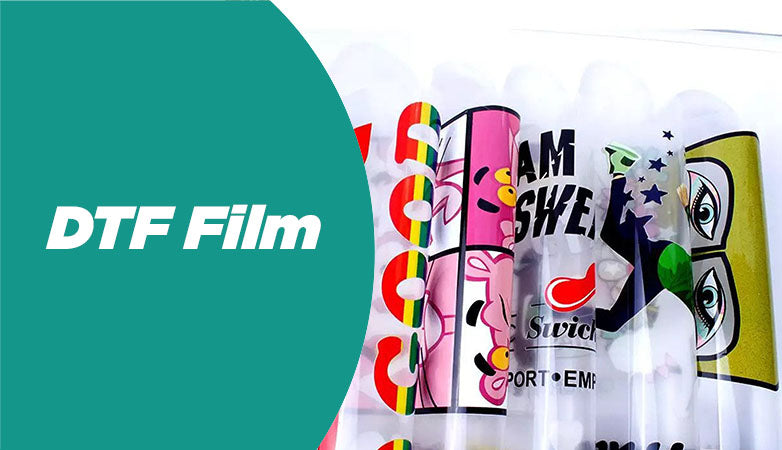
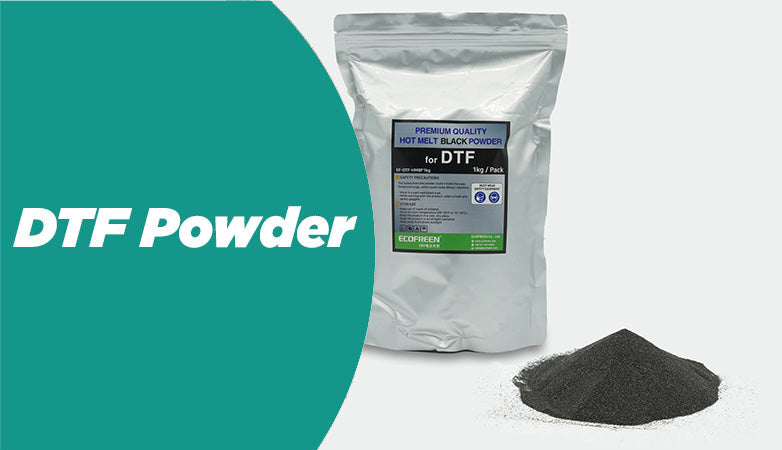


Direct-to-Film (DTF) printing has quickly become one of the most versatile technologies in the custom apparel industry. While many print shops use DTF to decorate garments directly, an increasing number of businesses are focusing on a different model: producing DTF transfers that can be sold to other businesses or creators.
Instead of printing finished apparel, these businesses print ready-to-press transfers that customers can apply with a heat press. This model allows apparel brands, Etsy sellers, print shops, and promotional companies to offer custom garments without investing in complex printing equipment.
Because of this shift, the equipment used to produce DTF transfers is slightly different from what beginners typically need. Businesses that sell transfers often require higher production capacity, more reliable white-ink management, and printers designed for continuous workflows.
A printer that works well for occasional shirt printing may struggle when producing large volumes of transfers or gang sheets. Slow production speeds, inconsistent white ink coverage, and maintenance issues can quickly become bottlenecks when fulfilling customer orders.
Choosing the right printer is therefore one of the most important decisions for a transfer business. The right machine allows you to maintain consistent quality, handle larger production runs, and scale your operations as demand grows.
In this guide, we’ll explore the key factors that make a printer suitable for producing DTF transfers, explain the different types of printers used in transfer production, and help you understand which machines are best suited for businesses selling transfers rather than printing finished garments.
Printing Transfers vs Printing Garments
Although both workflows use DTF technology, printing transfers for sale is very different from printing directly onto garments for customers.
A typical apparel decorator may print one design at a time, press it onto a shirt, and deliver the finished product. In contrast, a transfer production business focuses on printing large quantities of transfers that will be applied later by other users.
Because of this, the production workflow often looks different.
Transfer businesses commonly produce gang sheets, which combine multiple designs onto a single sheet or roll of transfer film. By placing many designs on the same print run, operators can maximize material usage and significantly improve production efficiency.
This workflow introduces several technical considerations that affect the type of printer required.
For example, printers used for transfer production must often support:
- continuous film printing
- stable white-ink circulation
- efficient RIP software workflows
- higher production speeds
These features allow businesses to print large batches of transfers without constant manual intervention.
Reliability also becomes more important. When producing transfers for sale, inconsistent prints or machine downtime can delay orders and disrupt production schedules. As a result, many transfer businesses eventually move toward printers designed specifically for consistent, repeatable output rather than occasional printing.
Understanding this difference helps explain why certain printers perform better in transfer production environments than others.
Why Gang Sheets Matter in DTF Production

One of the most important concepts in transfer production is the gang sheet.
A gang sheet is a layout that combines multiple designs on a single piece of transfer film. Instead of printing one design at a time, operators arrange several graphics together in a single print job.
This approach provides several major advantages for transfer businesses.
First, gang sheets allow operators to maximize the usable space on each sheet of film. By filling the print area with multiple designs, businesses can produce more transfers per print run and reduce wasted material.
Second, gang sheets make it easier to organize production when working with multiple customer orders. For example, a single sheet may contain logos for different clients, custom graphics for multiple apparel brands, or various sizes of the same design.
This flexibility makes gang sheets especially useful for:
- online transfer stores
- small apparel brands
- promotional product companies
- custom print shops
Printer width also plays a major role in gang sheet efficiency. Wider printers allow more designs to fit within each sheet, which increases production output and reduces the cost per transfer.
For this reason, many transfer businesses eventually upgrade from small desktop printers to wider roll-fed systems that can produce larger gang sheets and handle longer print runs.
Understanding how gang sheets affect production efficiency is key when evaluating printers for a DTF transfer business.
Types of Printers Used for DTF Transfers
DTF transfers can be produced using several types of printers. While the underlying technology is similar - printing CMYK and white ink onto PET transfer film - the machines themselves vary significantly in size, production capacity, and workflow efficiency.
Understanding these categories is important because the type of printer you choose will determine:
- how fast you can produce transfers
- how large your gang sheets can be
- how much manual work is required
- how scalable your production will be
Some printers are designed for beginners and small studios, while others are built for high-volume transfer production.
Below are the three most common categories of DTF printers used in the industry today.
Desktop DTF Printers

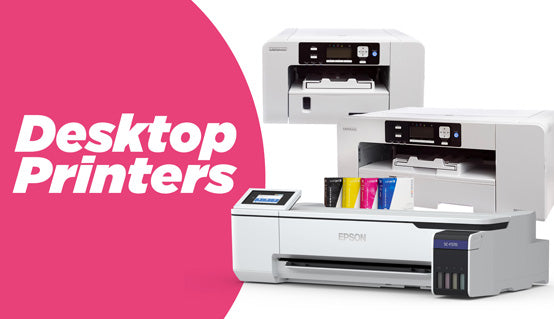
Desktop DTF printers are typically the entry point for many transfer businesses. These machines are compact and designed to operate in smaller workspaces such as home studios, small print shops, or startup transfer businesses.
Most desktop DTF printers support A3-size film sheets, which makes them suitable for producing smaller gang sheets and custom transfer orders.
They are commonly used by:
- new transfer businesses
- small apparel brands producing their own designs
- Etsy sellers offering custom transfers
- print shops testing the DTF market
One of the main advantages of desktop printers is their lower initial investment compared to larger production systems.
However, because they rely on sheet-based workflows and smaller print areas, production capacity is more limited. Businesses that experience rapid growth often upgrade later to roll-to-roll printers for greater efficiency.
Despite this, desktop systems remain an excellent option for entrepreneurs entering the DTF transfer market.
Roll-to-Roll DTF Printers

Roll-to-roll DTF printers are widely used by businesses that produce transfers more frequently or in higher quantities.
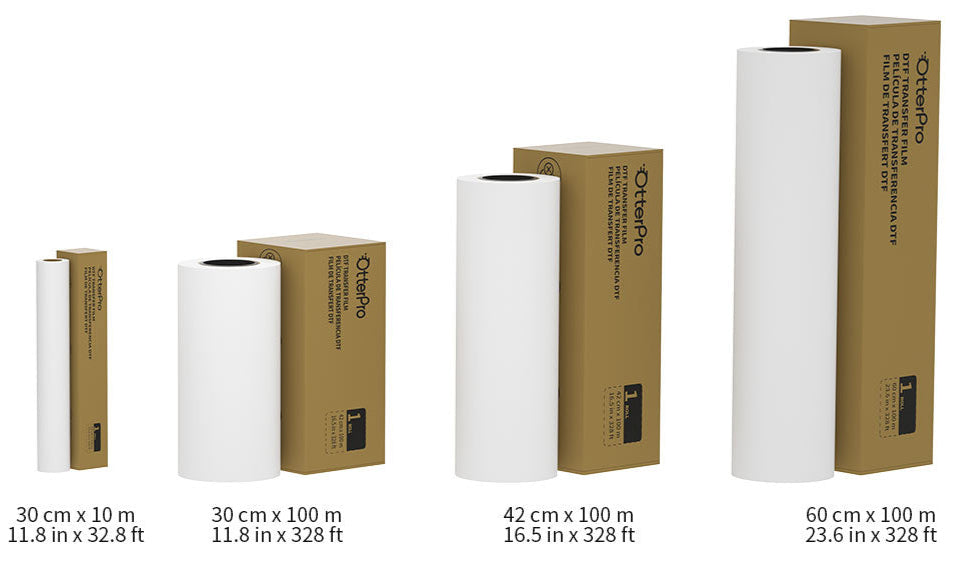
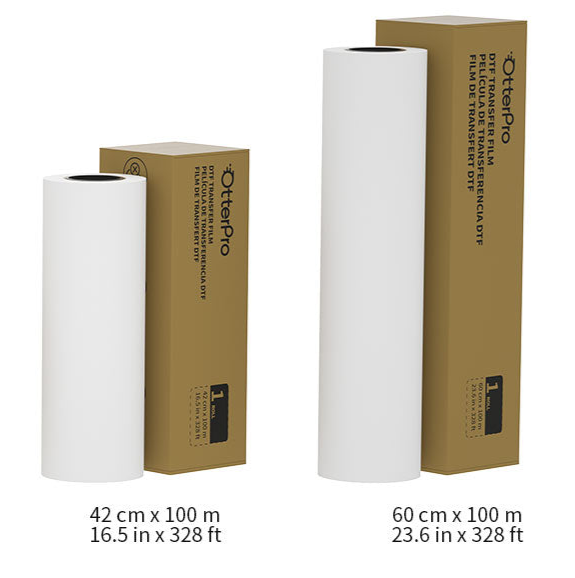
Instead of printing on individual sheets of film, these printers use continuous rolls of PET transfer film that feed automatically through the machine.
This design enables much longer print runs without stopping to load new sheets.
For transfer businesses, roll-fed systems offer several operational advantages:
- continuous production workflows
- larger printable areas
- more efficient gang sheet layouts
- reduced manual handling during printing
- Because film feeds automatically, businesses can print larger batches of transfers with fewer interruptions.
Many roll-to-roll printers also include features that improve reliability during long production runs, such as:
- white-ink circulation systems
- automatic print head maintenance
- film tension control
- take-up rollers for finished prints
These improvements help maintain consistent print quality while increasing daily production capacity.
For growing print shops or businesses selling transfers online, roll-to-roll printers often provide the best balance between production efficiency and investment cost.
Industrial DTF Systems

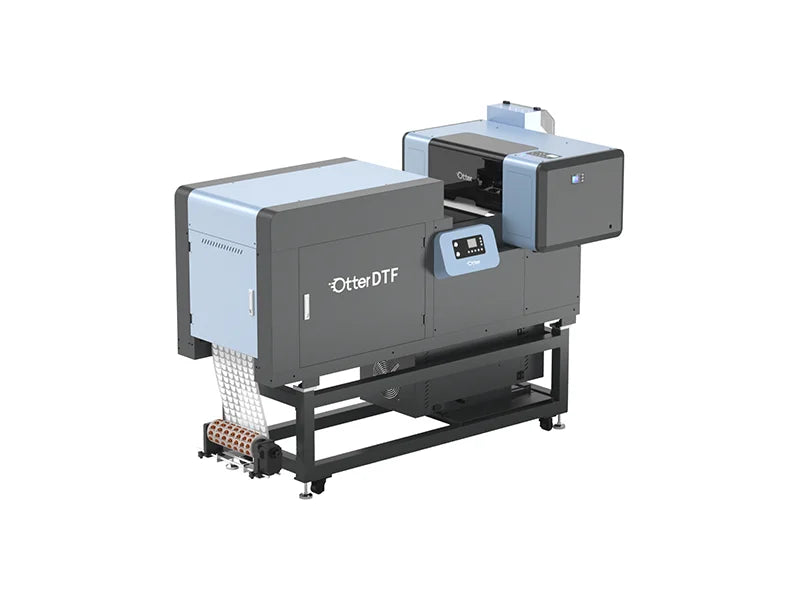
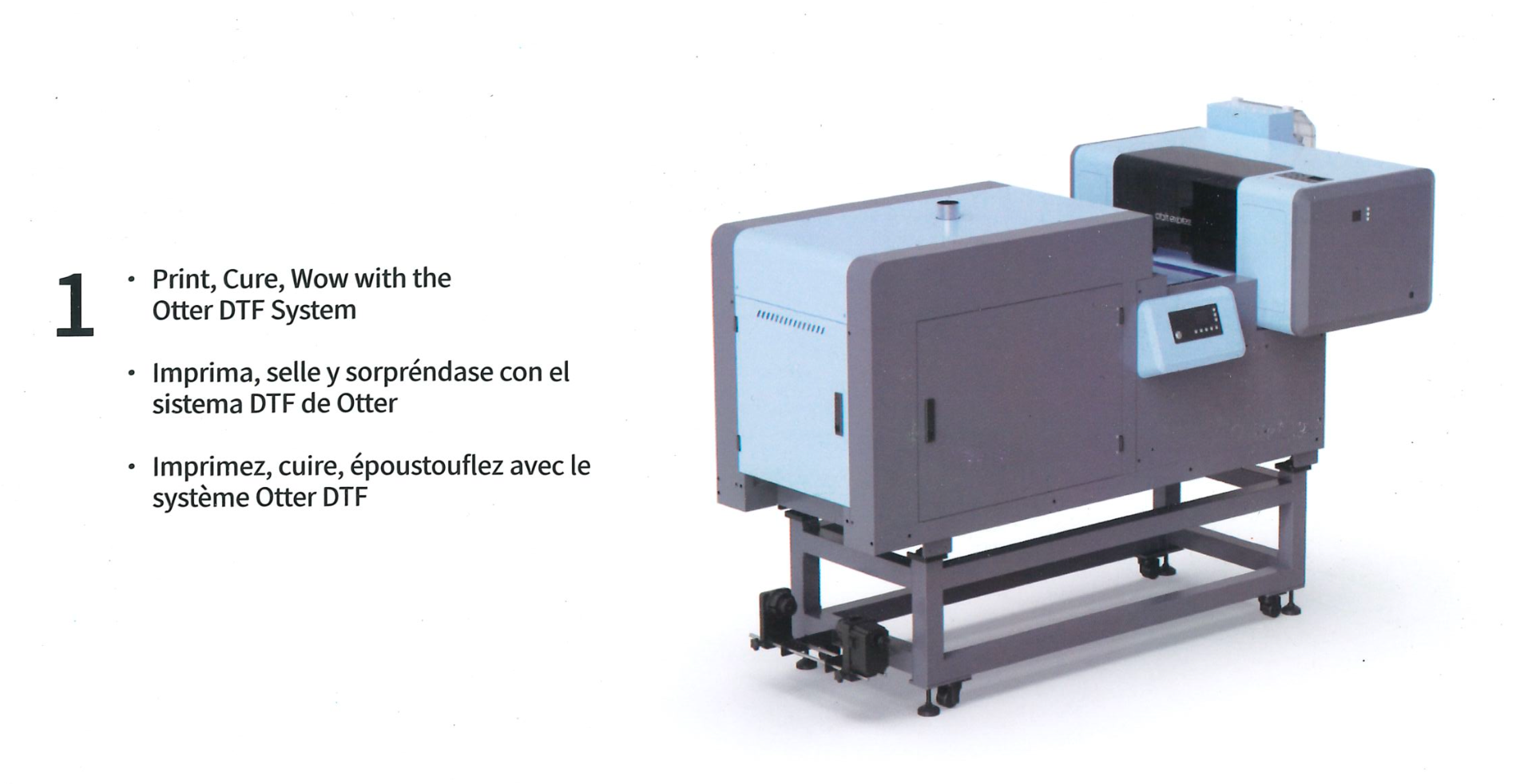
At the highest level of production are industrial DTF systems, which integrate several stages of the transfer workflow into a semi-automated production line.
These systems are designed for businesses producing transfers at large scale, such as wholesale transfer suppliers or high-volume print shops.
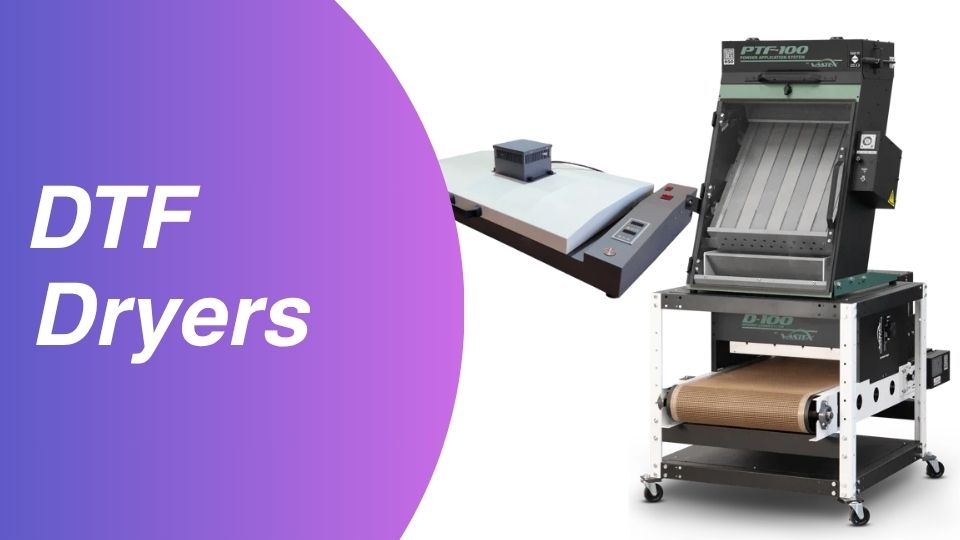
Industrial DTF setups typically include multiple integrated components, such as:
- high-speed roll printers
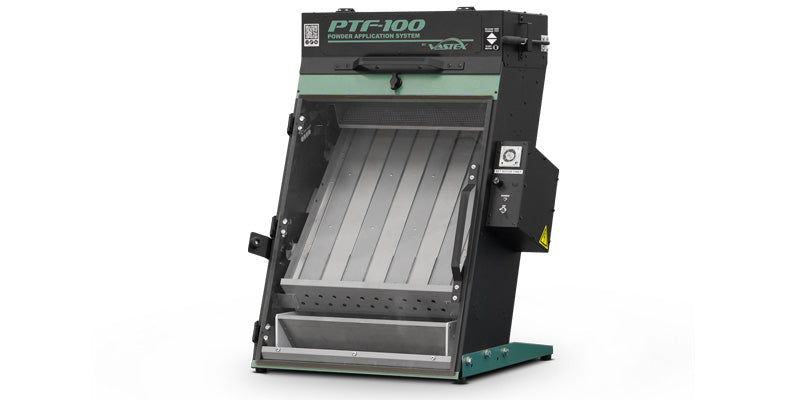
- automatic powder shaker systems
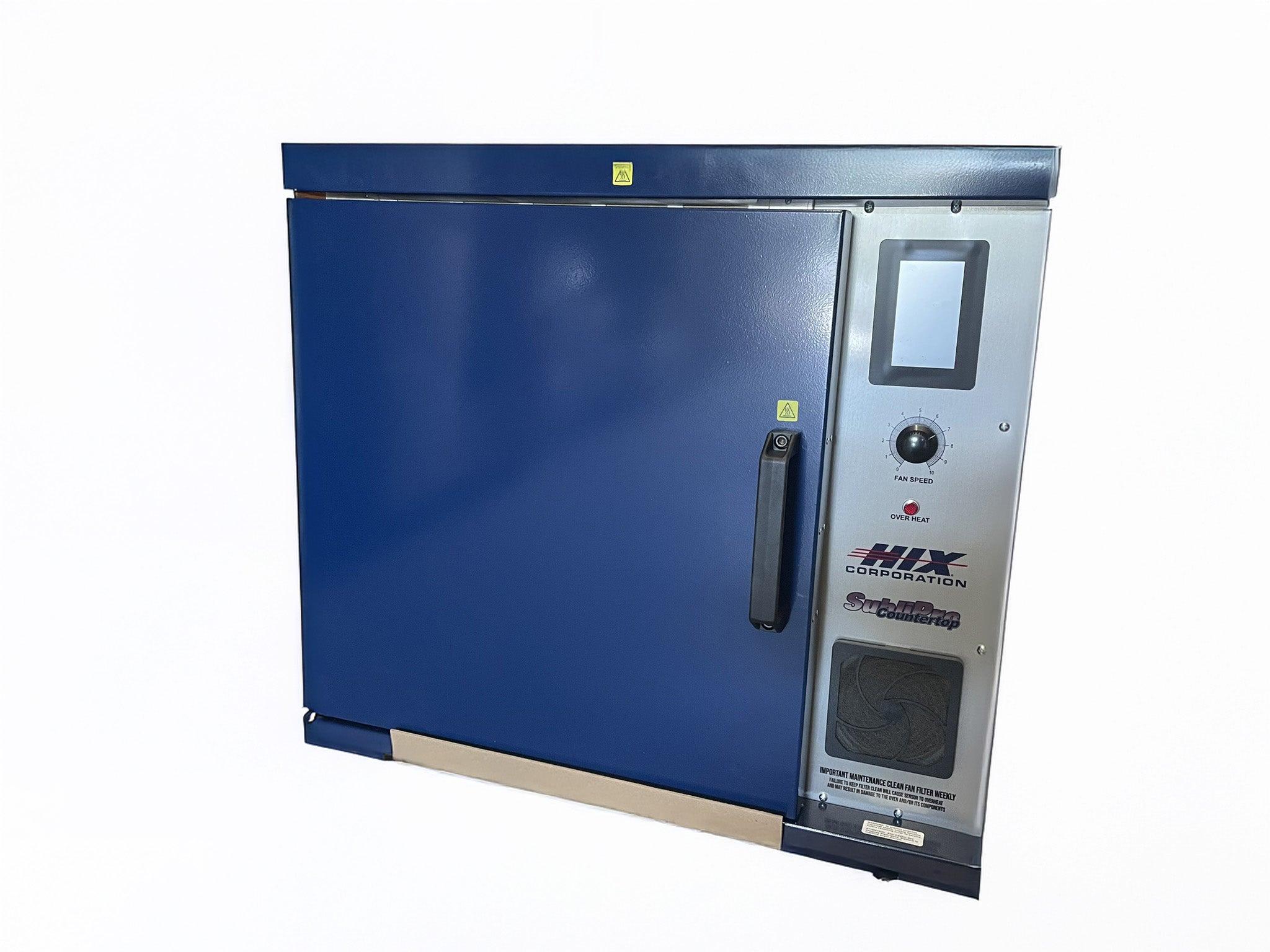
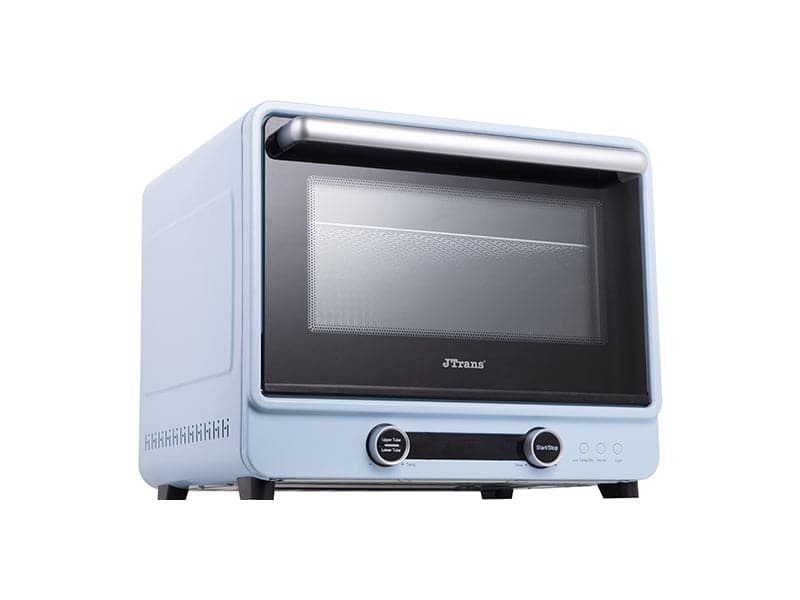
- curing ovens
- automated film take-up units
Together, these machines allow transfers to move through the entire production process - from printing to curing - without constant manual handling.
Because much of the workflow is automated, industrial systems can produce significantly larger quantities of transfers per day compared to smaller printers.
However, these systems also require:
- larger workspaces
- higher upfront investment
- more advanced maintenance routines
For businesses operating at scale, the increased efficiency and production capacity can justify the investment.
Quick Comparison of DTF Printer Types
The table below summarizes the main differences between the three categories of DTF printers.
| Printer Type | Best For | Typical Film Format | Production Capacity | Ideal User |
|---|---|---|---|---|
| Desktop DTF Printer | Beginners and small shops | A3 sheets | Low to medium | Startups, Etsy sellers |
| Roll-to-Roll DTF Printer | Growing transfer businesses | 13"–24" film rolls | Medium to high | Print shops selling transfers |
| Industrial DTF System | High-volume production | Large film rolls | Very high | Wholesale transfer suppliers |
Each category serves a different stage of business growth. Many transfer businesses begin with desktop printers and gradually upgrade to larger roll-based systems as demand increases.
Selecting the right printer ultimately depends on your production volume, available workspace, and long-term business goals.
Key Features to Look for in a DTF Printer
Choosing the right printer for producing DTF transfers involves more than simply comparing prices. The performance and reliability of the printer will directly affect print quality, production efficiency, and long-term operating costs.
Understanding the key technical features can help ensure the equipment you choose supports a smooth and scalable production workflow.
Below are some of the most important factors to consider when selecting a DTF printer.
Print Width
Print width determines how much space you have available to place designs on transfer film.
Wider printers allow operators to create larger gang sheets, meaning more designs can be printed in a single run. This improves material efficiency and reduces overall production time.
For businesses selling transfers, this can significantly improve profitability because:
- more designs fit on each sheet
- less film is wasted
- production runs become faster
Entry-level printers typically support A3 film sizes, while larger production printers can support 13-inch or wider film rolls.
White Ink Management
White ink is essential for DTF printing because it forms the opaque base layer that allows designs to appear vibrant on dark garments.
However, white ink contains heavier pigments that tend to settle over time. If the printer does not include proper circulation systems, this can lead to clogged print heads and inconsistent output.
Modern DTF printers often include systems designed to prevent this issue, such as:
- automatic white-ink circulation
- ink agitation mechanisms
- scheduled maintenance cycles
These features help maintain stable ink flow and reduce maintenance interruptions during production.
Print Resolution and Detail
High print resolution is important for producing transfers with sharp edges, smooth gradients, and vibrant colors.
When evaluating a printer, look for systems capable of delivering detailed prints without sacrificing reliability. Consistent resolution ensures that designs maintain quality even when printing fine lines, small typography, or intricate artwork.
This becomes especially important when producing transfers for:
- branded apparel
- detailed graphics
- small logo placements
Reliable resolution ensures your transfers remain professional and consistent across production runs.
Production Speed
As demand grows, production speed becomes increasingly important.
Faster printers allow businesses to process more orders per day and reduce turnaround times for customers.
However, speed should always be balanced with reliability. A printer that produces consistent results with minimal downtime will usually be more valuable than one that prioritizes speed alone.
For many growing businesses, printers that support continuous film rolls provide a major efficiency advantage over sheet-based workflows.
Popular Printers Used for DTF Transfers
Many manufacturers now produce printers designed specifically for DTF printing. These machines vary in size and capability, allowing businesses to choose equipment that matches their production needs.
For businesses starting or expanding their transfer production, several models provide reliable entry points into the market.
Below are some common categories of printers used in transfer production.
Entry-Level DTF Printers
Entry-level printers are typically designed for businesses entering the DTF market.
These printers are compact and relatively affordable, making them ideal for:
- new apparel brands
- small print shops
- entrepreneurs launching transfer businesses
Entry-level systems often support A3 film formats, which are suitable for smaller gang sheets and custom orders.
For many startups, these printers provide an accessible way to begin producing transfers without a large upfront investment.
Mid-Size Production Printers
As production demand increases, many businesses upgrade to printers that support larger film widths and continuous roll workflows.
Mid-size printers allow operators to produce larger gang sheets and longer print runs, which significantly increases daily output.
These printers are commonly used by businesses that:
- sell transfers online
- supply transfers to other print shops
- produce apparel at higher volumes
Because of their balance between production capacity and cost, mid-size printers often represent the most scalable option for growing transfer businesses.
Comparison of DTF Printer Options
The table below highlights some common printer configurations used for transfer production.
| Printer Model | Print Width | Best For | Key Advantage |
|---|---|---|---|
| Procolored F8 Series | Compact format | Beginners and small shops | Affordable entry into DTF printing |
| Procolored K13 Lite | 13" printing width | Small transfer businesses | Reliable everyday production |
| Procolored F13 Panda Series | 13" roll printing | Growing transfer sellers | Continuous film workflow |
| Procolored F13 Pro Series | 13" production system | Higher output shops | Increased speed and stability |
| Procolored P13 Series | Professional production | Established print shops | Consistent production capacity |
| Procolored VF13 Pro UV DTF | UV transfer printing | Hard surface customization | Expands product capabilities |
Each printer category supports different stages of business growth. Many businesses begin with compact systems and later upgrade to wider printers as demand increases.
Selecting the right equipment ultimately depends on production goals, workspace, and expected order volume.
Final Thoughts on Choosing the Right Printer for DTF Transfers
DTF transfers have quickly become one of the most versatile and accessible printing methods for apparel and customization businesses.
Compared to traditional methods such as screen printing or vinyl heat transfer, DTF offers several advantages:
- the ability to print complex full-color designs
- compatibility with a wide range of fabrics
- lower setup requirements
- flexibility for small and large production runs
Because of these advantages, many entrepreneurs and print shops are exploring DTF transfers as a way to expand their services.
Choosing the right printer depends on your specific needs, including production volume, available workspace, and long-term business goals. Entry-level systems can provide a practical starting point, while larger roll-based printers can support businesses ready to scale production.
As the technology continues to evolve, DTF printing is likely to remain a key part of the custom apparel and personalization industry.