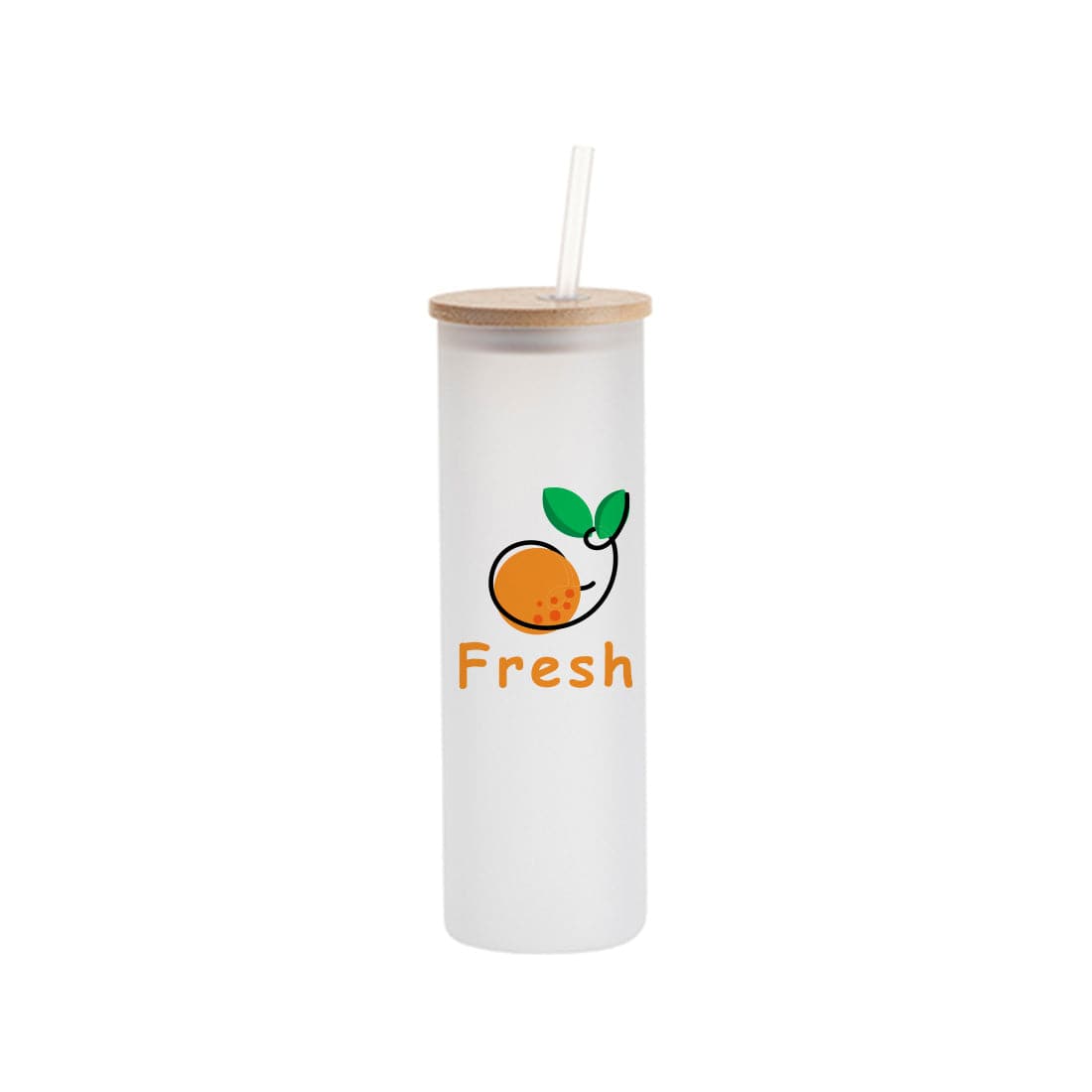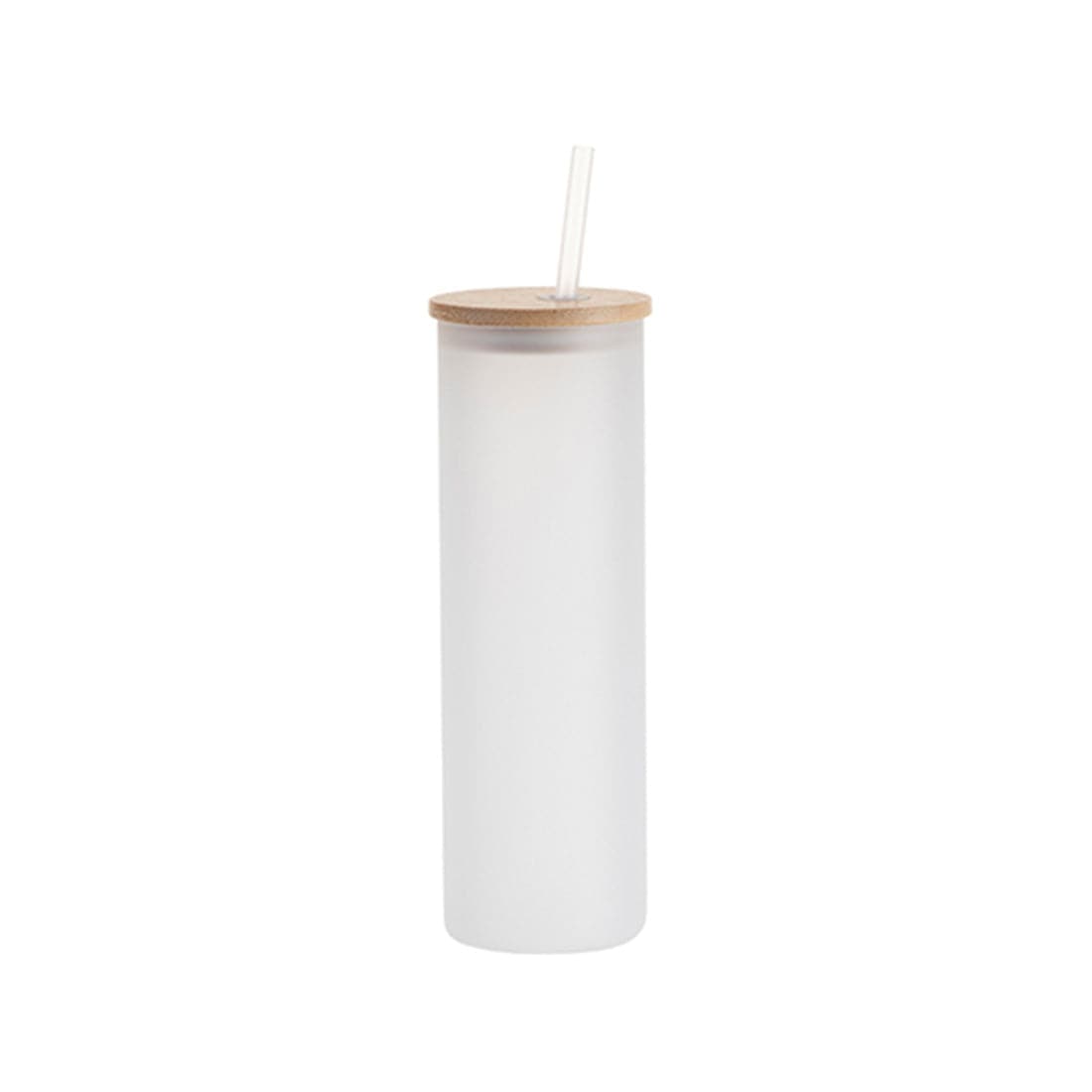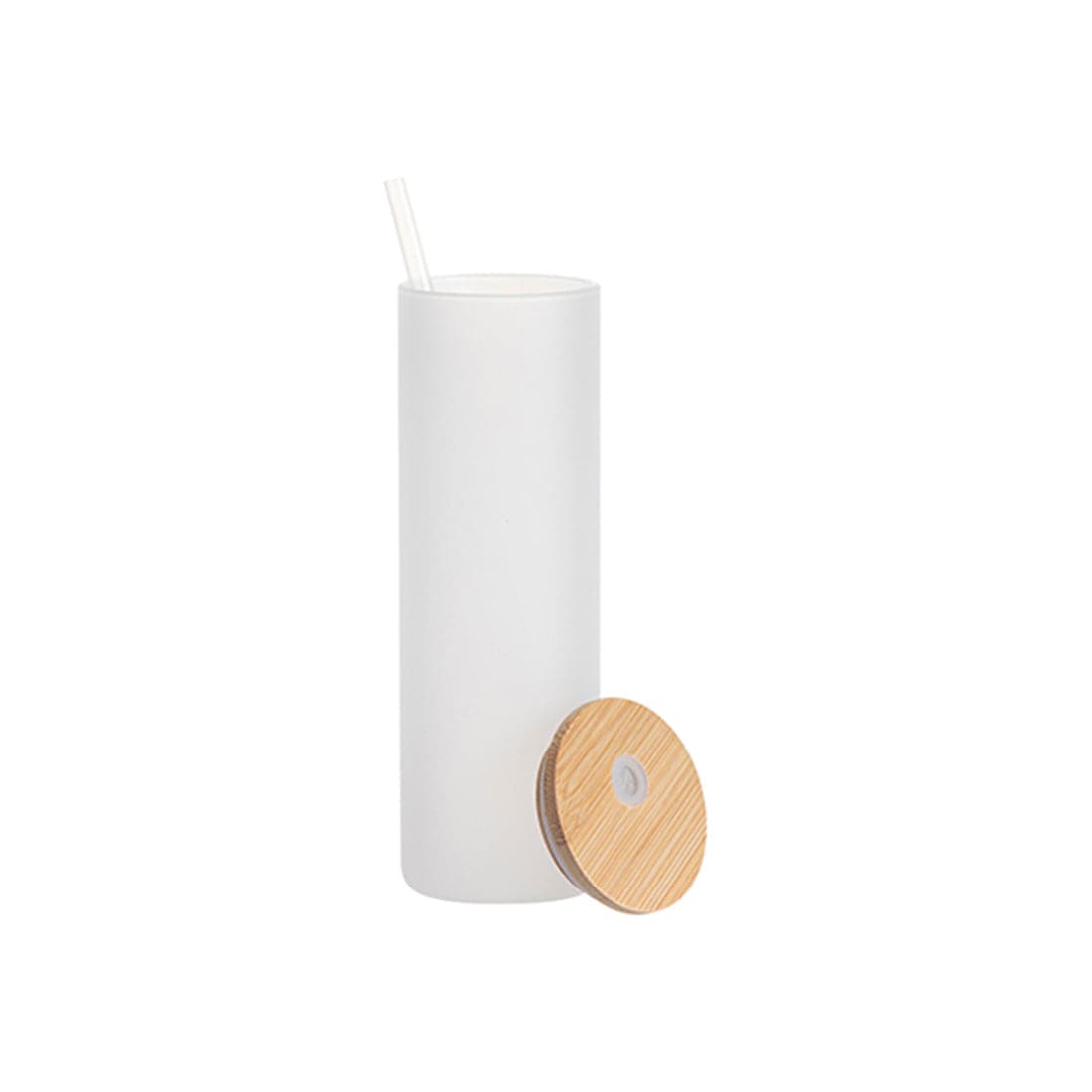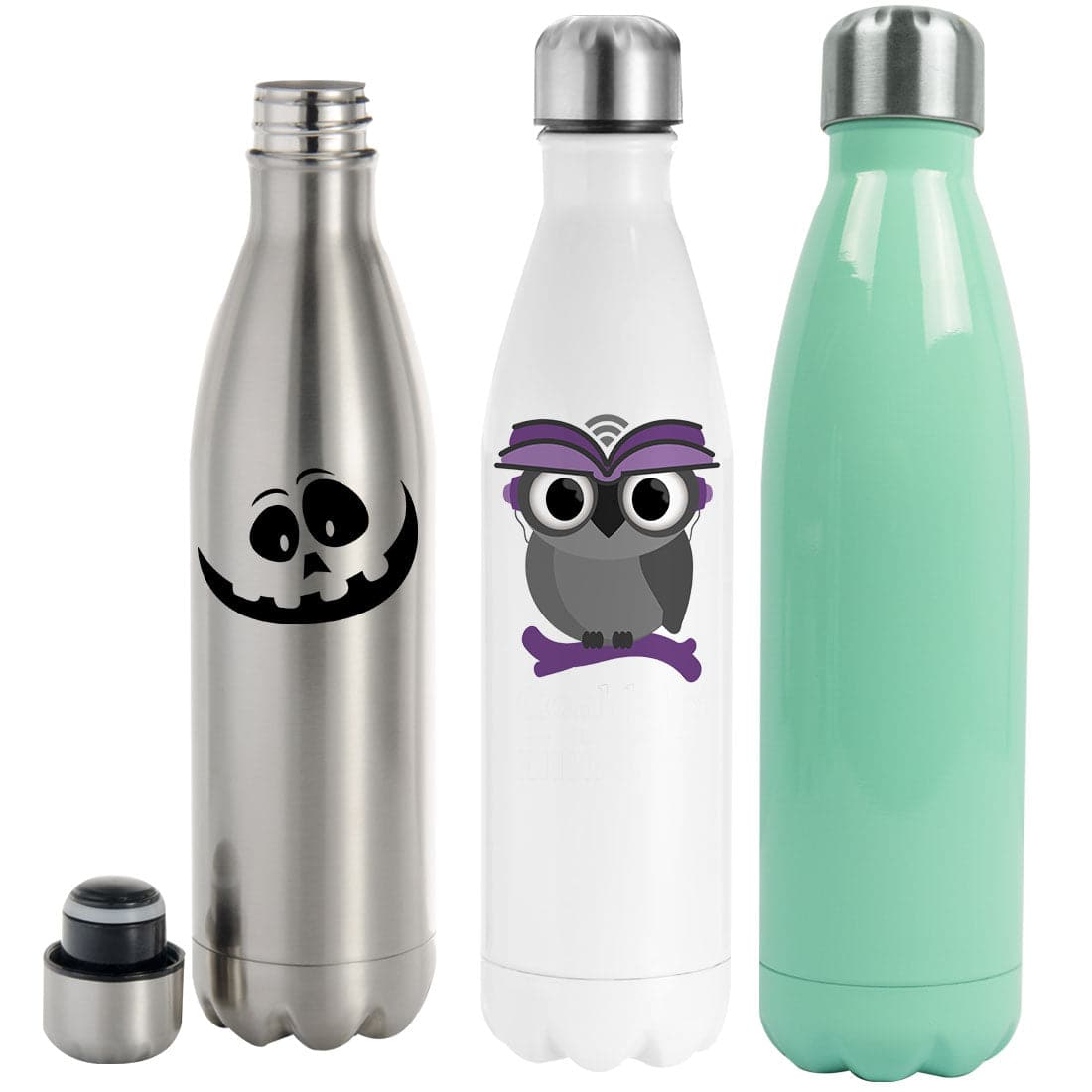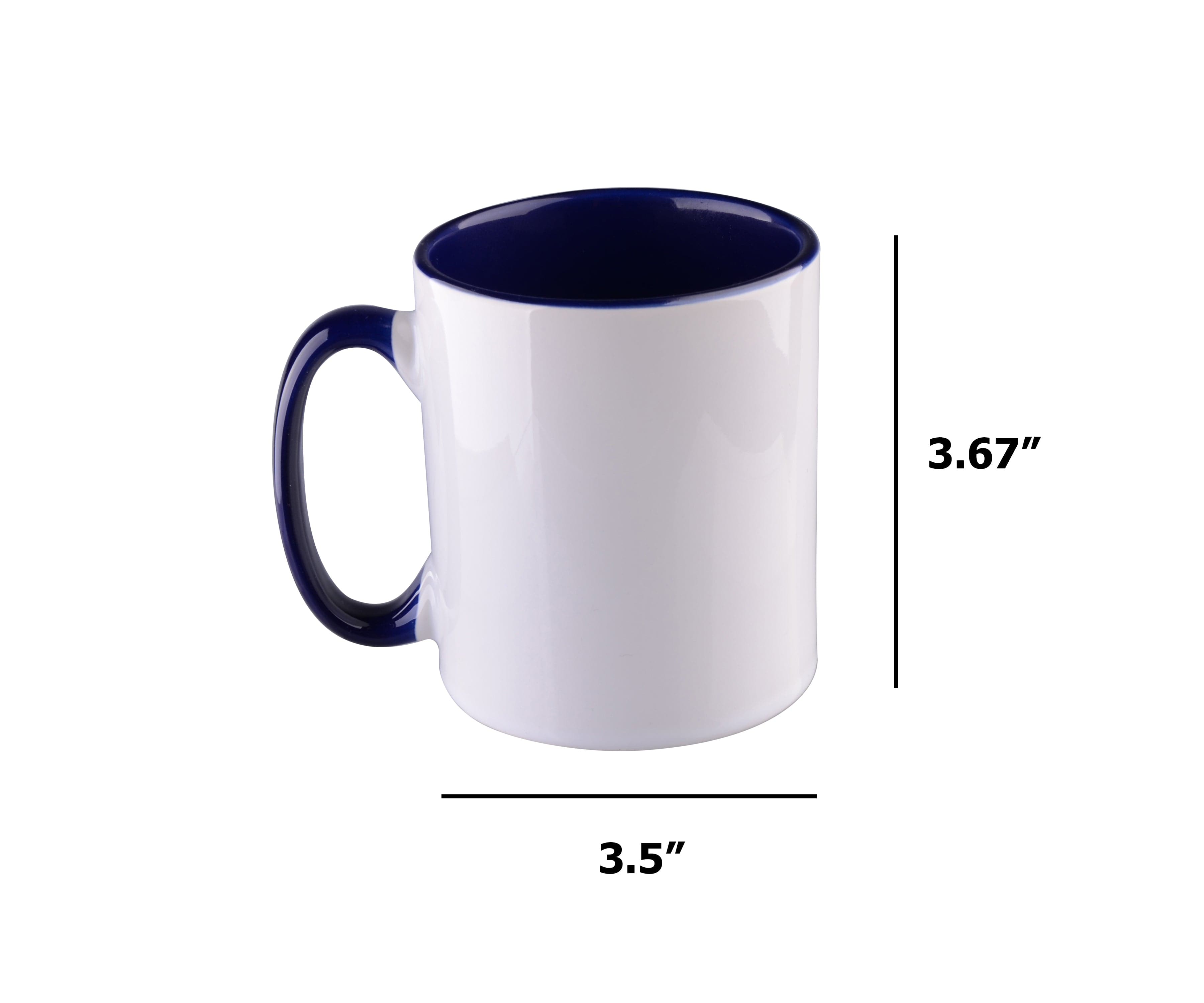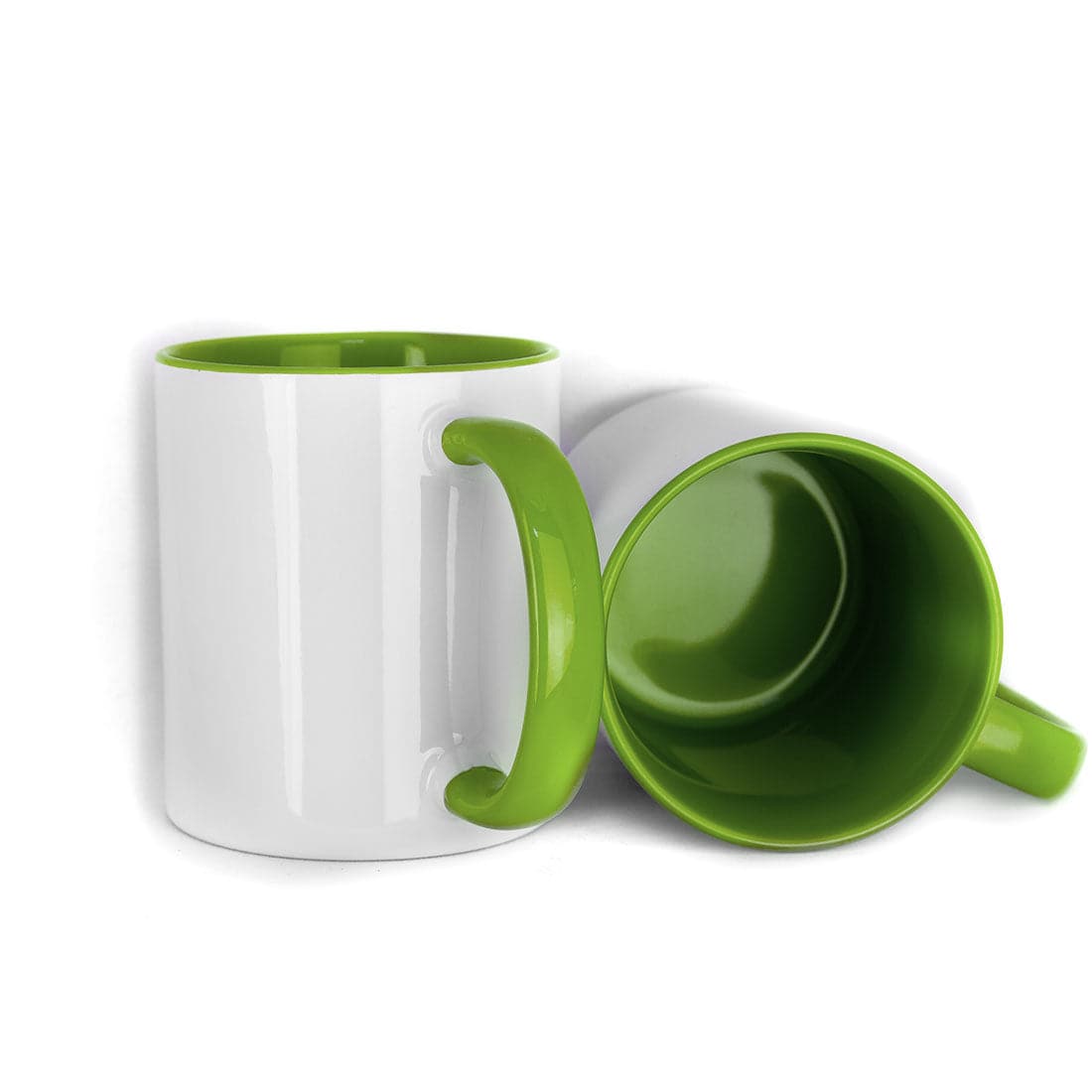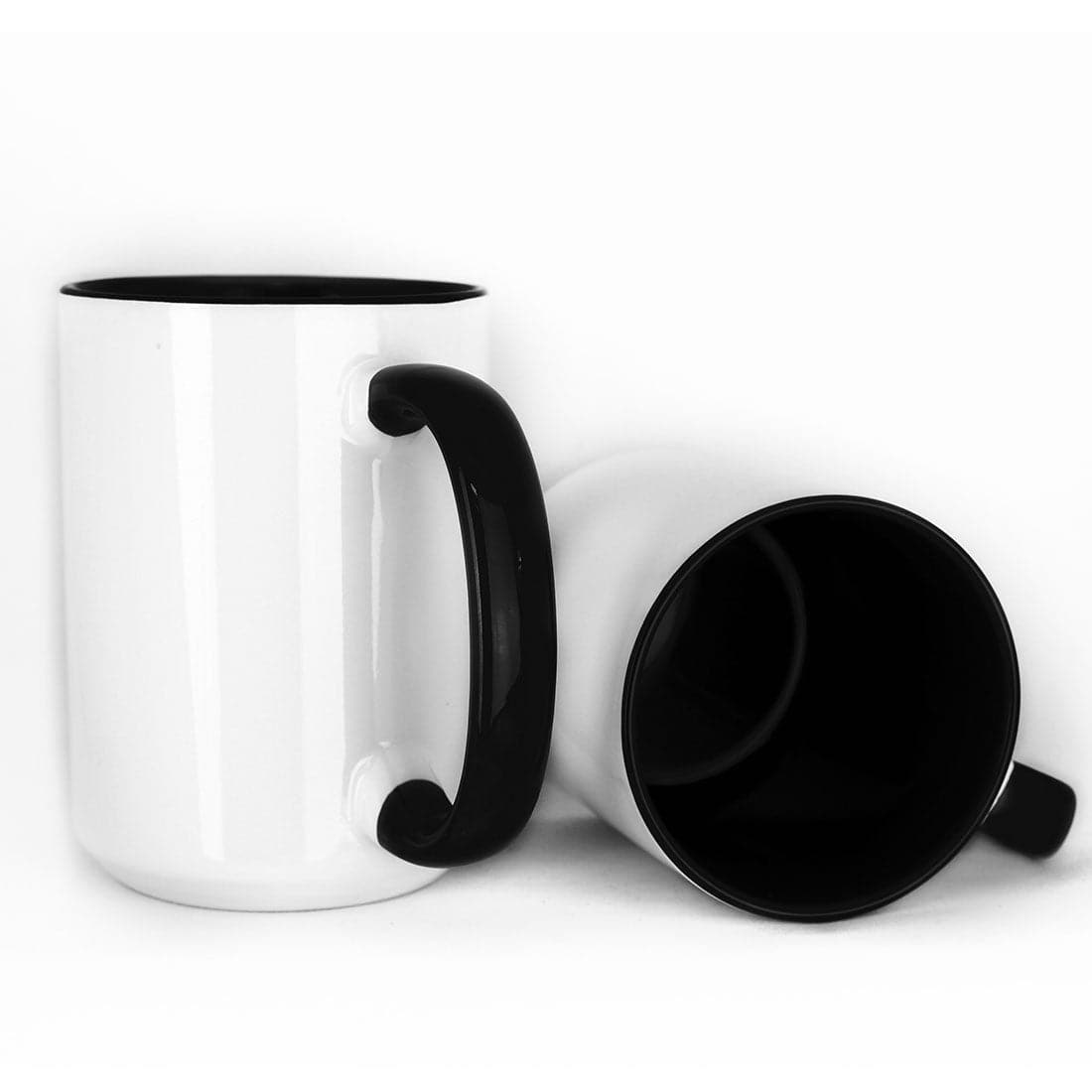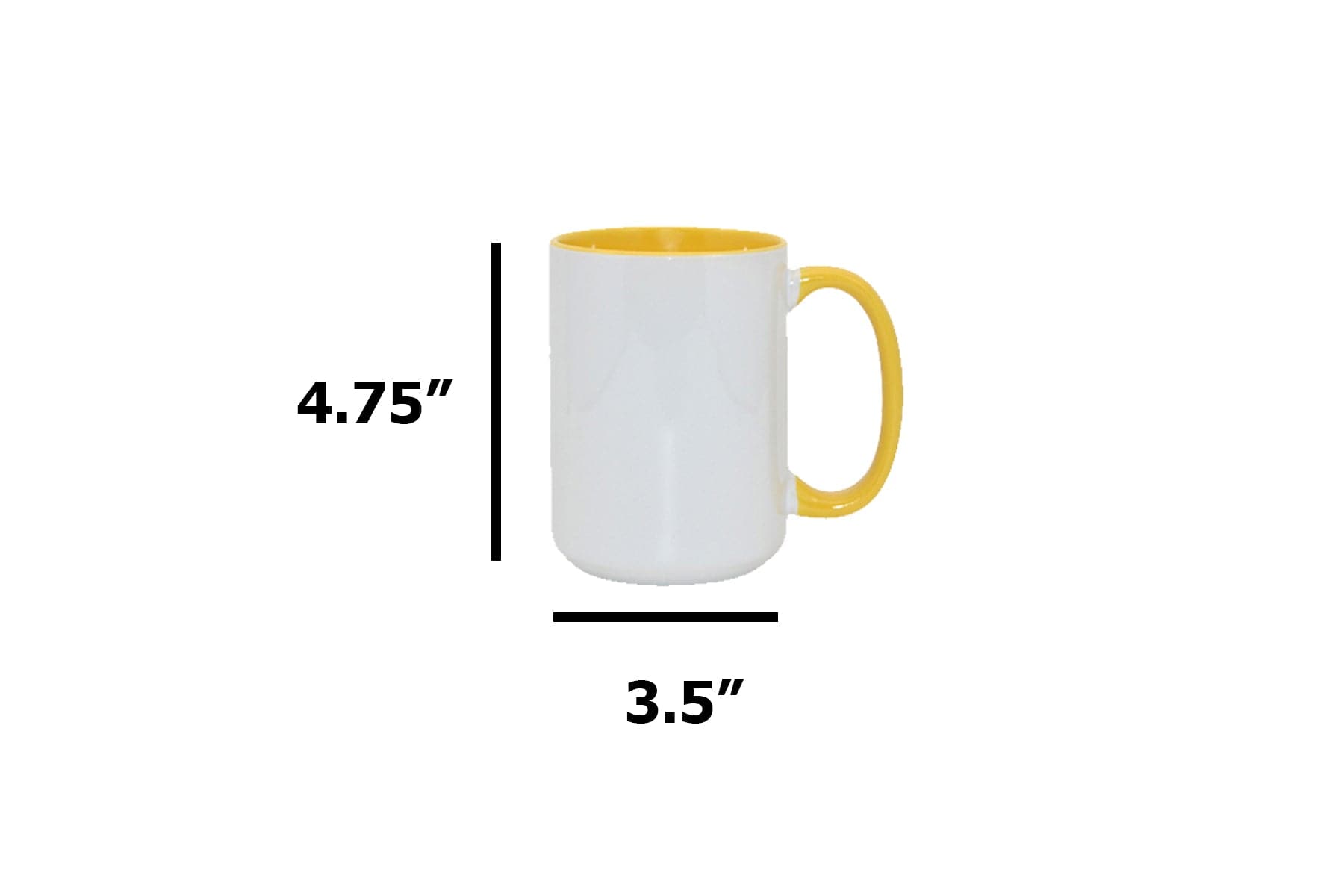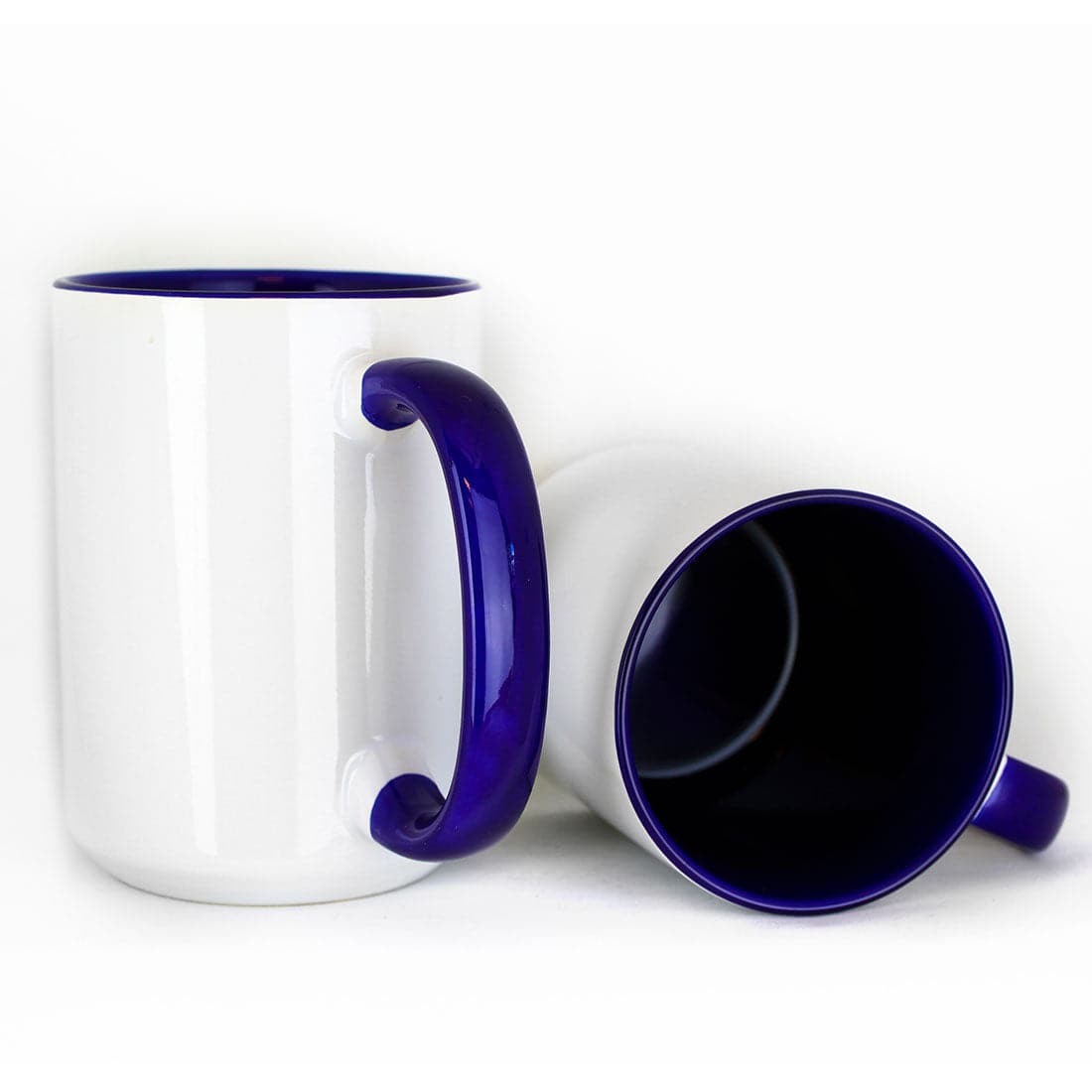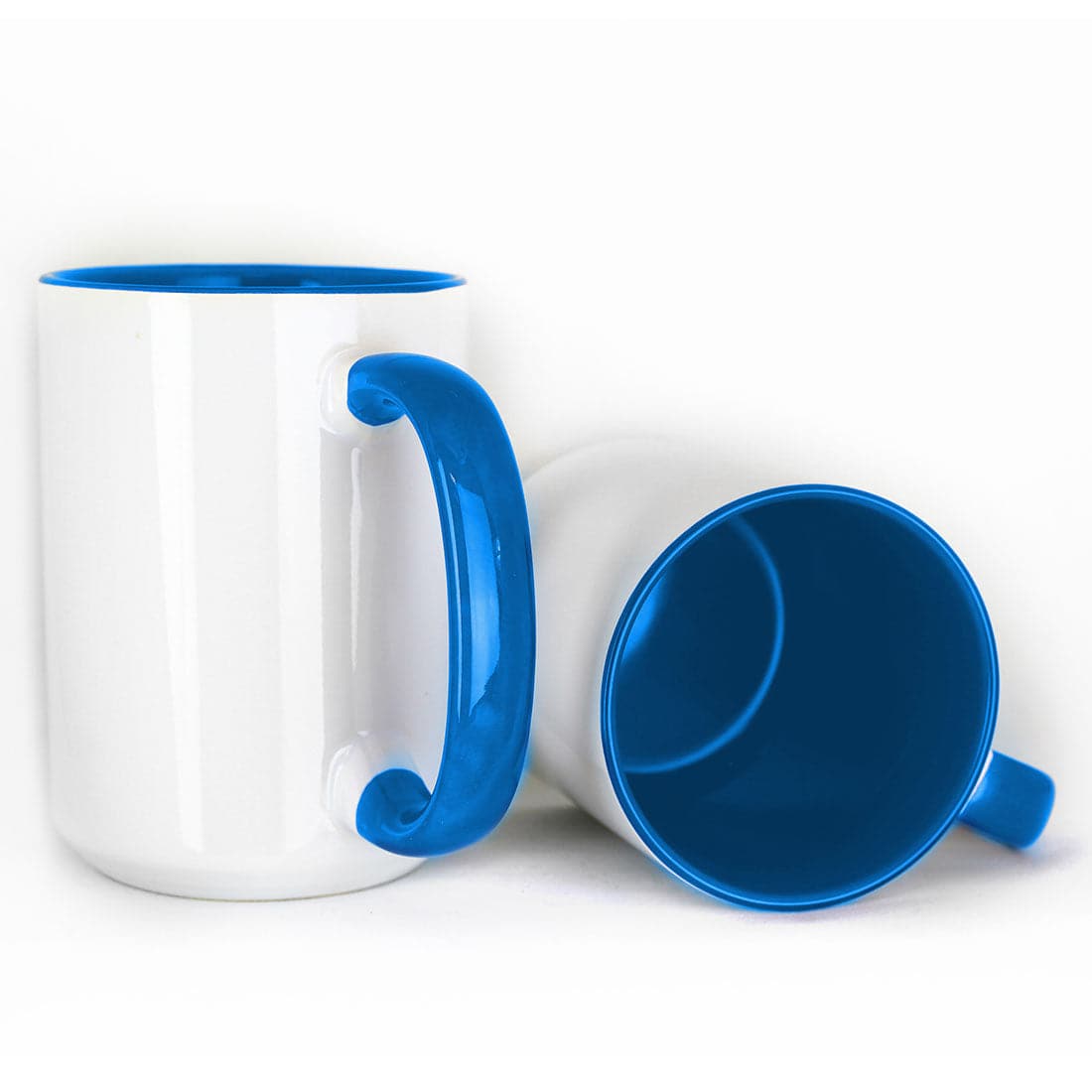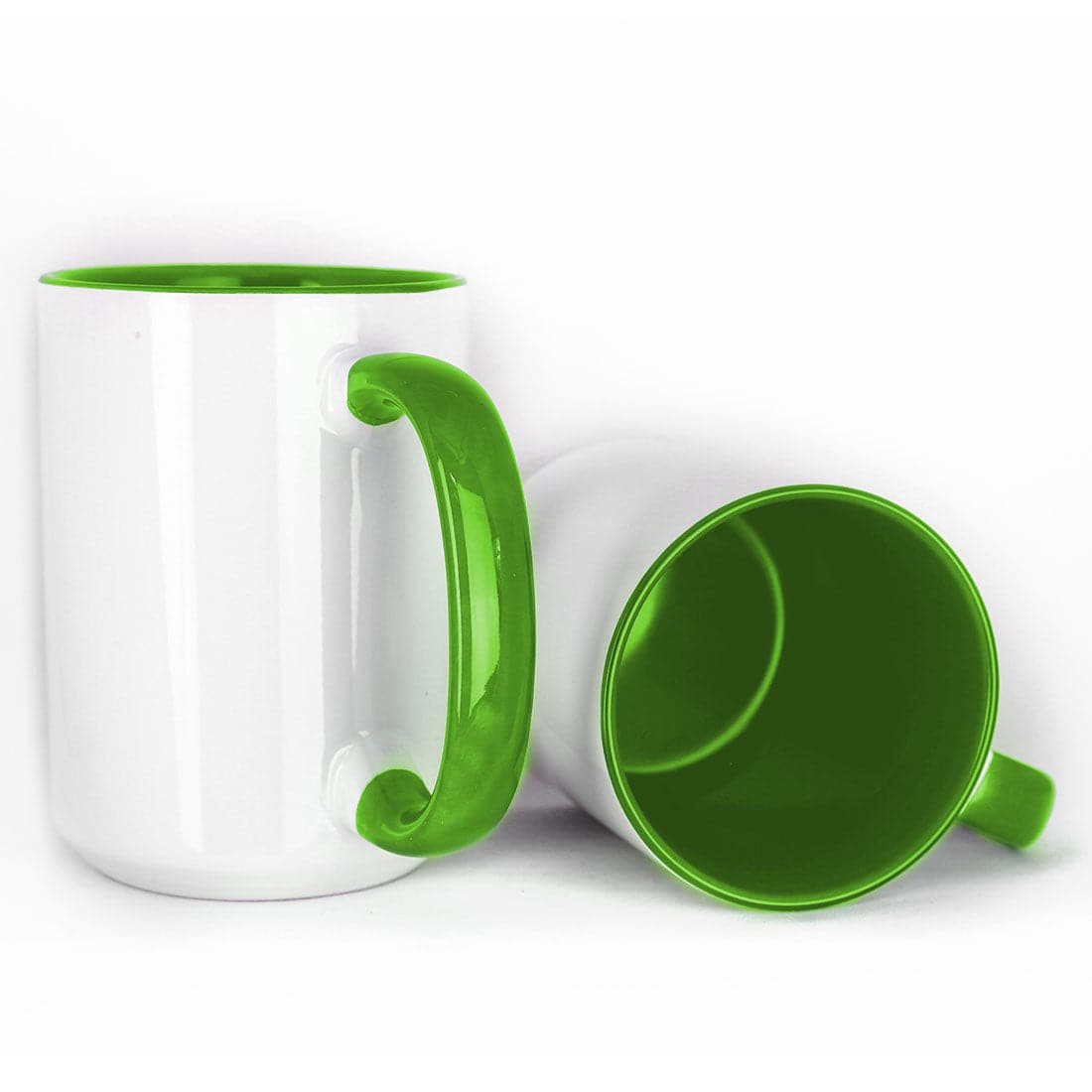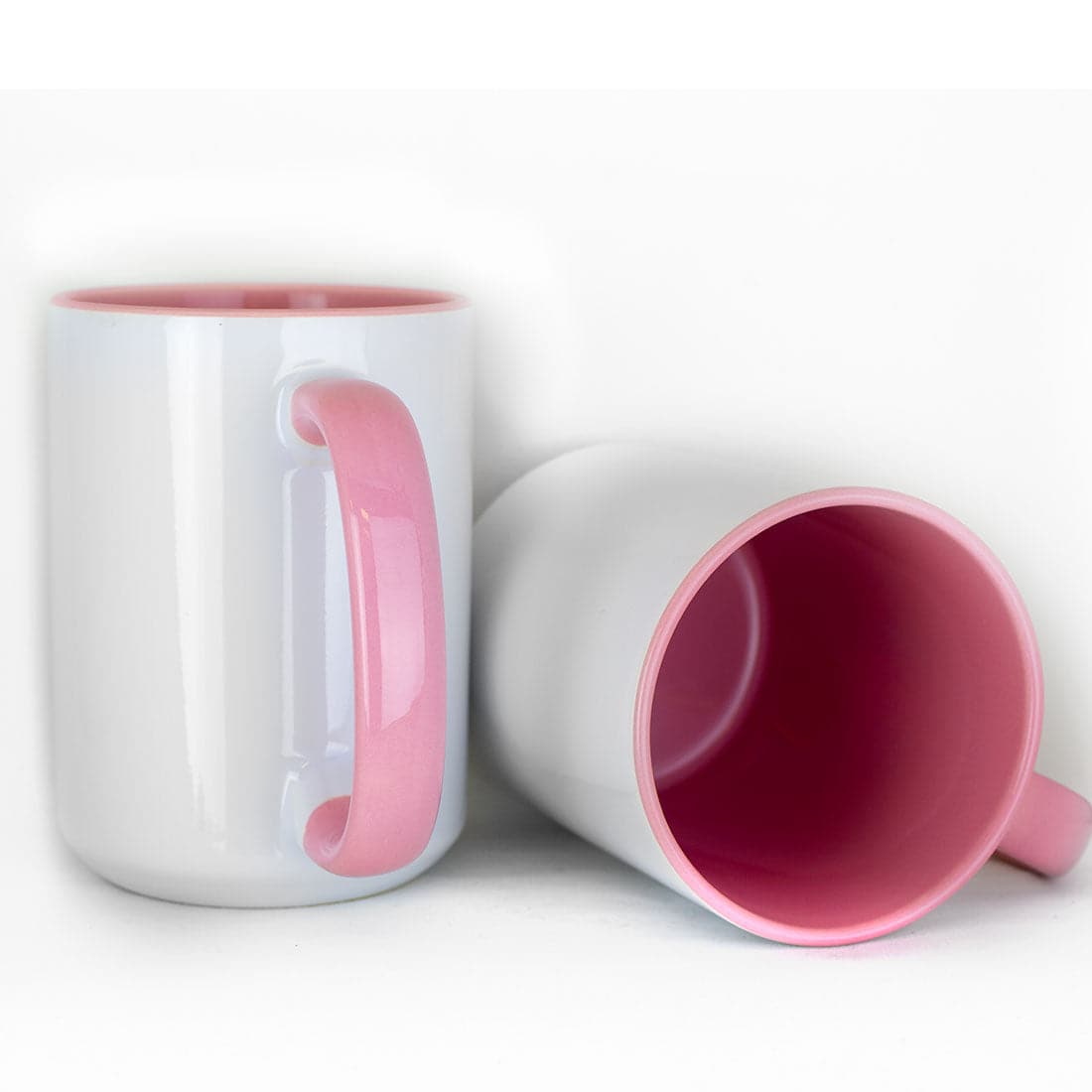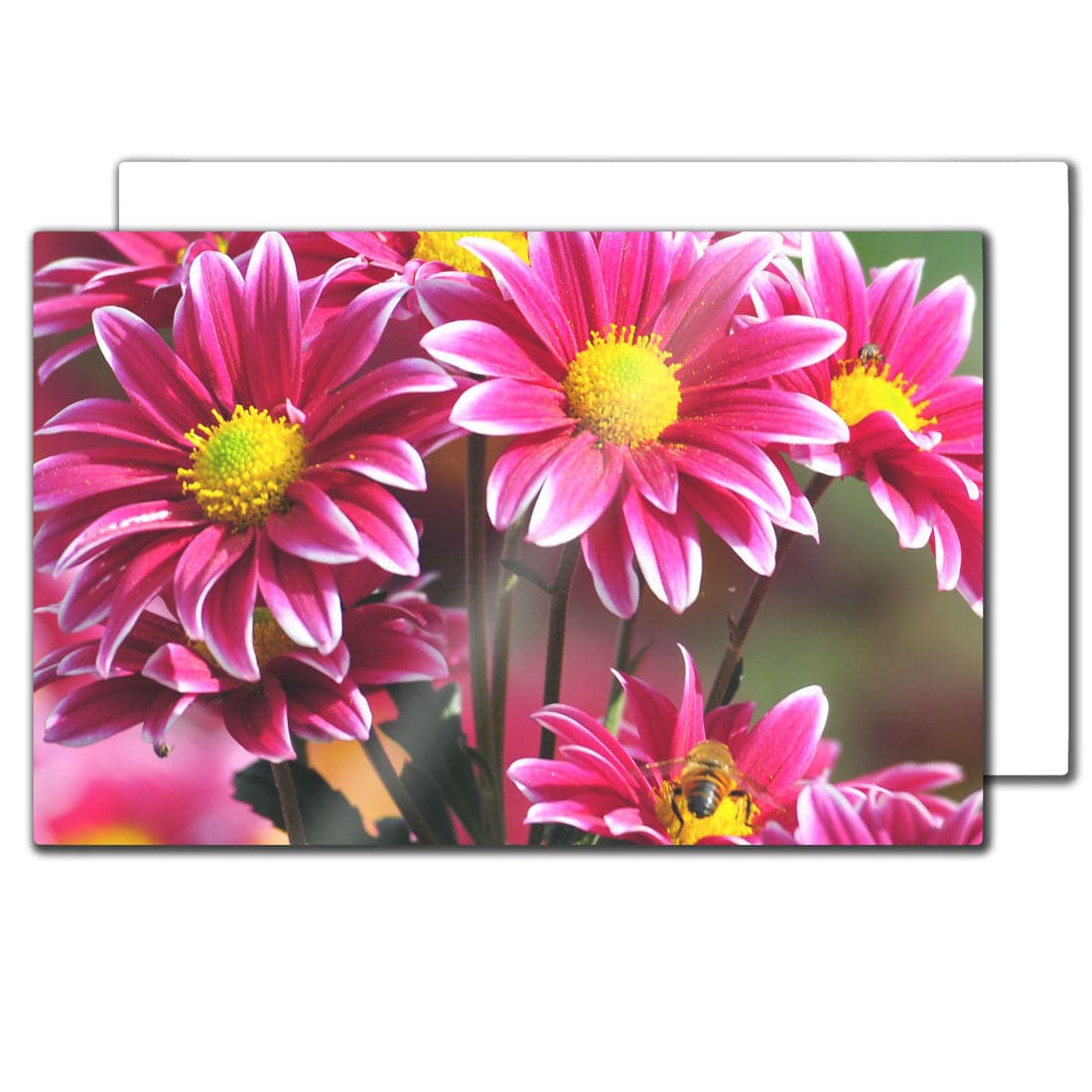





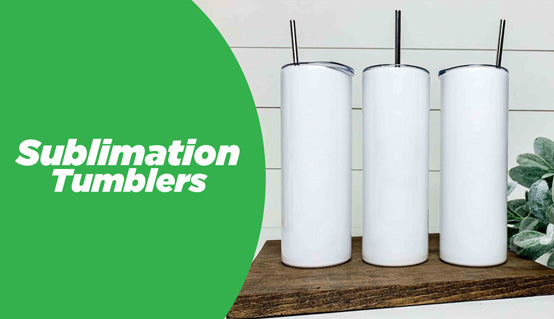











Custom sublimation tumblers have quickly become one of the most popular products in the personalization and print industry. From small craft businesses to growing print shops, these drinkware items are profitable, durable, and highly customizable. Whether you’re selling personalized gifts, corporate merchandise, or branded drinkware, sublimation tumblers offer vibrant, long-lasting results that customers love.
One of the reasons sublimation tumblers are so popular is the relatively simple production process. With the right equipment and materials, you can create professional-quality products in just a few minutes. The designs become permanently embedded into the tumbler coating, meaning they won’t crack, peel, or fade like traditional vinyl applications.
For small print shops and crafters looking to expand their product offerings, tumblers are a great entry point into sublimation printing. They are easy to produce, in high demand, and ideal for both short-run personalization and larger production batches.
In this guide, we’ll walk you through everything you need to know about making sublimation tumblers - from materials and tools to step-by-step instructions and tips for achieving the best possible results.
What Are Sublimation Tumblers?
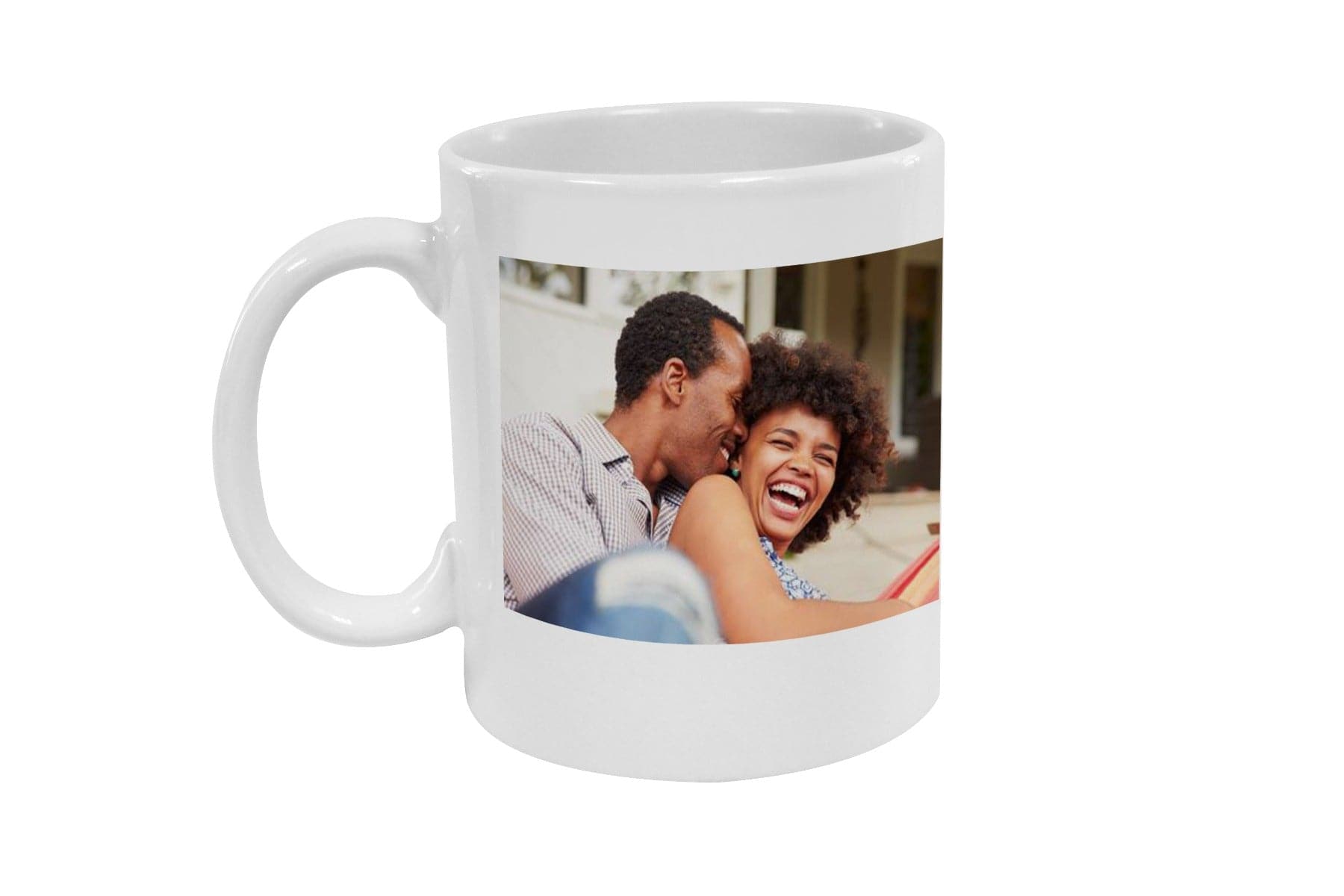
Sublimation tumblers are drinkware products specially designed to accept sublimation ink through heat transfer. Unlike traditional printing methods that sit on top of the surface, sublimation works by turning ink into gas under heat and pressure. This gas bonds directly with the polymer coating on the tumbler, creating a permanent image.
Most sublimation tumblers are made with a stainless steel base and coated with a special polymer layer that allows the sublimation ink to bond properly. When heated in a heat press or tumbler press, the ink penetrates this coating and becomes part of the material itself.
This process produces vibrant, high-resolution designs that are resistant to scratching, peeling, and fading. Because the image becomes embedded into the coating, the finished product has a smooth, professional appearance without raised edges or textures.
Sublimation tumblers are commonly used for:
- Personalized gifts
- Promotional products
- Corporate branding
- Custom drinkware for events
- Online craft businesses
For many small businesses, custom tumblers represent a reliable revenue stream because they are easy to produce and highly customizable for different markets.
Materials and Tools Needed for Sublimation Tumblers
Before starting the sublimation process, it’s important to gather the correct materials and equipment. Using high-quality supplies will ensure better color transfer, consistent results, and professional-grade finished products.
Sublimation Tumblers

The most important component is the tumbler itself. Sublimation tumblers must have a special coating that allows sublimation ink to bond with the surface.
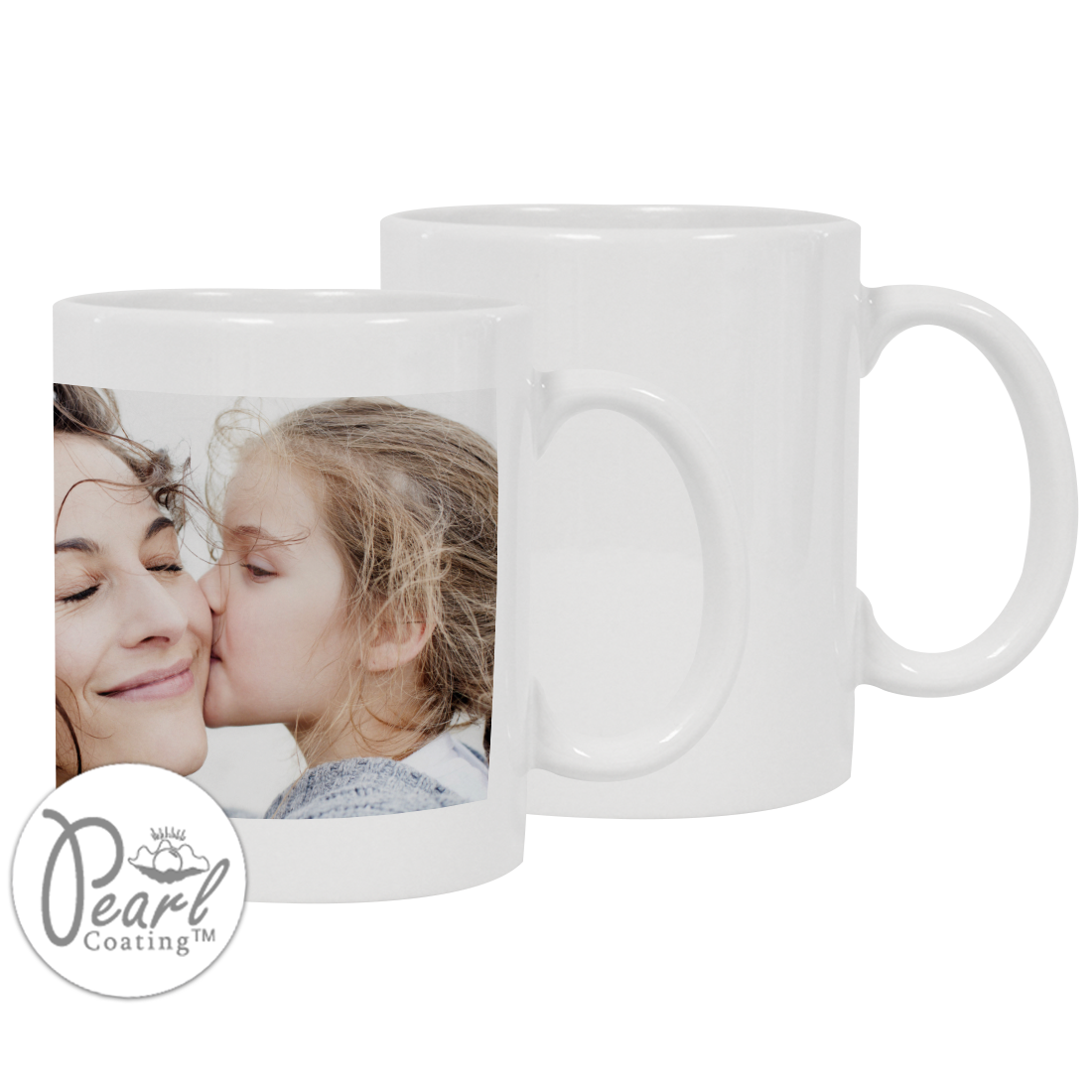
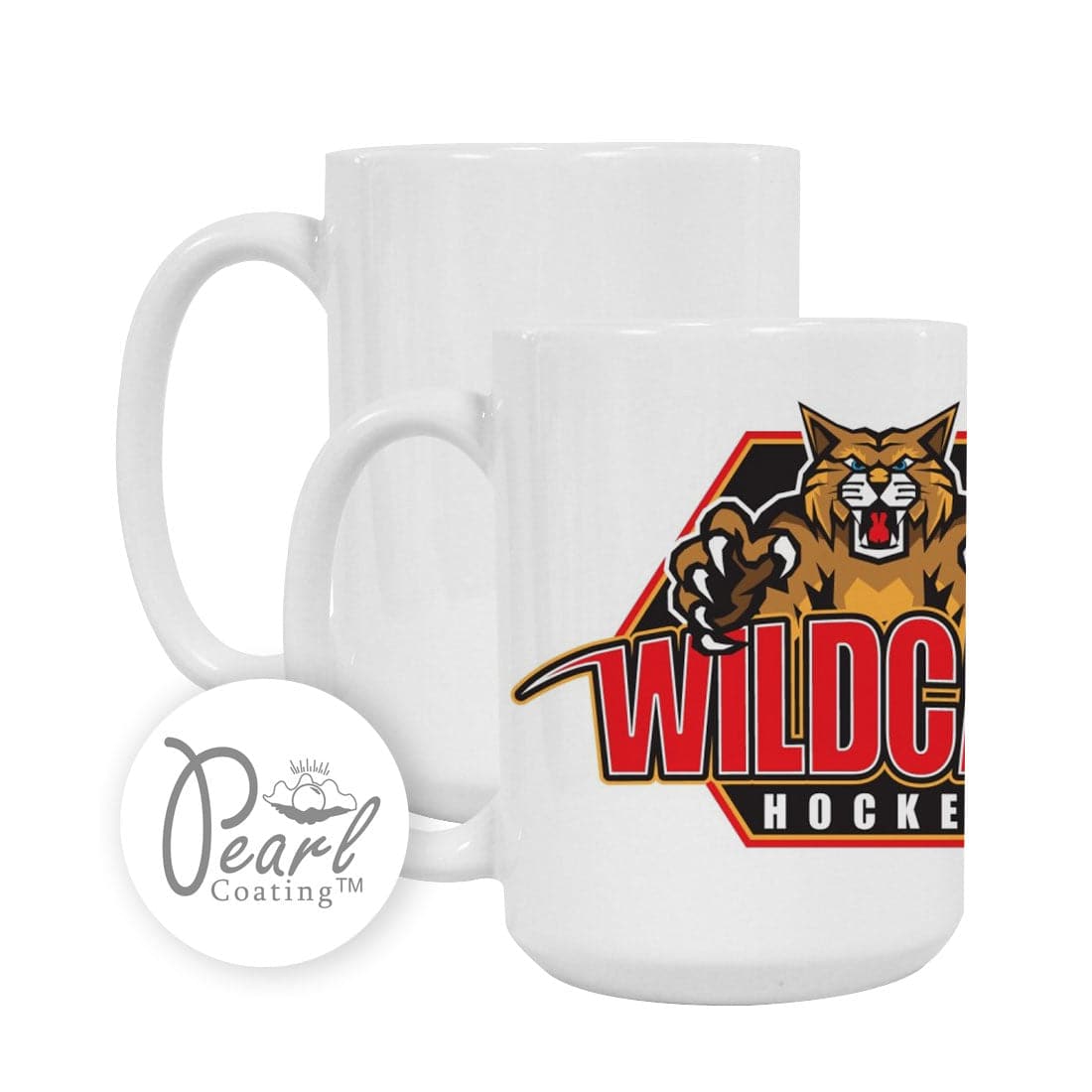
High-quality tumblers often feature advanced coatings designed specifically for sublimation printing. Some tumblers include Pearl Coating™ technology, a specialized sublimation coating designed to improve color vibrancy, image sharpness, and durability.
When selecting tumblers, it’s important to choose products designed specifically for sublimation rather than standard drinkware.
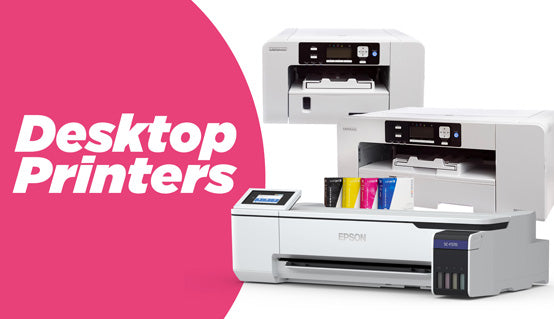
Sublimation Printer

A sublimation printer is required to print your design onto sublimation transfer paper. These printers use sublimation inks rather than standard inkjet or laser inks.
Many small print shops and crafters use entry-level sublimation printers because they provide reliable results while remaining affordable and easy to maintain.
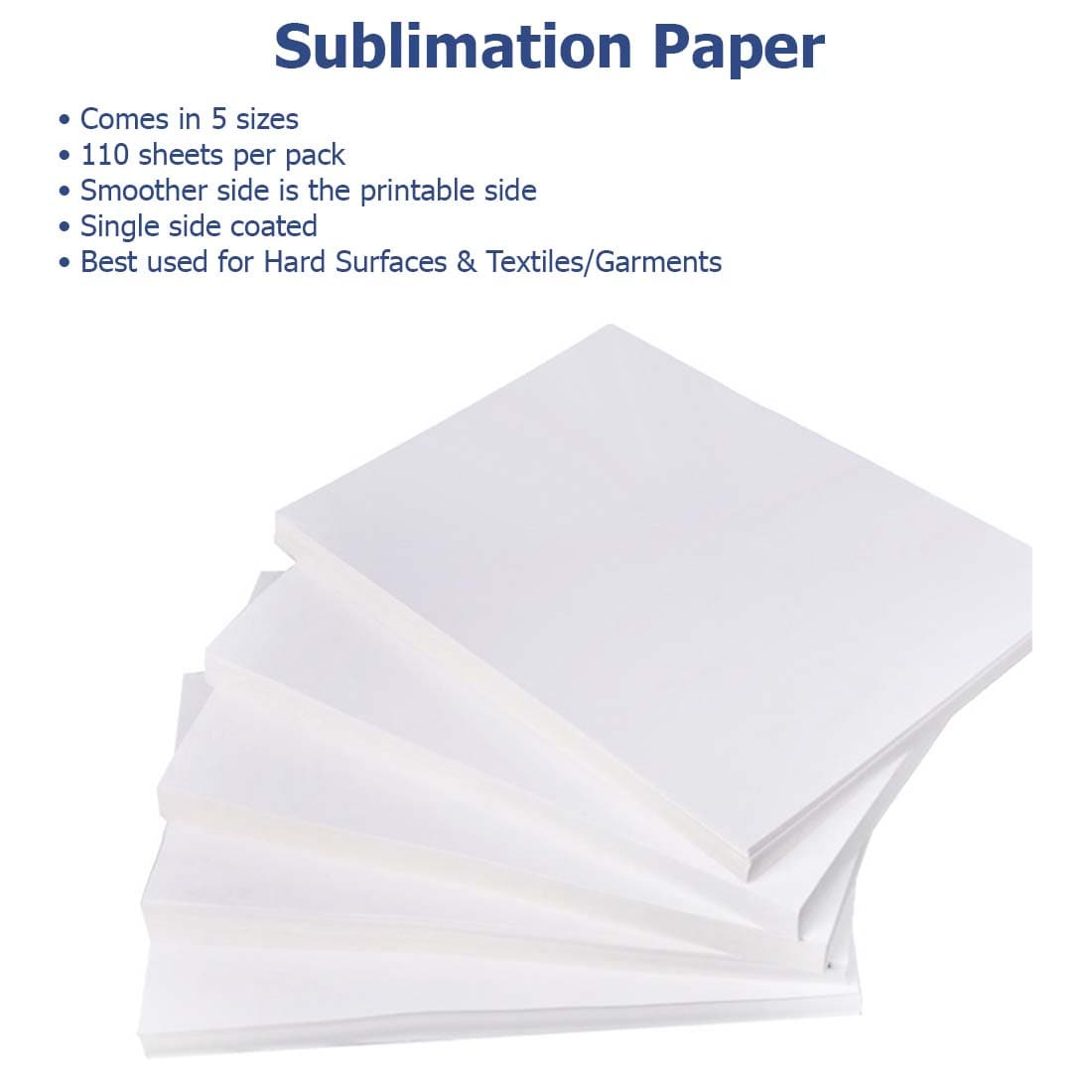
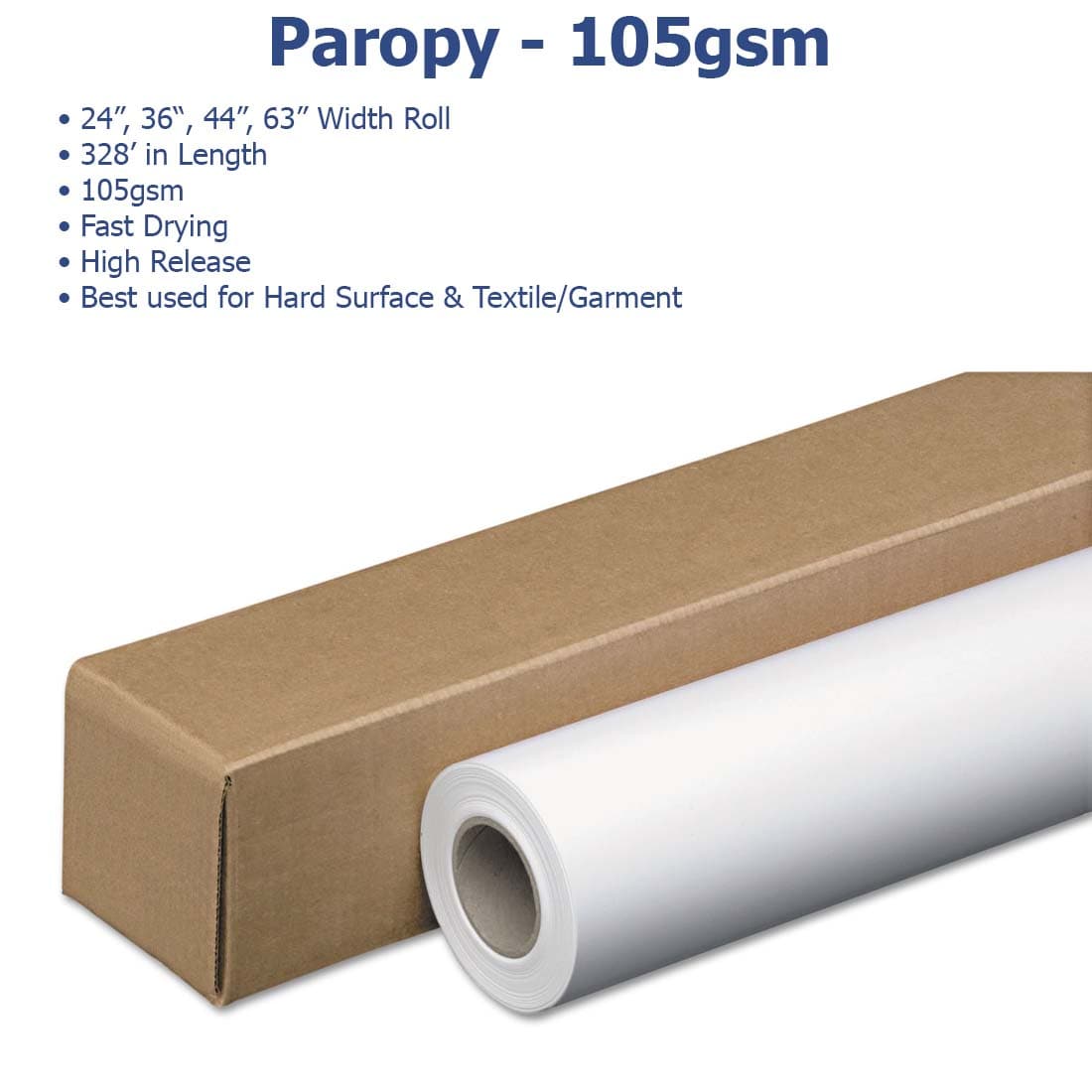
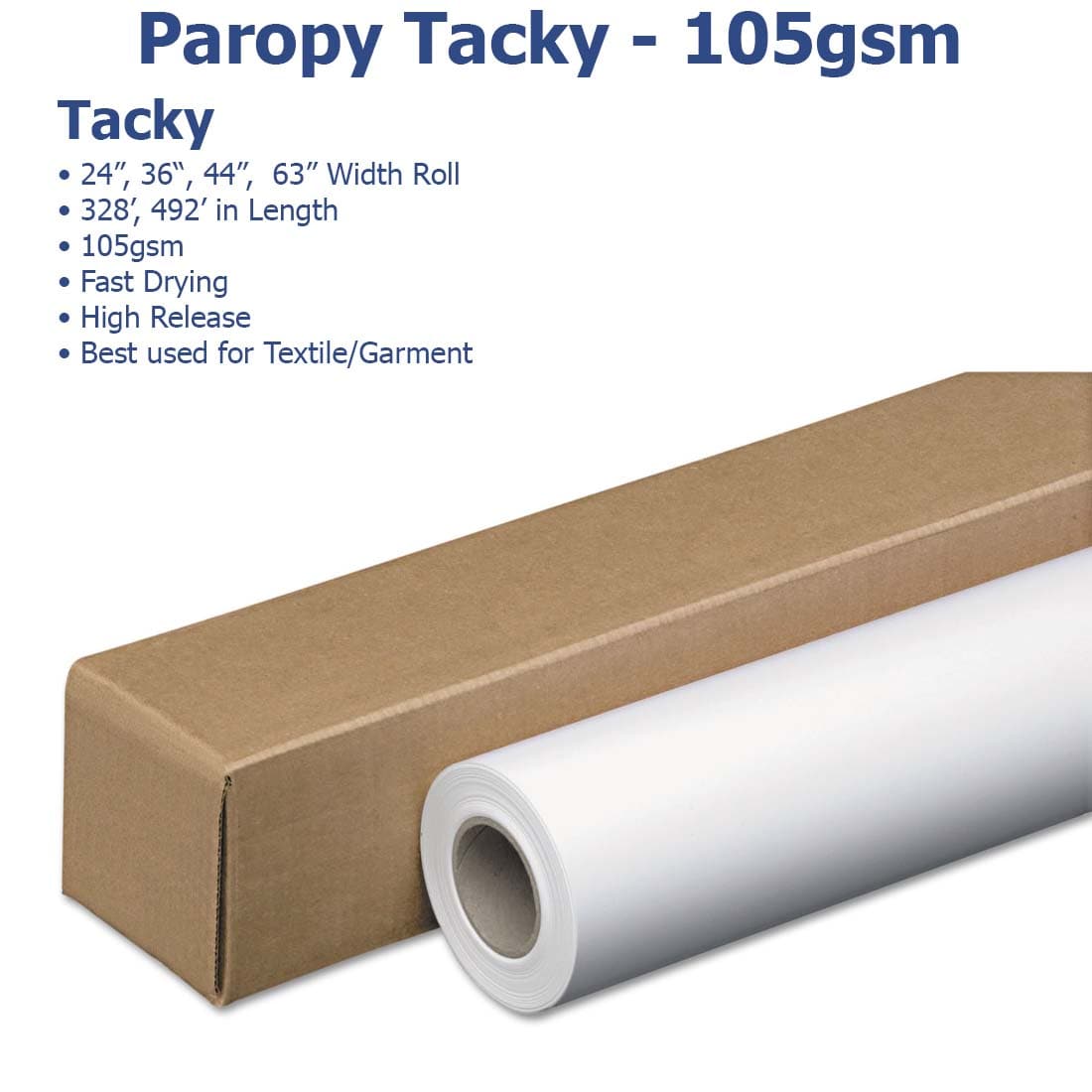
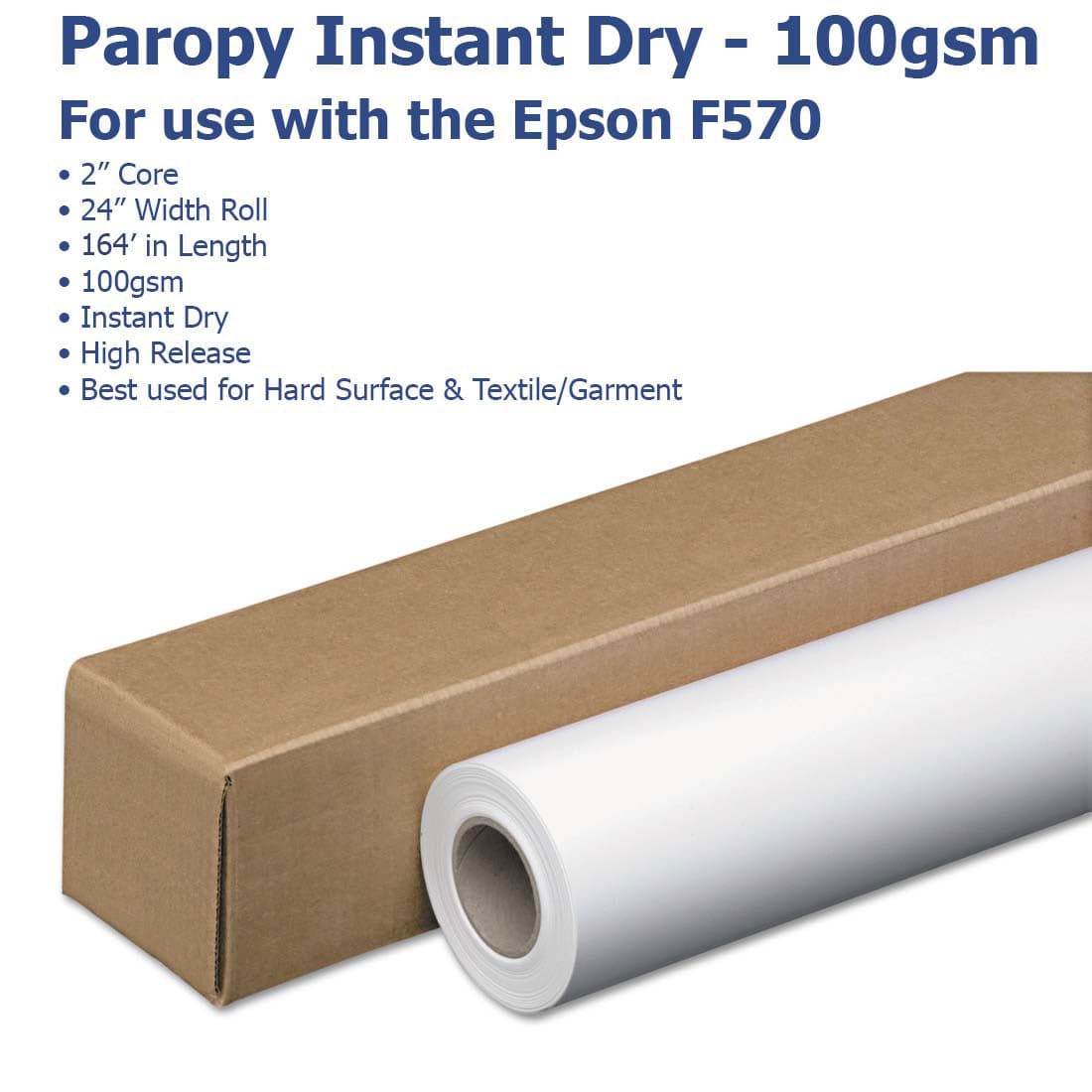
Sublimation Paper

Sublimation paper holds the printed design until it is transferred onto the tumbler. The quality of the paper plays an important role in the final result because it controls how efficiently the ink transfers during pressing.
High-quality sublimation paper helps prevent ink bleeding, improves color accuracy, and ensures sharp image reproduction.
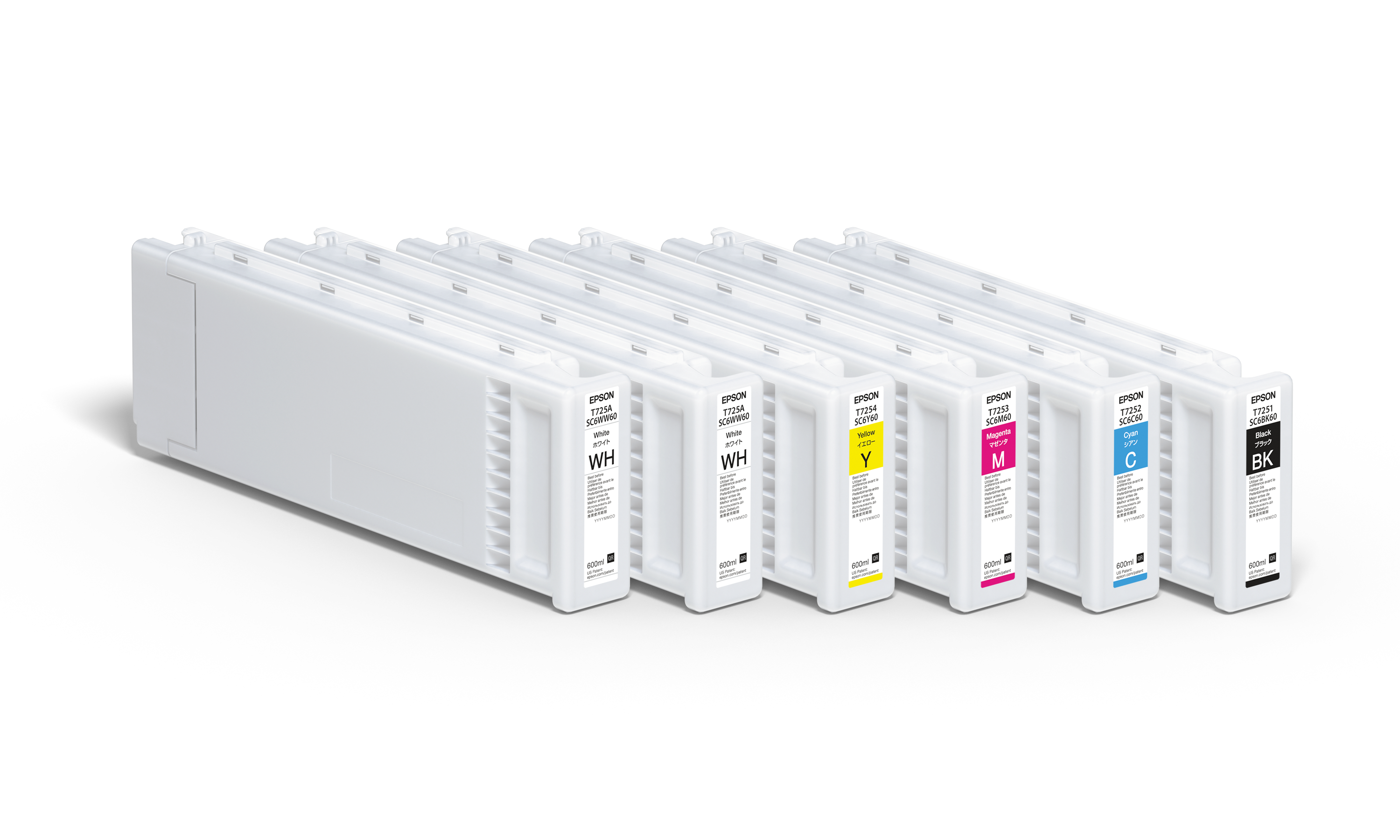
Sublimation Ink

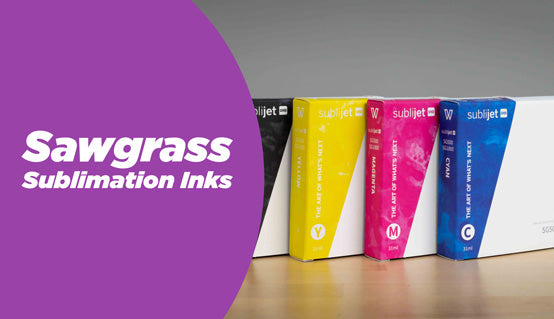
Sublimation ink is a special dye-based ink designed to convert into gas when heated. This gas bonds with the polymer coating on the tumbler surface, creating a permanent image.
Using proper sublimation inks is essential for achieving bright colors and consistent results.
Mug Press or Tumbler Press

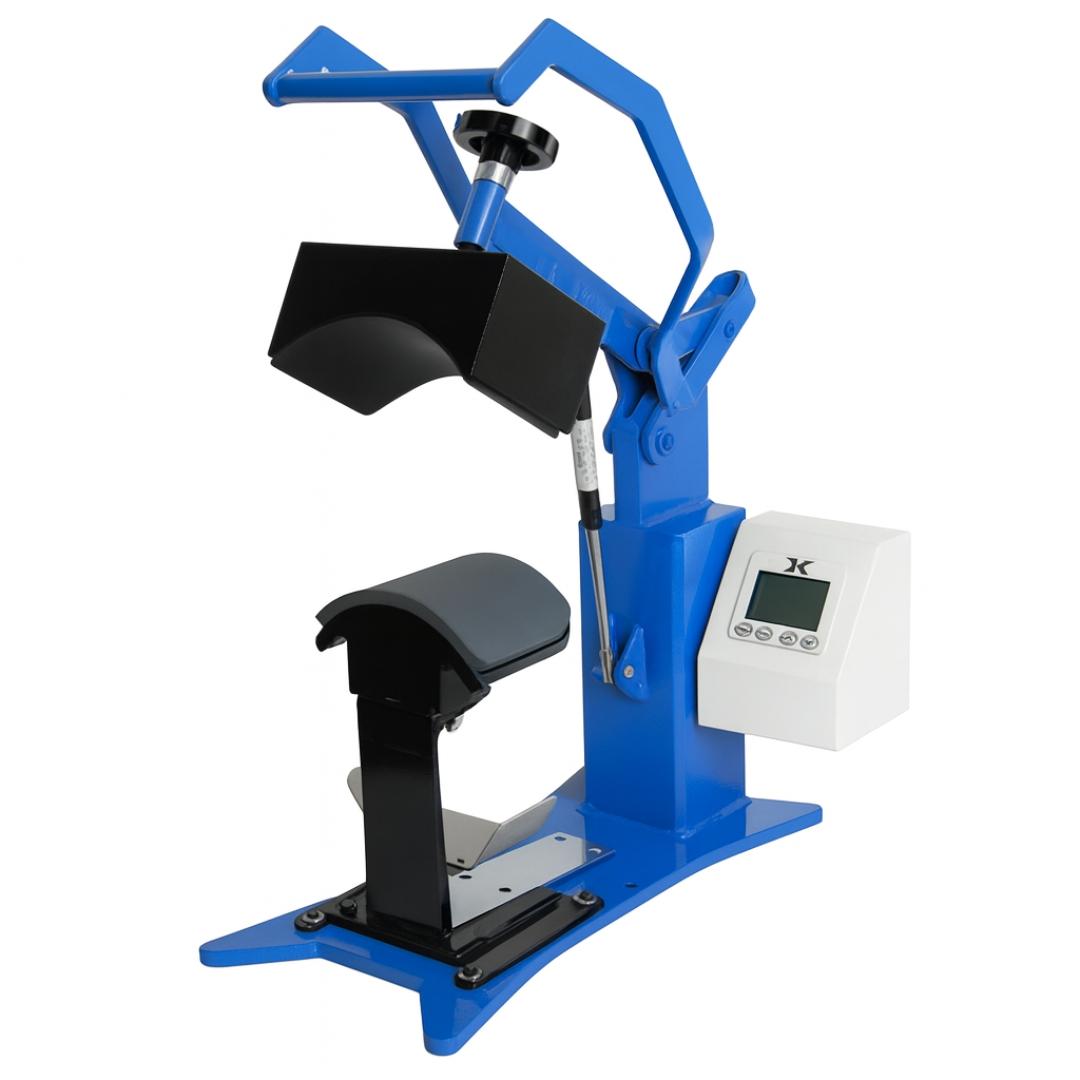
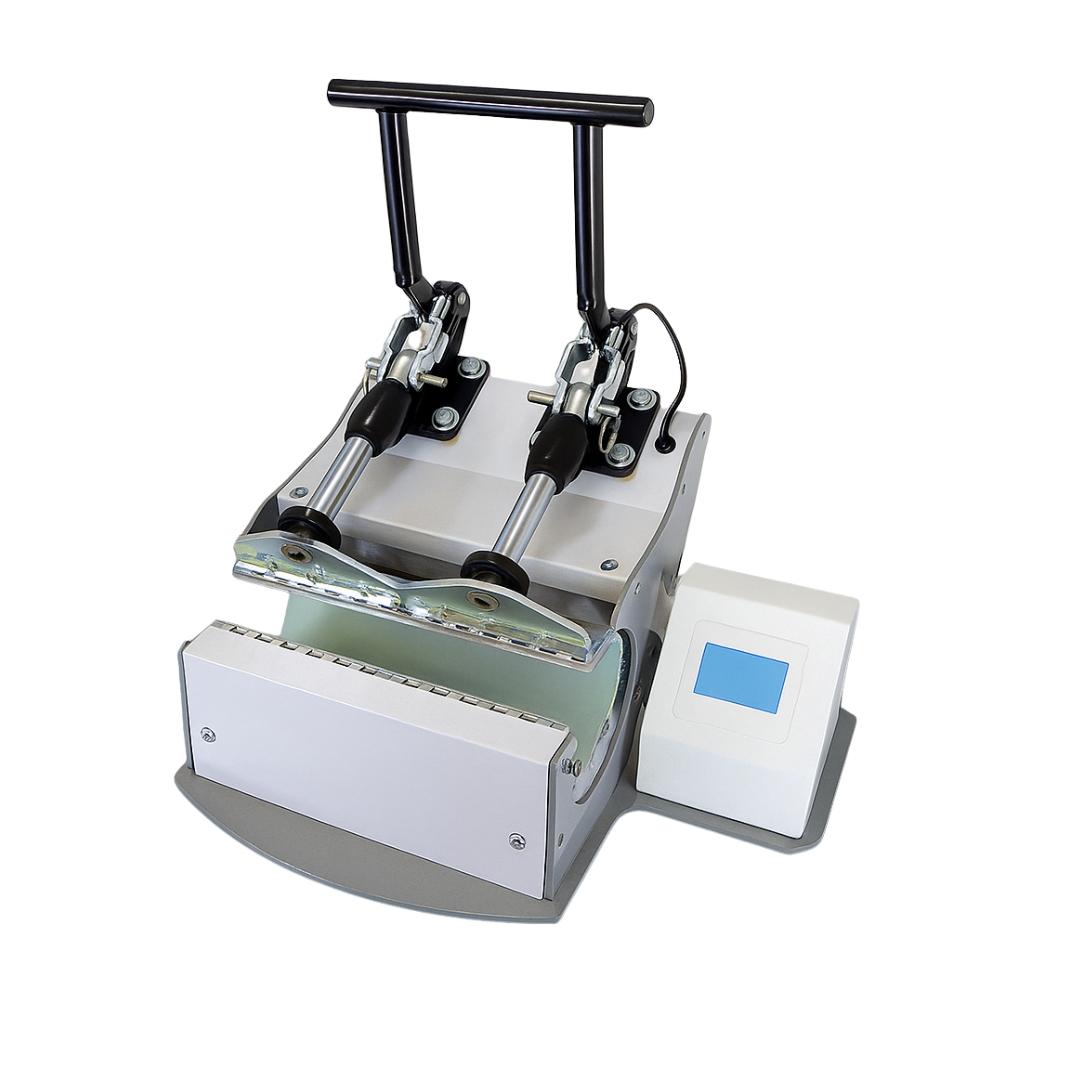
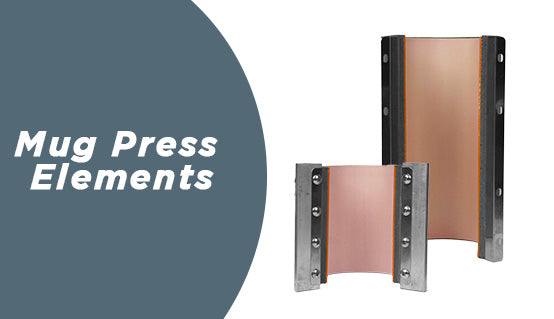
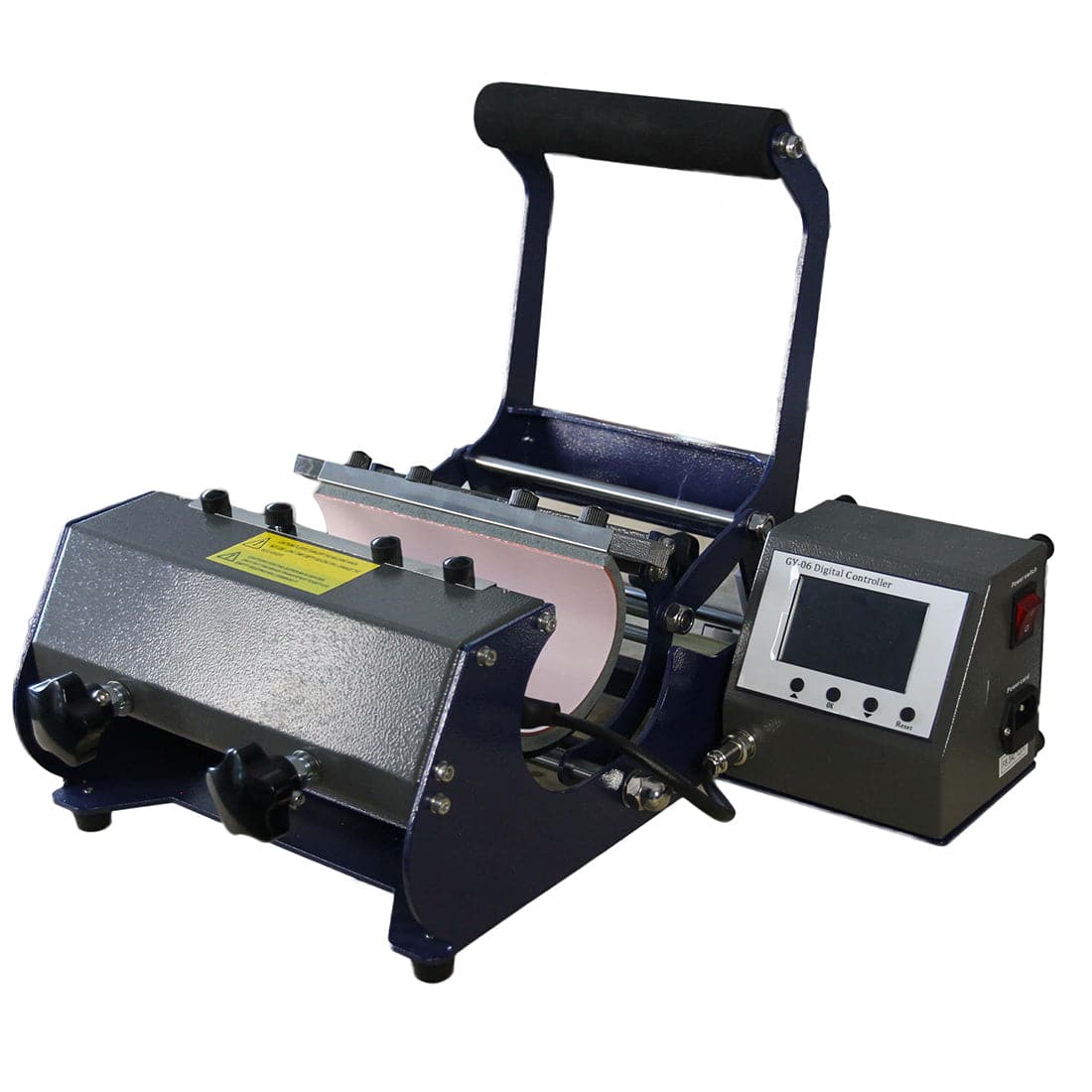
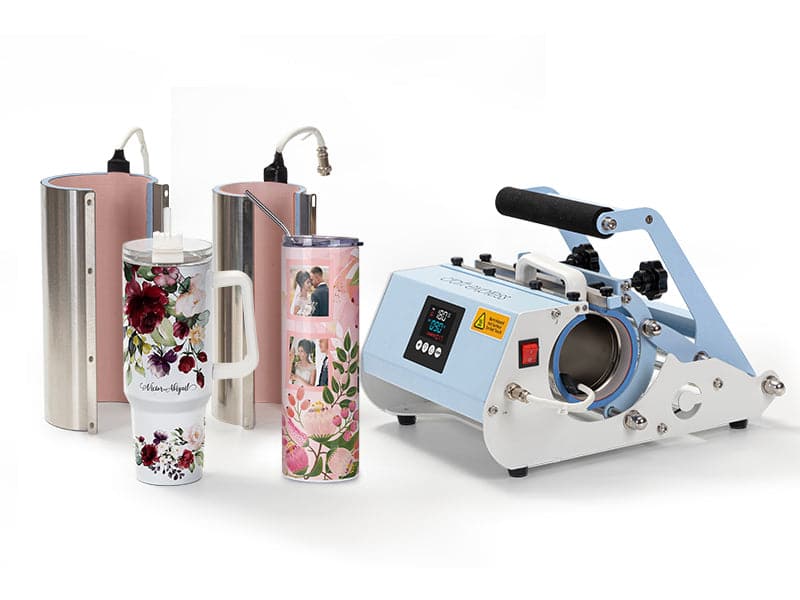
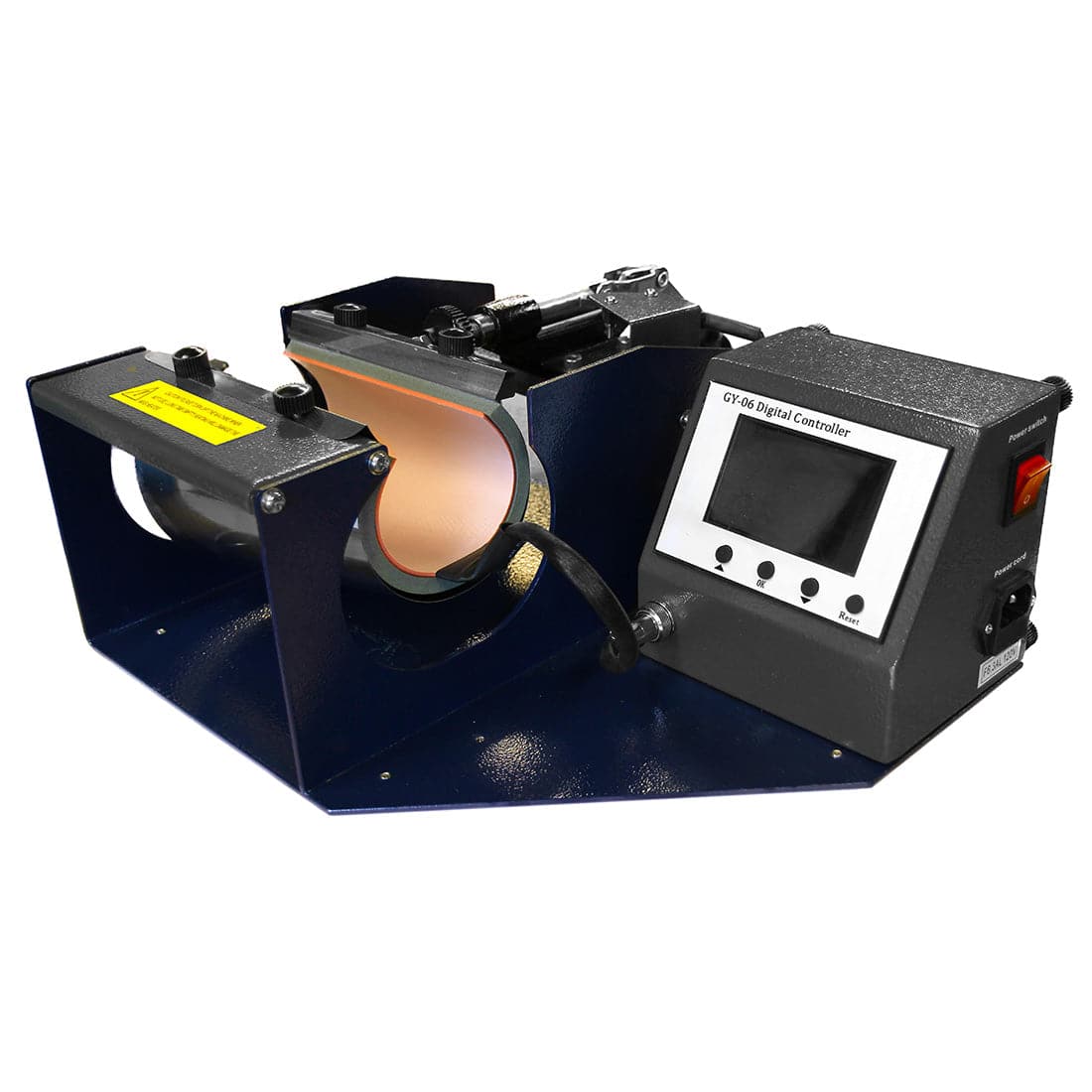
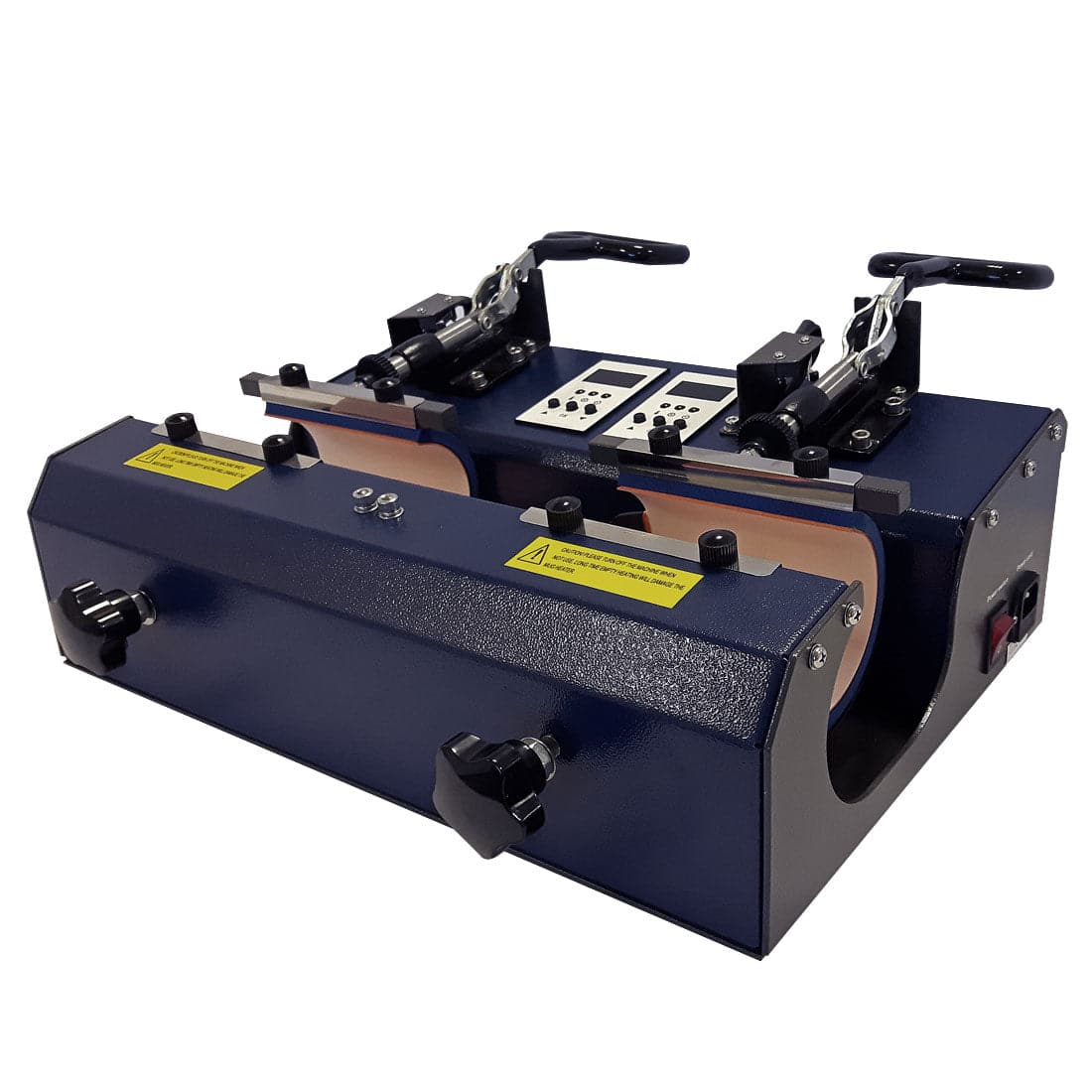
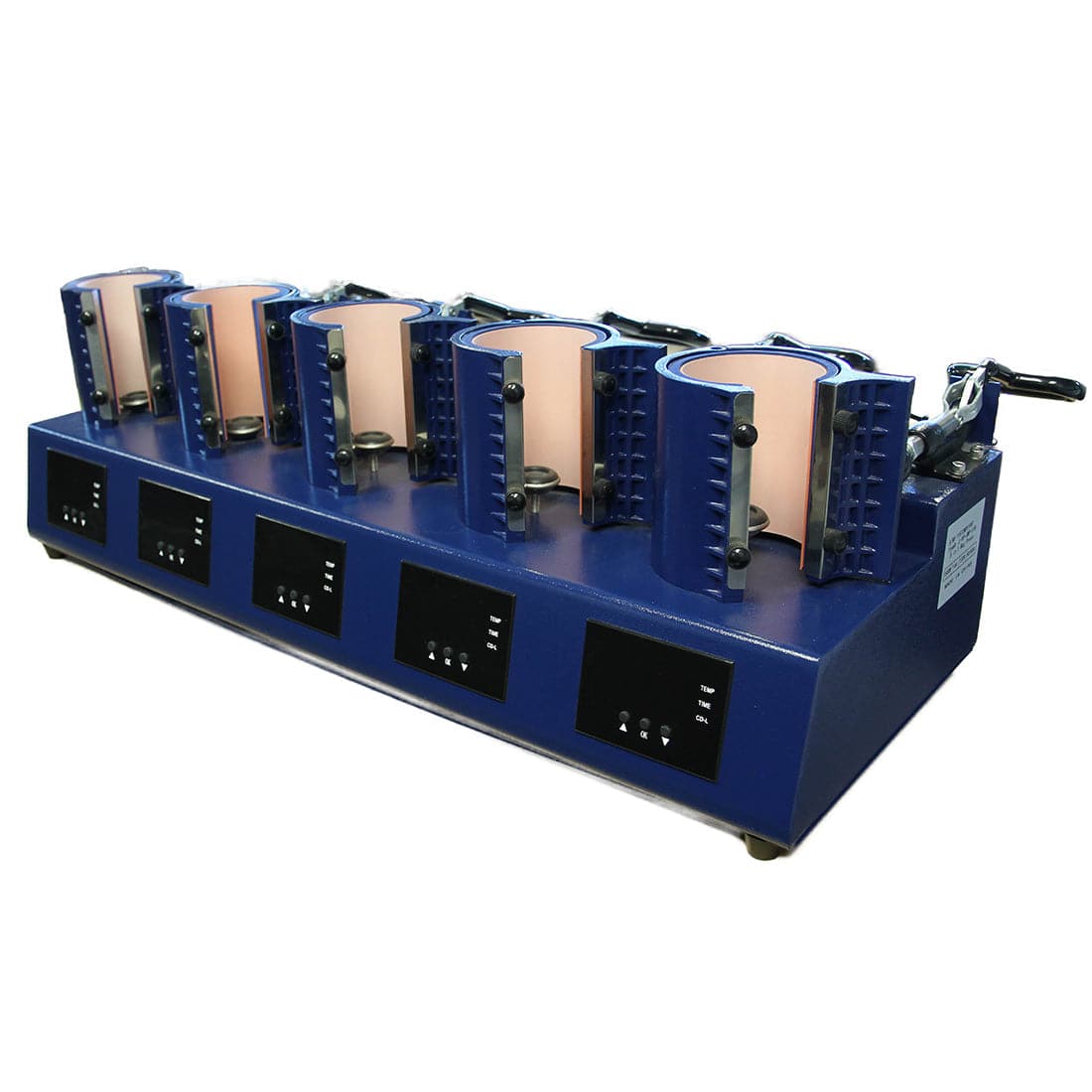
A mug press or tumbler press applies the heat and pressure required for sublimation. These presses are designed specifically for cylindrical objects like mugs, tumblers, and bottles.
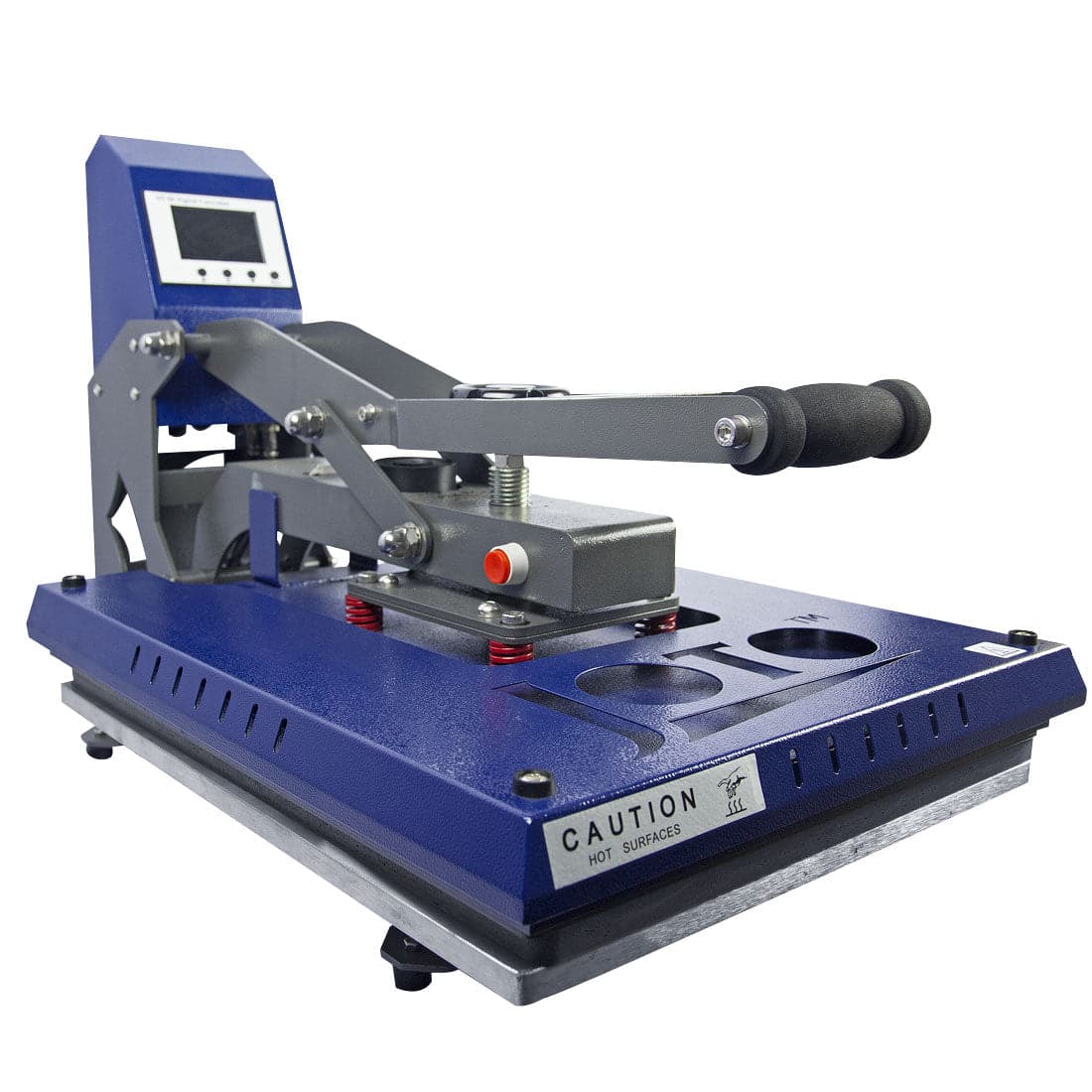
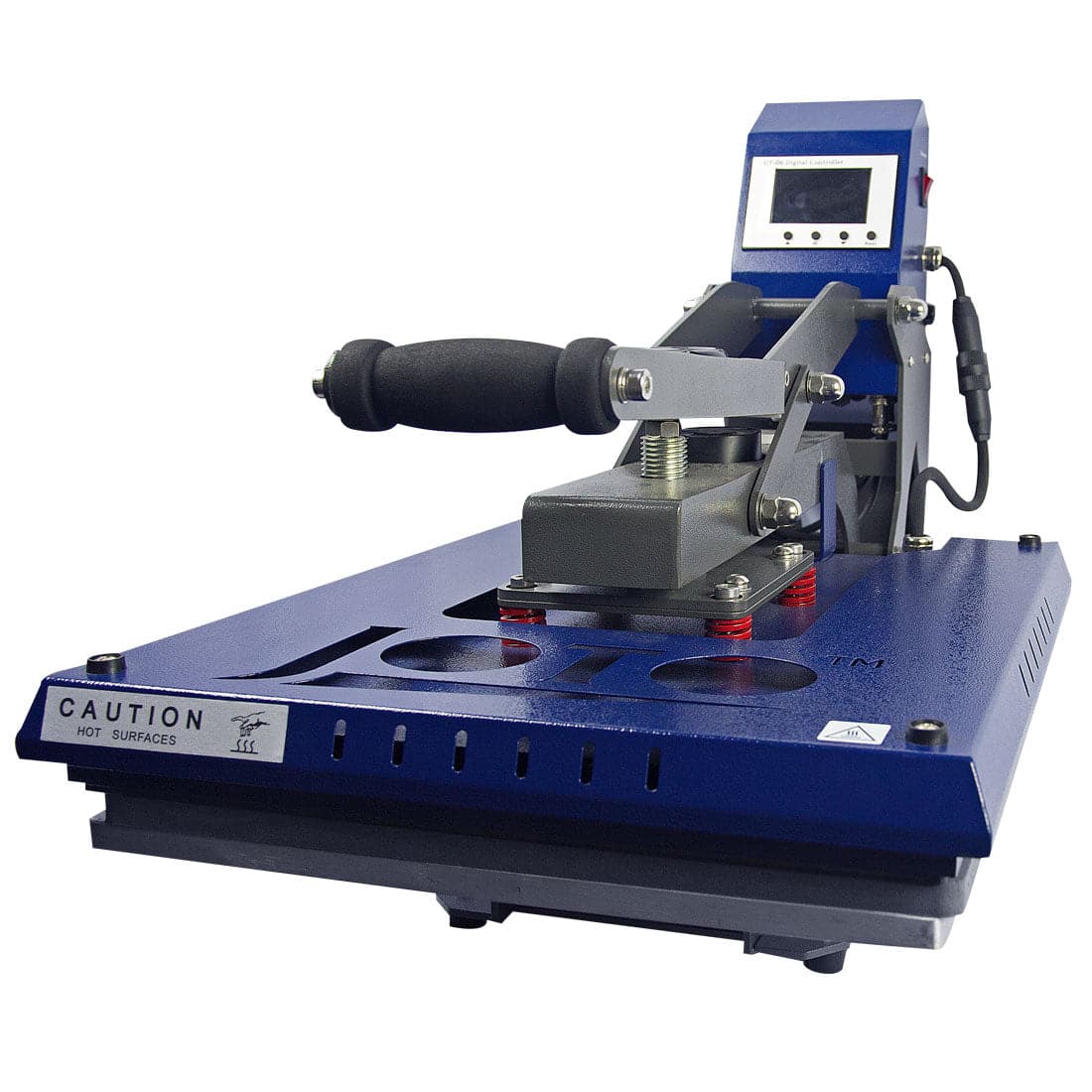
Unlike flat heat presses used for garments, tumbler presses apply even pressure around curved surfaces, ensuring the design transfers evenly.
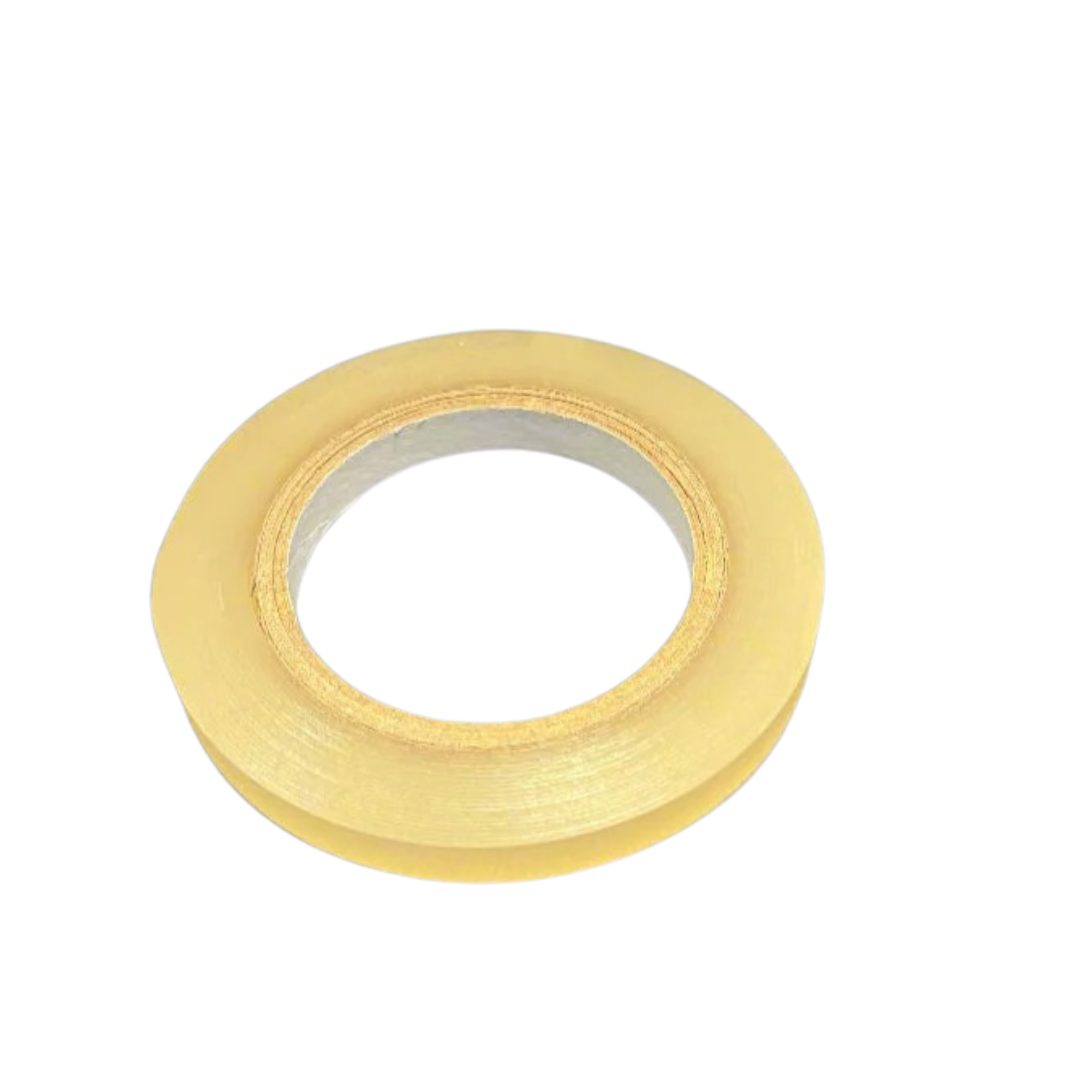
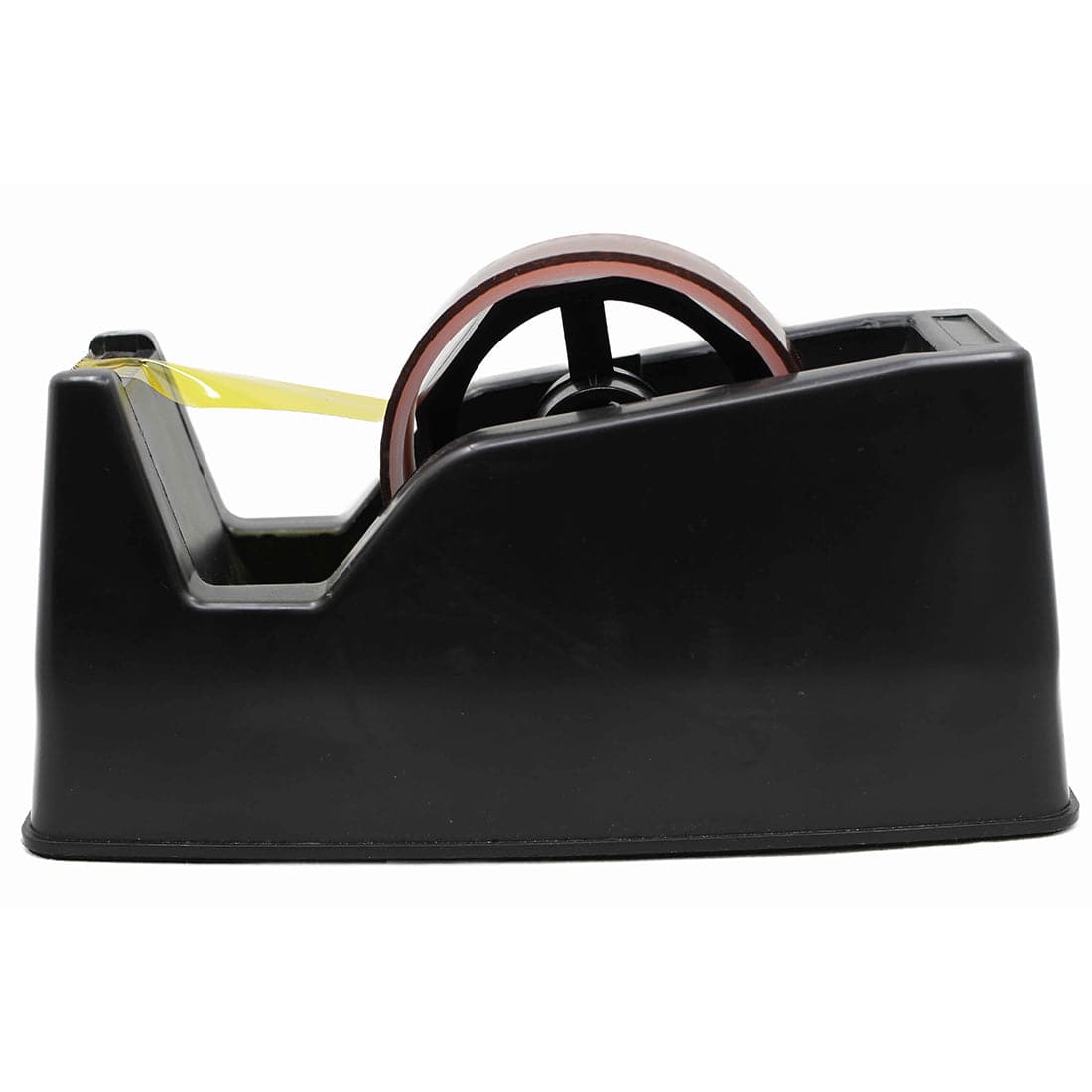
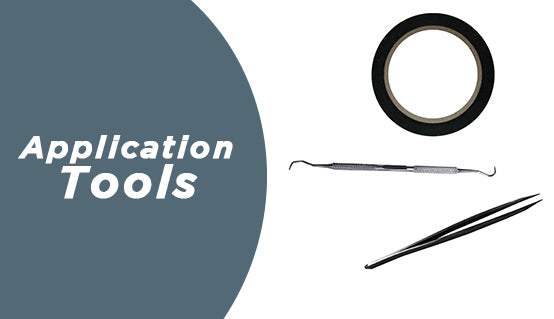
Heat-Resistant Tape
Heat-resistant tape is used to secure the sublimation transfer paper onto the tumbler. This prevents the paper from shifting during pressing, which could cause blurred images or ghosting.
Heat-Resistant Gloves
Because sublimation presses operate at high temperatures, heat-resistant gloves are essential for safely handling tumblers after pressing.
Step-by-Step Guide to Making Sublimation Tumblers
Creating sublimation tumblers involves a straightforward process, but attention to detail is important for achieving professional results.
Step 1: Design Your Artwork
Start by creating your artwork using graphic design software. Popular options include Adobe Photoshop, Adobe Illustrator, or design platforms like Canva.
When designing for tumblers, make sure to:
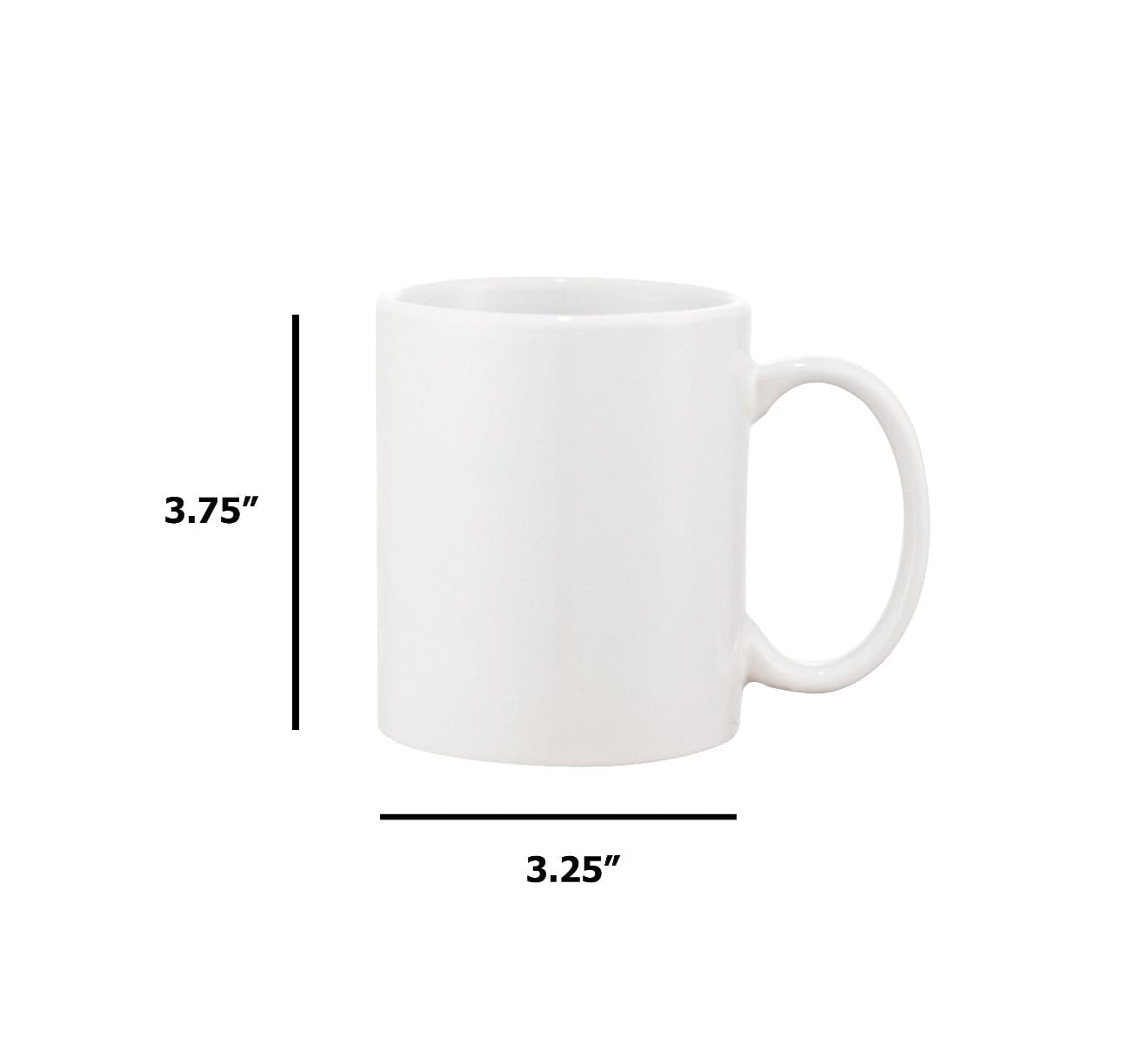
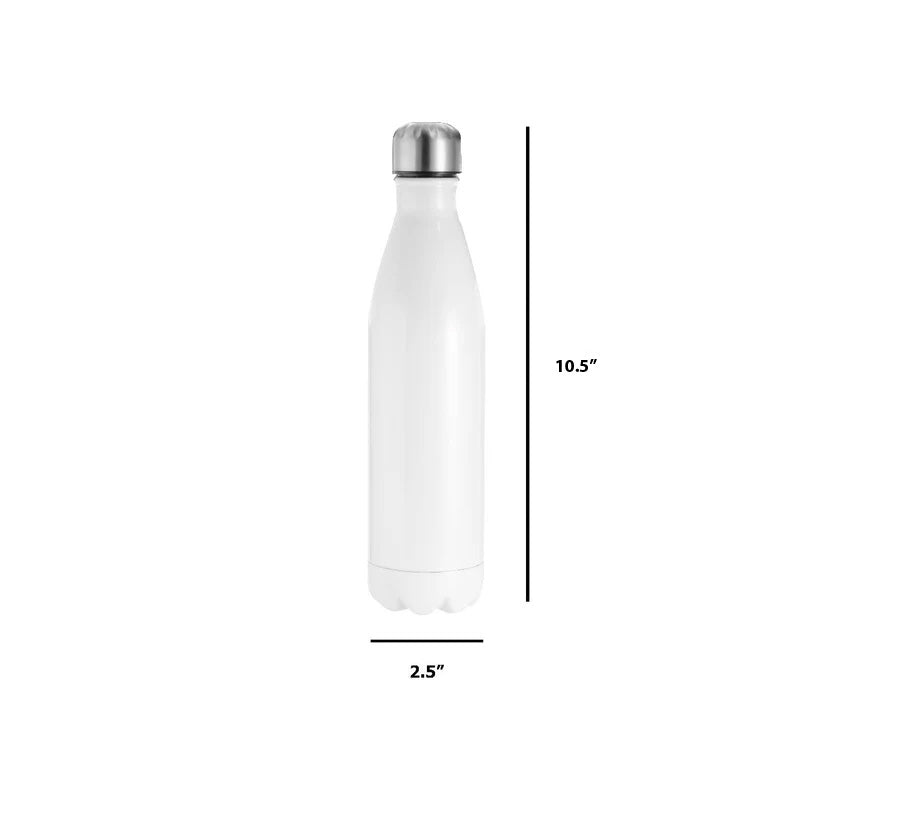
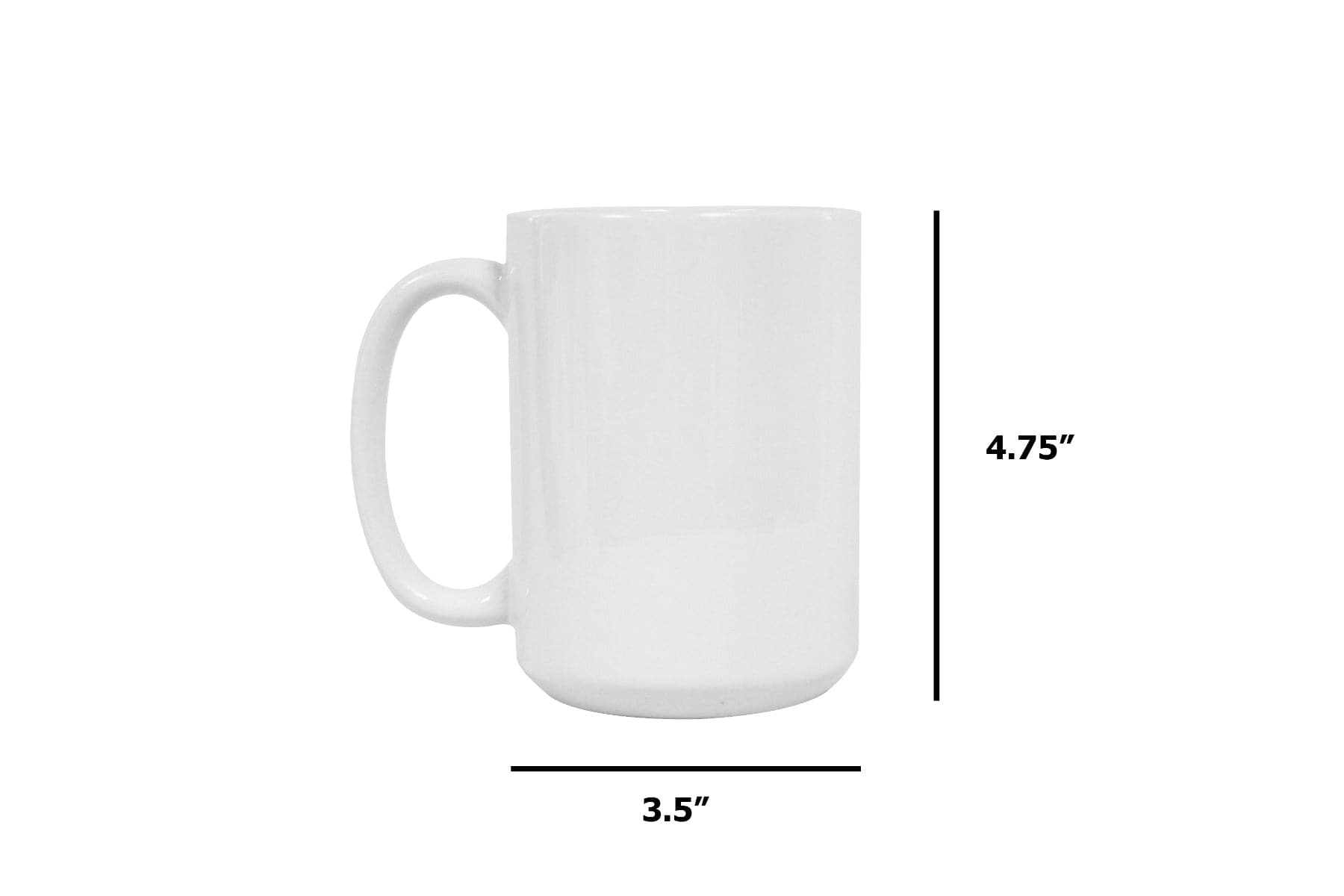
Match the design size to the tumbler dimensions
Use high-resolution images (300 DPI recommended)
Leave a small margin for wrapping around the tumbler
Once your design is complete, export the file in a format compatible with your sublimation printer, typically PNG or JPEG.
Step 2: Print the Sublimation Transfer
Load sublimation paper into your sublimation printer and print the design.
Before printing, remember to mirror the image. This step is critical because the design will transfer in reverse onto the tumbler during pressing.
After printing, allow the ink to dry briefly before handling the transfer paper.
Step 3: Trim the Transfer Paper
Cut the printed transfer paper to fit the tumbler dimensions. The paper should wrap smoothly around the tumbler without excessive overlap.
Proper trimming helps ensure the design transfers evenly across the entire surface.
Step 4: Prepare the Tumbler
Before applying the transfer, clean the tumbler thoroughly using a lint-free cloth.
Dust, oils, or fingerprints on the surface can interfere with the sublimation process and lead to imperfections in the final image.
After cleaning the tumbler, position the transfer paper around the tumbler and secure it with heat-resistant tape.
Make sure the paper sits flat against the surface without wrinkles or gaps.
Step 5: Press the Tumbler
Place the tumbler into your mug press or tumbler press.
Typical settings for sublimation tumblers are:
Temperature: around 360°F (182°C)
Time: 60–90 seconds
Pressure: medium to firm
Pressing times and temperatures may vary depending on the tumbler type and equipment used, so always test settings when working with a new product.
Once the pressing cycle is complete, carefully remove the tumbler using heat-resistant gloves.
Step 6: Cooling and Finishing
Allow the tumbler to cool for a few moments before removing the transfer paper.
Once the paper is removed, the sublimated image should appear vibrant and fully embedded into the tumbler coating.
Inspect the design to ensure the colors transferred correctly and that there are no visible imperfections.
Your custom sublimation tumbler is now ready for use, sale, or display.
Recommended Heat Press Settings for Sublimation Tumblers
While exact settings may vary depending on the tumbler brand and press used, the following guidelines provide a reliable starting point.
| Tumbler Type | Temperature | Time |
|---|---|---|
| Standard stainless steel tumbler | 360°F | 60–90 seconds |
| Skinny tumbler | 365°F | 70–90 seconds |
| Large travel tumbler | 360°F | 90 seconds |
Always run small test prints when using new materials to fine-tune your settings for the best possible results.
Common Sublimation Problems and How to Fix Them
Even experienced printers occasionally encounter issues during the sublimation process. Understanding the most common problems can help you quickly correct them.
Ghosting
Ghosting occurs when the transfer paper shifts during pressing, causing a blurry or shadowed image.
Solution: Secure the transfer paper tightly with heat-resistant tape and avoid moving the tumbler while pressing.
Faded Colors
Faded designs are usually caused by insufficient heat, pressure, or pressing time.
Solution: Increase the pressing time slightly or ensure the press is reaching the correct temperature.
Uneven Transfers
Uneven color distribution can happen when pressure is inconsistent across the tumbler surface.
Solution: Adjust the press pressure and ensure the tumbler is properly centered in the press.
Paper Marks
Sometimes transfer paper can leave faint lines or marks on the tumbler.
Solution: Ensure the paper is wrapped smoothly without creases before pressing.
Can You Make Money Selling Sublimation Tumblers?
For many small print shops and craft businesses, sublimation tumblers are a profitable product category.
The combination of low production time and strong customer demand makes tumblers ideal for personalized products and branded merchandise.
Common markets include:
- Personalized gifts
- Wedding favors
- Corporate merchandise
- Online marketplaces
- Custom drinkware businesses
Because tumblers are relatively quick to produce, they allow small businesses to fulfill both single-item orders and larger production runs efficiently.
Many entrepreneurs start by selling custom tumblers through local markets, social media, or online stores before expanding into larger product catalogs.
Frequently Asked Questions
How Long Should You Sublimate a Tumbler?
Most sublimation tumblers require between 60 and 90 seconds at approximately 360°F. Exact settings may vary depending on the tumbler and press used.
Can You Sublimate Tumblers in an Oven?
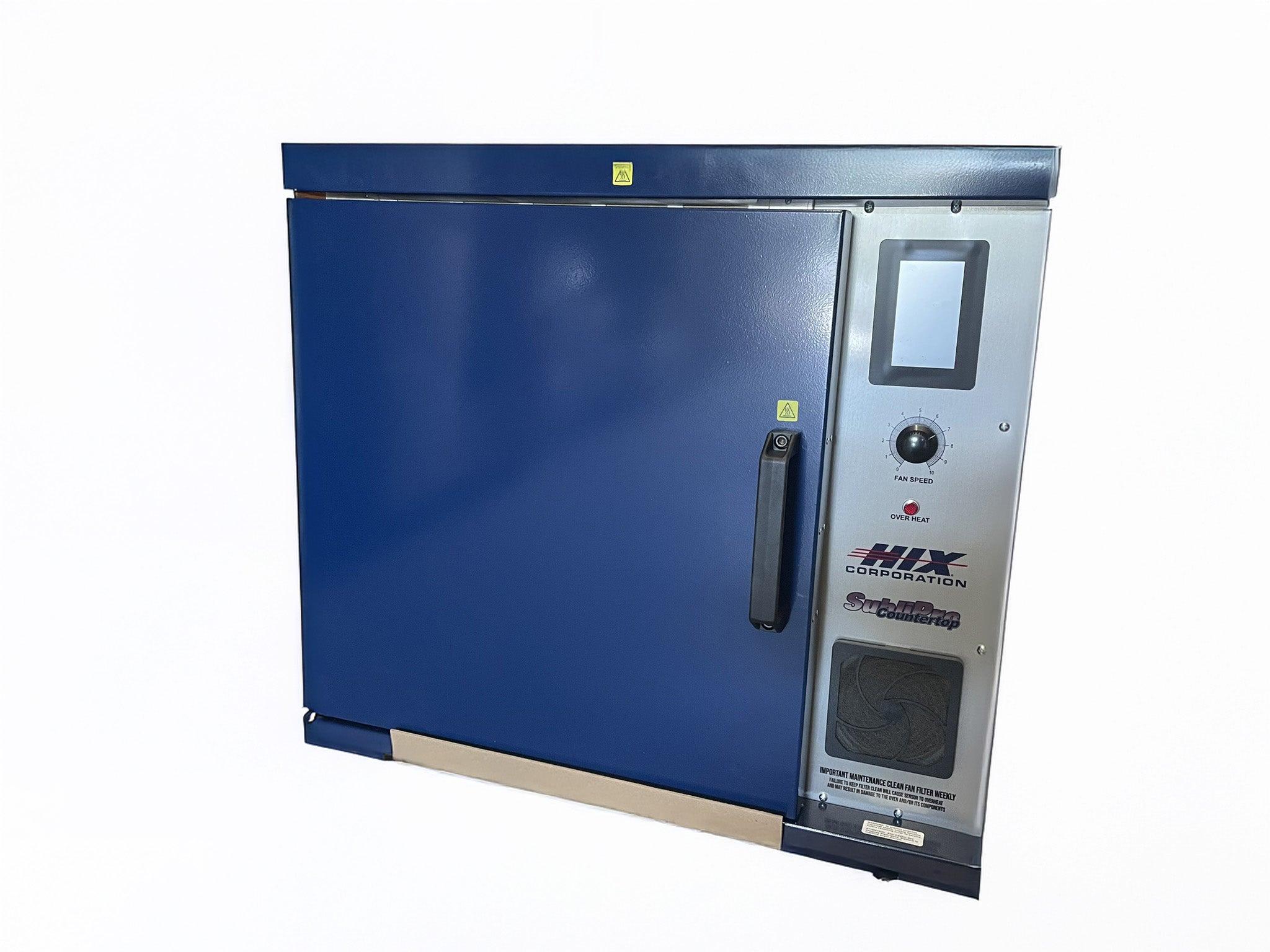
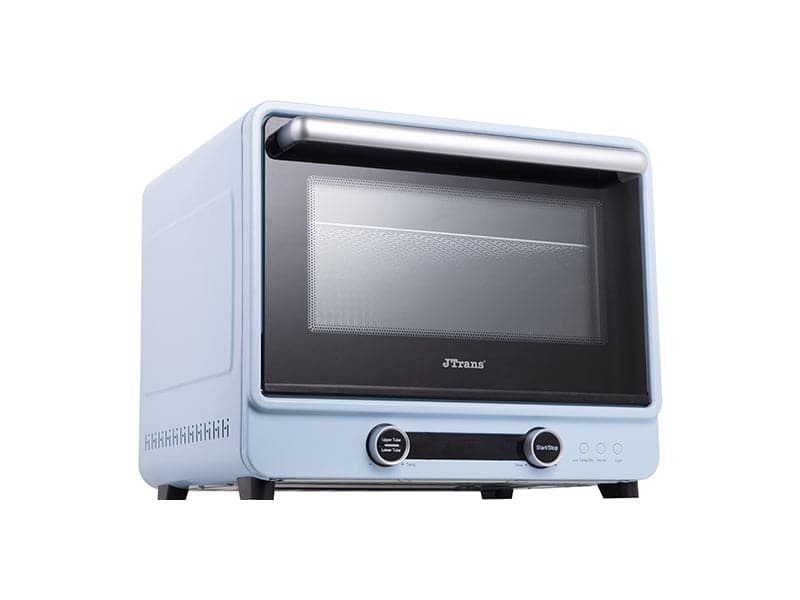
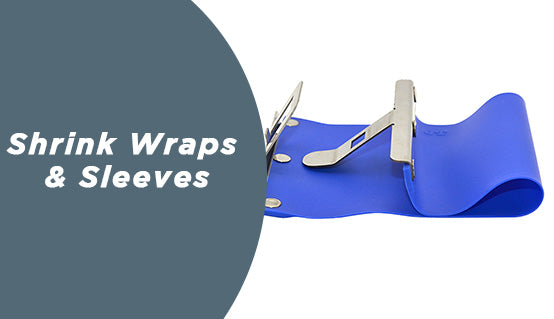
Yes, some sublimation tumblers can be sublimated using convection ovens with shrink wrap. However, tumbler presses usually provide more consistent pressure and faster results.
Do Tumblers Need a Special Coating for Sublimation?
Yes. Sublimation only works on surfaces that contain a polymer coating designed to bond with sublimation ink.
Are Sublimation Tumblers Dishwasher Safe?
Many sublimation tumblers are dishwasher safe, but hand washing is often recommended to preserve the vibrancy of the design over time.
Final Thoughts
Sublimation tumblers are one of the most accessible and profitable products for small print shops and crafters entering the personalization market. With the right materials, equipment, and techniques, it’s possible to produce professional-quality drinkware quickly and consistently.
By using high-quality tumblers, reliable sublimation inks and paper, and a properly calibrated mug or tumbler press, you can create vibrant custom drinkware that customers will enjoy for years.
Whether you're producing personalized gifts, branded merchandise, or expanding your product catalog, mastering sublimation tumblers can open the door to new creative and business opportunities.