















Sublimation printing has revolutionized custom apparel by offering vibrant, permanent designs that won't crack, peel, or fade. Whether you're creating team jerseys, building a fashion brand, or producing event merchandise, choosing the right garments and mastering apparel-specific techniques is critical for professional results.
This complete guide covers everything you need to know about sublimation on shirts, hoodies, activewear, and other polyester garments-from fabric selection and brand comparisons to advanced pressing techniques and troubleshooting.
New to sublimation? Start with our beginner's guide to understand the basics before diving into apparel-specific techniques.
Types of Apparel You Can Sublimate
Sublimation works on any polyester-based garment, opening up diverse product opportunities:
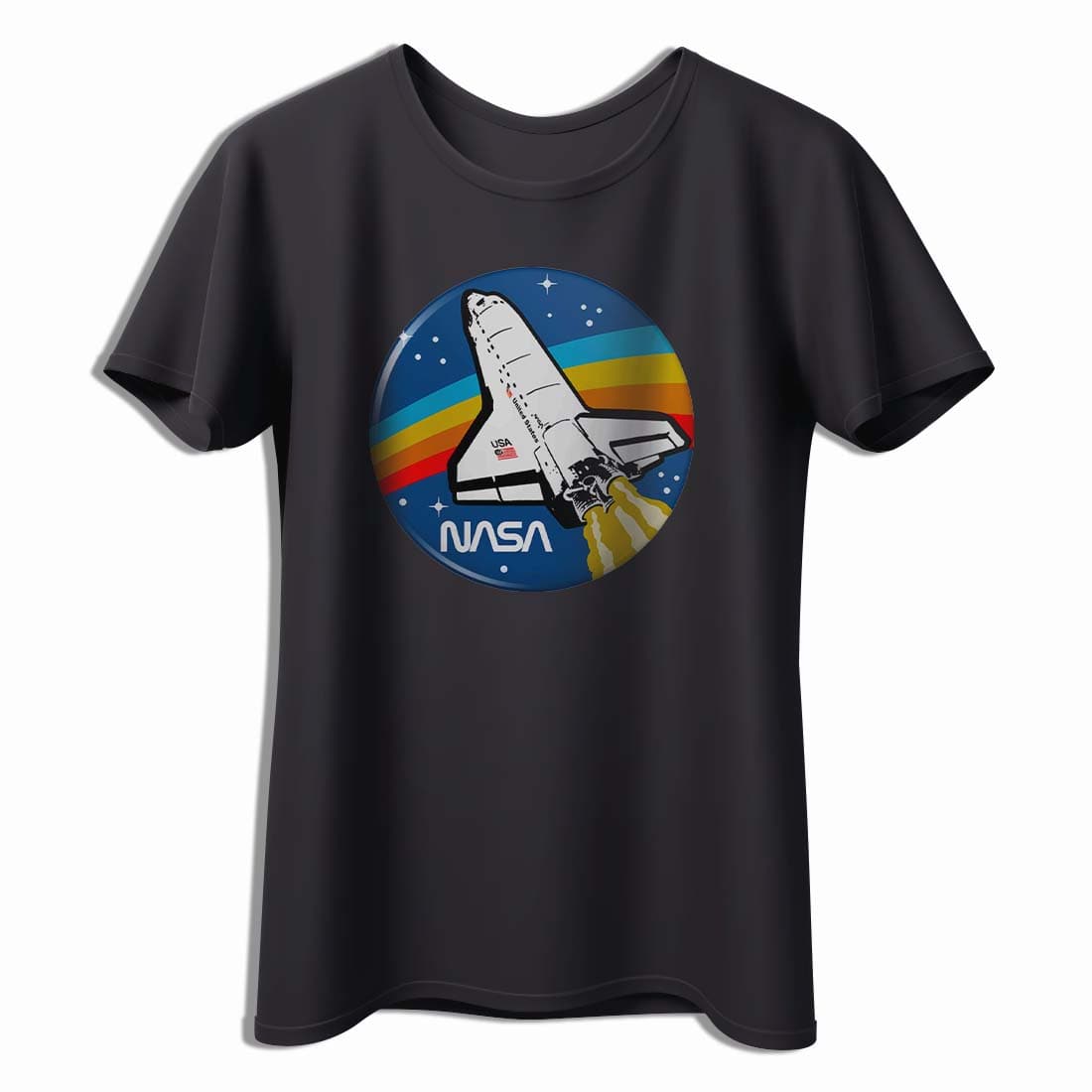
- Performance T-Shirts: 100% polyester moisture-wicking tees perfect for athletic wear, team uniforms, and activewear brands. These produce the most vibrant, permanent results.
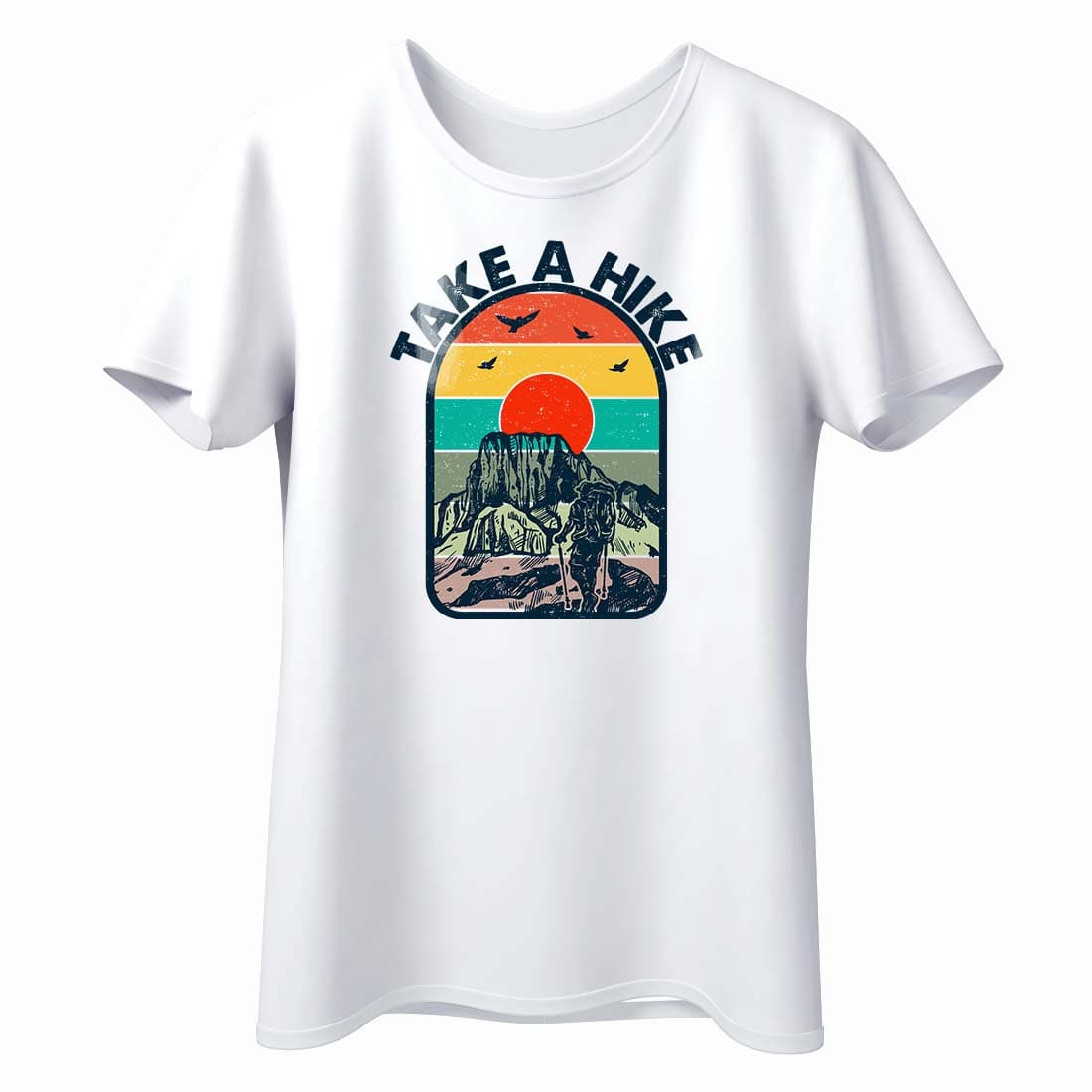
- Fashion T-Shirts: Polyester-cotton blends (65-85% poly) offer a softer hand feel and vintage aesthetic. Popular for boutique brands and retail lines, though colors appear slightly muted.
- Long-Sleeve Shirts & Hoodies: Ideal for all-over designs and seasonal collections. Require careful seam management and zipper consideration during pressing.
- Sports Jerseys & Uniforms: The sublimation sweet spot. Full-color team logos, numbers, and sponsor graphics with zero added weight or stiffness.
- Activewear: Leggings, sports bras, tank tops, and compression wear. Performance fabrics with high polyester content deliver exceptional results for fitness brands.
- Specialty Items: Baby onesies, socks, bandanas, and accessories expand your product catalog with minimal equipment changes.
Which Fabrics Work Best for Sublimation on Apparel?
Not all polyester garments deliver the same results. Here's what you need to know:
Fabric Composition Guide
- 100% Polyester: The gold standard. Sublimation ink bonds completely with synthetic fibers, creating permanent, photo-quality prints that survive 50+ washes without fading. Best for athletic wear, performance shirts, and professional team uniforms.
- 65-85% Polyester Blends: Polyester-cotton or triblend fabrics work but produce a softer, more vintage look. The non-polyester fibers don't absorb ink, creating an intentionally faded aesthetic. Popular for fashion brands targeting a worn-in look.
- Below 65% Polyester: Not recommended. Colors appear washed out and designs lack durability. Better suited for alternative printing methods like DTF.
Garment Color Matters
Sublimation is a dye process, not a print-on-top method. This means you have to understand what is considered a light-colored fabric for sublimation.
- White or light colors: Produce vibrant, true-to-design results
- Pastels: Work well but slightly alter final color appearance
- Dark colors: Not viable-sublimation doesn't print white ink, so designs will be invisible or muddy
Brand & Pricing Tiers
Choosing quality blanks impacts your final results and customer satisfaction:
Budget Tier ($3-5 CAD wholesale): Gildan Performance 100% polyester basics. Reliable for high-volume orders, team sports, and promotional events. Slightly heavier hand feel.
Mid-Tier ($6-8 CAD): Bella+Canvas Triblend, All Sport, A4 Athletic. Superior fit, softer fabrics, and fashion-forward cuts. Ideal for retail brands and premium custom orders.
Premium Tier ($8-12 CAD): Badger Sport, Augusta Sportswear, specialty performance fabrics. Moisture-wicking technology, four-way stretch, and athletic cuts for professional sports teams.
Note: Pricing reflects Canadian retail rates.
How to Prepare Apparel for Sublimation Printing
Proper preparation prevents costly mistakes and ensures professional results:
Step 1: Inspect the Garment: Check for manufacturing residue, wrinkles, or fabric imperfections. Most new polyester garments don't require pre-washing, but if you detect chemical odors or stiffness, a light wash may help.
Step 2: Lint Roll the Surface: Even microscopic fibers can create white spots in your design. Use a sticky lint roller across the entire print area-front, back, and sleeves if applicable.
Step 3: Pre-Press to Remove Moisture: This is critical. Press the garment for 3-5 seconds at your sublimation temperature (385-400°F) to eliminate moisture and flatten wrinkles. Moisture causes ghosting, faded spots, and uneven color transfer.
Step 4: Use a Pressing Pillow for Seams: Seams, side stitching, and hems create uneven surfaces. Place a heat-resistant pillow or pad inside the garment to create a flat pressing surface and prevent seam impressions.
Pressing Techniques for Different Garment Types
Standard T-Shirts
- Temperature: 385-400°F
- Time: 45-60 seconds
- Pressure: Medium (firm but not crushing)
Mirror your design, secure with heat-resistant tape, and press. Peel transfer paper while hot for sharpest results.
Hoodies & Long-Sleeve Shirts
Challenges: Zippers, pockets, and thick seams.
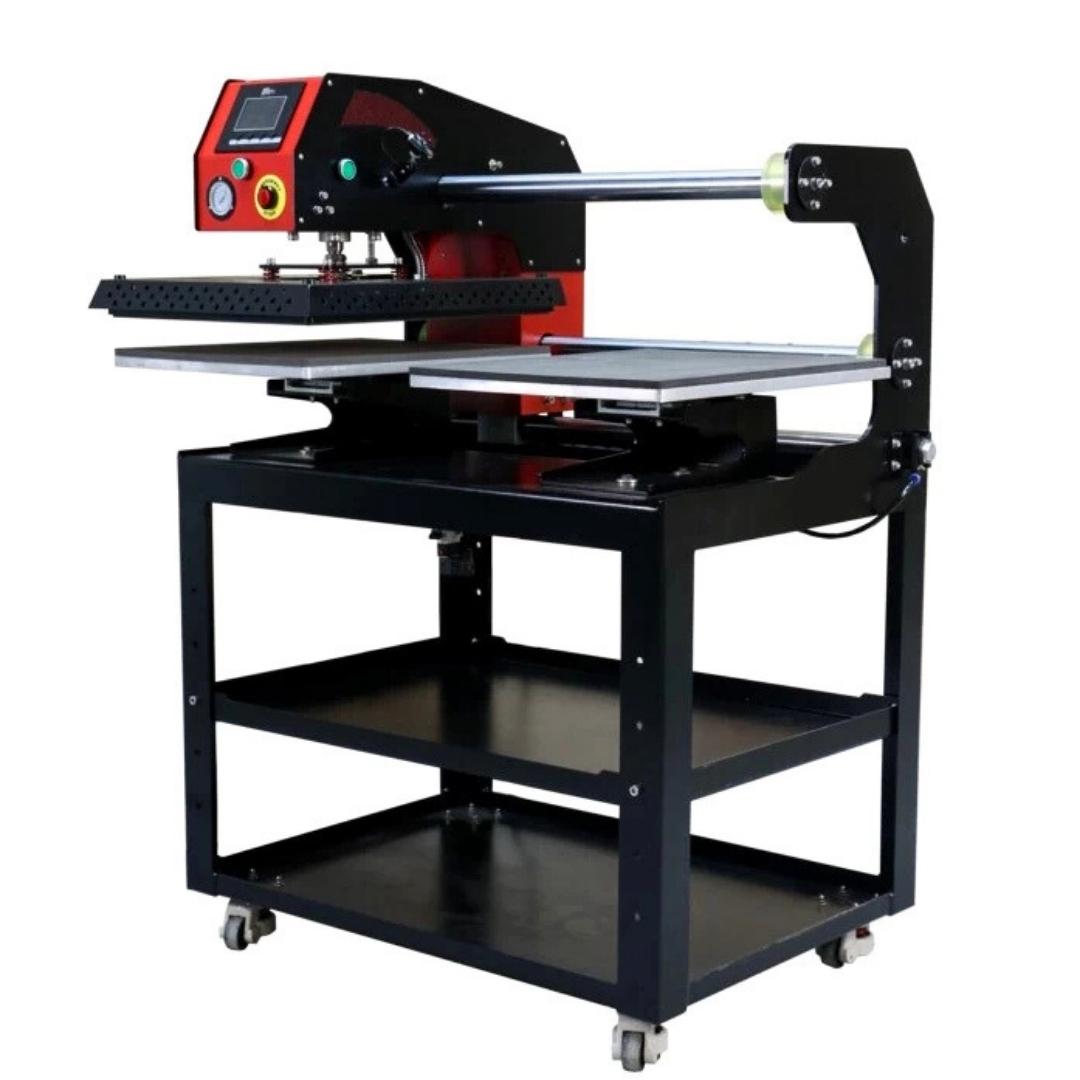
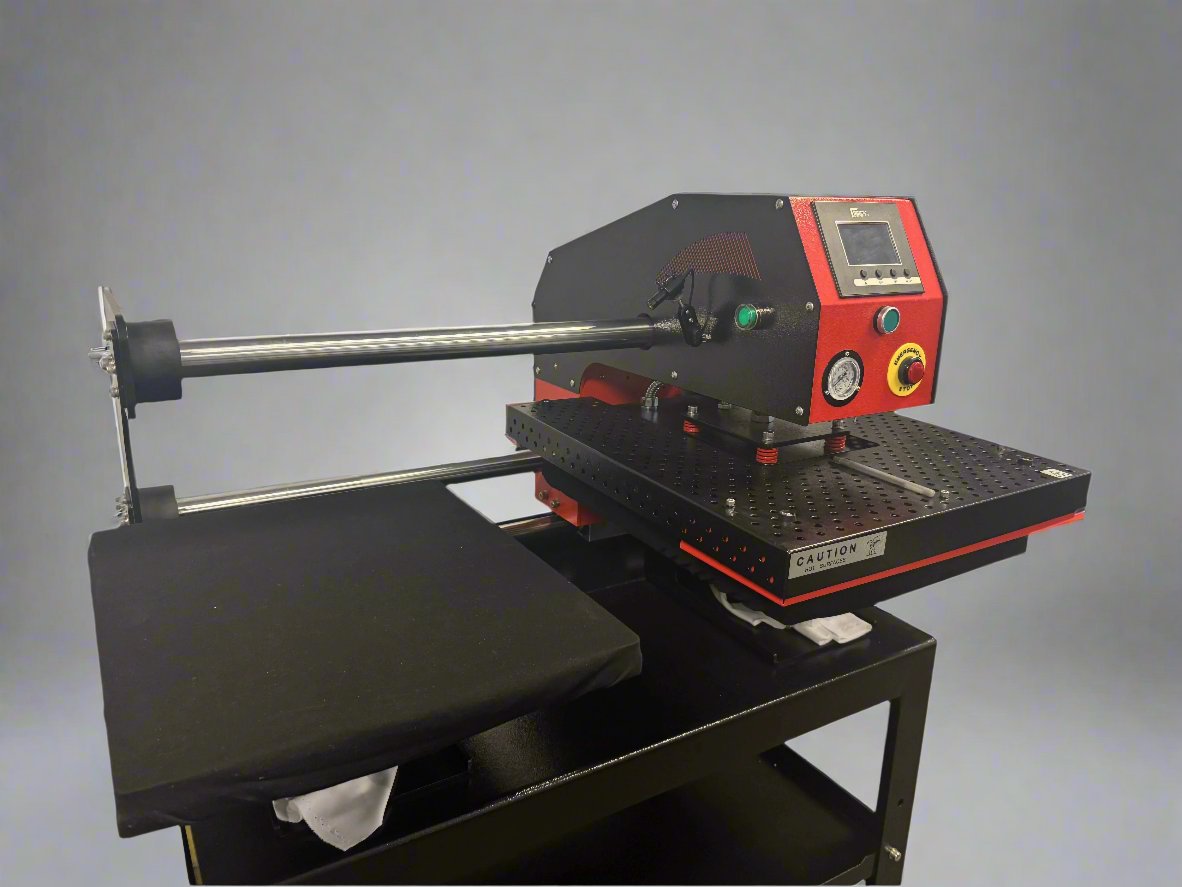
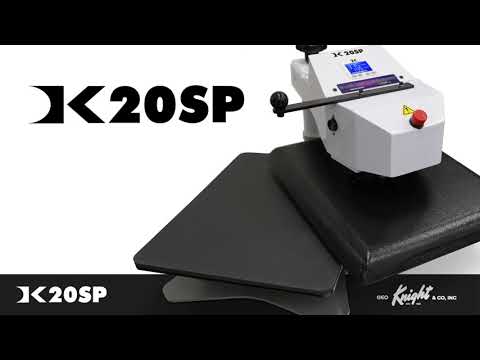
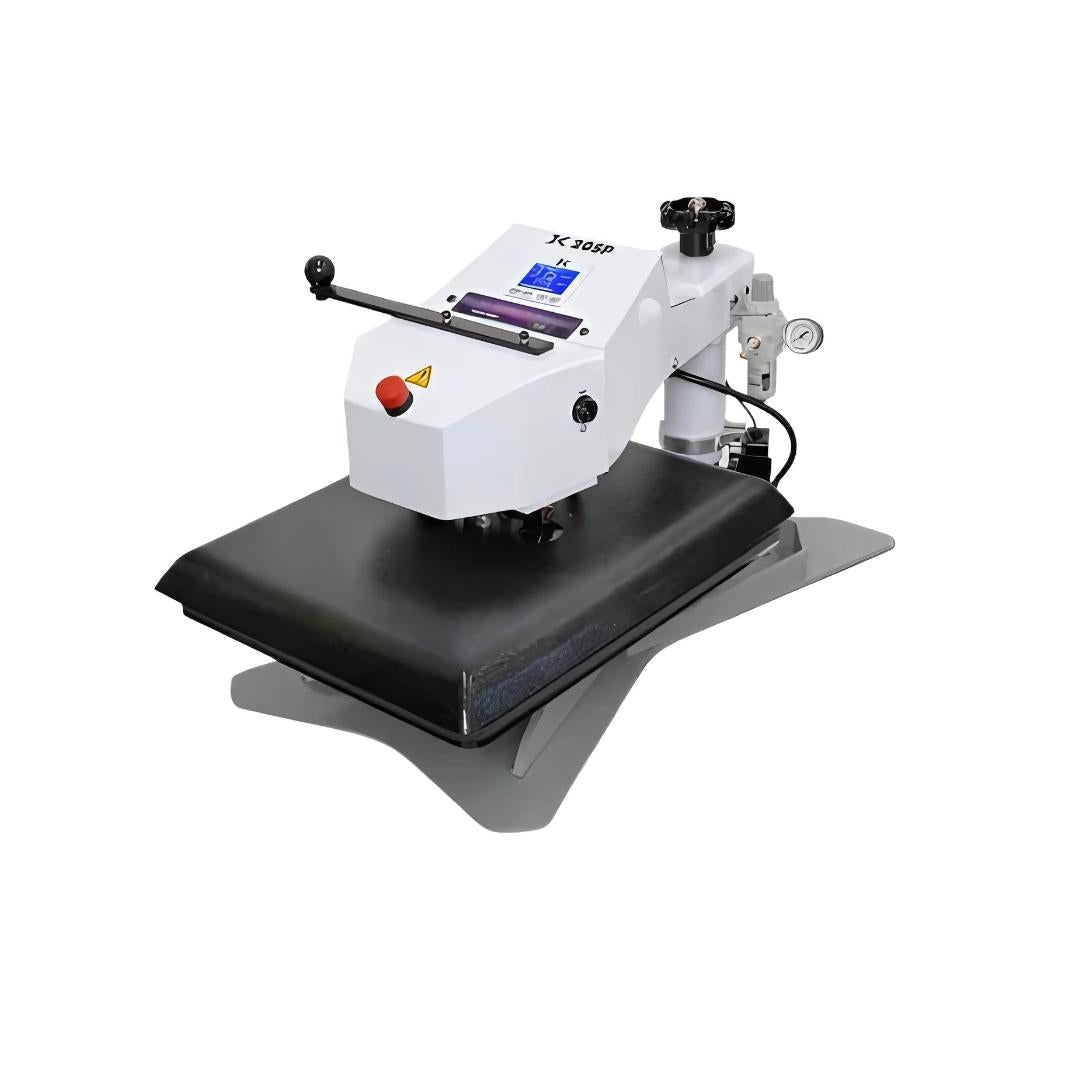
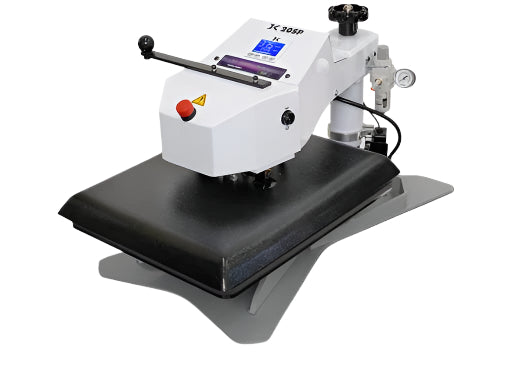
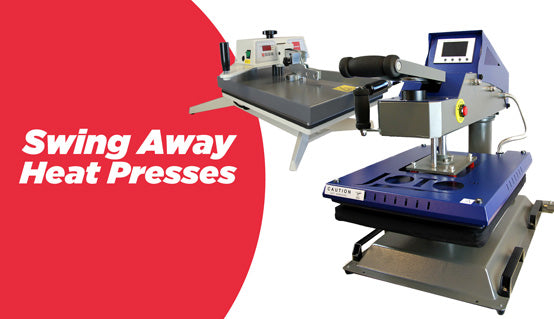
Solution: Use a swing-away press for better clearance. Avoid designs that cross zippers. For pullover hoodies, insert a pillow to prevent front design from transferring to the back.
Performance & Stretch Fabrics
Athletic wear with spandex or elastane requires slightly lower pressure to avoid stretch marks. Test first-over-pressing can distort the fabric's recovery properties.
All-Over Printing
Seam-to-seam designs require precision. Use garment templates, tape carefully along edges, and ensure full contact across the entire surface. Some shops use specialty presses or multiple press cycles for oversized designs.
Tips for Professional-Quality Apparel Prints
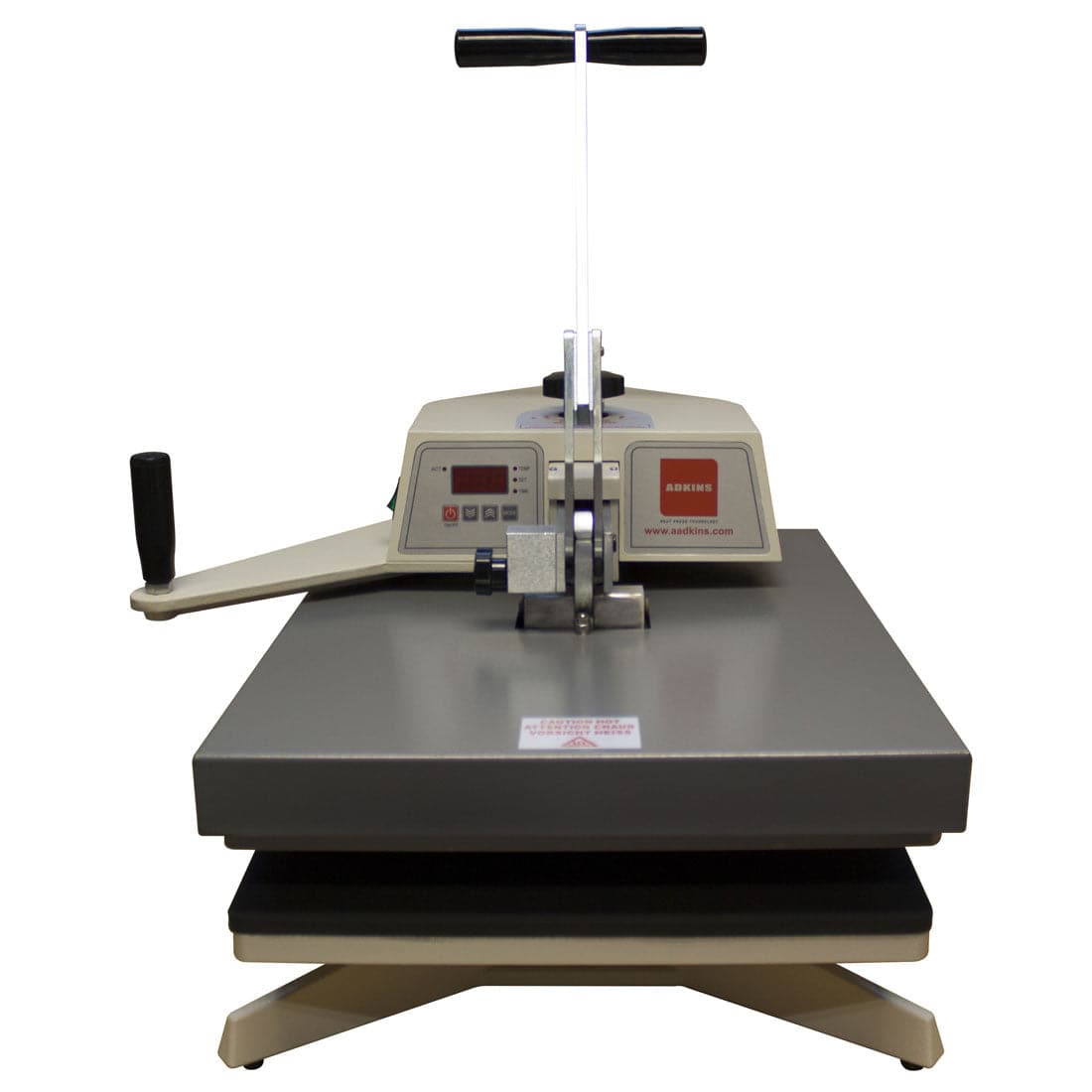
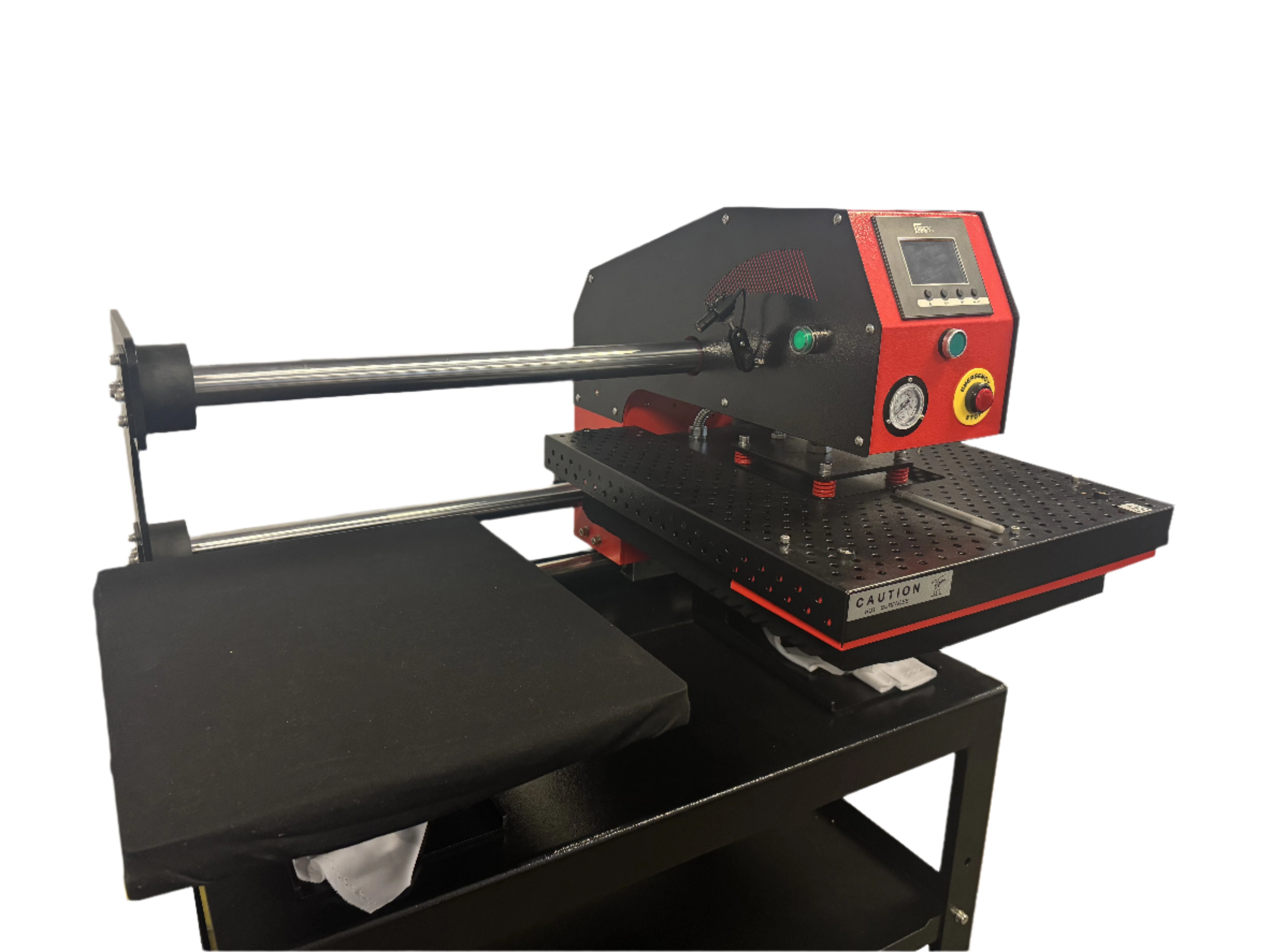
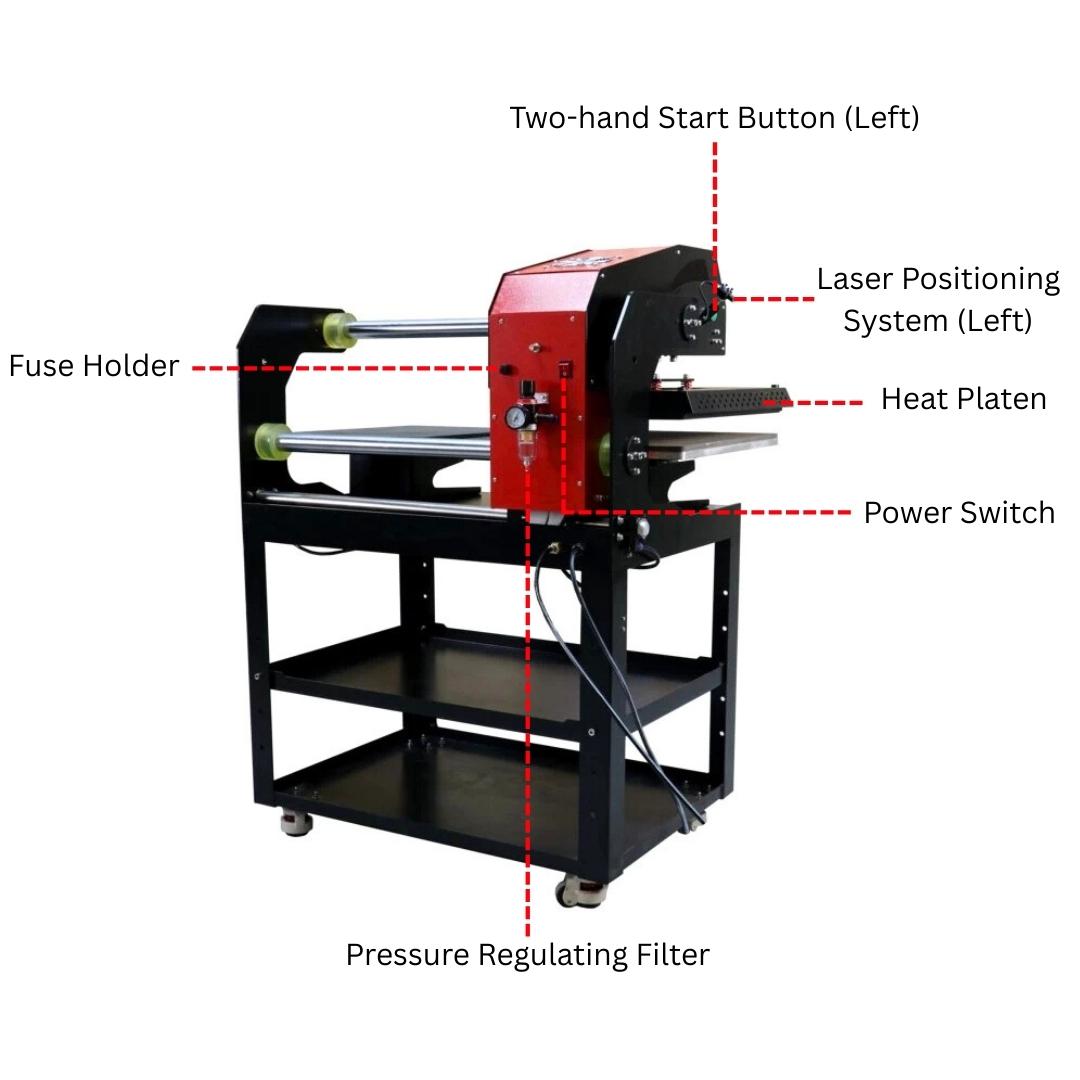
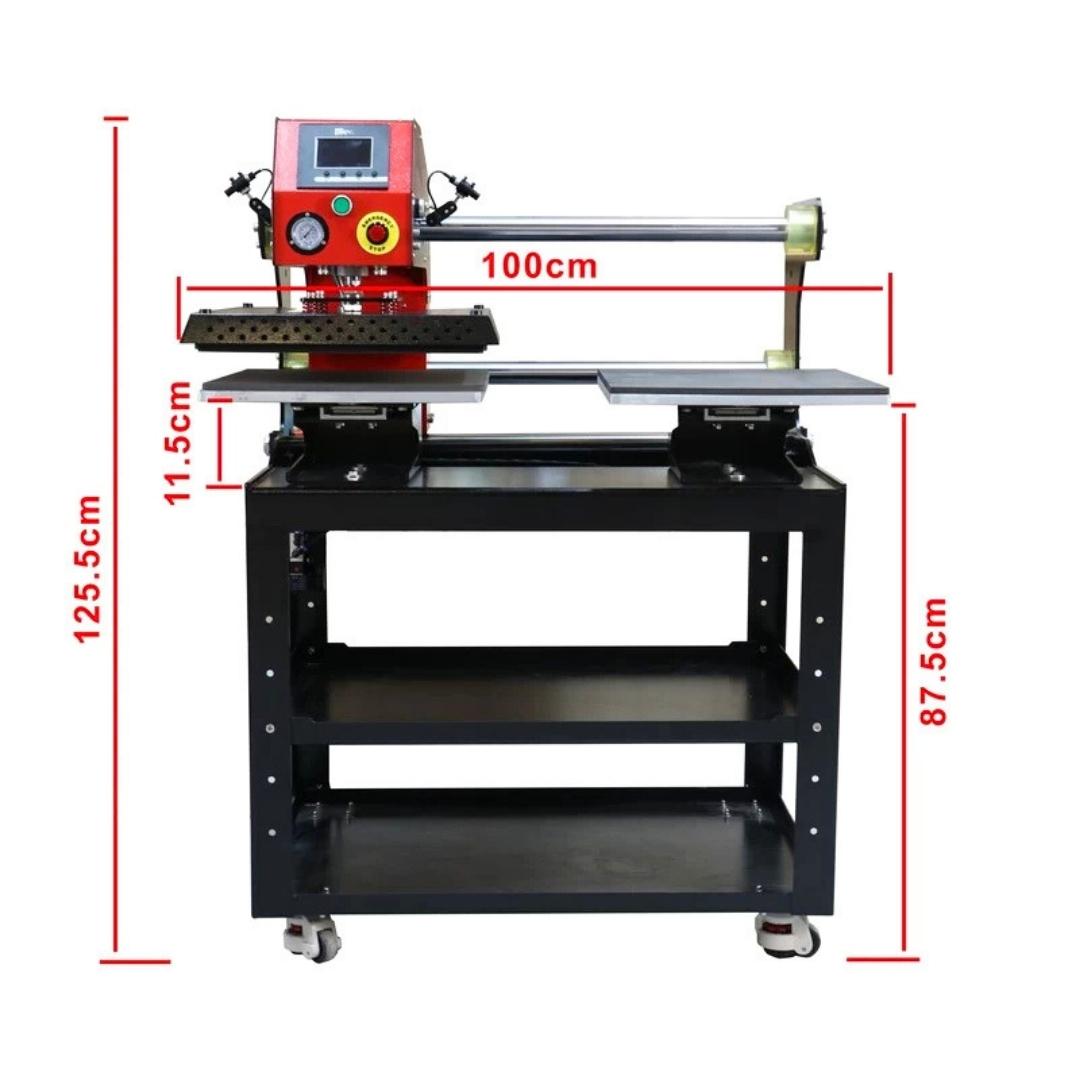
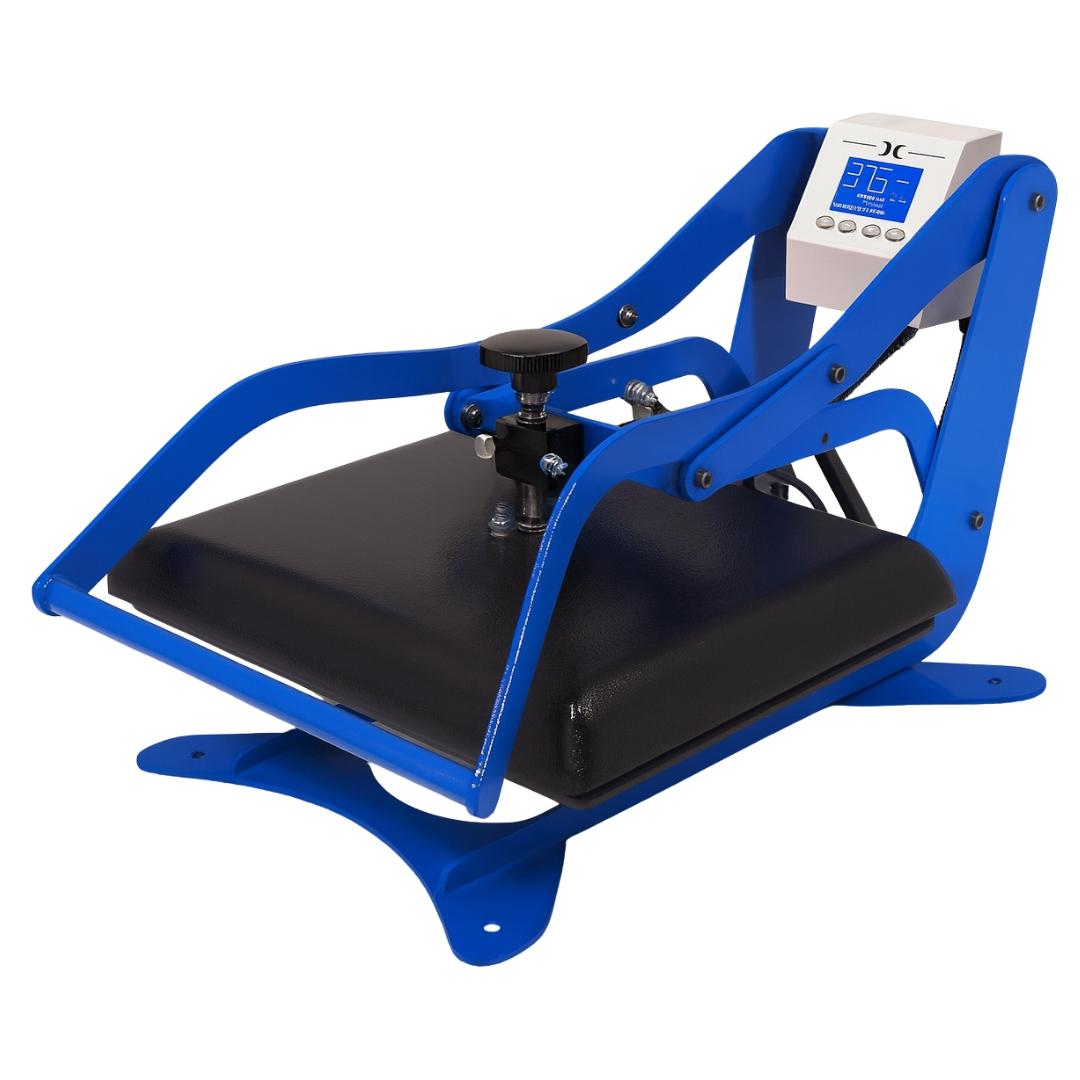
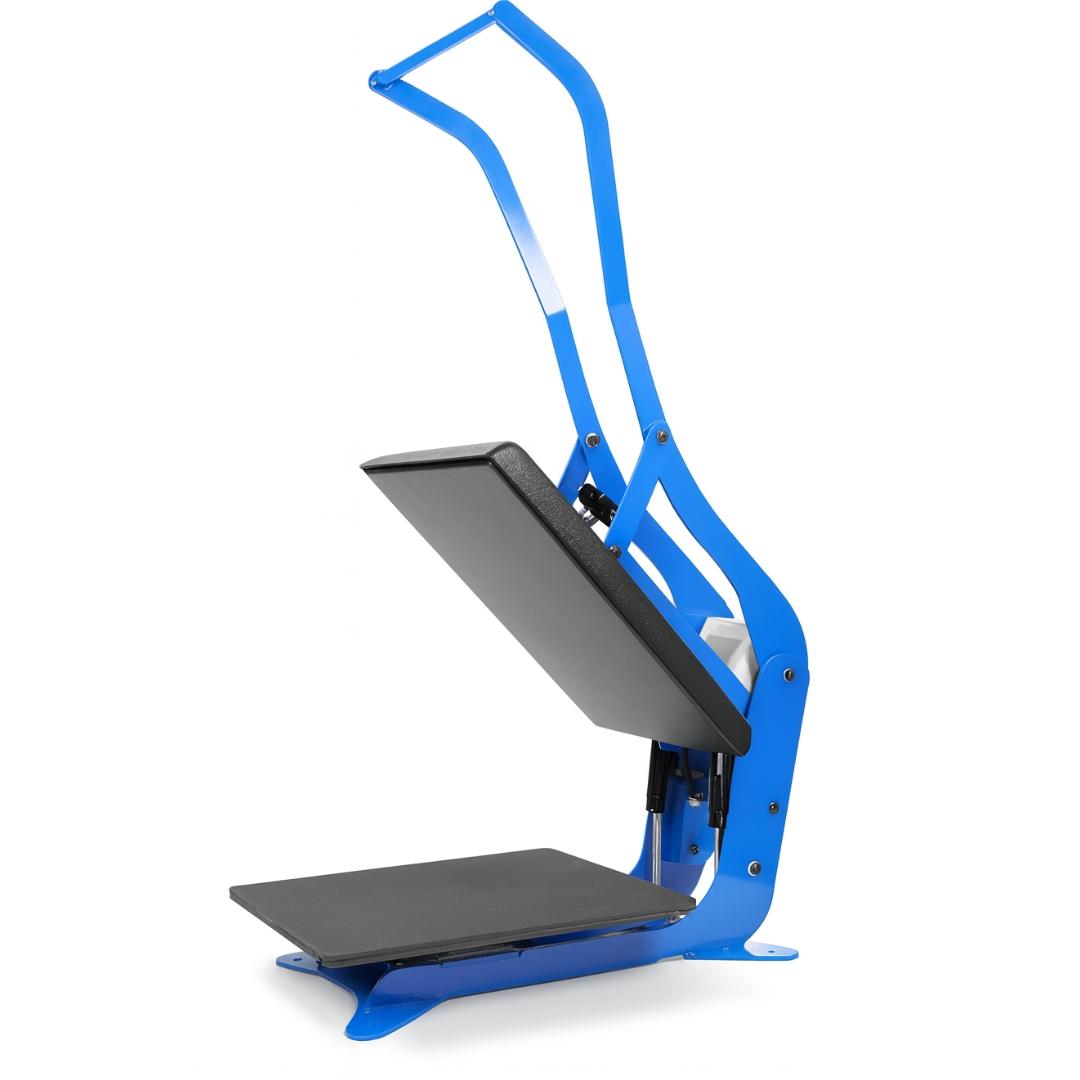
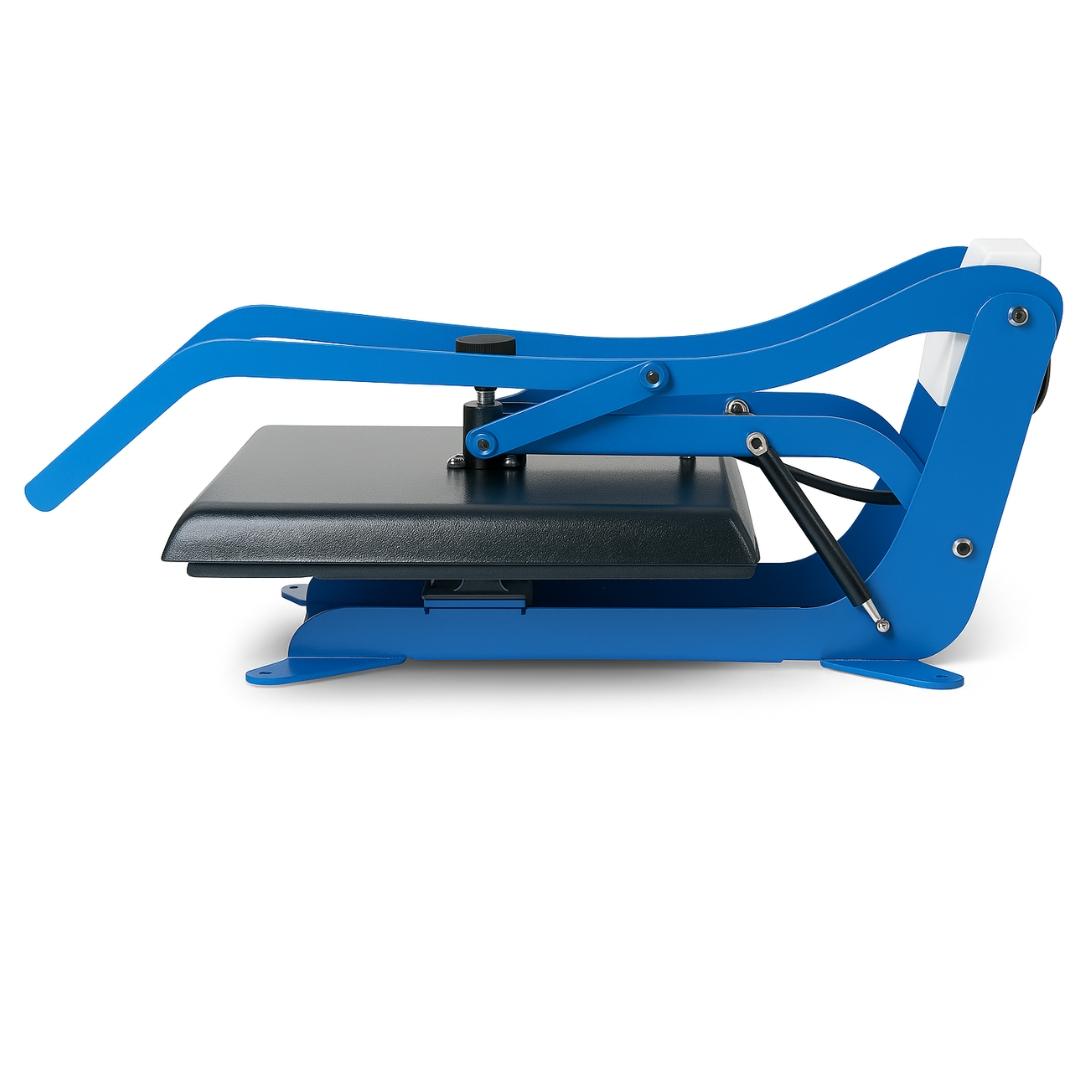
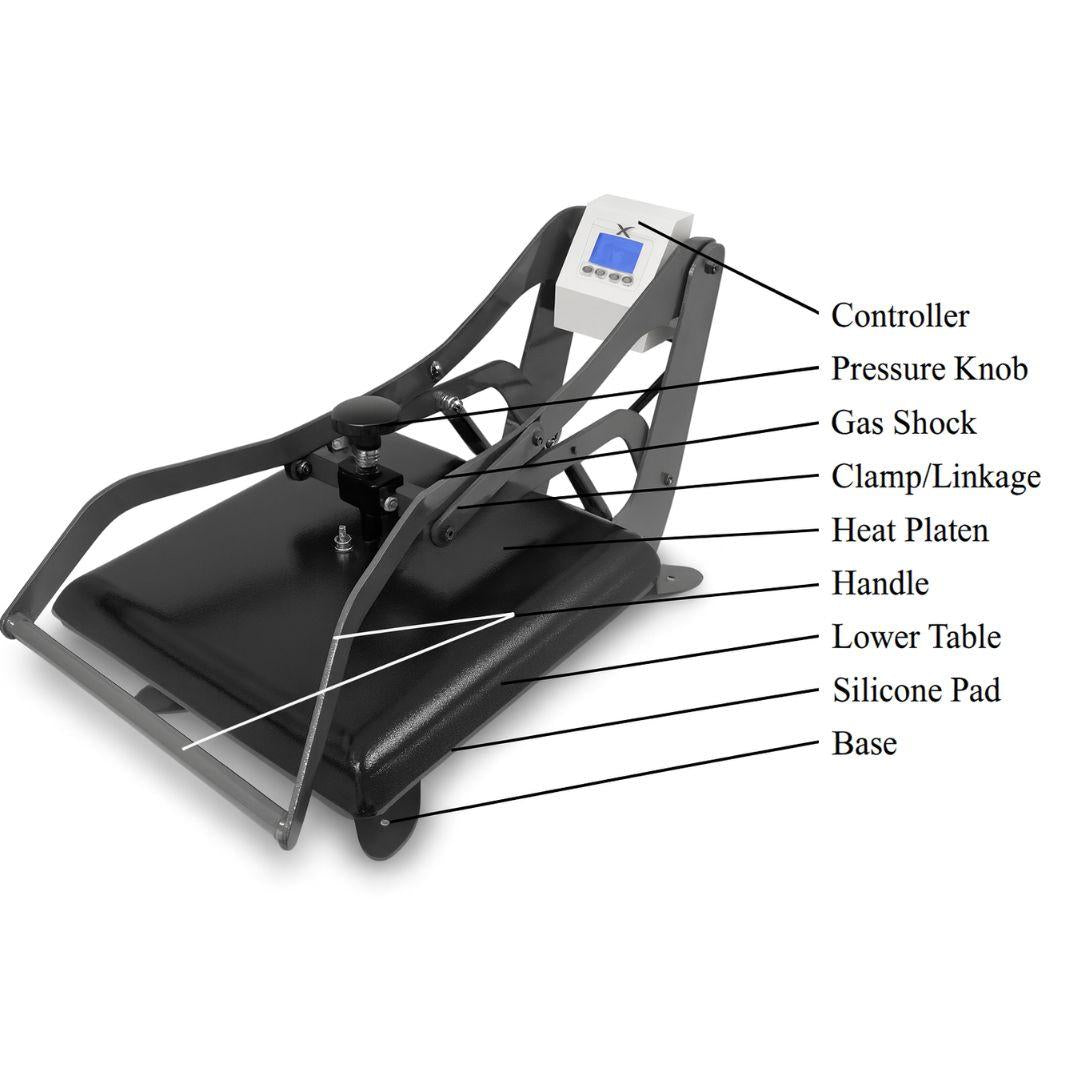
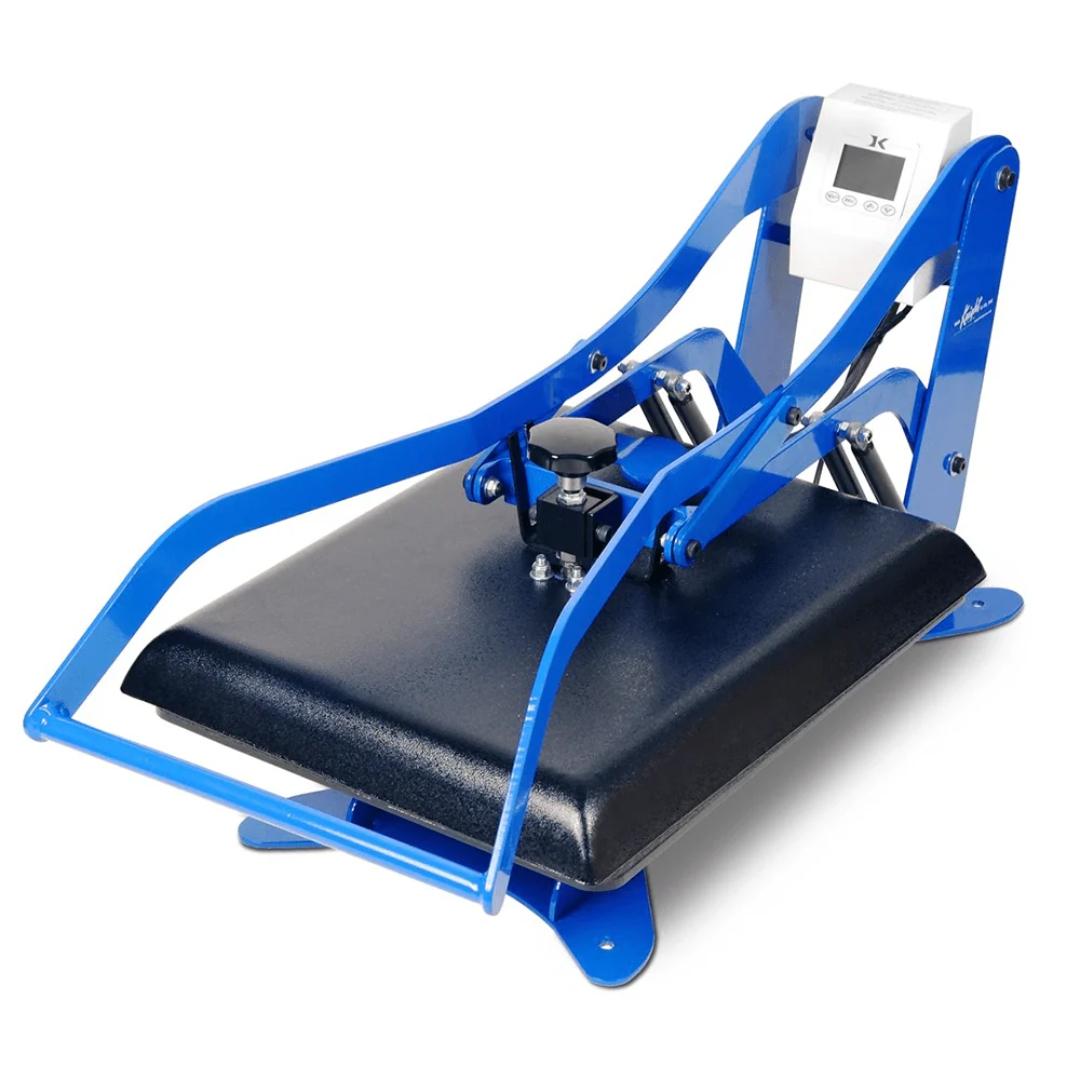
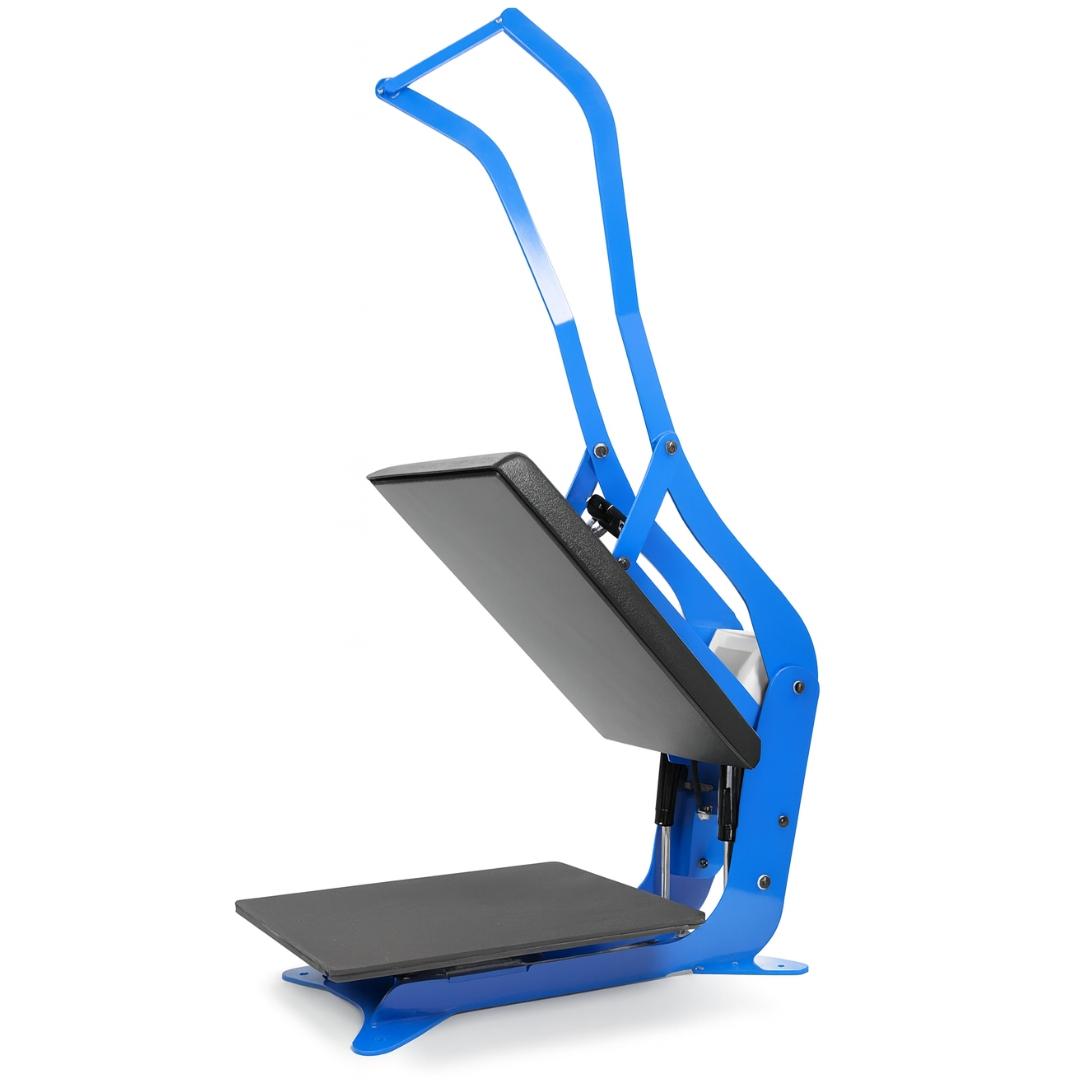
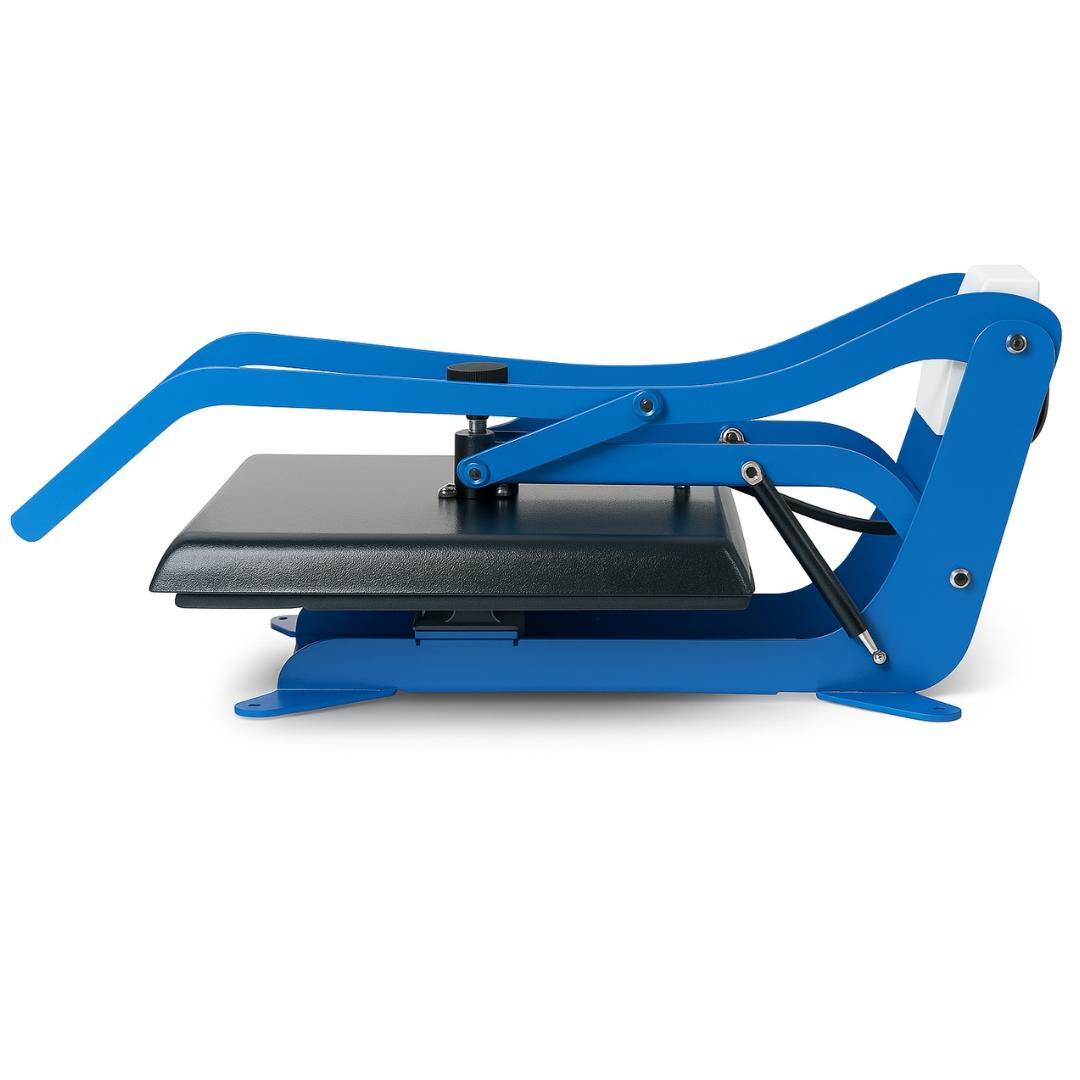
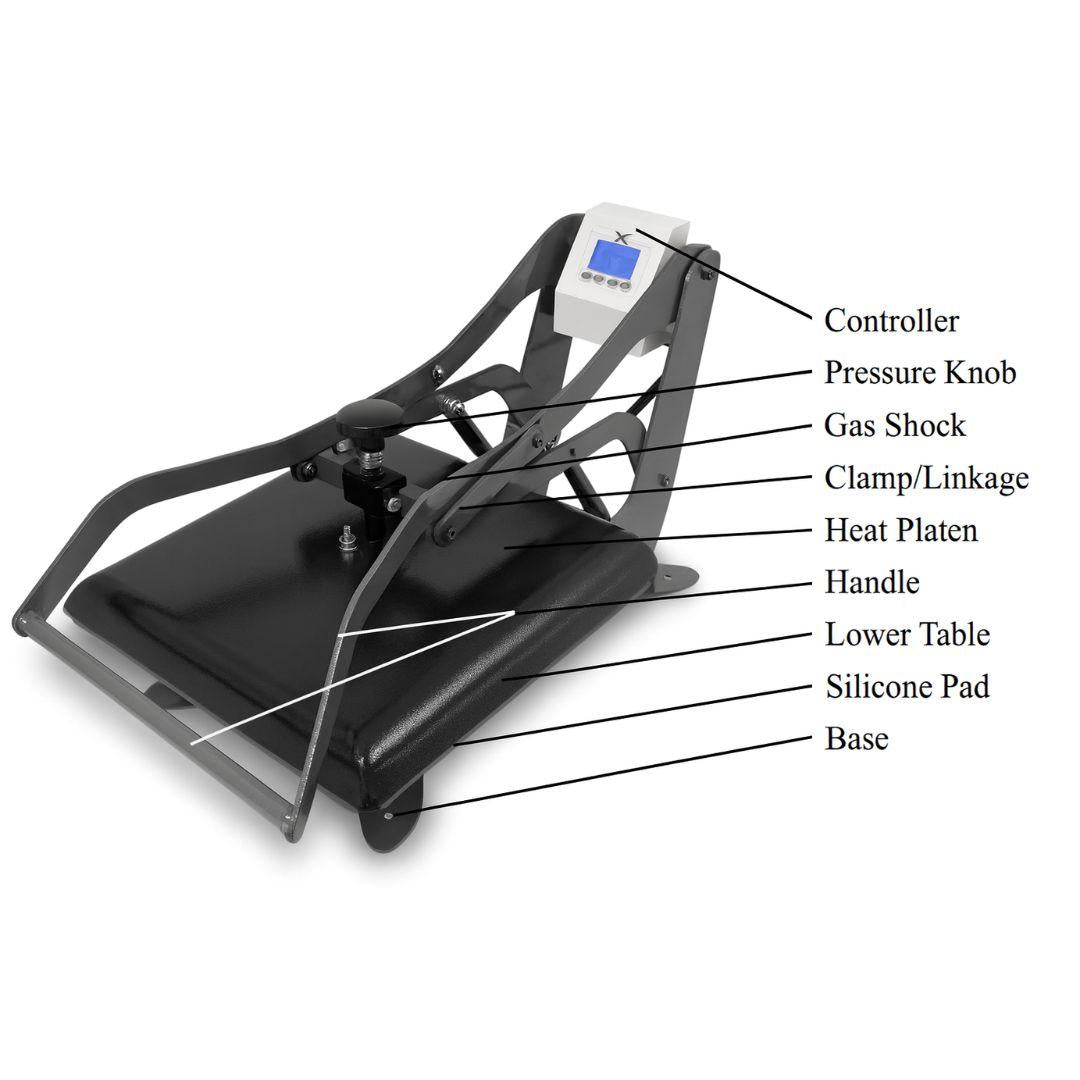
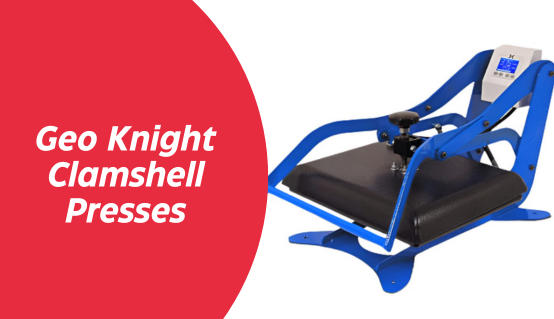
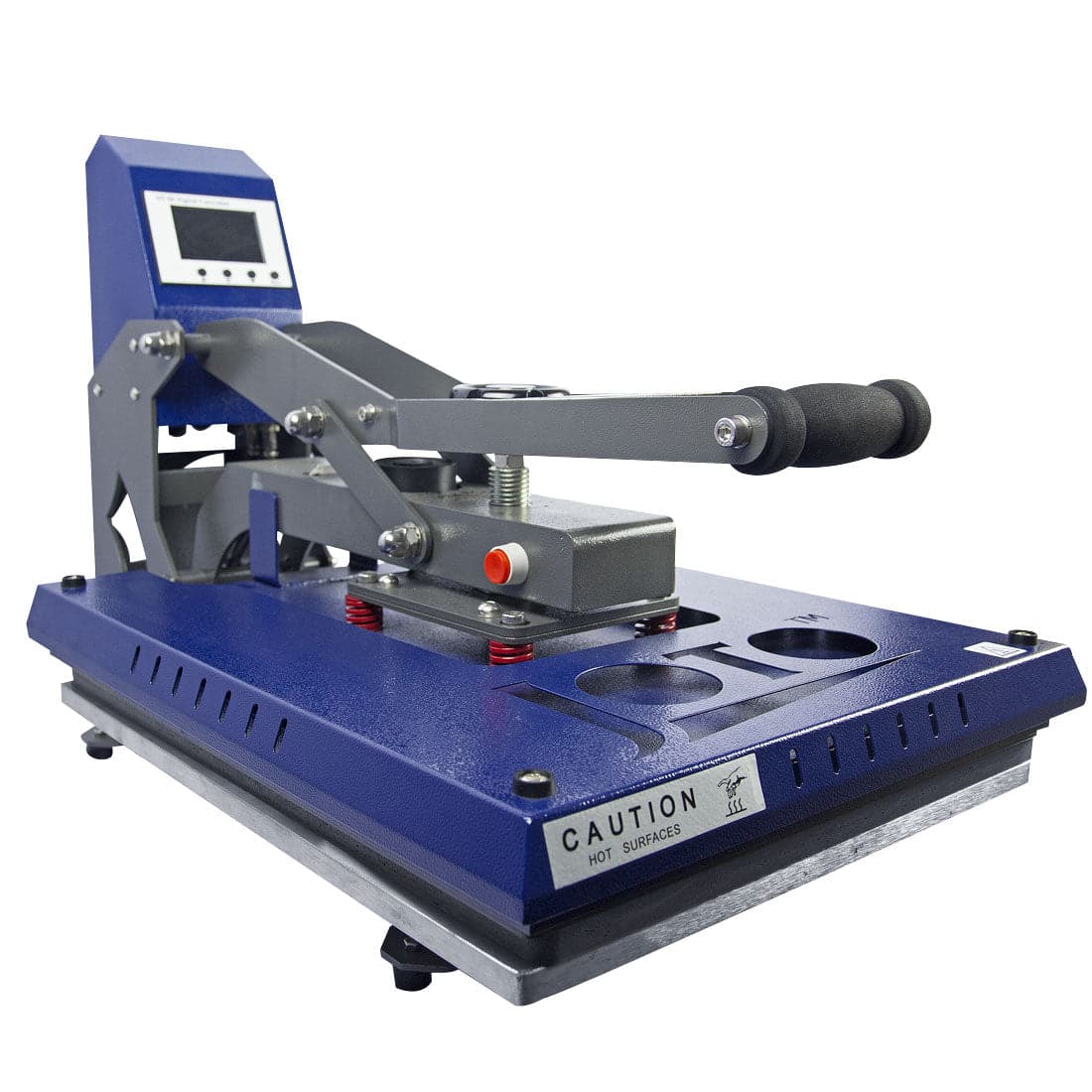
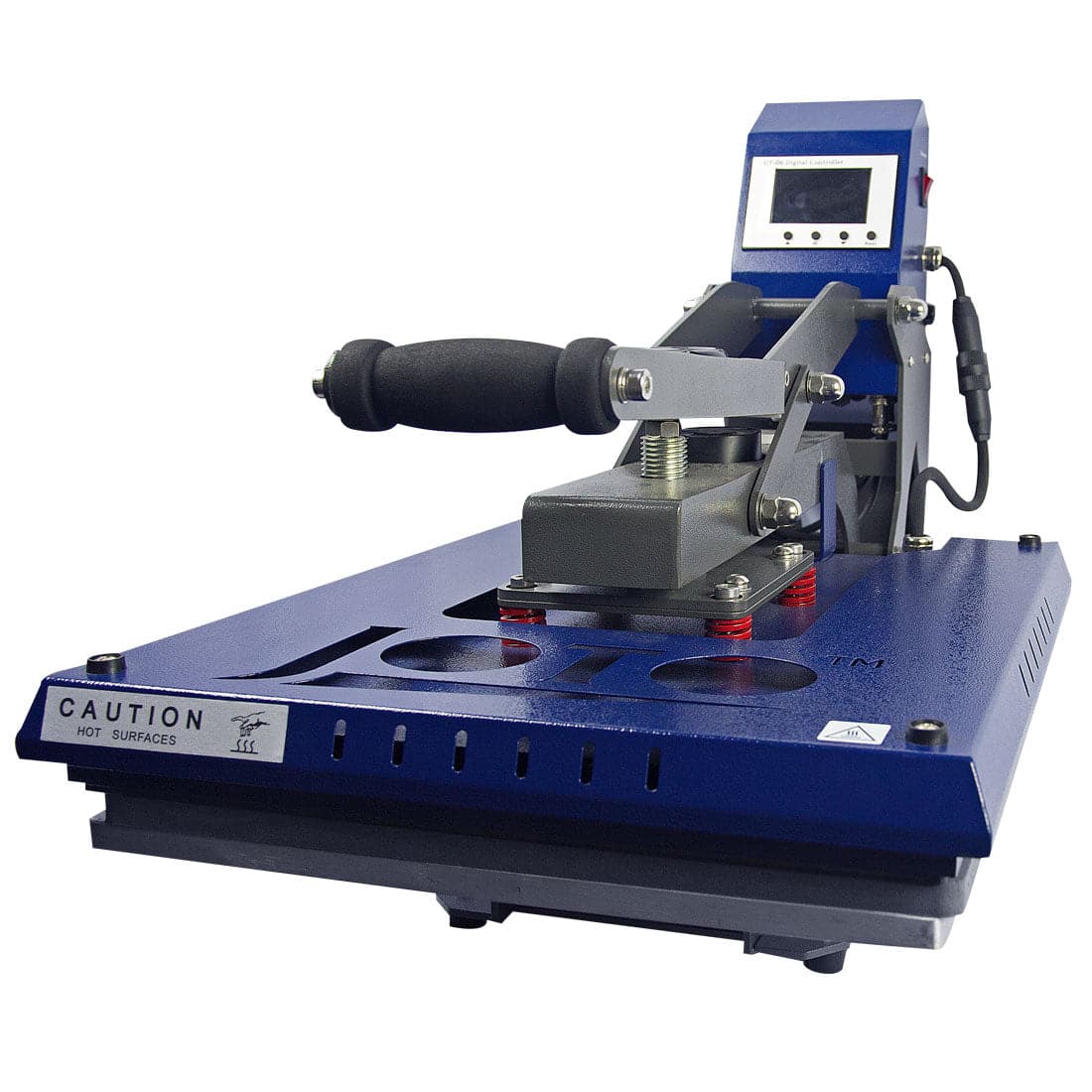
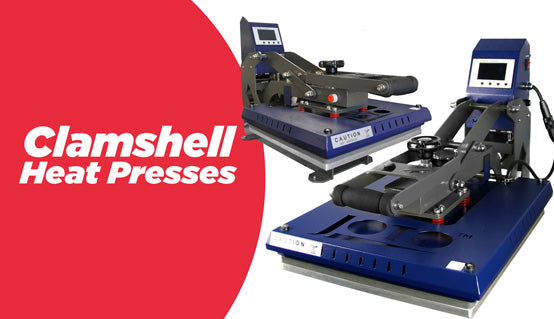
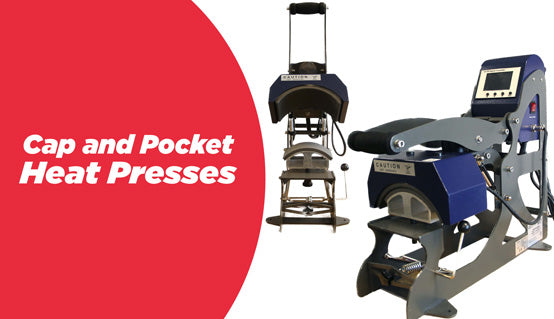
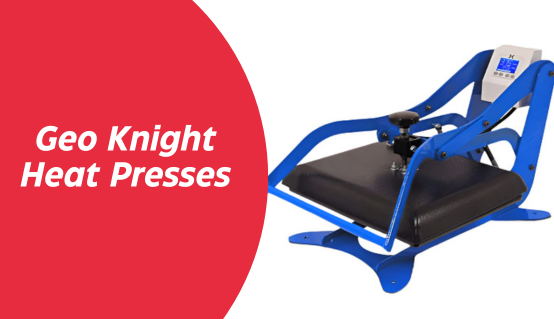
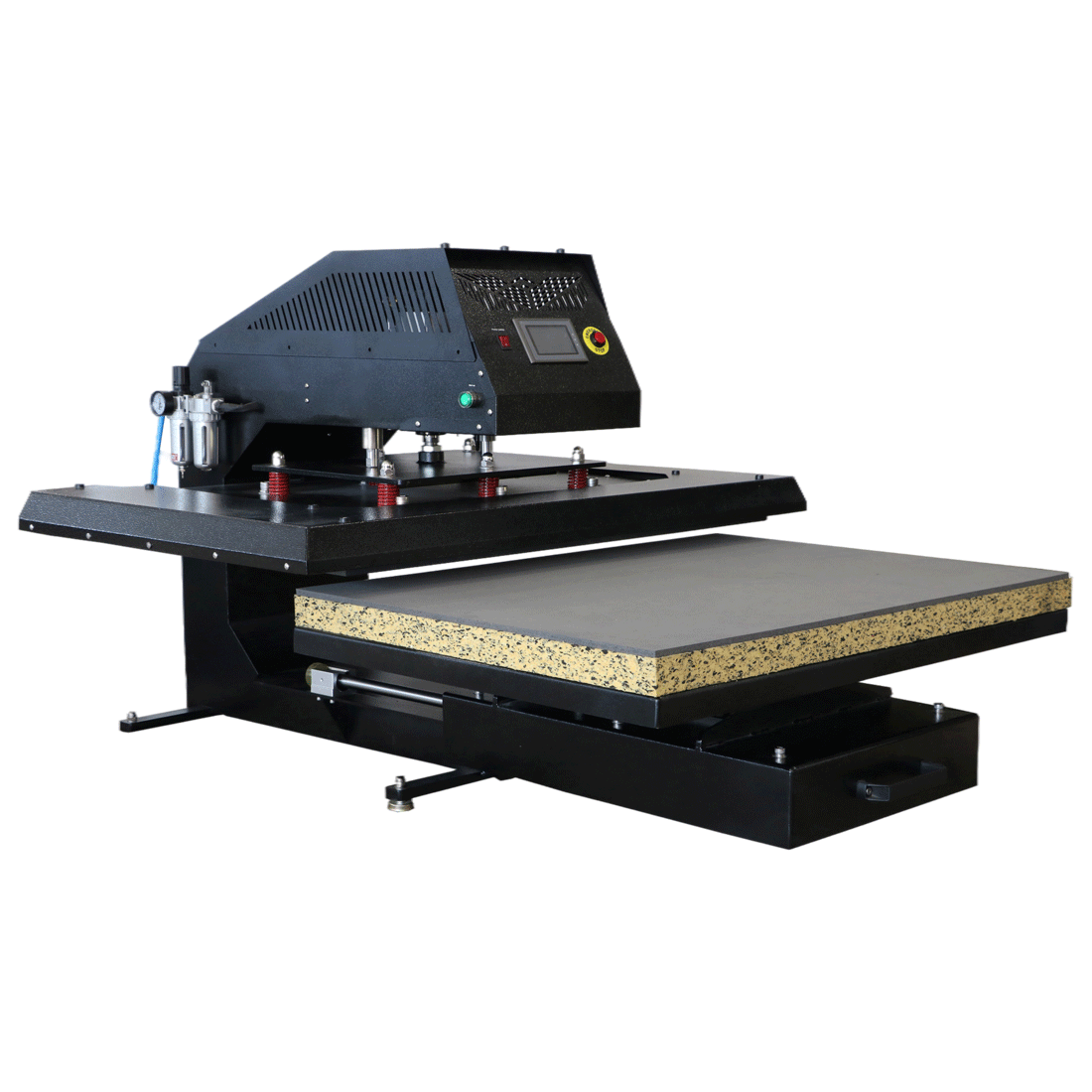
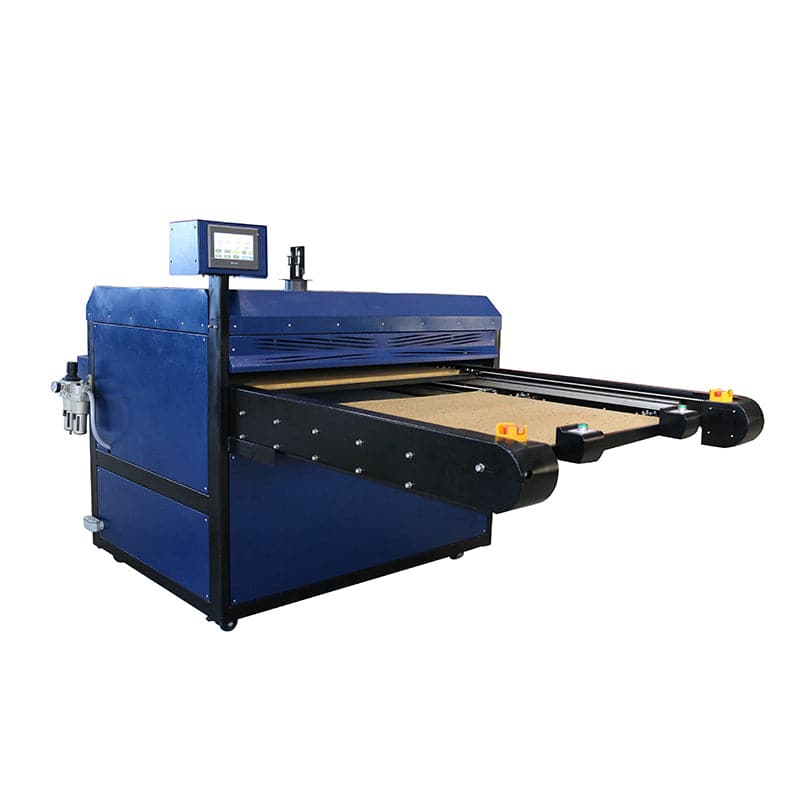
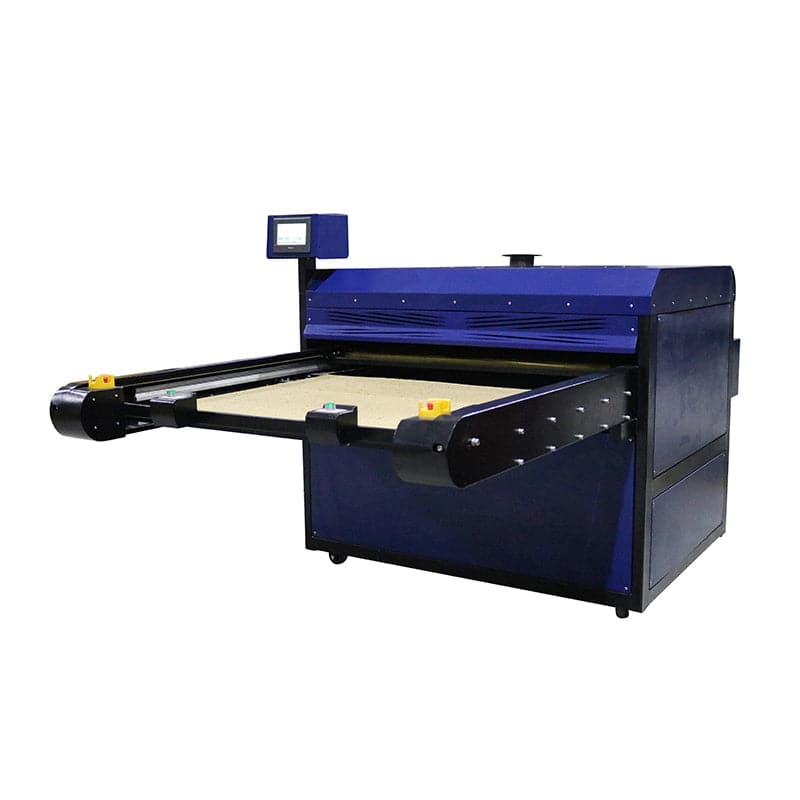
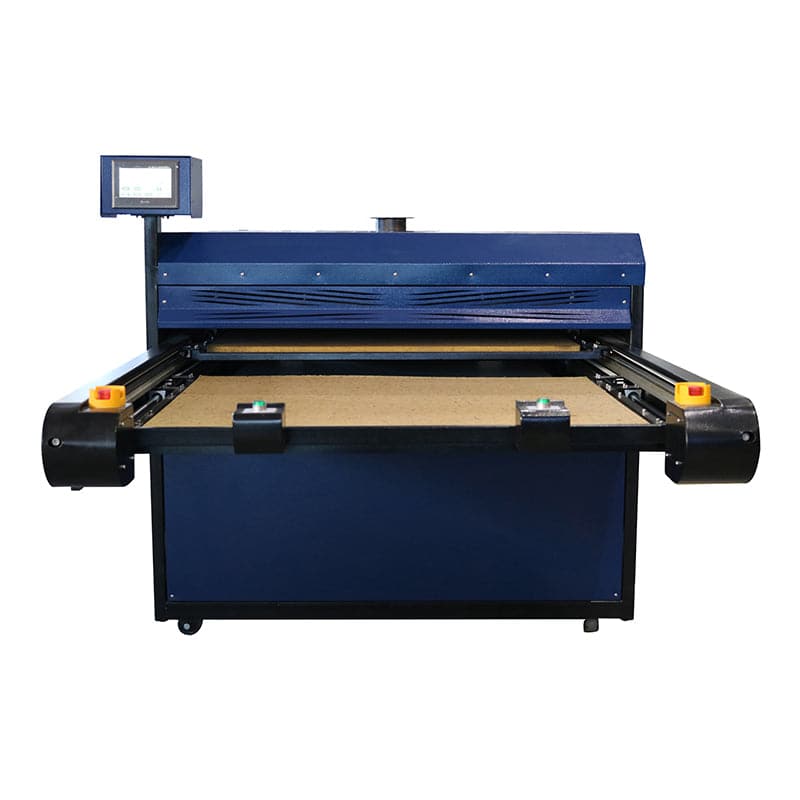
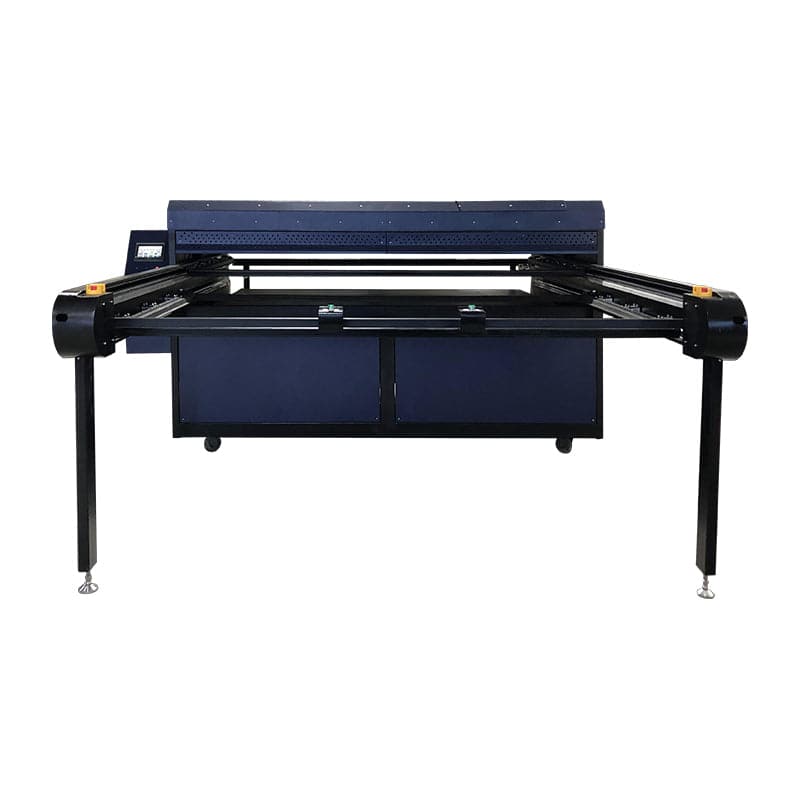
Invest in a Quality Heat Press: Consistent temperature and even pressure distribution are non-negotiable. Clamshell presses work for standard shirts; swing-away models handle thicker garments better.

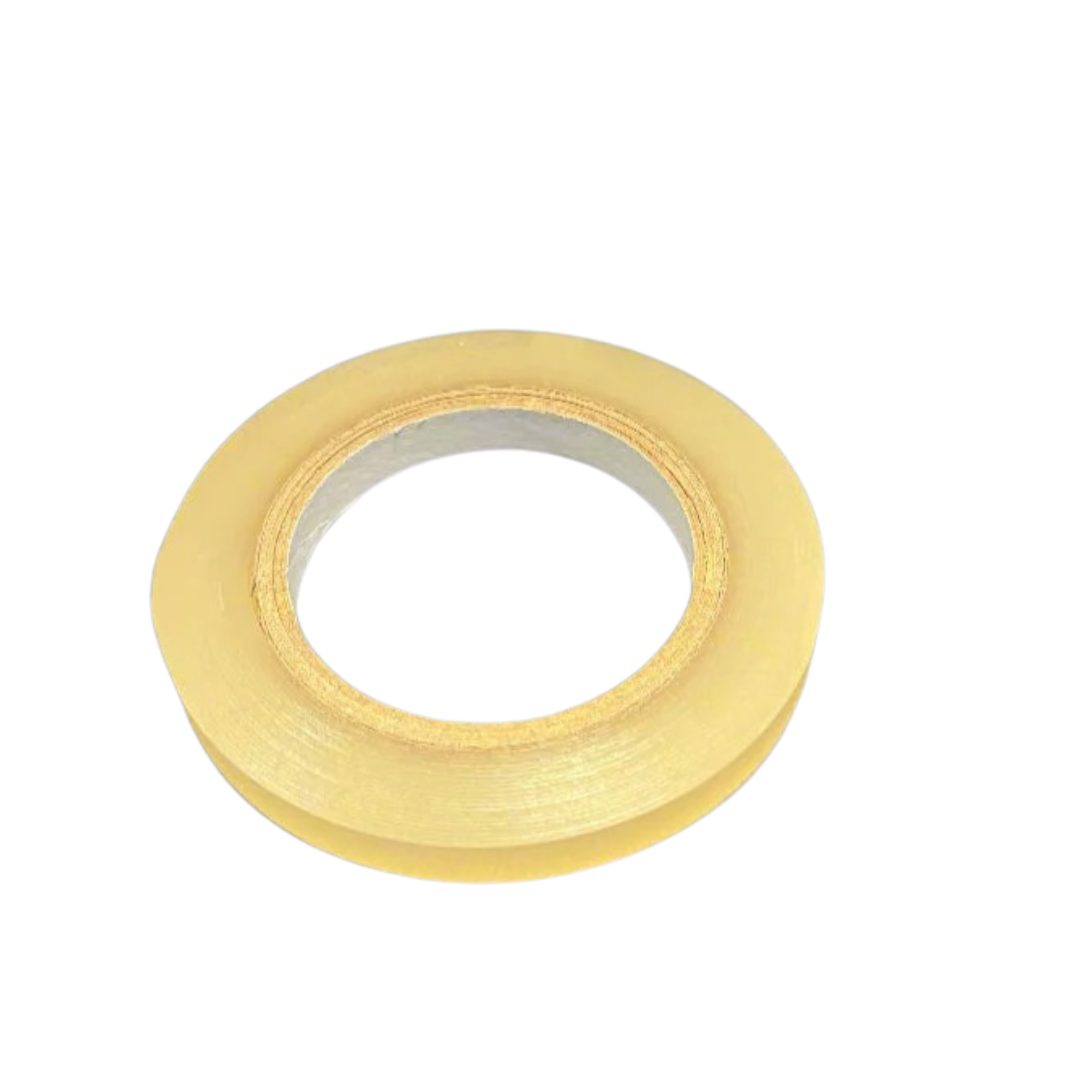
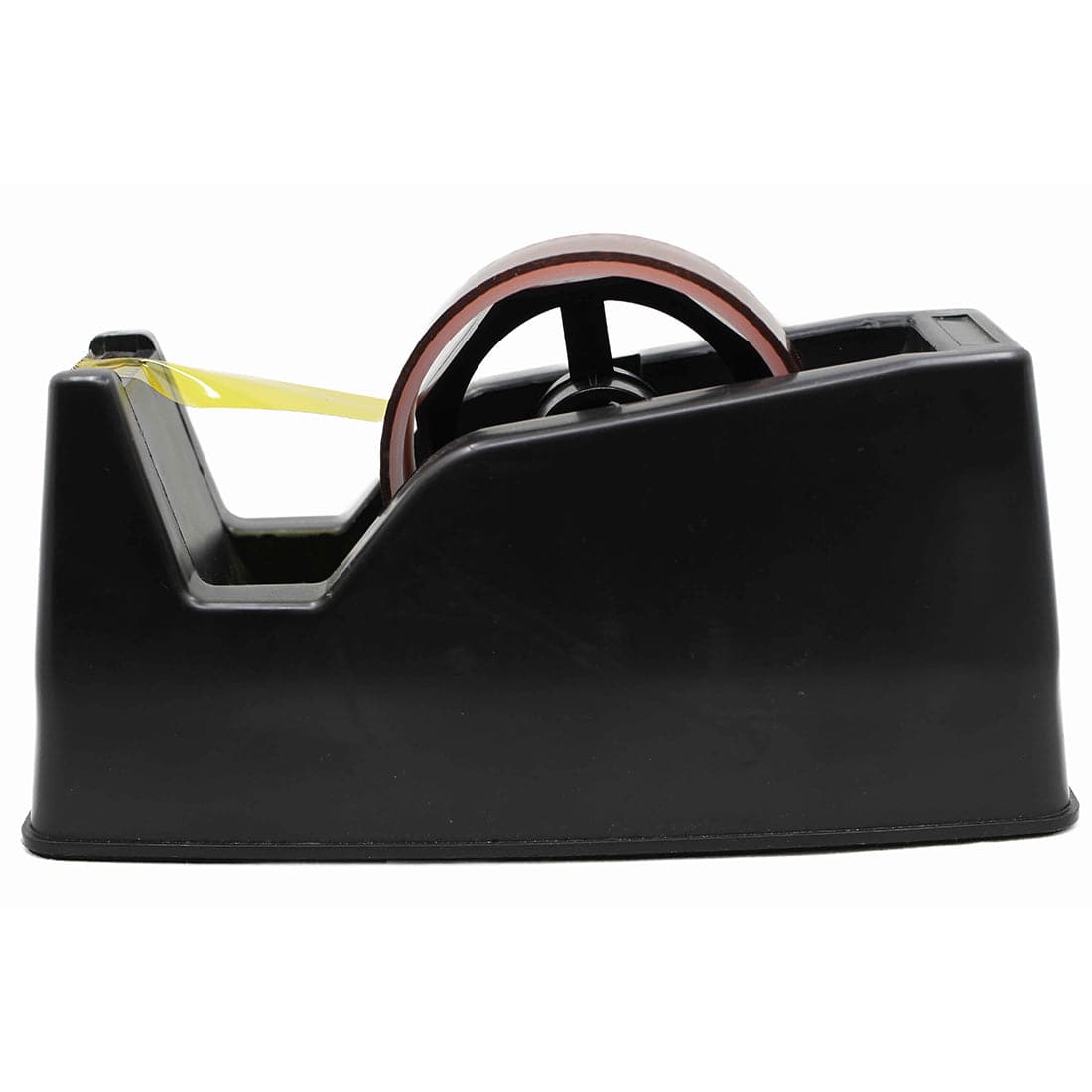
Use Heat-Resistant Tape Strategically: Secure corners and edges to prevent shifting, but don't over-tape-excessive tape can create pressure marks or uneven transfers.
Mirror Your Design: This is sublimation rule #1. Always flip artwork horizontally before printing, especially for text and directional graphics.
Test, Test, Test: Different polyester blends absorb ink differently. Run test prints on actual garment samples before committing to large orders.
Mind Your Margins: Leave 1-2 inches from seams and hems. Designs that cross stitching may transfer unevenly or fade in those areas.
Care and Maintenance of Sublimated Apparel
Sublimation creates permanent bonds, but proper care extends garment life:
Wash Inside Out: Protects the print surface from abrasion against other garments and washing machine drum.
Cold Water Only: Heat can gradually dull polyester fibers. Wash in cold water with mild, dye-free detergent.
Skip the Dryer: Air drying prevents heat exposure and preserves fabric integrity. If using a dryer, select low heat and remove promptly.
No Bleach or Fabric Softener: Both can damage polyester fibers and affect ink vibrancy over time.
Properly cared for, sublimated apparel maintains photo-quality color for hundreds of washes-often outlasting the garment itself.
Troubleshooting Common Apparel Issues
Ghosting (Double Images)
- Cause: Transfer paper shifted during pressing or moisture caused ink to bleed.
- Fix: Use more tape, pre-press longer to remove all moisture, and peel immediately after pressing.
Faded or Patchy Colors
- Cause: Insufficient pressure, too-low temperature, or moisture in fabric.
- Fix: Verify press temperature with a heat gun, increase pressure slightly, and ensure complete pre-pressing.
Seam Lines Visible Through Design
- Cause: Uneven surface during pressing.
- Fix: Always use a pressing pillow inside the garment to create a flat surface.
Color Shifting Between Fabrics
- Cause: Different polyester types (performance vs fashion blends) absorb ink differently.
- Fix: Maintain consistent blank suppliers and run color tests when switching brands.
Stretch Marks on Activewear
- Cause: Over-pressing stretch fabrics.
- Fix: Reduce pressure slightly and avoid over-heating elastic-content garments.
Creative Business Applications for Sublimated Apparel
Team Sports & Uniforms: Custom jerseys with full-color logos, player names, numbers, and sponsor graphics. No setup fees mean profitable short runs for recreational leagues.
Corporate Apparel: Company polos, event shirts, and branded activewear for employee gifts or trade show giveaways.
Fashion & Retail Brands: All-over print t-shirts, athleisure collections, and limited-edition drops. Sublimation enables on-demand production without inventory risk.
Event Merchandise: Concerts, festivals, family reunions, and fundraisers. Fast turnaround for personalized or date-specific designs.
Youth & Kids Lines: Vibrant, durable prints perfect for active children. Baby onesies with custom graphics are popular for gifts and boutique retailers.
Frequently Asked Questions
Can I sublimate on cotton shirts?
Not directly. Sublimation requires polyester to bond. Cotton fibers don't absorb sublimation ink. For cotton printing, consider DTF (Direct to Film) or screen printing instead.
What's the best polyester percentage for vibrant prints?
100% polyester delivers the most vibrant, permanent results. Blends above 65% work but produce a softer, vintage look. Below 65%, colors appear washed out.
Can I sublimate on hoodies with zippers?
Yes, but avoid designs that cross the zipper. Use a swing-away press for better clearance and insert a pillow to prevent transfer bleed-through.
Do I need different settings for performance fabrics?
Slightly. Performance fabrics with spandex may require reduced pressure to avoid stretch marks. Always test first on actual garment samples.
How do I prevent seam marks when pressing shirts?
Use a heat-resistant pressing pillow inside the garment to create an even surface. This prevents seams from creating impressions or uneven color transfer.
Why does my sublimation print look faded before pressing?
This is normal. Sublimation ink appears muted on paper. Heat activates the dye and brings colors to life during the pressing process.
Ready to Start Sublimating Apparel?
Sublimation offers unmatched versatility for custom apparel-from team uniforms to fashion collections. By choosing quality polyester garments, mastering preparation techniques, and understanding fabric-specific considerations, you'll produce professional results that keep customers coming back.
Explore premium sublimation printers, heat presses, and high-quality polyester apparel at Joto Imaging Supplies. Get expert guidance and supplies tailored for your sublimation success.