

































































The custom printing business is booming, and competition is rising just as fast.
In North America, the custom T-shirt printing market alone is expected to grow from $2.89 billion in 2023 to over $5 billion by 2032, driven by demand for personalized products across events, gifting, and small business branding.
At the same time, buying behavior is changing. Customers are increasingly discovering products directly through social platforms. In the United States, social commerce sales are expected to reach $79.6 billion by 2025, as buyers turn to Instagram, Facebook, and TikTok for inspiration and even to place orders.
For print shop owners, this creates both an opportunity and a challenge: standing out in a crowded market.
Having the right equipment and materials is important, but today, visibility is just as critical. If potential customers never see your work, they cannot choose your business.
That’s where content strategy comes in.
A strong content strategy can help you:
- Attract the right type of customers, from hobbyists to corporate buyers
- Showcase what makes your shop unique: your quality, speed, and creativity
- Turn your social media, website, or WhatsApp profile into a consistent sales engine
This guide combines insights from real industry and marketing experience.
It was developed with contributions from Michael, a printing expert at Joto Imaging Supplies, who also runs his own gift store and distributes customized products to more than 200 retail locations, and Juan Yepes, a digital marketing strategist recognized among the Top 15 Marketers in Vancouver with more than 17 years of experience helping businesses grow through digital strategy and content marketing.
Together with Joto Imaging Supplies’ 37+ years in the printing industry, this perspective combines practical production knowledge with modern marketing strategy.
Whether you operate a home-based shop, a storefront, or an online printing business, this guide will walk you through 9 practical steps to build a content strategy that attracts customers, increases visibility, and drives consistent growth.
Let’s dive in.
1. Set Clear Content Goals
Before posting anything, whether it’s a product photo, a behind-the-scenes video, or a quick printing tip, ask yourself one simple question:
What do I want this content to achieve?
Content should move your business forward. Without clear goals, posting becomes random and results are difficult to measure.
When your content has a clear objective, it becomes a tool for growth, not just a social media update.
Common content goals for print shops
Print businesses often create content to:
- Increase custom orders (t-shirts, mugs, tote bags, or promotional products)
- Drive traffic to an online store or catalog
- Promote seasonal campaigns like holidays or school events
- Attract small businesses that need branded merchandise
- Build awareness within a local community
The key is to define goals that are specific and measurable.
Use the SMART framework
One useful approach is the SMART goal framework, which ensures your objectives are clear and achievable.
Your goals should be:
- Specific – Know exactly what you want to accomplish
- Measurable – Track progress with numbers
- Achievable – Keep expectations realistic
- Relevant – Align with your business goals
- Time-bound – Set a deadline
Examples of SMART content goals
For example:
- Generate 30 WhatsApp inquiries in 30 days from posts about custom mugs
- Increase visits to your online catalog by 20% over the next three months
- Boost Instagram reel views by 40% before the holiday season
When every piece of content has a clear job to do, your marketing becomes more strategic and far more effective.
2. Know Your Ideal Customer
You cannot create effective content if you don’t know who you’re speaking to.
Many print shop owners try to reach “everyone,” but when you talk to everyone, you end up connecting with no one.
Instead, focus on the types of customers who are most likely to buy from you.
Who buys from print shops?
In most markets, print businesses typically serve several common customer groups.
Understanding these segments helps you create content that speaks directly to their needs.
Hobbyists and DIY crafters: People who enjoy personalizing products for fun or selling small batches online. They respond well to tutorials, creative ideas, and new product inspiration.
Gift shoppers: Customers looking for unique personalized items for birthdays, holidays, or special occasions. Emotional storytelling and product demonstrations work particularly well for this group.
Small businesses: Local brands that need custom merchandise such as shirts, mugs, tote bags, or packaging. They value reliability, professional results, and clear pricing.
Event organizers: Weddings, conferences, trade shows, and school events often require bulk orders. These customers need help visualizing how products will look and how quickly they can be delivered.
Teams and clubs: Sports teams, schools, and community organizations want consistent branding and quality products for their members.
Other print shops or resellers: Some businesses outsource work or buy blanks from suppliers. Educational content and behind-the-scenes production videos can build trust with this audience.
How to identify your core audience
If you're unsure who your ideal customer is, start by looking at your existing data.
Ask yourself:
- What types of products sell the most?
- Where do most of my customers come from?
- What questions appear most often in my DMs or WhatsApp messages?
You can also gather insights directly from your audience by using Instagram polls, story questions, or simple customer surveys.
Once you understand who your best customers are, your content becomes more relevant, more engaging, and far more likely to generate orders.
3. Define Your Core Brand Messages
Your core messages are the key ideas you want customers to remember about your business.
They answer three simple questions:
- Who are you?
- What do you do?
- Why should someone trust you?
In a competitive market, customers rarely choose based on price alone. They also look for businesses that feel reliable, professional, and authentic.
Clear messaging helps create that perception.
Why consistent messaging matters
Strong messaging allows you to:
- Stand out from other print shops
- Build trust with new customers
- Create a recognizable brand voice
- Reinforce your value over time
When customers repeatedly see the same themes in your posts, videos, and product descriptions, your brand becomes easier to remember.
Examples of strong messages for print shops
Some examples of effective core messages include:
- “We help small businesses look professional with custom merch and packaging.”
- “Fast, high-quality custom printing for gifts, events, and everyday ideas.”
- “Handcrafted printing with real customer support and zero guesswork.”
You don’t need dozens of messages. In fact, two or three strong statements are often enough.
The key is consistency.
Use your core messaging across your:
- Instagram bio
- website headline
- product videos
- email newsletters
- social media captions
Over time, this repetition helps customers associate your brand with specific strengths.
4. Audit Your Existing Content
Before creating new content, take a moment to evaluate what you already have.
A content audit helps you understand what is working, what can be improved, and what may no longer represent your brand effectively.
This process saves time and ensures you build your strategy around real performance data rather than guesswork.
Step 1: Create a content inventory
Start by listing the content you have published during the past 6 to 12 months.
Include items such as:
- Instagram posts
- TikTok or YouTube videos
- blog articles
- product photos
- email newsletters
You may be surprised at how much material already exists.
Step 2: Analyze performance
Next, review your analytics to see what resonates most with your audience.
Look for patterns such as:
- Which posts received the most engagement?
- What content generated direct messages or inquiries?
- Which formats performed best: photos, videos, or carousels?
These insights reveal the types of content that truly drive interest.
Step 3: Identify improvement opportunities
Once you understand what works, you can improve your content strategy by:
- Updating older posts with stronger visuals or captions
- Repurposing content into new formats (for example, turning a blog post into a carousel)
- Removing outdated or low-quality material that no longer reflects your brand
Tools that can help
Several simple tools make this process easier:
- Instagram Insights / Meta Business Suite for engagement data
- Google Analytics for website traffic
- Customer feedback from emails, WhatsApp, or direct messages
A content audit provides clarity. Instead of guessing what to post next, you can focus on the formats and topics that already resonate with your audience.
5. Plan Strategic Content Activities
Once your goals, audience, and messaging are clear, the next step is deciding what type of content you will create.
Posting randomly often leads to inconsistent results. Instead, plan content that supports your business goals and helps customers understand what you offer.
For print shops, some types of content tend to perform especially well because the work is highly visual and process driven.
High impact content ideas for print shops
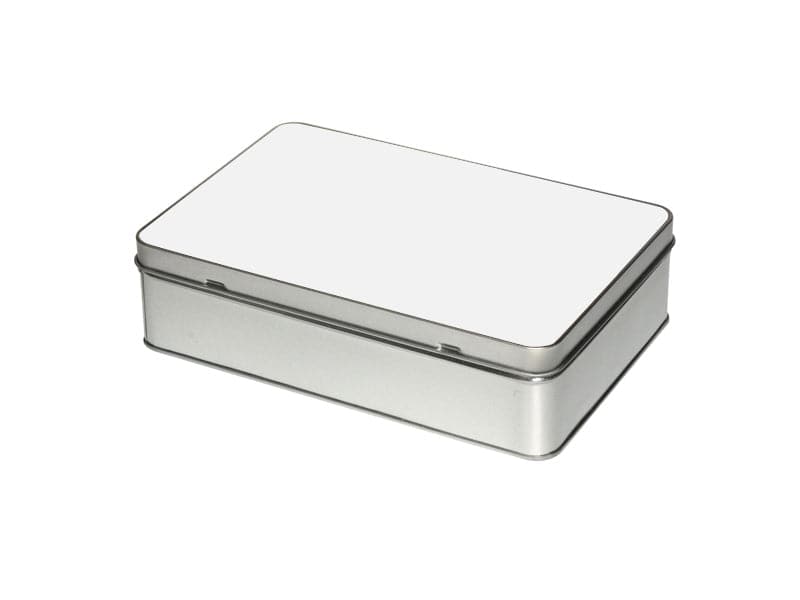
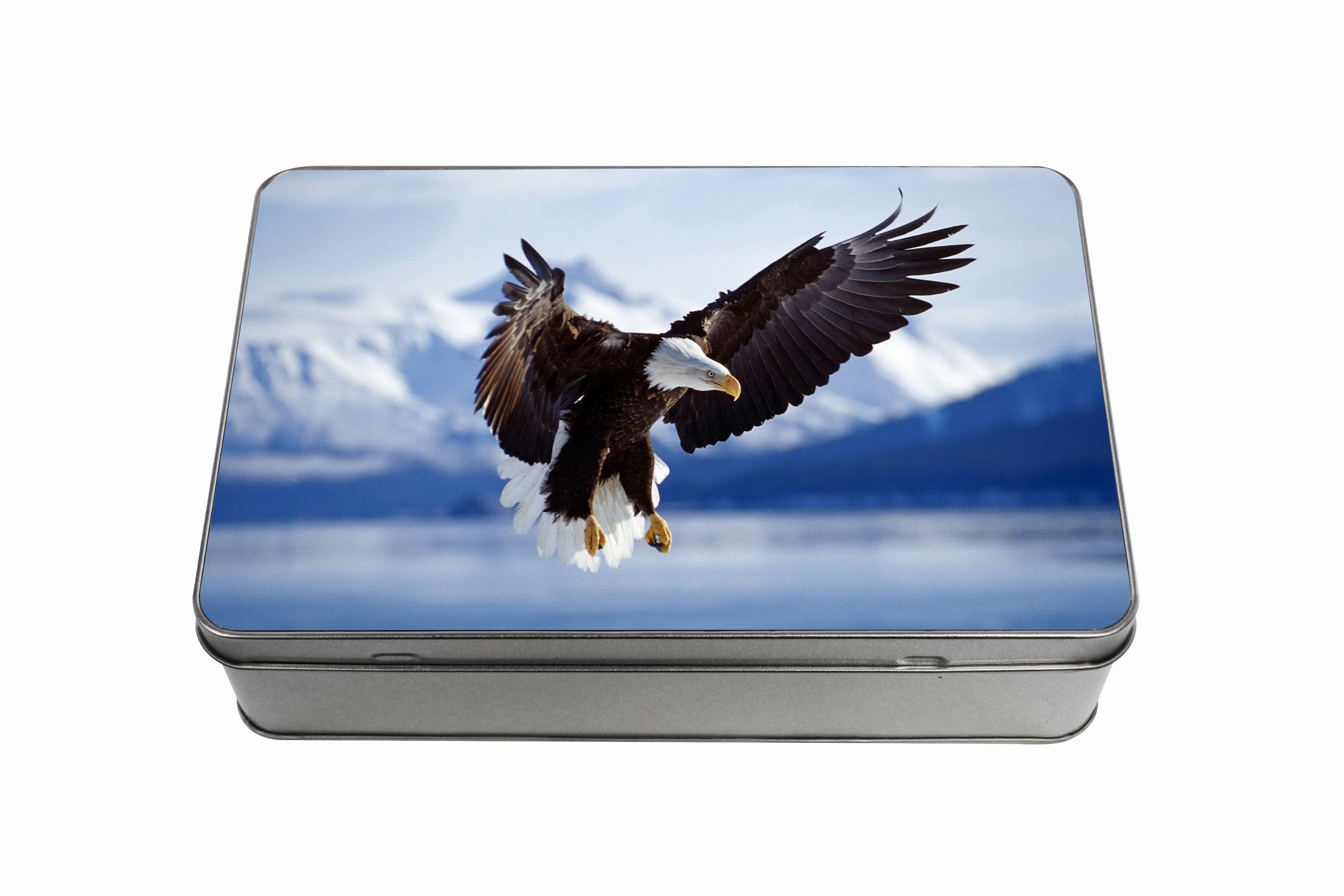
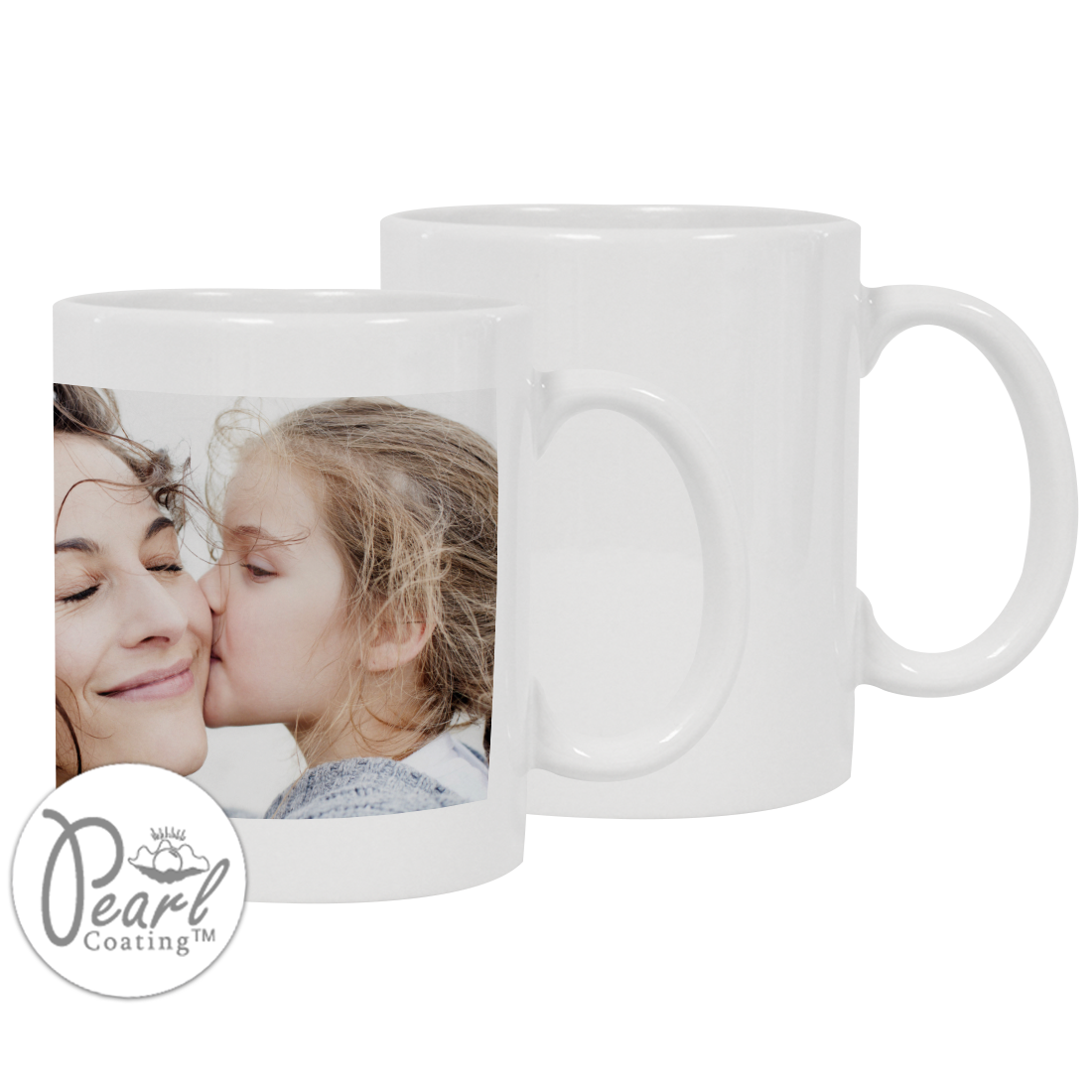
Before and after transformations: Show the journey from blank product to finished item. For example, display a plain mug beside the final sublimated version. These comparisons quickly demonstrate the value of your work.
Behind the scenes videos: Short clips of your heat press in action, packaging orders, or preparing designs help customers see the real process behind your products. This builds trust and authenticity.
FAQ or educational posts: Many potential customers have questions before ordering. Creating content that answers common questions can reduce hesitation.
Examples include:
- Can sublimated shirts be washed in hot water
- What is the turnaround time for custom orders
- Which materials work best for sublimation
Seasonal promotions: Seasonal content can drive quick sales. Examples include Father’s Day gifts, graduation merchandise, or holiday themed products.
Customer testimonials: If a client shares a positive review or sends a photo of their order, ask permission to repost it. Real customer experiences are powerful proof of quality.
Interactive content: Polls, questions, and design comparisons can increase engagement. For example:
- Which design do you prefer
- What product should we print next
Keep your content realistic
You do not need expensive equipment to create effective content. A smartphone, good lighting, and consistent posting are enough to build visibility over time.
The goal is to create a healthy mix of:
- Educational posts
- Promotional posts
- Behind the scenes content
This balance keeps your audience engaged while also guiding them toward placing an order.
6. Build a Content Calendar
Consistency is one of the most important factors in successful content marketing.
A content calendar helps you stay organized and ensures that your posts support your overall business goals.
Without a plan, content tends to become reactive instead of strategic.
How often should print shops post
A practical starting point is two to three posts per week. This frequency allows you to stay visible without overwhelming your schedule.
Focus on quality and relevance rather than posting every day.
Example weekly structure
A simple structure might look like this:
- Monday: Printing tip or behind the scenes content
- Wednesday: Product showcase or customer order
- Friday: Customer story, promotion, or seasonal product
This format keeps your content varied while still maintaining a predictable rhythm.
Tools for managing your calendar
You do not need complicated software to manage a content calendar. Many print shops use simple tools such as:
- Google Sheets or Excel
- Trello boards
- Notion workspaces
- Meta Business Suite for scheduling posts
Another useful tip is to leave 10 to 20 percent of your calendar open. This allows space for spontaneous posts such as trending sounds, new product ideas, or customer shout outs.
A calendar does not make your content rigid. It simply helps you stay prepared.
7. Create Visual and Useful Content
Printing is a visual business. Customers want to see what you produce before they decide to buy.
Your content should achieve two goals at the same time:
- Show the quality of your work
- Help customers make confident purchasing decisions
Content formats that work well
Product showcases: Display finished products such as mugs, shirts, puzzles, or packaging items. Show different angles and real world uses so customers can imagine owning the product.
Process clips: Short videos showing the printing process can be extremely engaging. A quick clip of pressing a shirt or removing a finished transfer gives viewers confidence in your production quality.
Customer tips: Educational content helps position you as an expert. Examples include:
- How to wash printed garments properly
- Choosing the best fonts for mug designs
- Why sublimation works best on polyester
Carousel posts: Carousel images are excellent for explaining processes or showing product variations. For example, you could show each stage of producing a custom shirt.
User generated content: Photos from happy customers provide social proof and demonstrate how products are used in real life.
Simple production tips
You do not need a professional studio. Focus on a few simple principles:
- Use clean backgrounds
- Ensure lighting is bright and even
- Keep images sharp and clear
- Include captions that explain the product and invite action
Clear visuals combined with useful information can turn casual viewers into paying customers.
8. Optimize Your Content for Search
Even the best content will not help your business if people cannot find it.
Search Engine Optimization, often called SEO, helps your content appear in search results when potential customers look for printing services or product ideas.
You do not need to be a technical expert to apply basic SEO principles.
Use keywords your customers search for
Think about the phrases customers might type when looking for your services.
Examples include:
- custom t shirts for events
- sublimation mug printing near me
- affordable heat press for beginners
- personalized gifts for birthdays
Use these phrases naturally in your:
- page titles
- blog headings
- product descriptions
- social media captions
- hashtags
Optimize your images
Images play a major role in printing businesses, but search engines cannot interpret photos without additional information.
To improve visibility:
- Use descriptive file names such as custom sublimation mug instead of image001
- Add clear alt text describing the product in the photo
- Include relevant keywords naturally within the description
For example:
Alt text: Custom sublimation mug printed with full color design for corporate branding.
Why SEO matters
More than half of online traffic begins with a search. That means potential customers are already looking for printing services, personalized products, and custom merchandise.
When your content is optimized correctly, your print shop has a much better chance of appearing exactly when customers are ready to buy.
9. Distribute Your Content
Creating content is only part of the process. If no one sees it, it cannot generate business.
Distribution ensures your content reaches the places where your customers already spend their time.
Best channels for print shops
Instagram and Facebook: These platforms are ideal for showcasing visual products. Focus on reels, stories, product highlights, and pinned posts.
WhatsApp Business: Many print shops successfully manage orders through WhatsApp. Status updates and quick replies can help you stay visible and respond efficiently.
TikTok: Short videos showing the production process can reach large audiences quickly. Process based content often performs well on this platform.
Email marketing: Building an email list allows you to stay connected with past customers. You can send updates such as new product launches, seasonal promotions, or helpful printing tips.
Local communities and groups: Facebook groups, local forums, and community networks can help you reach customers nearby. Focus on being helpful and sharing knowledge rather than aggressively promoting products.
Organic versus paid promotion
Organic content builds trust and long term relationships with your audience.
Paid advertising can increase visibility quickly, especially during seasonal campaigns or product launches.
Combining both approaches can help print shops grow faster while maintaining credibility.
Conclusion
Running a print shop today requires more than just the right equipment.
It requires the ability to show your work, build trust, and stay visible to potential customers.
That is exactly what a strong content strategy allows you to do.
When you:
- Set clear goals
- Understand your audience
- Create helpful and visually engaging content
- Share it on the platforms where your customers spend time
- Track what works and improve over time
You transform content into a consistent marketing engine for your business.
You do not need a full marketing department. What matters most is having a clear plan, maintaining consistency, and showing the value of your work.
At Joto Imaging Supplies, we have spent more than 37 years helping printing businesses grow by providing the equipment, materials, and expertise needed to succeed in this industry.
Whether you are starting your first printing business or expanding an established shop, combining the right tools with the right marketing strategy can make a significant difference.