


















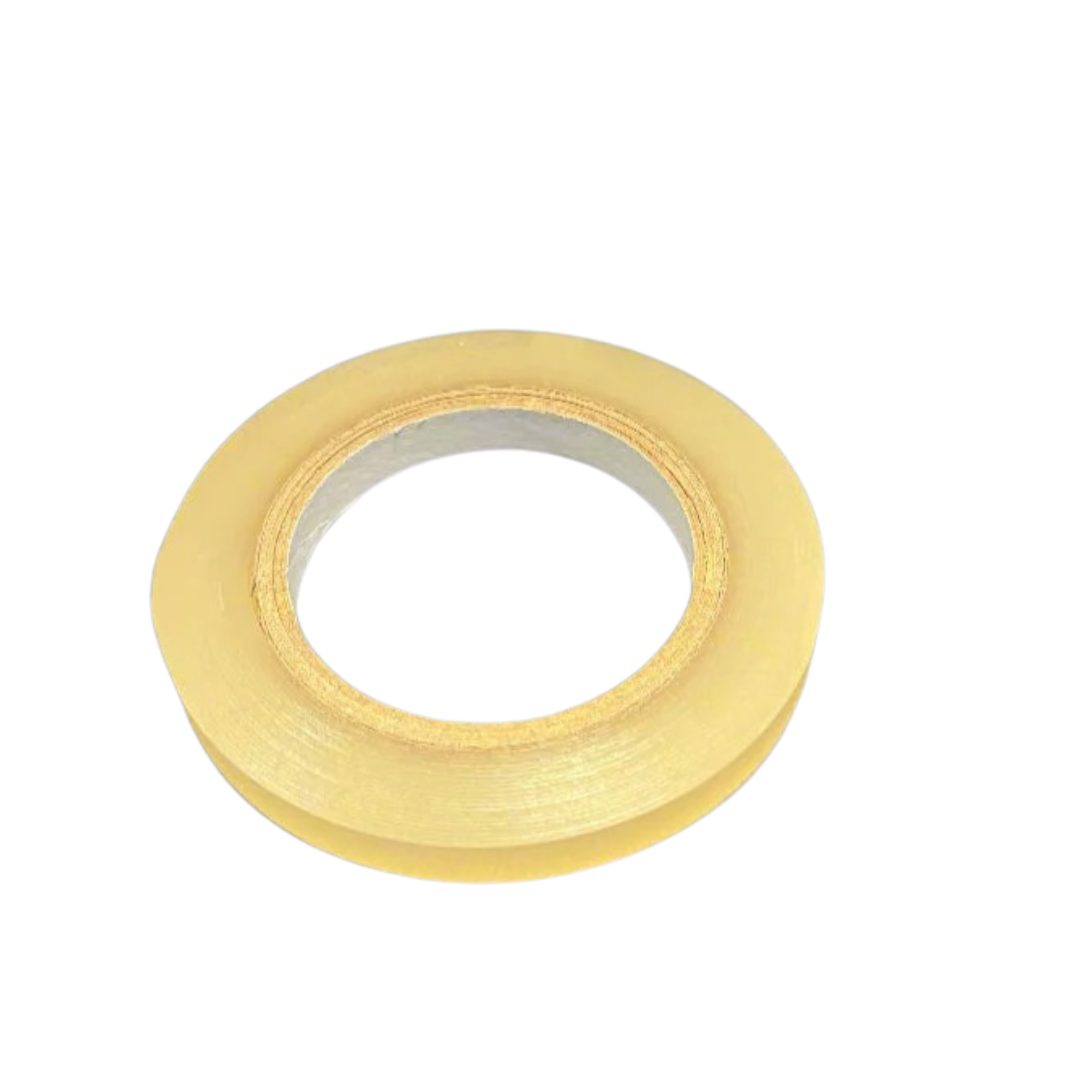
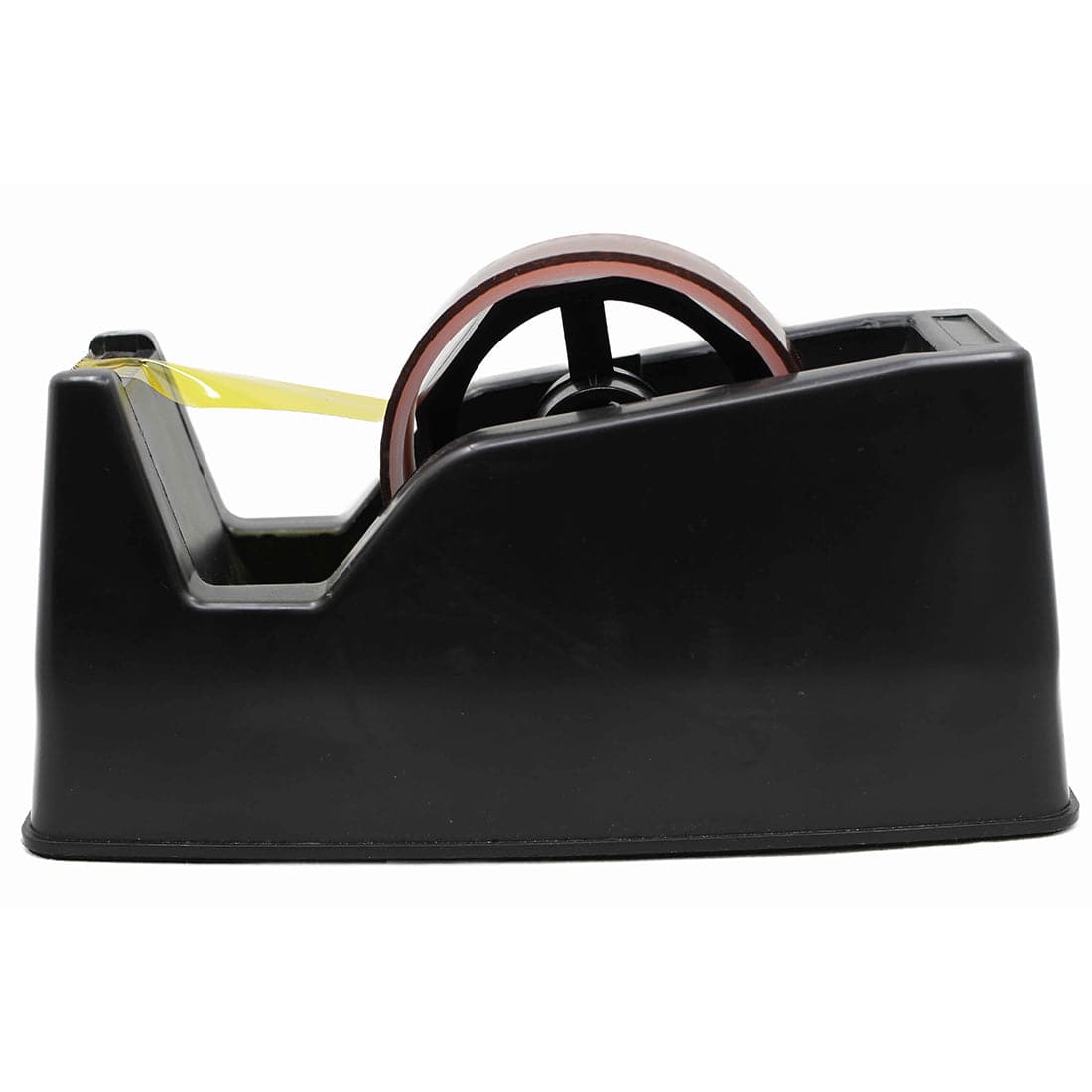





















Heat-resistant tape for sublimation must withstand temperatures up to 400°F without leaving residue, maintain strong adhesion during transfer, and release cleanly from substrates afterward.
The tape acts as a critical control element in the sublimation system, preventing print movement that causes ghosting, color bleeding, and registration failures that destroy transfer quality and waste materials.
Finding the right heat tape solves three operational problems that directly impact production efficiency and material costs. First, inadequate adhesion allows prints to shift during transfer, creating ghosted edges and misaligned designs that render the substrate unusable. Second, excessive adhesive bonding damages substrate surfaces during tape removal, particularly on delicate materials like polyester fabric and powder-coated aluminum. Third, temperature-intolerant tapes melt onto heat press platens or leave yellow discoloration marks on finished products, requiring costly cleanup and material replacement.
This guide compares six heat-resistant tape brands across adhesion strength, temperature tolerance, residue performance, and substrate compatibility. You will learn which tapes work best for different substrates, how tape width affects workflow efficiency, and what adhesive characteristics prevent the most common transfer failures in sublimation production.

Why Heat-Resistant Tape Matters in Sublimation Workflow
Heat-resistant tape serves as the physical anchor in the sublimation transfer system. During the heat press cycle, sublimation dye transitions from solid to gas at approximately 375-400°F under medium pressure for 45-60 seconds. Any movement during this phase causes the gaseous dye to deposit outside intended boundaries, creating ghost images and blurred edges that cannot be corrected post-transfer.
The tape must perform three simultaneous functions. It must hold the sublimation print flat against the substrate surface with enough force to prevent any shift during platen closure and heat application. It must maintain adhesive integrity at peak transfer temperatures without melting, degrading, or transferring adhesive compounds onto the substrate. It must release cleanly after cooling without tearing substrate coatings, pulling fibers, or leaving sticky residue that attracts dust and contaminants.
Standard office tape, masking tape, and painter's tape all fail at sublimation temperatures. Office tape adhesives melt between 150-180°F, creating sticky residue that bonds permanently to substrates and platens. Masking tape loses adhesion above 200°F, allowing prints to shift mid-transfer. Painter's tape releases prematurely under pressure, defeating its purpose as an anchor. Heat-resistant tape formulations use silicone-based or acrylic adhesives specifically engineered to maintain performance at 400°F and above.
Heat-Resistant Tape Performance Requirements
Temperature Tolerance
Sublimation transfer operates at 400°F for polyester fabric and soft substrates, with hard substrates like mugs and tumblers often requiring 380-400°F depending on coating specifications. Heat tape must maintain full structural integrity and adhesive function at these temperatures for the entire dwell time, typically 45-60 seconds for standard transfers and up to 90 seconds for thick or multi-layer substrates.
Temperature tolerance failures manifest in three ways. The tape backing material degrades, becoming brittle and fragmenting during removal, leaving pieces stuck to the substrate that require manual scraping. The adhesive layer melts and migrates, creating a liquid film that spreads beyond tape boundaries and bonds to substrate surfaces. The adhesive undergoes chemical breakdown that produces discoloration, typically yellow or brown marks that permanently stain white or light-colored substrates.
Adhesion Strength Balance
Effective heat tape requires balanced adhesion. Insufficient adhesion allows the sublimation print to shift during platen closure or heat application, even with proper pressure settings. This movement creates registration errors where design elements no longer align correctly, particularly problematic in multi-color designs or text-heavy graphics where even 1-2mm shifts cause visible quality failures.
Excessive adhesion creates different problems. Over-aggressive adhesives bond too strongly to delicate substrate surfaces, pulling powder coating off aluminum panels, tearing fibers from polyester fabric, or removing ceramic glazes from mugs during tape removal. This substrate damage cannot be repaired and results in complete product loss. The ideal adhesion strength holds firmly during transfer but releases with moderate pulling force after cooling.
Residue-Free Release
Residue-free performance depends on adhesive chemistry and substrate compatibility. Silicone-based adhesives generally leave less residue than acrylic formulations but may not provide sufficient initial tack for lightweight paper or thin films. Acrylic adhesives offer stronger bonding but require careful formulation to prevent residue transfer at elevated temperatures.
Residue contamination affects both product quality and production workflow. Sticky residue on finished products attracts lint, dust, and fingerprints, degrading visual appearance and requiring additional cleaning steps that add labor time. Residue buildup on heat press platens creates hot spots that cause uneven temperature distribution in subsequent transfers, leading to inconsistent color density and transfer quality. Regular platen cleaning with adhesive removers becomes necessary, adding maintenance costs and equipment downtime.
Heat-Resistant Tape Comparison: Six Brand Analysis
The following comparison evaluates six heat-resistant tape brands across critical performance metrics for sublimation applications. Testing methodology included transfers on polyester fabric (t-shirts), hard polymer substrates (mouse pads), ceramic mugs, and stainless steel tumblers at 400°F with 60-second dwell time at medium pressure.
| Brand | Adhesion Strength | Temperature Rating | Residue Performance | Best Substrate Match | Dispenser Compatibility |
|---|---|---|---|---|---|
| Joto Heat Tape | Strong initial tack, clean release | 450°F continuous | No residue on all tested substrates | Universal - fabric, hard substrates, curved surfaces | Standard dispenser (3/4" width) |
| Craft Express Wide Tape (4-pack) | Very strong hold, firm removal required | 425°F continuous | Minimal residue on hard substrates, clean on fabric | Hard substrates, high-volume production | Wide format dispenser (1.5" width) |
| Generic 10mm rolls (2-pack) | Moderate adhesion, occasional lift | 380°F rated | Light residue on ceramic, clean on fabric | Soft substrates, low-temperature applications | Standard dispenser (narrow width) |
| YTFGGY Heat Tape | Light initial tack, requires pressure | 400°F rated | No residue but adhesion inconsistent | Lightweight papers, temporary holds | Standard dispenser |
| HTVRONT Heat Tape | Good balance, reliable performance | 400°F continuous | No residue on tested substrates | General purpose, mixed substrate workflows | Standard dispenser |
| Uxcell Heat Resistant Tape | Strong hold, difficult removal | 500°F rated (industrial grade) | Occasional residue on powder-coated surfaces | Extreme temperature applications, industrial use | Standard dispenser |
Joto Heat Tape Performance Analysis
Joto Heat Tape demonstrates consistent performance across all tested substrate types with particular strength in fabric applications where clean release prevents fiber damage. The adhesive formulation provides immediate tack upon application, eliminating the need for burnishing or repeated pressing to achieve secure bonding. Removal after transfer requires moderate pulling force, releasing cleanly without tearing substrate surfaces or leaving adhesive residue.
Temperature testing at 450°F for 90 seconds showed no adhesive breakdown, backing degradation, or discoloration transfer to white polyester fabric. The 3/4-inch width fits standard tape dispensers and provides adequate coverage for most sublimation print sizes without requiring multiple parallel tape strips. The tape remains flexible after cooling, preventing cracking or fragmenting during removal from curved surfaces like tumblers and mugs.
Craft Express Wide Tape Characteristics
Craft Express tape uses a wider 1.5-inch format that covers larger print areas with fewer strips, reducing application time in high-volume production environments. The strong adhesive formulation bonds aggressively to hard substrates, making it particularly effective for aluminum panels and rigid polymer products where print shifting causes immediate quality failures.
The aggressive adhesion requires careful technique during removal. Pulling too quickly can stress substrate coatings, particularly on powder-coated aluminum where the adhesive can create micro-tears in the coating layer. Slow, steady peeling at a low angle prevents damage. The wider format requires a dedicated dispenser; standard tape dispensers cannot accommodate the 1.5-inch width.
Generic and Budget Tape Performance
Lower-cost generic tapes, including the 10mm two-pack and YTFGGY options, show acceptable performance for low-volume hobbyist use but exhibit inconsistent adhesion that creates risk in production environments. These tapes often require multiple application attempts to achieve secure bonding, and adhesion can fail during platen closure on lightweight or smooth substrates.
The 380°F temperature rating on generic tapes provides minimal safety margin for standard sublimation transfers. Extended dwell times or temperature variations above 400°F cause adhesive softening that allows print movement or creates sticky residue. For operations running single-piece projects or low-stakes transfers where material waste is acceptable, these options reduce consumable costs but increase failure rates.

Substrate-Specific Application Techniques
Polyester Fabric and Soft Substrates
Fabric substrates require tape application that prevents fiber distortion while maintaining print registration. Apply tape to the paper backing of the sublimation print first, then position the entire assembly onto the fabric surface. This sequence prevents the tape from pulling fabric fibers during application and ensures the print maintains proper tension against the substrate.
For t-shirts and apparel, tape all four edges of the print plus one center strip if the design exceeds 8 inches in any dimension. The center strip prevents paper buckling that occurs when fabric stretches slightly under heat and pressure. Remove the tape immediately after transfer while the fabric remains warm but not hot to touch; this timing allows easier release while the adhesive remains slightly softened.
Hard Substrates: Mugs, Tumblers, Aluminum
Hard substrate transfers require tape placement that accommodates thermal expansion and curved geometries. For cylindrical objects like mugs and tumblers, apply tape strips perpendicular to the cylinder axis rather than parallel. This orientation allows the tape to flex with the curve without creating tension points that lift the print away from the surface.
Aluminum panels and flat hard substrates benefit from perimeter taping with 1-inch overlap at corners. The corner overlap prevents the print from lifting during heat application when the substrate expands slightly. Allow hard substrates to cool completely before tape removal; pulling tape from hot metal or ceramic can transfer residual heat to adhesive that softens and increases residue risk.

Mouse Pads and Polymer Products
Polymer substrates like mouse pads require minimal tape coverage due to their flexible nature and lower transfer temperatures. Two tape strips along opposite edges provide sufficient hold for prints up to 10 inches. Over-taping polymer products can create pressure marks where the tape edge forms a ridge under heat press pressure.
Mouse pad transfers typically use 380-390°F rather than the standard 400°F to prevent polymer degradation. This lower temperature reduces stress on heat tape adhesives and extends the viable range for lower-rated tapes. Remove tape while the mouse pad remains slightly warm to prevent adhesive bonding that increases with cooling time.

Common Heat Tape Problems and Solutions
Print Shifting and Ghosting
Print shifting occurs when adhesion fails during platen closure or heat application. The most common cause is insufficient tape coverage; prints larger than 6 inches in any dimension require edge taping plus at least one center support strip. Another frequent cause is tape application over wrinkled or buckled paper, which creates air gaps that allow movement under pressure.
To prevent shifting, smooth the sublimation print completely flat before applying tape. Use a squeegee or firm card edge to eliminate any waves or buckles in the paper. Apply tape with firm pressure, pressing down the entire length to ensure full contact. For critical transfers where any ghosting is unacceptable, apply tape strips at 3-inch intervals across the entire print area.
Residue and Discoloration Marks
Yellow or brown discoloration marks indicate adhesive chemical breakdown at high temperatures. This typically occurs with tapes rated below 400°F or when transfer temperatures exceed the tape's specification range. The discoloration permanently stains light-colored substrates and cannot be removed with standard cleaning methods.
Prevent discoloration by verifying tape temperature rating matches or exceeds your heat press settings. If using 400°F transfers, select tape rated for 425°F minimum to provide safety margin. For substrates requiring 380°F or less, lower-rated tapes work acceptably, but avoid extending dwell times beyond specifications. Sticky residue without discoloration usually indicates tape applied to hot substrates or removed too quickly from warm surfaces; allow cooling to reduce residue risk.
Substrate Surface Damage
Tape removal damage appears as pulled fibers on fabric, lifted powder coating on aluminum, or ceramic glaze cracks on mugs. Over-aggressive adhesives cause most damage, but removal technique also affects outcomes. Pulling tape perpendicular to the substrate surface creates maximum stress on coatings and fibers; instead, peel tape at a low angle, keeping it close to the substrate plane.
For delicate substrates, warm the tape slightly with a heat gun set to low before removal. The gentle warming softens the adhesive without activating residue transfer, allowing easier release. If tape removal consistently damages specific substrates, switch to a lower-adhesion tape formulation designed for sensitive surfaces.
Tape Width Selection and Dispenser Compatibility
Heat-resistant tape comes in two primary width categories: standard narrow format (3/4 inch or 10mm) and wide format (1.5 to 2 inches). Width selection affects both application speed and cost efficiency in different production scenarios.
Standard 3/4-inch tape fits common desktop tape dispensers and provides sufficient coverage for most sublimation prints up to 11x17 inches. This width allows precise placement along print edges without excessive waste. Wide format tape reduces application time for large prints by covering more area per strip but requires dedicated dispensers and costs more per linear foot. For production environments processing 50+ transfers daily, wide format tape justifies the dispenser investment through faster throughput.
Roll length varies from 33 meters (108 feet) for standard consumer packs to 55 meters (180 feet) for bulk professional rolls. Calculate tape consumption based on average print size: an 8x10 print using perimeter taping consumes approximately 36 inches of tape. A 108-foot roll yields roughly 36 transfers at this size. High-volume operations benefit from bulk rolls that reduce reordering frequency and lower per-transfer costs.
Heat Tape Buying Decision Framework
| Production Scenario | Recommended Tape Type | Key Selection Criteria | Typical Cost Per Transfer |
|---|---|---|---|
| Hobbyist / Low Volume (1-10 transfers/week) | Standard 3/4" tape, 33m rolls | Clean release on fabric, standard dispenser compatibility | $0.15-0.25 |
| Small Business / Medium Volume (50-200 transfers/week) | Premium 3/4" tape, 55m bulk rolls | Zero residue, consistent performance, cost efficiency | $0.10-0.15 |
| Production Shop / High Volume (200+ transfers/week) | Wide format 1.5" tape, bulk rolls | Application speed, strong adhesion, bulk pricing | $0.12-0.18 |
| Mixed Substrate Workflow | Two tape types: standard for fabric, wide for hard substrates | Substrate-specific performance optimization | $0.12-0.20 |
Storage and Shelf Life Considerations
Heat-resistant tape adhesive performance degrades over time due to oxidation, moisture absorption, and temperature cycling. Proper storage extends usable life and maintains consistent adhesion characteristics.
Store tape in a climate-controlled environment between 60-75°F with relative humidity below 60%. High humidity causes adhesive softening that increases residue risk and reduces bond strength. Temperature extremes accelerate adhesive aging; storage above 90°F or below 40°F shortens shelf life significantly.
Keep tape in sealed containers or bags when not in use to minimize air exposure. Oxidation creates a surface film on the adhesive that reduces initial tack, requiring more pressure during application to achieve proper bonding. Most heat-resistant tapes maintain optimal performance for 18-24 months under proper storage conditions. Tape showing yellowing, brittleness, or dried adhesive should be replaced regardless of age.
Frequently Asked Questions
Can I use regular masking tape for sublimation transfers?
No. Regular masking tape adhesives fail between 150-200°F, well below sublimation transfer temperatures of 380-400°F. The adhesive melts and bonds permanently to substrates and heat press platens, creating cleanup problems and potential equipment damage. Heat-resistant tape uses silicone or high-temperature acrylic adhesives specifically formulated to maintain performance at 400°F and above.
Why does heat tape leave yellow marks on some substrates?
Yellow or brown marks indicate adhesive chemical breakdown when exposed to temperatures exceeding the tape's rating. This occurs most commonly with tapes rated below 400°F used at standard sublimation temperatures, or when dwell times extend beyond normal ranges. The discoloration permanently stains substrates and cannot be removed. Use tape rated at least 25°F above your maximum transfer temperature to prevent this issue.
How much heat tape should I use per transfer?
Apply tape around all edges of the sublimation print plus one center strip for prints larger than 8 inches in any dimension. An 8x10 print requires approximately 36 inches of tape for perimeter coverage. Larger 11x17 prints need 56 inches plus 11-17 inches for center support strips. Under-taping allows print movement that causes ghosting; over-taping wastes material without improving results.
Can heat-resistant tape be reused?
No. Heat-resistant tape is single-use. The heat exposure during transfer alters the adhesive chemistry, reducing bond strength and increasing residue risk on subsequent applications. The backing material may also become brittle after heating, causing it to tear or fragment. Fresh tape for each transfer ensures consistent adhesion and prevents quality failures from degraded materials.
What is the difference between heat tape and heat transfer tape?
Heat-resistant tape holds sublimation prints and HTV in place during heat press transfer. Heat transfer tape (application tape) transfers cut vinyl designs from backing sheets to final surfaces and is not used during heat press operations. The two products serve different functions in different workflows and are not interchangeable. Using heat transfer tape in a heat press will cause melting and adhesive failure.
How long is heat tape good for?
Heat-resistant tape maintains optimal performance for 18-24 months when stored in climate-controlled conditions between 60-75°F with humidity below 60%. After this period, adhesive oxidation and backing material degradation reduce reliability. Tape showing yellowing, brittleness, or dried adhesive should be replaced regardless of storage time. Tape exposed to temperature extremes or high humidity degrades faster and may become unreliable within months.