Skip to content
en
USD

Join Print Pulse Weekly and get exclusive deals, tips, and early product updates

Subscribe Now

OtterPro DTF

OtterPro DTF for Professional Apparel Print Businesses


Deliver Consistent, High-Opacity Transfers at Production Scale


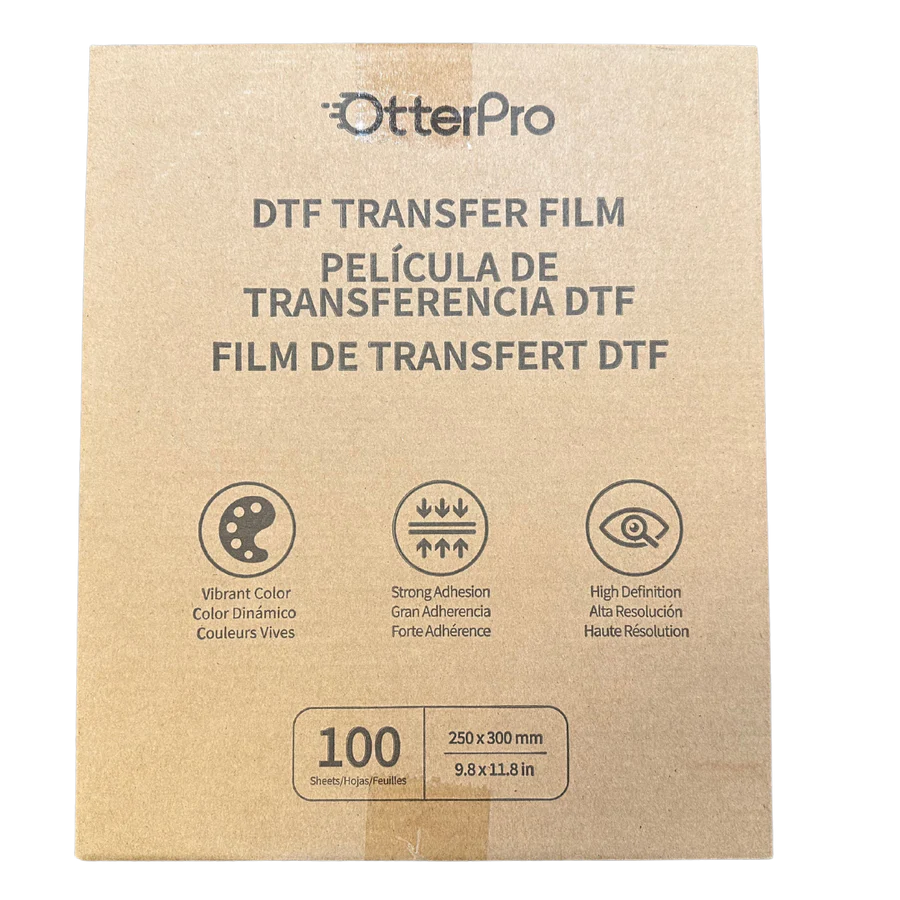
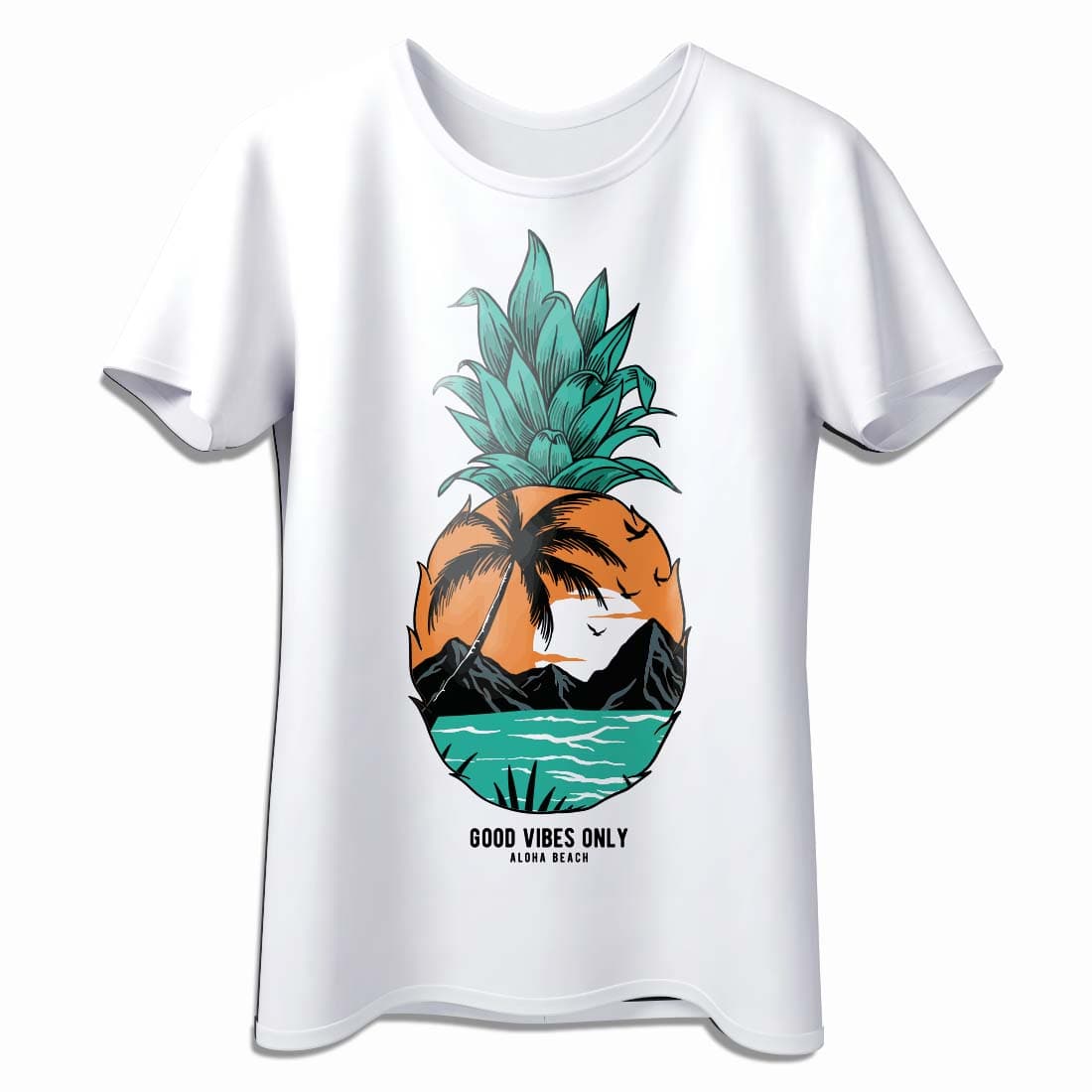
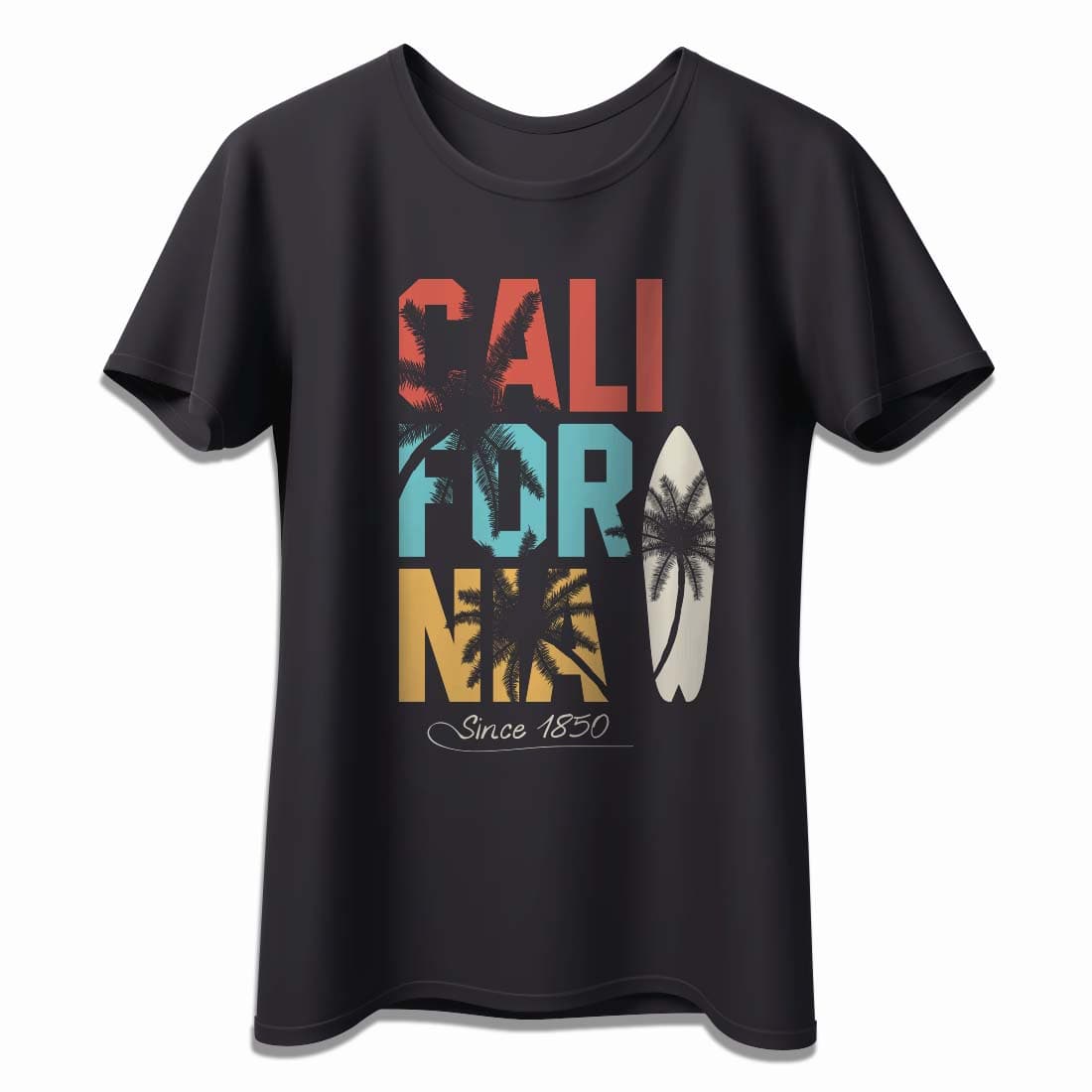
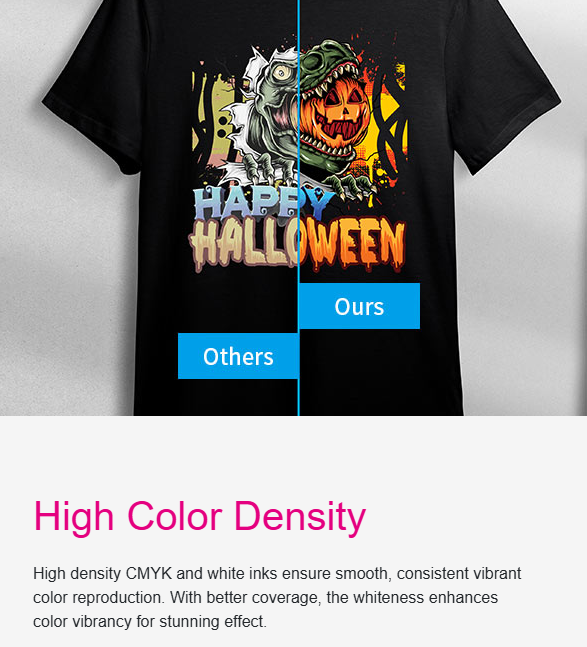
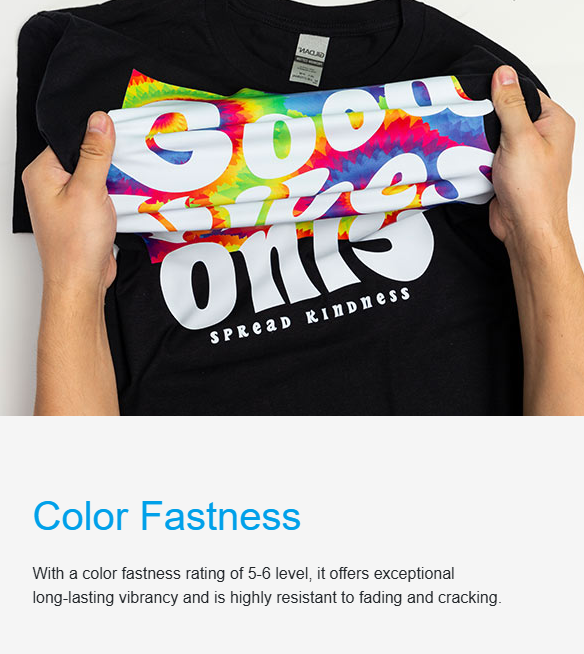
OtterPro DTF solutions are built for businesses producing custom apparel with vibrant color and strong white coverage. Designed for reliable film release and wash durability, they support efficient workflows and repeatable, retail-ready results.

Filter

5 products

  • Sort by

Frequently Asked Questions:

What are the primary applications for Joto's OtterPro DTF printing system?

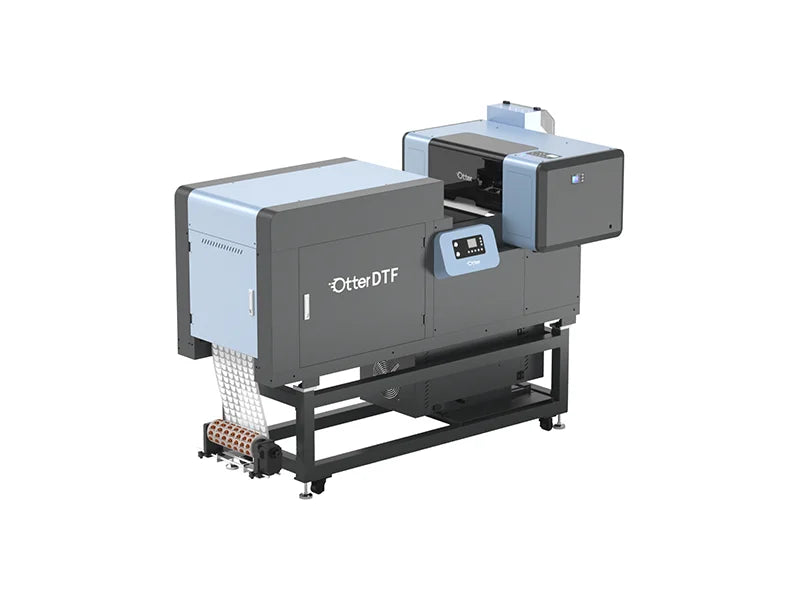
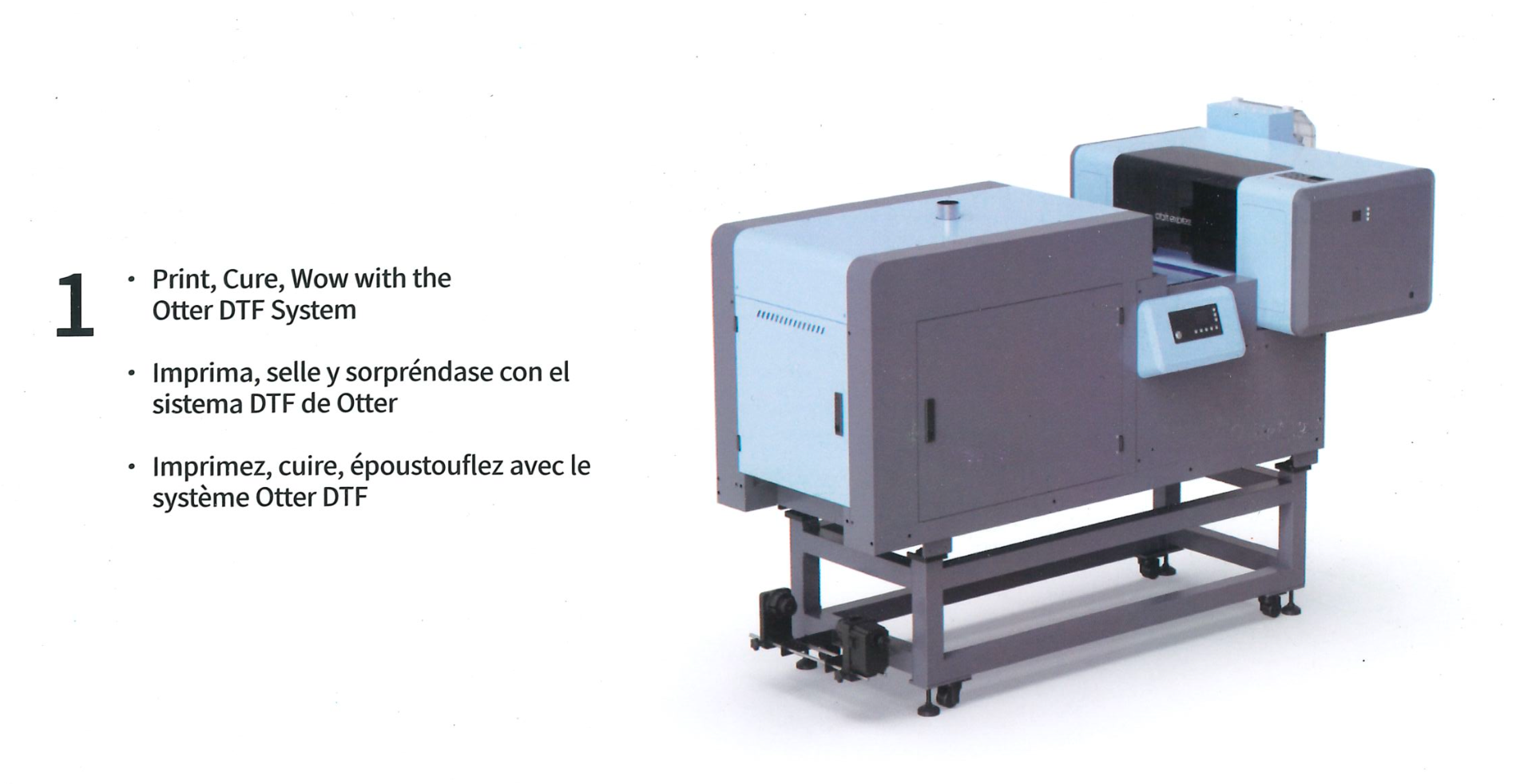
The OtterPro DTF printing system is engineered for high-efficiency production of full-color transfers compatible with a diverse range of textiles, including cotton, polyester, and performance blends. This all-in-one solution is ideal for creating custom apparel such as t-shirts, hoodies, and sportswear, as well as personalized accessories like tote bags and hats. By integrating printing, powder application, and curing into a streamlined workflow, the system allows businesses to achieve professional-grade, wash-resistant results with maximum productivity. Whether for small-batch custom orders or large-scale industrial runs, the OtterPro DTF system provides the versatility and reliability needed to expand branding capabilities.

What are the recommended fabric types and ink compatibility requirements for using the OtterPro DTF printing system?

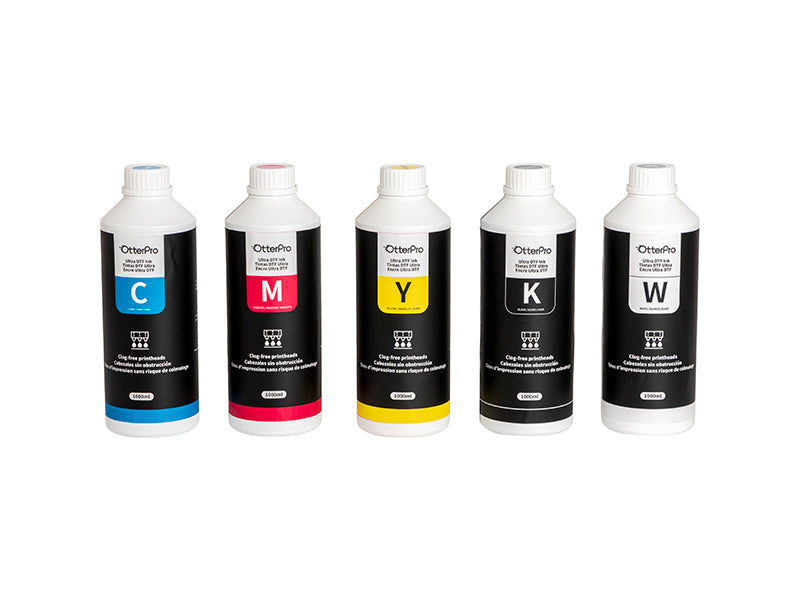
The OtterPro DTF printing system is engineered for exceptional versatility, supporting a wide range of fabrics including 100% cotton, polyester, poly-cotton blends, nylon, denim, and canvas. For optimal results, the system requires specialized OtterPro Ultra DTF pigment inks, which are water-based, eco-friendly, and formulated to ensure clog-free performance with Epson i3200 and XP600 printheads. These high-opacity inks work in tandem with TPU-based adhesive powders to provide vibrant color reproduction and superior stretch resistance on both light and dark textiles. By utilizing these compatible consumables, apparel decorators can achieve professional-grade, wash-fast transfers without the need for fabric pre-treatment.
How can I ensure the long-term durability and proper care of garments and prints produced with the OtterPro DTF system?

To ensure the long-term durability of garments produced with the OtterPro DTF system, allow the ink to fully cure for at least 24 to 48 hours before the first wash. Always launder decorated apparel inside out using cold water and a mild, bleach-free detergent to protect the high-density adhesive bond and maintain vibrant color density. For optimal results and to prevent cracking or peeling, air dry the garments or use a low-heat tumble setting, and never iron directly on the printed transfer area. Following these professional care protocols will preserve the exceptional stretchability and soft hand feel of your Direct-to-Film prints through repeated wash cycles.

How do you properly print, cure, and heat press designs using the OtterPro DTF system to ensure a professional and durable finish?

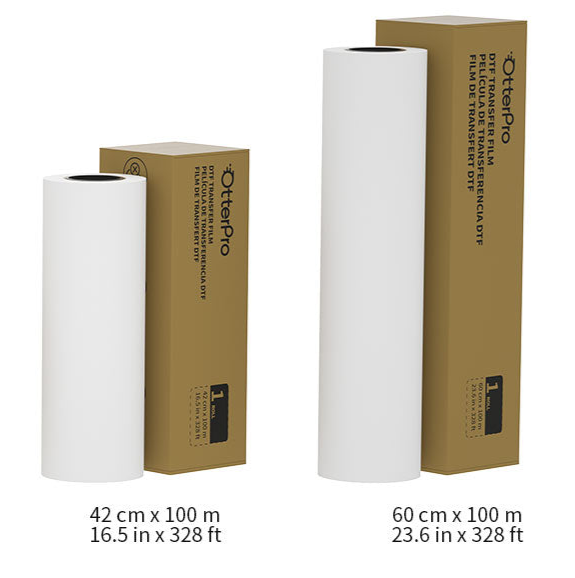
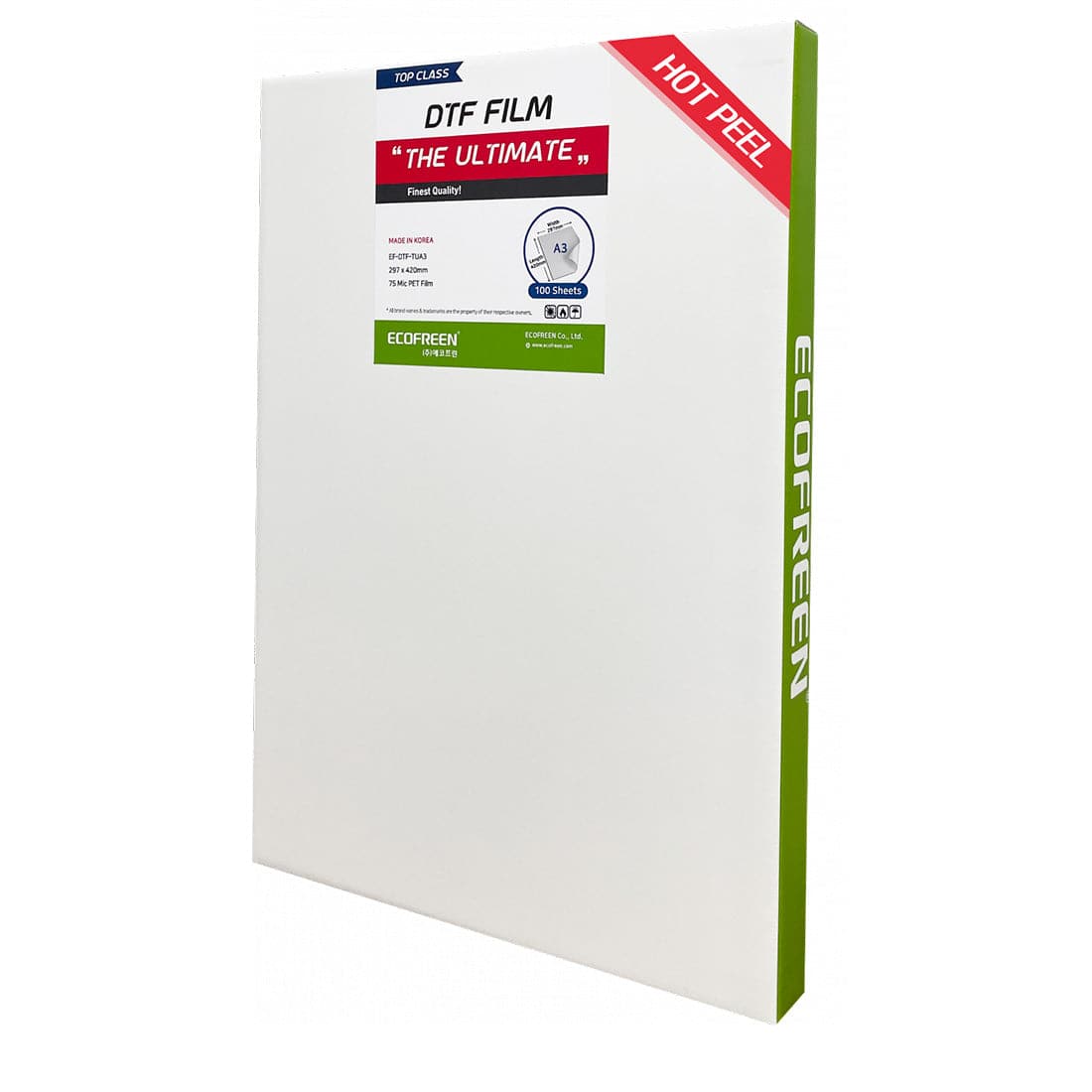
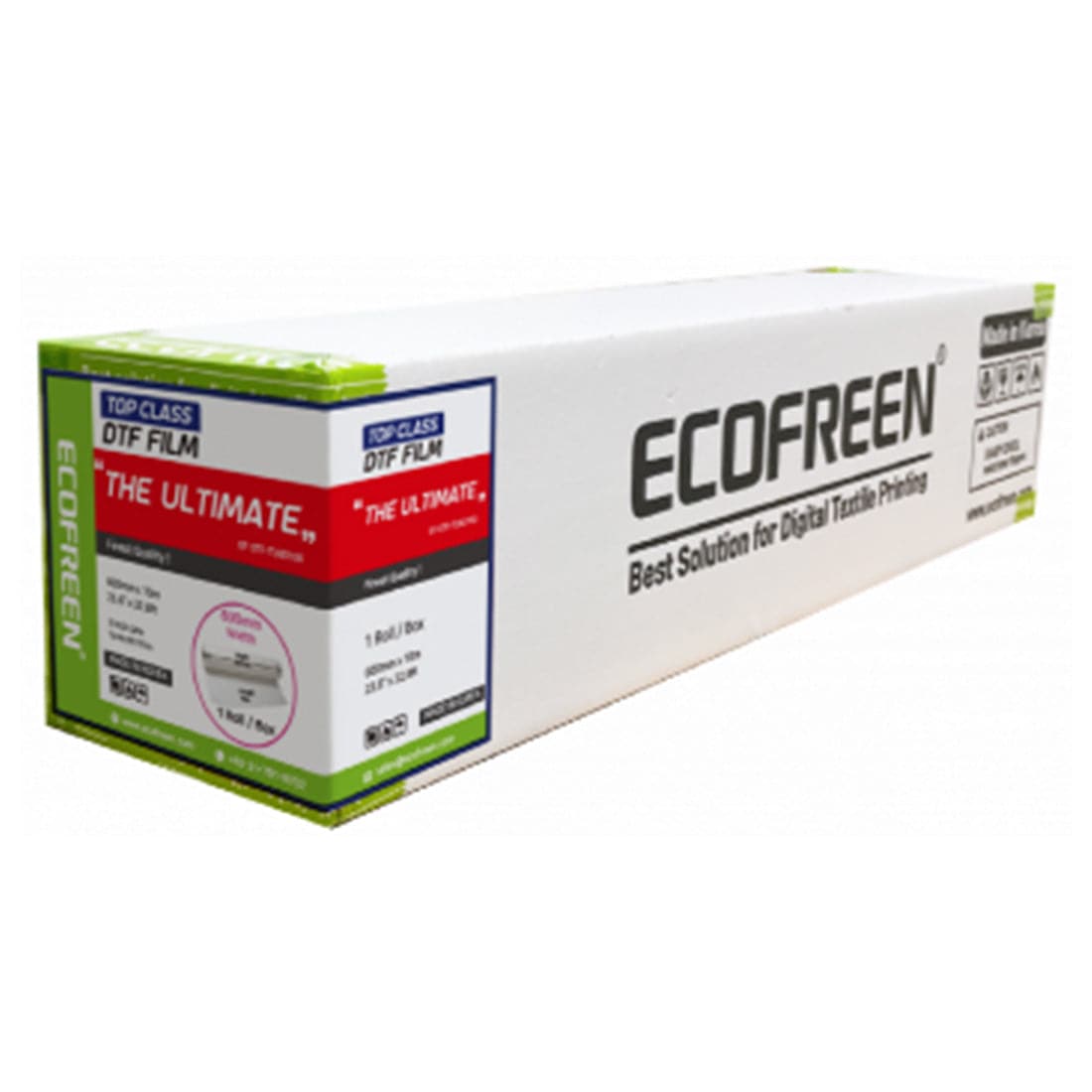
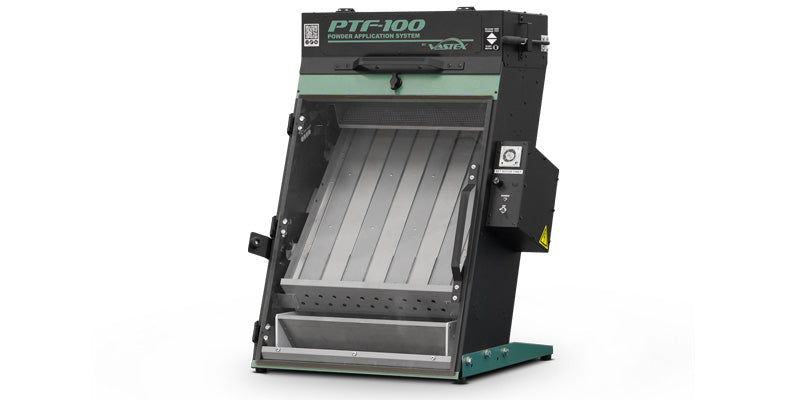
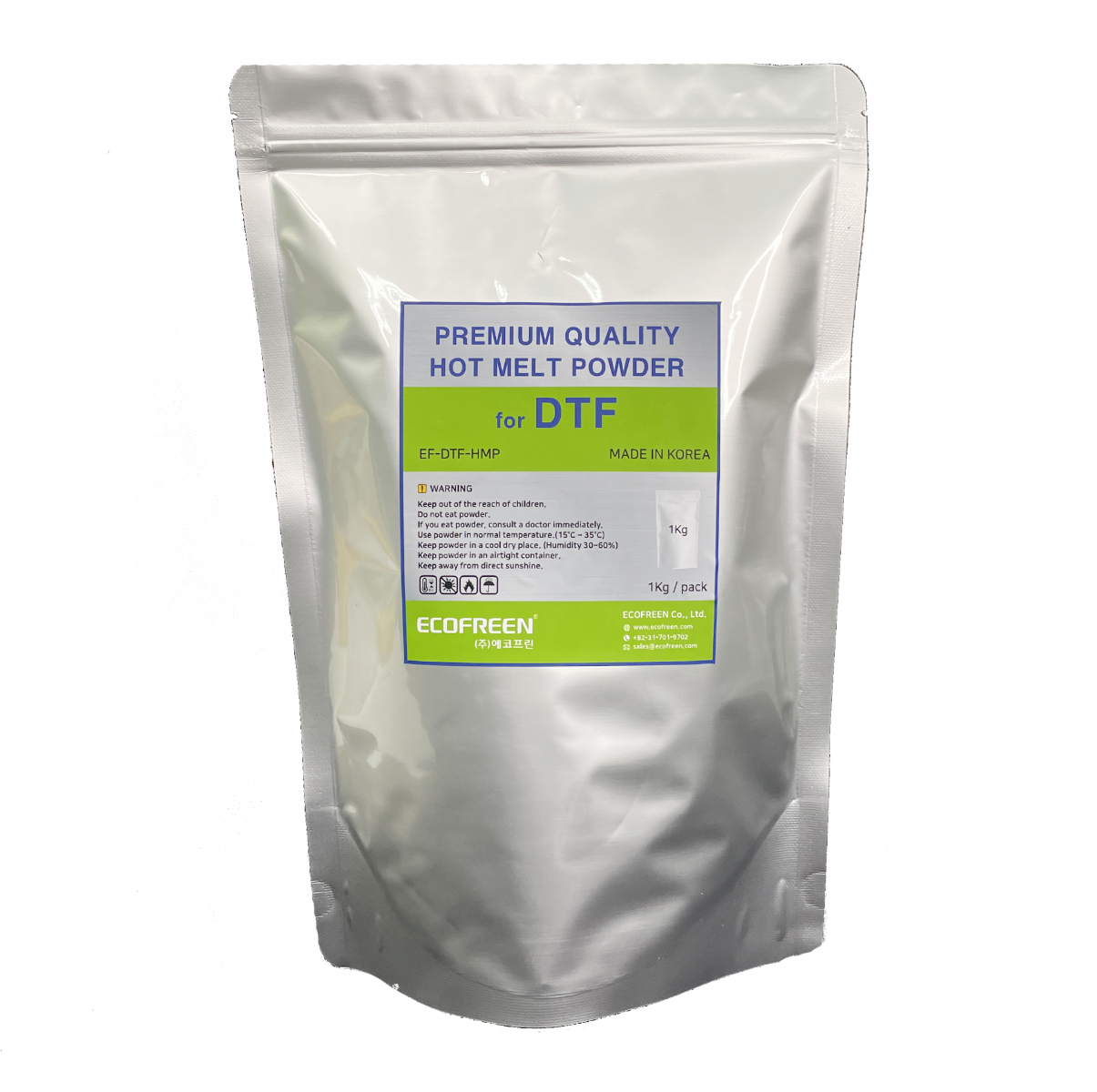
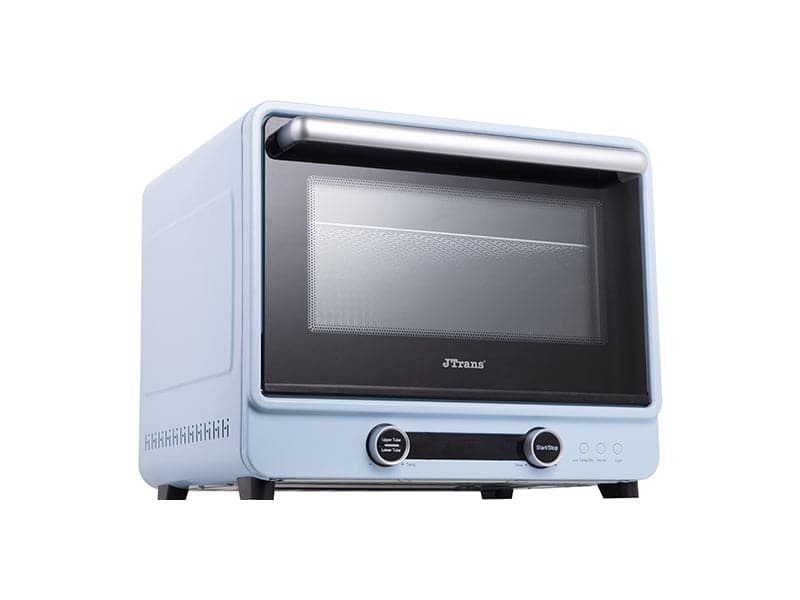
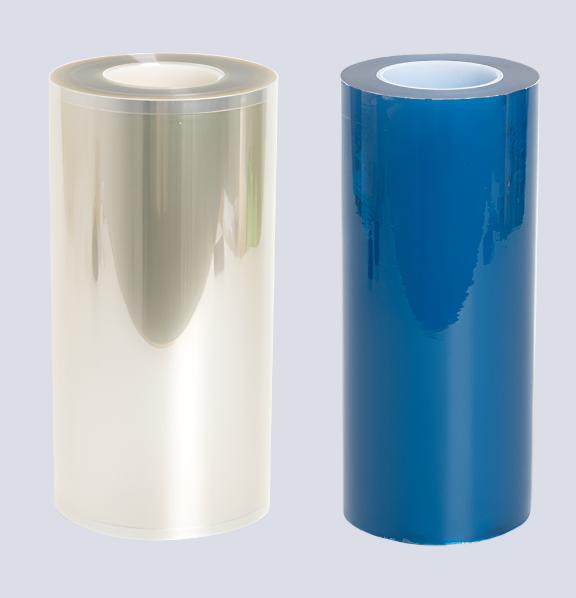
To achieve professional results with the OtterPro DTF system, begin by printing your design onto the specialized PET film using high-quality DTF inks and optimized color profiles. Immediately apply the TPU adhesive powder evenly over the wet ink and cure it in a dedicated DTF oven or under a heat press until the powder melts into a smooth, orange-peel texture. Finally, heat press the cured transfer onto your garment at 300°F to 320°F for 10 to 15 seconds with medium-to-firm pressure, allowing the film to cool completely before performing a cold peel for a durable, high-impact finish. This technical workflow ensures superior wash fastness and a soft hand feel for all your custom apparel projects.

What are the most common troubleshooting issues or mistakes to avoid when using the OtterPro DTF printing system to ensure optimal print quality and adhesion?

To ensure optimal results with the OtterPro DTF system, common mistakes to avoid include inadequate white ink circulation and improper curing temperatures, which can lead to clogged printheads or poor wash durability. It is essential to maintain a stable environment with humidity around 55% and perform regular nozzle checks to prevent banding and ink starvation during high-volume production. Additionally, always pre-press your garments to remove moisture and ensure even adhesive powder application to achieve professional-grade adhesion and vibrant color reproduction. Following these technical maintenance protocols and using high-quality consumables will maximize the efficiency and lifespan of your OtterPro DTF equipment.
How can I achieve professional-grade color vibrancy and print quality when using the OtterPro DTF printing system?

To achieve professional-grade color vibrancy with the OtterPro DTF printing system, it is essential to utilize high-resolution ICC profiles and OtterPro RIP software to ensure precise color management and ink density. Maintaining an optimal production environment with temperatures between 25-28°C and 50-60% humidity prevents ink settling and ensures consistent droplet placement from the Epson printheads. By combining premium OtterPro DTF inks with a resolution setting of at least 1440x720 DPI, you can maximize color gamut and achieve the high-impact results required for commercial garment decoration. Regular maintenance of the automatic white ink circulation system further guarantees flawless print quality and vibrant results across all textile substrates.
How can switching to the OtterPro DTF printing system improve my business's production efficiency and overall cost-effectiveness?

Switching to the OtterPro DTF printing system significantly enhances production efficiency by streamlining the transfer process and eliminating the need for time-consuming weeding or pretreatments. This advanced Direct to Film technology reduces labor costs and material waste while delivering high-resolution, durable prints on a wide variety of fabric types. By optimizing ink consumption and providing rapid turnaround times for both small and large-scale orders, the OtterPro system maximizes your business's overall cost-effectiveness and profit margins. Investing in this professional-grade DTF solution ensures consistent, high-quality output that meets the rigorous demands of the custom apparel industry.

What are the recommended storage conditions and safety precautions for OtterPro DTF equipment and supplies to ensure optimal performance?

To ensure optimal performance, OtterPro DTF equipment and supplies should be maintained in a climate-controlled environment with temperatures between 65°F and 77°F and humidity levels below 50% to prevent ink instability and powder clumping. Store PET films and printed transfers flat in airtight containers with silica gel packets and parchment paper interleaving to protect against moisture, dust, and premature adhesive activation. For safety, operators must wear appropriate personal protective equipment, including masks and gloves, and ensure the workspace is well-ventilated to mitigate risks from airborne powder particles and ink vapors. Regular maintenance, such as daily nozzle checks and weekly cleaning of the capping station, is critical to preserve the integrity of the PrecisionCore printheads and ensure consistent production quality.

How does OtterPro DTF printing compare to traditional screen printing or embroidery for high-quality garment decoration?

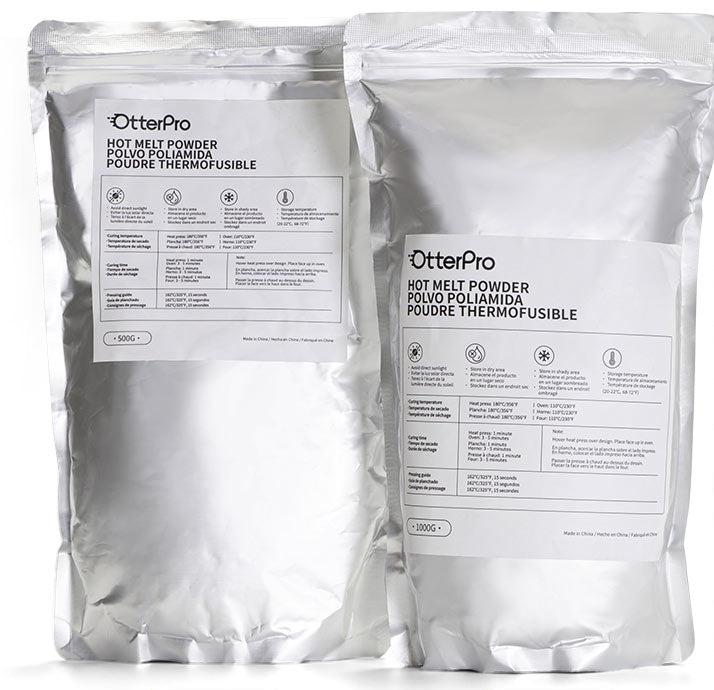
OtterPro DTF printing offers a highly versatile and cost-effective alternative to traditional screen printing and embroidery by enabling high-resolution, full-color designs without expensive setup fees or minimum order requirements. While screen printing excels in high-volume bulk orders and embroidery provides a premium tactile texture, our DTF system delivers superior detail, gradients, and photo-realistic quality on a wider variety of fabrics, including polyester and performance blends. By utilizing advanced adhesive powder and specialized inks, OtterPro ensures durable, vibrant transfers that maintain a soft hand feel and excellent wash resistance compared to the labor-intensive processes of digitizing or screen preparation. This streamlined digital workflow maximizes production efficiency for small-to-medium runs while providing the professional-grade results modern apparel decorators demand.

How can you fine-tune white ink circulation intervals and humidity levels to prevent printhead clogging and ensure optimal ink flow during high-volume production with the OtterPro DTF system?

To prevent printhead clogging in the OtterPro DTF system, configure the white ink circulation intervals to activate every 30 to 60 minutes to maintain pigment suspension and prevent sedimentation. It is essential to maintain an optimal production environment with relative humidity levels between 40% and 60% to ensure consistent ink viscosity and prevent the drying of ink at the nozzle plate. During high-volume production, regularly monitor these environmental parameters and perform automated cleaning cycles to ensure uninterrupted ink flow and superior transfer quality. By fine-tuning these technical settings, users can maximize the longevity of the printheads and achieve reliable results with Joto’s professional DTF solutions.

aaa

Drawer Title

Similar Products