










Skip to content
en
USD

Score a Goal With the Best Prices

Shop Now

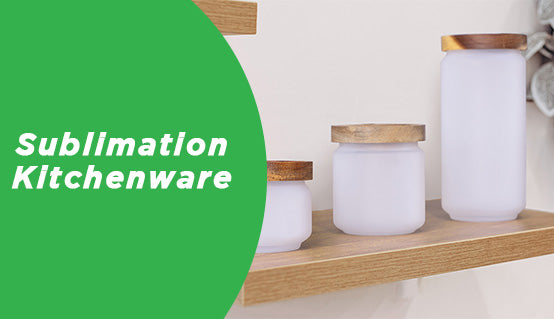
Sublimation Kitchenware

Sublimation Kitchenware for Custom Product Businesses


Produce Branded and Personalized Culinary Merchandise


Shop sublimation kitchenware blanks designed for businesses creating custom gifts, promotional products, and branded home items. Built for consistent coating quality and vibrant transfers, these products help ensure retail-ready results across repeat production runs.
Filter

21 products

  • Sort by

Frequently Asked Questions:

What is sublimation kitchenware used for?

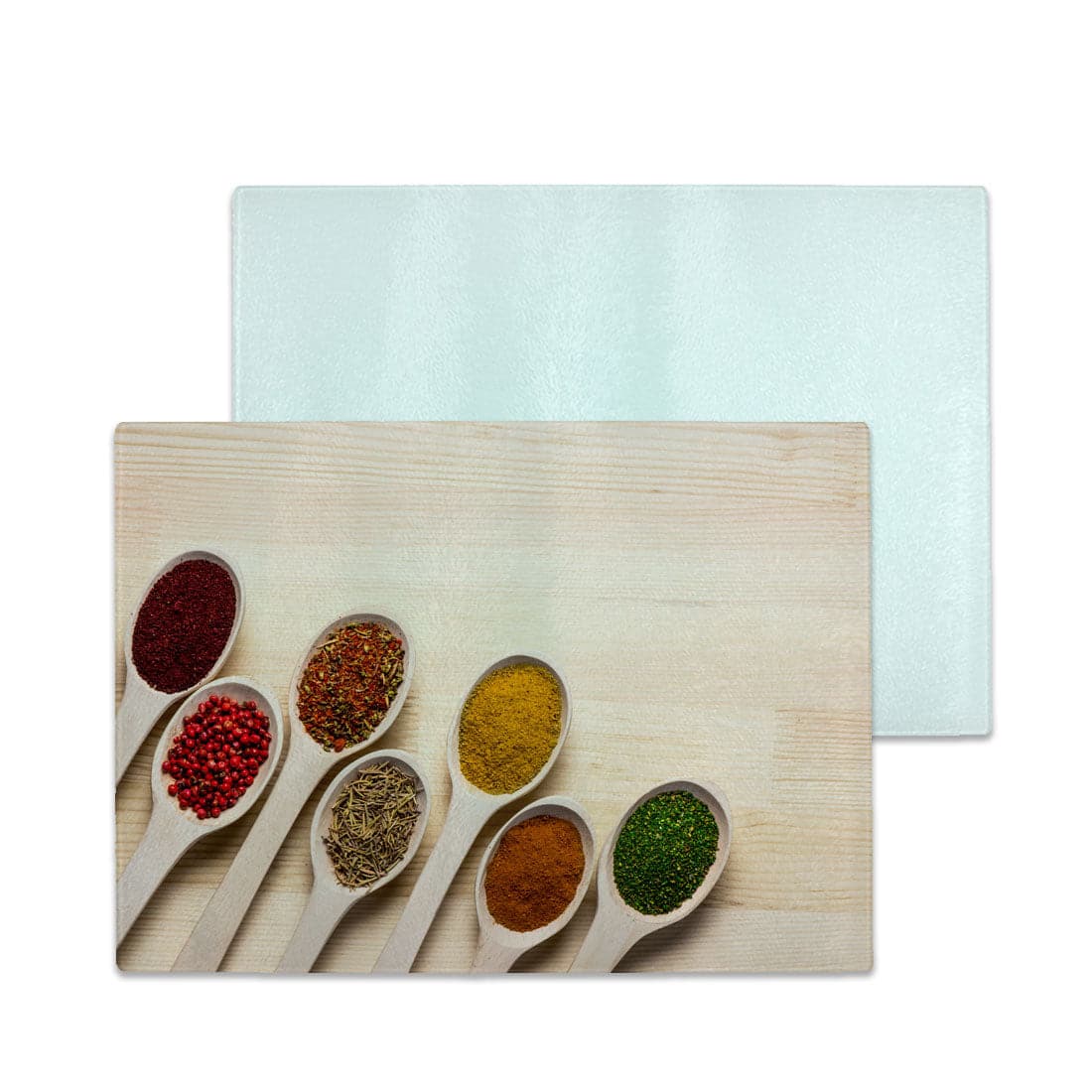
Sublimation kitchenware is used to create personalized, high-quality culinary items such as ceramic mugs, cutting boards, and polyester aprons through a specialized heat transfer process. By utilizing sublimation-compatible blanks with polymer coatings, these products allow for the permanent infusion of vibrant, full-color designs that are resistant to fading, peeling, and daily wear. These durable items are ideal for businesses looking to offer custom branded merchandise or for creators designing unique, food-safe gifts. Using a professional heat press ensure that the dye-sublimation ink becomes part of the substrate for a long-lasting, professional finish.
What materials and coatings are required for compatible sublimation kitchenware?

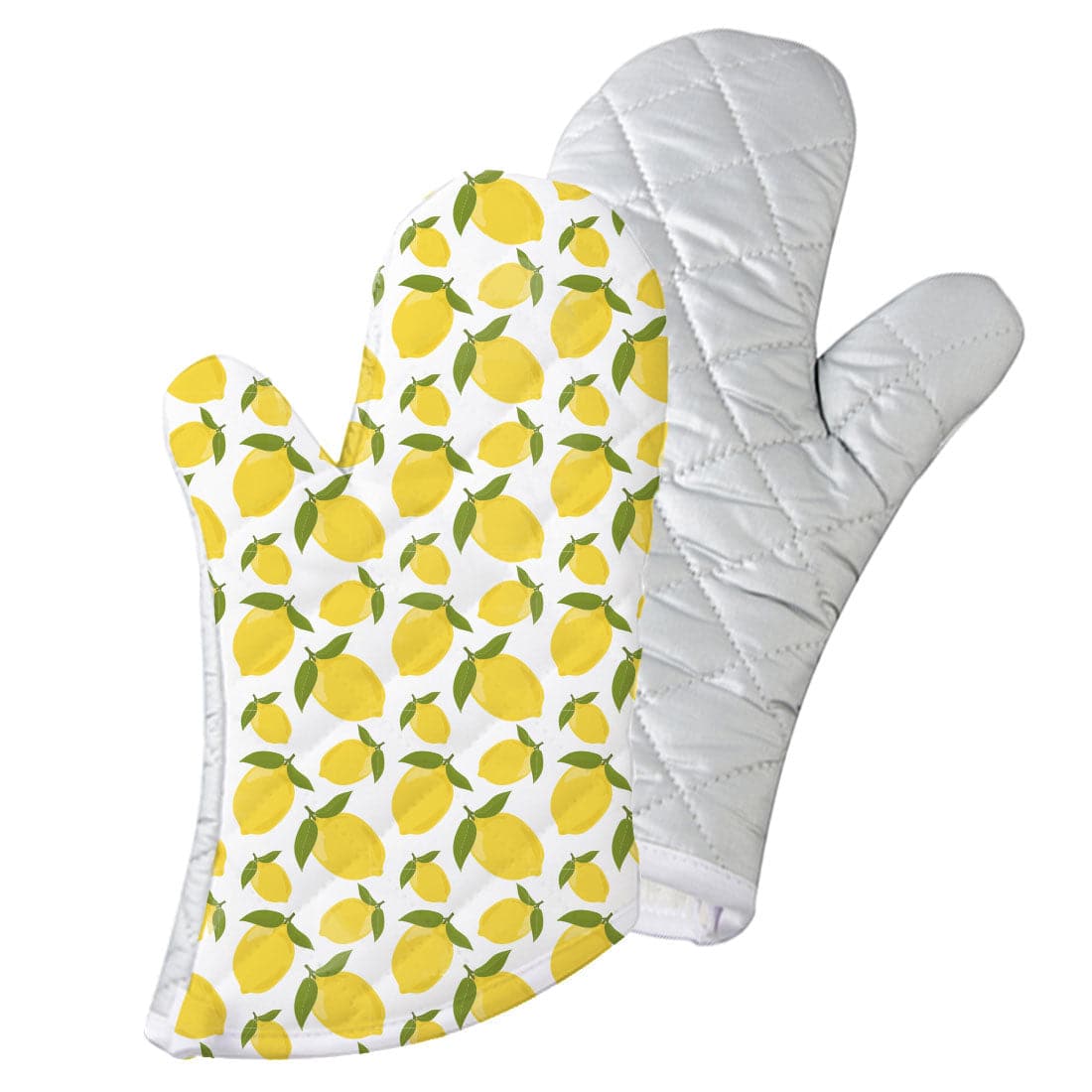
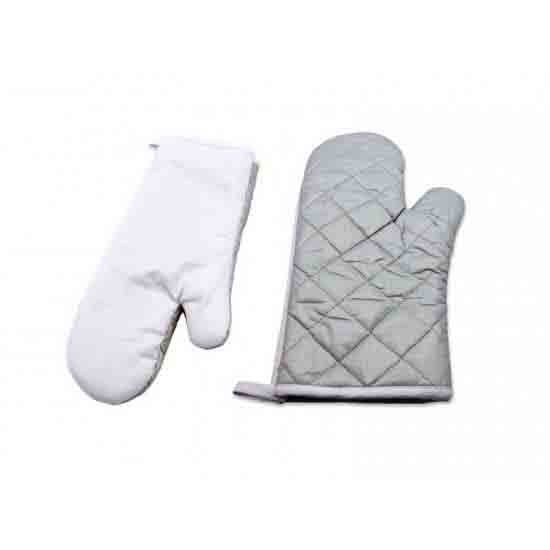
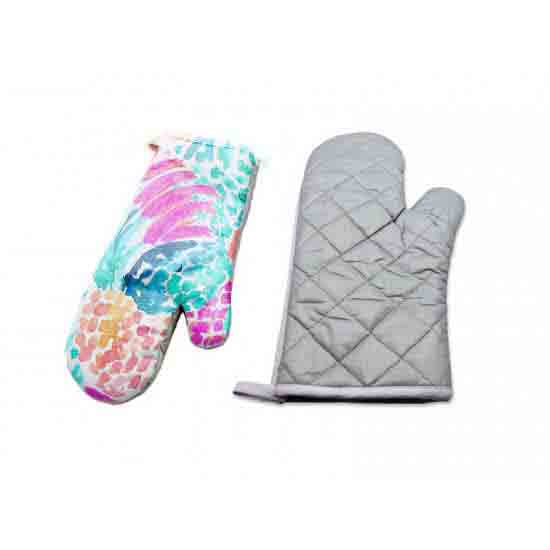
Compatible sublimation kitchenware must be manufactured from heat-resistant materials like ceramic, stainless steel, or glass and specifically treated with a high-quality polymer coating to ensure proper ink bonding. For textile-based items such as aprons or oven mitts, a high polyester content of at least 60% is necessary for the dye-sublimation process to achieve vibrant and permanent results. These specialized coatings allow the sublimation ink to permeate the surface under high heat and pressure, resulting in a durable finish that is resistant to peeling and fading. At Joto Imaging Supplies, we provide a wide range of food-safe, sublimation-ready blanks designed to meet professional standards for color clarity and long-term durability.

How should I care for and wash my sublimation kitchenware to ensure the designs remain vibrant and durable over time?

To ensure the long-term durability of your sublimated kitchenware, we recommend hand washing items with mild soap and a soft sponge to protect the integrity of the polymer coating. While many sublimation-ready ceramics and stainless steel substrates are rated as top-rack dishwasher safe, avoiding harsh detergents and high-heat drying cycles will prevent the design from fading or micro-cracking over time. For textile-based kitchenware like polyester aprons, wash in cold water without bleach or fabric softeners to maintain the molecular bond between the sublimation ink and the synthetic fibers. Following these maintenance protocols ensures your custom kitchenware remains vibrant and professional for years of use.

How do I print and apply custom designs to sublimation kitchenware items?

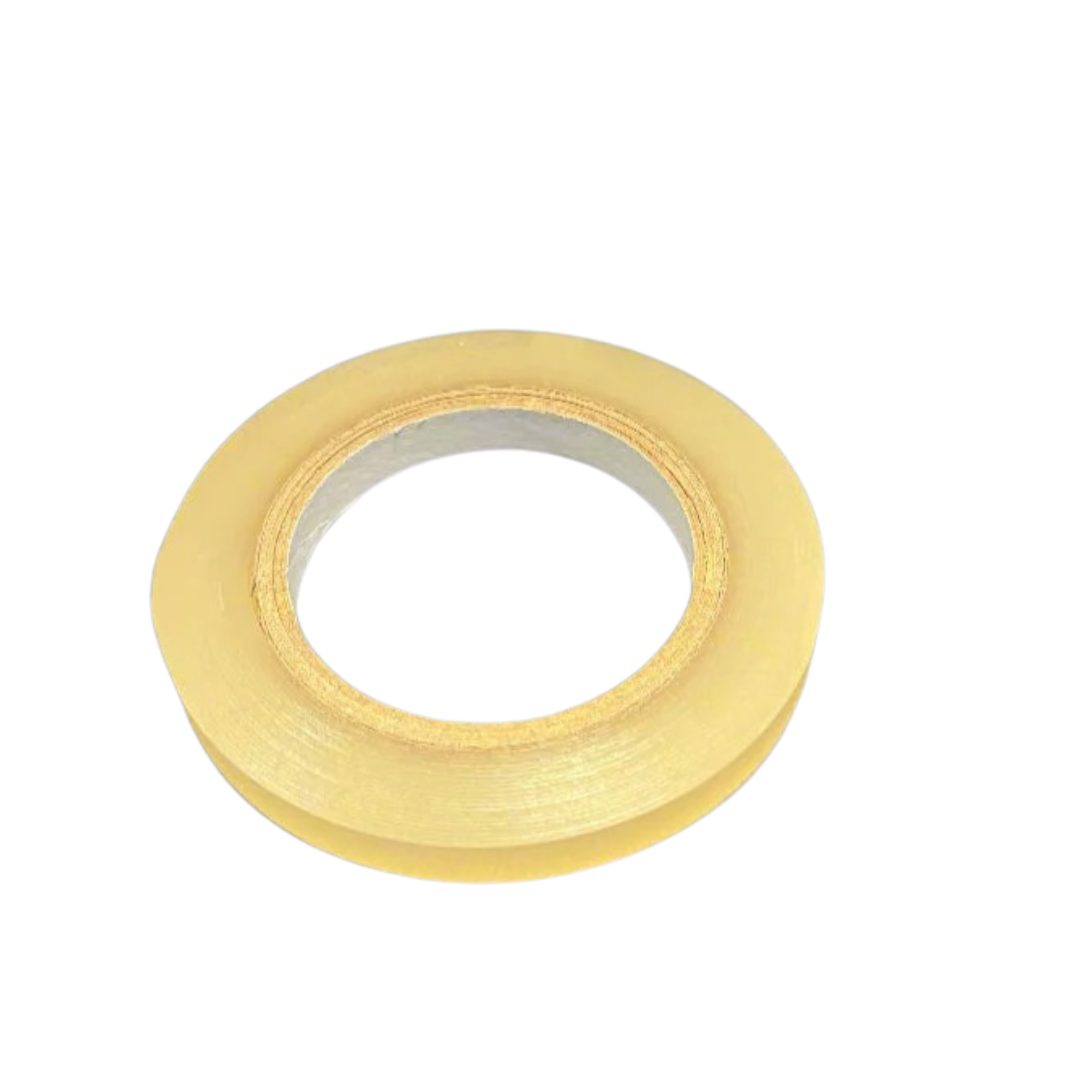
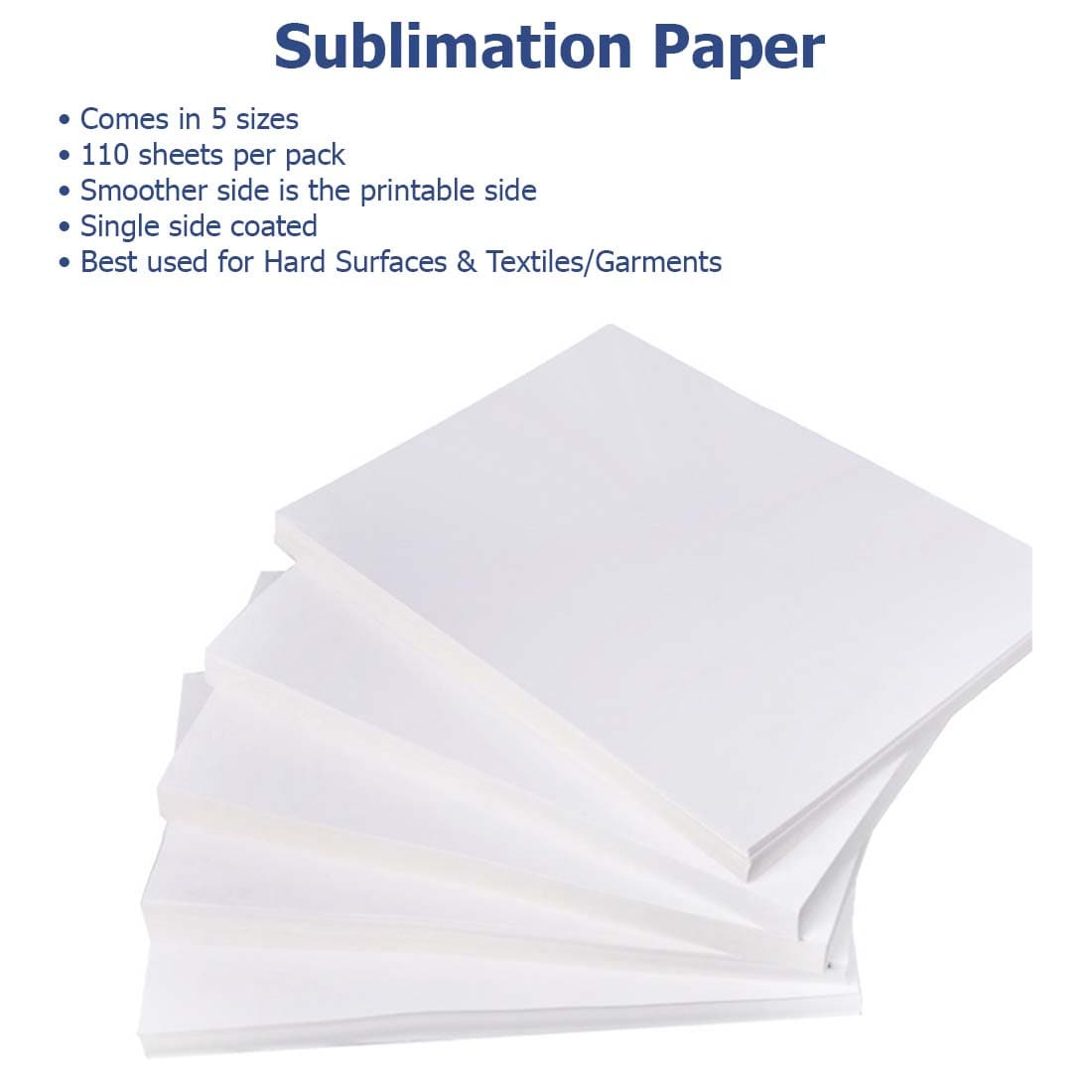
To print and apply custom designs to sublimation kitchenware, begin by printing your high-resolution artwork onto premium sublimation paper using a dedicated dye-sublimation printer and color-calibrated ICC profiles. Secure the printed transfer tightly to your polymer-coated kitchenware, such as a ceramic mug or cutting board, using heat-resistant tape to prevent any shifting or ghosting during the heating process. Place the item into a calibrated mug press or flatbed heat press and apply consistent pressure at approximately 400°F (204°C) for the manufacturer-recommended dwell time. Once the cycle is complete, carefully remove the transfer paper to reveal a durable, vibrant, and food-safe finish that is resistant to fading and scratching.

Why are my sublimation kitchenware designs appearing faded or ghosted after pressing?

Faded or ghosted sublimation kitchenware designs typically result from insufficient heat press pressure, incorrect dwell times, or moisture trapped within the substrate or transfer paper. To eliminate ghosting on items like ceramic mugs and cutting boards, ensure the transfer is secured tightly with heat-resistant tape and that the heating element maintains consistent contact with the polymer-coated surface. Verifying your heat press temperature and using high-quality sublimation paper will ensure proper ink vaporization and sharp, vibrant edge-to-edge saturation. Consistent pressure and a stable cooling environment are essential for maintaining professional-grade results across various kitchenware substrates.

How can I achieve the most professional color vibrancy and print quality when customizing sublimation kitchenware?

To achieve professional-grade color vibrancy on sublimation kitchenware, ensure you are utilizing high-resolution 300 dpi artwork paired with premium sublimation inks and high-release transfer paper. It is essential to use custom ICC profiles specifically calibrated for your substrate, such as ceramic or stainless steel, to ensure precise color translation and depth. Always verify that your heat press is calibrated to the exact temperature and pressure settings recommended for the specific kitchenware blank to prevent under-gassing or scorching. For consistent results, pre-warm ceramic items and use heat-resistant tape to secure the transfer, ensuring maximum ink penetration and a brilliant, long-lasting finish.

How can investing in sublimation kitchenware improve the profitability and ROI of my custom gift and hospitality business?

Investing in sublimation kitchenware like ceramic mugs and glass cutting boards maximizes ROI by providing high-margin, personalized products with minimal material waste. Utilizing professional-grade polymer-coated substrates ensures superior ink absorption and vibrant, permanent results that meet the rigorous standards of the hospitality and gift industries. By streamlining production with consistent heat press settings and high-quality sublimation inks, your business can achieve faster turnaround times and increased profitability on bulk orders. This durable decoration method creates scratch-resistant, dishwasher-safe items that provide long-term value for corporate branding and custom kitchen decor.

How should I store sublimation kitchenware and what safety precautions are recommended during the heating process?

Sublimation kitchenware blanks should be stored in a cool, dry, climate-controlled environment to prevent moisture absorption and protect the specialized polymer coating from degradation. During the heating process, always operate in a well-ventilated area and utilize heat-resistant gloves to safely handle items like ceramic mugs or glass cutting boards, which can reach temperatures up to 400°F. Ensure that your heat press is placed on a stable, level surface away from flammable materials to maintain a safe production workflow. Following these professional storage and safety protocols at Joto Imaging Supplies ensures high-quality results and the long-term durability of your custom kitchenware products.

How does sublimation kitchenware compare to other decoration methods like vinyl decals or screen printing?

Sublimation kitchenware offers superior durability compared to vinyl decals or screen printing because the dye-sublimation process creates a permanent molecular bond with the item's specialized polymer coating. Unlike vinyl decals that sit on the surface and are prone to peeling or scratching, sublimated designs are embedded into the substrate, making them scratch-resistant and frequently dishwasher-safe. While screen printing is often limited to simple colors and high-volume runs, sublimation allows for high-resolution, full-color photographic prints on individual kitchenware items with no tactile feel. Utilizing professional-grade sublimation blanks ensures a high-end, commercial-quality finish that far outlasts topical decoration methods.

How can I optimize heat press pressure and dwell time settings to ensure full edge-to-edge ink saturation and prevent vacuum-induced ghosting on tapered sublimation drinkware?

To optimize heat press performance for tapered sublimation kitchenware, utilize a specialized convection oven or a wrap-around heating element that conforms to the vessel's unique geometry to ensure consistent medium-to-heavy pressure. Maintain a precise dwell time of 6 to 7 minutes at 400°F for ceramic substrates, or 60 to 90 seconds for stainless steel, to achieve full edge-to-edge ink saturation without over-baking the polymer coating. To prevent vacuum-induced ghosting, securely fasten your high-release sublimation transfer with heat-resistant tape and immediately remove the paper upon completion to break the gaseous bond. For professional-grade results, always pre-heat your equipment and use custom ICC profiles to ensure the highest level of color accuracy and print durability.

aaa

Drawer Title

Similar Products