






















Skip to content
en
USD

Join Print Pulse Weekly and get exclusive deals, tips, and early product updates

Subscribe Now

Heat Transfer Papers

Filter

43 products

  • Sort by

Heat Transfer Papers for Vibrant & Durable Custom Apparel

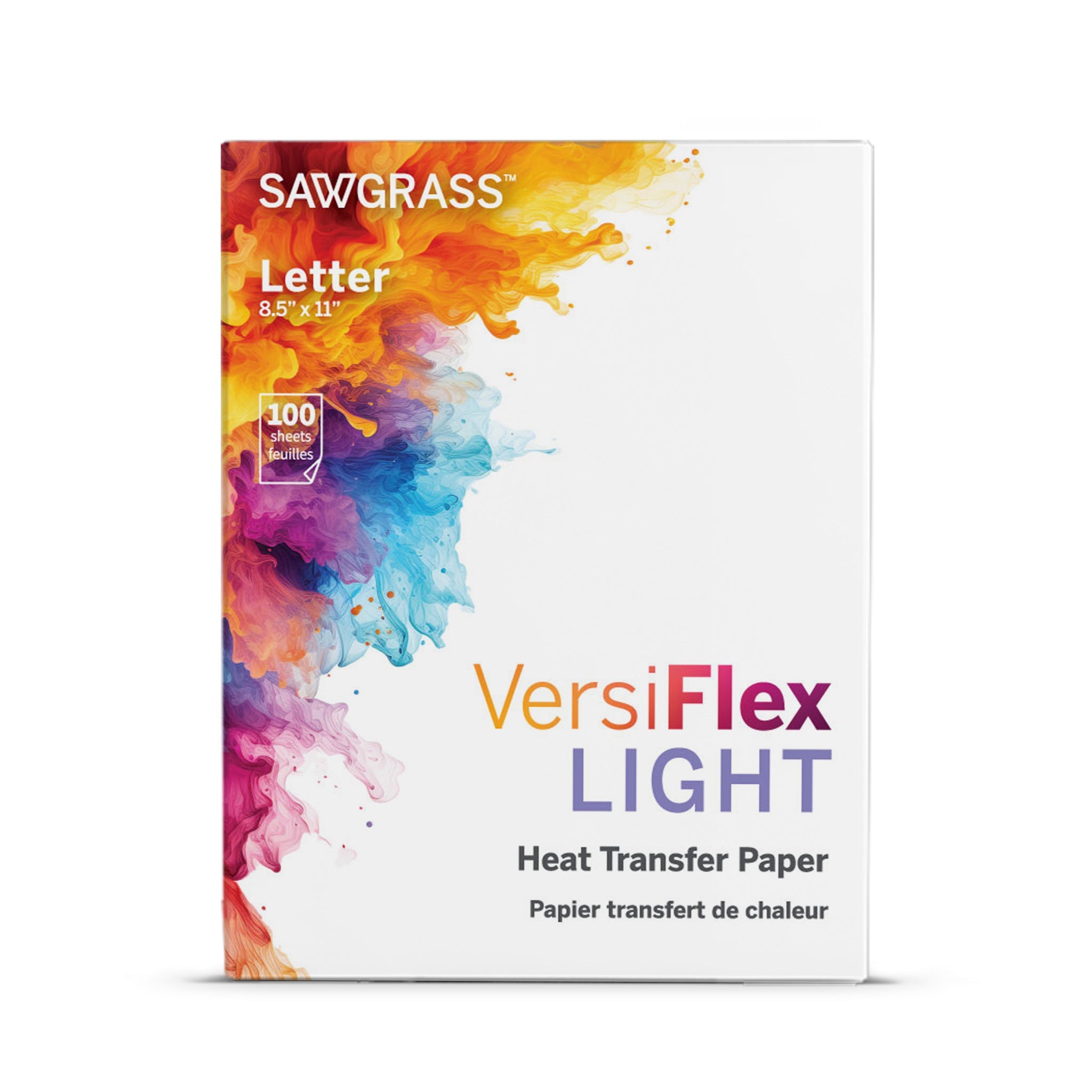
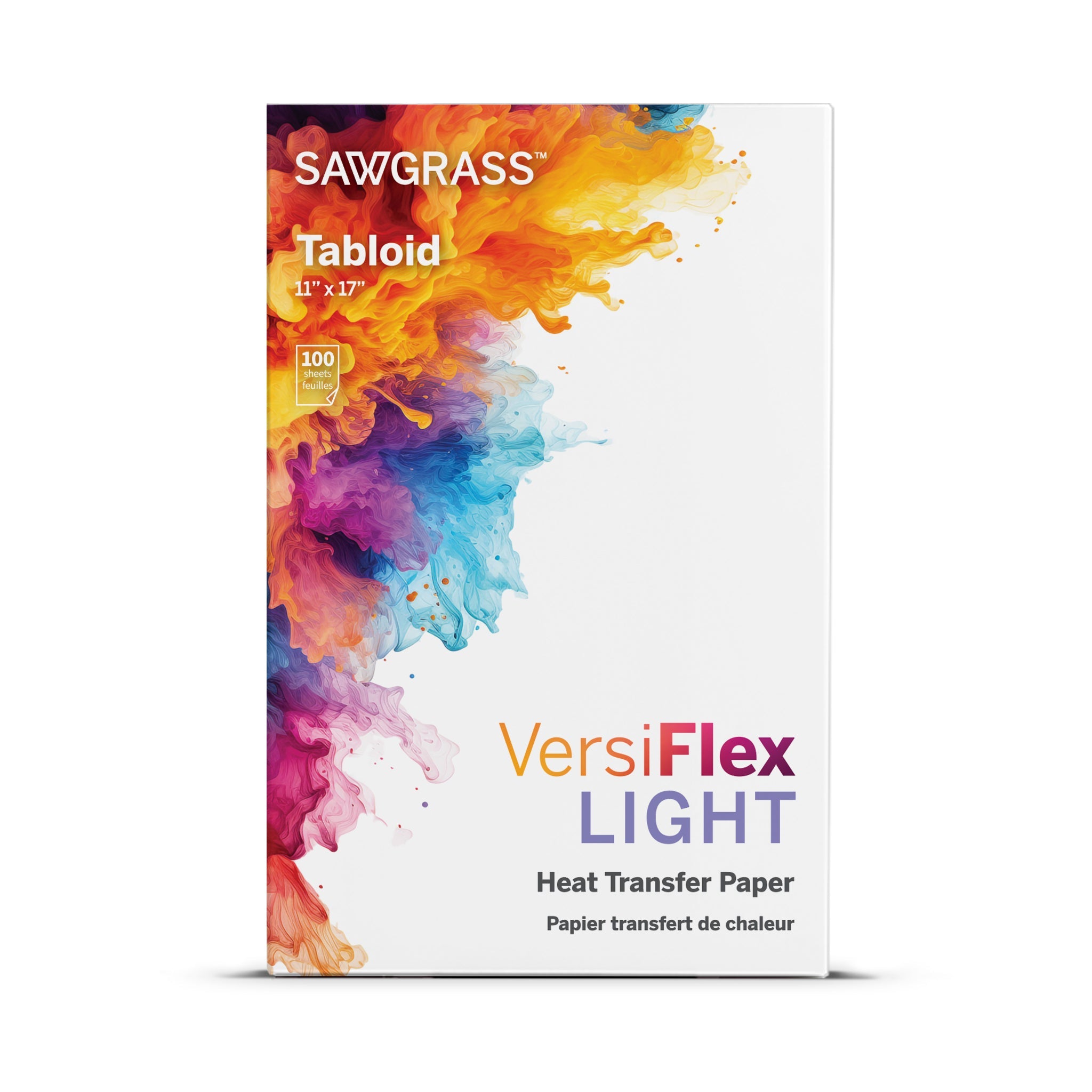
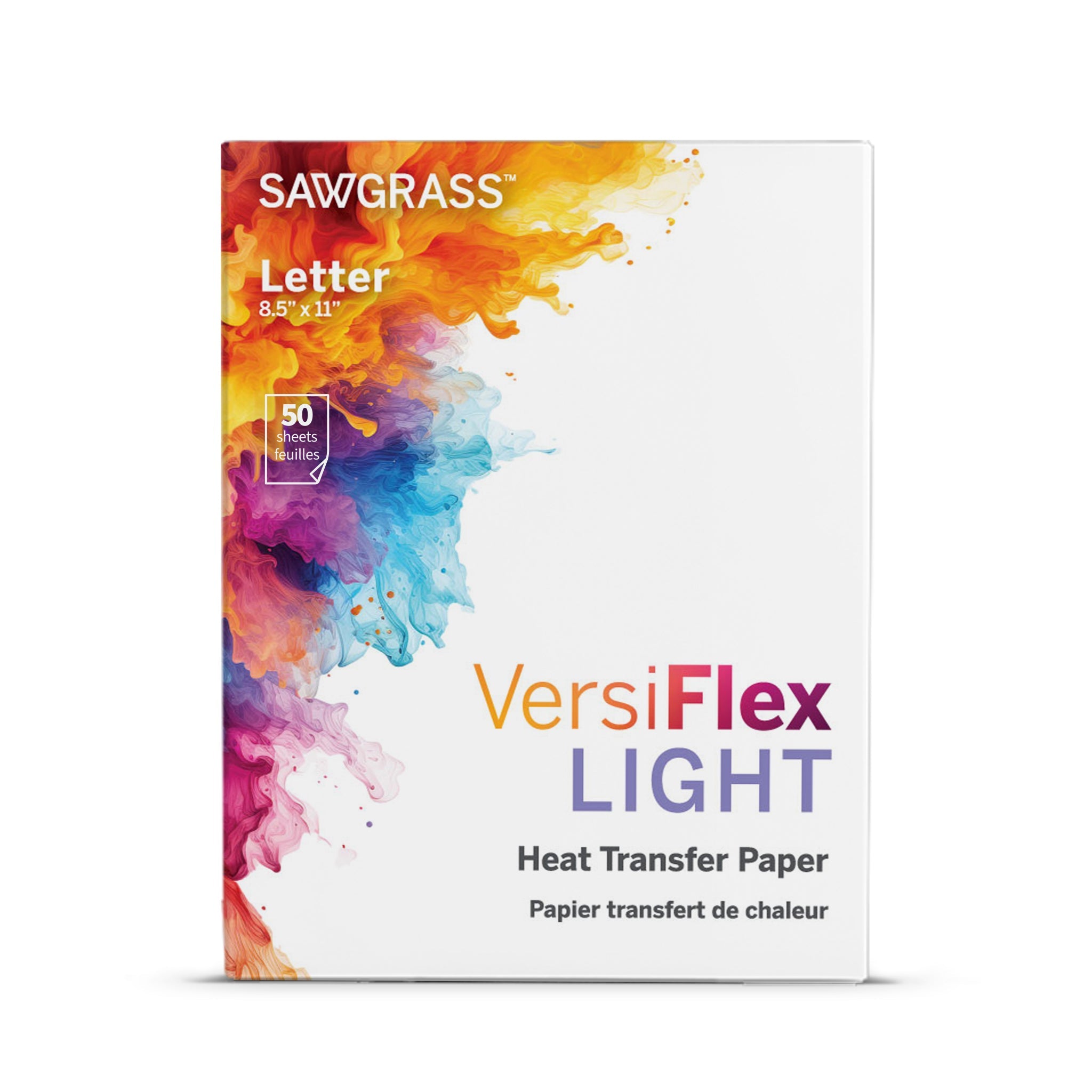
Heat Transfer Papers for professional-quality prints every time. Perfect for creating custom apparel, promotional items, and personalized gifts, these papers are specially engineered for sharp, vivid transfers that last.

Why Choose Our Transfer Papers:

  • Brilliant Color Reproduction – Produces bold, fade-resistant designs with crisp detail.
  • Works on Light & Dark Fabrics – Versatile options for cotton, polyester, and blended materials.
  • Easy Application – Designed for smooth transfers and simple peeling using a heat press or home iron.
  • Professional-Grade Durability – Resists cracking and fading even after repeated washes.

Whether you’re a hobbyist or running a professional print shop, our transfer papers provide everything you need to create stunning, long-lasting designs. Shop now and bring your custom creations to life with vibrant, professional-quality transfers!

What is heat transfer paper used for?

Heat transfer paper is a specialized substrate used to transfer high-resolution designs, text, and graphics onto various fabrics and hard surfaces using heat and pressure. It is compatible with inkjet, laser, or sublimation printers, allowing for the customization of apparel, bags, and promotional items with professional-grade durability. By applying a heat press, the printed design bonds permanently with the material's fibers, ensuring a vibrant and long-lasting finish that resists fading and cracking. As a versatile solution for custom imaging, heat transfer paper is essential for both small-scale DIY projects and high-volume commercial production.

What types of fabrics and printer inks are compatible with heat transfer paper?

Heat transfer paper is primarily compatible with cotton and cotton-blend fabrics, though specialized variants are available for materials like leather, nylon, and synthetic blends. These papers are specifically engineered for use with standard inkjet or laser printers utilizing pigment or toner-based inks, ensuring optimal adhesion and wash durability. For professional results, it is essential to match the paper type—whether light or dark—to the specific ink chemistry and fabric composition of your garment project. Utilizing the correct combination of Joto heat transfer paper and printer ink guarantees vibrant, high-resolution designs that withstand repeated laundering without cracking.

How do I care for garments printed with heat transfer paper to ensure design durability and prevent cracking?

To ensure the long-term durability of garments customized with heat transfer paper, wait at least 24 hours after application before the first wash to allow the adhesive to fully cure. Always wash the apparel inside out in cold or warm water using a mild, color-safe detergent, avoiding any bleach or fabric softeners that can degrade the polymer bond. For drying, we recommend hanging the garment to dry or using a low-heat tumble setting to prevent the transfer from cracking or peeling due to excessive thermal stress. Never iron directly on the transferred image; instead, iron the garment inside out or use a protective silicone sheet to maintain the professional finish and integrity of your custom designs.

How do I print and apply designs using heat transfer paper?

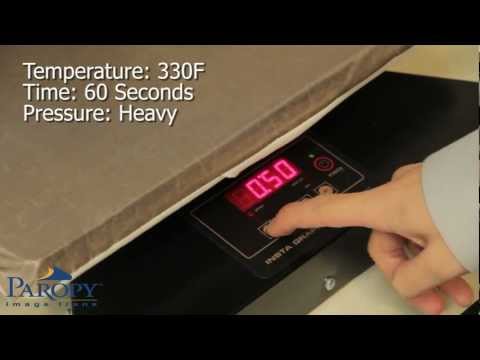
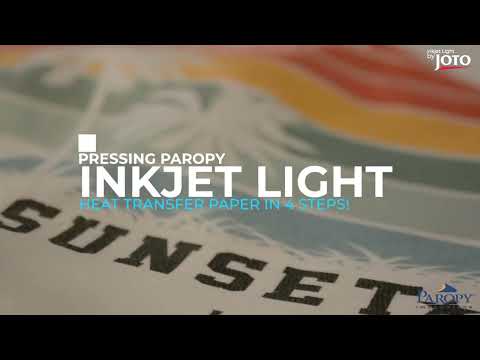
To print and apply designs using Joto heat transfer paper, start by printing your high-resolution artwork onto the coated side of the paper using a compatible inkjet or laser printer, mirroring the image for light-colored fabrics. Position the printed transfer face-down on your pre-pressed garment and use a professional heat press to apply consistent heat and pressure at the specific settings recommended for your substrate. Once the timer expires, carefully peel the backing paper while hot or cold as specified by the product instructions to ensure a vibrant, durable finish. This technical process ensures a permanent bond with the fabric fibers for long-lasting, retail-quality custom apparel.

Why is my heat transfer paper peeling or not sticking to the fabric?

Peeling or poor adhesion with heat transfer paper typically results from insufficient heat, inadequate pressure, or excessive moisture within the fabric fibers. To ensure a permanent bond, you must pre-press the garment to remove moisture and strictly adhere to the manufacturer's recommended temperature, dwell time, and pressure settings. Additionally, using incompatible fabric types or failing to follow specific hot or cold peel instructions can compromise the adhesive's integrity. For professional-grade durability, verify your heat press calibration and ensure the substrate is free of obstructions like seams or collars that cause uneven pressure.

How can I achieve the most professional color vibrancy and print quality when using heat transfer paper?

To achieve maximum color vibrancy with heat transfer paper, ensure you are using high-resolution artwork paired with high-quality pigment or toner-based inks that match your specific inkjet or laser printer. It is critical to select the correct transfer paper for your garment—specifically using light transfer paper for white fabrics and dark transfer paper for colored textiles—to maintain accurate color reproduction and opacity. Always use a professional heat press to apply consistent temperature and heavy pressure, as this ensures the polymer carrier and ink bond deeply with the fabric fibers for a durable, high-definition finish. At Joto Imaging Supplies, we recommend calibrating your printer to the highest quality settings and adhering to specific peel temperatures to ensure professional-grade brilliance and long-lasting wash resistance.

How can using heat transfer paper help increase the profitability and ROI of my custom apparel business?

Utilizing Joto heat transfer paper enhances profitability by providing a low-cost entry into custom apparel with minimal equipment requirements and high-margin potential. This versatile substrate allows for the efficient production of short-run, high-definition designs on various fabric types, significantly reducing setup time and material waste compared to traditional methods. By delivering professional-grade wash durability and vibrant color reproduction, you ensure customer satisfaction and repeat business, maximizing the overall ROI of your production workflow. Utilizing premium transfer media ensures consistent results, allowing your business to scale production effectively while maintaining superior quality standards.

How should I store heat transfer paper and what safety precautions should I follow?

To maintain the integrity of Joto heat transfer paper, store it in a cool, dry environment away from direct sunlight and high humidity to prevent moisture absorption and paper curling. Keep the sheets in their original plastic packaging or a resealable poly bag when not in use to protect the specialized coating from dust and environmental contaminants. When applying the transfer with a heat press, ensure your workspace is well-ventilated and follow all manufacturer temperature guidelines to ensure safety and optimal adhesion. Following these professional storage and safety protocols ensures consistent print quality and maximizes the shelf life of your transfer media.

How does heat transfer paper compare to other garment decoration methods like sublimation or screen printing?

Heat transfer paper offers a versatile solution for garment decoration, specifically excelling on cotton and dark-colored fabrics where sublimation typically falls short. Unlike sublimation, which chemically bonds with polyester fibers, heat transfer paper creates a high-resolution surface bond that is compatible with standard inkjet and laser printers. While screen printing is ideal for high-volume production, heat transfer paper provides a cost-effective alternative for small runs and complex, multi-color designs without the extensive setup requirements. At Joto Imaging Supplies, we recommend using premium transfer papers and a professional heat press to ensure maximum wash durability and a soft-hand feel for your custom apparel.

How can I optimize wash durability and hand feel for heat transfer papers by fine-tuning pressure, temperature, and peel timing for specific fabric blends?

To optimize wash durability and achieve a soft hand feel, you must precisely calibrate your heat press to the specific temperature and pressure settings recommended for your chosen Joto heat transfer paper and fabric blend. High pressure ensures a deeper polymer bond within the textile fibers, while maintaining the correct temperature prevents under-curing, which is a primary cause of premature peeling or cracking. Adhering to exact hot, warm, or cold peel instructions is critical for preserving the graphic's integrity and ensuring the transfer remains supple and integrated into the garment's texture. By fine-tuning these technical parameters for various cotton and synthetic blends, you maximize the professional quality and commercial longevity of your custom apparel.

aaa

Drawer Title

Similar Products