






















Skip to content
en
USD

Score a Goal With the Best Prices

Shop Now

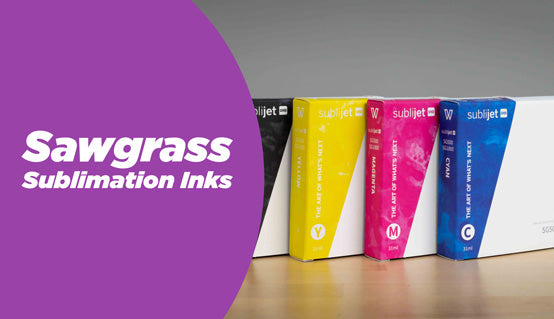
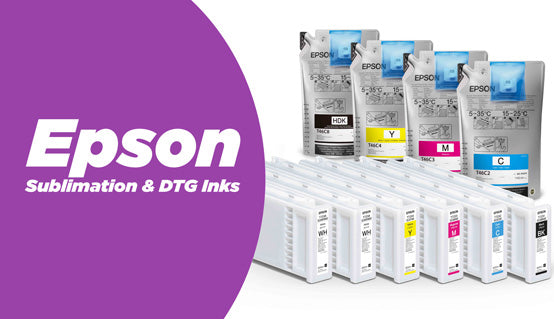
Sublimation Inks


Sublimation Inks for Production Print Businesses


Maintain Color Accuracy and Consistent Transfer Performance


Shop sublimation inks formulated for reliable output in daily apparel and hard goods production.
Achieve vibrant color reproduction, predictable results, and smooth workflow integration.
Ideal for businesses focused on repeatable quality and retail-ready finished products.
Filter

29 products

  • Sort by

Frequently Asked Questions:

What are sublimation inks used for?

Sublimation inks are specialized dye-based fluids designed for high-resolution digital printing on polyester fabrics and polymer-coated substrates. When subjected to the precise heat and pressure of a professional heat press, these inks undergo a phase change from solid to gas, deeply permeating the material fibers to create a permanent, vibrant bond. At Joto Imaging Supplies, our premium sublimation inks ensure exceptional color gamut and wash fastness for high-quality apparel, personalized mugs, and durable promotional products. This technical process results in a seamless, soft-hand finish that will not crack, peel, or fade over time, making it the industry standard for professional textile decoration.
What surfaces and materials are compatible with sublimation inks?

Sublimation inks are specifically engineered to bond with 100% polyester fabrics and high-polyester synthetic blends, ensuring vibrant and permanent color fastness. For rigid substrates, these inks are compatible with "sublimation-ready" blanks, such as ceramic mugs, aluminum sheets, and hardboard, which must feature a specialized polymer coating to facilitate the molecular dye transfer. To achieve professional-grade results, the surface must be white or light-colored, as the translucent nature of sublimation ink requires a pale base to maintain color accuracy and gamut integrity. Joto Imaging Supplies provides premium sublimation inks and high-release papers optimized for both textile and hard-surface applications across the apparel and gift industries.

How long does sublimation ink last in a printer before it expires or causes clogs?

Professional-grade sublimation inks typically have a shelf life of 6 to 12 months, after which the chemical composition can destabilize and lead to printhead clogs or color shifts. To prevent sedimentation and nozzle blockages, it is critical to perform regular maintenance cycles and use the ink within six months of installation in your sublimation printer. Storing ink in a climate-controlled environment with stable humidity levels further ensures the integrity of the dyes and prevents premature evaporation. By adhering to these technical guidelines, you maintain high-resolution print quality and protect the long-term performance of your sublimation equipment.

How do you apply sublimation ink to a garment using a heat press?

To apply sublimation ink, first print your design in reverse onto premium sublimation paper and position it face-down on a 100% polyester or high-polymer garment. Secure the transfer with heat-resistant tape and press at approximately 400°F (204°C) for 45 to 60 seconds using medium to firm pressure to facilitate the molecular bonding process. This high-temperature cycle converts the solid dye into a gas, allowing it to penetrate the synthetic fibers for a permanent, high-resolution finish that will not crack or peel. Once the dwell time is complete, quickly remove the transfer paper to prevent ghosting and ensure professional-grade color vibrancy.

Why are my sublimation transfers appearing faded or blurry after heat pressing?

Sublimation transfers typically appear faded or blurry due to insufficient heat press temperature, inadequate dwell time, or excess moisture trapped within the substrate or transfer paper. Blurriness and ghosting are primarily caused by the transfer paper shifting during the gassing phase, which can be prevented by securing the media with heat-resistant tape and opening the press slowly. To ensure professional-level color vibrancy and sharp details, verify that your substrate has a high polyester content or a proper polymer coating and utilize optimized ICC profiles for precise ink delivery. Pre-pressing your garments for 5 to 10 seconds is a critical step to eliminate moisture and ensure a smooth, high-resolution finish.

How can I achieve professional-level color vibrancy and long-lasting quality with Joto sublimation inks?

To achieve professional-level color vibrancy with Joto sublimation inks, it is critical to utilize optimized ICC profiles specifically calibrated for your printer and transfer media to ensure precise color management and gamut accuracy. Pairing these high-purity inks with premium, high-release sublimation paper ensures maximum dye transfer and sharp, high-resolution detail on polyester-based fabrics and polymer-coated substrates. Maintaining industrial-grade quality requires a professional heat press calibrated to precise temperature and dwell settings to facilitate a permanent molecular bond between the dye and the substrate. Additionally, managing your production environment's humidity prevents moisture-related issues like blurring or ghosting, preserving the long-term durability and wash fastness of every print.

How can switching to sublimation printing improve the cost-effectiveness and profit margins of my custom apparel business?

Integrating sublimation printing into your workflow improves profit margins by eliminating the high setup costs, screens, and labor-intensive preparation required for traditional methods like screen printing. This digital technology allows for efficient on-demand production and rapid prototyping with no minimum order requirements, enabling your business to handle low-volume custom orders with minimal waste. By utilizing high-quality sublimation inks and optimized ICC profiles from Joto Imaging Supplies, you produce durable, high-resolution results that command premium pricing and expand your market reach into polyester apparel and polymer-coated hard surfaces. This transition streamlines production efficiency through faster turnaround times and a simplified three-step process, ultimately maximizing your overall cost-effectiveness.

What are the best practices for the proper storage and handling of sublimation inks to ensure their longevity and safety?

To ensure the longevity of sublimation inks, store bottles and cartridges in a cool, dry, and dark environment with a stable temperature between 60°F and 80°F. Always keep the ink sealed in its original airtight packaging to prevent solvent evaporation, oxidation, and microbial growth that can lead to nozzle clogging. It is critical to maintain a relative humidity level between 40% and 60% and perform weekly nozzle checks to prevent sedimentation and ensure consistent color vibrancy. Adhering to these professional storage practices will maximize your ink's shelf life and guarantee high-quality results for your custom printing production.

How does sublimation printing compare to screen printing or heat transfer vinyl for custom apparel decoration?

Sublimation printing offers a permanent, zero-feel finish by molecularly bonding ink into polyester fibers, providing superior durability compared to the surface-level adhesion of screen printing and heat transfer vinyl. While screen printing is ideal for bulk cotton orders and HTV excels in simple, on-demand designs, sublimation is the premier choice for full-color, edge-to-edge graphics that will never crack or peel. Joto Imaging Supplies recommends sublimation for performance apparel and light-colored synthetic textiles where breathability and high-resolution detail are critical. This digital method streamlines production by eliminating the complex setup of screens or the intensive weeding required for intricate vinyl projects.

How can I optimize ICC color profiles and dwell time settings to ensure perfect tonal gradation and prevent gas ghosting on high-density polyester substrates?

To achieve perfect tonal gradation on high-density polyester, utilize custom ICC color profiles within your RIP software to precisely manage ink limits and maximize the color gamut for smooth transitions. Calibrate your heat press dwell time to ensure full ink sublimation while preventing the "vacuum effect" and gassing out that causes gas ghosting when the press is opened too rapidly. At Joto Imaging Supplies, we recommend securing your transfers with heat-resistant tape and using high-release sublimation paper to maintain crisp image edges and color integrity on dense synthetic fibers. This technical optimization ensures industrial-grade results and eliminates common transfer defects in high-resolution sublimation projects.

aaa

Drawer Title

Similar Products