













Skip to content
en
USD

Score a Goal With the Best Prices

Shop Now

Procolored DTF Printers

Procolored DTF Printers for Apparel Production Shops


Stable Film Output with Controlled White Ink Performance


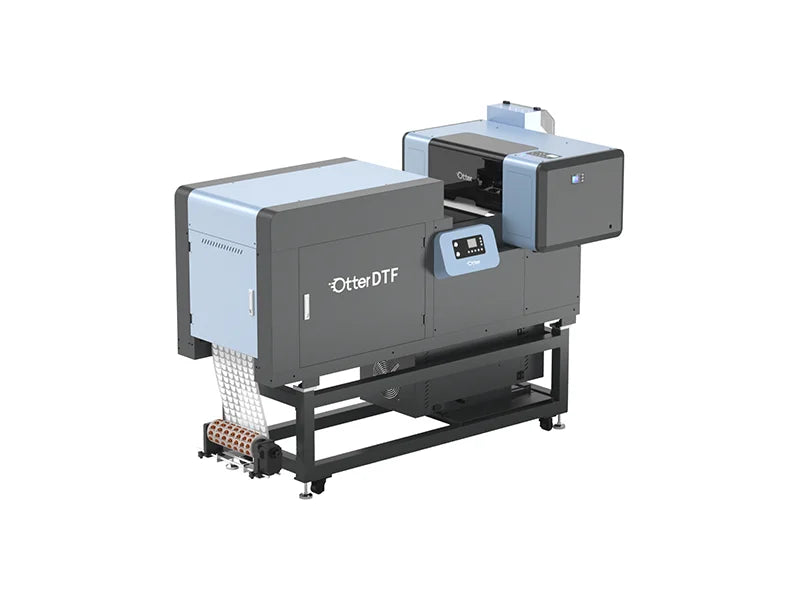
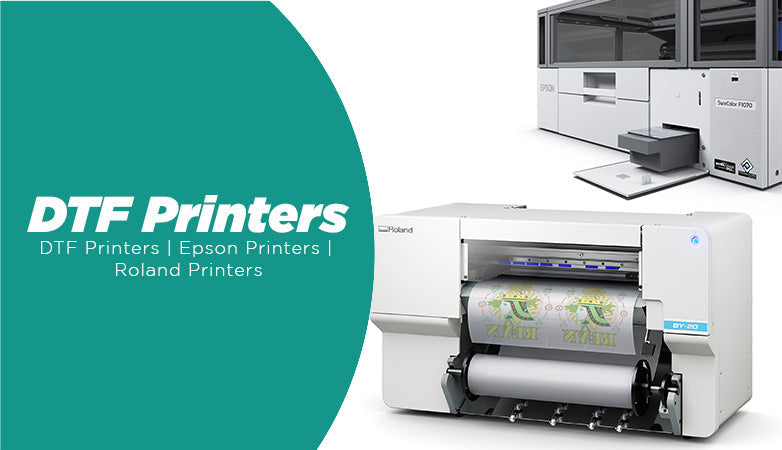
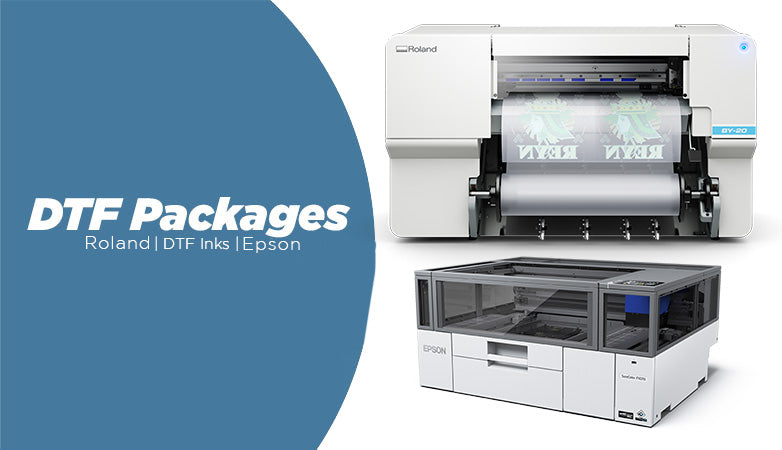
Procolored DTF printers support direct to film garment production with balanced color laydown and dependable white ink circulation. Designed for shops running daily apparel orders, these systems help maintain steady output, predictable transfers, and clean results across repeat runs.

Filter

26 products

  • Sort by

Frequently Asked Questions:

What are the primary benefits of using Procolored DTF printers for high-quality apparel transfers?

Procolored DTF printers provide a high-performance solution for apparel decorators by delivering industrial-grade print quality and exceptional color accuracy on a wide range of fabric substrates, including cotton, polyester, and blends. These reliable machines feature advanced technology like white ink circulation and automatic cleaning cycles to ensure consistent output and minimize maintenance downtime for growing businesses. By utilizing high-quality PET films and TPU adhesive powders, Procolored systems produce durable, wash-resistant transfers that maintain their vibrancy and soft feel over time. Investing in Procolored equipment through Joto Imaging Supplies allows creators to scale production efficiently while maintaining the professional standards required for retail-ready custom garments.

What fabric materials and PET film types are compatible with Procolored DTF printers for high-quality transfers?

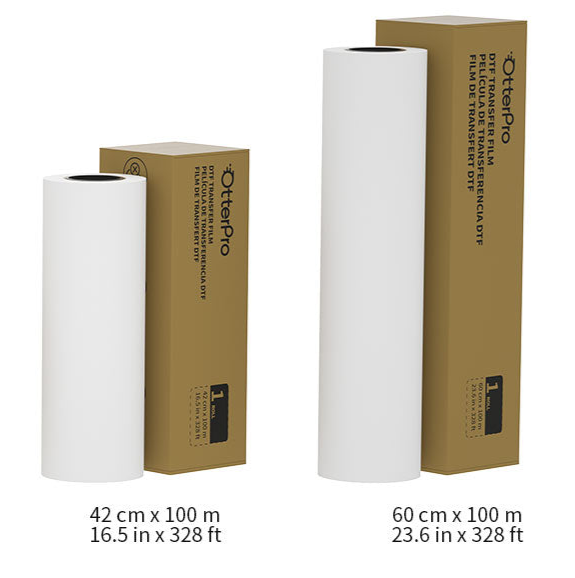
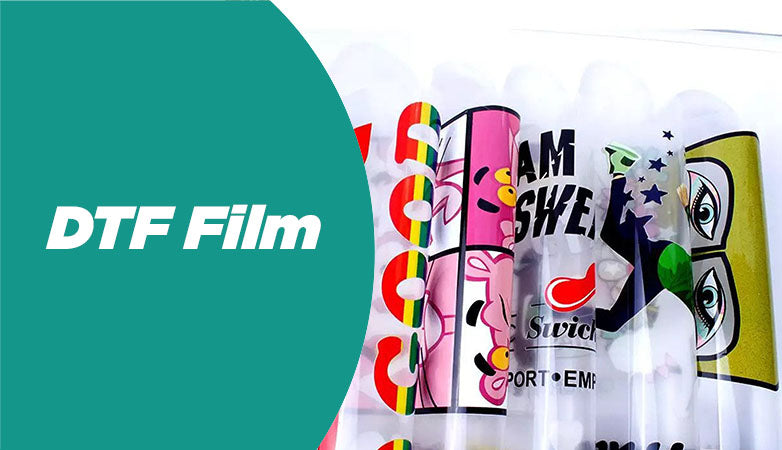
Procolored DTF printers are engineered for maximum versatility, supporting a wide range of fabric materials including 100% cotton, polyester, nylon, and poly-cotton blends. These systems utilize specialized PET transfer films, available in both cold-peel and hot-peel varieties, to ensure high-opacity white ink layers and vibrant color reproduction. By using high-quality TPU adhesive powder in conjunction with these films, decorators can achieve exceptional wash fastness and a soft-hand feel on both light and dark textiles. At Joto Imaging Supplies, we recommend utilizing premium double-matted PET films to maintain technical precision and prevent ink bleeding during high-speed production runs.

How can you ensure the long-term durability and consistent performance of your Procolored DTF printer through proper maintenance?

To ensure the long-term durability of your Procolored DTF printer, perform daily nozzle checks and automated head cleanings to prevent white ink sedimentation and nozzle clogging. It is essential to clean the capping station, wiper blade, and encoder strip weekly with manufacturer-approved solutions to maintain precise registration and optimal ink flow. Regularly lubricate the carriage guide rails and empty the waste ink bottle to reduce mechanical friction and prevent system overflows during high-volume production. Following these professional maintenance protocols at Joto Imaging Supplies will guarantee consistent print quality and extend the operational lifespan of your DTF equipment.

How to apply DTF transfers to a t-shirt using a Procolored DTF printer?

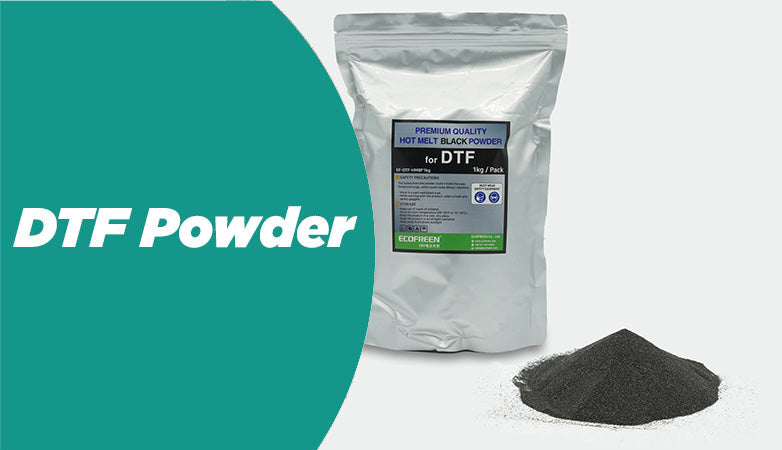
To apply DTF transfers using a Procolored DTF printer, first print your design onto PET film with high-quality DTF inks before evenly applying and curing TPU adhesive powder in a dedicated oven at approximately 130°C. Once the powder is melted into a glossy finish, position the transfer on a pre-pressed t-shirt and utilize a professional heat press at 285°F to 300°F for 10 to 15 seconds with medium-to-firm pressure. After allowing the garment to cool completely for a stable cold peel, remove the film and perform a final 5-second press with parchment paper to ensure maximum wash durability and a soft hand feel. This technical workflow leverages the precision of Procolored systems to deliver vibrant, professional-grade apparel transfers.

How can you resolve common white ink clogging or circulation issues in Procolored DTF printers?

To resolve white ink clogging or circulation issues in Procolored DTF printers, start by performing daily manual agitation of the white ink tanks and ensuring the integrated circulation pump is fully operational to prevent pigment sedimentation. Utilize the software-driven head cleaning functions to purge the nozzles and, for persistent blockages, use a syringe to draw out trapped air or settled ink directly from the dampers. Maintaining a controlled production environment with stable humidity levels between 40% and 60% is essential to prevent the high-viscosity white ink from drying prematurely within the print head. Consistent maintenance of the capping station and wiper blade ensures a proper seal and clean nozzle surface, preserving high-opacity output and professional-grade transfer quality.

How can Procolored DTF printers ensure industrial-grade color vibrancy and professional print quality for custom apparel?

Procolored DTF printers utilize high-performance printheads and advanced white ink circulation systems to ensure consistent pigment density and prevent nozzle clogging during production. By integrating professional-grade RIP software with custom ICC profiling, these printers achieve industrial-grade color accuracy and high-definition detail on both light and dark garments. The precision-engineered ink delivery system provides a uniform foundation of high-opacity white ink, which is essential for achieving vibrant, professional-quality transfers. This technical synergy results in retail-ready apparel that maintains exceptional wash fastness and color integrity over time.

How can Procolored DTF printers help small businesses maximize profit margins and reduce production costs in custom apparel decoration?

Procolored DTF printers help small businesses maximize profit margins by eliminating expensive pre-treatment processes and reducing material waste through precise ink management and automated stirring systems. These industrial-grade machines offer impressive production speeds and versatile compatibility with various fabric types, allowing for high-margin custom jobs and short-run production. By utilizing cost-effective roll-to-roll printing and advanced siphon circulation technology, operators can significantly lower their per-print costs while maintaining professional-grade color accuracy. Investing in a Procolored system at Joto Imaging Supplies ensures a scalable, high-efficiency workflow that boosts long-term ROI in the competitive custom apparel market.

What are the recommended storage conditions and safety precautions for maintaining a Procolored DTF printer?

To maintain a Procolored DTF printer, ensure the workspace stays between 59°F and 90°F with a relative humidity of 45–60% to prevent the print head from drying out or clogging. Safety protocols require using a dedicated fume extractor or high-volume ventilation and wearing an N95 mask to mitigate risks from airborne TPU particulates and VOCs. For long-term reliability, keep the machine powered on to allow automatic maintenance routines and store high-quality inks and powders in a dark, climate-controlled environment. These technical standards at Joto Imaging Supplies guarantee a safe production workflow while preserving the precision of your digital textile printing equipment.

How do Procolored DTF printers compare to screen printing, DTG, and sublimation for professional garment decoration?

Procolored DTF printers offer a versatile alternative to traditional methods by providing the wash durability of screen printing without the complex setup or high volume requirements. Unlike sublimation, which is limited to light-colored polyester, Procolored DTF technology allows for vibrant, full-color transfers on both light and dark fabrics, including cotton, blends, and synthetics. Compared to DTG, these printers eliminate the need for liquid pretreatment while delivering industrial-print-quality output and a flexible, soft-hand finish. By integrating Procolored DTF systems at Joto Imaging Supplies, businesses can achieve professional-grade results across a wider range of substrates with greater production efficiency.

How can you optimize the Procolored siphon white ink circulation system to maintain consistent titanium oxide suspension during high-volume production runs?

To optimize the Procolored siphon white ink circulation system, ensure the automatic agitation cycles are set to run continuously during production to prevent the heavy titanium oxide pigments from settling. Regularly inspect the siphon tubes and filters for any sediment buildup that could impede fluid dynamics or cause inconsistent ink density during high-volume runs. Maintaining a stable environment with 40-60% humidity further prevents nozzle deflection and ensures the white ink remains at the ideal viscosity for consistent suspension. Joto Imaging Supplies recommends performing a daily system flush to maintain peak technical performance and guarantee high-opacity transfers across all garment types.

aaa

Drawer Title

Similar Products