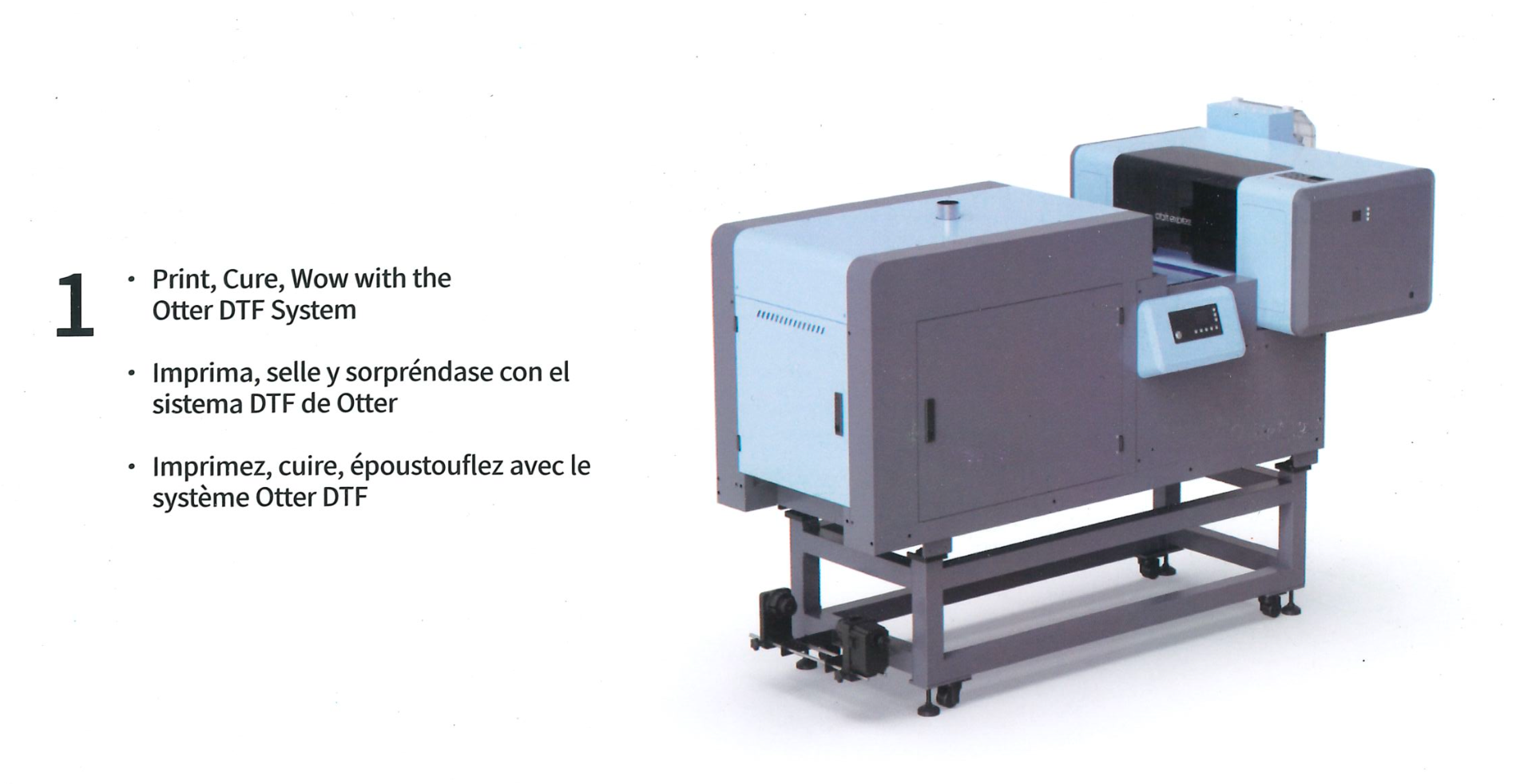
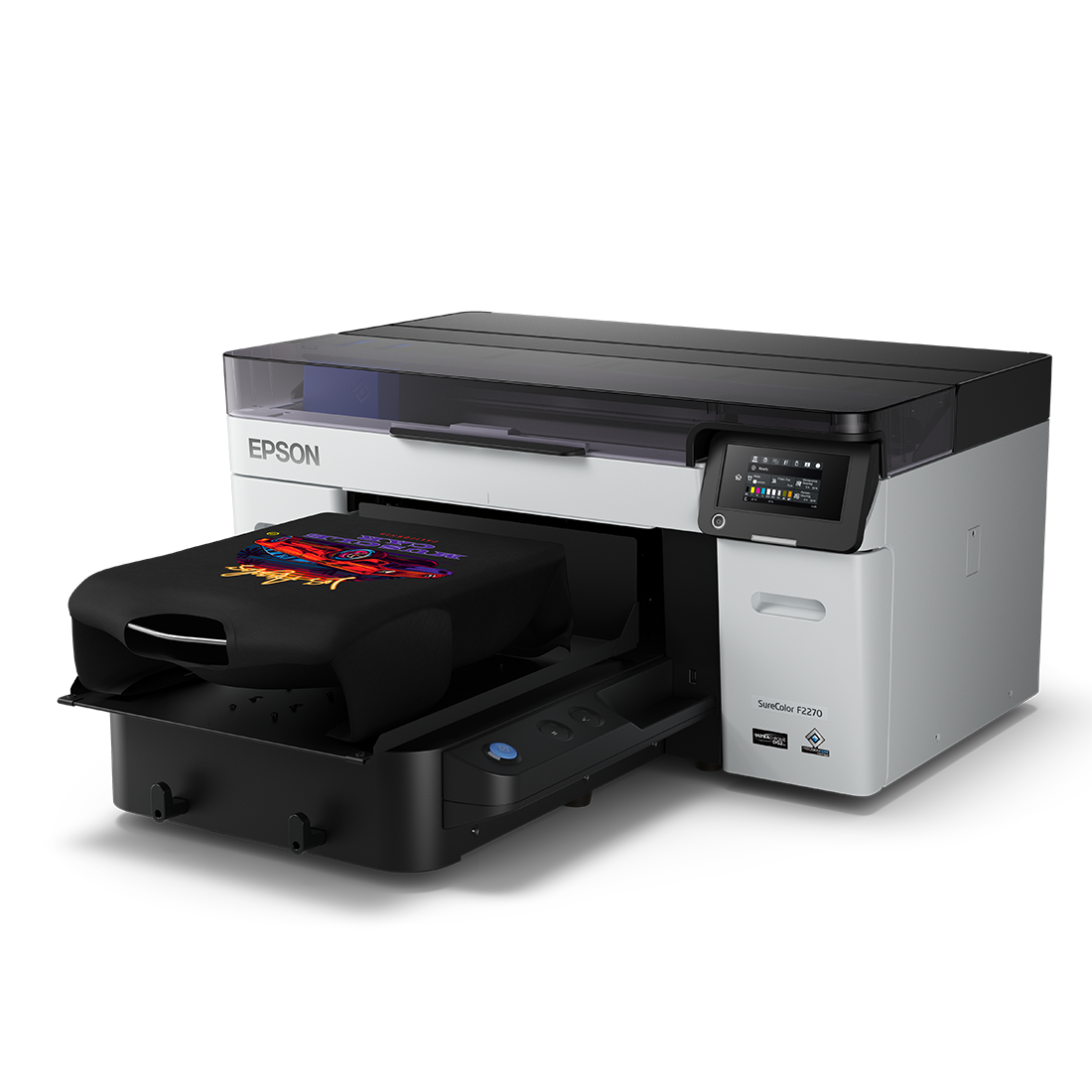
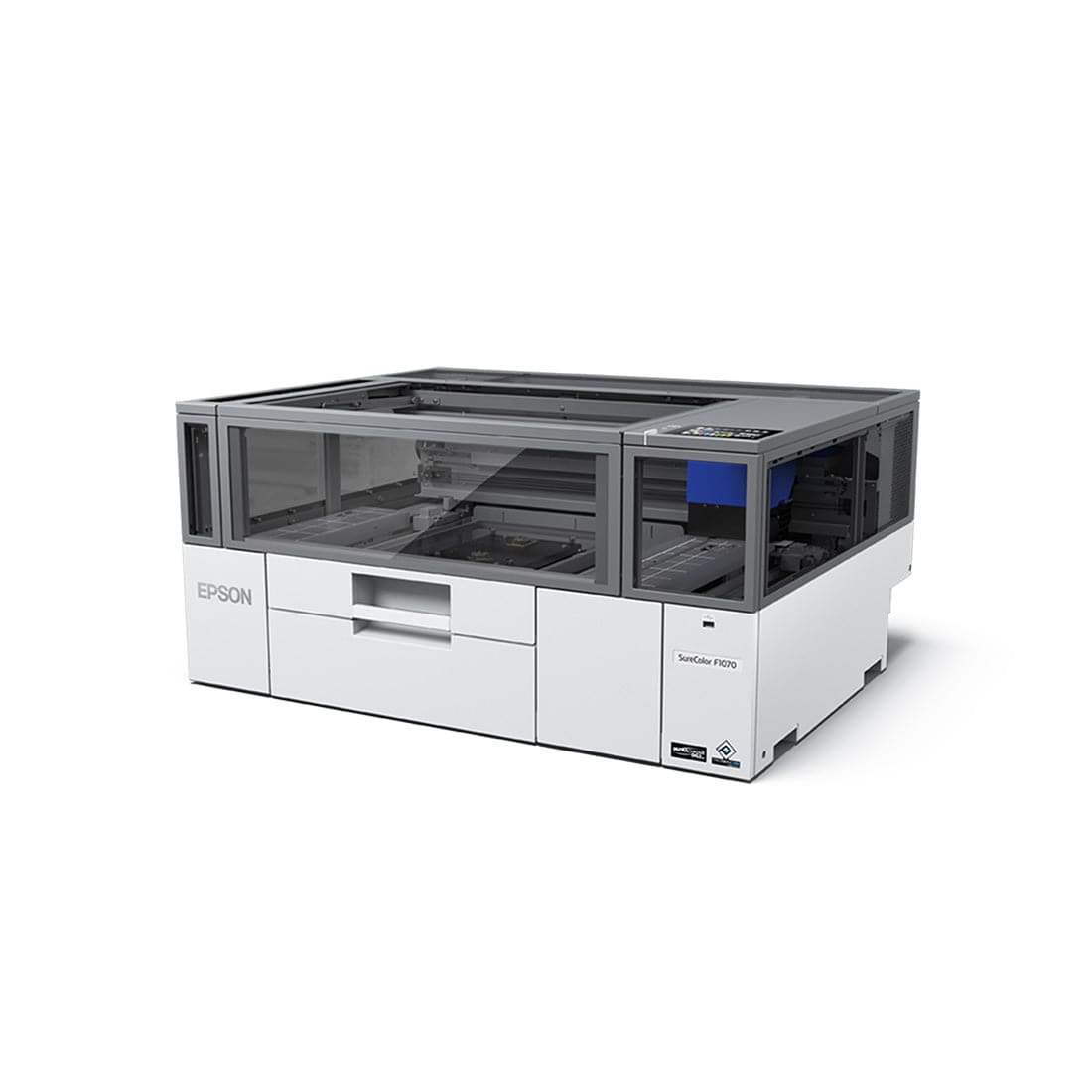
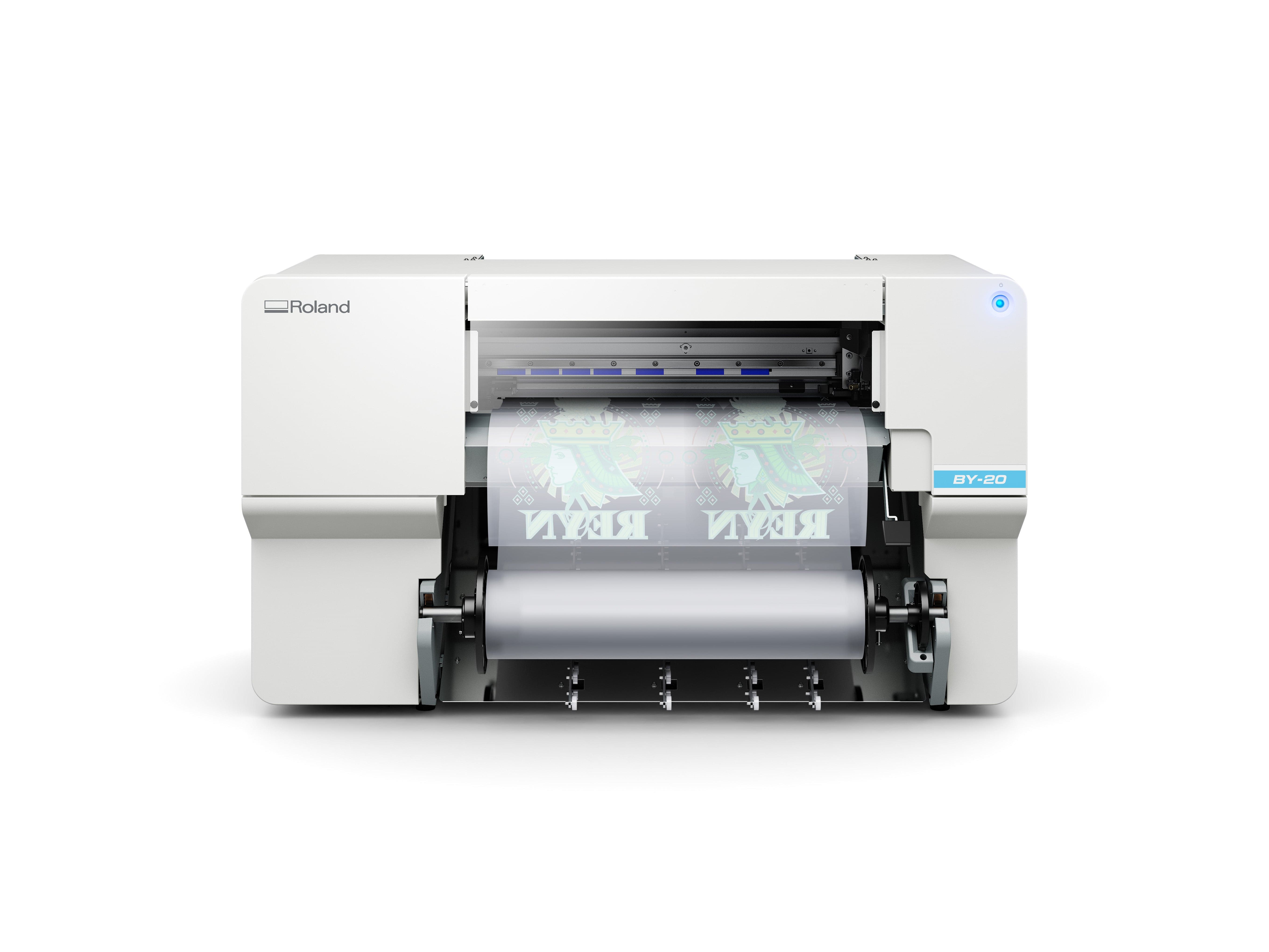
DTF Printers and Supplies - USA
Fast shipping across the USA. Compare models for all business sizes and production needs.
Vivid, Fade-Resistant Colors – Achieve sharp, vibrant designs that stay bright wash after wash.
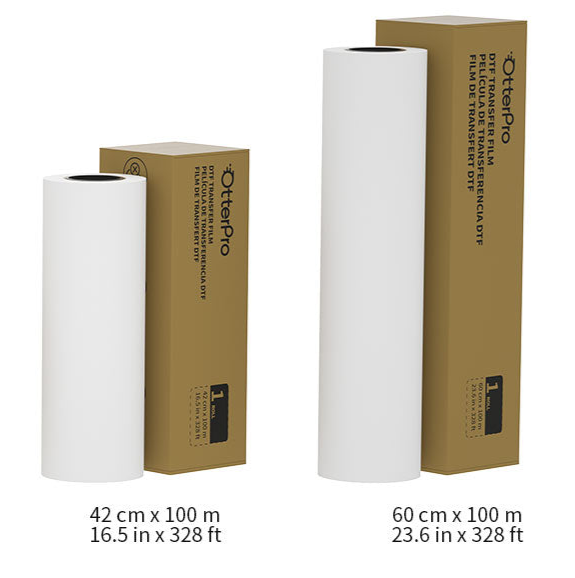
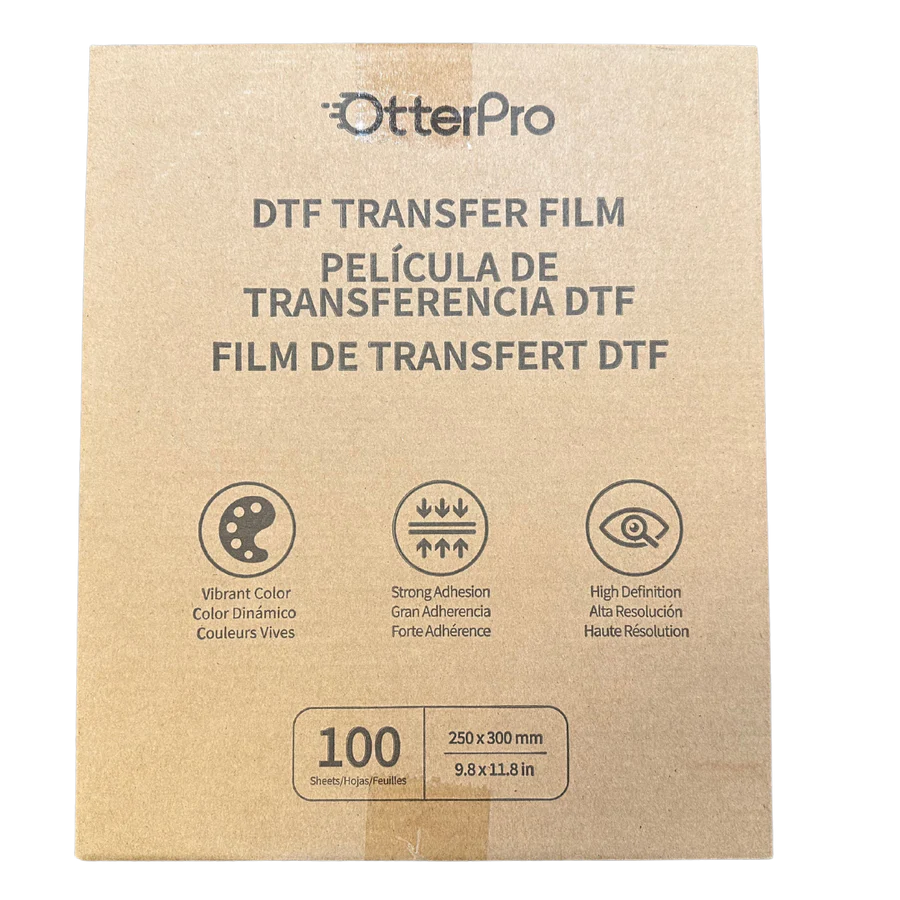
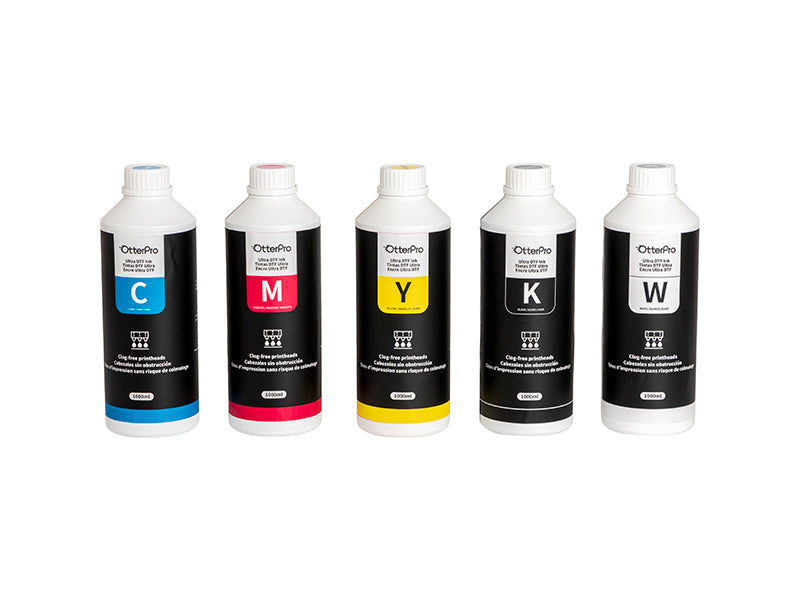
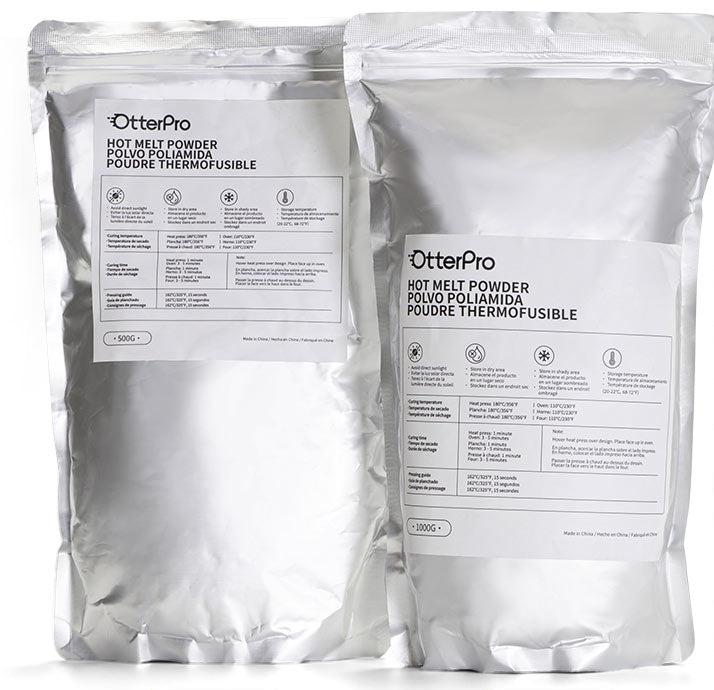
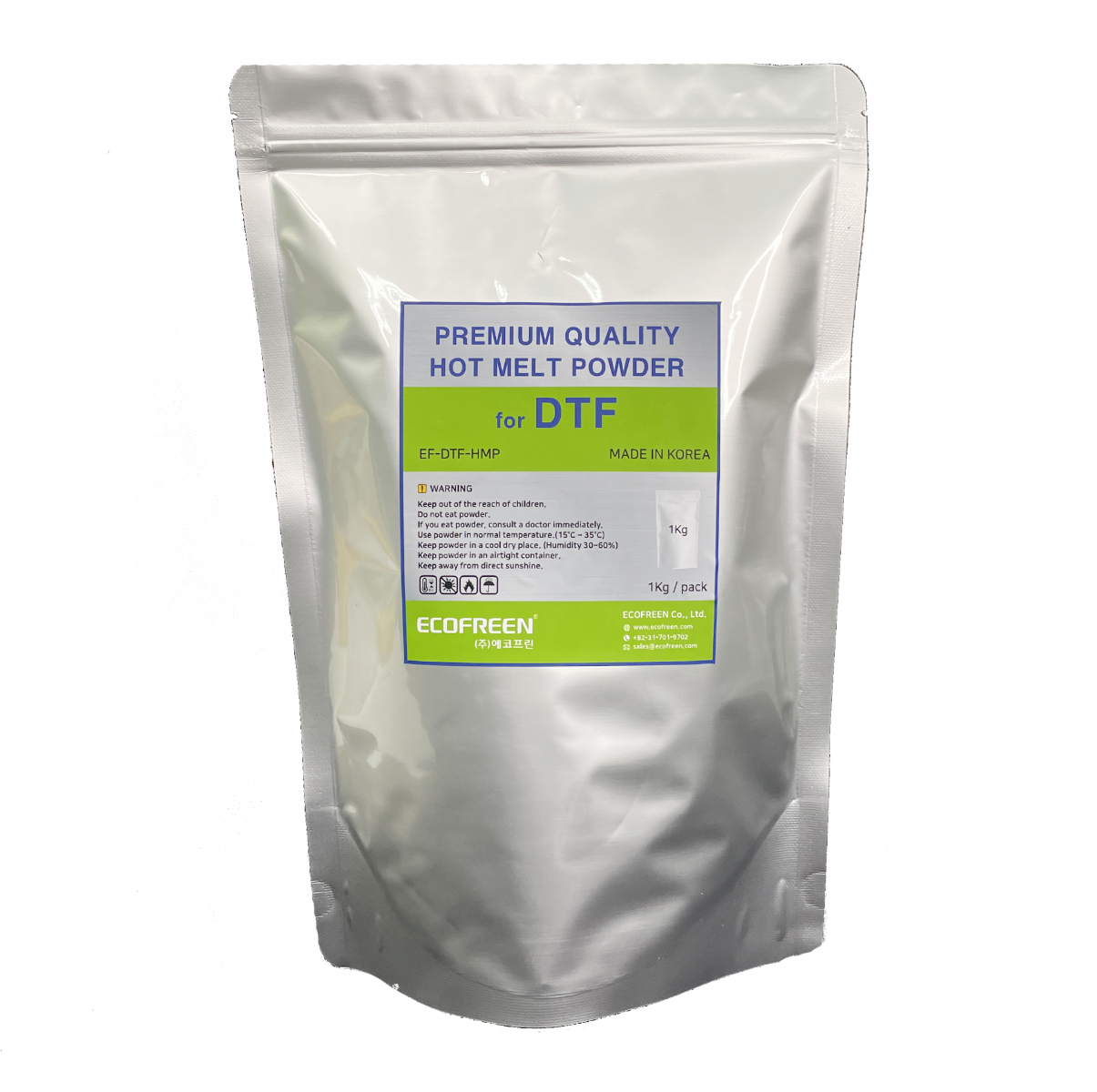
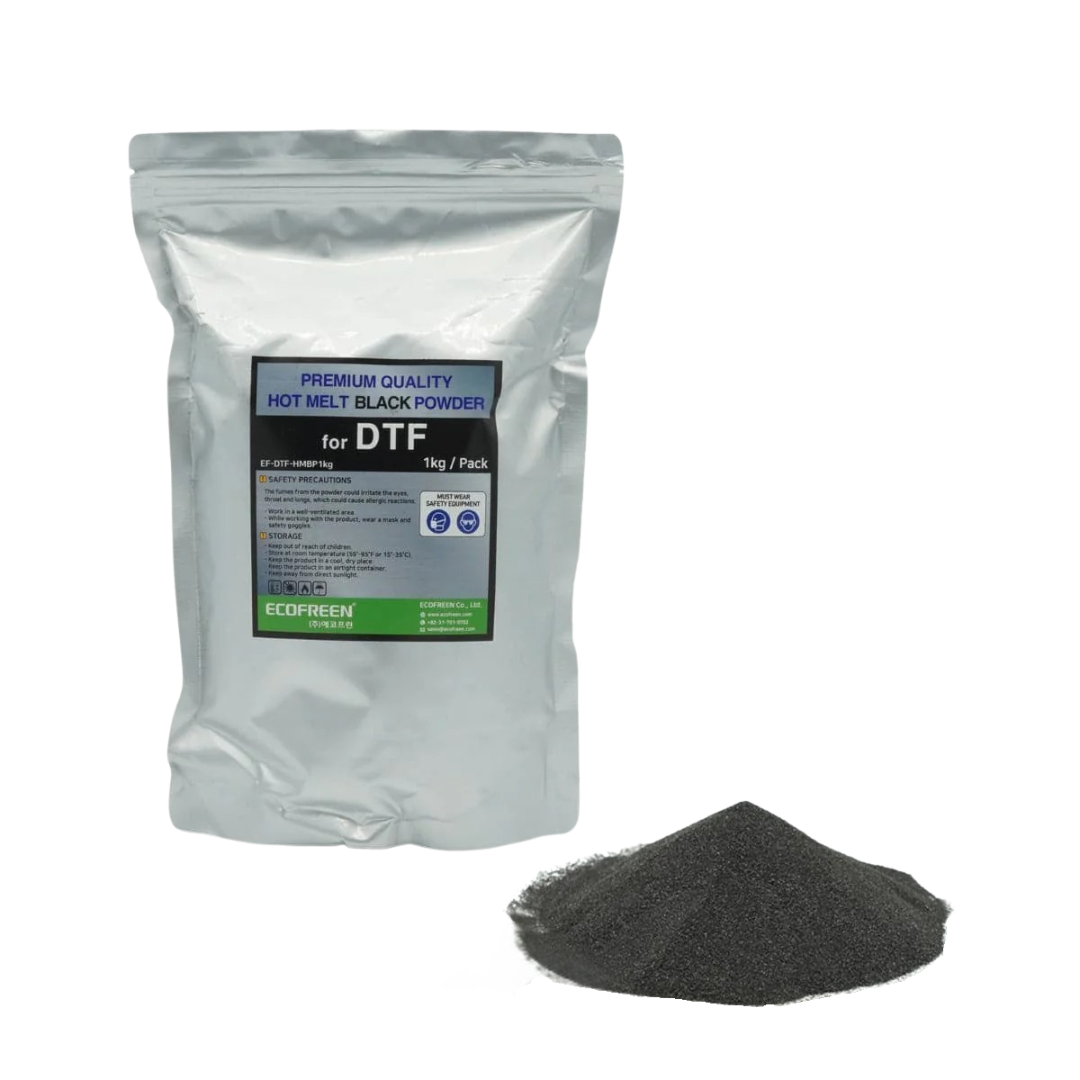
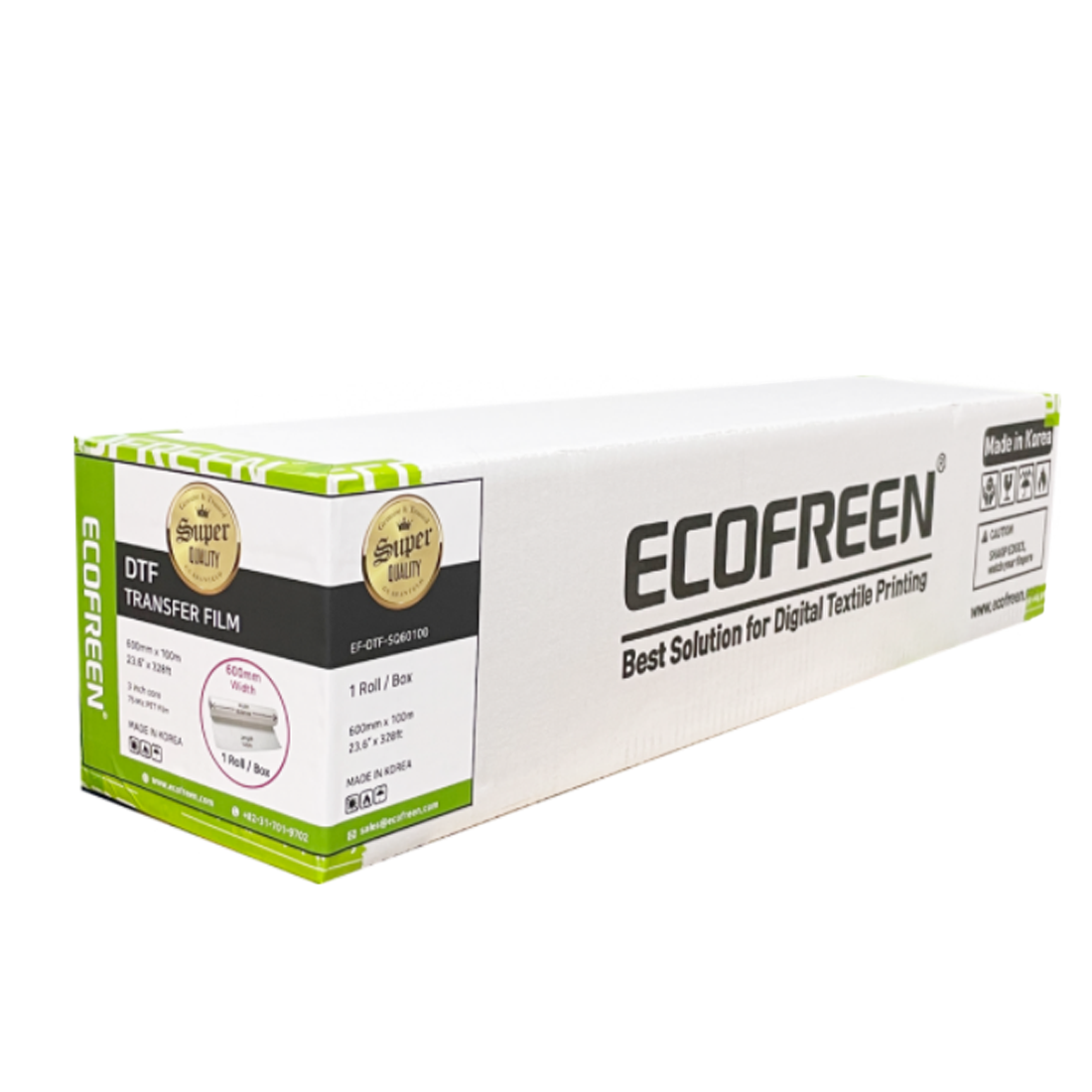
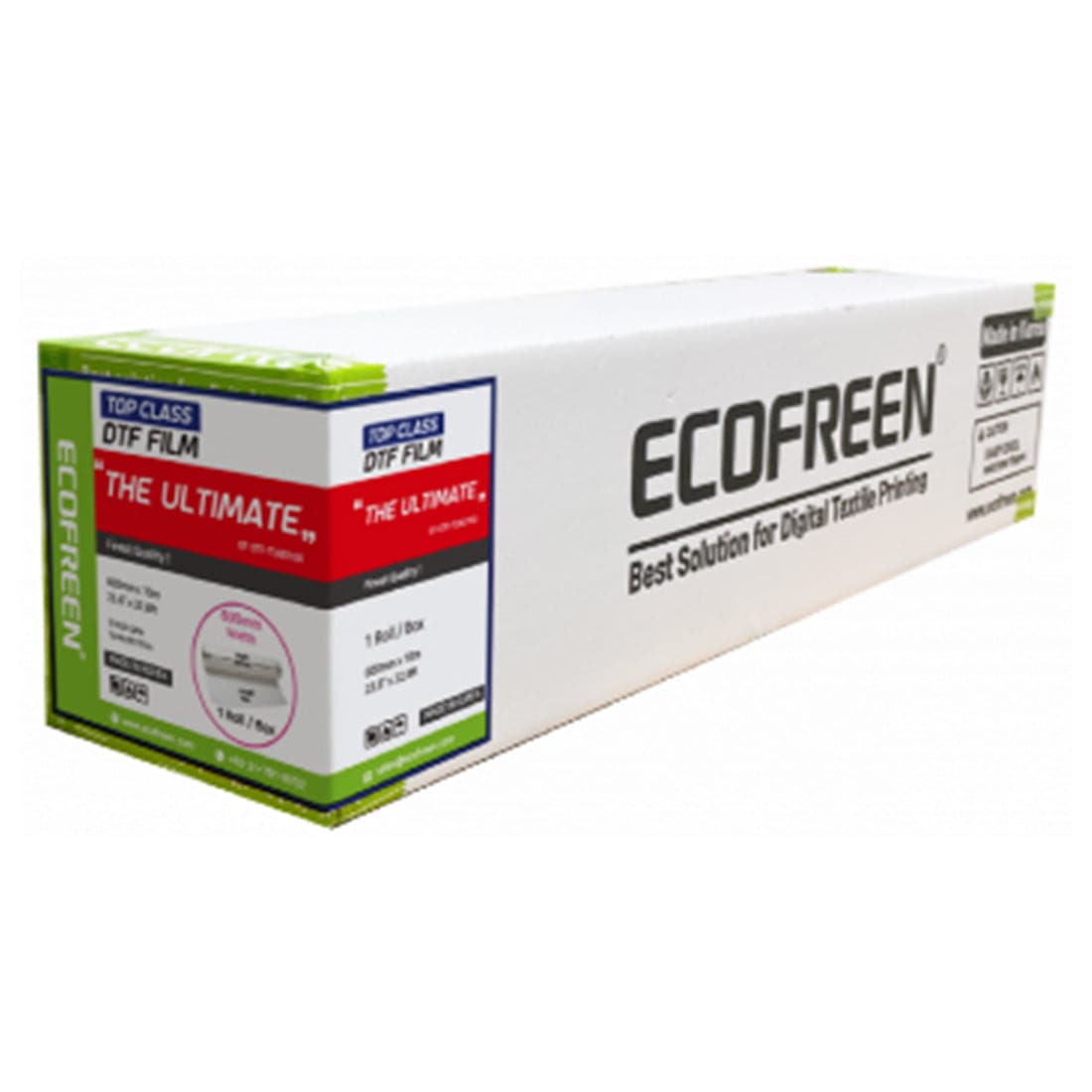
Complete Printing Solutions – DTF films, inks, adhesive powders, and tools for a seamless workflow.
Versatile Fabric Compatibility – Works beautifully on cotton, polyester, blends, and more.
Perfect for Hobbyists & Professionals – Ideal for small custom projects or high-volume production.
Filter
25 products
Direct-to-Film (DTF) printing is an innovative digital process where designs are printed onto a specialized PET film and transferred to garments using a heat-activated adhesive powder. This versatile technology is primarily used for decorating a wide range of textiles, including cotton, polyester, and nylon, without the need for pretreatment. It is highly valued for producing durable, vibrant, and high-resolution transfers that offer excellent elasticity and washability on both light and dark fabrics. At Joto Imaging Supplies, we recommend DTF for businesses seeking a reliable solution for complex graphics and bulk apparel customization.
Direct-to-Film (DTF) printing is exceptionally versatile, offering superior compatibility with a broad range of textiles including 100% cotton, polyester, and cotton-poly blends. Unlike traditional methods, DTF technology also adheres effectively to more challenging substrates such as nylon, spandex, canvas, and leather. This process utilizes a specialized TPU adhesive powder to ensure a durable, flexible bond across both natural and synthetic fibers. Joto Imaging Supplies provides high-quality DTF films and powders engineered to deliver professional results on virtually any garment or textile material.
High-quality DTF transfers are engineered for exceptional durability, typically maintaining their integrity for 50 to 100 wash cycles when applied with professional-grade heat and pressure. To ensure maximum longevity, we recommend waiting 24 hours before the first launder and consistently washing garments inside out in cold water using a gentle cycle. For optimal results, avoid harsh detergents, bleach, and fabric softeners, and either air dry or tumble dry on a low-heat setting to prevent adhesive degradation. By following these technical best practices, your DTF applications will maintain their structural integrity and vibrant finish throughout the life of the garment.
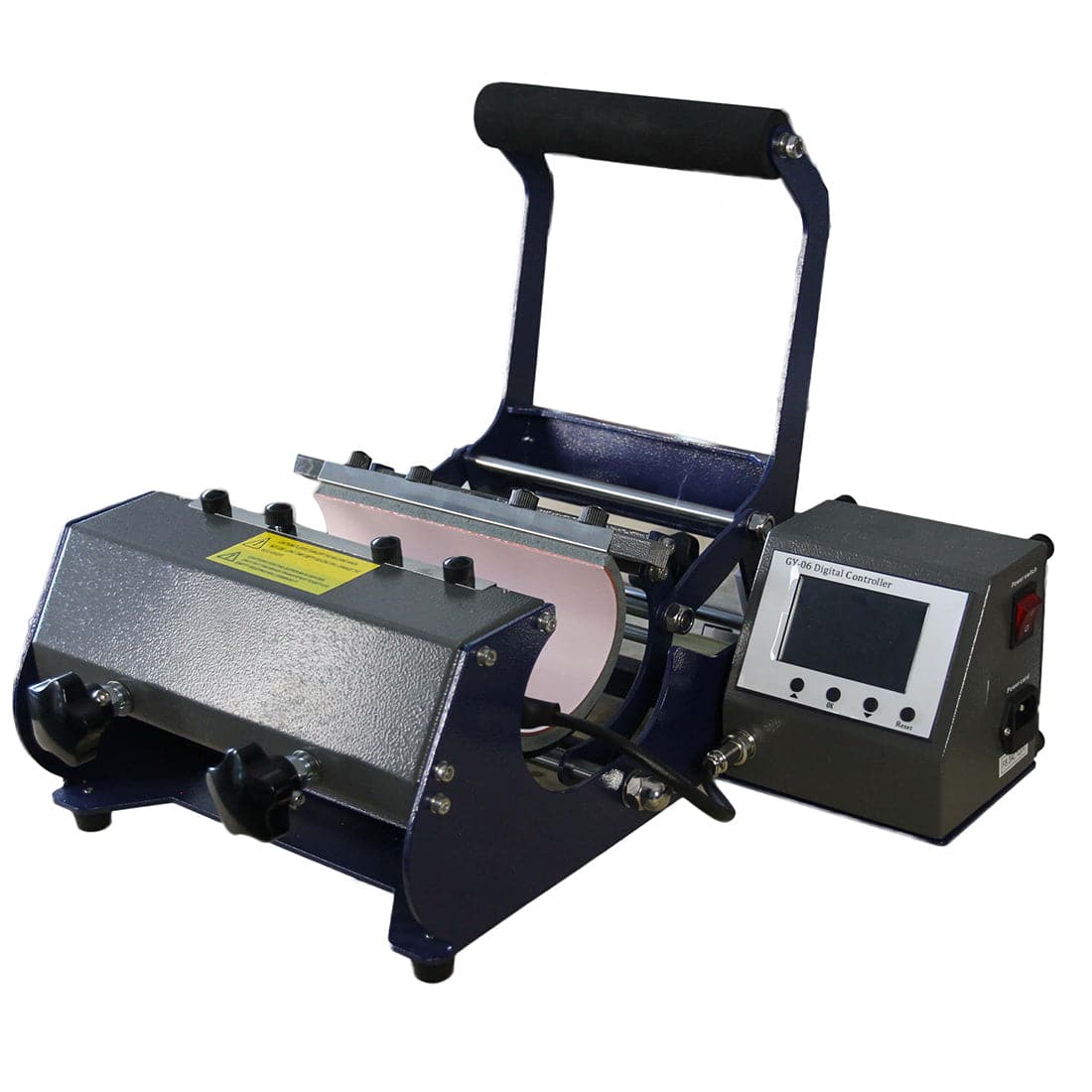
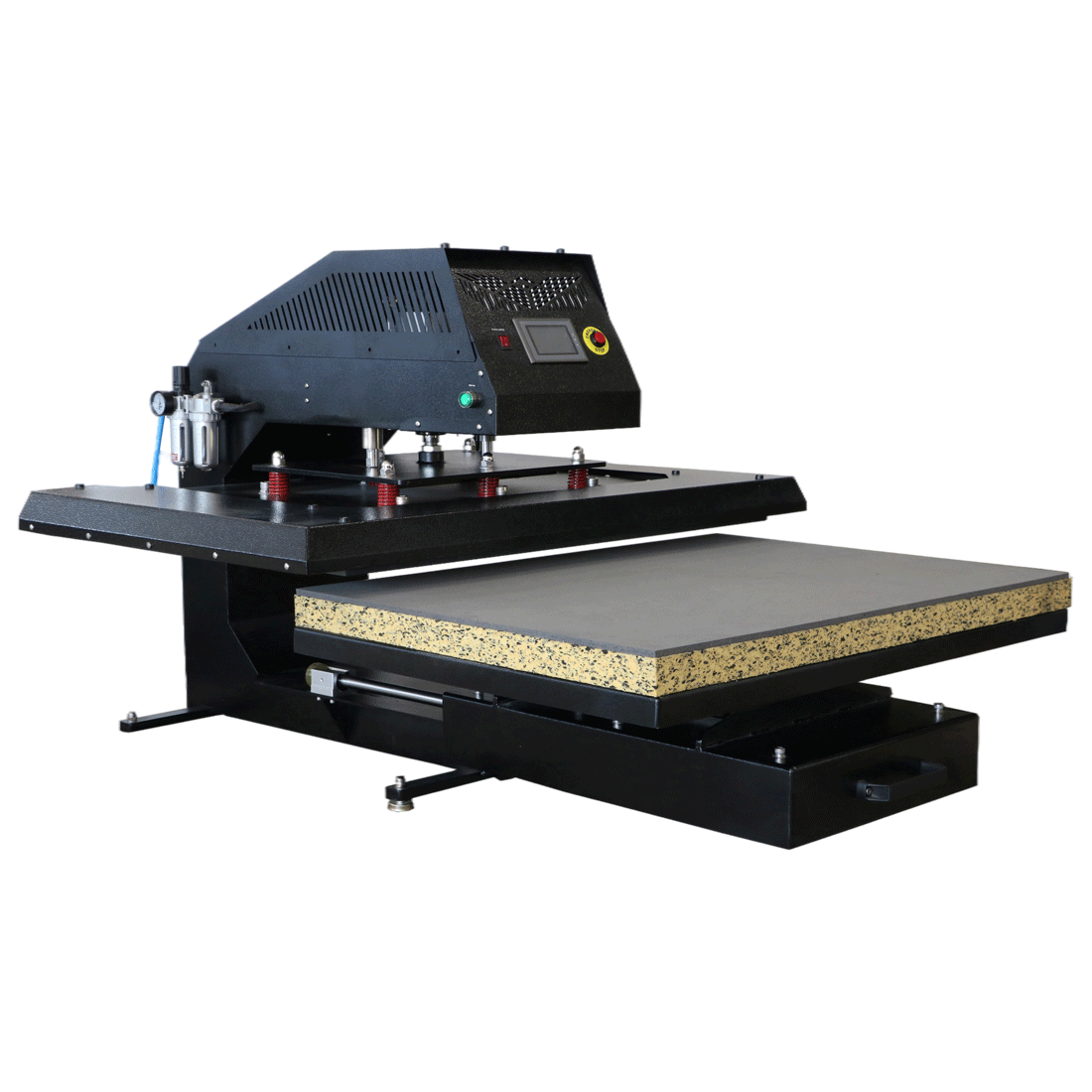
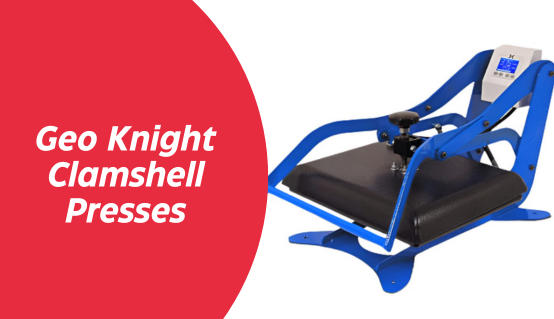
To apply DTF transfers, start by preheating your garment in a professional heat press to remove moisture and ensure a flat surface for optimal adhesion. Position the printed PET film onto the substrate and press at approximately 300°F to 320°F for 10 to 15 seconds using medium to firm pressure to activate the adhesive powder. Once the pressing cycle is complete, allow the transfer to cool entirely before performing a cold peel to maintain the integrity of the high-resolution graphic. Finally, execute a secondary finishing press for 5 seconds to further cure the ink and enhance the wash fastness and soft-hand feel of the final product.
DTF print head clogging is primarily caused by ink sedimentation, specifically the titanium dioxide in white ink, or environmental factors like low humidity that lead to dried ink on the nozzle plate. To resolve this, perform regular nozzle checks and head cleanings to maintain fluid circulation and prevent the ink from coagulating within the piezoelectric channels. For persistent clogs, utilize a professional cleaning solution on the capping station or gently flush the lines to ensure consistent ink flow and prevent permanent damage to the print head. Implementing a daily maintenance routine and maintaining a controlled production environment are essential for long-term reliability and high-quality output.
To achieve superior color vibrancy and high-resolution detail, utilize premium DTF inks and high-quality PET transfer films specifically engineered for precision ink absorption. Implementing optimized ICC profiles within your RIP software is critical to ensure accurate color reproduction and fine-line detail across various textile substrates. Maintaining consistent curing temperatures and using professional-grade adhesive powders will prevent oil migration and ensure the graphic remains crisp and durable after heat application. Regular printhead maintenance and moisture control in your production environment are essential to prevent nozzle clogging and maintain consistent droplet placement for professional-grade results.
Incorporating Direct-to-Film (DTF) printing into your production workflow significantly enhances cost-effectiveness by eliminating the expensive screens and labor-intensive setup required for traditional methods. This digital technology allows for high-speed, on-demand customization across various textile substrates, including cotton, polyester, and blends, which optimizes overall business scalability. By utilizing Joto’s specialized PET films and high-stretch adhesive powders, you ensure durable, professional-grade results that minimize material waste and maximize profit margins. The streamlined DTF process facilitates faster turnaround times for low-volume orders while maintaining exceptional color vibrancy and detail.

To maintain the integrity of your DTF consumables, store PET transfer films and TPU adhesive powders in a cool, dry environment with a consistent humidity level between 40% and 60%. It is critical to keep these materials in their original airtight packaging or sealed containers to prevent moisture absorption, which can lead to powder clumping and compromised ink adhesion. Avoid direct exposure to sunlight and extreme temperature fluctuations, as these environmental factors can degrade the specialized film coatings and the chemical properties of the adhesive powder. Implementing these professional storage practices ensures high-quality transfers, reduces production waste, and maximizes the shelf life of your DTF supplies.
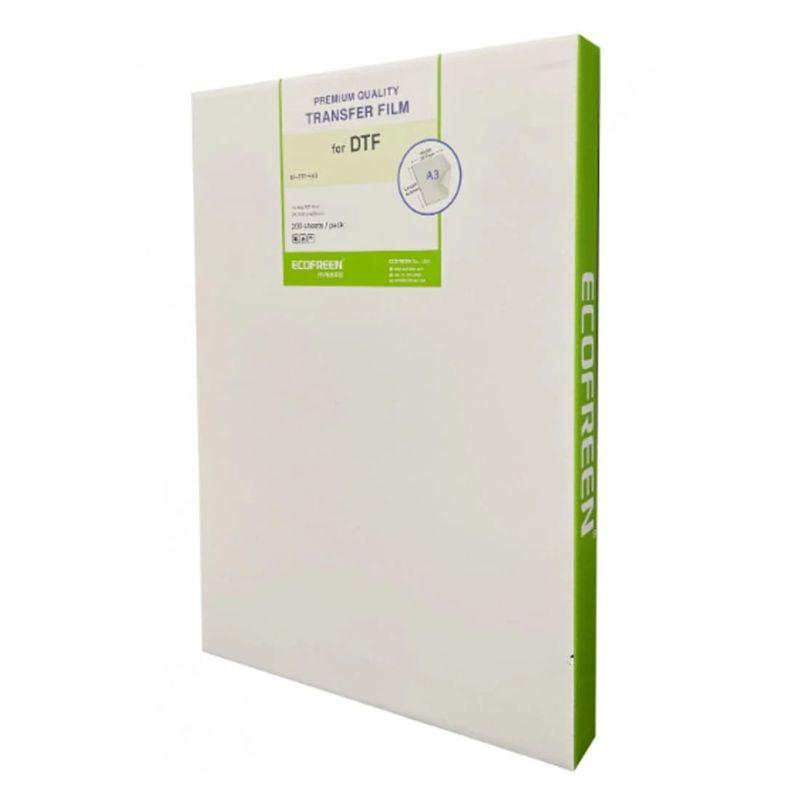
Direct-to-Film (DTF) printing offers a significantly lower entry cost for low-to-medium volume production compared to screen printing by eliminating the need for screens, emulsions, and complex setups. While sublimation is limited to light-colored polyester, DTF provides exceptional opacity and a soft-hand finish on both light and dark cotton, polyester, and blended fabrics. By utilizing specialized PET film and heat-activated adhesive powder, DTF ensures superior stretchability and industrial-grade wash fastness that traditional methods struggle to match. Joto Imaging Supplies provides the technical infrastructure and high-quality consumables necessary to achieve these professional-grade, full-color results efficiently.
To ensure maximum stretchability and prevent oil migration, optimize white ink density by balancing opacity with layer thickness, as excessive ink can trap humectants like glycerin. For high-volume production, implement a multi-stage curing profile between 320°F and 350°F for 60 to 90 seconds to fully evaporate moisture and cross-link the TPU adhesive powder. At Joto Imaging Supplies, we recommend maintaining a controlled environment below 60% humidity and using high-quality, oil-resistant PET films to prevent surface leaching and bubbling. Proper mechanical calibration and slowing print speeds for high-resolution jobs will further enhance ink stability and the overall durability of the transfer.