









Skip to content
en
USD

Score a Goal With the Best Prices

Shop Now

DTF Printers USA

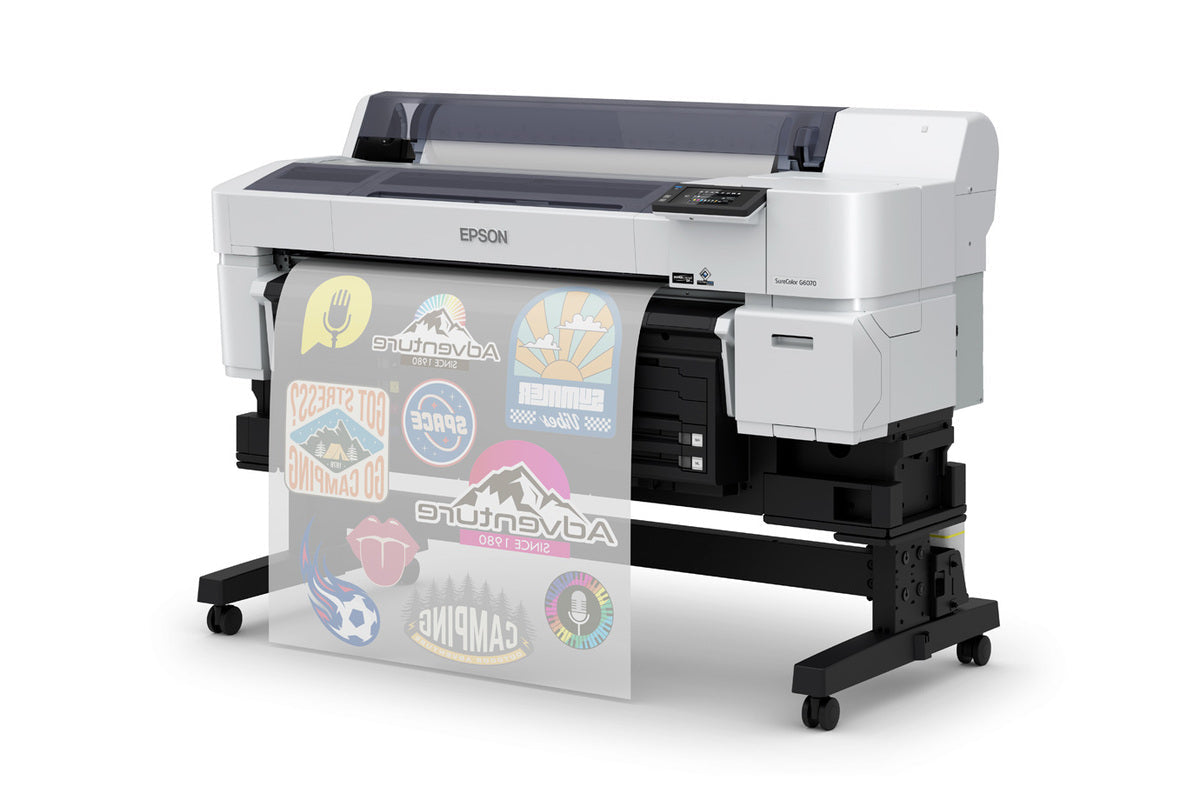
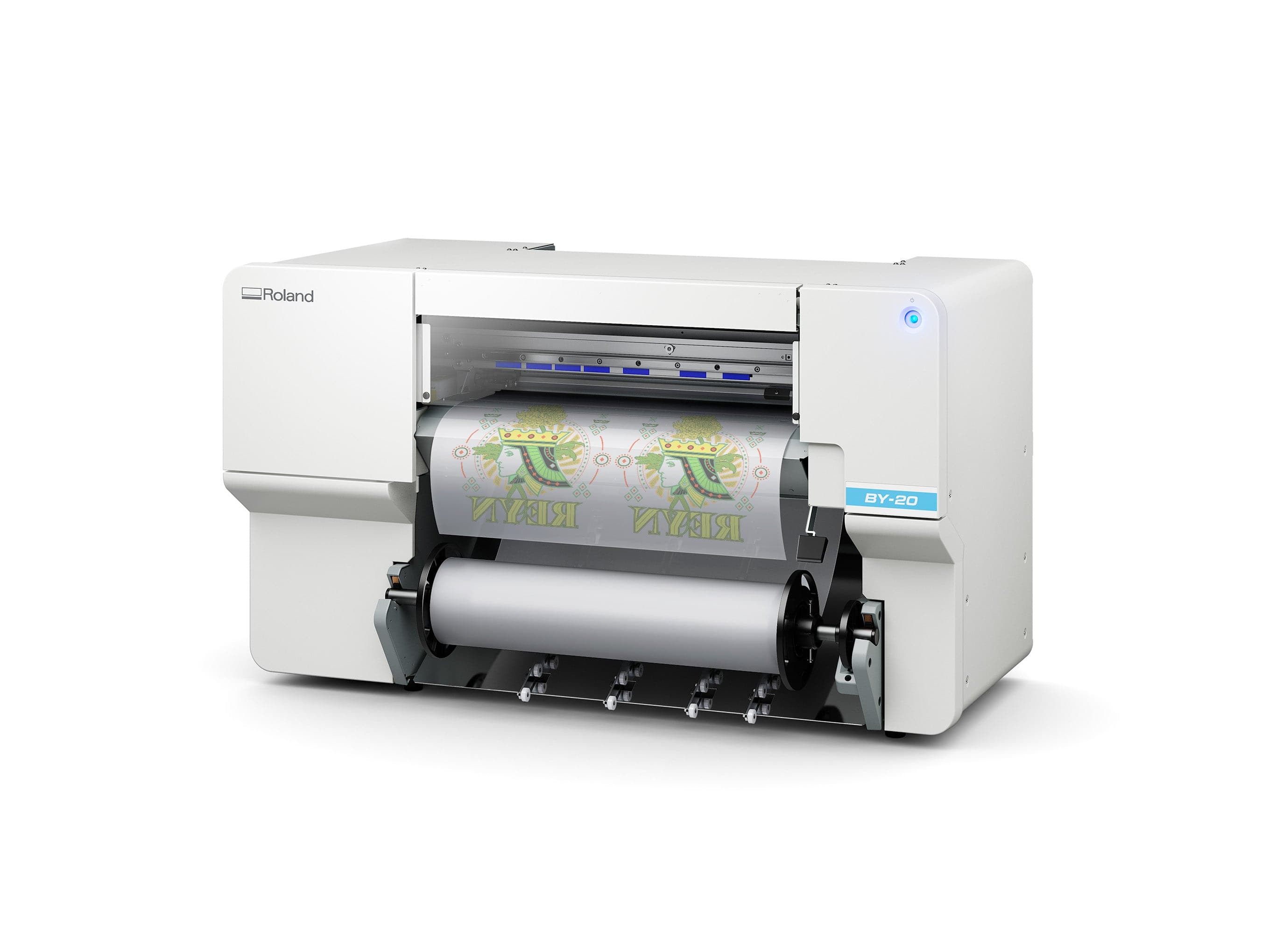
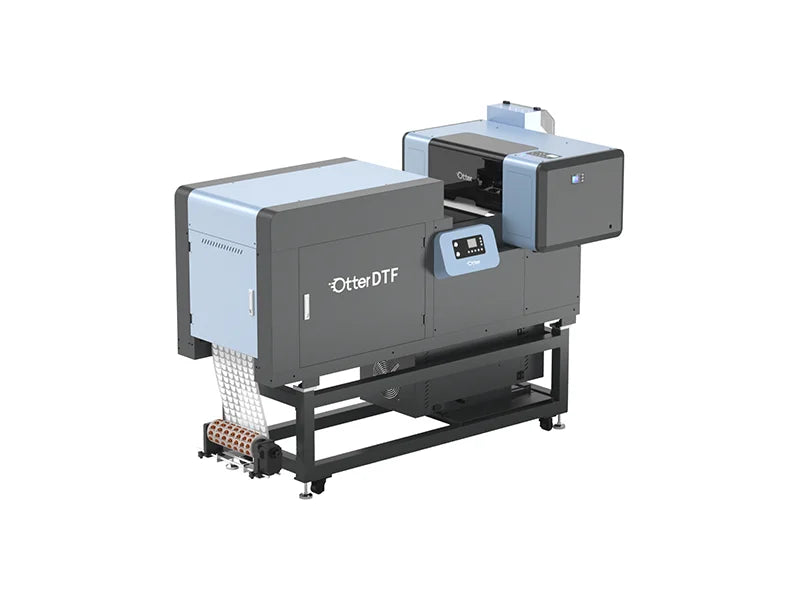
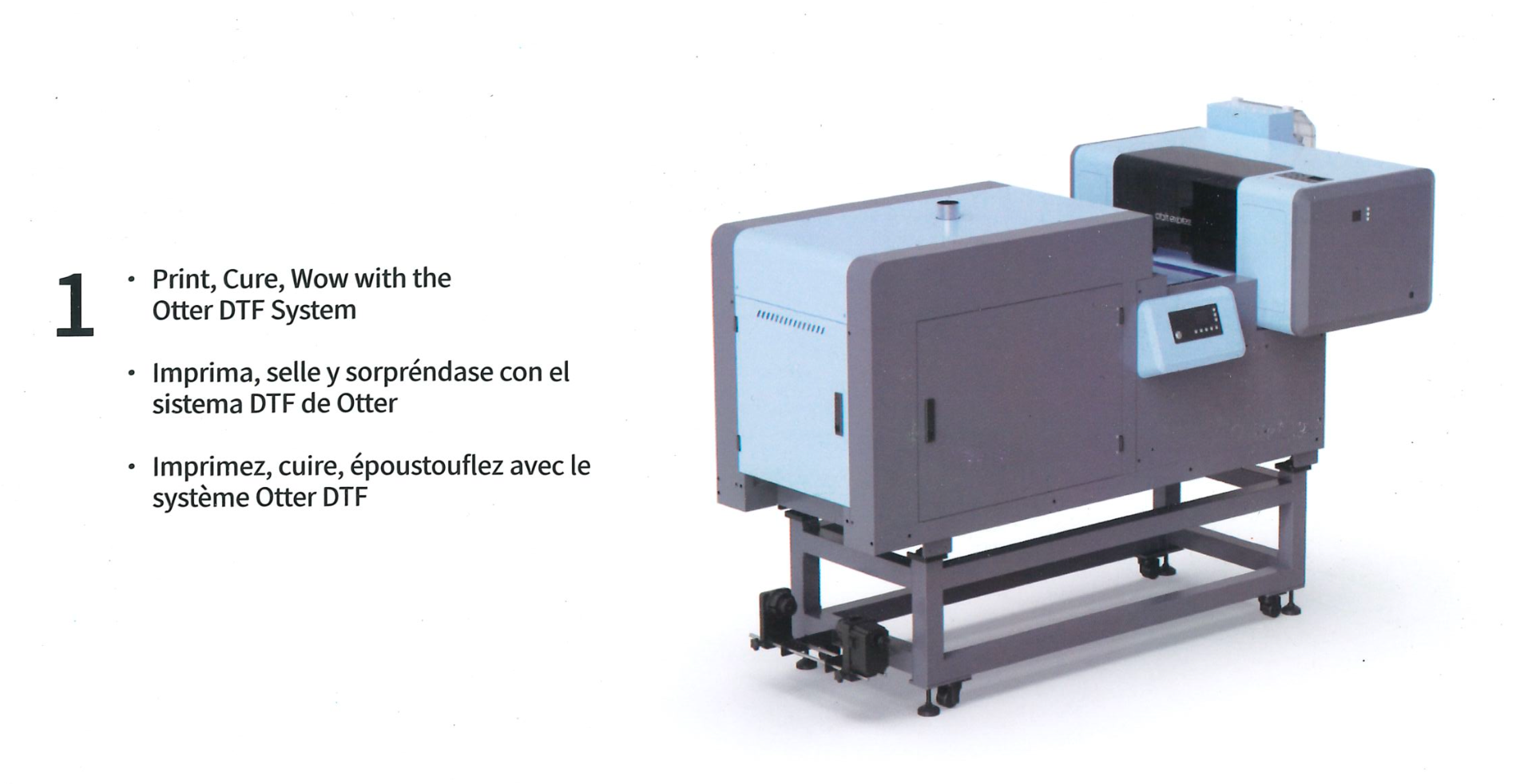
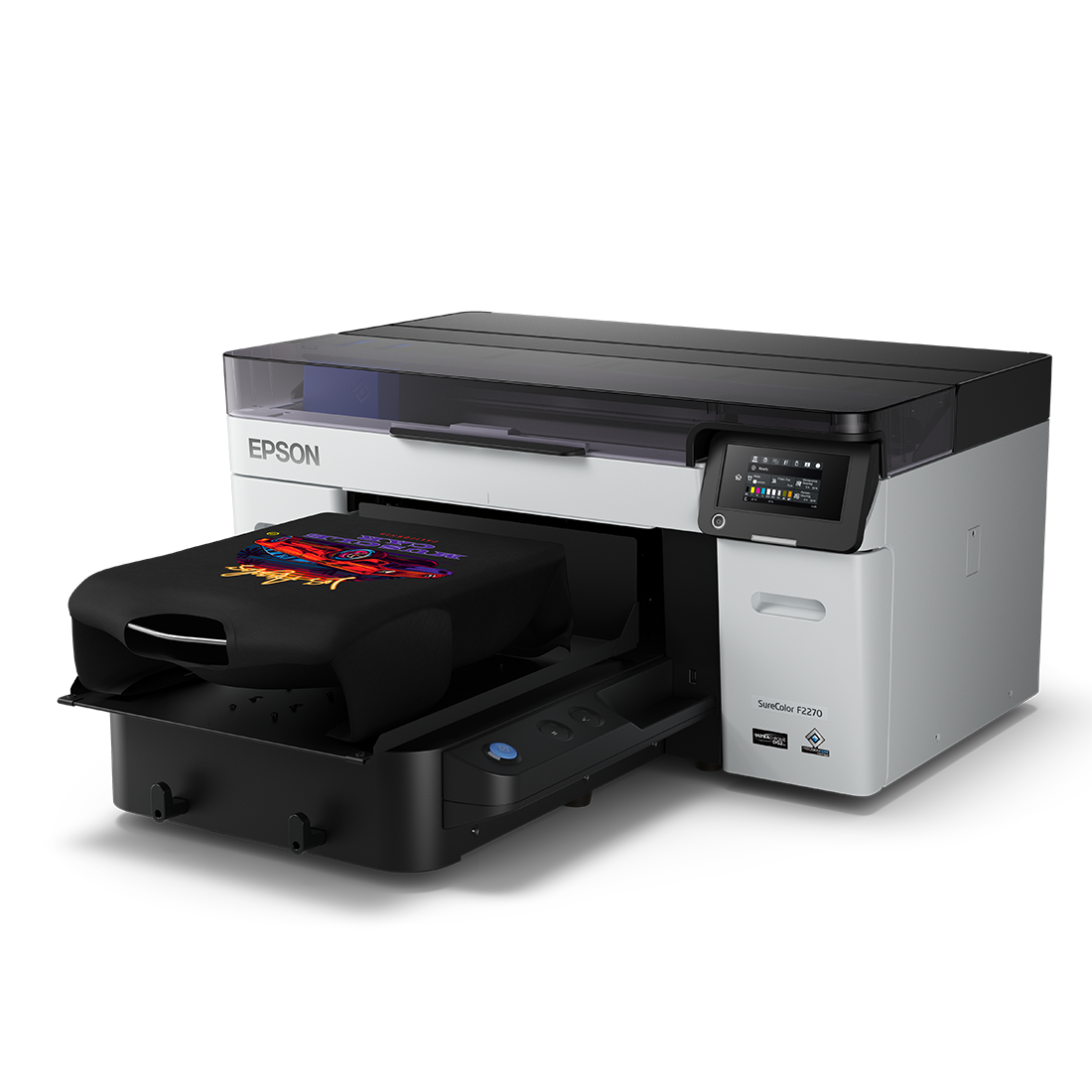
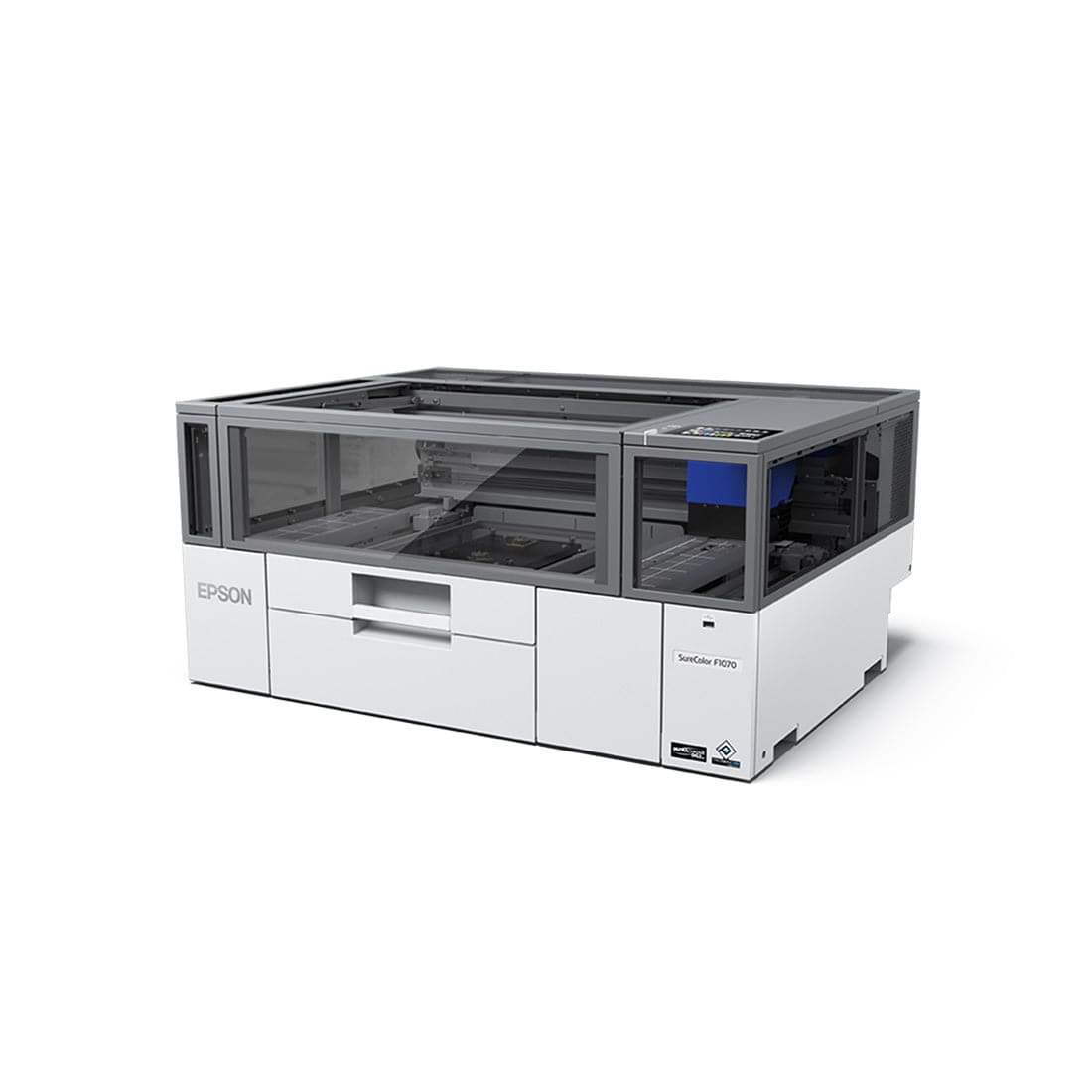
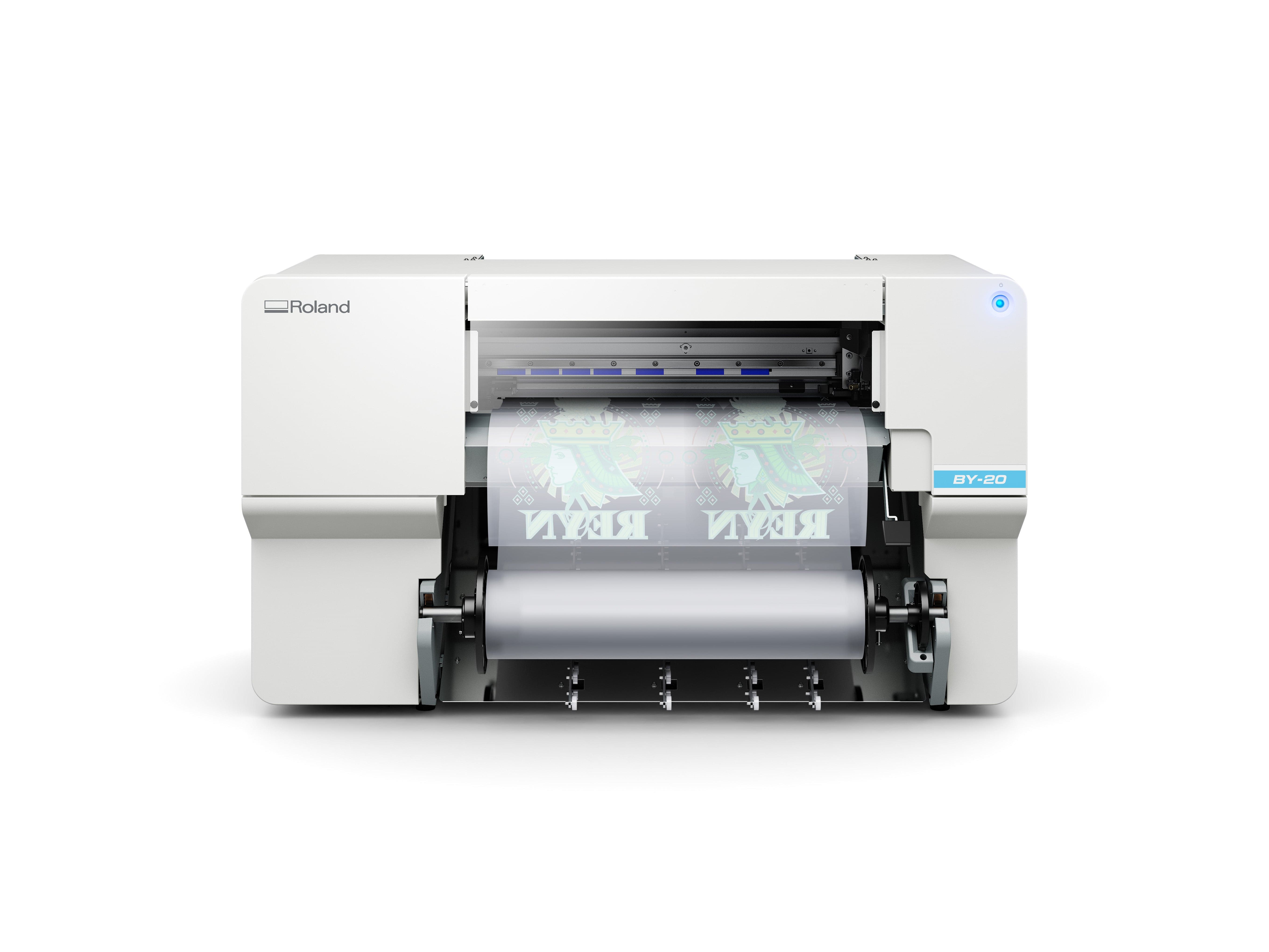
Explore our DTF Printers in the USA, built for print shops and growing apparel businesses that need reliable, high-quality results. At Joto Imaging Supplies, we offer trusted DTF solutions, expert guidance, and local support to help you produce vibrant transfers, increase production speed, and grow your business with confidence.

DTF Printers

Filter

36 products

  • Sort by

Frequently Asked Questions:

What is a DTF printer?

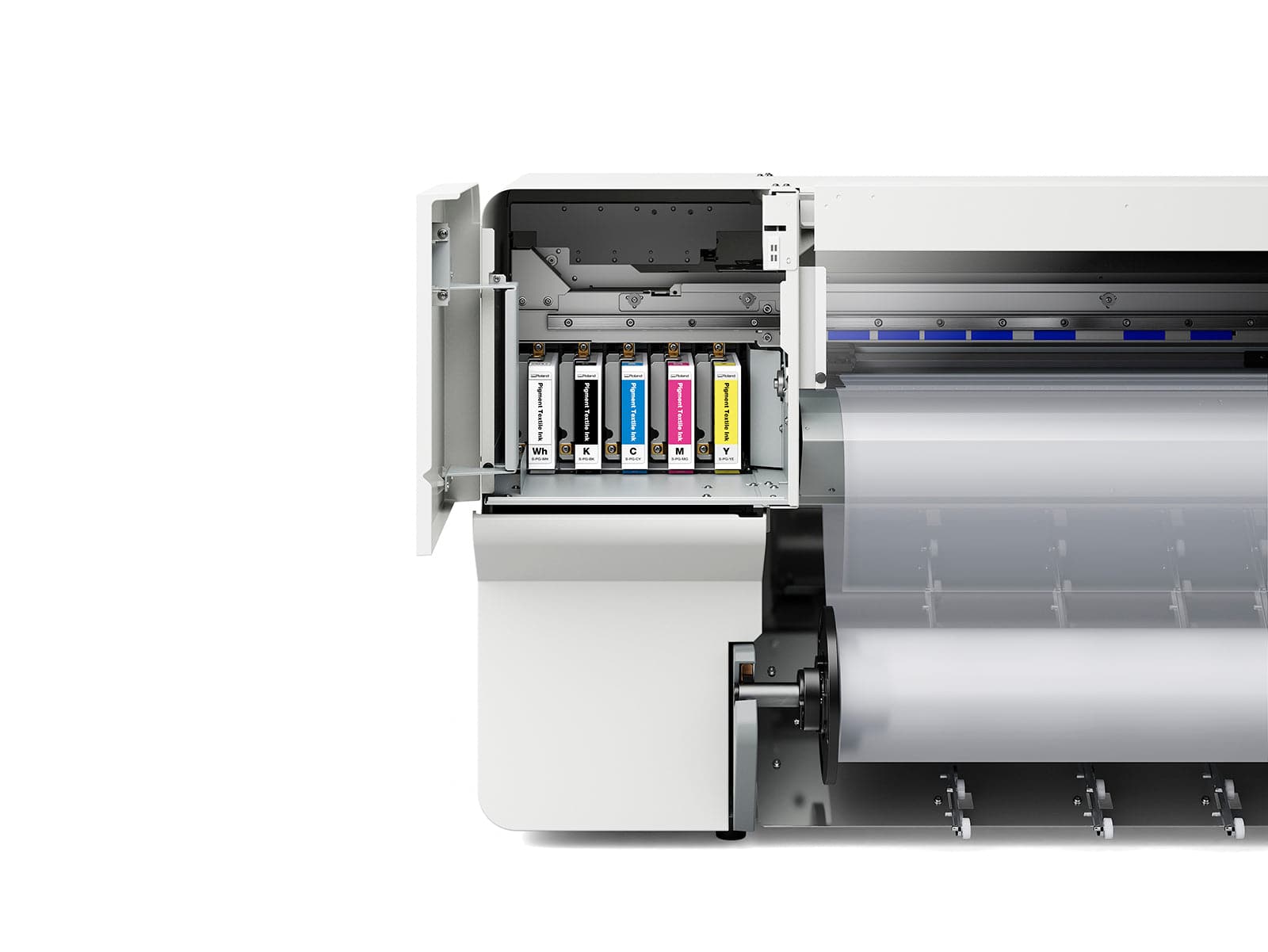
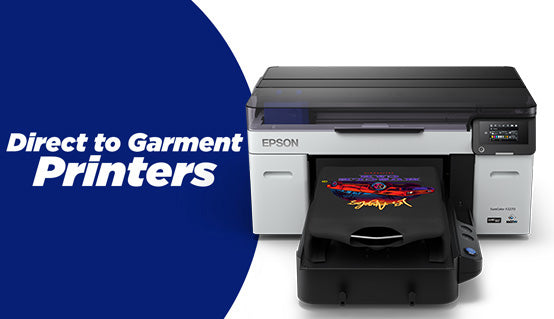
A DTF (Direct-to-Film) printer is a specialized digital inkjet system engineered to print high-resolution graphics onto a translucent PET film for versatile textile decoration. The process involves printing a full-color CMYK layer followed by a white ink base, which is then coated with a heat-activated adhesive powder and cured to create a durable transfer. At Joto Imaging Supplies, our DTF printers enable seamless application onto various substrates, including cotton, polyester, and bulky outdoor apparel, without the need for complex pretreatment. This technology provides a cost-effective, high-speed solution for producing vibrant, elastic designs that maintain exceptional washability and soft-hand feel for commercial garment production.

What fabrics and materials are compatible with DTF printing?

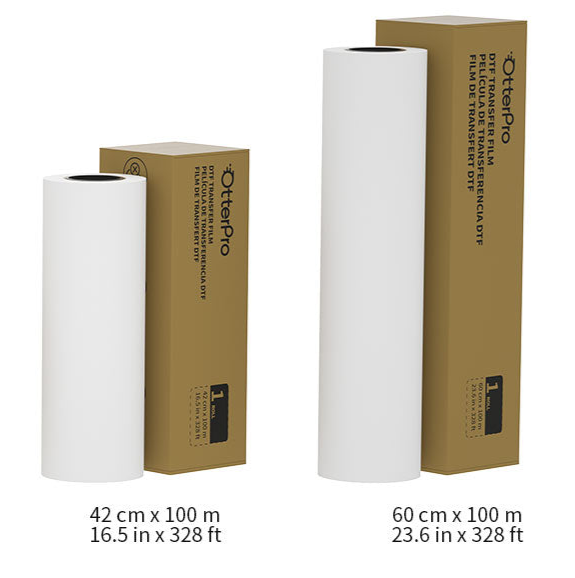
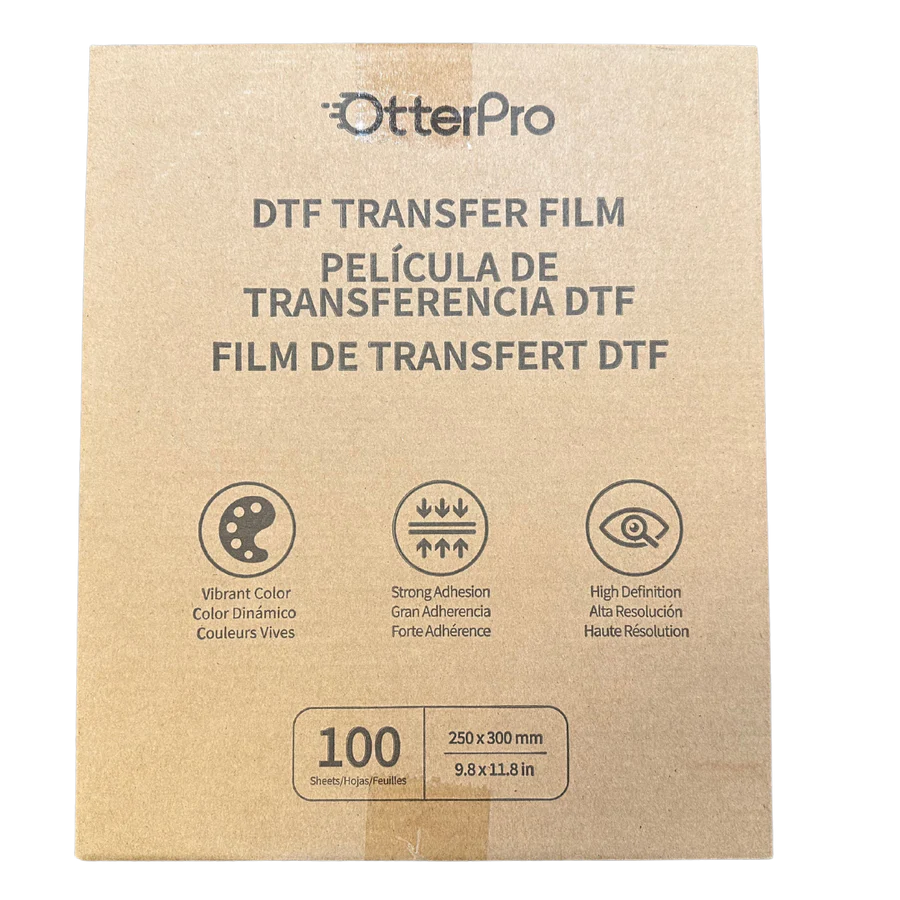
Direct-to-Film (DTF) printing is exceptionally versatile, offering superior compatibility with a broad range of textiles including 100% cotton, polyester, and cotton-poly blends. Unlike traditional methods, DTF technology also adheres effectively to more challenging substrates such as nylon, spandex, canvas, silk, and even leather. This process utilizes a specialized TPU adhesive powder to ensure a durable, flexible bond across both natural and synthetic fibers without the need for fabric pretreatment. By leveraging high-quality PET transfer films, Joto Imaging Supplies enables professional-grade customization on almost any textile, regardless of color or material composition.

How long do DTF prints last and what are the maintenance requirements for a DTF printer?

High-quality DTF transfers from Joto Imaging Supplies are engineered for industrial-level durability, typically maintaining their structural integrity and color vibrancy for 50 to 100 wash cycles when applied with professional-grade heat and pressure. To ensure the long-term performance of your DTF printer, it is essential to perform daily maintenance, including nozzle checks and head cleanings, to prevent ink sedimentation and white ink coagulation within the piezoelectric channels. Maintaining a climate-controlled environment with consistent humidity levels between 40% and 60% further protects the print head and ensures optimal ink flow for high-resolution production. By adhering to these technical protocols and utilizing premium PET films and adhesive powders, your business can achieve reliable, high-volume output with exceptional wash fastness.

How do you print and apply transfers using a DTF printer?

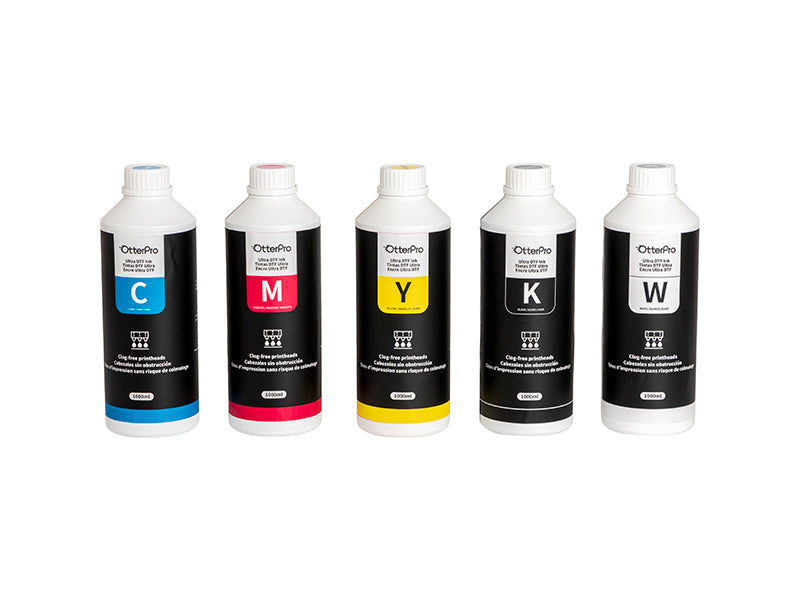
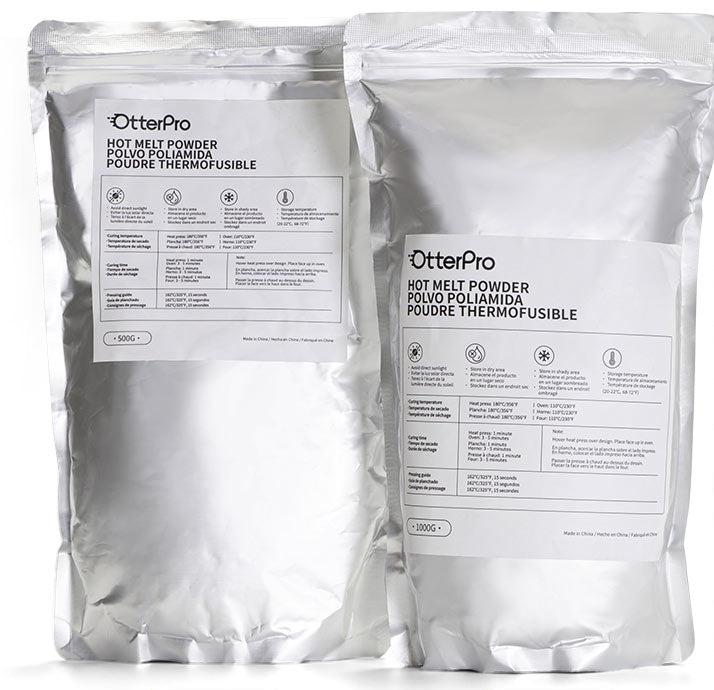
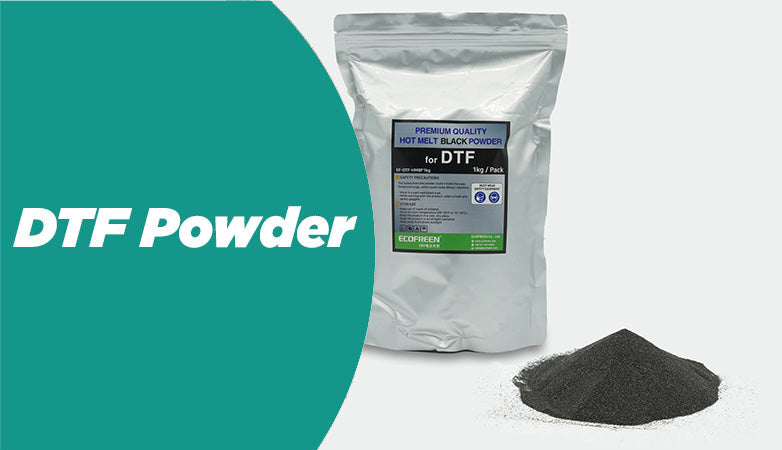
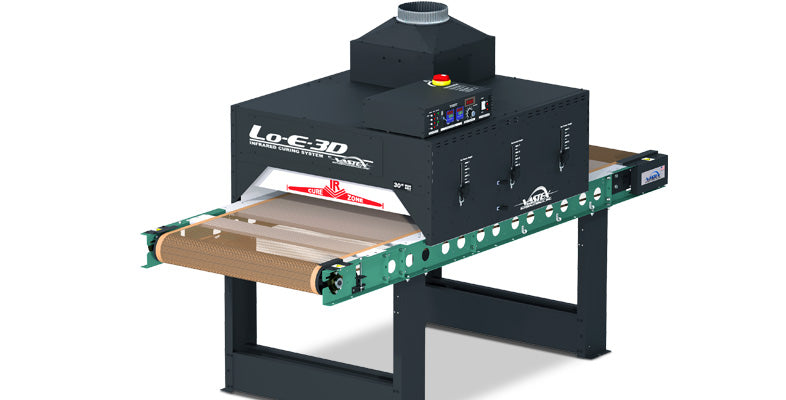
To produce high-quality transfers, print your digital design onto specialized PET film using a DTF printer equipped with high-performance textile inks. Immediately apply TPU adhesive powder to the wet ink and cure the film in a conveyor dryer or oven until the powder melts into a uniform, tacky layer. Position the cured transfer onto a pre-pressed garment and use a professional heat press at 300°F to 320°F for 10-15 seconds with medium-to-firm pressure. Once completely cooled, perform a cold peel of the film and finish with a secondary five-second press to ensure a permanent, industrial-grade bond and superior wash fastness.

Why is my DTF printer experiencing clogged printheads or banding in the designs?

DTF printhead clogging and banding are primarily caused by ink sedimentation, particularly the titanium dioxide in white ink, or environmental factors like low humidity that lead to dried ink on the nozzle plate. To resolve these issues, perform regular nozzle checks and head cleanings to maintain fluid circulation and prevent the ink from coagulating within the piezoelectric channels. Maintaining a stable production environment with 40-60% humidity and using high-quality DTF inks with optimized ICC profiles is critical for consistent flow and high-resolution results. For persistent clogs, utilize a professional cleaning solution or specialized recovery fluids to break down polymer chains and restore optimal jetting performance.
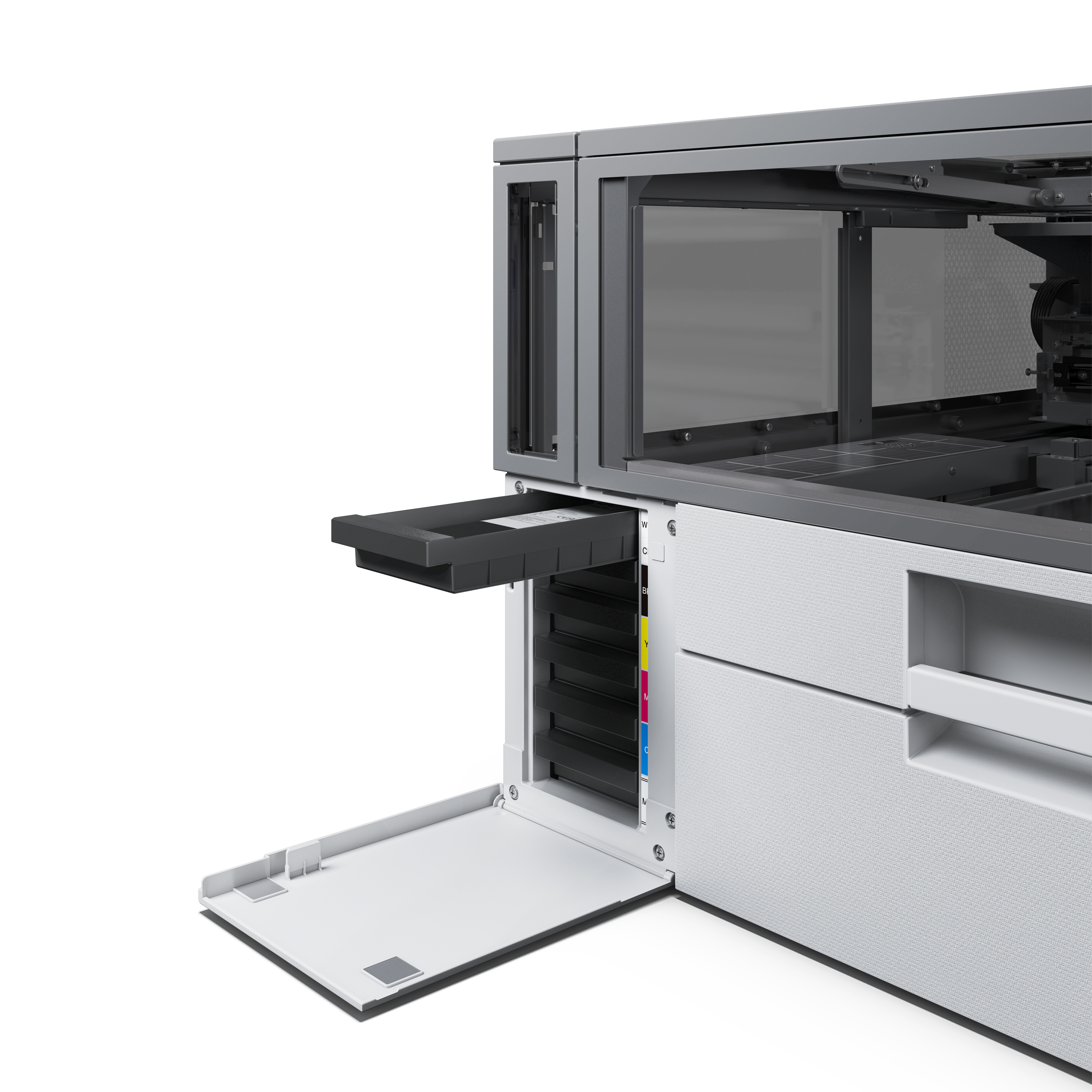
How can I achieve professional-level color vibrancy and high-resolution print quality with DTF printers?

To achieve professional-level color vibrancy and high-resolution print quality with DTF printers, it is essential to utilize high-quality pigment inks and premium PET transfer films paired with optimized ICC profiles for precise color management. Maintaining a robust white ink underbase and ensuring your design files are set to a minimum of 300 DPI will guarantee sharp details and prevent the garment color from muting your CMYK output. Additionally, consistent printer maintenance, such as regular nozzle checks and precise curing of the TPU adhesive powder at recommended temperatures, is critical for long-lasting durability and exceptional brightness. Utilizing professional-grade RIP software allows for fine-tuning ink density and registration, resulting in retail-ready transfers that stand out on any textile substrate.
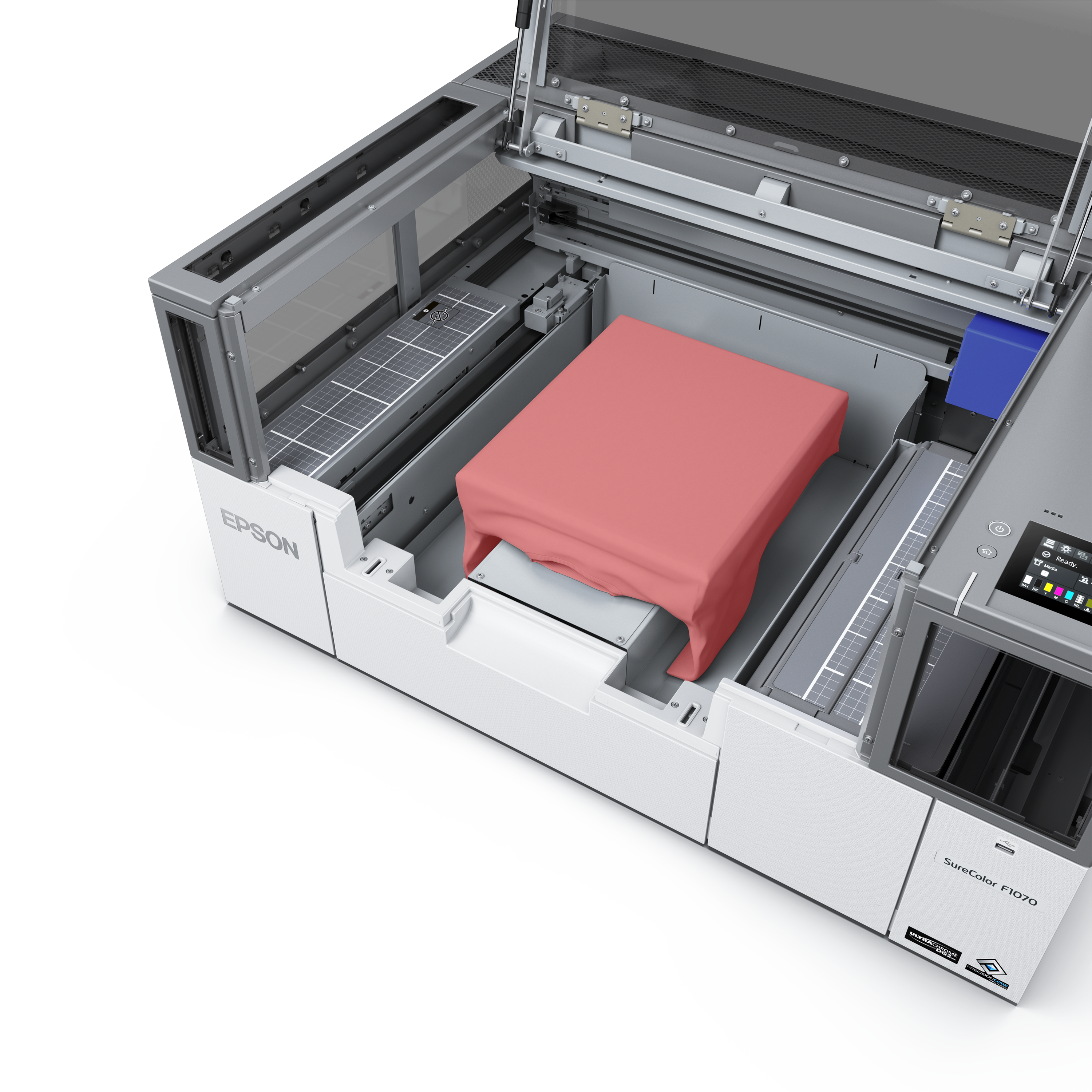
How can investing in DTF printers improve the cost-effectiveness and production scalability of my custom apparel business?

Investing in professional DTF printers enhances cost-effectiveness by eliminating expensive screen setups and labor-intensive pretreatments, significantly reducing the cost per print for small to medium runs. This digital technology enables rapid production scalability through high-speed output and the ability to print multiple designs on a single gang sheet, optimizing material yield. By utilizing Joto Imaging Supplies' advanced PET film and TPU adhesive systems, your business can achieve industrial-grade durability and vibrant, full-color results across a diverse range of textile substrates. This streamlined workflow allows for efficient on-demand customization and faster turnaround times, driving higher profit margins and sustainable business growth.
What are the best practices for the proper storage and safety precautions when operating DTF printers?

To ensure the longevity of your DTF printer, maintain a climate-controlled environment with temperatures between 65°F and 75°F and relative humidity levels between 40% and 60% to prevent printhead clogging and ink sedimentation. For short-term storage, keep the machine powered on to allow automatic maintenance routines and white ink circulation systems to protect the nozzle plate from drying out. For optimal safety and performance, always operate the unit on a dedicated circuit, keep the maintenance station clean of excess ink, and store PET films and adhesive powders in airtight containers away from direct sunlight. Utilizing these professional best practices at Joto Imaging Supplies will guarantee consistent transfer quality and protect your digital printing investment.

How does DTF printing compare to DTG, screen printing, or sublimation for custom apparel decoration?

Direct-to-Film (DTF) printing provides a versatile alternative to screen printing by eliminating costly setup fees and labor-intensive preparation for low-to-medium volume production. Unlike sublimation, which is restricted to light-colored polyester, DTF technology utilizes specialized PET film and heat-activated adhesive powder to ensure exceptional opacity and durability on both dark and light cotton, polyester, and blended textiles. While DTG offers a softer hand feel on cotton, DTF printing delivers 200% to 400% higher productivity by removing the need for garment pretreatment while maintaining vibrant, high-resolution results. Joto Imaging Supplies recommends DTF printers for businesses seeking a cost-effective, multi-substrate decoration method that bridges the gap between digital precision and industrial-grade wash fastness.

How can I optimize white ink density and adhesive powder curing profiles to ensure maximum stretchability and wash fastness on high-performance synthetic fabrics?

To optimize white ink density for high-performance synthetic fabrics, balance opacity by setting the underbase to approximately 60% to create a durable barrier against dye migration while maintaining a thin, stretchable layer. Utilize fine-grind TPU adhesive powder and implement a multi-stage curing profile between 320°F and 350°F for 60 to 90 seconds to ensure full moisture evaporation and deep cross-linking for maximum wash fastness. For the final application, utilize lower transfer temperatures between 280°F and 300°F with extended dwell times up to 50 seconds to prevent thermal damage to the synthetic fibers while securing a permanent mechanical bond. At Joto Imaging Supplies, we recommend performing regular stretch tests to fine-tune these parameters for specific technical blends to ensure professional-grade durability and a premium soft-hand finish.

aaa

Drawer Title

Similar Products