

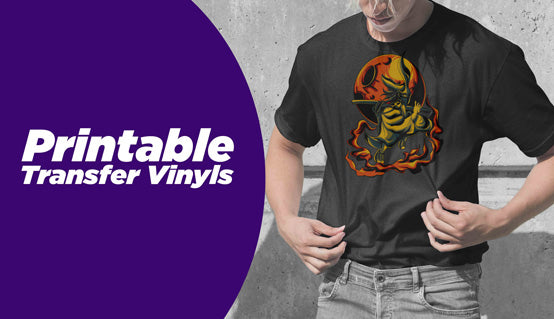


Textile transfer vinyl, commonly referred to as heat transfer vinyl (HTV), is primarily utilized for the high-quality customization of apparel and accessories such as T-shirts, hoodies, and performance jerseys. These specialized thermo-adhesive films are engineered to create a permanent bond with heat-resistant substrates like cotton, polyester, and various blends when applied using a professional heat press. Beyond traditional garment decorating, textile transfer vinyl offers versatile applications for personalizing tote bags, caps, and even hard surfaces like wood or canvas with a wide range of finishes including glitter and matte. By utilizing premium transfer vinyls from Joto Imaging Supplies, decorators can ensure durable, retail-ready results that maintain high color density and resist peeling or cracking through repeated laundering.
Vinilos de transferencia textil
Crea diseños llamativos y duraderos para prendas y proyectos textiles con nuestros vinilos textiles premium. Perfectos para personalizar camisetas, sudaderas, bolsos y más, estos vinilos están diseñados para una aplicación suave y colores vibrantes y duraderos.
¿Por qué elegir nuestros vinilos textiles?
- Colores brillantes y resistentes a la decoloración : mantiene los diseños nítidos y vibrantes, lavado tras lavado.
- Fácil de cortar, desmalezar y aplicar : diseñado para cortar sin esfuerzo y desmalezar con precisión, incluso para detalles intrincados.
- Amplia gama de acabados : elija entre acabados mate, brillantes, con brillo, metálicos y efectos especiales para adaptarse a cualquier estilo.
- Compatible con la mayoría de cortadores y prensas térmicas : funciona a la perfección con equipos profesionales y de manualidades populares.
Ya sea que esté creando regalos únicos, decorando uniformes de equipo o dirigiendo un negocio de ropa personalizada, nuestros vinilos de transferencia textil ofrecen la combinación perfecta de durabilidad y flexibilidad creativa. ¡Compre ahora y transforme cualquier tela en una vibrante obra maestra personalizada!

Venta


Agotado


Agotado


Agotado


Agotado
Complementary Products
-
![OtterUltra Heat Press G1 - 120 - Joto Imaging Supplies Canada]()
16" × 20" (Marine Blue)
OLLI Ultra Heat Press S1
-
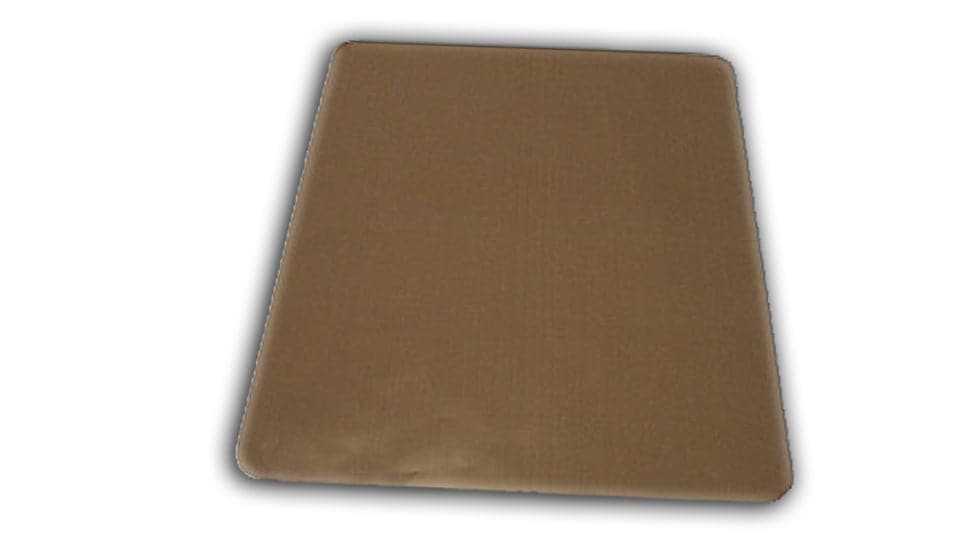
![Non-Stick Platen Cover Protectors]()
Non-Stick Platen Cover Protectors
-
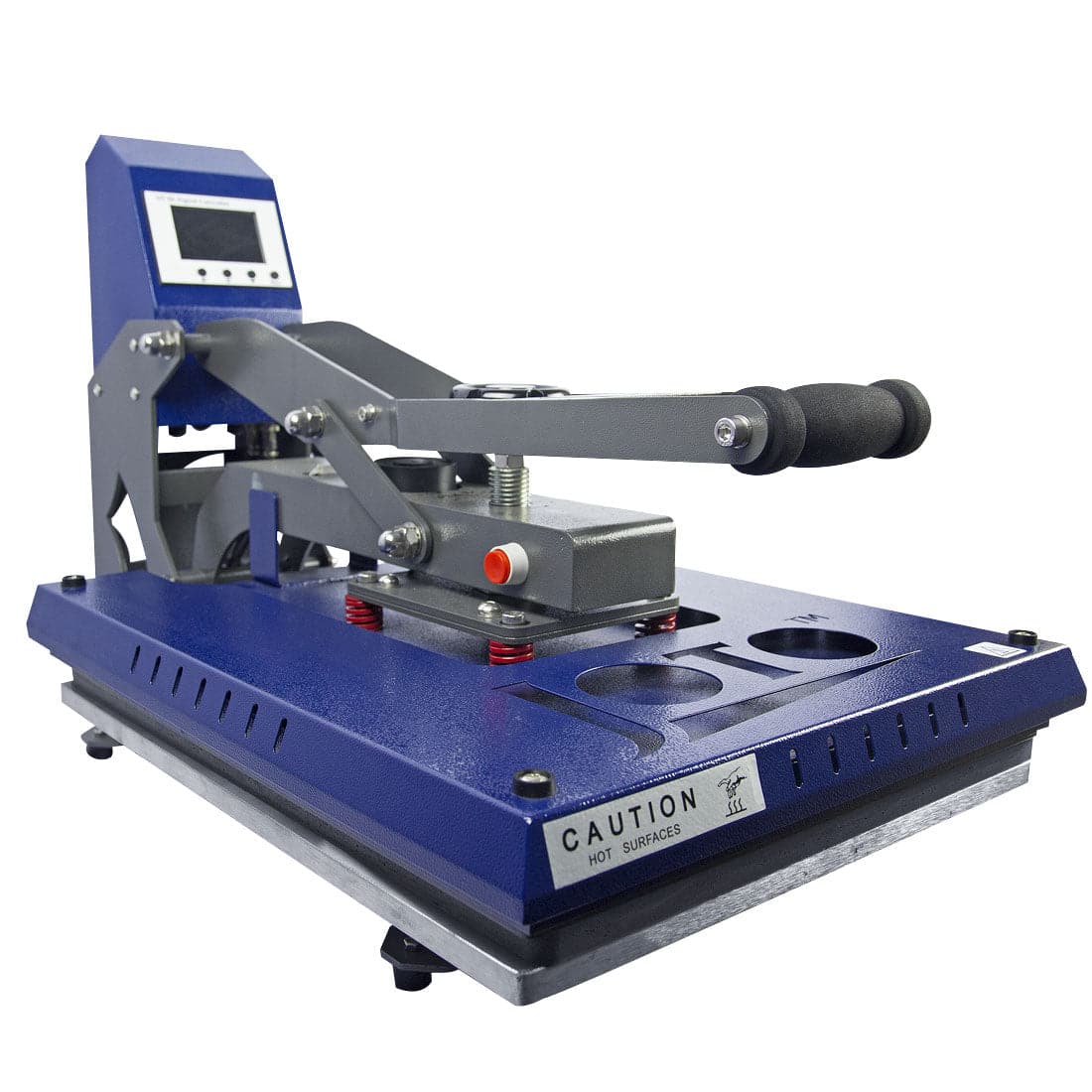
![Joto Auto Release ClamShell Heat Press 16" x 20" - Joto Imaging Supplies US]()
Heat Press 16" x 20"
Joto Auto Release ClamShell
-
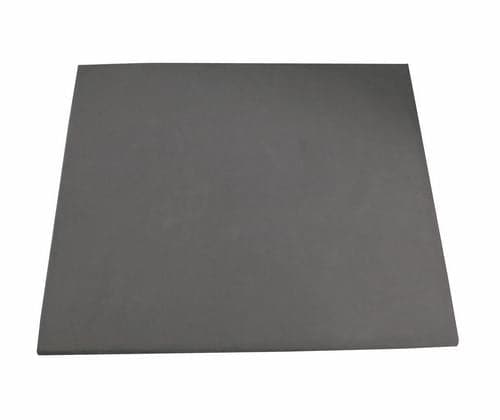
![Silicone Pad for Heat Press]()
Silicone Pad for Heat Press
-
![OtterUltra Heat Press G1 - 120 - Joto Imaging Supplies Canada]()
16" × 20" (Marine Blue)
OLLI Ultra Heat Press S1
-
![Non-Stick Platen Cover Protectors]()
Non-Stick Platen Cover Protectors
-
![Joto Auto Release ClamShell Heat Press 16" x 20" - Joto Imaging Supplies US]()
Heat Press 16" x 20"
Joto Auto Release ClamShell
-
![Silicone Pad for Heat Press]()
Silicone Pad for Heat Press
-
![OtterUltra Heat Press G1 - 120 - Joto Imaging Supplies Canada]()
16" × 20" (Marine Blue)
OLLI Ultra Heat Press S1
-
![Non-Stick Platen Cover Protectors]()
Non-Stick Platen Cover Protectors
-
![Joto Auto Release ClamShell Heat Press 16" x 20" - Joto Imaging Supplies US]()
Heat Press 16" x 20"
Joto Auto Release ClamShell
-
![Silicone Pad for Heat Press]()
Silicone Pad for Heat Press
-
![OtterUltra Heat Press G1 - 120 - Joto Imaging Supplies Canada]()
16" × 20" (Marine Blue)
OLLI Ultra Heat Press S1
-
![Non-Stick Platen Cover Protectors]()
Non-Stick Platen Cover Protectors
-
![Joto Auto Release ClamShell Heat Press 16" x 20" - Joto Imaging Supplies US]()
Heat Press 16" x 20"
Joto Auto Release ClamShell
-
![Silicone Pad for Heat Press]()
Silicone Pad for Heat Press
-
![OtterUltra Heat Press G1 - 120 - Joto Imaging Supplies Canada]()
16" × 20" (Marine Blue)
OLLI Ultra Heat Press S1
-
![Non-Stick Platen Cover Protectors]()
Non-Stick Platen Cover Protectors
-
![Joto Auto Release ClamShell Heat Press 16" x 20" - Joto Imaging Supplies US]()
Heat Press 16" x 20"
Joto Auto Release ClamShell
-
![Silicone Pad for Heat Press]()
Silicone Pad for Heat Press
-
![OtterUltra Heat Press G1 - 120 - Joto Imaging Supplies Canada]()
16" × 20" (Marine Blue)
OLLI Ultra Heat Press S1
-
![Non-Stick Platen Cover Protectors]()
Non-Stick Platen Cover Protectors
-
![Joto Auto Release ClamShell Heat Press 16" x 20" - Joto Imaging Supplies US]()
Heat Press 16" x 20"
Joto Auto Release ClamShell
-
![Silicone Pad for Heat Press]()
Silicone Pad for Heat Press
-
![OtterUltra Heat Press G1 - 120 - Joto Imaging Supplies Canada]()
16" × 20" (Marine Blue)
OLLI Ultra Heat Press S1
-
![Non-Stick Platen Cover Protectors]()
Non-Stick Platen Cover Protectors
-
![Joto Auto Release ClamShell Heat Press 16" x 20" - Joto Imaging Supplies US]()
Heat Press 16" x 20"
Joto Auto Release ClamShell
-
![Silicone Pad for Heat Press]()
Silicone Pad for Heat Press
-
![OtterUltra Heat Press G1 - 120 - Joto Imaging Supplies Canada]()
16" × 20" (Marine Blue)
OLLI Ultra Heat Press S1
-
![Non-Stick Platen Cover Protectors]()
Non-Stick Platen Cover Protectors
-
![Joto Auto Release ClamShell Heat Press 16" x 20" - Joto Imaging Supplies US]()
Heat Press 16" x 20"
Joto Auto Release ClamShell
-
![Silicone Pad for Heat Press]()
Silicone Pad for Heat Press
-
![OtterUltra Heat Press G1 - 120 - Joto Imaging Supplies Canada]()
16" × 20" (Marine Blue)
OLLI Ultra Heat Press S1
-
![Non-Stick Platen Cover Protectors]()
Non-Stick Platen Cover Protectors
-
![Joto Auto Release ClamShell Heat Press 16" x 20" - Joto Imaging Supplies US]()
Heat Press 16" x 20"
Joto Auto Release ClamShell
-
![Silicone Pad for Heat Press]()
Silicone Pad for Heat Press
-
![OtterUltra Heat Press G1 - 120 - Joto Imaging Supplies Canada]()
16" × 20" (Marine Blue)
OLLI Ultra Heat Press S1
-
![Non-Stick Platen Cover Protectors]()
Non-Stick Platen Cover Protectors
-
![Joto Auto Release ClamShell Heat Press 16" x 20" - Joto Imaging Supplies US]()
Heat Press 16" x 20"
Joto Auto Release ClamShell
-
![Silicone Pad for Heat Press]()
Silicone Pad for Heat Press
-
![OtterUltra Heat Press G1 - 120 - Joto Imaging Supplies Canada]()
16" × 20" (Marine Blue)
OLLI Ultra Heat Press S1
-
![Non-Stick Platen Cover Protectors]()
Non-Stick Platen Cover Protectors
-
![Joto Auto Release ClamShell Heat Press 16" x 20" - Joto Imaging Supplies US]()
Heat Press 16" x 20"
Joto Auto Release ClamShell
-
![Silicone Pad for Heat Press]()
Silicone Pad for Heat Press
-
![OtterUltra Heat Press G1 - 120 - Joto Imaging Supplies Canada]()
16" × 20" (Marine Blue)
OLLI Ultra Heat Press S1
-
![Non-Stick Platen Cover Protectors]()
Non-Stick Platen Cover Protectors
-
![Joto Auto Release ClamShell Heat Press 16" x 20" - Joto Imaging Supplies US]()
Heat Press 16" x 20"
Joto Auto Release ClamShell
-
![Silicone Pad for Heat Press]()
Silicone Pad for Heat Press
-
![OtterUltra Heat Press G1 - 120 - Joto Imaging Supplies Canada]()
16" × 20" (Marine Blue)
OLLI Ultra Heat Press S1
-
![Non-Stick Platen Cover Protectors]()
Non-Stick Platen Cover Protectors
-
![Joto Auto Release ClamShell Heat Press 16" x 20" - Joto Imaging Supplies US]()
Heat Press 16" x 20"
Joto Auto Release ClamShell
-
![Silicone Pad for Heat Press]()
Silicone Pad for Heat Press
-
![OtterUltra Heat Press G1 - 120 - Joto Imaging Supplies Canada]()
16" × 20" (Marine Blue)
OLLI Ultra Heat Press S1
-
![Non-Stick Platen Cover Protectors]()
Non-Stick Platen Cover Protectors
-
![Joto Auto Release ClamShell Heat Press 16" x 20" - Joto Imaging Supplies US]()
Heat Press 16" x 20"
Joto Auto Release ClamShell
-
![Silicone Pad for Heat Press]()
Silicone Pad for Heat Press
-
![OtterUltra Heat Press G1 - 120 - Joto Imaging Supplies Canada]()
16" × 20" (Marine Blue)
OLLI Ultra Heat Press S1
-
![Non-Stick Platen Cover Protectors]()
Non-Stick Platen Cover Protectors
-
![Joto Auto Release ClamShell Heat Press 16" x 20" - Joto Imaging Supplies US]()
Heat Press 16" x 20"
Joto Auto Release ClamShell
-
![Silicone Pad for Heat Press]()
Silicone Pad for Heat Press

Vinyl Cutter Blade Depth and Pressure: A Troubleshooting Guide
Vinyl cutter blade depth and pressure problems almost always come down to one of two failure modes: the blade cuts...
Leer más
Cold Peel vs Hot Peel DTF Film
Hot peel film comes off immediately after pressing, cold peel has to sit until it reaches room temperature. Hot peel...
Leer más
Hiring Your First Employee: A Print Shop Owner's Practical Guide
Hiring your first print shop employee legally requires an Employer Identification Number, a completed Form I-9 and W-4 for the...
Leer másFAQs About Heat Transfer Vinyl
What are the primary uses for textile transfer vinyls?
What fabrics and materials are compatible with textile transfer vinyl?
How durable is textile transfer vinyl after multiple washes, and what are the best laundering practices to ensure design longevity?
How do I correctly apply textile transfer vinyls to apparel using a heat press?
Why is my textile transfer vinyl peeling or not adhering properly after heat pressing?
How can I achieve professional-grade color vibrancy and sharp details when using textile transfer vinyls?
How can using textile transfer vinyls improve my business's profit margins and production efficiency?
What are the best practices for the safe handling and proper storage of textile transfer vinyls?
How do textile transfer vinyls compare to screen printing and embroidery in terms of durability and application versatility?
How can I optimize time, temperature, and pressure settings to ensure perfect adhesion and weeding precision for complex, multi-layered textile transfer vinyl designs on high-performance stretch fabrics?