













Saltar al contenido
es
USD

Envío gratis en pedidos de $250+ (pueden aplicar exclusiones) | Compra lo nuevo en sublimación | Ofertas calientes de hasta el 40% OFF

Shop Now

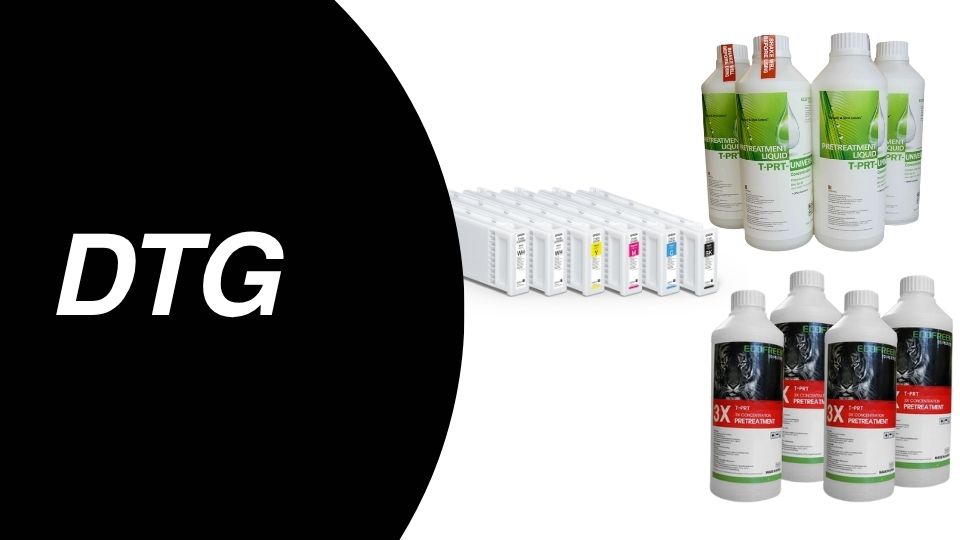
DTG

DTG - Fundamentos completos de la impresión directa sobre prenda

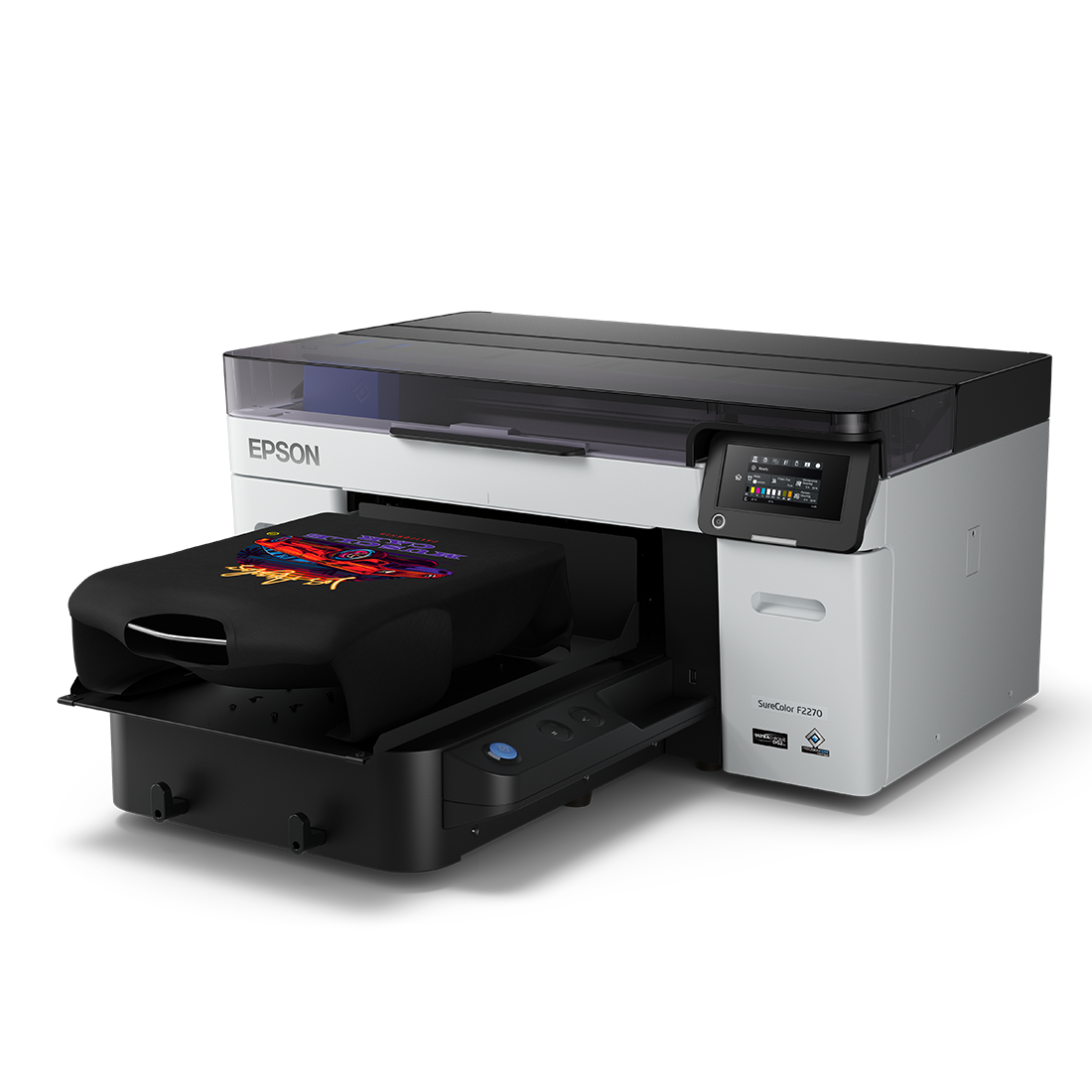
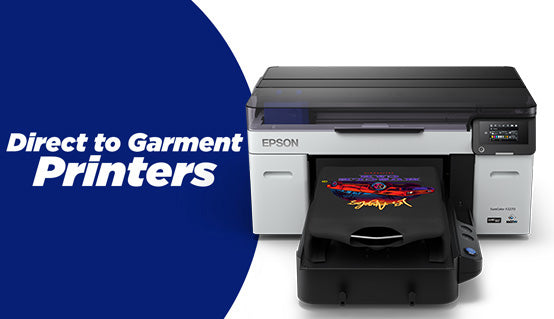
Obtenga una eficiencia inigualable y resultados vibrantes con nuestras soluciones de impresión directa a prenda (DTG). Diseñados específicamente para pequeñas imprentas y franquicias, nuestros sistemas DTG ofrecen una calidad de impresión superior y facilidad de uso, lo que le garantiza la entrega constante de prendas personalizadas excepcionales que destacan entre la competencia.

¿Por qué elegir nuestras soluciones DTG?

  • Impresión de alta resolución : cree diseños vívidos y a todo color con detalles de calidad fotográfica.

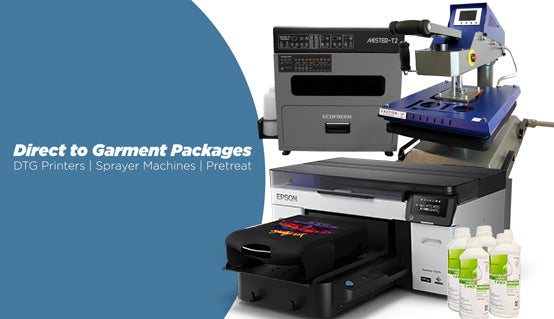
  • Sistema de impresión completo : desde fluidos de pretratamiento hasta tintas y suministros de mantenimiento, encuentre todos los elementos esenciales en una sola colección.

  • Resultados duraderos y suaves al tacto : obtenga impresiones que se adhieran directamente a la tela para un uso duradero y un acabado suave.

  • Ideal para empresas y creadores : perfecto para empresas de camisetas personalizadas, tiendas de impresión y diseñadores de moda.

Ya sea que esté iniciando un nuevo proyecto de ropa personalizada o actualizando su equipo, nuestras Soluciones DTG le ofrecen la tecnología y los suministros necesarios para producir prendas de calidad profesional con colores brillantes y duraderos. ¡Compre ahora y mejore su flujo de trabajo de impresión de prendas!

Filtrar

29 productos

  • Ordenar por

Preguntas frecuentes:

What is direct-to-garment (DTG) printing used for?

Direct-to-garment (DTG) printing is a high-resolution digital process used for applying complex, full-color designs directly onto textiles like 100% cotton T-shirts and hoodies. This technology utilizes specialized aqueous inkjet systems to deliver photorealistic detail and soft-hand finishes, making it ideal for on-demand production and short-run custom apparel. By eliminating the need for physical screens, DTG provides a cost-effective solution for intricate graphics, gradients, and personalized orders with minimal setup time. Joto Imaging Supplies offers professional-grade DTG equipment and inks designed to ensure maximum vibrancy and wash durability for commercial textile decoration.

What are the best fabrics and materials for high-quality DTG printing?

Direct-to-Garment (DTG) printing achieves the highest quality on 100% natural fibers, with ring-spun and combed cotton being the gold standard due to their smooth surface and superior ink absorption. While 100% cotton provides the most vibrant, high-resolution results, high-cotton blends and natural textiles like linen, hemp, and bamboo are also compatible when paired with specialized pretreatment solutions. At Joto Imaging Supplies, we recommend utilizing high-quality, tight-knit garments to ensure a permanent bond and exceptional color saturation that withstands repeated laundering. Proper pretreatment is critical for synthetic blends or dark fabrics to prevent dye migration and maintain the integrity of detailed, full-color designs.

How long do DTG prints last after multiple washes?

High-quality DTG prints are engineered for exceptional durability, typically maintaining their vibrancy for 50 or more wash cycles when applied using professional-grade water-based inks and proper curing techniques. The longevity of the design is largely dependent on technical factors such as precise pretreatment application, the use of 100% cotton substrates, and following manufacturer-recommended heat press settings. To maximize the life of your custom apparel, we recommend waiting 24 hours before the first launder and consistently washing garments inside out in cold water. By adhering to these industrial best practices, DTG transfers from Joto Imaging Supplies will maintain their structural integrity and soft-hand feel throughout the lifespan of the garment.

How do you apply a DTG print to a garment using a heat press?

To apply a Direct-to-Garment (DTG) print, start by pre-pressing the garment in a professional heat press to remove moisture and flatten fibers, ensuring the pretreatment solution or ink sits evenly on the surface. If using a dark garment, apply the pretreatment solution and cure it using heavy pressure at approximately 330°F for 30 to 60 seconds until the area is completely dry. After printing your design, perform a final cure by hovering the heat platen over the wet ink for 30 seconds followed by a light-pressure press for 90 to 120 seconds using a silicone or parchment protective sheet. This precise thermal application ensures the water-based DTG inks achieve a permanent, industrial-grade bond with the textile fibers for exceptional wash fastness and color vibrancy.

Why are my DTG prints fading or peeling after the first wash?

DTG prints typically fade or peel due to inadequate pre-treatment application or improper curing settings that prevent the ink from bonding with the fabric fibers. To ensure industrial-grade wash fastness, garments must be evenly pre-treated and cured at the manufacturer's recommended temperature and time, typically 320°F to 330°F for 90 to 120 seconds. Additionally, using low-quality or high-polyester textiles can cause dye migration or poor adhesion, so Joto Imaging Supplies recommends using premium 100% ringspun cotton for optimal results. Correctly calibrated heat press pressure is also essential to allow heat to penetrate the ink layer fully without scorching the substrate.

How can I achieve professional-level color vibrancy and photographic detail with DTG printing?

To achieve professional-level color vibrancy and photographic detail with Direct-to-Garment (DTG) printing, start by utilizing high-resolution 300 DPI artwork and 100% cotton garments to ensure optimal ink absorption. Applying a precise, even layer of pretreatment is critical for dark textiles to create a stable foundation that prevents the white ink underbase and translucent CMYK inks from soaking into the fibers. You must optimize your RIP software settings for ink density and maintain a climate-controlled environment with at least 40-50% humidity to prevent print head clogging and ensure consistent droplet placement. Finally, properly cure the finished print using a heat press or conveyor dryer at the manufacturer's recommended temperature and time to lock in the high-definition detail and industrial-grade wash durability.

How can implementing DTG printing improve the cost-effectiveness and profit margins of my custom apparel business?

Implementing Direct-to-Garment (DTG) printing into your workflow significantly enhances profit margins by eliminating the expensive screens and labor-intensive setup required for traditional multi-color printing. This digital technology allows for high-speed, on-demand customization of small batches and complex, photo-realistic designs, enabling your business to command premium pricing with minimal overhead. By utilizing high-quality DTG printers and water-based inks from Joto Imaging Supplies, you reduce material waste and inventory risk while achieving industrial-grade durability and color vibrancy. This streamlined production process optimizes business scalability and efficiency, allowing for rapid turnaround times and increased throughput on custom apparel orders.

What are the best practices for the proper storage and handling of DTG equipment and inks to ensure long-term performance and safety?

To ensure the long-term performance of your DTG equipment, maintain a controlled production environment with temperatures between 15-30°C (59-86°F) and relative humidity levels between 40-60% to prevent ink from drying within the printhead nozzles. DTG inks should be stored in their original, sealed packaging in a cool, dark place, with white ink requiring daily agitation to prevent pigment sedimentation and ensure consistent opacity. For extended periods of inactivity exceeding seven days, it is critical to perform a deep system flush and place the printer into long-term storage mode using manufacturer-approved cleaning cartridges to protect the piezoelectric channels from clogging. Adhering to these technical protocols at Joto Imaging Supplies minimizes hardware downtime and maximizes the industrial-grade durability of your custom apparel prints.

How does DTG printing compare to screen printing or sublimation for custom apparel decoration?

Direct-to-Garment (DTG) printing offers a superior solution for high-resolution, full-color designs on 100% cotton and natural fiber blends by injecting water-based pigmented inks directly into the textile fibers. Unlike screen printing, which requires labor-intensive setups and high minimum orders, DTG allows for cost-effective, on-demand production and rapid prototyping with zero setup fees. While sublimation is limited to light-colored polyester substrates, DTG provides exceptional color vibrancy and a soft-hand finish on a broader range of apparel, including dark garments when utilizing a white ink base. Joto Imaging Supplies recommends DTG technology for businesses prioritizing photographic detail and complex multi-color graphics without the traditional constraints of screen preparation or fabric limitations.

How can I optimize white ink circulation and humidity levels to prevent nozzle deflection and ensure consistent color density in high-volume DTG production?

To optimize high-volume DTG production, maintain a stable environment with relative humidity between 45% and 65% and temperatures from 68°F to 82°F to prevent ink from drying in the nozzle plate and causing deflection. You must utilize automated White Ink Management Systems (WIMS) or manual agitation every 3 to 4 hours to keep heavy titanium dioxide pigments suspended and ensure consistent color density across large batches. For maximum reliability, pair these circulation routines with daily nozzle checks and high-quality, stable inks to protect the printhead from sedimentation and micro-clots. At Joto Imaging Supplies, we recommend integrating these technical controls into your daily workflow to minimize maintenance downtime and maximize industrial-grade output quality.

aaa

Drawer Title

productos similares