To start a sublimation business, you need a sublimation printer, sublimation ink and paper, a heat press for the products you plan to sell, and sublimation-ready blanks. Most shops start with roughly $1,000 to $4,000 in equipment and supplies, and you can begin from home with one printer and one press, then add equipment as orders grow.
Whether you're a creative looking to monetize your designs or a business-minded person aiming to build a side hustle or full-time operation, starting a sublimation business is more accessible and profitable than ever.
At Joto Imaging Supplies, we’ve helped thousands of businesses launch and grow - from small Etsy sellers to large-scale manufacturers. In this guide, you’ll learn what you need, where to start, how sublimation businesses grow, and how to avoid common pitfalls.
Let’s dive in and explore how you can turn creativity into a sustainable business with sublimation.
Why sublimation is booming
The global appetite for personalized products is at an all-time high - and sublimation printing is at the heart of it.
Market research firms such as Smithers and Technavio project continued growth for dye-sublimation printing and personalized gifts, led by apparel, home décor and promotional merchandise.
But what’s behind this surge?
Key drivers of market growth
- 1. Customization is the new standard.
Consumers expect more than mass-produced items - they want products that reflect their identity, values, and creativity. Whether it's a coffee mug with a personal message or a full-print t-shirt with custom artwork, customized items are no longer niche - they’re mainstream.
- 2. E-commerce has leveled the playing field.
With platforms like Etsy, Amazon Handmade, Shopify, and even TikTok Shop, small businesses can sell personalized products globally without owning a physical storefront. Print-on-demand models make it easy to start lean and scale fast.
- 3. Technology is more accessible than ever.
Sublimation equipment has become more compact, affordable, and reliable. Small-format printers, heat presses, and sublimation blanks are now widely available, and many come bundled with free training and tech support (like those offered by Joto).
This convergence of demand, access, and innovation makes sublimation one of the most promising industries for new entrepreneurs.
Core equipment needed to start sublimating
Starting a sublimation business doesn’t require a massive upfront investment. With the right setup, you can begin creating high-quality custom products from home or a small workshop. Here's a breakdown of the essential sublimation equipment you’ll need - and how to choose the best fit for your goals.
Essential tools for any sublimation setup
- Sublimation Printer
- Sublimation Inks
- Sublimation Paper
- Heat Press Machine
- Sublimation Blanks (mugs, shirts, keychains, etc.)
- Design Software (like Adobe Illustrator, Photoshop, or Sawgrass CreativeStudio)
Now let’s explore the two most common printer options and when to use each.
Desktop vs. Wide-Format Sublimation Printers

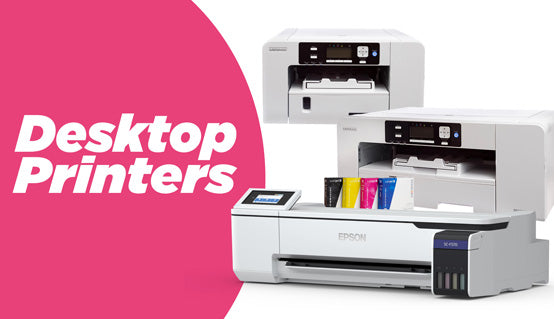
Option 1: desktop sublimation printers (best for beginners)
If you're just getting started or want to focus on smaller products - like t-shirts, mugs, mousepads, and photo panels - desktop sublimation printers are the most cost-effective and space-saving choice.
Top picks from Joto:
- 🖨 Virtuoso SG500: Prints up to 8.5” x 14”
- 🖨 Virtuoso SG1000: Prints up to 11” x 17” (or up to 13” x 19” with a bypass tray)
Why choose desktop printers?
- Affordable startup cost
- Compact - perfect for home-based businesses
- Easy to set up and operate
- Compatible with a wide range of blanks
Joto’s sublimation starter packages include everything you need: printer, inks, paper, heat press, blanks, and training support.
Option 2: Wide-format sublimation printers (Best for scaling up)
If you plan to enter the textile or interior décor market, or you want to offer all-over garment printing, wide-format printers are essential.

Recommended option:
- 🖨 Wide-format sublimation printers: print widths up to 44”
Ideal for printing on:
- Large t-shirts or fabric rolls
- Pillows, bedsheets, curtains
- HD aluminum photo panels
- Flags, banners, signage
Pairing wide-format printers with large-format heat presses allows you to offer full-bleed prints and increase your production capabilities.
What about sublimation inks and paper?
Joto offers premium sublimation inks formulated for color vibrancy, durability, and long-lasting transfer. Using genuine inks is essential to avoid clogging your printheads or producing faded images.
Likewise, high-quality sublimation paper ensures optimal ink release and sharp image transfer. Joto’s sublimation paper is tested to work flawlessly with all supported printers.
Heat press: The unsung hero of sublimation
A reliable heat press is just as important as your printer. Without the right pressure and temperature control, your designs won’t transfer properly.
In the next section, we’ll explore how to choose the best heat press for your product types and business size.
Choosing the right Heat Press for your products

While sublimation printers get a lot of attention, the heat press is where the magic happens. This is the tool that transfers your printed design from paper to product using a combination of heat, pressure, and time.
Choosing the right heat press depends on what you plan to sublimate, how much space you have, and your volume goals. Let’s break it down.
Types of heat presses and their uses
- 1. Clamshell Heat Press (Best for apparel & flat items)
Ideal for:
- T-shirts and hoodies
- Mousepads
- Aluminum photo panels
- Ceramic tiles
Joto’s top models:
Why clamshell?
Clamshell presses are compact, easy to use, and perfect for beginners or small studios. Joto’s Auto Release feature improves workflow by automatically lifting the plate when the timer ends - reducing mistakes and freeing up your hands.
✅ Great for starting out with shirts, panels, and promotional products.
- 2. Mug Press (Best for Custom Drinkware)
Ideal for:
- Coffee mugs
- Travel mugs
- Tumblers
- Latte mugs
Available in 3 models from Joto:
- Single Station
- Dual Station
- 5-Station for higher volume production
These presses are engineered to ensure even heat distribution and a snug wrap around each mug, resulting in consistent, vibrant designs. They’re a must-have if you’re planning to tap into the personalized drinkware market, which continues to be a top seller on platforms like Etsy and Amazon.
- 3. Large format heat press (Best for All-Over Prints)
Ideal for:
- Full-print shirts
- Large fabric panels
- Blankets, flags, and signage
- HD aluminum panels
Joto’s large-format press sizes:
- 31.5″ x 39.4″
- 39.4″ x 47.25″
- 39.4″ x 63″
- 59.1″ x 98.43″
If you're working with a wide-format sublimation printer, pairing it with one of these presses will allow you to produce high-margin, professional-grade sublimated products at scale.
Matched equipment packages
Joto equipment packages combine a printer and heat presses in one matched setup, so you don’t have to size each piece separately.
Whether you’re producing for a single customer or scaling to wholesale orders, having the right press ensures product quality and customer satisfaction.
From Startup to scaling: How sublimation businesses grow
One of the most attractive aspects of starting a sublimation business is how quickly and affordably it can scale. Many successful sellers begin with a single heat press and desktop printer, operating from home, and gradually expand to full-scale production with wide-format equipment and a growing product line.
While we won’t share client names, we've seen countless entrepreneurs follow a similar growth path during our 37 years in the market:
Phase 1: Starting small with desktop equipment
Most beginners launch their business with a Joto sublimation starter package, which typically includes:
- SG500 or SG1000 sublimation printer
- Auto Release Clamshell Heat Press
- Mug Press (optional add-on)
- Sublimation inks and paper
- A set of popular blanks (mugs, shirts, mousepads, etc.)
This lean setup is enough to:
- Validate demand in local markets or online (Etsy, Instagram, TikTok Shop)
- Learn the production workflow
- Build a portfolio of custom product examples
- Establish early revenue and brand identity
Phase 2: Expanding into niche markets
Once the basics are mastered, many entrepreneurs begin to specialize:
- Drinkware-focused businesses expand with multi-station mug presses
- Fashion startups shift to all-over garment printing with wide-format equipment
- Corporate gifting or sports merchandise sellers add bulk capabilities and custom order systems
This stage often includes:
- A move from home-based production to a rented workspace
- A growing customer base through social media, referrals, and marketplaces
- Investment in faster or larger printers and presses
Phase 3: Scaling for volume and B2B clients
Established sublimation businesses may:
- Offer branded merchandise for other companies
- Sell wholesale to retailers or event organizers
- Launch their own product lines in retail or online stores
At this stage, automation, workflow optimization, and equipment reliability become critical areas where Joto’s technical support and long-term expertise can make a real difference in your business.
✨ Expert Tip: Don’t try to do everything at once. Focus on one type of product and one sales channel until you master it. Then expand into new blanks, new formats, or higher-volume production.
Market opportunities: products you can sell with sublimation

One of the biggest advantages of sublimation printing is the huge variety of products you can offer. Whether you're selling online, at local events, or to corporate clients, there's a growing demand for unique, high-quality, customized items.
Let’s explore the most popular product categories you can start selling right away - along with niche opportunities you may not have considered.
Top-Selling sublimation products
1. Drinkware (High Demand Year-Round)
- Best-sellers:
- Coffee mugs
- Tumblers
- Water bottles
- Travel mugs
- Wine tumblers
Why it sells: Drinkware is affordable, useful, giftable, and personal. It’s one of the easiest products to sublimate and one of the most searched on platforms like Etsy and Amazon.
Equipment needed:
- Sublimation printer (SG500 or SG1000)
- Mug press (Single, Dual, or 5-Station)
- Sublimation blanks (coated mugs and bottles)
2. Apparel (Best for Branding and Fashion)
Examples:
- Custom t-shirts
- All-over print hoodies
- Performance wear
- Baby clothing
- Socks
Why it sells: From small brands to influencers and team sports, custom clothing is always in demand. Apparel is also ideal for recurring customers and large orders (events, teams, schools).
Equipment needed:
- Wide-format sublimation printer
- Large-format heat press
- Sublimation-friendly garments (polyester blends)
💡 Full-bleed garment printing allows you to charge premium prices for exclusive designs.
3. Home Decor & Gifts
Popular items:
- HD aluminum photo panels
- Cushion covers and pillowcases
- Coasters
- Christmas ornaments
- Wall art
Why it sells: These items are perfect for seasonal sales, holidays, and custom photo gifts. Sublimated photo panels, for example, deliver stunning, high-resolution color that lasts.
Equipment needed:
- Clamshell or swing-away press
- Sublimation printer
- Specialty blanks (ceramic, aluminum, MDF, fabric)
4. Office & promotional Items
Examples:
- Mouse pads
- Name badges
- Lanyards
- Desk mats
- Keychains
Why it sells: These are great B2B products for corporate branding, events, and promotional giveaways. They're also easy to produce in batches, which increases profit margins.
Equipment needed:
- Desktop sublimation printer
- Medium-size clamshell press
- Blanks in bulk
Emerging niches to explore
- Pet accessories (tags, collars, clothing)
- School & kid-friendly products (pencil cases, lunch bags)
- Memorial products (photo stones, plaques)
- Sports merchandise (jerseys, fan gear, towels)
🛠 Pro Tip: Always test new blanks before listing them. Not all surfaces sublimate the same, even if they look similar. At Joto, all our blanks are pre-coated and tested for optimal results.
Selling online and building your sublimation brand
Knowing how to sublimate is only half the equation. To run a successful business, you need to know where and how to sell your products, and how to make your brand stand out in a competitive market.
Luckily, the rise of ecommerce and social media has made it easier than ever to build a brand, reach customers, and sell globally, with minimal upfront investment.
Top Platforms to Sell Sublimated Products
1. Etsy
The go-to platform for handmade and custom products.
✅ Pros:
- Built-in audience looking for personalization
- Easy to set up
- Excellent for gifts and niche designs
✨ Tips:
- Focus on quality product photography
- Use keywords like “personalized,” “custom gift,” “photo mug”
- Offer bundles or seasonal variations
2. Shopify / WooCommerce
Best for creating your own store and owning the customer experience.
✅ Pros:
- Full control over branding and pricing
- More profit margin than marketplaces
- Integrates with print-on-demand tools and social media
✨ Tips:
- Invest in a clean, mobile-optimized design
- Include customer reviews and real photos
- Offer email sign-ups and discount codes
3. Amazon Handmade
A high-traffic option with strict quality requirements.
✅ Pros:
- Massive reach and buyer trust
- Fulfillment services available
- Great for repeatable, high-demand products
✨ Tips:
- Ensure top-quality printing and fast turnaround
- Prepare for volume with multiple heat presses
- Focus on bestsellers like drinkware and apparel
4. Social Media + TikTok Shop / Instagram Shop
Social platforms have become powerful direct-to-consumer sales channels - especially for sublimated products that are visually engaging.
Top platforms for sublimation sellers:
- TikTok (great for product demos and viral reach)
- Instagram (ideal for lifestyle photos and engagement)
- Facebook Marketplace (for local orders and quick turnarounds)
✨ Tips:
- Show behind-the-scenes printing
- Use Reels and TikToks to demonstrate customization
- Encourage user-generated content and reviews
Building a recognizable brand
No matter where you sell, branding is what turns a one-time buyer into a loyal customer. Here’s how to build trust and differentiation:
✅ Choose a clear niche: Start with a target audience - new moms, pet lovers, sports fans, corporate gifting - and design around their interests.
✅ Be consistent with visuals: Use the same colors, fonts, and tone across your store, packaging, and social channels.
✅ Tell your story: Explain why you started. Show the human side of your business - especially on your About page and social bios.
✅ Focus on customer experience: Fast replies, clear order instructions, and professional packaging all go a long way.
💬 “People don’t just buy products - they buy the story, the feeling, and the trust behind them. Great branding makes your mugs and shirts worth more than anyone else’s.”
Is sublimation a good way to start a print on demand business?
Yes, if you want control over quality and margins. With outsourced print on demand, a fulfillment company prints and ships each order: you invest nothing in equipment, but you keep a smaller share of every sale and never see the product before it ships.
With sublimation, you print on demand in your own shop. Nothing is made until it’s ordered, you keep the production margin, set your own turnaround and can take the custom and bulk orders that outsourced services often can’t. Many sellers test designs with outsourced print on demand, then bring their best sellers in-house once the orders justify a printer and a press.
Costs, profit margins, and ROI: What to expect
One of the main reasons entrepreneurs are drawn to sublimation is its low entry cost and high-profit potential. Unlike traditional manufacturing or large-scale printing, sublimation can be started with a small investment and scaled profitably.
Let’s break down typical startup costs, ongoing expenses, and realistic profit margins - so you know exactly what to expect.
Initial investment: What you need to get started
Most shops start with roughly $1,000 to $4,000 in equipment and supplies. Where you land in that range depends on three choices:
- Printer size: a desktop printer for letter and legal sheets sits at the low end, and a larger desktop model that prints up to 11" x 17" raises the budget.
- Which presses you need: a single mug press is the lowest-cost way to start, and adding a flat clamshell press for shirts and panels is the most common starter setup.
- Starting supplies: ink, sublimation paper and a first batch of blanks.
A home-based mug business with one desktop printer and a single-station mug press sits near the bottom of the range. A setup with a larger desktop printer, a 16" x 20" flat press and a mug press sits near the top.
Operating costs: monthly estimates
- Ink & Paper Refill: $50-$100
- Electricity & Workspace: $20-$50 (home-based)
- Packaging & Shipping Materials: $50-$100
- Marketing (optional): $50-$200 (ads, Etsy fees, etc.)
How much can you make? (profit margins)
Here’s example pricing for common sublimated products. Your prices and costs will vary by market, blank and sales channel:
| Product | Avg. Sale Price | Cost to Make | Profit Margin |
|---|---|---|---|
| Custom Mug | $15 | $3.50 | 77% |
| Photo Panel (8x10) | $30 | $9 | 70% |
| T-shirt (Full Color) | $25 | $7 | 72% |
| Mousepad | $12 | $2.50 | 79% |
These are average Etsy or Shopify prices, margins can be even better with wholesale or bulk orders (corporate gifts, events, sports teams).
Break-Even example
Let’s say you invest $1,300 in a starter setup.
If you sell:
- 100 mugs at $15 each = $1,500
- Your cost per mug is around $3.50
- Profit per mug: ~$11.50
- Net profit after 100 mugs: ~$1,150
You’re nearly at break-even within the first 100 sales, and everything after that is profit.
With good marketing, you can cover the investment within your first 100 to 200 mug sales.
Common mistakes and how to avoid them
Starting a sublimation business is exciting, but like any business, it comes with a learning curve. Avoiding common pitfalls early can save you time, money, and frustration.
Here are some of the most frequent mistakes beginners make, and how you can sidestep them:
❌ 1. Using the Wrong Blanks: Not all products are made for sublimation. Using non-coated mugs or low-quality shirts results in faded prints, customer complaints, and wasted materials.
✅ What to do instead: Only use sublimation-ready blanks from trusted suppliers. Blanks from Joto are pre-treated with a special coating to ensure vibrant, long-lasting results.
💡 Look for the "sublimation compatible" label or buy directly from our Sublimation Blanks Collection.
❌ 2. Skipping Test Prints and Color Calibration: Your design might look great on screen - but without proper testing, the printed version can come out dull, misaligned, or the wrong color.
✅ What to do instead: Always test new designs or materials with a small run. Use ICC color profiles (included with Joto printers) to ensure accurate and consistent colors.
❌ 3. Not Applying the Right Time, Temperature, or Pressure: Every substrate has its own requirements. Applying too much heat or too little pressure can ruin a product.
✅ What to do instead: Use Joto’s Heat Press Time & Temperature Guide to get it right every time. We also include quick-reference charts with every equipment package.
❌ 4. Underpricing Products: Many new sellers price too low trying to compete, but this leads to unsustainable profits and burnout.
✅ What to do instead: Price based on cost + time + value. Remember, you're not just selling a mug - you’re selling a custom gift experience. Customers will pay more for uniqueness, quality, and good service.
❌ 5. Ignoring Marketing and Branding: Great products won’t sell themselves. Many beginners underestimate the importance of visual content, customer reviews, and consistent branding.
✅ What to do instead:
Invest time in:
- Taking high-quality product photos
- Creating a memorable logo and color palette
- Asking customers to share their experience on social media
Avoiding these common mistakes will give you a smoother start, and a stronger foundation to grow your sublimation business.
Frequently asked questions
How much does it cost to start a sublimation business?
Most shops start with roughly $1,000 to $4,000 in equipment and supplies. A desktop printer and a single mug press sit at the low end, and a larger printer with both a flat press and a mug press sits at the high end.
What equipment do you need to start a sublimation business?
You need a sublimation printer, sublimation ink, sublimation paper, a heat press that fits your products and sublimation-ready blanks. Design software lets you create and size your artwork before you print.
Is a sublimation business profitable?
It can be, because blanks cost little compared with what custom products sell for. In the example above, a custom mug that sells for $15 costs about $3.50 to make. Your margin depends on your pricing, your product mix and how you sell.
Can you start a sublimation business from home?
Yes. A desktop sublimation printer and a clamshell or mug press fit in a spare room, and most desktop setups run on a standard 120V outlet, so many shops start at home and move to a workspace once orders grow.
Conclusion: Your sublimation business starts now
Sublimation printing in this time and era isn’t just a trend, it’s a thriving opportunity for creatives, entrepreneurs, and small business owners who want to turn ideas into high-quality, customized products that people love.
Here’s what we’ve covered:
- The market is growing fast - with projections in the billions
- Startup costs are low, and profit margins can be high
- With the right equipment, anyone can start from home
- Joto offers everything you need - equipment, blanks, training, and support
- Avoiding beginner mistakes ensures a faster path to profit and growth
Whether you're creating gifts, fashion, decor, or corporate products, sublimation offers one of the best ways to launch a business today with creativity and flexibility built in.
🔥 Ready to Get Started? Start small. Think big. Grow fast, with Joto Imaging Supplies by your side.
Related Posts

Clamshell vs Swing Away Heat Press: Which One Fits Your Shop?
Choose a clamshell heat press if you mostly press t-shirts, totes and other flat items in a compact workspace. Choose...
Read More
Why Does My Sublimation Photo Panel Have Spots?
If your sublimation photo panel comes out with a speckled, uneven black that looks worse under light, the cause is...
Read More
What Is an Eco-Solvent Printer? How It Compares to Sublimation and DTF
An eco-solvent printer is a wide-format inkjet printer that uses pigment inks carried in a mild solvent, which bite into...
Read More