Yes, you can sublimate on cotton, but not with standard sublimation ink and paper. Pure cotton rejects dye-sublimation ink because the process requires a polymer coating to bond with the dye. Without that coating, the ink sits on the surface, fades after the first wash, and leaves a result no customer will buy twice. The good news is that specialized sublimation transfer papers designed for cotton substrates change that equation, and the results are commercially viable when you understand what you are working with.
This post covers the chemistry behind the limitation, the methods that actually produce durable results on cotton and cotton blends, and the honest trade-offs every print shop should know before investing in cotton sublimation production.
Why Standard Sublimation Does Not Work on Cotton
Dye-sublimation is a heat-activated process where solid ink converts to gas and bonds permanently with polymer molecules in the substrate. The key word is polymer. Polyester fabric contains the polymer chains that accept and lock in sublimation dye at temperature. Cotton is a natural fiber with no polymer content. When you press a standard sublimation transfer onto 100% cotton, the dye has nowhere to bond. It sits on top of the fibers and washes out almost entirely within one to three wash cycles.
This is not a settings problem. It is a chemistry problem. Lowering or raising your press temperature does not change the fiber composition of the fabric. The cotton simply cannot accept the dye without an intermediary layer that mimics the role of polyester.
The blend ratio matters significantly. A 50/50 cotton-polyester shirt produces a noticeably faded, washed-out result compared to a 100% polyester shirt pressed with the same settings. An 80/20 cotton-polyester blend produces an even weaker result. The higher the cotton content, the more the image degrades, both immediately after pressing and after washing.
What Actually Works: Sublimation Transfer Paper for Cotton
Specialized sublimation-to-cotton transfer papers solve the bonding problem by applying a polymer coating layer to the transfer during pressing. The coated paper acts as the polymer receptor, bonding with the sublimation dye under heat and then transferring that bonded layer onto the cotton fiber surface. The result is a print that adheres to cotton and survives commercial washing conditions.
The trade-off compared to polyester sublimation is real and worth understanding before you position this to customers. Colors are slightly less vibrant than polyester output. The hand feel on the print area is slightly different from a pure polyester sublimation result. And the durability, while commercially acceptable, does not match the 50-plus wash resistance of a standard polyester sublimation print. For most corporate gift and promotional applications, the result is entirely acceptable. For production environments where wash durability is the primary specification, polyester substrates remain the stronger choice.

Engineered for cotton and cotton-blend substrates, this paper bridges the chemistry gap between dye-sublimation ink and natural fibers.
The Versiflex System: Cotton Sublimation Built Into the Printer

Sawgrass developed the Versiflex ink system specifically to address cotton sublimation at the production level. Versiflex inks are formulated to work with cotton-compatible transfer papers, producing stronger color output and better wash durability than standard sublimation ink on the same cotton-compatible paper.
The practical difference matters in a shop context. Using standard SubliJet ink with a cotton-compatible paper gives you acceptable results for low-wash promotional items. Using Versiflex ink with the same paper gives you results that hold up better through repeat washing and deliver noticeably stronger color saturation on light cotton garments. For shops that want to offer cotton sublimation as a reliable product line rather than an occasional workaround, the Versiflex system is the right setup.
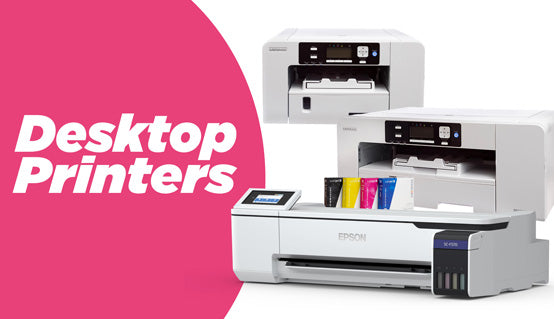
The Sawgrass SG500 with Versiflex is the entry point for this capability. It handles letter and tabloid sheet sizes, which covers the majority of garment and promotional item applications.

The Versiflex ink system is formulated for cotton-compatible transfer papers, delivering stronger color and wash durability on natural fiber substrates.
Press Settings for Cotton Sublimation
Cotton sublimation with a compatible transfer paper requires higher temperature and longer press time than standard polyester sublimation. The polymer coating on the paper needs more heat energy to activate fully and transfer onto the cotton fiber surface.
Recommended Settings for Cotton-Compatible Transfer Paper
| Setting | Cotton-Compatible Paper | Standard Polyester Sublimation |
|---|---|---|
| Temperature | 375 to 400°F (190 to 204°C) | 385 to 400°F (196 to 204°C) |
| Time | 45 to 60 seconds | 30 to 60 seconds |
| Pressure | Medium to firm | Light to medium |
| Peel | Hot peel immediately | Hot or cold depending on paper |
| Pre-press | Required: 5 seconds to remove moisture | Recommended |
Pre-pressing is not optional for cotton. Cotton fabric holds significantly more ambient moisture than polyester. Pressing a damp garment at high temperature creates steam that interferes with the transfer, producing blurry edges and uneven color saturation. A 5-second pre-press at temperature with the platen open removes that moisture before the transfer goes down.
Peel hot and immediately. Cotton-compatible papers are designed for hot peel. Waiting for the garment to cool before peeling increases the risk of ghosting and reduces color transfer quality on some paper formulations.
Cotton Blend Ratios: What the Numbers Mean for Your Output
Even with cotton-compatible paper and Versiflex ink, blend ratio affects your output. Understanding these thresholds helps you set accurate expectations with customers and choose the right garments for your product line.
| Fabric Composition | With Standard Sublimation | With Cotton-Compatible Paper | Best Use Case |
|---|---|---|---|
| 100% Polyester | Excellent: full color, durable | Not needed | Production apparel, sportswear |
| 65/35 Poly-Cotton | Acceptable: slightly muted | Good: improved wash durability | Entry-level casual shirts |
| 50/50 Poly-Cotton | Poor: visible fading after wash | Good: commercially viable | Promotional garments, gifts |
| 80/20 Cotton-Poly | Very poor: not viable | Acceptable: reduced vibrancy | Casual wear where soft hand feel matters |
| 100% Cotton | Not viable | Acceptable: lower vibrancy, shorter lifespan | Low-wash promotional items only |
The practical takeaway for most shops: 50/50 blends with cotton-compatible paper hit the best balance of color quality, wash durability, and garment cost. Pure cotton is viable for promotional use cases where the item will not be washed repeatedly, such as event giveaways or single-use branded items.
What Does Not Work: Common Attempts That Waste Material
Poly Coating Sprays on Garments
Polyester coating sprays applied to cotton garments before pressing exist, and they do produce a visible image. The problem is consistency and durability. The spray application is uneven at any production scale. Wash durability is poor. The feel of the finished garment is stiff where the coating was applied. For occasional hobbyist use, it is a workaround. For a print shop producing orders for customers who expect consistent, durable results, it is not a production method.
Higher Temperature as a Fix for Poor Results
Increasing press temperature beyond the recommended range on cotton does not improve sublimation bonding. It scorches the fabric, weakens the fiber structure, and can damage the platen if ink migrates onto it. If your results are poor on cotton with standard sublimation ink and paper, the fix is the right paper and ink system, not more heat.
Extended Press Time
Pressing cotton longer than recommended does not increase dye bonding on a fabric that cannot accept the dye. It flattens the fabric texture, leaves press marks, and increases the risk of scorching. Cotton sublimation requires the right materials, not the right amount of time with the wrong ones.
When to Use Cotton Sublimation vs. DTF
Print shops evaluating cotton decoration options should understand where cotton sublimation fits relative to DTF transfers, which are the more commonly used method for cotton garment decoration at scale.
| Factor | Cotton Sublimation (Compatible Paper) | DTF Transfers |
|---|---|---|
| Color vibrancy | Good on light garments only | Excellent on light and dark garments |
| Dark garment capability | No: washed-out result | Yes: white underbase built in |
| Hand feel | Soft on light cotton, slight texture on print area | Slight texture on print area |
| Wash durability | Commercially acceptable, lower than polyester sublimation | High: 50 plus washes standard |
| Setup investment | Existing sublimation printer plus compatible paper | DTF printer or outsourced transfers |
| Best fit | Shops already running sublimation, light cotton orders | High-volume cotton decoration, dark garments |
If your shop already runs a sublimation printer and you receive occasional light-cotton orders, adding cotton-compatible paper is a low-investment way to handle those jobs without turning them away. If cotton garment decoration is a primary revenue line, DTF is the more capable and scalable system.
Frequently Asked Questions About Sublimation on Cotton
Can you sublimate on 100% cotton?
Yes, with cotton-compatible sublimation transfer paper. Standard sublimation ink and paper will not bond to pure cotton and will wash out almost completely. A paper like Paropy SubliCotton Light applies a polymer layer during pressing that allows the dye to transfer onto the cotton surface with commercially viable durability. Results on 100% cotton are lower vibrancy than polyester, making this method best suited for light garments and low-wash promotional applications.
Why does my sublimation on cotton fade after washing?
If you are using standard sublimation paper and ink on cotton, fading after washing is expected. The dye has no polymer structure to bond with in a natural cotton fiber. The image sits on the surface and washes off. The fix is cotton-compatible transfer paper, ideally paired with a Versiflex ink system designed for that paper type.
What is the best fabric blend for cotton sublimation?
A 50/50 polyester-cotton blend with cotton-compatible paper produces the best balance of color quality and wash durability for most shop applications. Higher polyester content improves results. Higher cotton content reduces vibrancy and durability even with compatible paper.
Do I need a special printer to sublimate on cotton?
You do not need a different printer, but you do benefit from a different ink system. The Sawgrass Versiflex ink system is formulated specifically for cotton-compatible sublimation papers and produces stronger color and better wash results than standard SubliJet ink on the same paper. If you already own a Sawgrass SG500 or SG1000, switching to Versiflex ink is the most direct upgrade for cotton sublimation output.
What temperature and time should I use for sublimating on cotton?
With cotton-compatible transfer paper, press at 375 to 400°F for 45 to 60 seconds with medium to firm pressure. Always pre-press the garment for 5 seconds first to remove moisture. Peel hot immediately after opening the press. These settings apply to light cotton and cotton-blend garments. Verify the specific paper manufacturer's guidelines for any paper outside the Paropy SubliCotton range.
Ready to Add Cotton Sublimation to Your Shop?
Shop Paropy SubliCotton paper and Sawgrass Versiflex systems, stocked across five US warehouses for fast fulfillment.
Shop SubliCotton Paper →Related Posts

Clamshell vs Swing Away Heat Press: Which One Fits Your Shop?
Choose a clamshell heat press if you mostly press t-shirts, totes and other flat items in a compact workspace. Choose...
Read More
Why Does My Sublimation Photo Panel Have Spots?
If your sublimation photo panel comes out with a speckled, uneven black that looks worse under light, the cause is...
Read More
What Is an Eco-Solvent Printer? How It Compares to Sublimation and DTF
An eco-solvent printer is a wide-format inkjet printer that uses pigment inks carried in a mild solvent, which bite into...
Read More